Mesh Base Orthodontic Bracket Suppliers and Manufacturers
Explore 24 verified suppliers offering Mesh Base Orthodontic Bracket options from China. Compare dimensions, certifications like CE and ISO, lead times, and pricing to find the right fit. Contact suppliers directly to request samples or custom orders; review the available evidence before requesting comparable quotations from suitable candidates.
Suppliers List

Foshan Vimel Dental Equipment Co., Ltd.
- Verified by CTI
- Trading Company,Manufacturer/Factory
- China Guangdong
- Lead time0 days
Main productsOral Scanner, Handpiece, LED Curing Light, Dental Scaler, Oil-Free Air Compressor, Dental Unit, X Ray Sensor, X Ray Unit, Dentist Stool, Endodontic Treatment Machine
Main marketsSouth America,Eastern Europe,Mid East,North America,Southeast Asia,Eastern Asia,Oceania,Africa


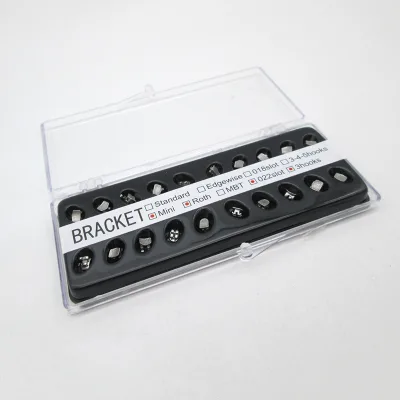
Metal Dental Lingual Brackets Orthodontic Products Mini Roth Teeth Braces
$14.00 - $20.00
MOQ: 2 Pieces
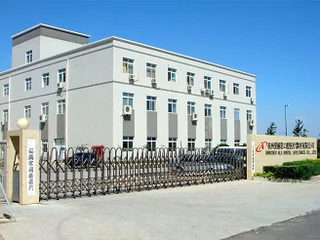
Hangzhou Als Dental Appliance Co., Ltd.
- Manufacturer, Trading Company
- Zhejiang, China
- Lead time5 days
- Avg. response≤ 3h
Main productsBracket,Molar Band,Buccal Tube,Ligature Tie,Ligature Wire
Main marketsSouth America(38.00%), North America(27.00%), Eastern Europe(8.00%), Southern Europe(5.00%), Northern Europe(5.00%), Southeast Asia(5.00%), Africa(4.00%), Western Europe(3.00%), Eastern Asia(2.00%), Oceania(1.00%), Mid East(1.00%), Central America(1.00%)
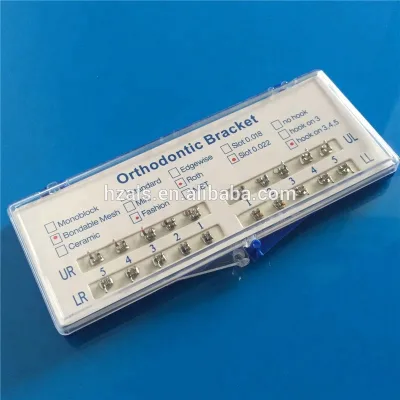
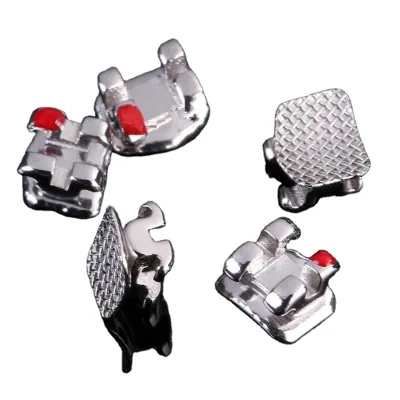
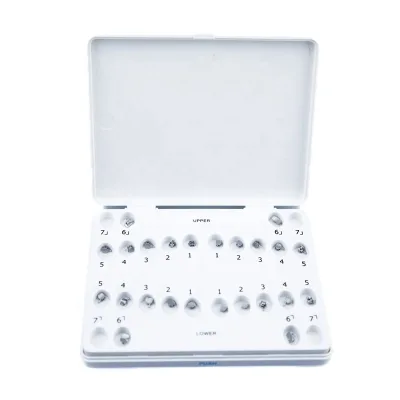
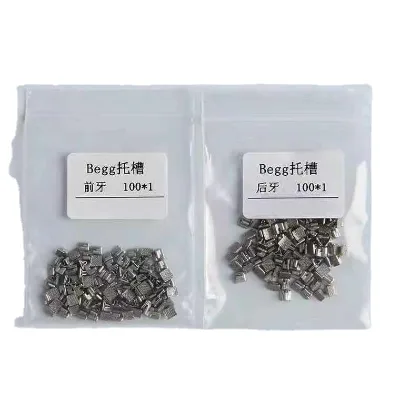
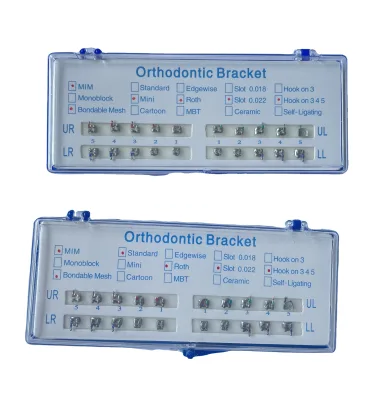
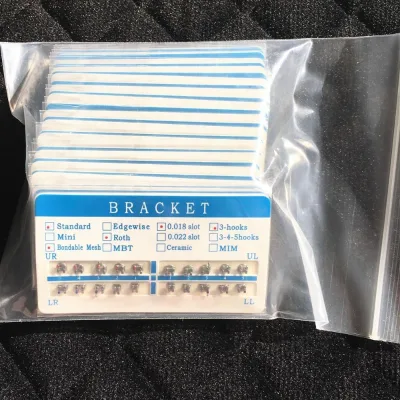
New China Supply MIM Technology Orthodontic Brackets with Mesh Base Braces
$1.52 - $3.04
MOQ: 100 Minimum

Tianjin Spider Impex Co., Ltd.
- Manufacturer/Factory
- China Tianjin
- Lead time23 days
Main productsDental Materials, Dental Lab Materials, Dental Consumbles, Dental Laboratory Equipment, Orthodontic Consumbles, Orthodontic Brush Kits, Dental Retainer Case, Dental Equipment, Screws, Fasteners
Main marketsSouth America,Eastern Europe,Mid East,North America,Southeast Asia,Eastern Asia,Oceania,Western Europe,Africa


Ortho Dental Equipment Orthodontic Dental Teeth Braces Metal Dental Bracket
$3.00 - $6.00
MOQ: 100 Pieces


High Quality Orthodontic Brackets Protect Bracket Orthodontic for Dental Material
$1.90 - $6.00
MOQ: 100 Pieces

HENAN BAISTRA INDUSTRIES CORP.
- Verified by TUVRHEINLAND
- Trading Company
- China Henan
- Lead time15 days
Main productsDental Equipment, Medical Equipment, Dental Uinit, Water Distiller, Dental Materials, Orthodontic Bracket, Dental Handpiece, LED Curing Light, Dental Resin, Dental Instrument
Main marketsSouth America,Eastern Europe,North America,Eastern Asia,Africa


Orthodontic Metal Bracket Set Mesh Base with Number Mark Dental Bracket Kit
$60.00 - $118.00
MOQ: 1 Box


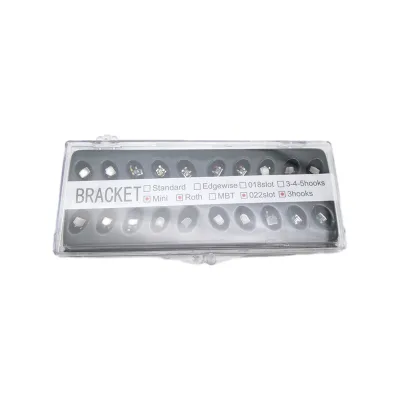
20PCS Dental Mesh Base Split Brackets Mini Roth/Mbt 022/018 Orthodontic Brackets
$0.95 - $1.35
MOQ: 50 card

20PCS Dental Mesh Base Braces Mini Roth/Mbt 022/018 Split Orthodontic Brackets
$0.95 - $1.35
MOQ: 50 card

Changsha Easyinsmile Intelliegence Technolegy Co., Ltd.
- Manufacturer, Trading Company
- Hunan, China
- Lead time45 days
- Avg. response≤ 3h
Main productsDental Orthodontic Bracket,Ultrasonic Scaler,Dental Handpiece,Portable X-ray,Dental disposable product
Main marketsNorth America(35.00%), South America(30.00%), South Asia(12.00%), Eastern Europe(10.00%), Southern Europe(9.00%), Southeast Asia(4.00%)
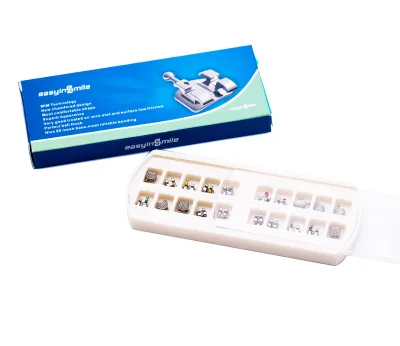
Ortodoncia MBT Brackets Mesh Base Dental Consumables Mini Orthodontic Metal Bracket
$2.14 - $2.53
MOQ: 50 boxes
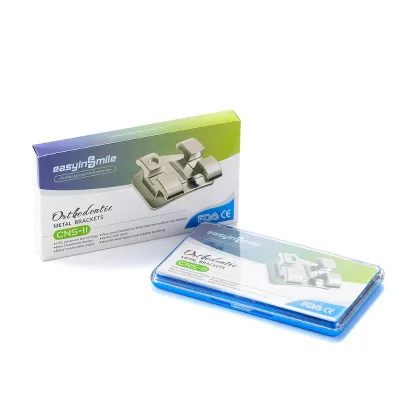
EASYINSMILE Dental Braces Orthodontic Consumables Orthodontic Bracket MIM Meshbase
$3.00 - $5.00
MOQ: 50 Minimum

- Verified by TUVRHEINLAND
- Combined
- China Hebei
- Lead time15 days
Main productsEndodontic Instruments, Orthodontic, Dental Photography, Denture Box, Dental Micro Applicator, Dental Instrument Container, Hygiene and Protection, Cheek Retractor Mouth Prop, Dental Impressions, Acrylic
Main marketsNorth America

Stardent Equipment Co., Limited
- Verified by SGS
- Trading Company
- China Guangdong
- Lead time15 days
Main productsDental Equipment/Medical Equipment, Dental Instrument/Lab Equipment, Hospital Equipment/Surgical Instrument, Dental Unit/Medical Supply/Diagnostic Equipment, Dental Handpiece/Dental Supply, Dental Chair/Dental Chair Unit/Medical Supply, Dental Material/Medical Products, Dental Product/Ultrasonic Cleaner, Dental Burs/Diamond Burs/Lab Equipment, Teeth Whitening Machine/Surgical Equipment
Main marketsSoutheast Asia/ Mideast,Europe,North America


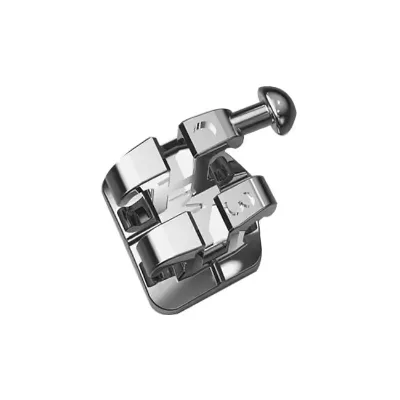
Orthodontic Metal Brace Self-Ligating Bracket with Instrument Dental Material
$7.00 - $8.00
MOQ: 50 box


High Quality Fixed Dental Orthodontic Ceramic Brackets Orthodontic Clear Brackets
$5.00 - $6.00
MOQ: 20 Bags


Anyang Yingpai Dental Materials Co., Ltd.
- Verified by CTI
- Combined
- China Henan
- Lead time15 days
Main productsAcrylic Resin Teeth, Dental Zirconia Block, Dental Milling Machine, Dental X Ray Unit, Intraoral Scanner, Dental Lab Equipment, Dental Base Powder, Dental Equipment, Dental Lab Materials, Dental Materials
Main marketsSouth America,Others(foreignTradeCapacity.exportBusinessCapacityMarketOther),Southeast Asia/ Mideast


Orthodontic Brace Dental Material Dental China Metal Passive Self-Ligating Bracket
$8.60 - $11.80
MOQ: 500 Boxes


Henan Baistra Industries Corp.
- Verified by TüVRheinland
- Trading Company
- Lead time7 days
- Avg. response≤ 2h
Main productsOrthodontic Bracket, Dental Bur, Dental Handpiece, Dental Chair, X Ray Machine
Main marketsSouth America(37%), North America(13%), Southeast Asia(13%)
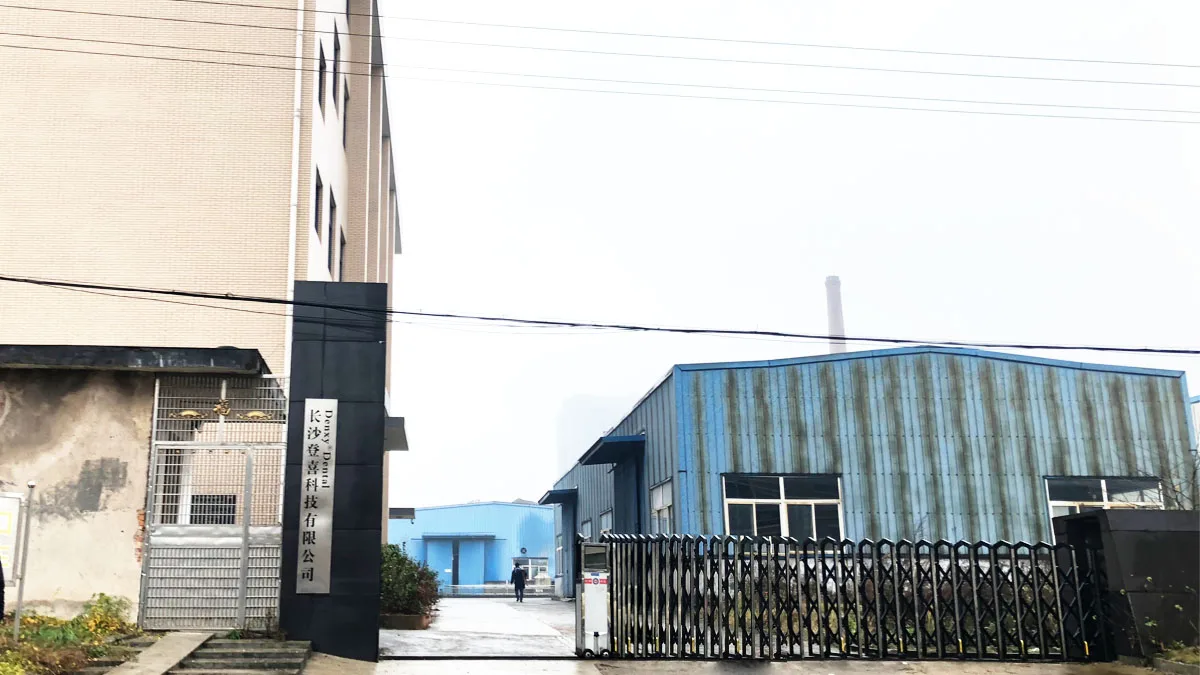
Changsha Denxy Technology Co., Ltd.
- Trading Company
- Hunan, China
- Lead time5 days
- Avg. response≤ 8h
Main productsOrthodontic Brackets,Orthodontic Elastics,Acrylic Box,Stainless Steel Ligature Wire,Orthodontic Buccal Tube
Main marketsNorth America(40.00%), Southeast Asia(25.00%), South America(10.00%), Mid East(8.00%), Western Europe(5.00%), Eastern Europe(5.00%), South Asia(3.00%), Northern Europe(2.00%), Southern Europe(2.00%)
Ningbo Denrotary Medical Apparatus Co., Ltd.
- Verified by TüVRheinland
- Manufacturer, Trading Company
- Lead time7 days
- Avg. response≤ 3h
Main productsOrthodontic Brackets, Orthodontic Buccal Tube, Orthodontic Elastomers, Orthodontic Wires, Orthodontic Accessories
Main marketsDomestic Market(30%), North America(15%), South America(12%)
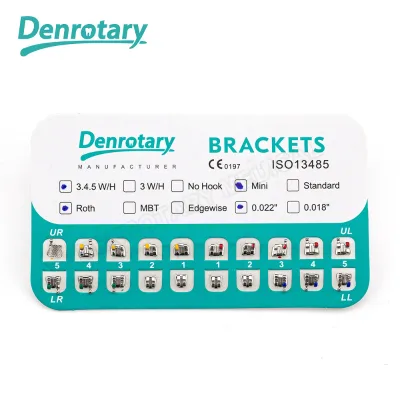
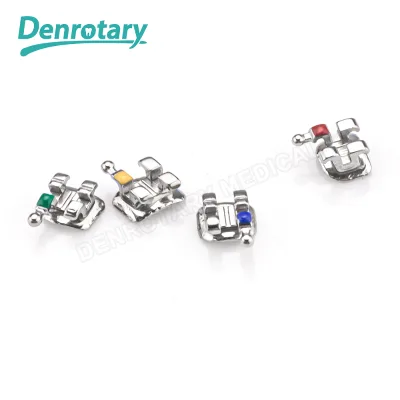
Orthodontic Instruments Mim Monoblock Roth Orthodontic Bracket Best Quality Orthodontics Brackets
$1.60 - $3.00
MOQ: 10 Minimum
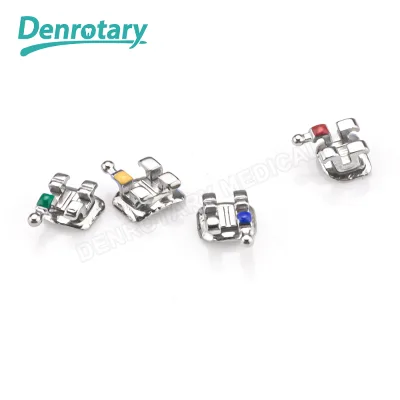
Denrotary Orthodontics Roth Orthodontic Bracket Dental Supplies Roth/edegwise Bracket Cards
$1.63 - $3.06
MOQ: 2 sets
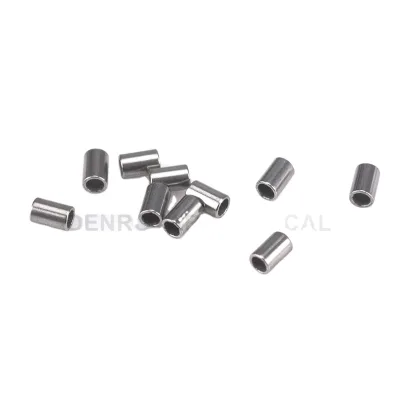
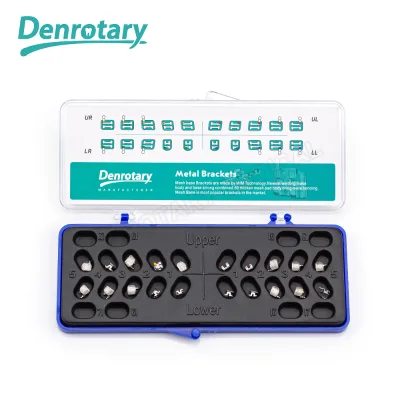
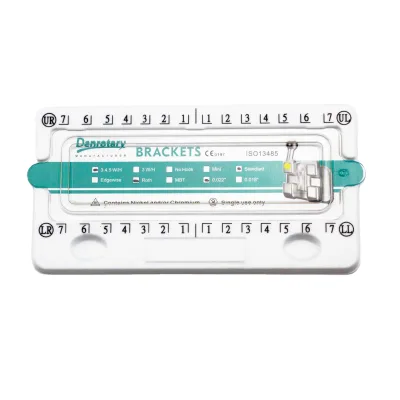

- Verified by SGS
- Trading Company
- China Guangdong
- Lead time15 days
Main productsDental Equipment, Dental Materials, Dental Intrument, Dental Files/Burs, Dental Unit, Dental Camera, Dental Disposable Products, Auticlace System
Main marketsOthers(foreignTradeCapacity.exportBusinessCapacityMarketOther),Southeast Asia/ Mideast,North America

Orthodontic Dental Brace Mesh Monoblock Brackets Roth Mbt Dental Surgical Product
$1.60 - $2.00
MOQ: 100 box

Orthodontic Self-Ligating Bracket Medical Orthodontic Products Dental Brace
$12.00 - $14.00
MOQ: 10 box


Dental Self Ligating Bracket with Buccal Tube with Handle Orthodontic Material
$12.00 - $14.00
MOQ: 10 box

Orthodontic Monoblock Bracket Self Ligating Brace with Holder Dental Material
$7.00 - $8.00
MOQ: 100 box
- Verified by SGS Group
- Trading Company
- Lead time15 days
- Avg. response≤ 3h
Main productsToothbrush, Toothpaste, Package Bottle, Teeth Whitening Product, Skin Care Product
Main marketsNorth America(30%), Southeast Asia(20%), Africa(15%)

Foshan SCS Medical Instrument Co., Ltd.
- Verified by BV
- Manufacturer/Factory
- China Guangdong
- Lead time15 days
Main productsDental Unit / Dental Chair, Ent Unit, Dental Handpiece, Curing Light, Autoclave, Air Compressor, Scaler, Oral Camera / Monitor, X-ray Equipment, Diamond Burs / Files
Main marketsSouth America,Eastern Europe,Mid East,North America,Southeast Asia,Eastern Asia,Oceania,Western Europe,Africa

Zhengzhou Ulike Dental Equipment Co., Ltd.
- Verified by BV
- Manufacturer/Factory
- China Henan
- Lead time15 days
Main productsDental Bracket, Acrylic Resin Teeth, Dental Chair, Dental Air Compressor, Dental X Ray Machine, Dental Sterilization, Teeth Whitening Machine, Dental Apex Locator, Dental Endo Motor, Dental Handpiece
Main marketsNorth America,Southeast Asia,Western Europe,Africa

Dental Orthodontic Fashion Standard Roth /Mbt Brackets Five Stars Brackets Orthodontic Bracket
$2.60 - $3.60
MOQ: 100 Bags

Cheap Orthodontic Products Dental Supplier Self-Ligating Bracket Orthodontic Dental Bracket
$15.00 - $16.00
MOQ: 1 Bags


Dentist Product Orthodontic Instrument Materials Orthodontic Ceramic Braces with Box
$3.00 - $4.00
MOQ: 1 Bags
Shanghai Carejoy Trade Co., Ltd.
- Trading Company
- Shanghai, China
- Lead time5 days
- Avg. response≤ 3h
Main productsdental consumables,dental disposables materials,dental instruments,dental equipments,dental orthodontic products
Main marketsWestern Europe(23.00%), North America(18.00%), Mid East(15.00%), Northern Europe(10.00%), Eastern Europe(8.00%), Eastern Asia(7.00%), South America(6.00%), Africa(6.00%), Southeast Asia(5.00%), Central America(2.00%)
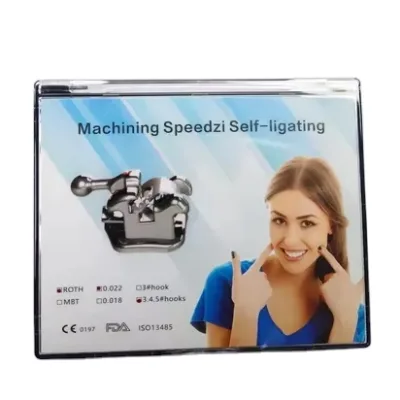
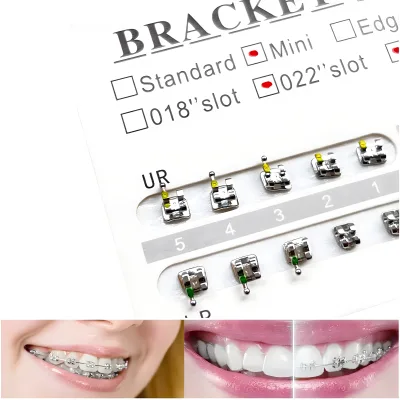
Orthodontic Metal Brackets for Dental Braces High Quality Stainless Steel Teeth Correction Systems
$1.00 - $2.00
MOQ: 500 Minimum
Fugui Oxygen Chamber Technology (zhongshan) Co., Ltd.
- Manufacturer, Trading Company
- Guangdong, China
- Lead time7 days
- Avg. response≤ 4h
Main productsDog Treadmill,Blood Pressure Monitor,Hyperbaric Chamber,Wheelchair,Blood Collection Tube
Main marketsSoutheast Asia(30.00%), Africa(27.00%), South Asia(10.00%), South America(8.00%), Oceania(6.00%), Mid East(5.00%), Western Europe(3.00%), North America(3.00%), Northern Europe(2.00%), Eastern Asia(2.00%), Southern Europe(2.00%), Eastern Europe(1.00%), Central America(1.00%)

Wuhan Jinguang Medical Technology Co., Ltd.
- Verified by CTI
- Combined
- China Hubei
- Lead time23 days
Main productsDental Equipment, Dental Lab Products, Dental Supplies, Medical Disposables, Dental Materials
Main marketsSouth America,Europe


Dental Orthodontic Metal Q-Type Spherical Comfortable Self-Ligating Brackets
$25.00 - $30.00
MOQ: 1 Boxes
Hangzhou Angsheng Orthodontic Products Co., Ltd.
- Manufacturer, Trading Company
- Zhejiang, China
- Lead time18 days
- Avg. response≤ 4h
Main productsOrthodontic brackets,Orthodontic buccal tubes,Orthodontic screw,Orthodontic arch wires,Orthodontic accessories
Main marketsNorth America(20.00%), Western Europe(15.00%), Southeast Asia(12.00%), South America(12.00%), Domestic Market(10.00%), Mid East(10.00%), Eastern Europe(5.00%), Central America(5.00%), Southern Europe(3.00%), South Asia(2.00%), Northern Europe(2.00%), Africa(2.00%), Oceania(1.00%), Eastern Asia(1.00%)
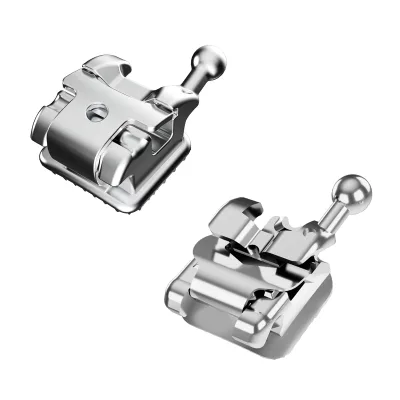
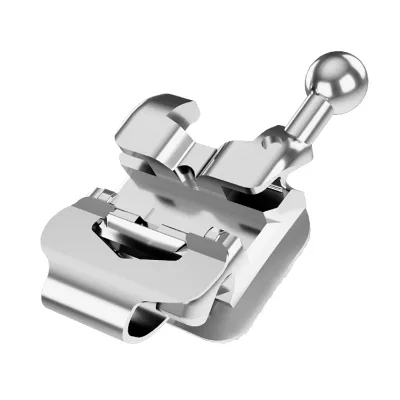
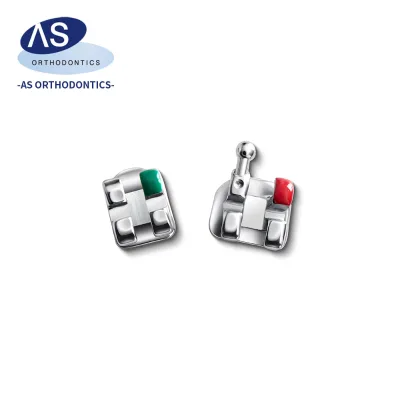
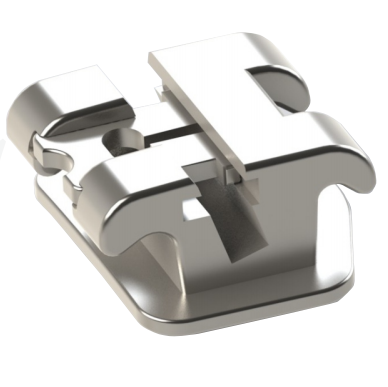
Orthodontic Brackets MIM Low Profile Mesh Base
$1.80 - $2.50

Foshan M&Y Medical Instrument Co., Ltd.
- Verified by BV
- Combined
- China Guangdong
- Lead time15 days
Main productsDental Air Polisher, Dental Handpiece, Handpiece Spare Parts, Low Speed Handpiece, Dental Air Arbrasion, Dental Air Scaler, Dental Ar Heater, Ultrasonic Scaler, Dental Dust Collector, Apex Locator
Main marketsSouth America,Africa,Southeast Asia/ Mideast,Europe


Dental Orthodontic Round Mesh Base Bondable Metal Lingual Button Dental Products Super
$1.20 - $1.80
MOQ: 20 Pieces

NINGBO CAREST MEDICAL INSTRUMENT CO., LTD.
- Trading Company,Manufacturer/Factory
- China Zhejiang
- Lead time15 days
Main productsMicro Applicator, Dental Bib, Saliva Ejector, Prophy Brush, Barrier Film, Dental Burs, Gutta Percha Points, Dental Irrigation Needle, Dental Needle, Dental Impression Material
Main marketsSouth America,Eastern Europe,Mid East,North America,Southeast Asia,Eastern Asia,Oceania,Western Europe,Africa
Guangzhou E-Luck Medical Technology Co., Ltd.
- Trading Company
- Guangdong, China
- Lead time10 days
- Avg. response≤ 7h
Main productsDental unit,Dental High Speed Handpiece,Dental Orthodontic,Dental Endomotor,Diamond Burs
Main marketsSoutheast Asia(40.00%), Mid East(30.00%), Domestic Market(5.00%), South America(5.00%), Africa(5.00%), North America(5.00%)
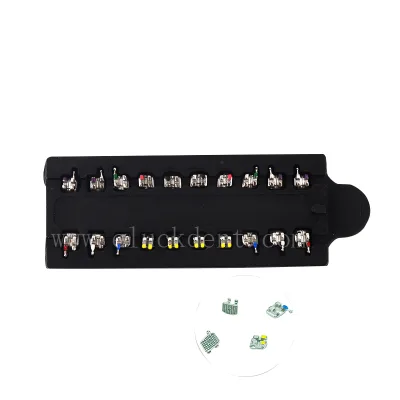
Dental Health Product High Quality Orthodontic MIM Bracket Mini Metal Bracket
$1.20 - $2.00
MOQ: 5 pieces
High Quality Orthodontic MIM Mini Metal Bracket with Mesh Base for MBT/Roth System Manual Use
$1.22 - $2.04
MOQ: 5 pieces
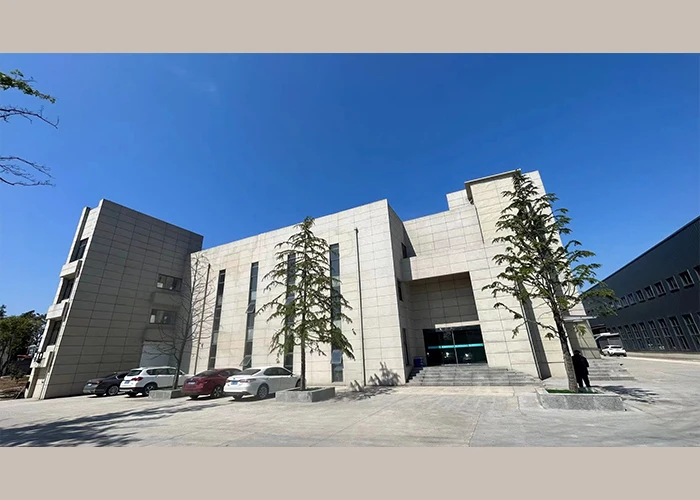
- Manufacturer, Trading Company
- Anhui, China
- Lead time0 days
- Avg. response≤ 3h
Main productsOrthodontic Brackets,Orthodontic Ceramic Brackets,Orthodontic Tubes,Lingual Button,Orthodontic Wires
Main marketsCentral America(100.00%), Western Europe(100.00%), Oceania(100.00%), Africa(100.00%), Southeast Asia(100.00%), Southern Europe(100.00%), Northern Europe(100.00%), North America(100.00%), South Asia(40.00%), Domestic Market(20.00%), Eastern Asia(10.00%), Mid East(10.00%), Eastern Europe(10.00%), South America(10.00%)
- Manufacturer, Trading Company
- Hebei, China
- Lead time10 days
- Avg. response≤ 3h
Main productsDenture Box,Impression Tray,Cheek Retractor,Dental Forming Piece,Metal Bur Box
Main marketsSouth Asia(100.00%), Southern Europe(100.00%), Northern Europe(100.00%), Central America(100.00%), Western Europe(100.00%), Eastern Asia(100.00%), Mid East(100.00%), Oceania(100.00%), Africa(100.00%), Eastern Europe(100.00%), Domestic Market(50.00%), North America(30.00%), South America(10.00%), Southeast Asia(10.00%)






Comprehensive Sourcing Guide
Mesh Base Orthodontic Bracket Supplier Concentration and Factory Types
Current data indicates that suppliers for mesh base orthodontic brackets are concentrated in specific manufacturing hubs within China, with Guangdong and Zhejiang provinces appearing as primary locations for these facilities. These regions host a mix of trading companies and manufacturers, offering buyers a choice between direct factory engagement and intermediary sourcing. The presence of both company types suggests that some entities manage their own production lines while others facilitate trade for multiple factories. Buyers should verify the specific operational model of each potential partner, as the distinction between a pure trading company and a manufacturer with factory capabilities significantly impacts quality control and communication efficiency.
When evaluating the factory types available, it is essential to look for evidence of in-house production capabilities alongside trading services. Some suppliers list main products that include a broad range of dental equipment, such as oral scanners and dental units, alongside specific orthodontic brackets. This diversification can indicate a robust supply chain, but it also requires careful scrutiny to ensure the specific mesh base bracket product is a core competency rather than a peripheral offering. Buyers must confirm whether the supplier's primary focus aligns with the specific technical requirements of orthodontic materials, ensuring that the manufacturing environment is equipped to handle the precision needed for medical-grade stainless steel components.
How to Verify Mesh Base Orthodontic Bracket Suppliers
Verification of suppliers requires a rigorous check of their certification status and third-party audit results to ensure compliance with international medical standards. Available data shows that some suppliers hold ISO 13485 certification, which is critical for medical device manufacturers, while others display CE marks or TUV certifications for specific product lines. Buyers should not assume all listed suppliers possess these credentials; instead, they must request current certificates and verify their validity through the issuing bodies. The presence of CTI verification on a supplier profile adds a layer of confidence regarding the company's business legitimacy, but it does not replace the need for product-specific quality audits.
Beyond certifications, buyers must assess the supplier's response time and verification status to gauge reliability and communication efficiency. Data indicates that some suppliers offer a response time of three days, which serves as a benchmark for evaluating potential partners. A slower response time may indicate a lack of dedicated sales support or operational bottlenecks that could delay order processing. Additionally, checking the "is_verified" status provides insight into whether the supplier has undergone a background check by the platform. Buyers should prioritize suppliers with verified status and documented response times, as these factors often correlate with a higher likelihood of successful order fulfillment and transparent communication throughout the procurement process.
What to Compare Across Mesh Base Orthodontic Bracket Suppliers
Comparing suppliers requires a detailed analysis of their lead times, minimum order quantities, and pricing structures to determine the best fit for specific project needs. The data reveals significant variation in lead times, with some suppliers listing zero days while others indicate a five-day window. Similarly, minimum order quantities range from as low as two units to as high as one hundred units, depending on the specific product model and supplier policy. Buyers must align these constraints with their inventory requirements and cash flow capabilities, ensuring that the selected supplier can accommodate their volume needs without imposing excessive financial burdens or delivery delays.
Pricing and product specifications also vary widely across the supplier base, necessitating a side-by-side comparison of unit costs and material attributes. Some listings show price ranges starting at 3.50 dollars, while others begin at 14.00 dollars, reflecting differences in product complexity, such as the distinction between standard and mini brackets. Buyers should examine the material composition, noting that medical-grade stainless steel is a common requirement, and verify if customization options are available for specific bracket models like Roth or MBT. It is crucial to compare the total cost of ownership, including packaging standards and shipping terms, rather than focusing solely on the base unit price, to ensure a comprehensive understanding of the financial implications of each supplier option.
Common Mesh Base Orthodontic Bracket Sourcing Risks
One significant risk in sourcing mesh base orthodontic brackets involves the potential mismatch between product claims and actual manufacturing capabilities, particularly regarding certification and quality standards. While some suppliers list certifications like CE, ISO, and TUV, others may only provide generic safety standards or lack specific medical device approvals. Buyers must be vigilant in verifying that the specific product batch they intend to purchase meets the regulatory requirements of their target market, as a supplier's general certification may not cover every product variant. Relying on unverified claims can lead to customs delays or rejection of goods, making it imperative to request detailed test reports and batch-specific documentation before finalizing any order.
Another critical risk is the inconsistency in lead times and production capacity, which can disrupt supply chains and delay clinical treatments. The observed data shows lead times ranging from zero to five days, but these figures may not reflect actual production capacity during peak demand periods. Suppliers with high order volumes or limited manufacturing lines may experience delays that are not immediately apparent in their initial listings. Additionally, the availability of customization services varies, and some suppliers may claim to offer custom brackets while lacking the necessary tooling or expertise to execute complex modifications. Buyers should establish clear communication channels to confirm production schedules and contingency plans to mitigate the risk of supply interruptions.
Mesh Base Orthodontic Bracket Regional Sourcing and Logistics
Regional sourcing strategies should focus on the specific manufacturing clusters identified in the data, such as Guangdong and Zhejiang, where a high concentration of suppliers operates. These regions offer logistical advantages due to established port infrastructure and experienced freight forwarders familiar with medical device exports. Buyers should prioritize suppliers located in these hubs to benefit from streamlined shipping processes and potentially lower freight costs. However, it is essential to verify the specific port of origin for each supplier, as logistics costs and transit times can vary significantly depending on the exact location within the province and the chosen shipping method.
Logistics planning must also account for the specific packaging and handling requirements of orthodontic brackets to prevent damage during transit. The data indicates that products are often packed in cartons, with some suppliers offering standard export cartons or specialized boxes to protect the delicate metal components. Buyers should confirm the packaging specifications, including the number of units per carton and the use of protective materials, to ensure that the brackets arrive in pristine condition. Additionally, understanding the shelf life of the products, which can range from one to two years, is crucial for inventory management. Buyers should coordinate delivery schedules to ensure that the products arrive well within their usable lifespan, minimizing the risk of expiration before clinical application.
Mesh Base Orthodontic Bracket Commercial Terms and Order Planning
Commercial terms for mesh base orthodontic brackets often include specific conditions regarding payment, warranty, and after-sales support that must be clearly defined before order placement. Some suppliers offer warranties ranging from one to three years, while others provide online technical support as part of their service package. Buyers should carefully review these terms to understand the level of protection and support they will receive post-purchase. It is also important to clarify the return policy and the process for handling defective units, as these terms can vary significantly between trading companies and manufacturers. Clear agreement on these commercial terms helps prevent disputes and ensures a smooth transaction process.
Order planning should be based on a realistic assessment of the supplier's capacity and the buyer's demand forecast to avoid stockouts or overstocking. The minimum order quantities observed, ranging from two to one hundred units, require buyers to balance their inventory needs with the financial constraints of their procurement budget. Buyers should consider the lead times and response times when placing orders, ensuring that they have sufficient time to receive goods before they are needed for clinical use. Additionally, planning for potential customization requests is essential, as these may extend lead times and require additional coordination with the supplier. A well-structured order plan that accounts for these variables will help maintain a steady supply of high-quality orthodontic brackets.
FAQs
What certifications do mesh base orthodontic brackets carry?
Manufacturers typically provide CE, ISO, and TUV certifications for these dental brackets. Some suppliers also hold ISO 13485 system certification for quality management. Buyers should verify specific product certificates to ensure compliance with regional medical device regulations before placing bulk orders.
What is the minimum order quantity for these brackets?
Minimum order quantities vary significantly by supplier and product type. Some manufacturers require a minimum of two sets, while others demand at least one hundred units. Buyers should check specific listings to confirm the exact MOQ applicable to their desired bracket size and slot configuration.
Where are these orthodontic brackets manufactured?
Most mesh base orthodontic brackets are manufactured in China, specifically in regions like Guangdong and Zhejiang. These locations host numerous factories and trading companies specializing in dental consumables. Buyers can filter search results by these specific provinces to locate suppliers with established production capabilities.
What materials are used in mesh base brackets?
These brackets are primarily constructed from medical-grade stainless steel. The material ensures durability and biocompatibility for long-term orthodontic treatment. Some listings specify the use of high-quality metal alloys to maintain structural integrity. Buyers should confirm the exact material grade to meet clinical standards.
What slot sizes are available for these brackets?
Common slot sizes include 0.022 and 0.018 inches. These dimensions accommodate standard and mini bracket variations for different orthodontic techniques. Suppliers often offer Roth, MBT, and Edgewise systems. Buyers should select the specific slot size that matches their prescribed treatment protocol and wire dimensions.
What is the typical lead time for production?
Lead times vary by supplier, with some listing zero days for immediate stock and others indicating five days for production. Response times can also differ, with some suppliers replying within three days. Buyers should confirm current inventory status and production schedules directly with manufacturers to avoid delays.
What is the price range for mesh base brackets?
Prices typically range from three to five dollars for standard mesh base brackets. Premium or specialized orthodontic products may cost between fourteen and twenty dollars per set. Buyers should compare unit prices based on quantity tiers and specific bracket configurations to determine the most cost-effective option.