Dual Mode Vertical Ergonomic Mouse Suppliers and Manufacturers
Explore 16 verified options for Dual Mode Vertical Ergonomic Mouse from China Fujian and Guangdong. Compare response times, lead times, and product specifications like DPI and connectivity. Contact suppliers directly to request samples and confirm customization availability; review the available evidence before requesting comparable quotations from suitable candidates.
Suppliers List

Quanzhou E-Best International Trade Co., Ltd.
- Verified by BV
- Trading Company
- China Fujian
- Lead time30 days
- Avg. response≤ 7h
Main productsBluetooth Speaker, Phone Case, Power Bank, Beauty Device, Portable Projector, IP Poe Camera, Mouse, Air Fryer, Razors, Wireless Headphones
Main marketsNorth America


$5.17 - $5.82
MOQ: 20 Pieces

Mouse New Dual-Mode Wireless Mouse: Rechargeable, Silent, Bluetooth, for Office and Laptops
$1.70 - $2.10
MOQ: 20 Pieces
Shenzhen Bluewaving Technology Co., Ltd.
- Manufacturer, Distributor/Wholesaler
- Guangdong, China
- Lead time7 days
- Avg. response≤ 4h
Main productsComputer Mouse,Camera
Main marketsNorth America(35.00%), Western Europe(30.00%), Eastern Europe(10.00%), Mid East(10.00%), South Asia(5.00%), Northern Europe(5.00%), Central America(5.00%)

Dongguan Siyaji Electronic Technology Co.,Ltd
- Verified by BV
- Manufacturer
- China Guangdong
- Lead time30 days
- Avg. response≤ 1h
Main productsDesktop Wireless Keyboard, Tablet Leather Keyboard Case, iPad Education Keyboard, Folding Bluetooth Keyboard, Keyframe, Keyboard and Mouse Combo, Wired Keyboard, Membrane Keyboard, Wireless Keyboard, Gaming Keyboard

2.4G+Bluetooth Dual Mode Vertical Ergonomic Mouse for Multiple Operation System
$6.03 - $6.43
MOQ: 1000 Sets

Ergonomic Dual Mode Wireless Vertical Mouse Reduce Fatigue Perfect for Office Work
$6.03 - $6.43
MOQ: 1000 Sets

ODM Ergonomic Vertical Mouse 2.4G+Bt Dual Mode 6 Buttons for Office & Gaming
$6.03 - $6.43
MOQ: 1000 Sets

Vertical Ergonomic Mouse 2.4G Bluetooth Dual Mode Optical Sensor Smooth Movement Office Gaming
$6.03 - $6.43
MOQ: 1000 Sets

ODM Dual Mode 2.4G Bluetooth Vertical Ergonomic Mouse Multiple-Device Wide Compatibility
$6.03 - $6.43
MOQ: 1000 Sets

High Quality Optical Ergonomic Office Vertical Mouse Dual Mode 6 Keys for Work & Play
$6.03 - $6.43
MOQ: 1000 Sets

- Verified by TUVRHEINLAND
- Trading Company,Manufacturer/Factory
- China Jiangsu
- Lead time23 days
- Avg. response≤ 4h
Main productsMedal, Coin, Lapel Pin, PVC Patch, Embroidery Patch, Keychain, Button Badge, Silicone Wristband, Lanyards, Gift
Main marketsSouth America,Eastern Europe,Mid East,North America,Oceania,Western Europe

Tyshen Technology Co., Limited
- Trading Company,Manufacturer/Factory
- China Guangdong
- Lead time45 days
- Avg. response≤ 5h
Main productsComputer Keyboard, Computer Mouse, Powr Bank, Mouse Keyboard, Computer Speaker, Bluetooth Speaker
Main marketsSouth America,Eastern Europe,Mid East,North America,Southeast Asia,Eastern Asia,Western Europe,Africa

Customizable Ergonomic Vertical Wireless Mouse with Silent Click and Adjustable Dpi
$4.50
MOQ: 1000 Pieces

2.4G Wireless Vertical Ergonomic Mouse Adjustable Dpi 800-1600 AA Battery Mouse
$1.90
MOQ: 1000 Pieces


Shenzhen Haojin Electronics Co., Ltd.
- Manufacturer, Trading Company
- Guangdong, China
- Lead time0 days
- Avg. response≤ 3h
Main productsErgonomic Mouse Keyboards, Gaming Mouse, Keyboards, Computer Accessories, Mobile Accessories
Main marketsNorth America(30.00%), Western Europe(15.00%), South America(10.00%), Southern Europe(10.00%), Northern Europe(10.00%), Eastern Europe(10.00%), Southeast Asia(10.00%), Mid East(5.00%)
Shenzhen Huihan Technology Co.,ltd.
- Manufacturer, Trading Company
- Guangdong, China
- Lead time15 days
- Avg. response≤ 6h
Main productsFacial Beauty Device,Hair Removal Device,Beauty Mask,health gift,business gift
Main marketsNorthern Europe(15.00%), Southeast Asia(15.00%), North America(15.00%), Mid East(10.00%), Southern Europe(5.00%), Eastern Europe(5.00%), Central America(5.00%), Western Europe(5.00%), Eastern Asia(5.00%), South America(5.00%), Oceania(5.00%), Africa(5.00%), South Asia(3.00%), Domestic Market(2.00%)
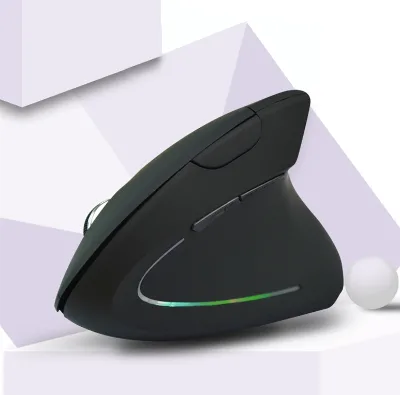
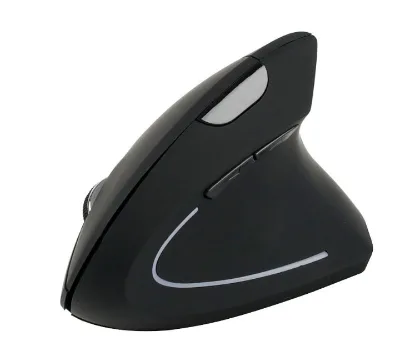
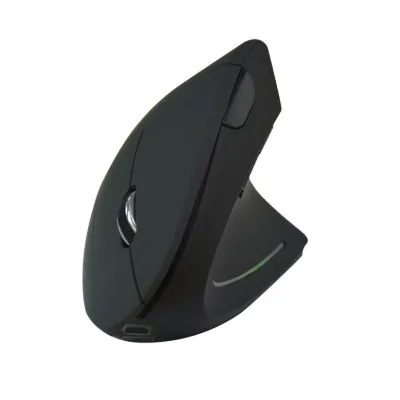
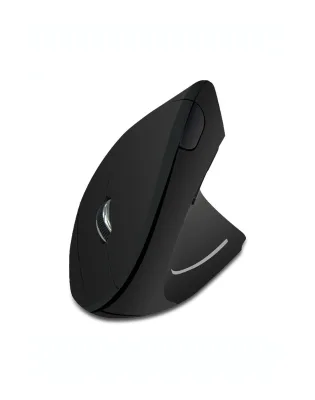
2025 Top Selling Ergonomic Dual-Mode Vertical Mouse Excellent for Left Handed Users Ultimate Comfort
$5.09 - $5.96
MOQ: 100 pieces

Changzhou Sitan Imp. and Exp. Co., Ltd.
- Verified by BV
- Trading Company,Manufacturer/Factory
- China Jiangsu
- Lead time45 days
- Avg. response≤ 10h
Main productsFitness Equipment, Barbell Series, Resistance Bands, Agility & Speed, Yoga Ball, Massage Series, Power Rack, Weight Ball, Charging Notebook, Custom Logo Goods
Main marketsSouth America,Eastern Europe,Mid East,North America,Southeast Asia,Eastern Asia,Oceania,Western Europe,Africa

2.4GHz Custom Vertical Ergonomic Mouse Wireless with Comfort Grip to Reduce Muscle Strain
$1.30 - $2.00
MOQ: 50 Pieces

Personalized Wireless Vertical Mouse 2.4GHz Ergonomic Design for Comfortable Grip
$1.30 - $2.00
MOQ: 50 Pieces

Custom Logo 2.4GHz Ergonomic Wireless Mouse Vertical Design for Muscle Strain Relief
$1.30 - $2.00
MOQ: 50 Pieces
Shenzhen Zone Huanyu Industrial Co., Ltd.
- Manufacturer
- Guangdong, China
- Lead time0 days
- Avg. response≤ 5h
Main productsTool Battery Charger,Battery Adapter,Mobile Phone Accessories,Customer Electronics,Other Hot Sale Products
Main marketsNorth America(45.00%), Western Europe(34.00%), Southeast Asia(20.00%), Africa(1.00%)

Shenzhen Sparky Technology Co., Ltd
- Verified by CTI
- Trading Company
- China Guangdong
- Lead time30 days
- Avg. response≤ 1h
Main productsTranslator, Mouse
Main marketsSoutheast Asia/ Mideast,East Asia(Japan/ South Korea),Europe,Australia

Ergonomic Smart Wireless Mouse for Enhanced Productivity and Precision
$25.00 - $35.00
MOQ: 100 Pieces


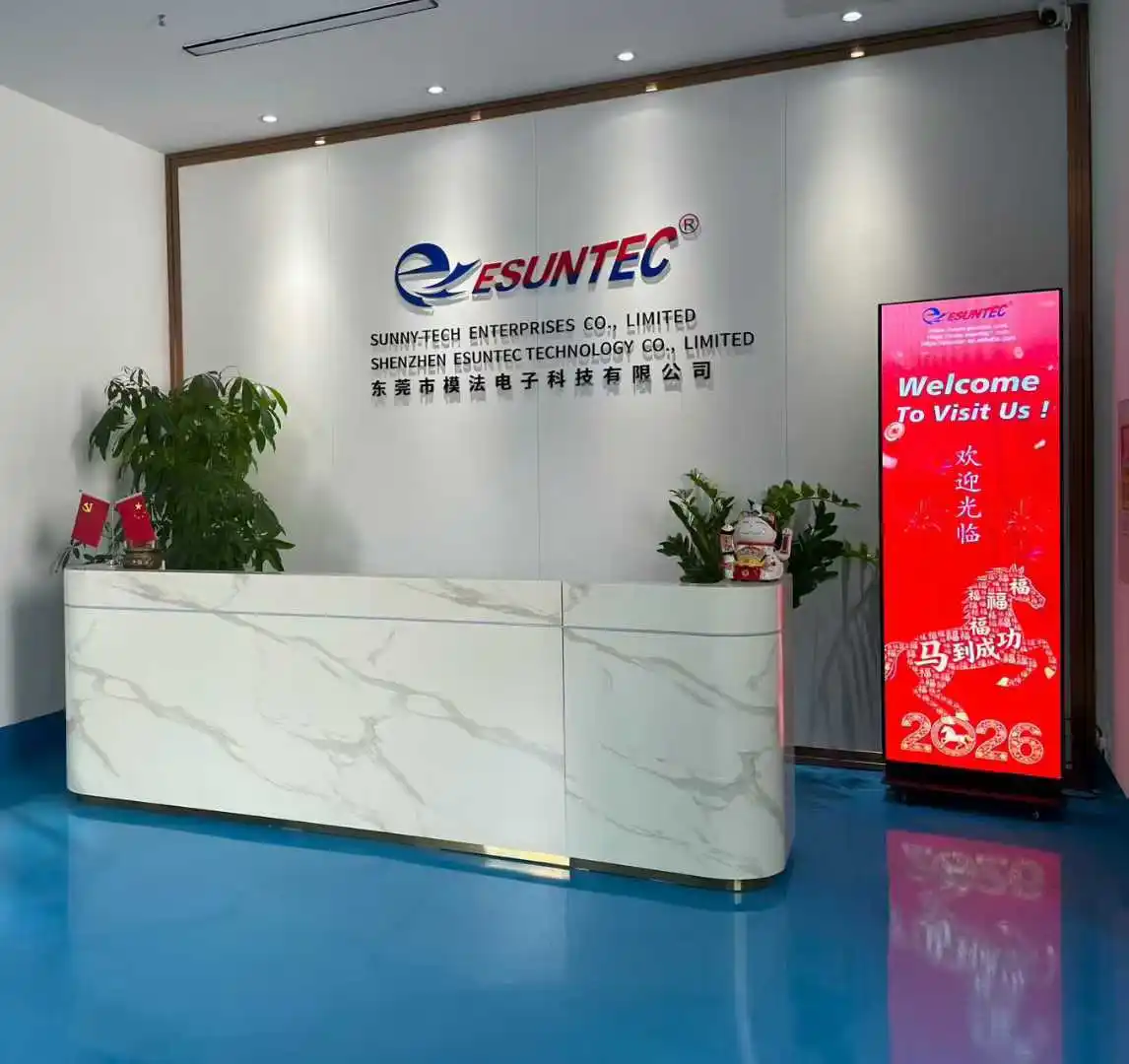
Shenzhen Esuntec Technology Co., Limited
- Manufacturer, Trading Company
- Guangdong, China
- Lead time25 days
- Avg. response≤ 3h
Main productskeyboard,mouse,headset,phone charger,doorbell
Main marketsEastern Europe(24.00%), Northern Europe(20.00%), Western Europe(15.00%), Mid East(10.00%), Central America(10.00%), South America(5.00%), North America(5.00%), Eastern Asia(5.00%), South Asia(3.00%), Oceania(3.00%)

Shenzhen Ainville Electronics Co.,Ltd.
- Verified by SGS
- Trading Company
- China Guangdong
- Lead time15 days
- Avg. response≤ 11h
Main productsEarphone, Phone, Headphone, Wireless Earbud, Bluetooth Earphone, Mobile Phone Accessory, Bluetooth Headphone, Accessory, Mobile Phone Case, Rechargeable Battery
Main marketsSoutheast Asia/ Mideast,Europe,North America

NINGBO HAISHU HOPE-U INTERNATIONAL TRADING CO., LTD.
- Manufacturer/Factory
- China Zhejiang
- Lead time45 days
- Avg. response≤ 7h
Main productsGift, Beauty Device, Bluetooth Speaker, Skin Care, Cosmetics, Promotional Products, Camping Lamp, Fan, Keyboard and Mouse, Humidifier
Main marketsSouth America,Eastern Europe,North America,Southeast Asia,Western Europe

- Verified by SGS
- Trading Company
- China Zhejiang
- Lead time15 days
- Avg. response≤ 13h
Main marketsOthers(foreignTradeCapacity.exportBusinessCapacityMarketOther),North America

Hot Selling Ergonomic Rechargeable Wireless Mouse Silent Click Design Multiple Color
$2.43 - $2.71
MOQ: 500 Pieces

High Performance Lightweight Tri Mode Bluetooth Wireless Mouse Ergonomic Design
$12.02 - $13.44
MOQ: 100 Pieces
Guangdong Yilian Digital Industry Co., Ltd.
- Manufacturer, Trading Company
- Guangdong, China
- Lead time30 days
- Avg. response≤ 23h
Main productsMobile Charger,Data Cable,Sports,Others,TWS
Main marketsSouth America(40.00%), South Asia(10.00%), Western Europe(10.00%), Eastern Asia(10.00%), Mid East(10.00%), Africa(10.00%), Southeast Asia(10.00%)
Shenzhen Chuangxin Reciprocal Electronic Technology Co., Ltd.
- Manufacturer, Trading Company, Distributor/Wholesaler
- Guangdong, China
- Lead time15 days
- Avg. response≤ 1h
Main productsElectronics Sales,Audio equipment sales,Domestic and foreign trade agency,Goods import and export,Luggage Bags & Cases
Main marketsWestern Europe(40.00%), Northern Europe(10.00%), North America(10.00%), South Asia(10.00%), Eastern Europe(10.00%), South America(10.00%), Eastern Asia(5.00%), Southern Europe(5.00%)


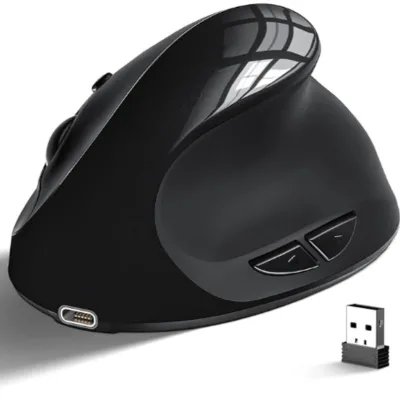
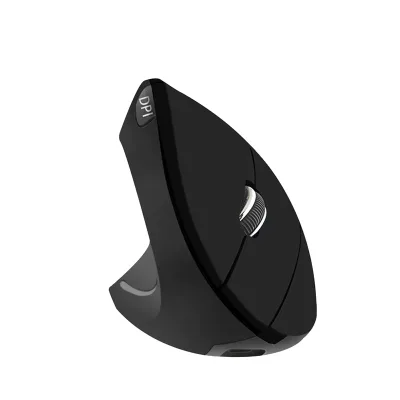
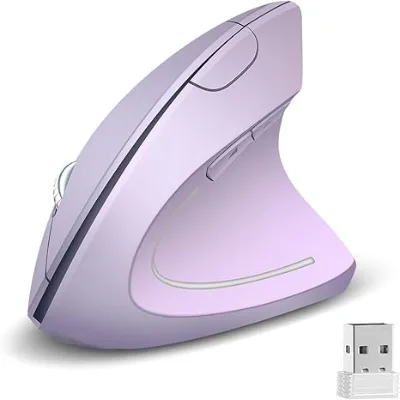
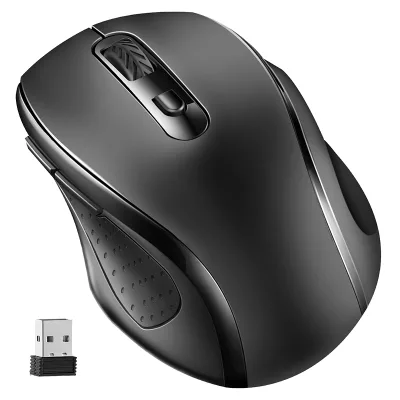


Comprehensive Sourcing Guide
Dual Mode Vertical Ergonomic Mouse Supplier Concentration and Factory Types
Sourcing a Dual Mode Vertical Ergonomic Mouse starts with understanding who actually makes these devices. Supplier results in this category typically cluster among two company types: manufacturers who mold and assemble the hardware themselves, and trading companies that aggregate products across a broader consumer electronics catalog, often alongside speakers, power banks, phone cases, and cameras. The distinction matters because a manufacturer is usually better positioned to modify shell tooling, adjust sensor specifications, or support private labeling on the vertical form factor, while a trading company may offer wider assortment flexibility and can combine the mouse with complementary accessories in one shipment. Neither type is inherently superior; the right choice depends on whether your priority is product customization or consolidated sourcing.
When location data is supplied with high confidence, treat it as a cluster signal. Some listings show suppliers based in Guangdong province, which has long hosted dense computer peripheral manufacturing, while others point to Fujian, a province where trading companies commonly assemble multi-category consumer electronics portfolios. Use these signals as a starting map, not a conclusion: a trading company registered in one province may source finished goods from factories elsewhere. Where no cluster evidence is displayed, reverse the process—filter results by location field, note which provinces appear repeatedly across multiple vertical mouse listings, and treat repeated geography plus repeated product keywords as your evidence of a genuine manufacturing concentration worth investigating further.
How to Verify Dual Mode Vertical Ergonomic Mouse Suppliers
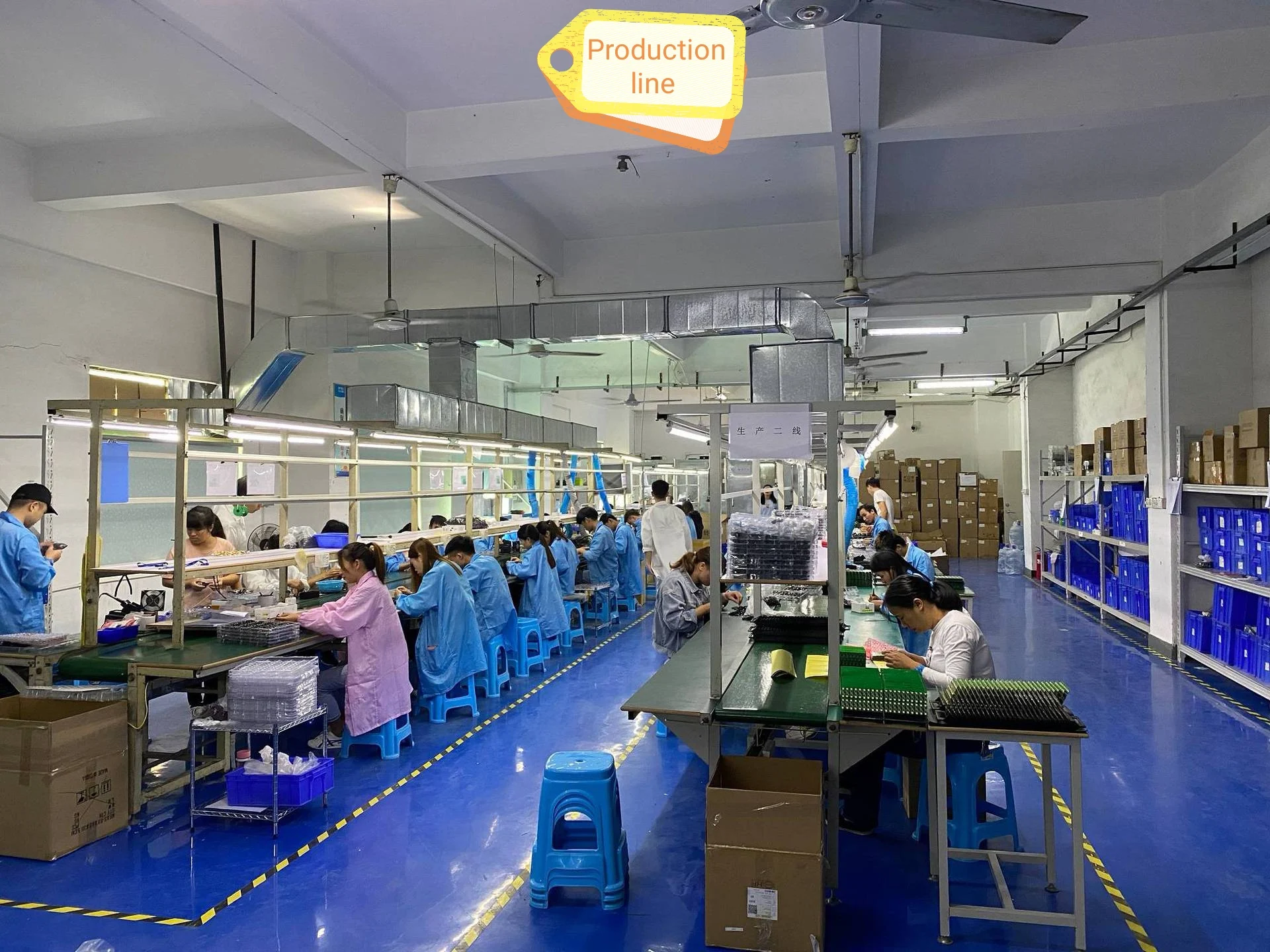
Verification begins with the credentials displayed on the listing, then extends to what the listing does not show. Some suppliers carry third-party verification badges, such as a BV (Bureau Veritas) verification mark, which indicates an on-site or documentation check by an external inspection body. Verification type should be read alongside company type: a manufacturer claiming OEM/ODM capability should be able to evidence mold ownership, in-house assembly, and engineering staff, while a trading company should be transparent about which factories it works with. Response time is another verifiable signal—displayed figures in this category range from well under one hour to several hours, and a supplier's actual reply consistency over several messages is more informative than a single average.
Beyond listing data, ask each candidate for documentation that is not displayed: a business license, factory photos or a live video walkthrough, references from buyers in your market, and sample units of the specific vertical mouse models they list. Test the sample immediately for dual-mode connectivity—both the 2.4GHz wireless dongle and Bluetooth channel—since listings describe dual-mode operation but do not guarantee interoperability with your target operating systems. Confirm the ergonomic claims by checking hand-orientation support; some vertical mice are explicitly listed as ambidextrous, others as left-handed, and mismatches surface only when physical units arrive. Never treat a verified badge as a substitute for product-level diligence.
What to Compare Across Dual Mode Vertical Ergonomic Mouse Suppliers
Build a comparison grid using dimensions actually displayed on supplier results, without assuming every supplier shows every attribute. Useful columns include: location, company type, verification status, response time, lead time, MOQ, main products, and establishment year where shown. In observed results, lead times vary dramatically—some suppliers quote around seven days while others quote around thirty—so lead time alone can eliminate half your shortlist if your launch calendar is fixed. MOQs also differ sharply at the product level: observed vertical mouse listings show minimums as low as ten to twenty units on some models, which is unusually accessible for market testing, though you should confirm whether the low MOQ applies to your chosen colorway and customization level.
Product-level attributes deserve their own comparison layer. Displayed specifications vary across models: connection type (2.4GHz wireless, Bluetooth, or dual-mode), rechargeable versus battery power, number of buttons, scroll wheel type, DPI rating, dimensions (for example, listings showing roughly 104×60×76mm or 112×58×25mm), material, compatibility, and whether customization is available. Price bands in observed listings span roughly from under two dollars for compact dual-mode models to around six dollars for ergonomic vertical designs, so normalize pricing against the specification tier you actually need. Weight the main-products column too: a supplier whose catalog centers on keyboards and mice is likelier to sustain this category long-term than one listing the mouse among ten unrelated gadgets.
Common Dual Mode Vertical Ergonomic Mouse Sourcing Risks
The first risk cluster is specification ambiguity. Many vertical mouse listings describe "dual mode" without itemizing which two modes, or state compatibility with Windows only, leaving Bluetooth behavior on macOS, Android, or ChromeOS unconfirmed. DPI fields are sometimes filled with hand-suitability text instead of an actual sensitivity figure, and button counts may describe only the scroll wheel arrangement. Left-handed buyers face a specific trap: some vertical models are explicitly right-handed or left-handed designs, and an "ambidextrous" label may refer to hand suitability broadly rather than a true symmetric shell. Order physical samples of the exact model number before committing, and test every declared mode on every declared platform.
The second cluster is supplier-structure risk. A trading company with a broad catalog—speakers, razors, air fryers, projectors alongside mice—may depend on external factories whose production schedules it does not control, which can stretch quoted lead times or break component continuity between orders. A manufacturer with a private-mold-negative designation means the shell is shared tooling available to other buyers, weakening any differentiation you hoped to gain. Additional risks include silent-cursor "anti-sleep" features that behave inconsistently, rechargeable models arriving without specified battery certification for your destination market, and low MOQ listings that quietly require higher volumes once customization, packaging, or colorway options are added. Document every agreed attribute in writing against the model number before payment.
Dual Mode Vertical Ergonomic Mouse Regional Sourcing and Logistics
Where results provide confident geography, use it to plan logistics realistically. Suppliers shown in Guangdong benefit from proximity to one of the world's densest computer-peripheral supply chains, typically translating into shorter domestic transit to major export ports and easier access to sensor, switch, and battery component vendors. Suppliers shown in Fujian often operate as trading companies whose product breadth reflects the province's multi-category consumer electronics trade; shipments from Fujian-based sellers may route through different ports than Guangdong-based ones, which can affect freight quotes and consolidation options. When a listing's origin province differs from its product origin field, ask which factory actually produces the goods and where goods ship from.
For logistics planning, observed lead times in this category range from about one week to about one month, so build your inbound schedule around the supplier's quoted figure plus sample round-trips, which often add two to four weeks before production even starts. Low observed MOQs (ten to twenty units on some models) make air freight or express courier viable for test orders, keeping total shipping cost proportional to a small invoice value. For scaled orders, request carton dimensions and gross weights—some listings display single-package sizes and per-unit gross weight around 0.16 to 0.2 kilograms, which lets you estimate chargeable volume. Always confirm which Incoterm the quoted price assumes before comparing suppliers on cost.
Dual Mode Vertical Ergonomic Mouse Commercial Terms and Order Planning
Structure your commercial terms around the low entry thresholds this category permits. Observed MOQs of ten to twenty units and price bands spanning roughly two to seven dollars mean you can run a genuine market test—a few hundred units across two or three models—before any tooling or exclusivity commitment. Use that first order to validate the supplier as much as the product: measure actual response consistency against the displayed response time, actual production duration against the quoted lead time, and actual sample conformity against the listing specification. Negotiate price tiers now for the volumes you realistically expect at six and twelve months, since unit prices on small test orders rarely reflect scaled pricing.
Order planning should sequence customization deliberately. Listings frequently show "Customization: Available" and logo printing options, but customization almost always extends lead time beyond the base quoted figure and may carry a separate MOQ for printed or colorway variants. Confirm in writing: whether customization changes the quoted MOQ and price, who owns any modified mold, what warranty applies (one listing displays a twelve-month warranty—ask every supplier to match terms explicitly), and which payment protection applies. If escrow-style protection is available on your platform, use it for first orders. Plan reorders against the supplier's stock status too—one listing flags items as in-stock while custom runs are not—so your reorder lead times are calculated on the correct production basis rather than the fastest quoted figure.
FAQs
What does dual mode mean on a vertical ergonomic mouse?
Dual mode means the mouse connects through two channels, typically 2.4GHz wireless and Bluetooth, so you can pair it with two devices and switch between them. Several listings on this page specify dual-mode 2.4GHz connections, and some models add rechargeable batteries or silent buttons. Always confirm the exact connection options with the supplier before ordering.
What is the typical price range for these mice?
Listed prices on this page range from roughly 1.70 to 6.65 US dollars per unit depending on the model. Basic dual-mode wireless mice sit at the lower end, while vertical ergonomic designs with rechargeable batteries or left-handed layouts cost more. Volume, customization, and packaging choices will affect your final quoted price, so request quotations for your exact configuration.
What is the minimum order quantity I should expect?
Minimum order quantities on this page start as low as 10 pieces for a vertical gaming model and 20 pieces for an ergonomic dual-mode vertical mouse. Low MOQs make it easy to test samples or launch a small batch. Larger volumes usually unlock better unit pricing, so ask suppliers for tiered quotes based on your target quantities.
How long does production take after an order is confirmed?
Lead times on this page range from about 7 days to 30 days depending on the supplier and order size. Manufacturers offering stock items or simple configurations ship faster, while customized colors, logos, or packaging extend production. Confirm the lead time in writing for your specific quantity and customization level before placing a deposit.
Can I customize the mouse with my own logo or color?
Yes, customization is listed as available on multiple products, and one supplier advertises pantone-matched colors and customized logo printing. Options typically include logo placement, color variations, and packaging. Customization may affect the minimum order quantity, unit price, and lead time, so state your requirements clearly when requesting quotes from suppliers.
Are left-handed vertical ergonomic mouse models available?
Yes, several listings on this page offer left-handed vertical designs, including a rechargeable dual-mode wireless model and a charging vertical gaming mouse for lefties. Most listings also state ambidextrous or both-hands suitability, but layouts differ between models. Verify the hand orientation, button layout, and charging port position with the supplier before committing to a bulk order.
How quickly do these suppliers respond to inquiries?
Average response times on this page range from under one hour to just over six hours, so most suppliers reply within the same business day. Fast response matters when negotiating specifications, samples, and shipping terms. Message several suppliers with the same detailed requirements to compare their responsiveness and quoted terms side by side.
What should I verify before placing a bulk order?
Confirm the connection modes, compatibility with your target operating systems, battery type, and warranty terms, since one listing states a 12-month warranty. Request samples to test ergonomics and silent-button performance, and check certification documents for your destination market. Also verify packaging dimensions and gross weight so you can calculate freight costs accurately before committing funds.