Dual Wet and Dry Hair Straightener Suppliers And Manufacturers
Explore 25 verified options for Dual Wet and Dry Hair Straightener from Guangdong factories. Compare response times, lead times, and customization capabilities to source efficiently. Contact suppliers directly to request quotes; review the available evidence before requesting comparable quotations from suitable candidates.
Suppliers List

Shenzhen Baiyisen Health Technology Co., Ltd.
- Verified by SGS
- Trading Company
- China Guangdong
- Lead time30 days
- Avg. response≤ 3h
Main productsHigh-Speed Hair Dryer Curling Irons Styler, Multi-Function Hair Dryer Hairdryer, Secador De Cabello Air Wrap, Blower Hair Secador De Pelo Blow Dryer
Main marketsDomestic

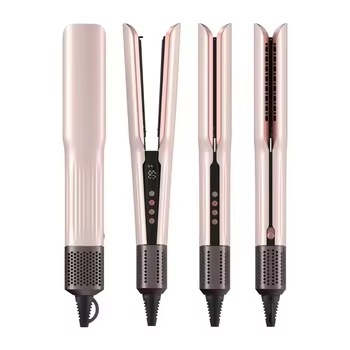
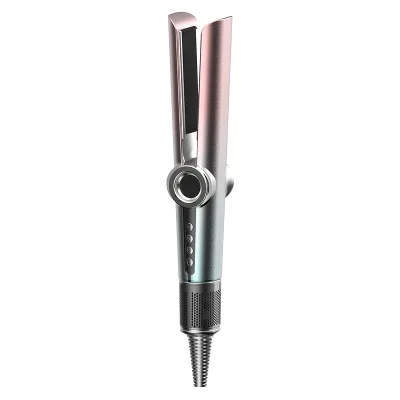
New Hot and Cold Air Straightener Wet and Dry Hair Straightening Splint
$29.00 - $36.00
MOQ: 1000 Pieces

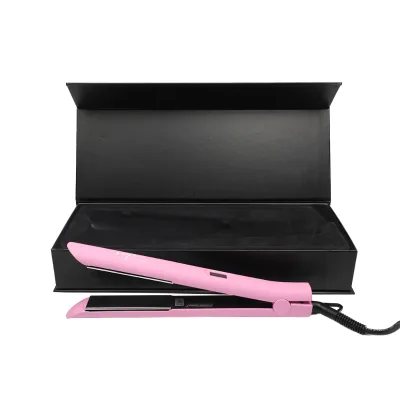
Hair Care Does Not Damage Hair, Smoothes Frizz and Smoothes Hair Straightener
$14.30 - $15.50
MOQ: 500 Pieces

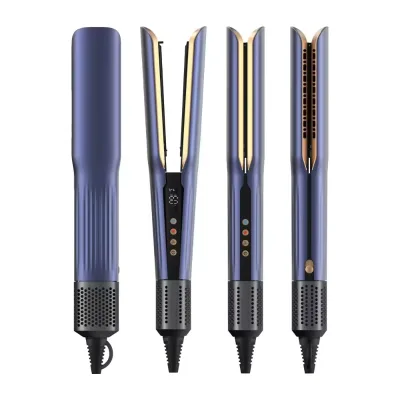
Wet and Dry Low-Noise Constant Temperature High-Speed Hair Straightener
$29.00 - $36.00
MOQ: 1000 Pieces

$18.00 - $21.00
MOQ: 100 Pieces

Home Professional Blow-Drying Straightening Dry and Wet Mode Hair Straightener
$29.00 - $36.00
MOQ: 1000 Pieces

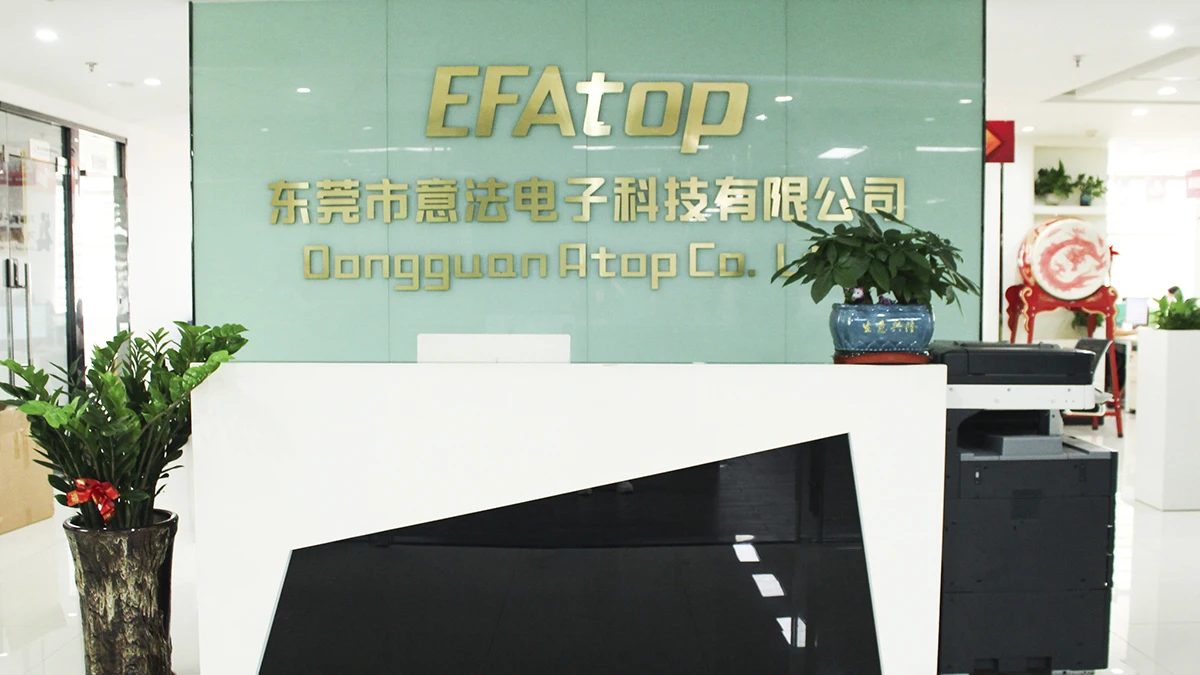
- Manufacturer, Trading Company
- Guangdong, China
- Lead time25 days
- Avg. response≤ 2h
Main productsHair Straightener, Hair Dryer, Hair Curlers, Hot Air Hair Dryer Brush, Hair Removal
Main marketsNorth America(30.00%), Mid East(25.00%), South Asia(10.00%), South America(10.00%), Eastern Europe(8.00%), Western Europe(5.00%), Oceania(4.00%), Northern Europe(4.00%), Africa(4.00%)

- Verified by BV
- Trading Company
- China Zhejiang
- Lead time30 days
- Avg. response≤ 7h
Main productsElectric Kettle, Massager, Hair Dryer, Heater, Electric Grill, Humidifier, Hair Straightener, Mixer, Beauty Instrument, Electronics
Main marketsAfrica,Southeast Asia/ Mideast,Europe,North America
Guangzhou Hotwind Electronics Co., Ltd.
- Verified by TüVRheinland
- Trading Company
- Lead time10 days
- Avg. response≤ 12h
Main productsCold Spray Spectrometer, Infrared LED 7-color Face Mask, Air Straightener, 8 In 1 Hair Speed Hair Dryer, Hair Growth Cap
Main marketsNorth America(40%), South America(10%), Africa(10%)

Dongguan Bidisco Electric CO., LTD
- Combined
- China Guangdong
- Lead time30 days
- Avg. response≤ 4h
Main productsHair Straightener, Hair Curler, Curling Iron, Mini Hair Straightener, Professional Curling Iron, Salon Eqipment, Curlers, Ceramic Straightener, Hair Curling Machine, Curling Tong
Main marketsSoutheast Asia/ Mideast,East Asia(Japan/ South Korea),Domestic,Europe,Australia,North America

Wenzhou Boyo Electric Appliance Co., Ltd.
- Verified by BV
- Manufacturer/Factory
- China Zhejiang
- Lead time45 days
- Avg. response≤ 11h
Main productsHair Straightener, Hair Curler, Men's Shaver, Lady Epilator/Rozar, Callus Remover, Hair Dryer, Hair Clipper/Trimmer, Facial Cleansing Brush, Hot Air Brush, Oil Diffuser
Main marketsSouth America,Eastern Europe,Mid East,North America,Southeast Asia,Eastern Asia,Oceania,Western Europe,Africa
Shenzhen Youweiyoupin Tech Co., Ltd.
- Verified by SGS Group
- Trading Company
- Lead time7 days
- Avg. response≤ 4h
Main productsLint Remover, Blender, Face & Neck Lifting Massager, Shoulder & Neck Massager, Education Toys
Shenzhen Baitejia Technology Co., Ltd.
- Trading Company
- Lead time旺季: "1 - 100":7,"101 - 1000":20,"> 1000":"To be negotiated", 淡季: "1 - 100":7,"101 - 1000":20,"> 1000":"To be negotiated"
- Avg. response≤ 4h
Main productsHair Removal Instrument, Cleaning Instrument, Skin Care Products, Makeup Tools

Guangzhou Umei Technology Co., Ltd
- Verified by SGS
- Manufacturer/Factory
- China Guangdong
- Lead time15 days
- Avg. response≤ 3h
Main productsHair Straightener, Hair Dryer, Hair Curler, Hair Clipper, Photo Booth Vending Machine, Cotton Candy Vending Machine, Popcorn Vending Machine, Vending Machine, Ice Cream Vending Machine, 360 Photo Booth
Main marketsSouth America,Eastern Europe,Mid East,North America,Southeast Asia,Eastern Asia,Western Europe

Salon Wet Dry Fast Styler Titanium Ceramic Flat Iron Steam Oil Hair Straightener
$15.50 - $18.50
MOQ: 200 Pieces


New Design 7 in 1 Hair Styler Home Salon Hair Tools Wet to Dry Curling Straightening
$33.00 - $50.00
MOQ: 500 Pieces


Guangzhou Xinyang Electric Appliance Co., Ltd.
- Verified by SGS
- Combined
- China Guangdong
- Lead time15 days
- Avg. response≤ 10h
Main productshair dryer
Main marketsDomestic


Rotatable Ceramic Curling Hair Straightener Large Curl Small Curl Salon Curler
$6.10 - $6.70
MOQ: 200 Pieces
Dongguan Bidisco Electric Co., Limited
- Verified by TüVRheinland
- Manufacturer, Trading Company
- Lead time20 days
- Avg. response≤ 2h
Main productsHair Straightener, Hair Curler, Hair Brush, Hair Dryer
Main marketsEastern Asia(40%), North America(20%), South America(6%)
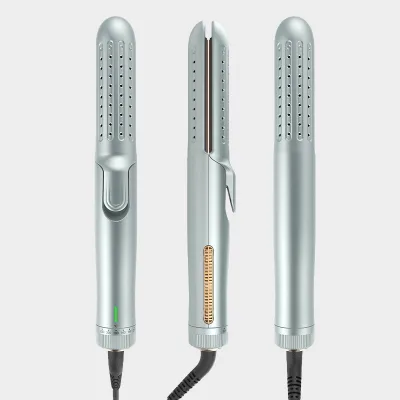
$12.68 - $13.28
MOQ: 1000 pieces
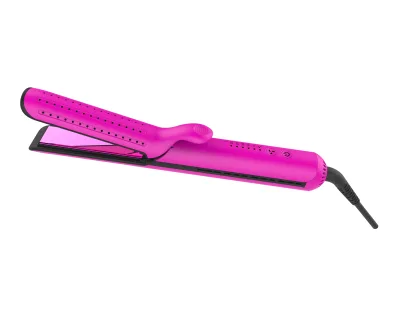
$11.25 - $11.68
MOQ: 1000 pieces

Changsha Fusheng Electronic Technology Co., Ltd.
- Trading Company
- China Hunan
- Lead time15 days
- Avg. response≤ 2h
Main productsElectronic Product
Main marketsSoutheast Asia/ Mideast,Europe,North America


$9.90 - $13.90
MOQ: 10 Pieces

Professional 2 in 1 Hair Straightener Flat Iron Hair Curler Comb
Contact supplier

Yueqing Fiy Electric Co., Ltd.
- Verified by TUVRHEINLAND
- Combined
- China Zhejiang
- Lead time23 days
- Avg. response≤ 7h
Main productsIndustry Socket, Industry Plug, Solar String Light, Christmas Decoration, Solar Light, Christmas Lights, Solar LED Light, LED Strip Light, Industry Switch, Tools Switch
Main marketsSoutheast Asia/ Mideast,Domestic,Europe,North America
Dongguan MeStar Electric Co., Ltd.
- Verified by SGS Group
- Manufacturer, Trading Company
- Guangdong, China
- Lead time30 days
- Avg. response≤ 2h
Main productsHair Straightener, Hair Curling Iron, Hair Dryers, Hot Air Brushes, High Speed Hair Styling Tool Series
Main marketsNorth America(40%), Western Europe(25%), Mid East(15%)

Xuchang Leyide Import And Export Trading Co., Ltd.
- Trading Company,Manufacturer/Factory
- China Henan
- Lead time23 days
- Avg. response≤ 4h
Main productsHair Products, Wig Making Tools, Remy Human Hair, Mannequin, Stand Tripod, Synthetic Hair Extensions, Wigs, Virgin Human Hair, Satin Wig Bonnet, Lace Glue
Main marketsSouth America,Eastern Europe,Mid East,North America,Southeast Asia,Eastern Asia,Oceania,Western Europe,Africa
Guangdong Empress Technology Co., Ltd.
- Verified by SGS Group
- Manufacturer, Trading Company
- Lead time45 days
- Avg. response≤ 2h
Main productsHair Straightener, Hair Dryer, Hair Curler, Hair Dryer Brush, Hair Accessories
Main marketsNorth America(20%), Western Europe(20%), Mid East(15%)
Shenzhen Bolesic Electronic Co., Ltd.
- Verified by SGS Group
- Trading Company
- Lead time10 days
- Avg. response≤ 3h
Main productsHair Styling Tools, Hair Dryers, Hot Air Brushes, Hair Straightener Brushes, Hair Curlers
Main marketsNorth America(21%), Eastern Europe(21%), Mid East(15%)
- Verified by TüVRheinland
- Trading Company
- Lead time3 days
- Avg. response≤ 3h
Main productsHair Dryer, Hair Curler, Hair Straightener, Multi-purpose Hair Styling Tools
Main marketsNorth America(25%), South America(15%), Southeast Asia(15%)
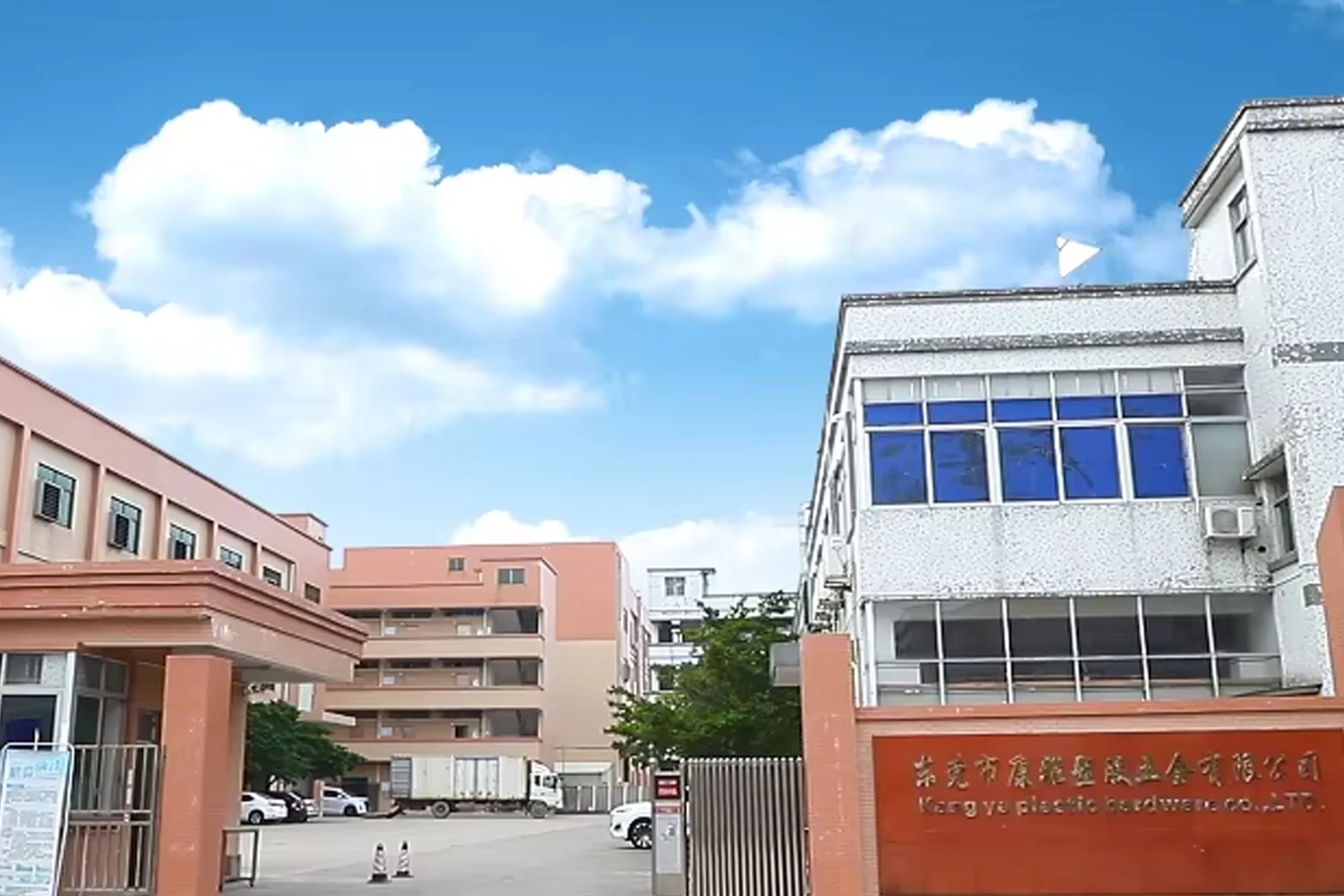
Dongguan Kangya Plastic Hardware Co., Ltd.
- Manufacturer, Trading Company
- Guangdong, China
- Lead time45 days
- Avg. response≤ 3h
Main productsHairbrush,comb,Roller brush
Main marketsNorth America(30.00%), Domestic Market(25.00%), Eastern Asia(20.00%), Eastern Europe(8.00%), Western Europe(6.00%), Northern Europe(6.00%), Southern Europe(5.00%)

Wenzhou Hexi Electronic Technology Co., Ltd.
- Verified by SGS
- Combined
- China Zhejiang
- Lead time23 days
- Avg. response≤ 6h
Main productsNeck and Back Massager, Massage Gun, Massage Pillow, Foot Massager, Beauty& Personal Care, Water Flosser, Eye Massager, Electric Toothbrush, Hair Curler, Knee Massager
Main marketsAfrica,Southeast Asia/ Mideast,Europe

Hair Straightener Professional Salon 2-in-1 Straightener & Curler Factory
$0.59 - $0.82
MOQ: 100 Pieces


Guangdong Empress Technology Co., Ltd.
- Manufacturer, Trading Company
- Lead time旺季: "1 - 5000":31,"5001 - 10000":40,"> 10000":"To be negotiated", 淡季: "1 - 5000":31,"5001 - 10000":40,"> 10000":"To be negotiated"
- Avg. response≤ 2h
Main productsHair Straightener, Hair Dryer, Hair Curler, Hair Dryer Brush, Hair Accessories

- Trading Company
- China Zhejiang
- Lead time30 days
- Avg. response≤ 11h
Main productsHome Appliance, Cookware Set, Thermos, Home Storage, Furniture, Pet Supplies, Garden Tools, Outdoor Supplies, Baby Supplies, Houesehold Items
Main marketsSouth America,Africa,Southeast Asia/ Mideast,East Asia(Japan/ South Korea),Domestic,Europe,Australia,North America

Professional 2-in-1 Air Hair Dryer Straightener Fast Drying & Straightening Performance
$17.24
MOQ: 3000 Pieces


Dongguan Sunkiss Technology Co., Ltd.
- Verified by CTI
- Trading Company
- China Guangdong
- Lead time23 days
- Avg. response≤ 6h
Main productsHair Curler, Hair Straighteners, Hair Dryer, Ionic Hair Dryer, Hair Brush, Travel Hair Dryer, Hair Styling Tools, Flat Irons with Floating Plate, Hair Styler, Curling Iron
Main marketsSoutheast Asia/ Mideast,North America

- Verified by SGS
- Trading Company
- China Zhejiang
- Lead time15 days
- Avg. response≤ 16h
Main productsFan, Heater Fan, Air Fryer, Toaster, Rice Cooker, Vacuum Cleaner, Coffee Machine, Hairdressing Appliance, Electric Toothbrush, Steam Iron
Main marketsEurope,Australia

Shanghai Prime Technology Co., Ltd.
- Verified by SGS
- Trading Company
- China Shanghai
- Lead time45 days
- Avg. response≤ 2h
Main productsCoffee Machine Bread Machine, Blender Food Processor Juicer, Air Fryer Hair Dryer Ect.
Main marketsSouth America,Eastern Europe,Mid East,North America,Southeast Asia,Eastern Asia,Oceania,Western Europe,Africa










Comprehensive Sourcing Guide
Dual Wet and Dry Hair Straightener Supplier Concentration and Factory Types
The available data indicates a concentration of suppliers in Guangdong, China, specifically within the Dongguan area, which serves as a primary manufacturing cluster for these personal care appliances. This region hosts a mix of company types, including both manufacturers and trading companies, offering buyers a range of direct factory access or intermediary sourcing options. The presence of ODM, OEM, and own-brand capabilities suggests that facilities in this location are equipped to handle custom development alongside standard production runs. Buyers should verify if a specific supplier operates as a pure manufacturer or a trading entity, as this distinction impacts direct communication with engineering teams and the flexibility of customizing product specifications like plate materials or heating elements.
When evaluating the supplier base, it is critical to distinguish between entities that hold their own production lines and those that aggregate products from multiple factories. The observed data shows some suppliers listing themselves as both manufacturers and trading companies, which requires careful verification of their actual operational capacity. Buyers must confirm whether the facility possesses the specific machinery required for high-speed hair styling tools, such as those utilizing MCH or PTC heating technologies. Understanding the company type is essential for negotiating terms, as trading companies may offer broader product variety but potentially less control over the manufacturing process compared to dedicated factories with established production lines in the Guangdong region.
How to Verify Dual Wet and Dry Hair Straightener Suppliers
Verification of supplier credibility relies heavily on third-party audit reports and specific platform verification badges rather than self-reported claims. In the current dataset, one supplier is noted as having an SGS verification status, which serves as a concrete indicator of external validation regarding their business operations. Buyers should prioritize suppliers with similar third-party certifications to ensure that the company's claims about their manufacturing capabilities and business legitimacy have been independently assessed. It is important to note that not all suppliers in the search results display such verification badges, and the absence of a badge does not automatically imply a lack of quality, but it does necessitate a more rigorous due diligence process before proceeding with large orders.
Beyond verification badges, buyers must scrutinize the specific product attributes and technical specifications provided in the supplier listings to ensure they match the intended application. The data reveals detailed attributes such as heater types (MCH, PTC), plate materials (Ceramic Coating, Aluminum), and power specifications (1400W, 40W) which vary significantly between different product models. A legitimate supplier should be able to provide consistent technical data across their listings, including details on nozzle types, display features, and battery capacities for cordless models. Buyers should request sample documentation or factory videos that demonstrate the production of these specific features, ensuring that the supplier can actually deliver the technical performance described in their product attributes before committing to a purchase.
What to Compare Across Dual Wet and Dry Hair Straightener Suppliers
Comparing suppliers requires a systematic analysis of key operational metrics such as lead times, minimum order quantities, and response speeds to determine the best fit for the buyer's supply chain needs. The observed data shows lead times ranging from 25 to 30 days, with some suppliers offering faster response times around 2 to 3 days, which can be critical for urgent restocking or new product launches. Buyers should create a comparison matrix that includes these time-based metrics alongside the minimum order quantities, which vary from 100 units to 1000 units depending on the specific product model and customization requirements. This comparison helps identify suppliers who can balance speed with volume constraints, ensuring that the procurement strategy aligns with inventory planning and cash flow requirements.
Price and customization capabilities are equally vital dimensions for comparison, as they directly impact the final cost structure and product differentiation. The data indicates price ranges from approximately $14.30 to $36.00 per unit, with minimum order quantities influencing the final landed cost. Suppliers offering customization options, such as private mold development or specific branding, may command different price points compared to those offering standard OEM products. Buyers must evaluate whether the cost difference justifies the level of customization, considering factors like the availability of specific features such as LED displays, ionic functions, or unique heating technologies. A thorough comparison of these commercial and technical parameters ensures that the selected supplier offers the optimal balance of cost, quality, and flexibility for the specific market segment.
Common Dual Wet and Dry Hair Straightener Sourcing Risks
One significant risk in sourcing these appliances involves the variability in product specifications and the potential for mismatched expectations regarding performance and safety. The data shows diverse heater types, including MCH and PTC, and varying plate materials like ceramic coating and aluminum, which can lead to inconsistent heating performance if not carefully specified. Buyers face the risk of receiving products that do not meet the intended application standards, such as salon-grade durability versus household use, if the supplier fails to clearly distinguish between these categories. It is essential to verify that the product attributes, such as power ratings and safety features like anti-scald handles, align with the target market's regulatory requirements and consumer expectations to avoid returns or reputational damage.
Another critical risk is the inconsistency in after-sales support and warranty terms across different suppliers. While some listings explicitly mention a one-year warranty and return and replacement services, others may lack clear information regarding post-purchase support. This discrepancy can leave buyers vulnerable to defects or quality issues that arise after the initial order is fulfilled. Buyers must explicitly confirm the warranty duration, the process for handling defective units, and the availability of spare parts before finalizing any agreement. Relying on vague or absent warranty information can lead to significant financial losses and operational disruptions, making it imperative to secure written confirmation of support terms that match the supplier's claims in their product listings.
Dual Wet and Dry Hair Straightener Regional Sourcing and Logistics
Sourcing from the identified cluster in Guangdong, China, offers logistical advantages due to the region's established infrastructure for exporting personal care appliances. The concentration of manufacturers in this area facilitates efficient coordination of production and shipping, often resulting in streamlined logistics for international buyers. However, buyers must account for the specific shipping requirements associated with these products, which may include lithium batteries in cordless models or specific packaging standards to prevent damage during transit. The data indicates various packaging details, such as gift box packaging and specific dimensions, which influence the volume and weight calculations for freight forwarding. Understanding these logistical nuances is essential for accurate cost estimation and ensuring that the products arrive in optimal condition.
Buyers should also consider the impact of regional logistics on lead times and delivery reliability. While the observed lead times range from 25 to 30 days, actual delivery schedules can be affected by port congestion, customs clearance procedures, and the specific shipping method chosen. It is crucial to discuss these factors with the supplier to establish a realistic timeline that accounts for potential delays. Additionally, buyers should verify the supplier's experience with international shipping, including their ability to handle documentation and compliance with destination country regulations. A supplier with a strong track record in regional logistics can mitigate many of the risks associated with cross-border trade, ensuring a smoother transition from production to final delivery.
Dual Wet and Dry Hair Straightener Commercial Terms and Order Planning
Commercial terms for these products often include specific requirements regarding payment methods, pricing structures, and order planning flexibility. The data shows varying minimum order quantities, ranging from 100 to 1000 units, which directly impacts the initial investment required for a new product line. Buyers must plan their orders carefully to meet these MOQ thresholds while maintaining sufficient inventory to meet market demand without overstocking. Negotiating flexible payment terms, such as partial payments or escrow services, can help manage cash flow and reduce financial risk during the initial phases of the partnership. It is advisable to discuss these terms explicitly with the supplier to ensure they align with the buyer's financial capabilities and risk tolerance.
Order planning also involves coordinating production schedules with the supplier's capacity and lead times to ensure timely delivery. The observed lead times of 25 to 30 days require buyers to plan their inventory replenishment well in advance to avoid stockouts. Buyers should establish a clear communication channel with the supplier to monitor production progress and address any potential delays proactively. Additionally, discussing the possibility of staggered shipments or partial deliveries can provide greater flexibility in managing inventory levels. By integrating these commercial and logistical considerations into a comprehensive order plan, buyers can optimize their supply chain efficiency and ensure a steady flow of high-quality dual wet and dry hair straighteners to their customers.
FAQs
What is the price range for dual wet and dry hair straighteners?
Prices typically range from $14.30 to $36.00 per unit depending on specifications. Lower-cost models around $14.30 often feature PTC heaters and ceramic plates. Higher-end options near $36.00 may include MCH heaters and aluminum alloy construction. Buyers should verify exact pricing based on order volume and customization needs.
What are the minimum order quantities for these hair styling tools?
Minimum order quantities vary significantly by supplier and product model. Some manufacturers require orders of 1000 units, while others accept as few as 100 units. Smaller MOQs like 500 units are also available for specific models. Buyers should confirm the exact MOQ with the supplier before placing an order to ensure alignment with their inventory strategy.
How long does production and shipping take for these items?
Lead times generally range from 25 to 30 days after order confirmation. Suppliers located in Guangdong, China, typically adhere to these production schedules. Response times for inquiries average around two to three days. Buyers should confirm specific delivery timelines with the supplier to account for potential variations in production capacity or shipping logistics.
What certifications do these hair straightener suppliers hold?
Verification status varies among suppliers, with some holding SGS verification. System certifications are often listed as NIL in initial results. Buyers should request specific product certifications such as CE or RoHS directly from the supplier. It is essential to verify compliance with target market regulations before finalizing any purchase agreement.
What customization options are available for hair straighteners?
Customization is widely available, including OEM, ODM, and own brand services. Buyers can often select specific heater types, plate materials, and packaging options. Some suppliers offer private mold services for unique designs. Customization availability should be confirmed with the supplier to ensure it meets specific branding or functional requirements.
Where are these hair styling appliances manufactured?
Most suppliers are located in Guangdong, China, specifically in cities like Dongguan. This region is a major hub for personal care appliance manufacturing. Buyers should verify the exact place of origin for each product to ensure quality standards and logistical efficiency. Origin details are critical for calculating accurate shipping costs and duties.