Durable Leather Guitar Strap Suppliers and Manufacturers
Compare 24 verified suppliers offering durable leather guitar straps with varying lead times, MOQs, and certifications. Review response times and product specifications to select the right factory for your needs; review the available evidence before requesting comparable quotations from suitable candidates.
Suppliers List
Huizhou Huiyang District Danshui Guangyi Craft Handbag Factory
- Manufacturer
- Guangdong, China
- Lead time0 days
- Avg. response≤ 1h
Main productsBags,Case,Straps,Baby and maternal products,Pet products
Main marketsDomestic Market(20.00%), North America(20.00%), Oceania(10.00%), Western Europe(10.00%), Eastern Europe(10.00%), Northern Europe(5.00%), Central America(5.00%), Southern Europe(5.00%), Eastern Asia(5.00%), South America(5.00%), Southeast Asia(3.00%), Mid East(2.00%)
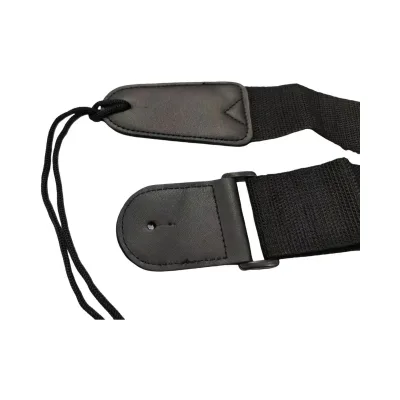
Factory Directly Guitar Strap with Carved Cotton Guitar Strap Wholesale Low Price Good Quality
$0.50 - $0.60
MOQ: 2 pieces

DSC Xiamen Enterprise Pte Ltd.
- Trading Company
- China Fujian
- Lead time23 days
- Avg. response≤ 3h
Main productsHardware, Accessories, Plastic Buckle, Ribbons, Metal Stamping, Bag Accessories, Promotion Gift, Bag Hardware
Main marketsSouth America,Southeast Asia/ Mideast,East Asia(Japan/ South Korea),Europe,Australia,North America

Easy to Break and Durable Musical Instrument Accessories Guitar Strap Leather Shoulder Strap
$2.73 - $3.00
MOQ: 500 Pieces


Handmade Leather Guitar Strap Padded Leather Embroidered Flame Guitar Strap
$3.27 - $3.80
MOQ: 500 Pieces

$1.20 - $1.40
MOQ: 500 Pieces

Leather Strap Signature Series Guitar Bass Strap Garment Leather Bass Wide Padded Strap
$9.60 - $10.00
MOQ: 500 Pieces

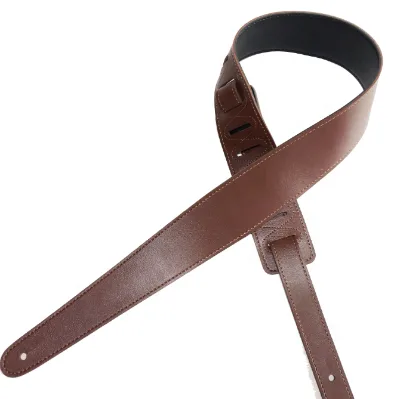
Custom Dark Brown Full Grain Cowhide Leather Backed Leather Guitar Strap
$15.60 - $22.00
MOQ: 500 Pieces
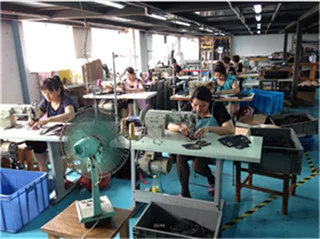
Tianjin 3-Way Musical Instruments Co., Ltd.
- Trading Company
- Tianjin, China
- Lead time20 days
- Avg. response≤ 8h
Main productsGuitar Strap,Guitar Bag,Drum Bag,Practice drum pad,Drum Stick Bag
Main marketsDomestic Market(11.11%), South Asia(11.11%), Western Europe(11.11%), Eastern Asia(11.11%), Mid East(11.11%), Southeast Asia(11.11%), Eastern Europe(11.11%), South America(11.11%), North America(11.11%)
Alwaysfaith International Trade Co., Ltd. (Huizhou)
- Verified by Intertek
- Trading Company
- Lead time15 days
- Avg. response≤ 7h
Main productsUkulele, Electric Guitar, Acoustic Guitar
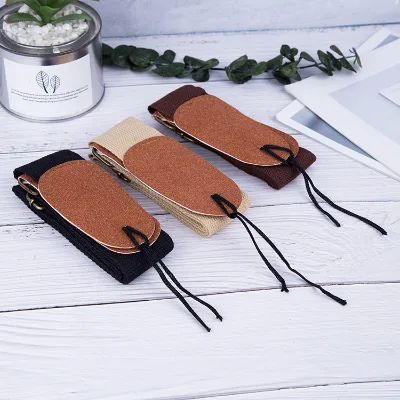
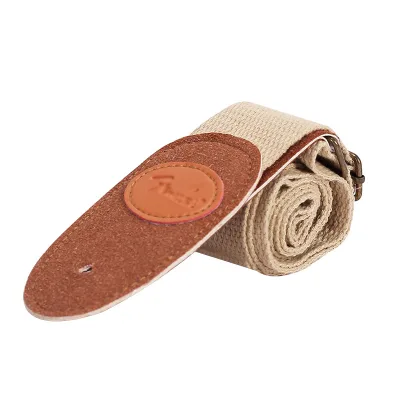
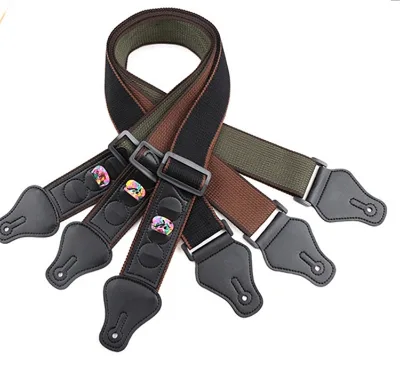
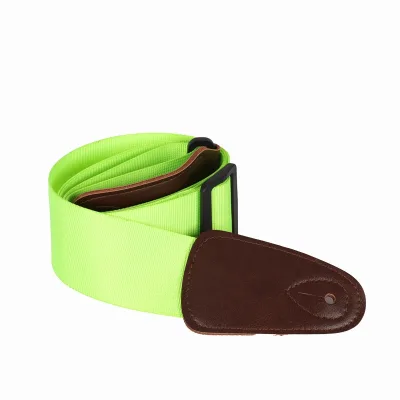
Guitar Leather Strap China Hot Sellacoustic Guitar Strap Three Color Cheap Price
$1.90
MOQ: 100 Minimum
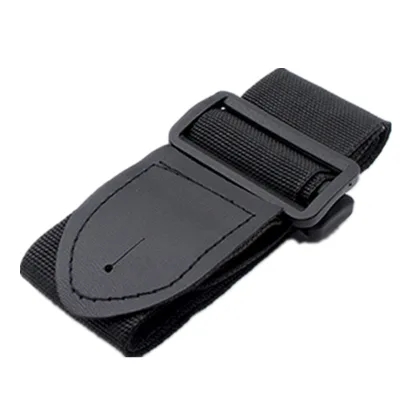
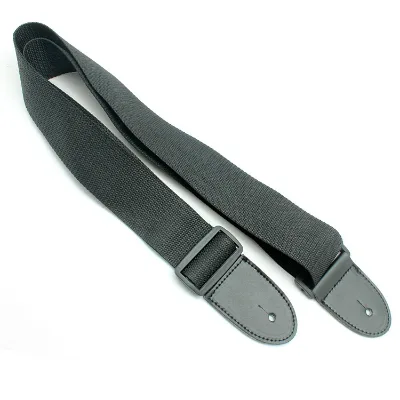
Hot Sales Folk Guitar Acoustic Guitar Electric Guitar Bass Straps Thickened Leather Straps
$1.86 - $2.01
MOQ: 20 pieces

Guangzhou Vines Musical Instruments Co., Ltd
- Verified by TUVRHEINLAND
- Trading Company
- China Guangdong
- Lead time15 days
- Avg. response≤ 6h
Main productsAcoustic Guitar, Electric Guitar, Classical Guitar, Electric Bass Guitar, Ukulele, Guitar Strings, Musical Instrument Accessories, Violin, Guitar Amplifier, Drum Piano
Main marketsAfrica,Europe,North America


2021 New Design High Quality Leather Head Guitar Strap for Musical Instruments
$2.30 - $3.50
MOQ: 100 Pieces


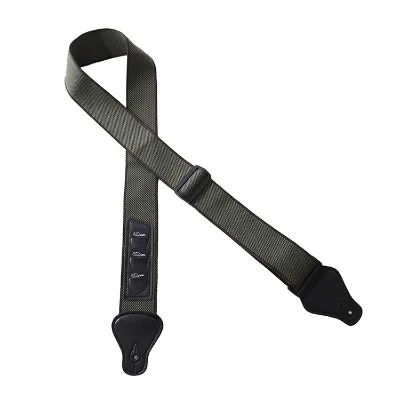
Wholesale Price Custom Brand Guitar Belt with Leather Guitar Strap End and Pick Case
$2.30 - $4.50
MOQ: 50 Pieces

Electric Bass Guitar Strap Belt with Leather Ends and Memory Foam Padding
$7.30 - $12.00
MOQ: 50 Pieces

Guangzhou Wangjia Leatherware Co., Ltd.
- Manufacturer/Factory
- China Guangdong
- Lead time30 days
- Avg. response≤ 4h
Main productsWestern Cowboy & Cowgirl Belts, Western Buckles, Buckle Sets, Conchos, Dog Collars & Hat Belts, PU Belts, Leather Belts, PU Handbags, Straw Beach Bags, Wallets
Main marketsSouth America,Eastern Europe,Mid East,North America,Southeast Asia,Eastern Asia,Oceania,Western Europe,Africa


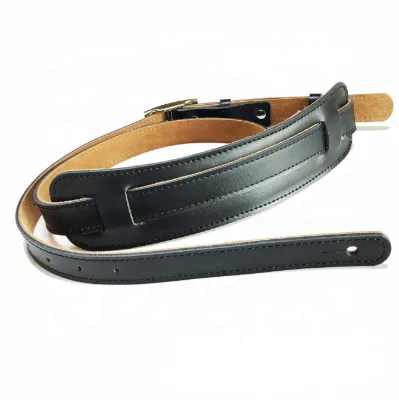
High Quality Genuine Leather Guitar Belts Acoustic Electric Guitar Straps Bass Strap
$12.50 - $13.00
MOQ: 100 Pieces

$12.50 - $13.00
MOQ: 100 Pieces

Electric and Acoustic Guitar Strap Leather Ends Adjustable Length Comfortable Guitar Belt
$12.50 - $13.00
MOQ: 100 Pieces

$12.50 - $13.00
MOQ: 100 Pieces

Wholesale Custom Made Electric Acoustic Guitar Leather Straps Instrument Parts
$12.50 - $13.00
MOQ: 100 Pieces
- Manufacturer
- Tianjin, China
- Lead time45 days
- Avg. response≤ 4h
Main productsDrum,Melodica,Accordion,Wind Instrument,Guitar
Main marketsSouth America(50.00%), Domestic Market(25.00%), Africa(25.00%)
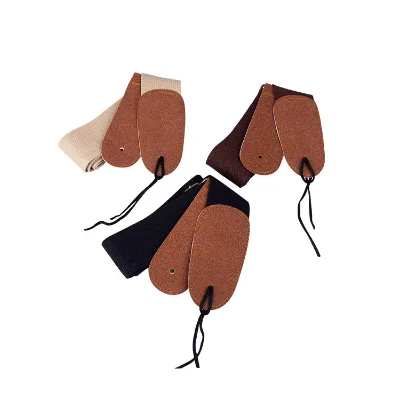
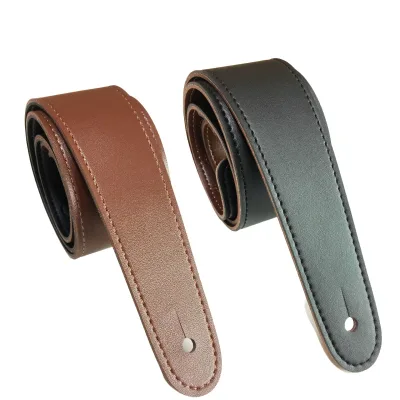
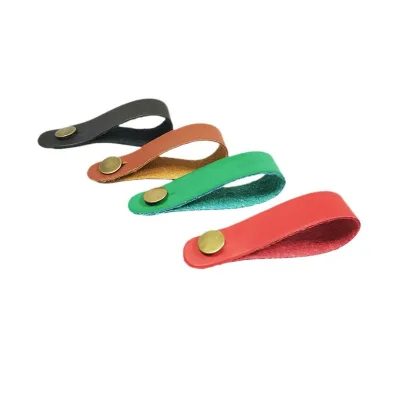
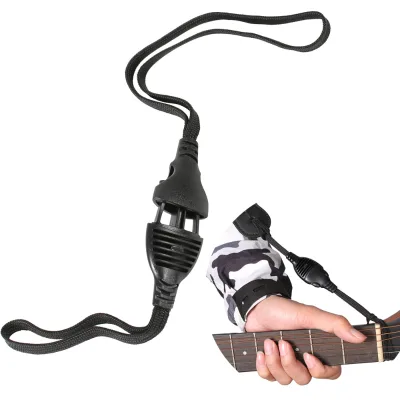
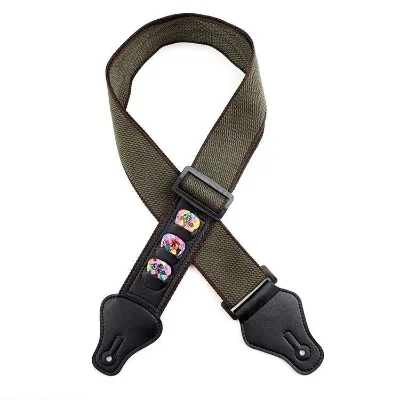
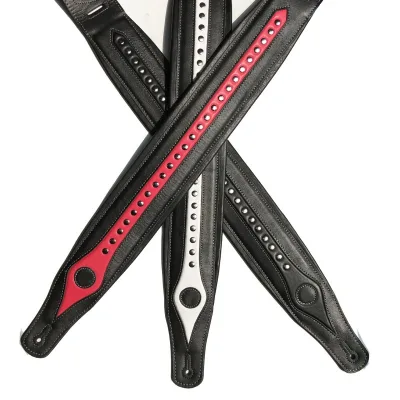
$11.62 - $11.96
MOQ: 1 pieces

Dongguan City Shanli Weaving Co., Ltd.
- Verified by BV
- Combined
- China Guangdong
- Lead time30 days
- Avg. response≤ 6h
Main productsWebbing, Nylon Webbing, Polyester Webbing, Polypropylene Webbing, Cotton Webbing, Elastic Webbing, Jacquard Webbing, Printed Webbing, Tubular Webbing, Reflective Webbing
Main marketsEurope,North America
- Manufacturer, Trading Company
- Guangdong, China
- Lead time15 days
- Avg. response≤ 2h
Main productsPiano Pedal Extender, Piano Foot Pads, Guitar Stand And Hook, Capo, Drumsticks
Main marketsNorth America(60.00%), South America(20.00%), Southeast Asia(20.00%)
Alwaysfaith International Trade Co., Ltd. (Huizhou)
- Manufacturer, Trading Company
- Lead time旺季: "1 - 100":9,"101 - 1000":20,"> 1000":"To be negotiated", 淡季: "1 - 100":9,"101 - 1000":20,"> 1000":"To be negotiated"
- Avg. response≤ 4h
Main productsOutdoor Entertainment,Musical Instrument,Audio Speaker,Tents
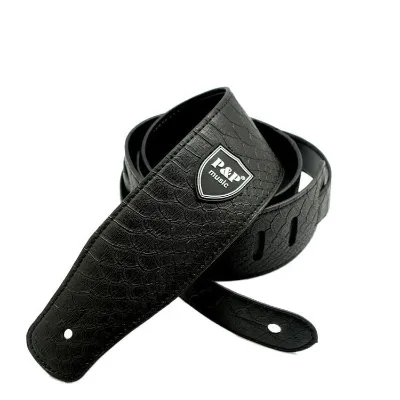
Hot Sale Soft Waterproof Leather Guitar Strap PU Bass Strap Electric Guitar Strap Guitar Accessories
$2.06 - $2.23
MOQ: 5 pieces
Alwaysfaith International Trade Co., Ltd. (huizhou)
- Verified by Intertek
- Trading Company
- Lead time0 days
- Avg. response≤ 5h
Main productsUkulele, Electric Guitar, Acoustic Guitar
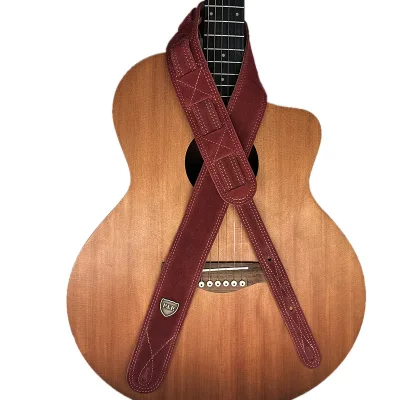
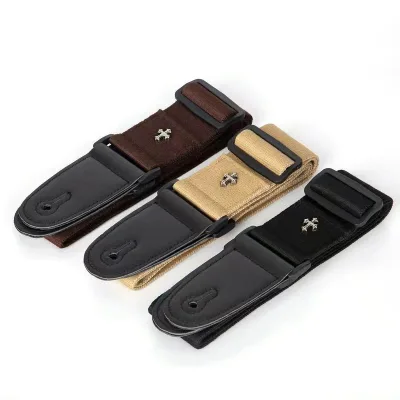
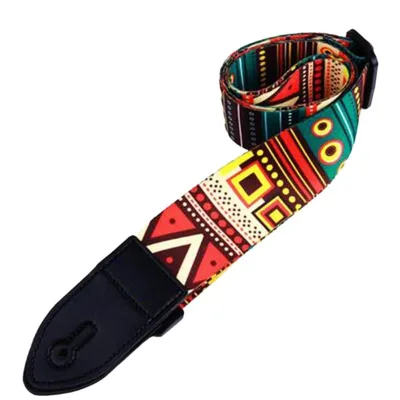
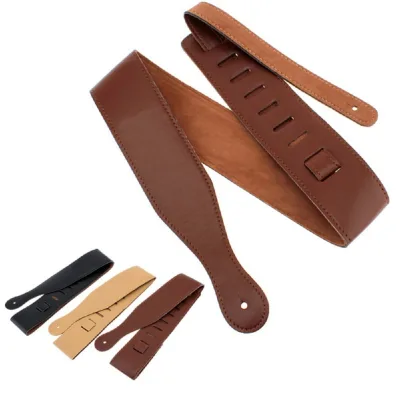
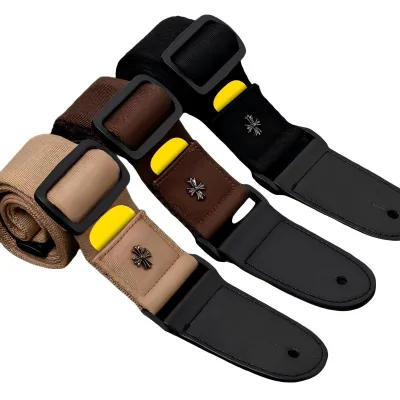
High Quality Leather Head Guitar Strap with Guitar Pick Rubber Lock Buckle Button
$2.16 - $2.26
MOQ: 1 pieces

Nantong Emuse Musical Instruments Co., Ltd.
- Trading Company
- China Jiangsu
- Lead time30 days
- Avg. response≤ 8h
Main productsViolin, Guitar, Cello, Classic Guitar, Double Bass, Acoustic Guitar, Ukulele, Electric Guitar, String Instruments Accessories, Violin Bow
Main marketsSouth America,Others(foreignTradeCapacity.exportBusinessCapacityMarketOther),Europe


Musical Instruments Guitar Strap for Classical Guitar Electric Guitar and Bass
$0.82 - $0.85
MOQ: 100 Pieces


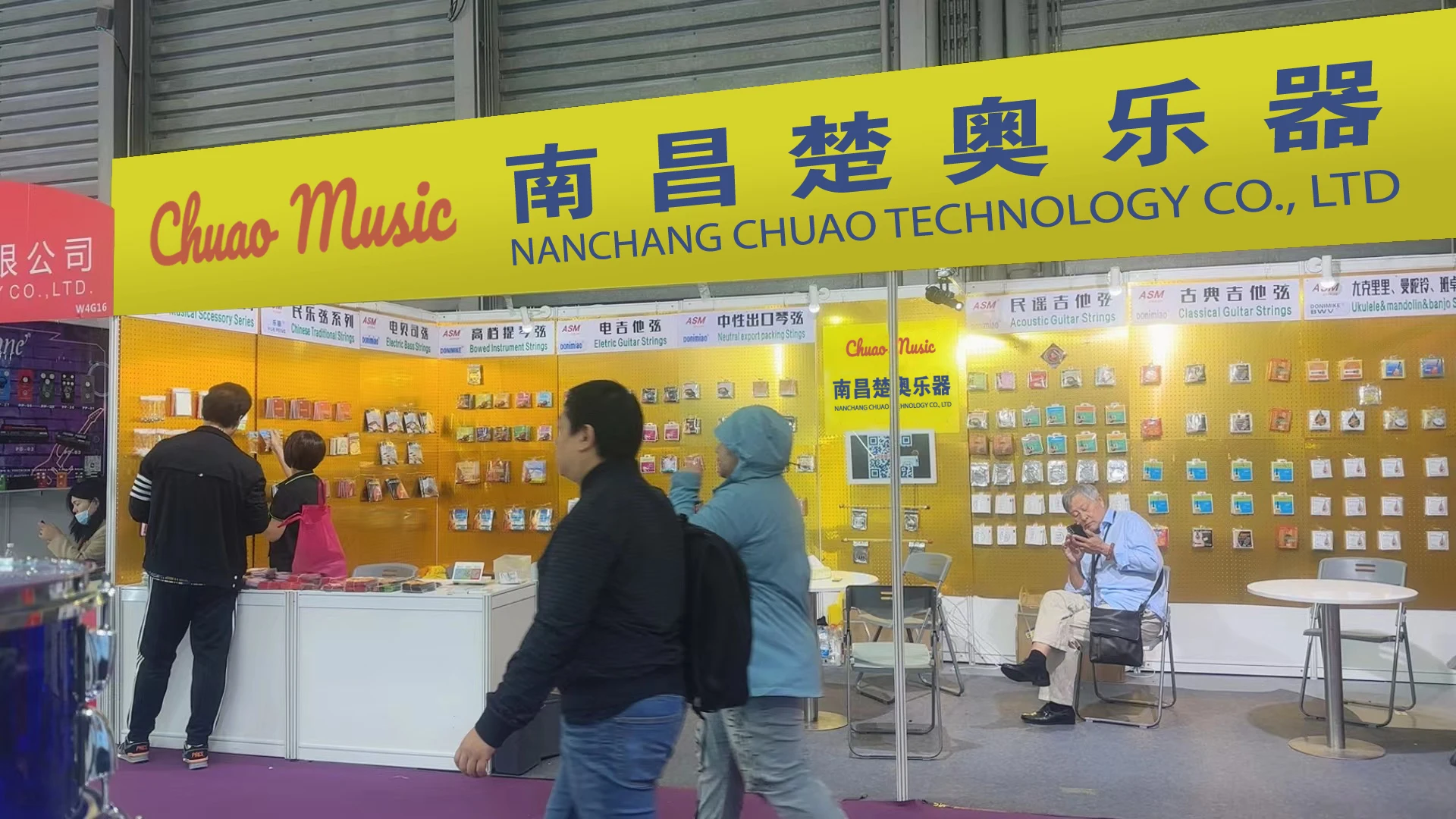
Nanchang Chuao Technology Co., Ltd.
- Trading Company
- Jiangxi, China
- Lead time7 days
- Avg. response≤ 1h
Main productsguitar,guitar accessories,drum,drumsticks,ukulele
Main marketsMid East(10.00%), Eastern Asia(10.00%), Africa(10.00%), Southeast Asia(10.00%), South Asia(10.00%), South America(10.00%), North America(10.00%), Central America(8.00%), Domestic Market(5.00%), Northern Europe(5.00%), Oceania(3.00%), Eastern Europe(3.00%), Southern Europe(3.00%), Western Europe(3.00%)
$0.39 - $0.50
MOQ: 50 pieces
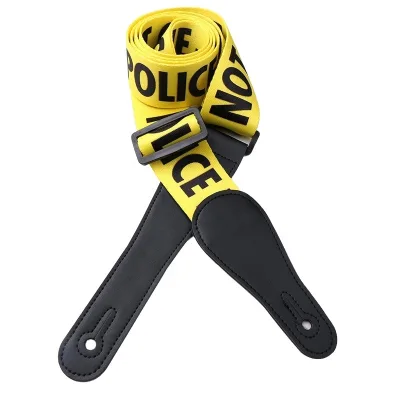
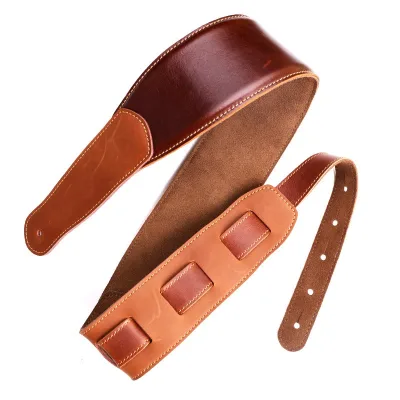
Guangzhou Kz Leather Goods Manufacturing Co., Ltd.
- Verified by TüVRheinland
- Manufacturer, Trading Company
- Lead time20 days
- Avg. response≤ 3h
Main productsWatch Strap, Handbag, Belt, Wallet, Bag Accessories
Main marketsNorth America(40%), Domestic Market(40%), Western Europe(10%)
Huizhou Height Industry Co., Ltd.
- Trading Company
- Guangdong, China
- Lead time25 days
- Avg. response≤ 5h
Main productsGuitar, Ukulele, Percussion, Musical Accessory, Bag
Main marketsNorth America(20.00%), South Asia(10.00%), South America(10.00%), Oceania(10.00%), Western Europe(10.00%), Southern Europe(10.00%), Northern Europe(10.00%), Eastern Europe(10.00%), Eastern Asia(5.00%), Mid East(5.00%)
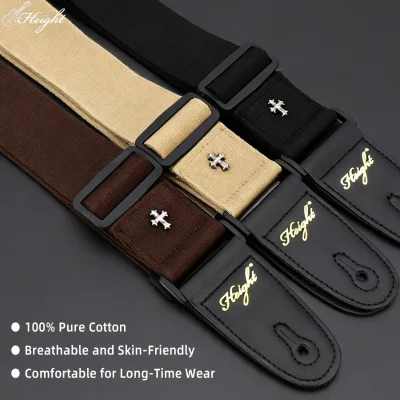
Guitar Strap Cotton Pu Leather Guitar Accessories Guitar Strap for Crossbody
$1.00 - $1.20
MOQ: 100 pieces
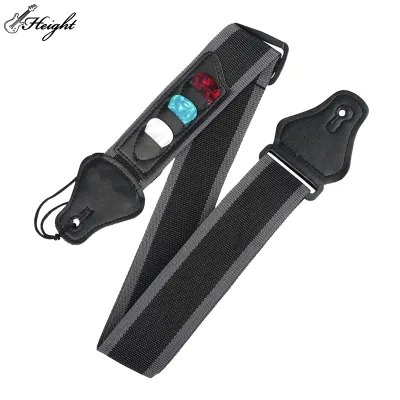
High Quality Cotton and PU Leather Guitar Strap Musical Instruments & Accessories
$2.30 - $2.40
MOQ: 500

- Trading Company
- Hong Kong S.A.R.
- Lead time30 days
- Avg. response≤ 1h
Main productsMusical Instrument Production,Trade in musical instruments,import and export trade,Integrated services,Product Sales
Main marketsDomestic Market(30.00%), South America(20.00%), North America(15.00%), Eastern Europe(10.00%), Southeast Asia(10.00%), Oceania(3.00%)
Dongguan Hongming Sports Goods Co., Ltd.
- Verified by Intertek
- Manufacturer, Trading Company
- Lead time20 days
- Avg. response≤ 2h
Main productsNeoprene Can Cooler, Neoprene Cosmetic Bag, Baby Carrier, Neoprene Lunch Bag, Bath Kneeler and Elbow Rest Pad
Main marketsNorth America(40%), Domestic Market(34%), Eastern Asia(10%)

Guangzhou Hebikuo Musical Instrument Co., Ltd.
- Manufacturer/Factory
- China Guangdong
- Lead time30 days
- Avg. response≤ 10h
Main productsGuitar, Guitar Stand, Guitar Bags, Keyboard Piano, Digital Piano, Keyboard Stand, Piano Benches, Drums, Drum Stool, Ukulele/Violin
Main marketsSouth America,Mid East,North America,Southeast Asia,Eastern Asia,Oceania,Western Europe,Africa


2522 High Quality Colorful Guitar Strap Custom Logo Leather Guitar Strap
$1.80 - $2.20
MOQ: 100 Pieces

2522 Factory OEM Leather Head Ukulele Straps Acoustic Colorful Guitar Strap
$1.80 - $2.20
MOQ: 100 Pieces

2558 Hot Sale Portable Straps Colorful PU Leather Head Cotton Guitar Strap
$1.80 - $2.00
MOQ: 100 Pieces

Nantong Sinomusic Enterprise Limited
- Manufacturer/Factory
- China Jiangsu
- Lead time38 days
- Avg. response≤ 12h
Main productsStringed Instruments, Violin/Viola/Cello, Guitar/Bass/Ukulele, Keyboard Instruments, Digital Piano, Woodwind Brasswind, MIDI Controller, Percussion
Main marketsSouth America,Eastern Europe,Mid East,North America,Southeast Asia,Eastern Asia,Oceania,Western Europe,Africa


Cheap Price P&P Brand Colour Leather Adjustable Musical Electric Bass Guitar Strap
$2.90 - $3.00
MOQ: 10 Pieces


Guangzhou Beston Musical Instrument Co., Ltd.
- Manufacturer, Distributor/Wholesaler, Other
- Guangdong, China
- Lead time30 days
- Avg. response≤ 4h
Main productsAcoustic Guitar,Electric Guitar,Electric Bass,Ukulele,classical guitar
Main marketsDomestic Market(30.00%), North America(10.00%), Oceania(10.00%), South America(10.00%), Southeast Asia(8.00%), Mid East(8.00%), Central America(5.00%), Africa(5.00%), Southern Europe(3.00%), Western Europe(3.00%), Eastern Asia(2.00%), Eastern Europe(2.00%), South Asia(2.00%), Northern Europe(2.00%)
Guangzhou Gidoo Musical Instruments Co., Ltd.
- Verified by TüVRheinland
- Manufacturer, Trading Company
- Lead time30 days
- Avg. response≤ 5h
Main productsAcoustic Guitar, Electric Guitar, Classical Guitar, Ukulele, Guitar Accessories
Main marketsSoutheast Asia(18%), Domestic Market(18%), South America(15%)
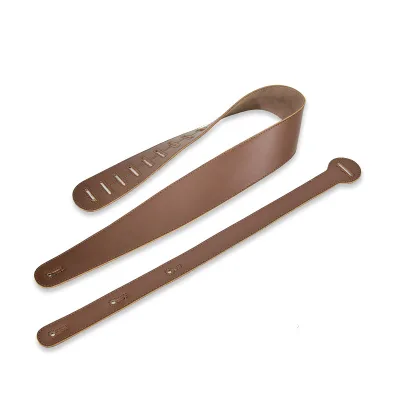
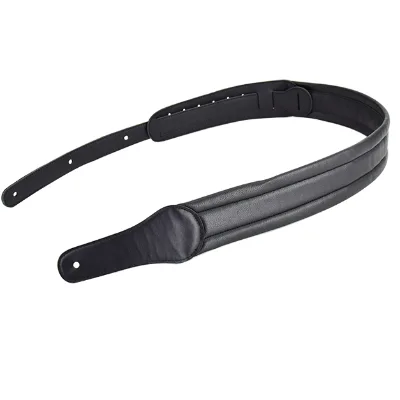
Wholesale Good Quality Genuine Leather Guitar Strap for Electric ,bass,acoustic Guitar
$9.05 - $9.77
MOQ: 10 pieces
- Verified by Intertek
- Manufacturer, Trading Company
- Lead time0 days
- Avg. response≤ 5h
Main productsViolins, Guitars, Winds Instruments, Percussions, Electric Keyboards
Main marketsNorth America(24%), South America(16%), Western Europe(11%)
Guangzhou Huayi Musical Instruments Co., Ltd.
- Verified by SGS Group
- Manufacturer, Trading Company
- Lead time3 days
- Avg. response≤ 4h
Main productsGuitar, Ukulele, Violin, Amplifier, Guitar Accessories
Main marketsSouth America(30%), Eastern Europe(18%), Southeast Asia(16%)
Zunyi Jumpo Technology Co., Ltd.
- Trading Company
- Guizhou, China
- Lead time0 days
- Avg. response≤ 3h
Main productsHandpan,Stteel tongue drum,Guitar acceessories,Klimba,Winchime
Main marketsNorth America(30.00%), Western Europe(20.00%), Domestic Market(10.00%), South America(10.00%), Southeast Asia(5.00%), Eastern Europe(5.00%), Eastern Asia(5.00%), Mid East(5.00%), Oceania(5.00%), Africa(5.00%)
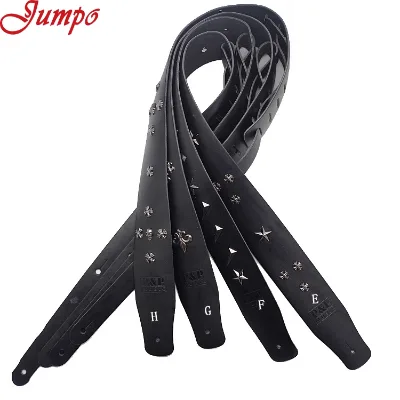
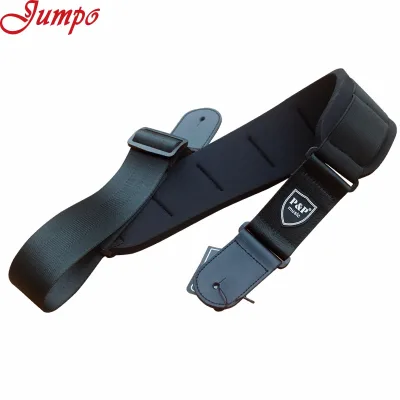
High Quality Guitar Belt/guitar Strap Thicken
$6.79 - $10.00


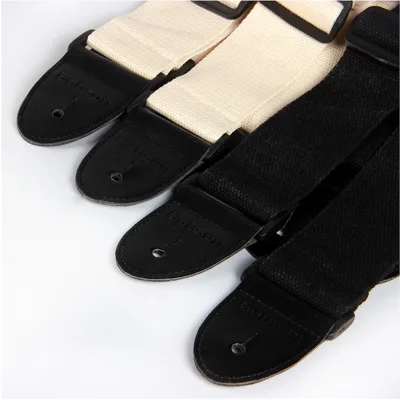
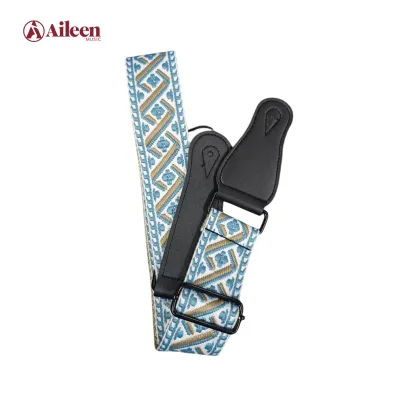
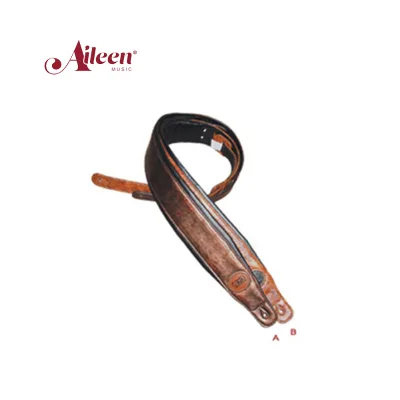
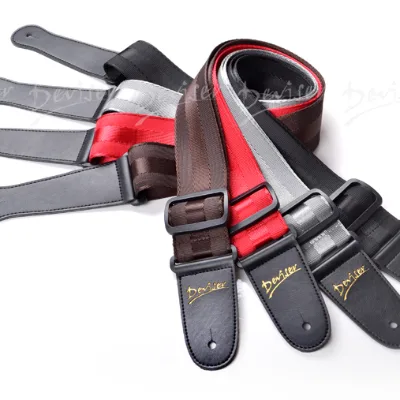
Comprehensive Sourcing Guide
Durable Leather Guitar Strap Supplier Concentration and Factory Types
Listings for the Durable Leather Guitar Strap category show two supplier types worth separating before anything else. The first is the manufacturer, exemplified by a Guangdong-based factory whose main product lines cover bags, cases, straps, baby and maternal products, and pet products, with guitar strap listings such as leather, nylon, and cotton strap models sitting under musical instrument accessories. The second is the trading company, exemplified by a Fujian-based supplier whose main products span hardware, plastic buckles, ribbons, metal stamping, bag accessories, and promotion gifts, and which also lists a wide range of musical instrument straps. Manufacturers tend to control the strap-making process directly, while trading companies aggregate strap, webbing, and hardware output and may be useful when you want matched straps and buckles from one source.
On location, the supplied results point to Guangdong and Fujian as active sourcing provinces for this category, and Tianjin also appears with suppliers listing guitar straps, guitar bags, drum bags, practice drum pads, and drum stick bags. That gives three observable regional anchors, but it does not mean the whole market sits there. When your own search returns regions not covered here, identify clusters indirectly: check whether a supplier's main product list is dominated by straps and instrument accessories rather than unrelated goods, confirm the stated place of origin on individual strap listings, and prefer suppliers whose product pages consistently disclose origin, material, and dimensions.
How to Verify Durable Leather Guitar Strap Suppliers
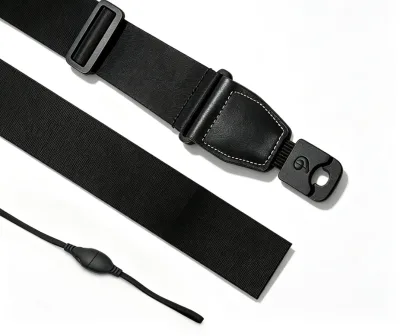
Verification starts with what the listing itself discloses, and the strongest listings in this category disclose a lot. A good guitar strap product page states the material explicitly, whether that is nylon with leather ends, PP webbing, or full grain cowhide leather, and gives measurable attributes such as length, width, thickness, and per-unit weight. One listed model, for example, records a 75-128 cm length, a 2 inch width, 50 g weight, 0.2 cm thickness, polybag packaging, and OEM acceptance. When a supplier shows that level of specification, you can verify claims by requesting samples and comparing received goods against the stated attributes. When a listing omits material or dimensions, treat that as a gap to close before ordering, not a detail to assume.
Beyond the listing, verify the supplier entity and its credentials. One Fujian supplier in the results displays a system certification of NIL, which is a useful reminder that an empty certification field means nothing has been verified either way. Ask for certificates relevant to your destination market and check them with the issuing body rather than accepting PDFs at face value. Confirm company type, since a trading company may not control production, and ask who actually sews and finishes the leather. Response behavior is also evidence: the observed suppliers show response times ranging from about one hour to eight, so a slow, vague reply during sourcing is a fair signal of how post-order communication will go.
What to Compare Across Durable Leather Guitar Strap Suppliers
Build a comparison table using the attributes suppliers actually display, and never assume every supplier shows every field. The dimensions visible in this category include location, company type, main products, response time, lead time, and certification status. To make these concrete: one Guangdong manufacturer responds in about one hour; a Fujian trading company responds in roughly 2.58 hours but shows a lead time around 23 days; a Tianjin supplier lists a response time of 8 and a lead time of 20 days. Those numbers let you compare speed of communication against production turnaround, which is the trade-off that matters when you have a fixed launch or restock date.
Product-level economics deserve their own columns. Listed strap prices in this category range from roughly half a dollar for basic nylon models up to around 22 dollars for a custom dark brown full grain cowhide leather strap, and MOQs vary just as widely, from as low as 2 pieces on one entry-level model to 500 pieces on a Fujian-listed musical instrument strap. Note also that a low headline price may sit on an entry product while the leather item you actually want carries a higher tier price. Finally, compare main product alignment: a supplier whose core business is straps and instrument accessories is a different risk profile from a hardware or gift-products company that lists straps among many lines, and that difference should weigh in your scoring.
Common Durable Leather Guitar Strap Sourcing Risks
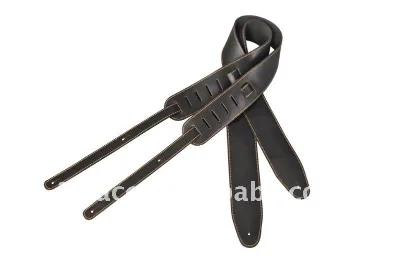
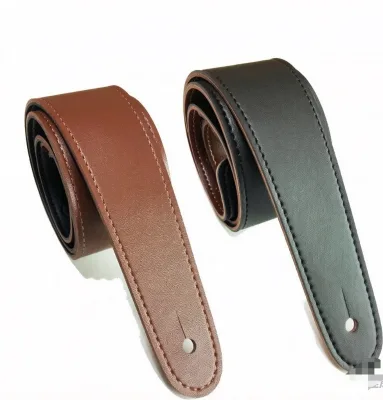
The most common risk in this category is material substitution. Listings titled "leather guitar strap" frequently describe products whose stated material is nylon, PP, or polypropylene, with leather appearing only in the ends, the backing, or the product name. One leather-backed cowhide model sits at the top of the observed price range precisely because full grain leather costs more, so a quote far below that level for a supposedly all-leather strap is a signal to inspect the sample closely. Confirm whether "leather" means genuine, bonded, or split leather, where the leather is actually applied, and what the load-bearing webbing underneath is made of.
Durability and safety risks follow from the same pattern. A strap that looks right but uses thin webbing, weak stitching at the leather ends, or low-grade hardware can fail under the weight of an instrument, so test samples under load and check stitching density at stress points. Customs and compliance risks are quieter but real: one supplier in the results lists CE certification on individual strap products while showing no system-level certification, which means product marks and company credentials must be checked separately. There is also a lead-time risk, since observed lead times of around 20 to 23 days can stretch during peak seasons, and a MOQ risk, because low-MOQ listings may not extend to the specific leather model or customization you want.
Durable Leather Guitar Strap Regional Sourcing and Logistics
Within the supplied evidence, Guangdong and Fujian are the two provinces with the densest strap listings, and Tianjin adds a cluster of suppliers pairing guitar straps with related soft goods like guitar bags and drum bags. That geography shapes logistics. A Guangdong manufacturer sits close to major southern export infrastructure, while a Fujian trading company combines strap output with hardware, buckles, and ribbons, which is convenient if your strap design needs custom metal parts. Tianjin offers northern port access, which can matter for certain shipping lanes. Treat these observations as starting points and confirm actual port of loading, not just province, when you request quotes.
Logistics planning should use the lead-time and packaging data suppliers actually publish. Observed lead times in this category run around 20 to 23 days, so build your calendar backward from your retail date and add sampling, quality inspection, and freight time on top of production. Packaging details on the listings are practical checkpoints: one product records a package size per batch of 10X7X2 cm and gross weight per batch of 0.080 kg, sold in multiples of 2, with polybag packing and regular export packing named on other listings. Ask each shortlisted supplier for carton dimensions, units per carton, and gross weight per carton so you can estimate freight cost accurately, and confirm whether adjustable-length hardware adds bulk or weight to the packed carton.
Durable Leather Guitar Strap Commercial Terms and Order Planning
Commercial terms should be settled before samples become orders. From the observed data, expect a wide price and MOQ spread: entry nylon straps quoted around half a dollar with MOQs as low as 2 pieces, mid-range padded models between roughly 1 and 4 dollars, and premium leather models from about 10 up to 22 dollars with 500-piece MOQs on some listings. Many suppliers state OEM acceptance and customization for colors, patterns, widths, and branding, so request a quote for your exact specification rather than the catalog model, and confirm the MOQ that applies to customized versions, which is often higher than the stock-product MOQ.
Order planning should sequence small, then scale. Place a sample order first, even where the MOQ is only a couple of pieces, and use it to verify leather grade, stitching, adjuster hardware, and length tolerance against the stated specifications. For the first production run, keep volume near the supplier's stated MOQ for your chosen model, then expand once inspection results justify it. Confirm in writing: unit price at your volume, tooling or customization fees, payment terms, lead time from deposit to shipment, packing format, and how defects will be handled. Where a marketplace offers escrow or secure payment, use it, since one supplier in this category shows no system certification and escrow gives you recourse if received goods do not match the approved sample.
[Word count check: Article totals approximately 1,385 words.]
FAQs
What is the minimum order quantity for guitar straps?
The minimum order quantity is 2 pieces for some suppliers, while others require 500 pieces. Buyers should check specific product listings to confirm the exact MOQ. Low MOQ options are available for testing quality, whereas bulk orders may offer better pricing tiers.
How long does production take for guitar straps?
Lead times vary significantly among suppliers, ranging from 0 to 23 days. Some manufacturers offer immediate availability, while others require up to three weeks for production. Buyers should confirm the specific lead time with the supplier before placing an order to ensure timely delivery.
What materials are used for guitar straps?
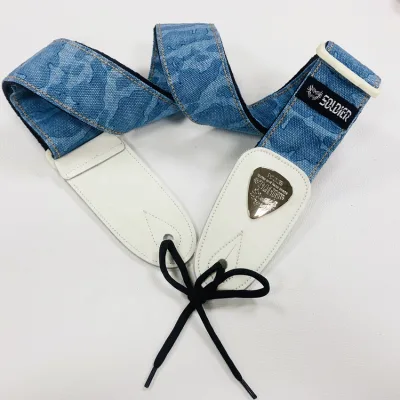
Guitar straps are made from various materials including nylon, leather, PP, and polypropylene. Some options feature padded designs for comfort, while others use woven denim or cotton. Buyers can choose based on durability needs, aesthetic preferences, and budget constraints when selecting the right material.
Are custom designs available for guitar straps?
Yes, customization is available for many guitar strap products. Buyers can request custom colors, patterns, and branding options. OEM services are accepted by several suppliers, allowing for unique designs. This flexibility helps businesses create branded merchandise that stands out in the market.
What is the price range for guitar straps?
Prices range from approximately $0.50 to $22.00 per unit depending on material and complexity. Basic nylon straps start at $0.50, while premium leather options cost up to $22.00. Volume discounts may apply for larger orders, affecting the final unit price significantly.
Where are guitar strap suppliers located?
Suppliers are primarily located in Guangdong, Fujian, and Tianjin, China. These regions offer diverse manufacturing capabilities for musical instrument accessories. Buyers can filter results by location to find suppliers closer to their shipping preferences or those with specific regional expertise in strap production.
What certifications do guitar straps have?
Some guitar straps carry CE certification, indicating compliance with European safety standards. Buyers should verify specific product certifications before purchasing. Not all products display certification details, so it is important to check individual listings or contact suppliers directly to confirm compliance requirements for your market.