With Mic Guitar Pickup Suppliers and Manufacturers
Source 23 verified suppliers offering With Mic Guitar Pickup options from China. Compare response times, lead times, and certifications like ISO 9001 to find the right partner. Review product specs and request quotes today; review the available evidence before requesting comparable quotations from suitable candidates.
Suppliers List
- Manufacturer
- Tianjin, China
- Lead time45 days
- Avg. response≤ 4h
Main productsDrum,Melodica,Accordion,Wind Instrument,Guitar
Main marketsSouth America(50.00%), Domestic Market(25.00%), Africa(25.00%)
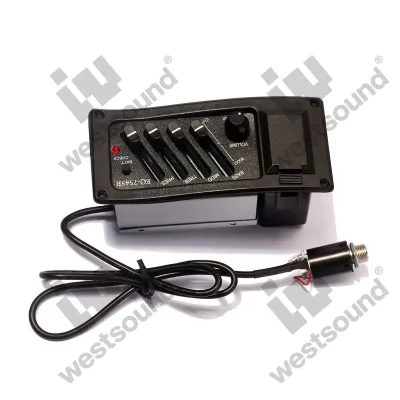
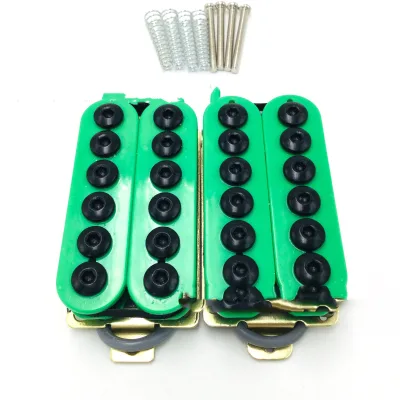
$5.47 - $5.81
MOQ: 2 pieces
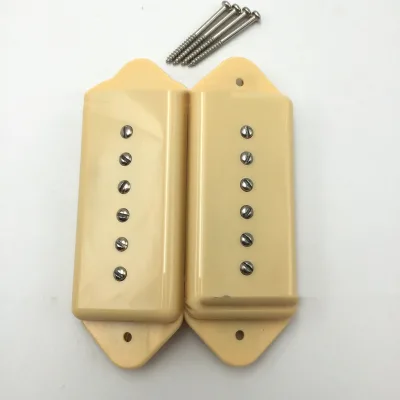
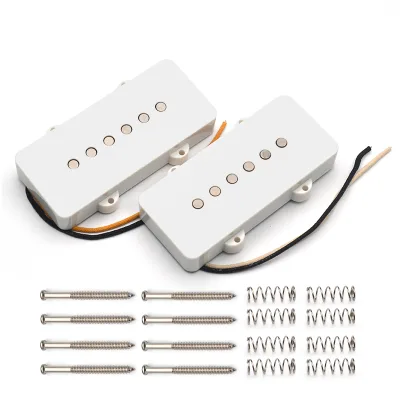
Guitar Accessories Electric Guitar Pickups LP Electric Guitar Pickups J-shaped Pickups
$5.13 - $5.47
MOQ: 1 pieces
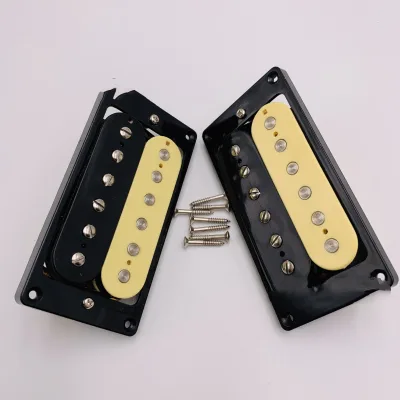
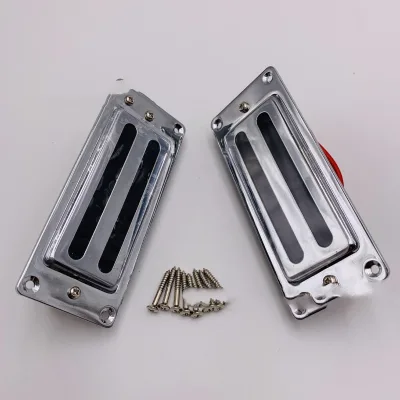
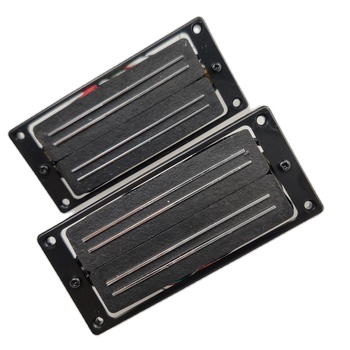
LP Two Black Pickup Electric Guitar Metal Frame Small Two-word Pickup Electric Guitar Accessory
$7.18 - $7.69
MOQ: 1 pieces
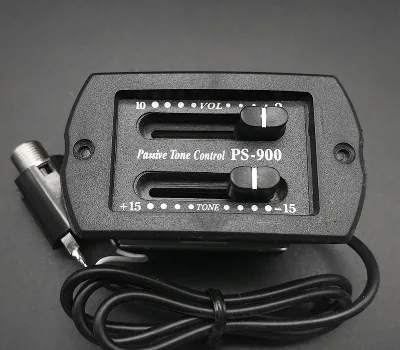
$1.41 - $1.50
MOQ: 1 pieces
Guangzhou Beston Musical Instrument Co., Ltd.
- Manufacturer, Distributor/Wholesaler, Other
- Guangdong, China
- Lead time30 days
- Avg. response≤ 3h
Main productsAcoustic Guitar,Electric Guitar,Electric Bass,Ukulele,classical guitar
Main marketsDomestic Market(30.00%), North America(10.00%), Oceania(10.00%), South America(10.00%), Southeast Asia(8.00%), Mid East(8.00%), Central America(5.00%), Africa(5.00%), Southern Europe(3.00%), Western Europe(3.00%), Eastern Asia(2.00%), Eastern Europe(2.00%), South Asia(2.00%), Northern Europe(2.00%)

Shenzhen Donlis Electric-Sound Technology Co., Ltd.
- Verified by TUVRHEINLAND
- Trading Company,Manufacturer/Factory
- China Guangdong
- Lead time45 days
Main productsGuitar Neck, Guitar Pickup, Guitar Parts, Guitar Body, Guitar Pickguard, Guitar Machine Heads, Guitar Kits, Bass Neck, Musical Instruments, Guitar Bridge
Main marketsSouth America,Eastern Europe,Mid East,North America,Southeast Asia,Eastern Asia,Oceania,Western Europe,Africa


Musical Instruments High Quality Black Electric Guitar Pickup Lp Guitar Pickup with Wax Potted
$11.42 - $12.66
MOQ: 10 Sets


Black 7 String Electric Guitar Humbucker Pickup Ceramic Magnetized Guitar Pickup
$5.57 - $6.49
MOQ: 40 Pieces


Shenzhen Aide Linna Musical Instrument Co., Ltd.
- Manufacturer, Trading Company
- Guangdong, China
- Lead time15 days
- Avg. response≤ 2h
Main productsacoustic guitar pickup,Guitar speaker,Guitar strings,Guitar pick,Guitar capo
Main marketsDomestic Market(60.00%), South Asia(6.00%), South America(6.00%), Northern Europe(5.00%), Eastern Asia(5.00%), North America(5.00%), Central America(4.00%), Mid East(3.00%), Eastern Europe(3.00%)
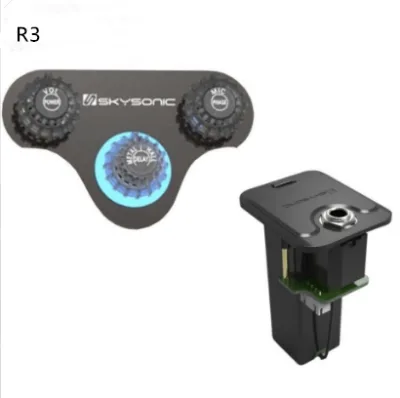
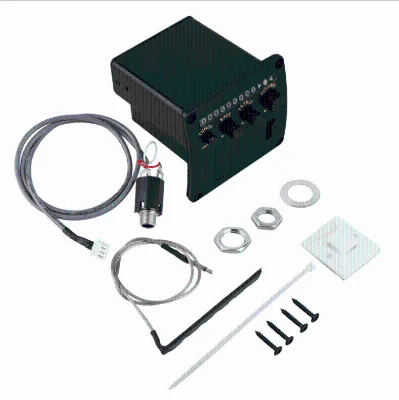
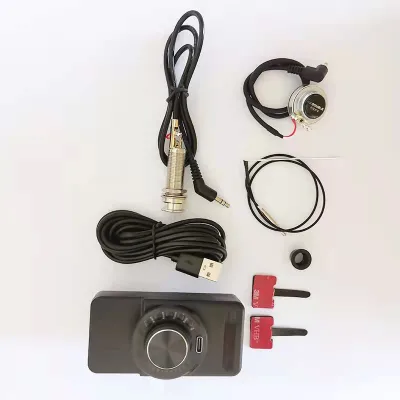
$32.12 - $33.13
MOQ: 100 pieces
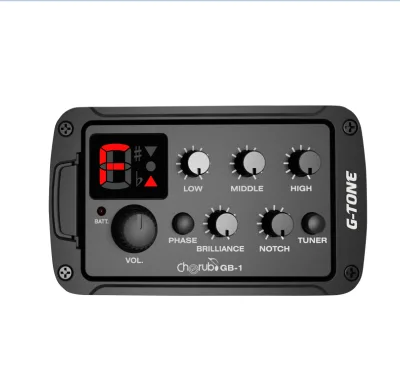
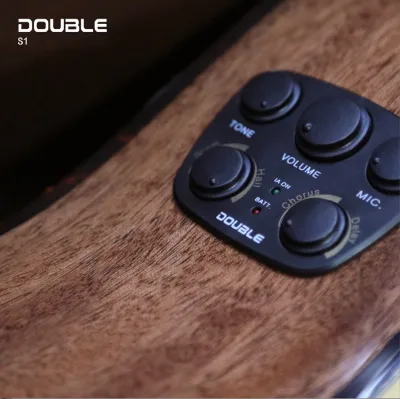
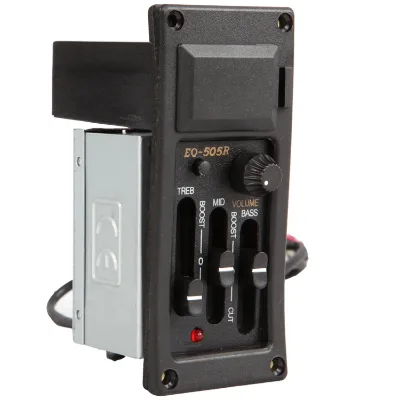
Cherub GB-1 Folk Acoustic Guitar Pickup with Tuning Function Box Piano 3-band EQ Equalizer
$13.27 - $14.29
MOQ: 10 pieces
Shenzhen Grand Exploits Technology Co., Ltd.
- Manufacturer, Trading Company
- Guangdong, China
- Lead time25 days
- Avg. response≤ 10h
Main productsMusical Instruments,Guitar,Guitar Effect Pedal,Ukulele,Guitar Pickup
Main marketsNorth America(30.00%), Eastern Asia(10.00%), Northern Europe(10.00%), Southeast Asia(10.00%), Western Europe(10.00%), South America(10.00%), South Asia(5.00%), Southern Europe(5.00%), Africa(5.00%), Eastern Europe(5.00%)
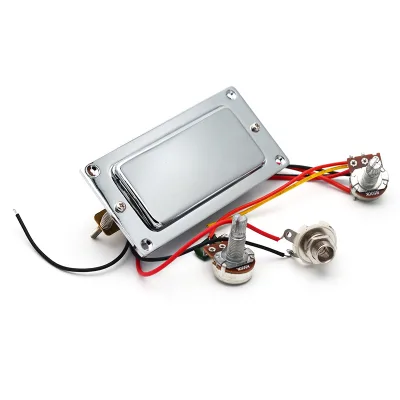
$4.94 - $5.97
MOQ: 100 pieces

Guangzhou Vines Musical Instruments Co., Ltd
- Verified by TUVRHEINLAND
- Trading Company
- China Guangdong
- Lead time15 days
Main productsAcoustic Guitar, Electric Guitar, Classical Guitar, Electric Bass Guitar, Ukulele, Guitar Strings, Musical Instrument Accessories, Violin, Guitar Amplifier, Drum Piano
Main marketsAfrica,Europe,North America

GUANGZHOU ARTINY GUITAR CO., LTD
- Verified by SGS
- Manufacturer/Factory
- China Guangdong
- Lead time45 days
Main productsAcoustic Guitar, Electric Guitar, Classical Guitar, Electric Bass Guitar, Ukulele, Music Bags, Music Stands, Guitar Parts
Main marketsSouth America,Eastern Europe,Mid East,North America,Southeast Asia,Eastern Asia,Oceania,Western Europe,Africa
Changsha Geake Music Co., Ltd.
- Manufacturer, Trading Company
- Hunan, China
- Lead time45 days
- Avg. response≤ 3h
Main productsAcoustic guitar,Classical guitar,electric guitar and Ukuleles,guitar accessories,custom high quality guitars
Main marketsNorth America(20.00%), South America(15.00%), Domestic Market(10.00%), Eastern Europe(10.00%), Southern Europe(5.00%), Northern Europe(5.00%), Central America(5.00%), Western Europe(5.00%), Eastern Asia(5.00%), Southeast Asia(5.00%), Mid East(5.00%), Oceania(5.00%), South Asia(4.00%), Africa(1.00%)
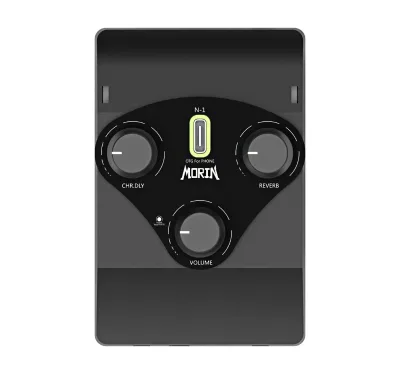
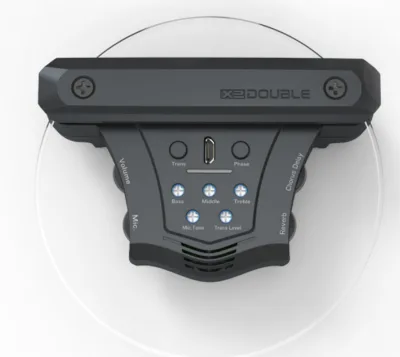
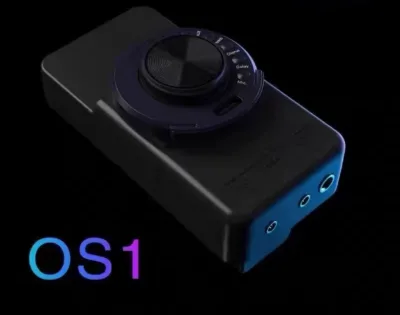
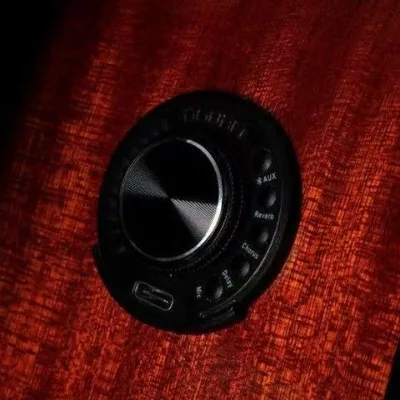
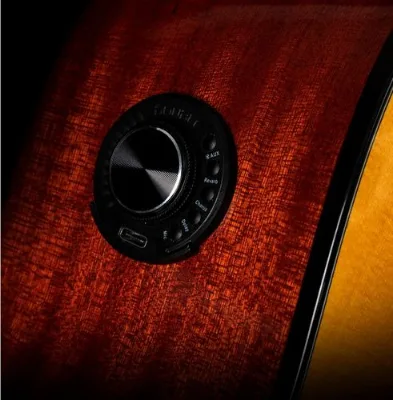
N1 Guitar EQ Morin Pickup with Shock Effect for Stringed Instruments & Accessories
$28.26 - $41.11
MOQ: 2 pieces
Alwaysfaith International Trade Co., Ltd. (huizhou)
- Verified by Intertek
- Trading Company
- Lead time0 days
- Avg. response≤ 5h
Main productsUkulele, Electric Guitar, Acoustic Guitar
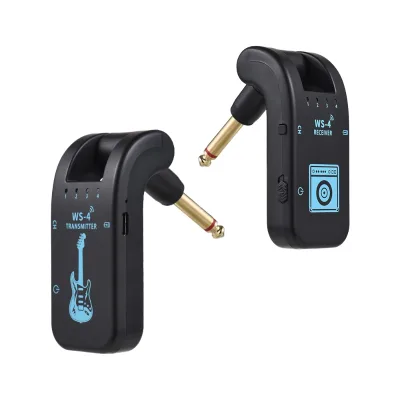
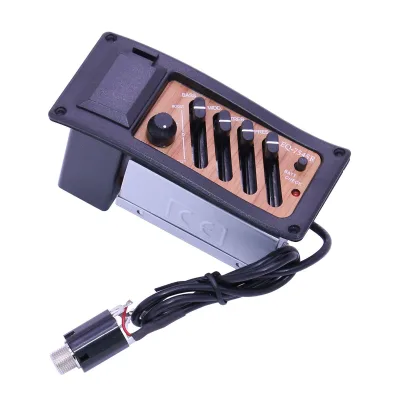
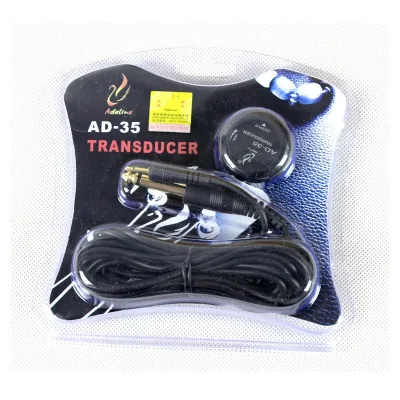
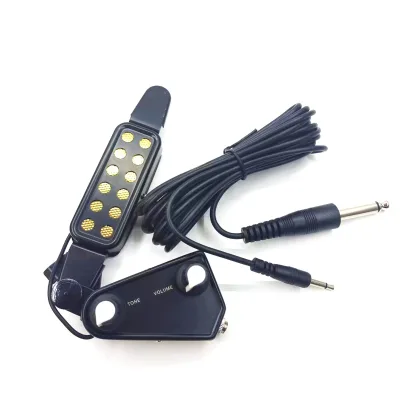
Guitar Pickup Musical Instrument Accessories with 3 Meter Connecting Cable
$5.85 - $6.16
MOQ: 1 pieces
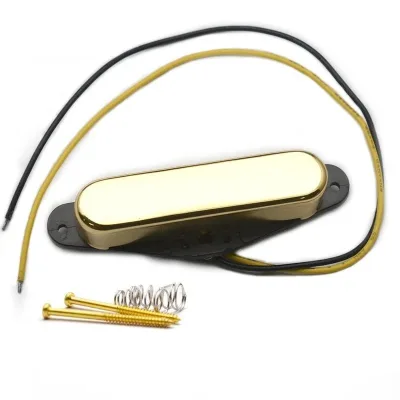
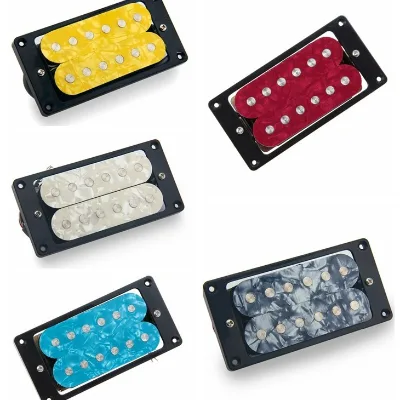
High Quality Humbucking Pickup 6 Strings Pickup Offering Bright and Crisp Sound for Guitar
$9.34 - $9.96
MOQ: 2 pieces
Alwaysfaith International Trade Co., Ltd. (Huizhou)
- Manufacturer, Trading Company
- Guangdong, China
- Lead time15 days
- Avg. response≤ 4h
Main productsOutdoor Entertainment,Musical Instrument,Audio Speaker,Tents
Main marketsNorth America(40.00%), South America(15.00%), Western Europe(10.00%), Central America(8.00%), Northern Europe(5.00%), Eastern Europe(5.00%), Mid East(5.00%), Eastern Asia(4.00%), Southeast Asia(4.00%), Oceania(2.00%), Africa(2.00%)
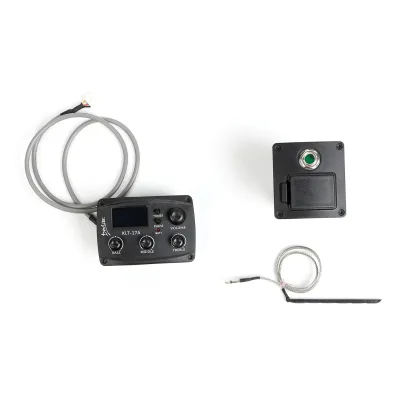
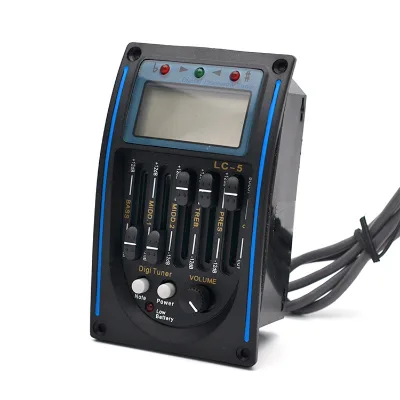
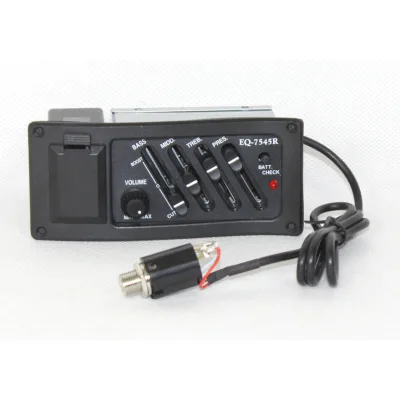
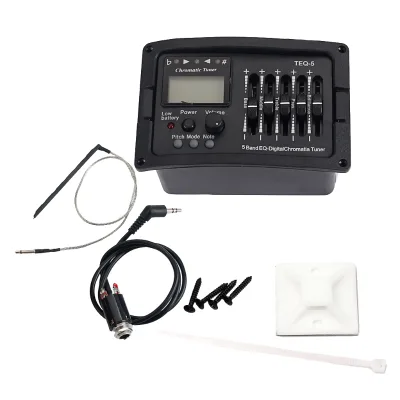
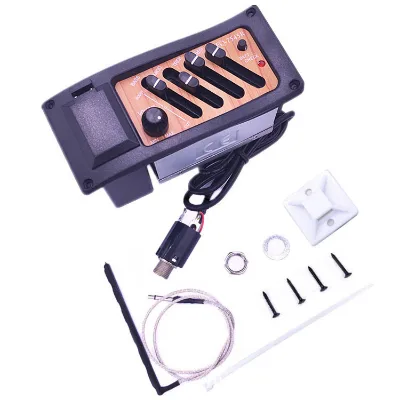
Made in China Pickup Acoustic Guitar with Pickups Guitar LCD Display Guitar EQ Pickups
$9.48 - $10.24
MOQ: 100 pieces

Guangzhou MingXuan Musical Instruments Manufacturing Factory
- Verified by SGS
- Manufacturer/Factory
- China Guangdong
- Lead time23 days
Main productsGuitars Acoustic &Classical &Electric Guitars, Ukuleles, Guitar Accessories, Music Stands Guitar Stands Microphone Stands, Other Musical Accessories, Keyboards Pianos, Drums, Violin Viola Cello, Amplifiers
Main marketsSouth America,Eastern Europe,Mid East,North America,Southeast Asia,Eastern Asia,Oceania,Western Europe,Africa

OEM Guitar with Pickup Musical Instrument Acoustic Electric Guitar, Musical Instruments
$38.00 - $46.00
MOQ: 30 Pieces

Guitar Electronic China String Musical Instruments China Manufacturer OEM Guitar Kit
$39.00 - $45.50
MOQ: 6 Pieces

Nantong Emuse Musical Instruments Co., Ltd.
- Trading Company
- China Jiangsu
- Lead time30 days
Main productsViolin, Guitar, Cello, Classic Guitar, Double Bass, Acoustic Guitar, Ukulele, Electric Guitar, String Instruments Accessories, Violin Bow
Main marketsSouth America,Others(foreignTradeCapacity.exportBusinessCapacityMarketOther),Europe

Guangzhou Lebeth Musical Instrument Co., Ltd.
- Verified by BV
- Manufacturer/Factory
- China Guangdong
- Lead time0 days
Main productsMusical Accessories, Music Stand, Keyboard Stand, Piano Stool, Guitar Stand, Speaker Stand, Drum Stand


Kq-3 Professional Acoustic Guitar Pickup Musical Instrument Accessories Guitar Pickup OEM
$3.43 - $3.73
MOQ: 100 pieces

- Trading Company
- Hong Kong S.A.R.
- Lead time30 days
- Avg. response≤ 1h
Main productsMusical Instrument Production,Trade in musical instruments,import and export trade,Integrated services,Product Sales
Main marketsDomestic Market(30.00%), South America(20.00%), North America(15.00%), Eastern Europe(10.00%), Southeast Asia(10.00%), Oceania(3.00%)
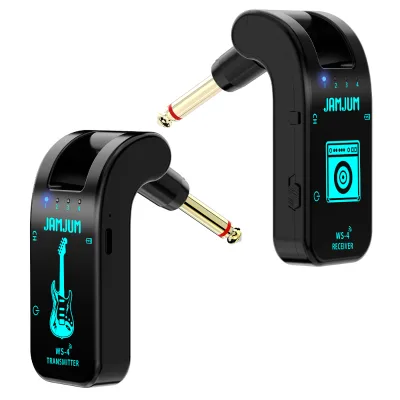
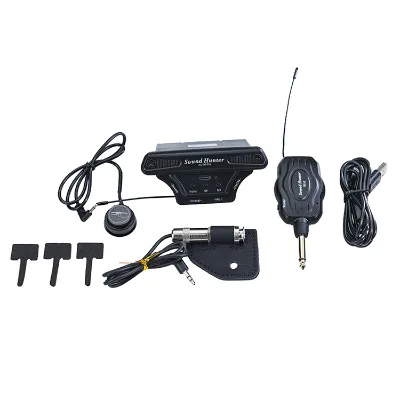
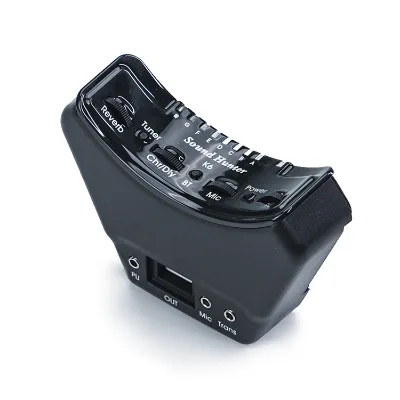
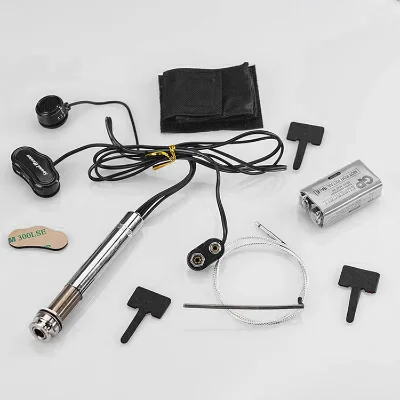
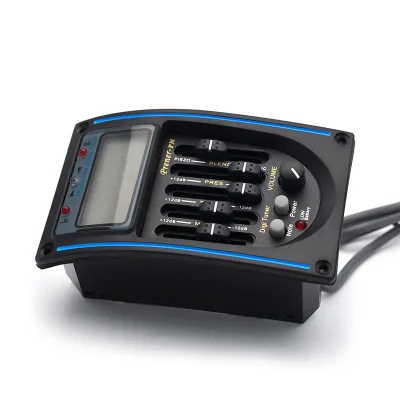
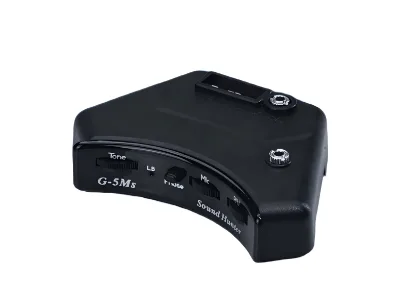
Wholesale high-end guitar pickup EQ with microphone and tap function musical instrument accessories
$48.00 - $65.00
MOQ: 100 pieces
Alwaysfaith International Trade Co., Ltd. (Huizhou)
- Trading Company
- Lead time旺季: "1 - 10000":30,"> 10000":"To be negotiated", 淡季: "1 - 10000":30,"> 10000":"To be negotiated"
- Avg. response≤ 7h
Main productsUkulele, Electric Guitar, Acoustic Guitar
HUIZHOU HOWANG ELECTRONICS CO.,LTD.
- Manufacturer, Trading Company
- Guangdong, China
- Lead time7 days
- Avg. response≤ 6h
Main productsRotary Potentiometer,Trimmer Potentiometer,Rotary Encoder,Guitar parts,headphones& earphones
Main marketsMid East(15.00%), North America(14.00%), Western Europe(13.00%), Southeast Asia(11.00%), South Asia(10.00%), Eastern Europe(10.00%), South America(8.00%), Domestic Market(8.00%), Northern Europe(6.00%), Africa(5.00%)
Hangzhou Shunlian Technology Co., Ltd.
- Verified by TüVRheinland
- Trading Company
- Lead time0 days
- Avg. response≤ 3h
Main productsDrum, Wind Instrument, Musical Instrument Accessories, Guitar, Violin
Main marketsSouth America(60%), Western Europe(20%), Eastern Europe(10%)
Guangzhou Huayi Musical Instruments Co., Ltd.
- Verified by SGS Group
- Manufacturer, Trading Company
- Lead time3 days
- Avg. response≤ 4h
Main productsGuitar, Ukulele, Violin, Amplifier, Guitar Accessories
Main marketsSouth America(30%), Eastern Europe(18%), Southeast Asia(16%)
Huizhou Guangli Runfa Musical Instrument Co., Ltd.
- Verified by SGS Group
- Manufacturer, Trading Company
- Lead time0 days
- Avg. response≤ 1h
Main productsElectric Guitar, Guitar, Ukulele, Kalimba, Musical Instrument Accessories
Main marketsDomestic Market(50%), Southeast Asia(15%), Eastern Asia(15%)
Changsha Bullfighter Instrument Co., Ltd.
- Verified by SGS Group
- Manufacturer, Trading Company
- Lead time7 days
- Avg. response≤ 2h
Main productsElectric Guitar; Electric Bass Guitar; Acoustic Guitar, Electronic Drum Set, Guitar Amplifier, Violin
Main marketsDomestic Market(50%), North America(13%), Southeast Asia(12%)
Xinhua District Jingying Musical Instruments Firm
- Trading Company
- Hebei, China
- Lead time30 days
- Avg. response≤ 3h
Main productsmusical instruments,guitar and accessories,wind instruments,string instruments,mini instruments
Main marketsWestern Europe(30.00%), North America(30.00%), South Asia(5.00%), Northern Europe(5.00%), Central America(5.00%), South America(5.00%), Mid East(5.00%), Oceania(5.00%), Africa(5.00%), Eastern Europe(5.00%)

Changshu Huasheng Musical Instrument Co., Ltd.
- Manufacturer, Trading Company
- Jiangsu Province, China
- Lead time30 days
- Avg. response≤ 3h
Main productsGuitar,Piano,Ukulele,Keyboard instrument,Stringed instrument
Main marketsNorth America(50.00%), Western Europe(20.00%), Oceania(15.00%), Domestic Market(10.00%), South America(5.00%)

Shenzhen Grand Technology Co., Ltd.
- Trading Company
- China Guangdong
- Lead time0 days
Main productsMusical Instruments, Guitar Amplifier, Electric Guitar, Guitar Pedals, Acoustic Guitar, Piano, Guitar Kits, Percussion Instruments, Bass Guitar, Acrylic Piano
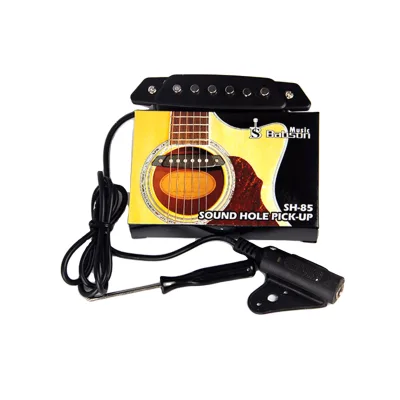
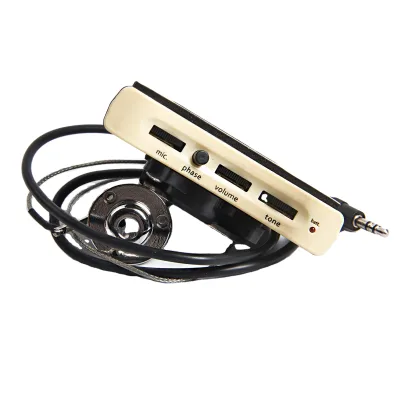


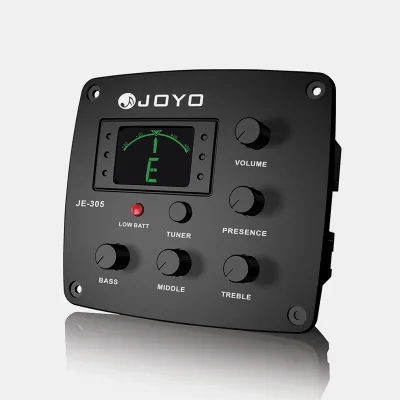
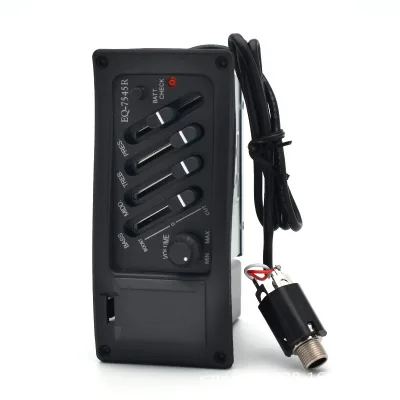
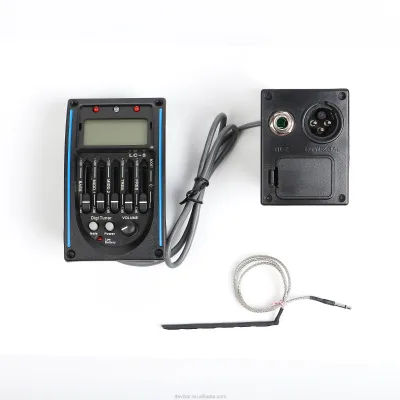
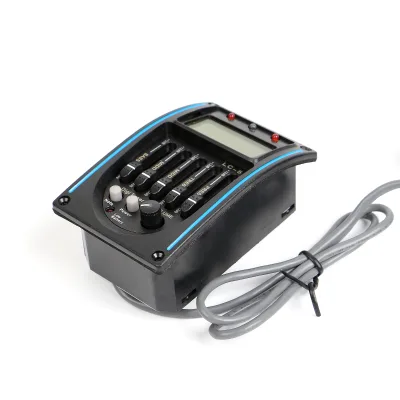
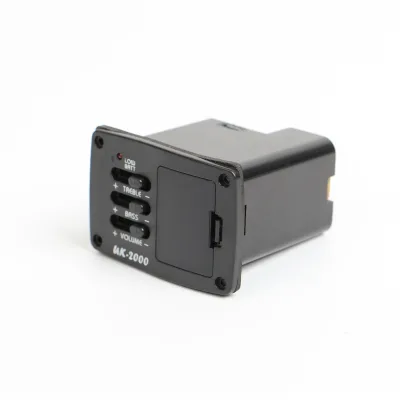
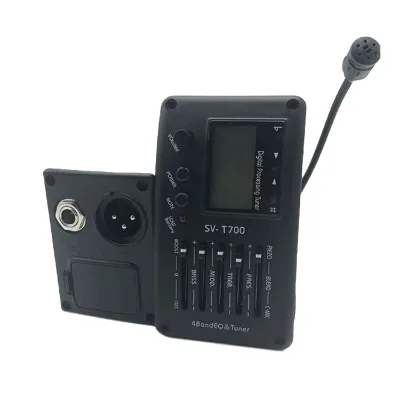
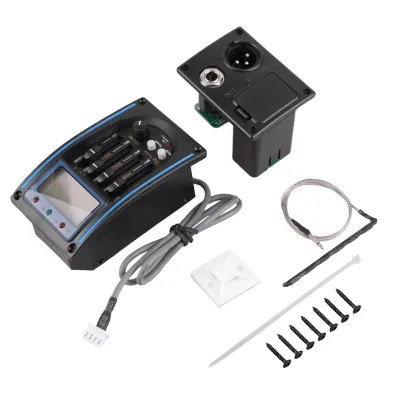
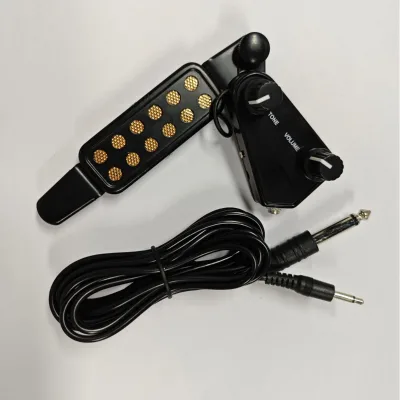
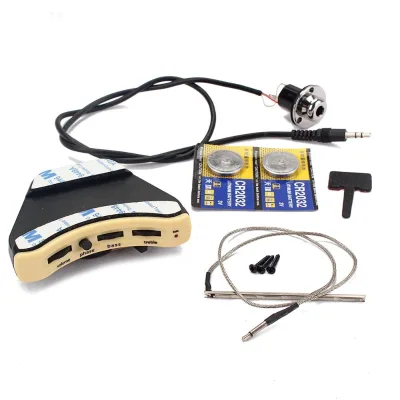
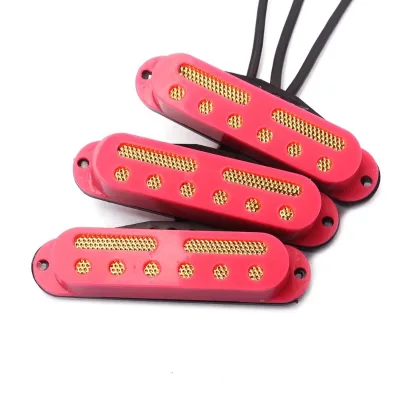
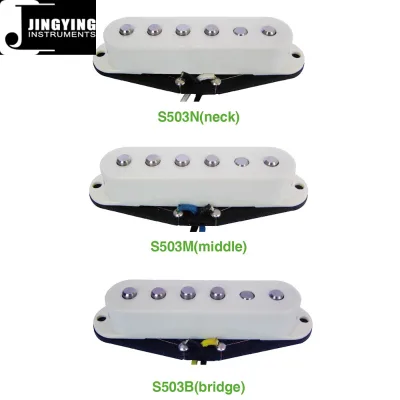
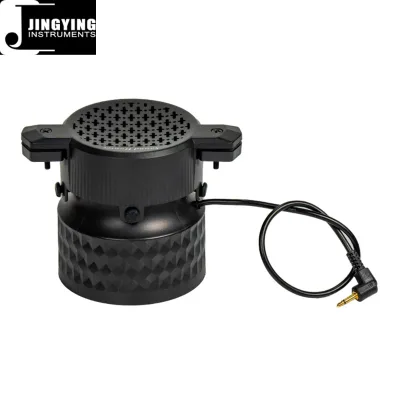
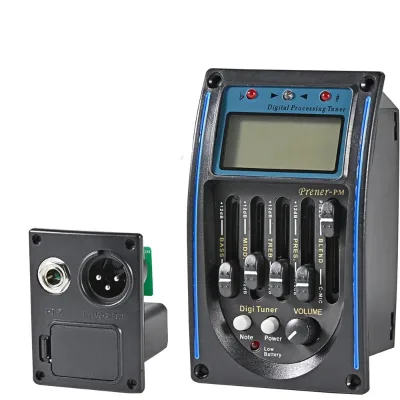


Comprehensive Sourcing Guide
With Mic Guitar Pickup Supplier Concentration and Factory Types
Current data indicates a concentration of manufacturing activity in Tianjin and Guangdong, China, where specific suppliers list these regions as their primary operational bases. These locations host a mix of company types, including manufacturers, trading companies, and distributors, which influences the directness of the supply chain. Some entities in these clusters specialize in a broad range of musical instruments like drums and accordions, while others focus strictly on guitar components such as pickups, necks, and bodies. The presence of both pure manufacturers and trading companies suggests that buyers may encounter different levels of control over production quality and customization capabilities depending on the specific entity selected.
When evaluating the factory types, it is essential to distinguish between entities that own production lines and those that act as intermediaries. Suppliers in Guangdong often list themselves as manufacturers, distributors, or other types, offering a wider variety of main products including acoustic guitars, electric guitars, and basses alongside pickup components. In contrast, other suppliers may focus on specific accessories like guitar pickguards or machine heads. This variation means that a single search result might reveal a supplier capable of full customization through OEM and ODM services, while another might only offer standard wholesale items. Buyers must verify the actual company type to ensure the supplier can meet specific production needs rather than relying on general product listings.
How to Verify With Mic Guitar Pickup Suppliers
Verification begins with checking for recognized third-party certifications and system standards that indicate a commitment to quality management. Some suppliers in the current results display ISO 9001, ISO 14000, and ISO 20000 certifications, which serve as tangible evidence of established management systems. Additionally, verification badges from entities like TÜV Rheinland provide an external layer of trust regarding the supplier's operational integrity. These credentials are critical for buyers seeking to ensure that the manufacturing processes adhere to international standards, particularly when sourcing electronic components like guitar pickups that require precise engineering.
Beyond certifications, buyers should scrutinize the response time and the depth of product attributes provided in the listing. A response time of three to four days suggests a specific level of operational efficiency, though this metric can vary significantly between different suppliers. Detailed product attributes, such as specific model numbers, material compositions like copper or metal, and origin details, offer concrete data points for verification. For instance, a listing specifying a model number like EQ-SH-85 or DL01 allows for cross-referencing with technical specifications. Buyers must confirm that the stated attributes match the physical product requirements, as generic descriptions can obscure the true capabilities of the manufacturing facility.
What to Compare Across With Mic Guitar Pickup Suppliers
Comparing suppliers requires a systematic analysis of key operational metrics such as lead time, minimum order quantity, and pricing structures. Lead times observed in the current data range from 30 to 45 days, indicating significant variation in production capacity and scheduling flexibility. Minimum order quantities also differ, with some suppliers requiring as few as one unit while others mandate orders of ten pieces or more. These differences directly impact the total cost of ownership and the feasibility of small-batch testing versus large-scale production runs. Buyers must align these constraints with their own inventory strategies to avoid unnecessary capital tie-up or stockouts.
Pricing and material specifications form another critical comparison dimension. Unit prices for guitar pickups can vary from approximately $1.41 to $19.62, depending on the complexity of the design, the materials used, and the brand positioning. Materials range from plastics and stainless steel to copper and metal, each affecting the durability and sound quality of the final product. Some listings include features like built-in batteries or specific tuner capabilities, which justify higher price points. Buyers should compare these attributes side-by-side to determine the best value proposition, ensuring that the selected supplier offers the specific combination of performance, material quality, and cost that matches the project requirements.
Common With Mic Guitar Pickup Sourcing Risks
One significant risk involves the discrepancy between the stated place of origin and the actual manufacturing location. While some products list Henan or Guangdong as the origin, others may claim different regions, creating potential confusion regarding quality control standards and logistics. Inconsistent origin data can lead to unexpected shipping delays or compliance issues if the actual production site does not meet the buyer's regulatory requirements. Buyers must verify the specific place of origin for each product variant to ensure consistency across the entire order, as mixing origins can complicate customs clearance and quality assurance processes.
Another risk stems from the variability in product specifications and the potential for misalignment with buyer expectations. Listings may describe materials as "Other" or provide generic color options without detailed technical drawings or sample availability. This lack of specificity can result in receiving products that do not function as intended, such as pickups with incorrect magnetic properties or incompatible mounting hardware. Furthermore, the absence of standardized testing results in the initial listing means that buyers cannot rely solely on the provided data to guarantee performance. It is crucial to request detailed samples and technical documentation before committing to a large order to mitigate the risk of receiving substandard or non-compliant goods.
With Mic Guitar Pickup Regional Sourcing and Logistics
Logistics planning must account for the specific regional locations of the suppliers, which are primarily concentrated in Tianjin and Guangdong, China. These regions offer distinct advantages in terms of port access and supply chain infrastructure, but they also introduce specific transit times and shipping costs. Suppliers in Guangdong often have direct access to major shipping hubs, potentially reducing lead times for international orders. However, the distance between the factory and the port can vary, affecting the final delivery schedule. Buyers should calculate the total transit time by adding the supplier's internal lead time to the estimated shipping duration from the specific port of origin.
Shipping and handling costs are heavily influenced by the weight and dimensions of the packaging, which are often listed in the product attributes. For example, some pickups are packaged in small boxes measuring 10x6x6 cm with a gross weight of 1.0 kg, while others may have larger packaging dimensions. These factors determine the volumetric weight and the resulting freight charges, which can significantly impact the overall cost of the order. Buyers must request detailed packing lists and weight specifications to accurately estimate freight costs. Additionally, understanding the specific logistics capabilities of the supplier, such as their experience with international shipping and customs documentation, is essential for ensuring a smooth delivery process.
With Mic Guitar Pickup Commercial Terms and Order Planning
Commercial terms regarding payment and order planning are critical for managing cash flow and ensuring timely delivery. Minimum order quantities, which can range from single items to ten-piece batches, dictate the initial investment required to secure a supply chain. Buyers must plan their orders to meet these MOQs while balancing inventory needs and storage costs. For larger orders, negotiating volume discounts based on the price ranges observed, such as the difference between $1.41 and $19.62, can yield significant savings. Understanding the pricing structure and the conditions under which discounts apply is essential for effective budget management.
Lead time and response time are also vital components of order planning, as they determine the timeline for production and delivery. With lead times varying between 30 and 45 days, buyers must factor in these durations when scheduling production runs and marketing campaigns. A response time of three to four days indicates a reasonable level of communication efficiency, but delays can occur if the supplier is managing multiple large orders simultaneously. Buyers should establish clear communication channels and set realistic expectations for delivery dates. Additionally, verifying the availability of escrow services or other payment protections can provide an extra layer of security, ensuring that funds are only released once the goods meet the agreed-upon specifications and quality standards.
FAQs
What is the price range for guitar pickups?
Prices for guitar pickups vary significantly based on material and type. Basic acoustic sound hole pickups start around $1.41, while premium models with built-in EQ can reach $19.62. Electric guitar humbuckers typically range from $2.05 to $7.69. Buyers should check specific product listings for exact pricing tiers and bulk discounts.
What is the minimum order quantity for pickups?
Minimum order quantities depend on the specific supplier and product type. Some manufacturers accept orders as low as one unit for samples, while others require a minimum of ten pieces for acoustic guitar pickups. Buyers should verify the MOQ on individual product pages to ensure it aligns with their initial procurement needs.
How long does production take for guitar pickups?
Lead times for manufacturing guitar pickups generally range from 30 to 45 days. Suppliers located in Guangdong often offer faster turnaround times around 30 days, while those in Tianjin or Henan may require up to 45 days. Buyers should confirm specific delivery schedules with suppliers before placing large orders.
Are these suppliers verified manufacturers?
Many suppliers are verified manufacturers or trading companies. Some hold ISO 9001, ISO 14000, and ISO 20000 certifications. Verification services like TÜV Rheinland may also be available. Buyers should check the supplier profile for specific certifications and verification badges to ensure quality standards and manufacturing capabilities.
What materials are used in guitar pickups?
Guitar pickups are constructed from various materials including metal, copper, plastic, and stainless steel. Some models feature brass covers or ceramic magnets. The choice of material affects sound quality and durability. Buyers should review product specifications to select the appropriate material for their specific instrument requirements.
Can I get custom branding on pickups?
Custom branding and OEM services are available from many suppliers. Manufacturers often support custom logos, packaging, and specific design requirements. Buyers should contact suppliers directly to discuss customization options, minimum order quantities for branded items, and any additional costs associated with private labeling or custom specifications.