Rich Resonance Tuning Fork Suppliers and Manufacturers
Explore 23 verified suppliers offering rich resonance tuning forks with diverse materials and frequencies. Compare response times, lead times, certifications, and locations to find the right partner. Contact suppliers directly to request samples or custom specifications; review the available evidence before requesting comparable quotations from suitable candidates.
Suppliers List
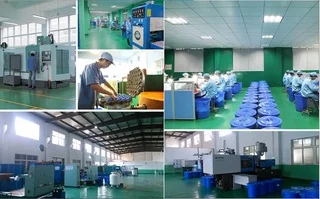
Ningbo Finer Medical Instruments Co., Ltd.
- Trading Company
- Zhejiang, China
- Lead time28 days
- Avg. response≤ 22h
Main productsmedical consumables,Medical Equipment,Hospital Furniture,Mobility Safety Aid,Daily Living Aid
Main marketsNorth America(16.00%), Western Europe(13.00%), Southern Europe(13.00%), Africa(12.00%), Mid East(9.00%), South America(8.00%), Oceania(6.00%), Eastern Europe(5.00%), Central America(5.00%), Northern Europe(4.00%), Eastern Asia(3.50%), Southeast Asia(3.00%), South Asia(2.00%), Domestic Market(0.50%)
Sichuan Machinery Imp.& Exp. Corp
- Verified by SGS Group
- Trading Company
- Lead time20 days
- Avg. response≤ 2h
Main productsMelodica, Plastic Packaging Bottle, Blood Collection Tube, Microscope
Main marketsNorth America(33%), Eastern Europe(26%), Northern Europe(6%)
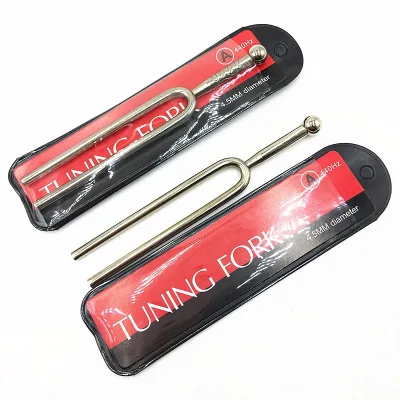
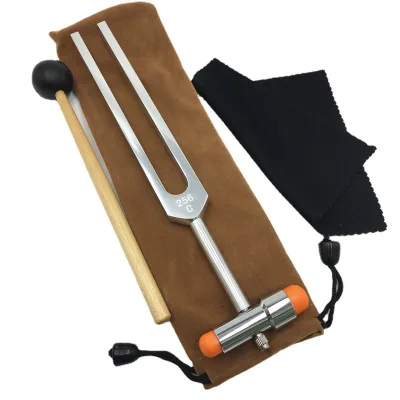
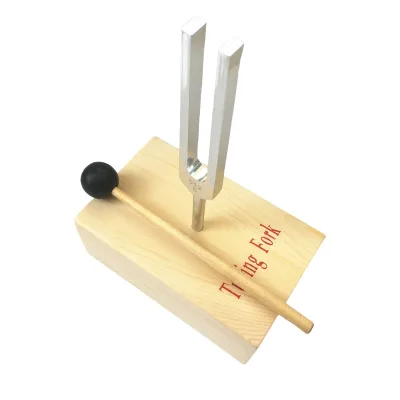
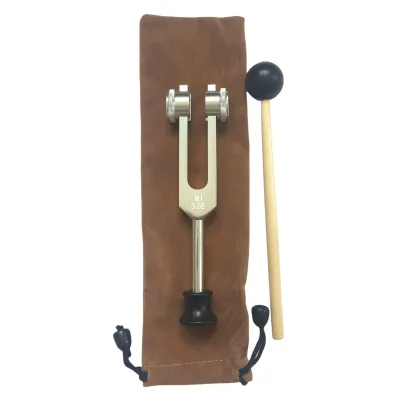
Steel a Tone Tuning Fork 440HZ Tuning Forks Music Tuning Fork for Musical Instrument Tuner Timpani
$0.82 - $0.97
MOQ: 200 pieces
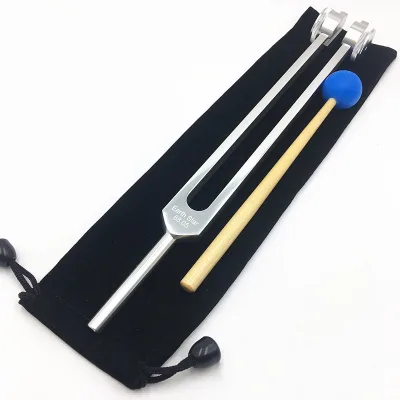
$11.83 - $13.37
MOQ: 100 pieces
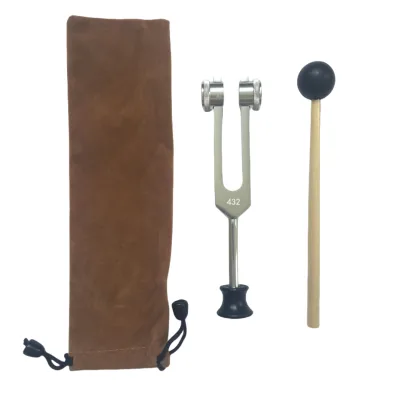

Guangzhou MeCan Medical Limited
- Verified by CTI
- Combined
- China Guangdong
- Lead time15 days
- Avg. response≤ 4h
Main productsColor Doppler Ultrasound Scanner, Patient Monitor, Medical Fridge, Medical X-ray Machine, X-ray Film Processor, Colonoscope, Hospital Bed, Medical Freezer, Ventilator, Anaesthesia Machine
Main marketsAfrica,Southeast Asia/ Mideast
Shandong Best G And G Enterprise Co., Ltd.
- Trading Company
- Shandong, China
- Lead time0 days
- Avg. response≤ 3h
Main productsMusic Box,Kalimba,Pan Drum,Tongue Drum,Garden Tool
Main marketsCentral America(20.00%), South America(20.00%), North America(20.00%), Eastern Europe(10.00%), Northern Europe(10.00%), Southeast Asia(10.00%), South Asia(5.00%), Mid East(5.00%)
Shenzhen Casdony Technology Co., Ltd.
- Manufacturer, Trading Company
- Guangdong, China
- Lead time0 days
- Avg. response≤ 13h
Main productsguitar accessory,music toy,drum accessory,music effect,woodwind
Main marketsNorth America(35.00%), Domestic Market(10.00%), Northern Europe(10.00%), Central America(5.00%), Western Europe(5.00%), Eastern Europe(5.00%), Mid East(5.00%), Oceania(5.00%), Southern Europe(5.00%), Southeast Asia(5.00%), South Asia(3.00%), South America(3.00%), Eastern Asia(2.00%), Africa(2.00%)
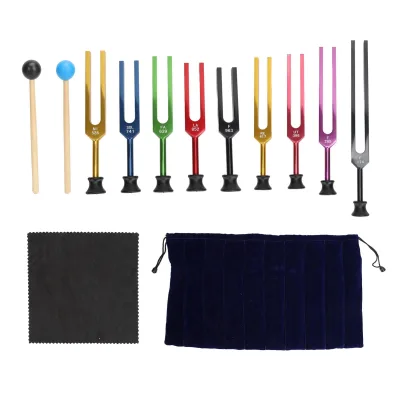
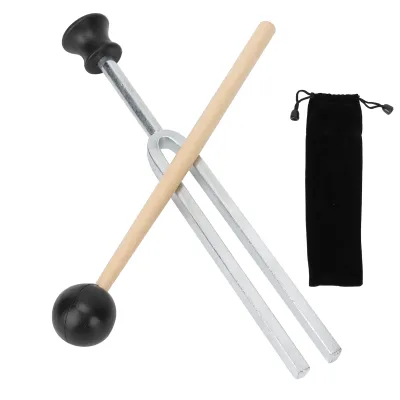
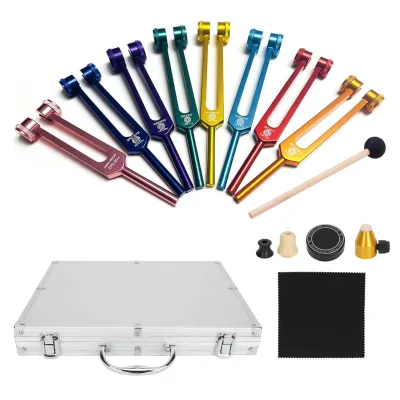
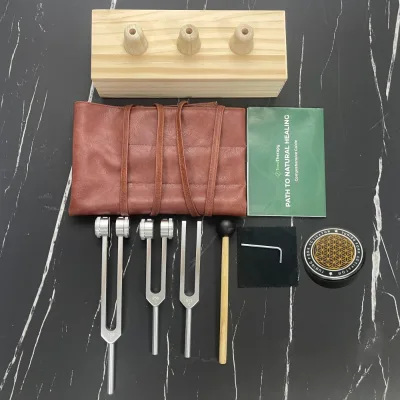
Tuning Forks Set Aluminum Alloy Long Vibration Time Resonant Tuning Fork with Hammer for Healing
$16.04 - $19.13
MOQ: 5 pieces
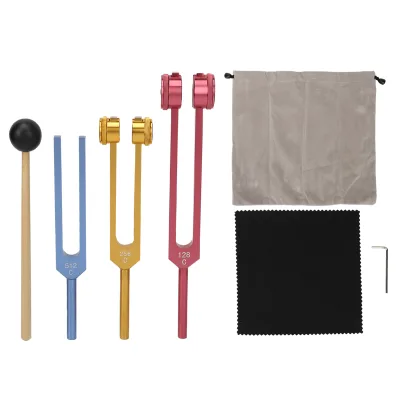
$7.50 - $8.94
MOQ: 5 pieces
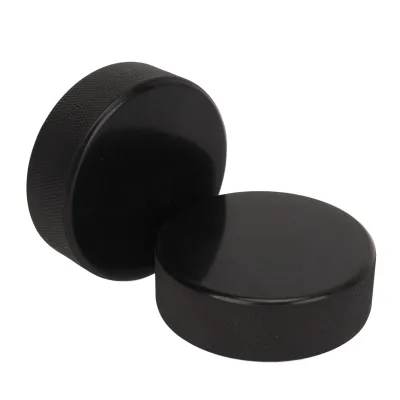
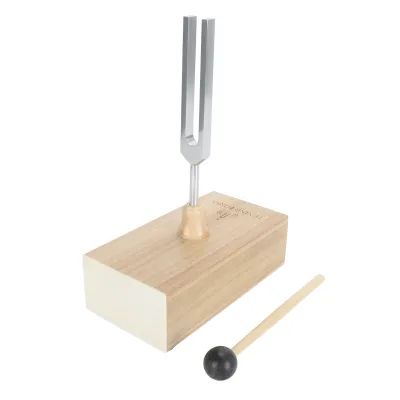
$7.40 - $8.81
MOQ: 5 pieces
Sichuan Icare Medical Technology Co., Ltd.
- Verified by TüVRheinland
- Trading Company
- Lead time7 days
- Avg. response≤ 2h
Main productsBlood Pressure Monitor, Stethoscope, Rapid Test, Ultrasound Machine, Operation Lamp
Main marketsAfrica(60%), South America(30%), Southeast Asia(10%)
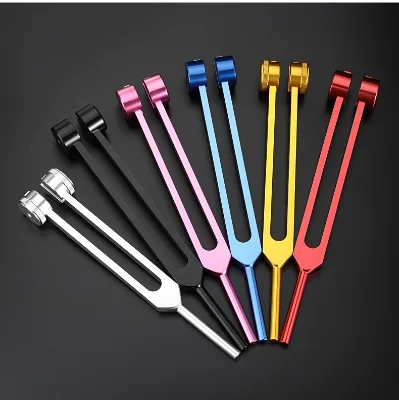
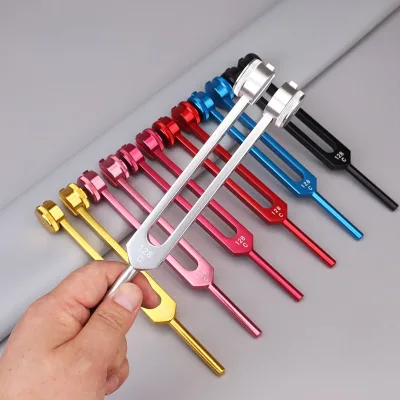
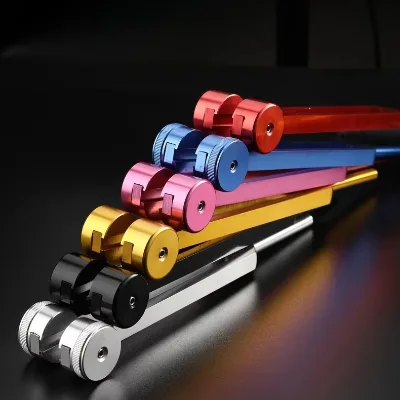
Aluminum Alloy 7-Piece Tuning Fork Set - 128HZ 256HZ 512HZ 1024HZ 2048HZ - ENT Chakra Tuning Forks
$1.90 - $2.90
MOQ: 10 Minimum
$1.94 - $2.96
MOQ: 10 Minimum

Shenzhen Yishe Intelligent Technology Co., Ltd.
- Verified by SGS
- Trading Company
- China Guangdong
- Lead time23 days
- Avg. response≤ 8h
Main productsCNC Parts, Sheet Metal Parts
Main marketsSoutheast Asia/ Mideast

- Verified by BV
- Trading Company,Manufacturer/Factory
- China Jiangsu
- Lead time23 days
- Avg. response≤ 3h
Main productsHearing Aid Accessories, Hygiene&Care, Ear Impression, Iem Related Product, 3D Printing, Earmold Lab Material & Equipment, Market&Display, Hearing Aid Batteries, Drilling & Grinding, Noise Protect
Main marketsSouth America,Eastern Europe,Mid East,North America,Southeast Asia,Eastern Asia,Oceania,Western Europe,Africa
- Manufacturer
- Tianjin, China
- Lead time45 days
- Avg. response≤ 4h
Main productsDrum,Melodica,Accordion,Wind Instrument,Guitar
Main marketsSouth America(50.00%), Domestic Market(25.00%), Africa(25.00%)

Yantai Auto Instrument Making Co., Ltd.
- Combined
- China Shandong
- Lead time15 days
- Avg. response≤ 3h
Main productsPressure Transmitter, Pressure Sensor, Vortex Flow Meter, Steam Flow Meter, Tuning Fork Level Switch, Level Transmitter, Water Level Meter, Ultrasonic Flow Meter, Differential Pressure Transmitter, Water Flow Meter
Main marketsSouth America,Africa,Southeast Asia/ Mideast,East Asia(Japan/ South Korea),Domestic,Europe,Australia,North America
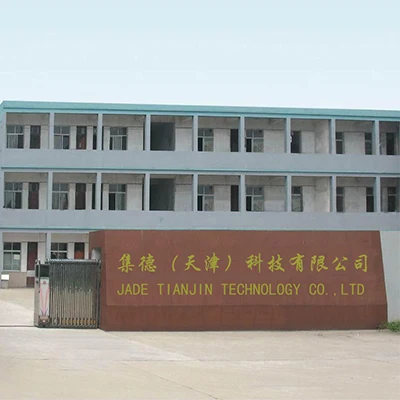
Jade (Tianjin) Technology Co., Ltd.
- Trading Company
- Tianjin, China
- Lead time7 days
- Avg. response≤ 4h
Main productsjade roller,gua sha,guasha,jade gua sha,Iastm tools
Main marketsSouth America(25.00%), Central America(20.00%), North America(20.00%), Domestic Market(15.00%), Northern Europe(5.00%), Southern Europe(5.00%), Africa(5.00%), Eastern Europe(3.00%), Western Europe(2.00%)
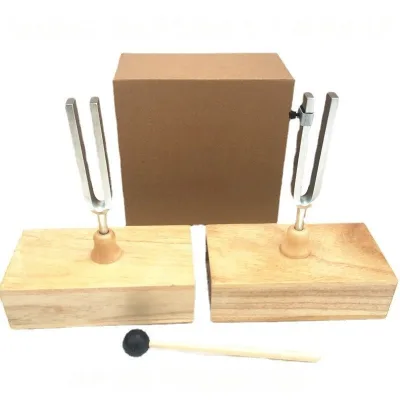
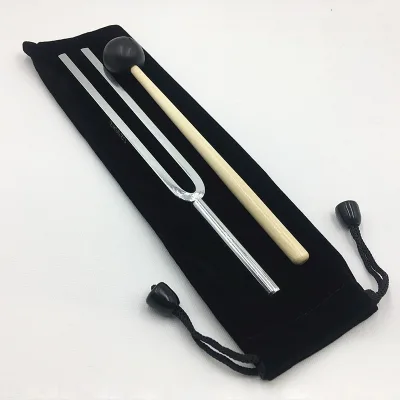
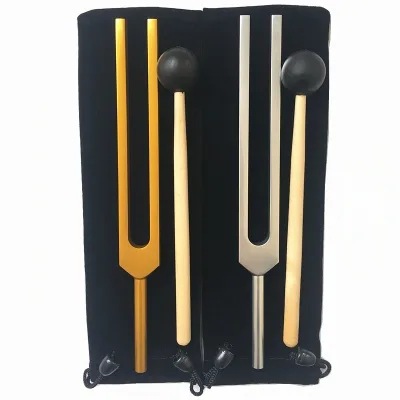
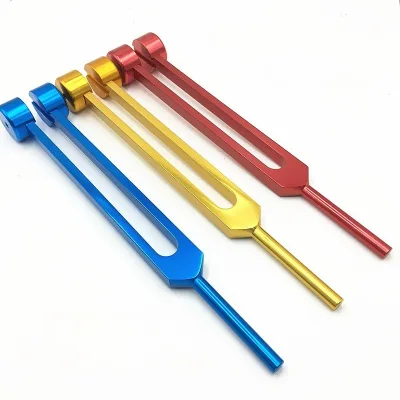
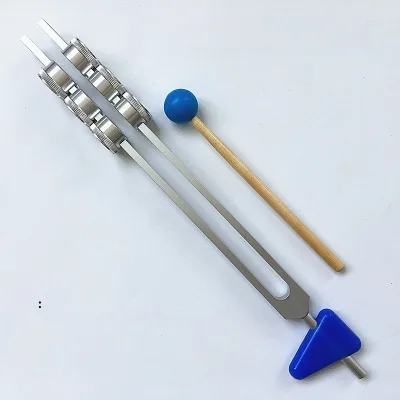
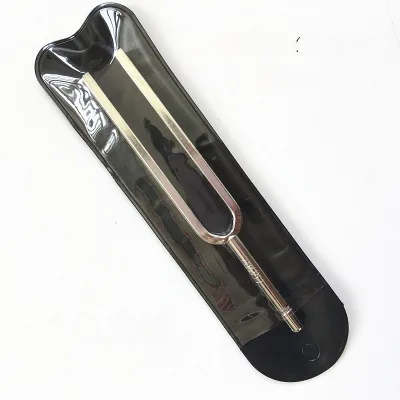
Laboratory Tuning Fork 512hz Scientific Instruments, Physics Teaching Instruments
$4.70 - $6.03
MOQ: 2 pieces
- Trading Company
- Hong Kong S.A.R.
- Lead time25 days
- Avg. response≤ 2h
Main productsHousehold medical products,Clinic medical products,Hospital medical products,Medical store medical products,Household rehabilitation products
Main marketsSouth America(25.00%), Southeast Asia(25.00%), South Asia(10.00%), North America(10.00%), Eastern Europe(10.00%), Africa(5.00%), Southern Europe(5.00%), Central America(5.00%), Mid East(5.00%)
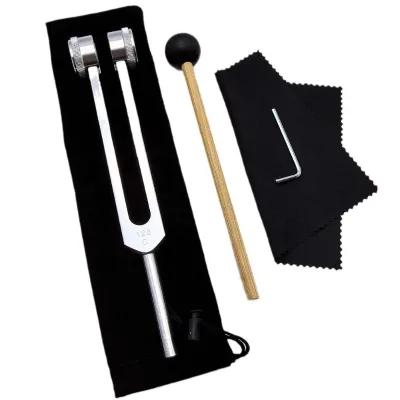
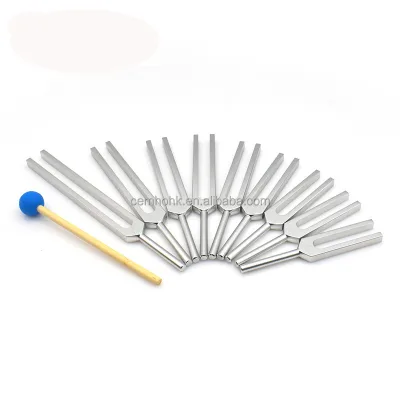
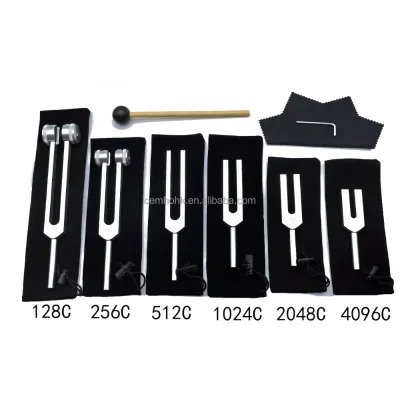
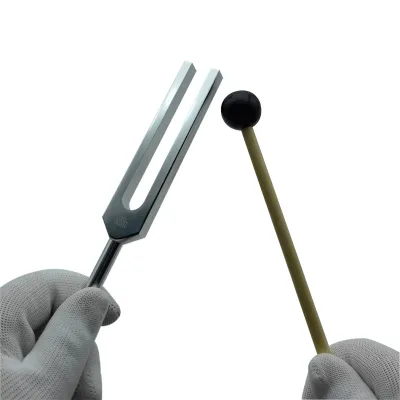
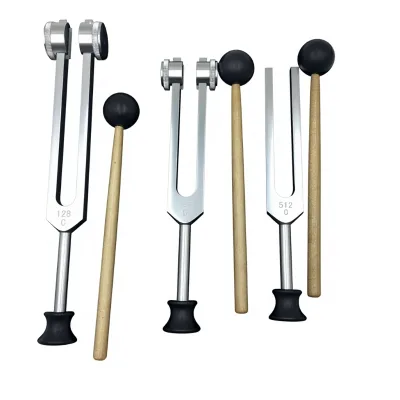
Factory Supply 128C 256C 512C Tuning Fork Set 1024C 2048C 4096C Aluminium Tuning Fork
$15.44 - $19.55
MOQ: 10 boxes
BPMETER Factory Supply 128C 256C 512C Tuning Fork Set 1024C 2048C 4096C Aluminium
$15.38 - $19.49
MOQ: 10 boxes

Anhui Hechuang Intelligent Manufacturing Co. Ltd
- Verified by SGS
- Combined
- China Anhui
- Lead time15 days
- Avg. response≤ 1h
Main productsDifferential Pressure Transmitter, Pressure Transmitter, Temperature Transmitter, Electromagnetic Flowmeter, Magnetic Level Gauge, Bimetallic Thermometer, Differential Pressure Switch, Sensor, Float Level Gauge, Vortex Flowmeter
Main marketsDomestic

Henan Forging Emperor Industry Co.,Ltd.
- Verified by BV
- Manufacturer/Factory
- China Henan
- Lead time45 days
- Avg. response≤ 5h
Main productsForging, Casting, Machining, Machining Parts, CNC Machining Parts, Casting Part, CNC Parts, Hot Die Forging, Machinery Parts, Customized Part
Main marketsSouth America,Eastern Europe,Mid East,North America,Southeast Asia,Eastern Asia,Oceania,Western Europe,Africa


Customizable Forged Shift Fork for Industrial and Vehicle Transmissions
$20.00 - $30.00
MOQ: 1000 Pieces


Hebei Hongdu Technology Co., Ltd.
- Verified by SGS
- Manufacturer/Factory
- China Hebei
- Lead time30 days
- Avg. response≤ 3h
Main productsTerminal, Cable Clamp, Spacer Damper
Main marketsSouth America,Eastern Europe,Mid East,North America,Southeast Asia,Eastern Asia,Oceania,Western Europe,Africa


Asymmetric Weight Tuning Fork Vibration Damper with Preformed Helical Grip
$2.60 - $5.50
MOQ: 100 Pieces


Fryj Preformed Wire Fixed Tuning Fork Damper Prevent Conductor Fatigue Breakage
$2.60 - $5.50
MOQ: 100 Pieces

Anhui Tongyi Instrument and Control Technology Co., Ltd.
- Verified by SGS
- Combined
- China Anhui
- Lead time15 days
- Avg. response≤ 4h
Main productsPressure Transmitter, Differential Pressure Transmitter, Radar Level Gauge, Tuning Fork Level Switch, Capacitive Level Gauge, Floatlevel Gauge, Hydrostatic Pressure Level Gauge, Magnetic Flap Level Gauge
Main marketsDomestic
Yiwu B&T Crafts & Arts Co., Ltd.
- Trading Company
- Zhejiang, China
- Lead time12 days
- Avg. response≤ 3h
Main productsChildren Toys, Stationery, Singing Bowl
Main marketsNorth America(40.00%), Western Europe(10.00%), South Asia(5.00%), South America(5.00%), Oceania(5.00%), Southern Europe(5.00%), Eastern Asia(5.00%), Central America(5.00%), Northern Europe(5.00%), Eastern Europe(5.00%), Mid East(5.00%), Southeast Asia(5.00%)

Chengdu Sentec Technology Co., Ltd.
- Verified by BV
- Trading Company,Manufacturer/Factory
- China Sichuan
- Lead time15 days
- Avg. response≤ 9h
Main productsPressure Sensor, Pressure Transmitter, Level Sensor, Level Transmitter, Temperature Sensor, Temperature Transmitter, Flow Meter, Density Meter, Weather Station, Wind Sensor


Factory Price Anti-Corrosive Vibrating Type Tuning Fork Density Meter for Liquid
$1250.00
MOQ: 1 Pieces


Vibrating Type Tuning Fork Density Meter for Waste Water Treatment, Milk and Alcohol
$1280.00 - $1450.00
MOQ: 1 Pieces

Alwaysfaith International Trade Co., Ltd. (Huizhou)
- Trading Company
- Lead time旺季: "1 - 5000":15,"> 5000":"To be negotiated", 淡季: "1 - 5000":15,"> 5000":"To be negotiated"
- Avg. response≤ 7h
Main productsUkulele, Electric Guitar, Acoustic Guitar
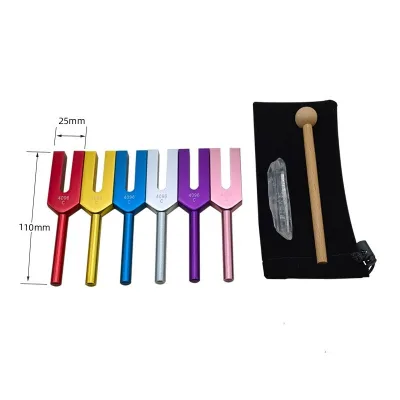
4096C High Frequency Resonant Tuning Fork 4096HZ Aluminum Alloy OEM Tuning Fork Fine Work
$3.24 - $3.66
MOQ: 5 pieces
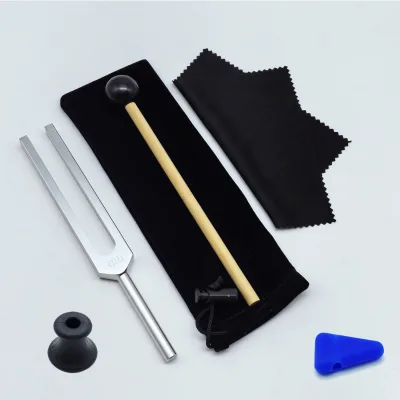
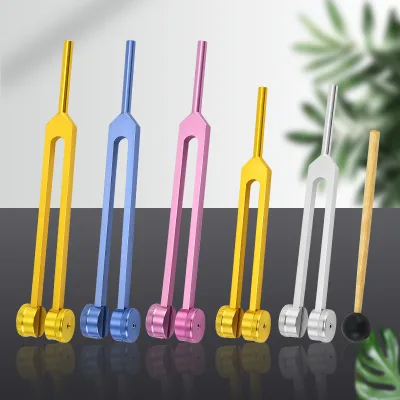
Optional Color and Size OEM 128HZ 256HZ 512HZ Aluminum Alloy Tuning Fork Set
$4.31 - $5.75
MOQ: 10 boxes

NANJING ARCHMED MEDICAL EQUIPMENT CO., LTD.
- Verified by SGS
- Trading Company
- China Jiangsu
- Lead time15 days
- Avg. response≤ 11h
Main productsX-ray Machine, Medical Equipment, Medical Instrument, Hospital Furniture, Surgery & ICU Equipment, Laboratory Equipment
Main marketsSouth America,Africa


Available in 128/256/512/1024/2048/4096 (Hz) Frequencies Medical Tuning Fork
$0.10 - $1.00
MOQ: 1 Pieces

Cold Valley Intelligent Technology (Shanghai) Co., Ltd.
- Verified by SGS
- Trading Company
- China Shanghai
- Lead time60 days
- Avg. response≤ 6h
Main productsTransmitter, Battery, Valve, Movicon, Pressure Transmitter, Temp Transmitter, Lever Transmitter, Radar Transmitter, Flow Transmitter, Wireless Transmitter
Main marketsSoutheast Asia/ Mideast


Advanced Tuning Fork Liquid Level Transmitter for Accurate Measurement
$700.00 - $800.00
MOQ: 1 Pieces


High-Precision Tuning Fork Water Level Sensor for Accurate Measurements
$700.00 - $800.00
MOQ: 1 Pieces

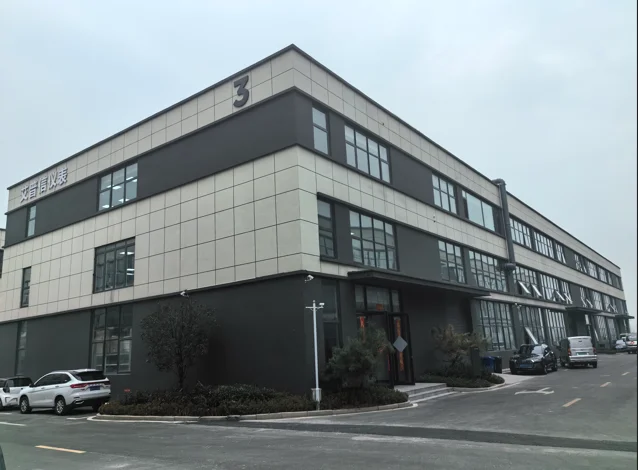
Shandong Aipuxin Automation Instrument Co., Ltd.
- Manufacturer
- Shandong, China
- Lead time7 days
- Avg. response≤ 1h
Main productsTuning fork density meter,Vibrating viscometer,Tuning fork switch,Magnetostrictive level gauge,RF capacitive switches
Main marketsDomestic Market(70.00%), Mid East(10.00%), Eastern Asia(5.00%), South Asia(5.00%), Northern Europe(3.00%), Western Europe(3.00%), Eastern Europe(2.00%), Southeast Asia(2.00%)
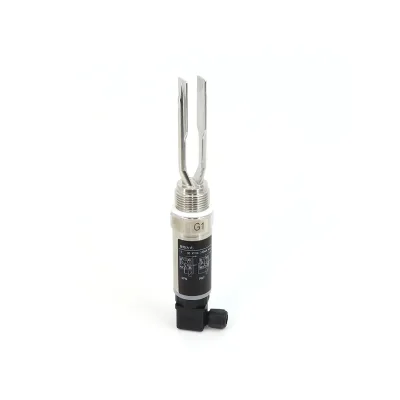
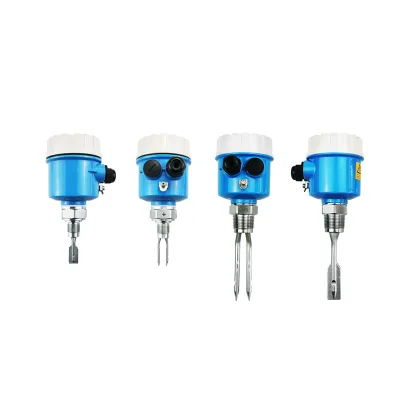
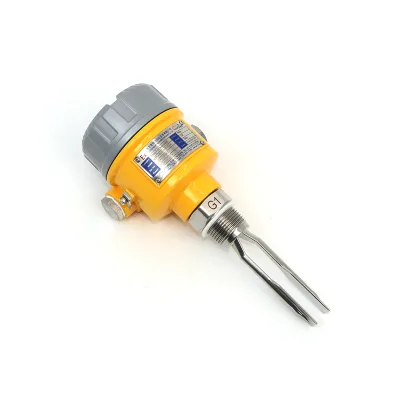
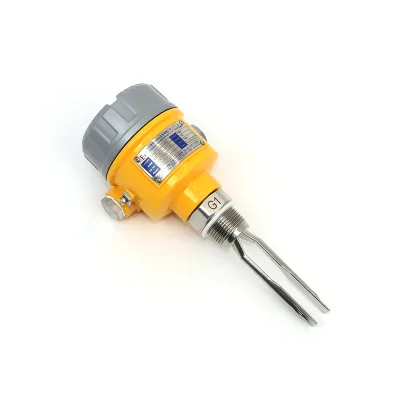
Hirschmann Valve Head Tuning Fork Level Switch, Fork Length 100mm, Relay Output
$75.00 - $77.80
MOQ: 1 pieces
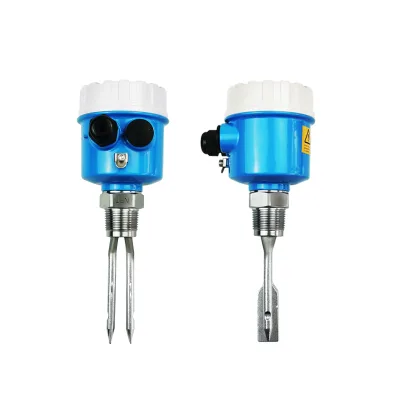
High Quality Low Price China Tuning Fork Switch Manufacturer Oem Circuit Board Oscillator Parts
$68.00 - $70.00
MOQ: 1 pieces
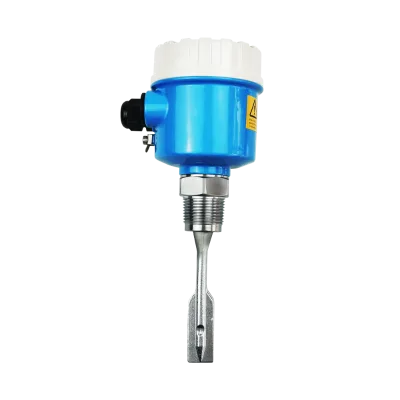
Vibrating Liquid Double-pronged Tuning Fork Switch Sensor
$66.00 - $70.00

Wuxi Chaoda Electronic Technology Co., Ltd.
- Verified by BV
- Manufacturer/Factory
- China Jiangsu
- Lead time15 days
- Avg. response≤ 5h
Main productsOnline Water Quality Analyzer, Pressure Transmitters, Level Transmitter, Flow Meter, Temperature Transmitter, Density Meter, Gas Detector, Switch Sensor, Manometer
Main marketsSouth America,Eastern Europe,Mid East,North America,Southeast Asia,Eastern Asia,Oceania,Western Europe,Africa

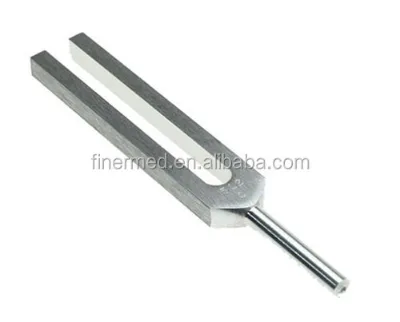
Tuning Fork Densitometer Vibrating Tuning Fork Concentration Tester Alcohol, Ethanol, Ammonia Water
$1357.14 - $1785.71
MOQ: 1 Sets

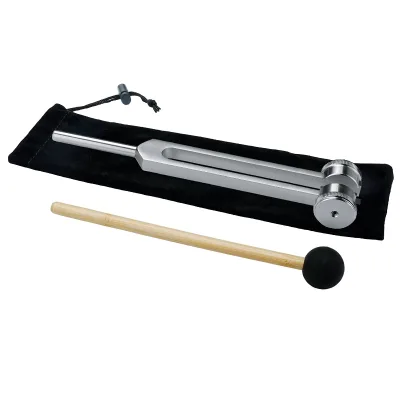


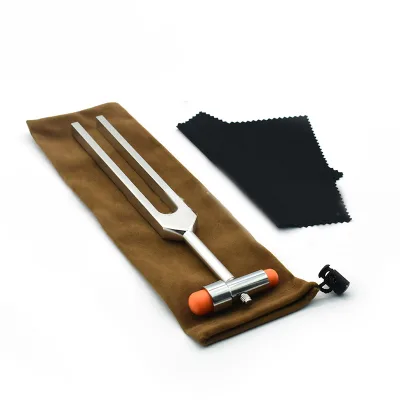
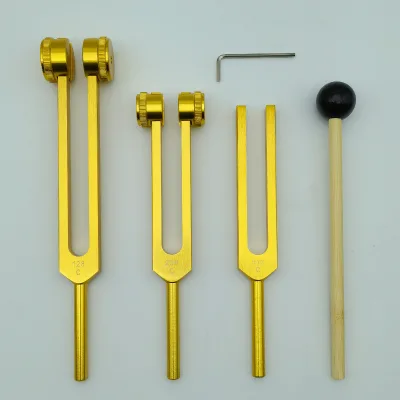
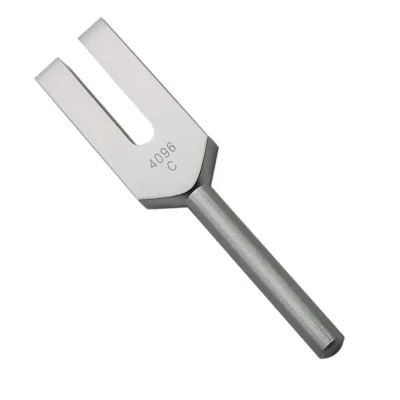





Comprehensive Sourcing Guide
Rich Resonance Tuning Fork Supplier Concentration and Factory Types
Current data indicates a concentration of suppliers in Zhejiang, China, and Sichuan, China, with additional presence noted in Guangdong. These regions host a mix of trading companies and combined entities that manage diverse product lines including medical consumables, hospital furniture, and musical instruments. Some suppliers in Zhejiang specialize in surgical instruments and medical devices, while others in Sichuan focus on percussion and educational tuning forks made from aluminum alloy or high-quality steel. The presence of these distinct manufacturing clusters suggests that buyers should verify the specific factory location for their required product type, as a trading company in one province may source from a different facility than a manufacturer in another.
Factory types vary significantly across the results, ranging from pure trading companies to combined entities offering ODM and OEM capabilities. A trading company typically facilitates the transaction without direct manufacturing, whereas a combined entity may possess in-house design and production capacity for customized frequencies. Buyers must distinguish between these models to ensure the supplier can meet specific technical requirements for resonance and material composition. The main products listed often include a broad array of items like blood collection tubes or microscopes alongside tuning forks, indicating that the core manufacturing focus may not always be exclusively on acoustic instruments.
How to Verify Rich Resonance Tuning Fork Suppliers
Verification processes should prioritize checking for third-party audit results such as SGS Group or CTI Group certifications, which appear in the current supplier data. These verifications provide a baseline of trust regarding the supplier's operational legitimacy and compliance with international standards. Buyers should request current verification reports to confirm that the entity is not merely a reseller but has undergone rigorous assessment of their business practices and product quality controls. The presence of specific verification bodies helps distinguish between established suppliers and those with unverified operational histories, ensuring a higher degree of reliability in the supply chain.
Beyond external verification, buyers must examine the specific product attributes and safety standards listed for each item. Evidence shows that some medical-grade tuning forks adhere to Class I instrument classification and safety standards like GB2626-2006, while others may carry CE certification or ISO 9001 system certifications. It is critical to confirm that the specific model intended for purchase matches the claimed safety and quality certifications, as a supplier may hold general company certifications that do not apply to every product in their catalog. Cross-referencing the product model number with the listed safety standards ensures that the specific unit meets the necessary regulatory requirements for its intended use, whether medical or educational.
What to Compare Across Rich Resonance Tuning Fork Suppliers
When evaluating potential partners, buyers should compare response times and lead times to gauge operational efficiency and reliability. Current data reveals response times ranging from 2 hours to 22 hours, with lead times varying between 15 and 28 days. A supplier with a faster response time may indicate a more agile customer service team, while shorter lead times suggest a more efficient production schedule or inventory management. These metrics are essential for planning procurement cycles, especially when urgent orders are required or when the supply chain needs to be tightly synchronized with production schedules.
Comparison should also extend to minimum order quantities (MOQ) and pricing structures to determine financial feasibility. The observed MOQs range from 100 to 200 units, with prices varying significantly based on material and frequency, such as aluminum alloy models versus steel variants. Buyers must calculate the total cost of ownership, including the impact of higher MOQs on inventory holding costs, and compare unit prices across different suppliers to find the most competitive rate. Additionally, examining the main products offered by each supplier can reveal if they have the capacity to handle the specific volume and type of tuning forks required, ensuring that the supplier is not overextended or lacking in relevant expertise.
Common Rich Resonance Tuning Fork Sourcing Risks
One significant risk involves the discrepancy between the supplier's main product focus and the specific tuning fork requirements. Many suppliers list diverse product lines including medical equipment, plastic packaging, and musical instruments, which may indicate that tuning forks are a secondary offering rather than a core competency. This diversification can lead to inconsistencies in quality control or a lack of specialized knowledge regarding acoustic properties and resonance frequencies. Buyers should be cautious of suppliers who do not explicitly highlight their expertise in acoustic instruments, as this may result in products that do not meet precise technical specifications.
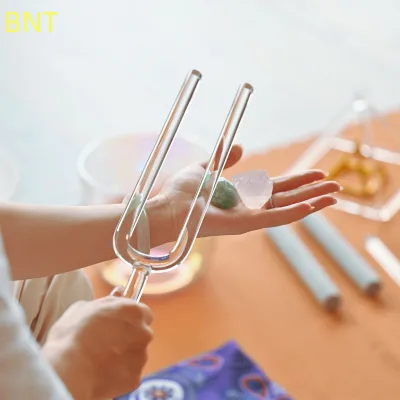
Another risk pertains to the variability in material composition and safety standards across different product lines. While some products are certified under specific safety standards like GB2626-2006, others may lack clear certification details or rely on general company-level certifications that do not cover the specific item. The material used, whether stainless steel, aluminum alloy, or quartz crystal, directly impacts the durability and acoustic performance of the tuning fork. Without clear evidence of material quality and adherence to relevant standards, there is a risk of receiving products that degrade quickly or fail to produce the correct frequency, leading to potential safety issues or product failure in the end application.
Rich Resonance Tuning Fork Regional Sourcing and Logistics
Sourcing from regions like Zhejiang, Sichuan, and Guangdong offers access to established manufacturing hubs, but logistics planning must account for regional differences in shipping and customs. Suppliers in these locations may have varying capabilities in handling international shipping, with some offering sample processing and customized graphic processing services that require specific logistical coordination. Buyers should verify the shipping terms and estimated transit times for each region, as the distance from the factory to the port of origin can impact the overall delivery timeline. Understanding the specific logistics capabilities of the supplier is crucial for managing inventory levels and ensuring timely delivery to the final destination.
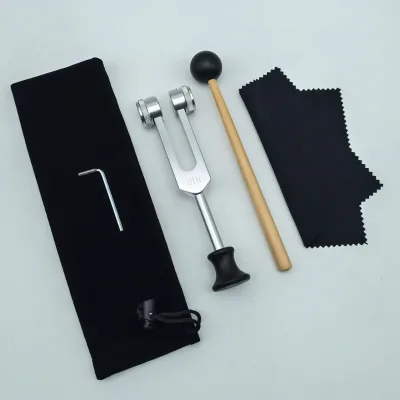
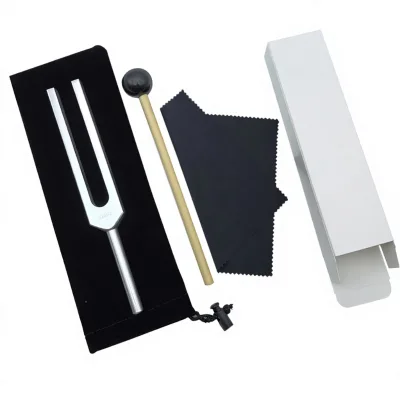
Logistics also involve considerations for packaging and handling, particularly for delicate instruments like tuning forks that require protection during transit. Product attributes indicate that some items come with specific packaging lists, including resonance boxes and sound hammers, which must be securely packed to prevent damage. Buyers should confirm the single package size and weight details to calculate accurate shipping costs and ensure that the packaging meets the requirements for international transport. Additionally, verifying the supplier's ability to handle customized packaging or mounting options is essential, as these requirements can significantly affect the logistics process and the final condition of the goods upon arrival.
Rich Resonance Tuning Fork Commercial Terms and Order Planning
Commercial terms such as warranty periods and after-sale services play a critical role in the long-term viability of the supplier relationship. Current data shows warranty periods ranging from 3 to 5 years, with some suppliers offering onsite training as part of their after-sale service. These terms provide a safety net for buyers, ensuring that any defects or issues with the tuning forks can be addressed without significant additional cost. Buyers should carefully review the warranty conditions to understand what is covered and the process for claiming support, as this can vary significantly between different suppliers and product types.
Order planning must also consider the sample lead times and customization capabilities offered by the supplier. Evidence indicates that sample processing can take between 5 to 7 days, which is a key factor in the initial product validation phase. Buyers should factor this timeline into their overall project schedule to ensure that samples are received and tested before placing a full production order. Furthermore, the ability to customize frequency, package, and mountings allows for tailored solutions but requires clear communication of specifications to avoid errors. Planning for these customization needs early in the process ensures that the final order aligns with the buyer's specific requirements and avoids delays in the production cycle.
FAQs
What materials are used for medical tuning forks?
Medical tuning forks are typically manufactured from stainless steel or aluminum alloy to ensure durability and precise frequency output. These materials provide the necessary rigidity for clinical examinations while resisting corrosion during repeated sterilization cycles. Buyers should verify specific material grades to match their hygiene and usage requirements.
What certifications do medical tuning forks carry?
Medical tuning forks often carry CE certification and comply with Class I instrument classification standards. Some suppliers also adhere to GB2626-2006 safety standards for respiratory protection equipment, ensuring basic safety compliance. Buyers must verify specific certification documents with suppliers to confirm regulatory alignment for their target markets.
What is the typical lead time for orders?
Typical lead times for tuning fork orders range from 15 to 28 days depending on the supplier and order volume. Some suppliers offer faster turnaround times of around 20 days for standard items. Buyers should confirm exact delivery schedules with suppliers, as production capacity and customization needs can significantly impact the final shipping timeline.
What is the minimum order quantity for tuning forks?
Minimum order quantities vary by product type, ranging from 100 to 200 units for standard models. Customized frequency or packaging options may require higher minimums or specific negotiation. Buyers should check the specific MOQ for their desired model, as educational and medical variants often have different bulk purchasing thresholds set by manufacturers.
Where are tuning fork suppliers located?
Tuning fork suppliers are primarily located in Zhejiang and Sichuan provinces in China, with some operations in Guangdong. These regions offer established manufacturing ecosystems for both medical and musical instrument accessories. Buyers can filter results by these specific locations to align with logistics preferences and regional supply chain advantages.
What response times can buyers expect from suppliers?
Supplier response times vary, with some companies responding within 2 hours and others taking up to 22 hours. Faster response rates often indicate higher availability and dedicated customer service teams. Buyers should prioritize suppliers with quick response metrics to ensure efficient communication during the sourcing and negotiation phases of their procurement process.