Classical Guitar Suppliers and Manufacturers in China
Explore 11 verified suppliers offering Classical Guitar options with varying lead times, certifications, and production capacities. Buyers can compare ISO standards, response speeds, and pricing to select the right factory for their needs. Contact suppliers directly to request samples or discuss custom orders.
Suppliers List

Nantong Sinomusic Enterprise Limited
- Manufacturer/Factory
- China Jiangsu
- Lead time38 days
- Avg. response≤ 10h
Main productsStringed Instruments, Violin/Viola/Cello, Guitar/Bass/Ukulele, Keyboard Instruments, Digital Piano, Woodwind Brasswind, MIDI Controller, Percussion
Main marketsSouth America,Eastern Europe,Mid East,North America,Southeast Asia,Eastern Asia,Oceania,Western Europe,Africa
Changshu Xianfeng Musical Instrument Co., Ltd.
- Manufacturer, Trading Company
- Jiangsu, China
- Lead time0 days
- Avg. response≤ 1h
Main productsGuitar,Electric Guitar,Electric bass,Folk guitar,hildren guitar
Main marketsWestern Europe(20.00%), Eastern Asia(20.00%), Mid East(20.00%), South America(20.00%), North America(20.00%)

GUANGZHOU ARTINY GUITAR CO., LTD
- Verified by SGS
- Manufacturer/Factory
- China Guangdong
- Lead time45 days
- Avg. response≤ 11h
Main productsAcoustic Guitar, Electric Guitar, Classical Guitar, Electric Bass Guitar, Ukulele, Music Bags, Music Stands, Guitar Parts
Main marketsSouth America,Eastern Europe,Mid East,North America,Southeast Asia,Eastern Asia,Oceania,Western Europe,Africa

Guangzhou Vines Musical Instruments Co., Ltd
- Verified by TUVRHEINLAND
- Trading Company
- China Guangdong
- Lead time15 days
- Avg. response≤ 5h
Main productsAcoustic Guitar, Electric Guitar, Classical Guitar, Electric Bass Guitar, Ukulele, Guitar Strings, Musical Instrument Accessories, Violin, Guitar Amplifier, Drum Piano
Main marketsAfrica,Europe,North America


39 Inch Hi-Gloss Classical Guitar Spruce Plywood Cutaway Classical Guitar
$50.00 - $70.00
MOQ: 6 Pieces


Guangzhou Huayi Musical Instruments Co., Ltd.
- Verified by SGS
- Combined
- China Guangdong
- Lead time60 days
- Avg. response≤ 9h
Main productsGuitar, Ukulele and Musical Instrument Accessories
Main marketsSouth America,Southeast Asia/ Mideast,East Asia(Japan/ South Korea),Europe,Australia,North America

Deviser Guitar Factory Wholesale Musical Instruments Guitar Classical Guitar
$28.95 - $35.69
MOQ: 6 Pieces


Canex Musical Instrument Co., Ltd.
- Combined
- China Tianjin
- Lead time30 days
- Avg. response≤ 7h
Main productsSaxophone, Electric Guitar, Clarinet, Violin, Brass Trumpet, Flute, Oboe, Trombone, Cajon, Drum Set
Main marketsSouth America,Europe,North America

- Verified by TUVRHEINLAND
- Manufacturer/Factory
- China Jiangsu
- Lead time0 days
- Avg. response≤ 2h
Main productsMusical Instruments, Violin, Viola, Cello, Guitar, Violin Case, Guitar Case, Stringed Accessories, Wind Instrument, Percussion
Main marketsSouth America,Eastern Europe,Mid East,North America,Southeast Asia,Eastern Asia,Oceania,Western Europe,Africa


![[Winzz] 39 Inch High End Vintage Classical Guitar](https://image.made-in-china.com/221f0j00LEtRmKoPZJqb/-Winzz-39-Inch-High-End-Vintage-Classical-Guitar.webp)
[Winzz] 39 Inch High End Vintage Classical Guitar
MOQ: 24 Pieces
Alwaysfaith International Trade Co., Ltd. (huizhou)
- Verified by Intertek
- Trading Company
- Lead time0 days
- Avg. response≤ 5h
Main productsUkulele, Electric Guitar, Acoustic Guitar
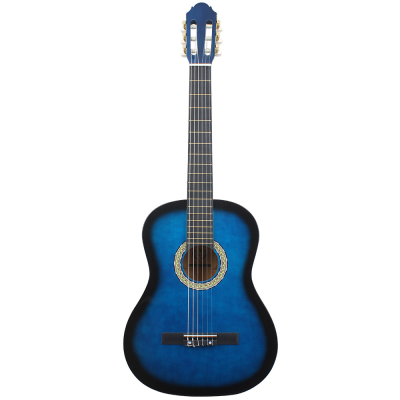
Classical Guitar 39 Inch Circular Bead Guitar Professional Performance Classical Guitar
$33.00 - $35.00
MOQ: 6 pieces
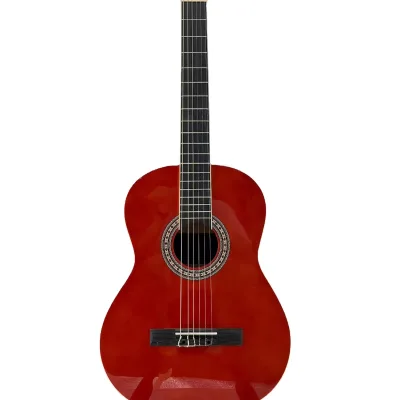
OEM 39 Inch Classical Guitar Customized Logo Guitar of Excellent Workmanship
$30.00 - $32.00
MOQ: 6 pieces
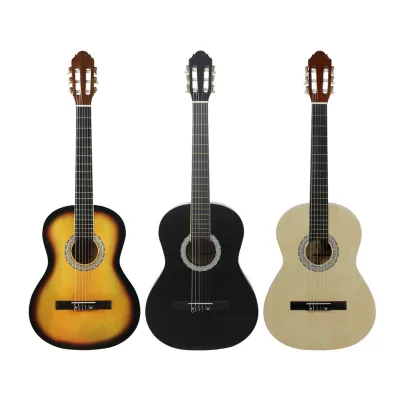

Nantong Emuse Musical Instruments Co., Ltd.
- Trading Company
- China Jiangsu
- Lead time30 days
- Avg. response≤ 7h
Main productsViolin, Guitar, Cello, Classic Guitar, Double Bass, Acoustic Guitar, Ukulele, Electric Guitar, String Instruments Accessories, Violin Bow
Main marketsSouth America,Others(foreignTradeCapacity.exportBusinessCapacityMarketOther),Europe

TIANJIN ARCHER IMP. & EXP CO., LTD
- Verified by SGS
- Trading Company
- China Tianjin
- Lead time30 days
- Avg. response≤ 3h
Main productsMusical Instrument, Saxophone, Trumpet, Flute, Guitar, Violin, Drum, Percussion, Accordion, Keyboard
Main marketsSouth America,East Asia(Japan/ South Korea),Europe
- Verified by Intertek
- Manufacturer, Trading Company
- Lead time0 days
- Avg. response≤ 5h
Main productsViolins, Guitars, Winds Instruments, Percussions, Electric Keyboards
Main marketsNorth America(24%), South America(16%), Western Europe(11%)
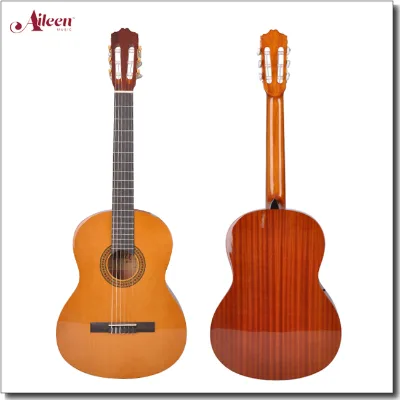
Brand Classical Guitar Handmade (AC706)
$52.00 - $53.90
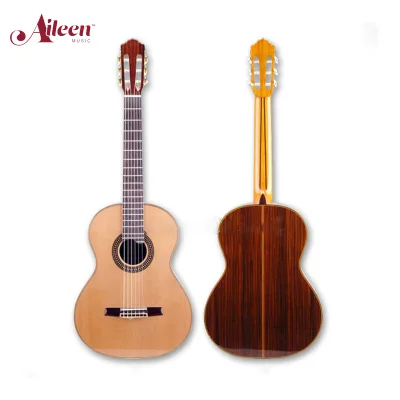
39 Inch All Solid Wood Classical Left Handed Guitar (ACH130)
$400.00 - $500.00


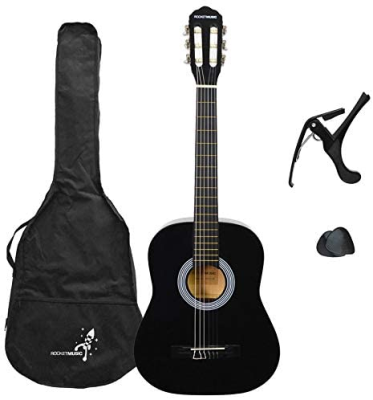
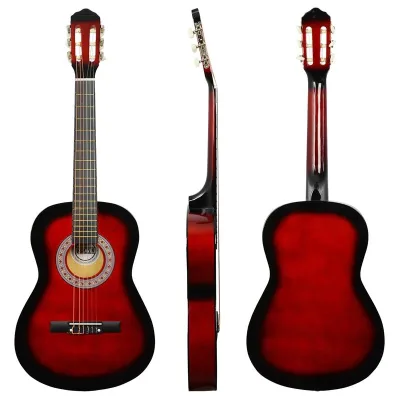
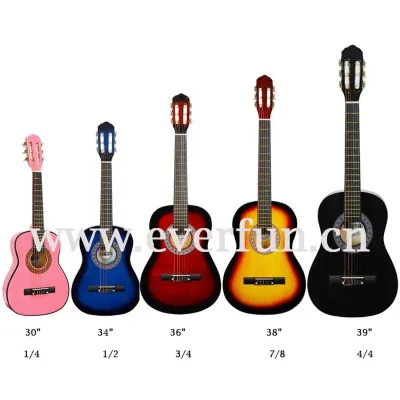
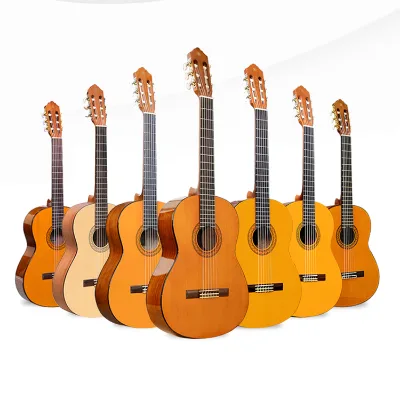


![[Hot Sale]39" Classical Guitar for Beginners Guitarra](https://image.made-in-china.com/221f0j00CzMoyOnsyEbI/-Hot-Sale-39-Classical-Guitar-for-Beginners-Guitarra.webp)


Comprehensive Sourcing Guide
Classical Guitar Supplier Concentration and Factory Types
The current supplier landscape for classical guitars reveals a distinct concentration of manufacturing activity within China, specifically in the Jiangsu province. This region hosts a significant number of manufacturers and factories dedicated to producing stringed instruments, including violins, cellos, and various guitar types. The presence of these facilities suggests a mature industrial cluster where supply chains for wood, hardware, and finishing materials are well-established. Buyers should prioritize verifying the specific factory location within Jiangsu, as proximity to raw material sources often influences production costs and quality consistency. While some results indicate a presence in Guangdong, the primary evidence points to Jiangsu as the central hub for this specific product category.
Factory types vary significantly among the available suppliers, ranging from pure manufacturers to entities operating as both manufacturers and trading companies. The data indicates that many suppliers possess their own production capacity, offering OEM and ODM services alongside their own branded lines. This dual capability allows for greater flexibility in order fulfillment, whether a buyer requires custom branding or standard inventory. However, the distinction between a factory and a trading company remains critical for assessing direct communication channels and production oversight. Buyers must confirm whether the supplier manages the entire production process internally or relies on third-party workshops, as this impacts quality control and lead time reliability.
How to Verify Classical Guitar Suppliers
Verification begins with examining the system certifications displayed on supplier profiles, such as ISO 9001 and ISO 20000, which indicate adherence to quality management standards. Some suppliers also display third-party verification badges from organizations like SGS, providing an additional layer of trust regarding their operational integrity. These credentials are essential for ensuring that the manufacturing processes meet international safety and quality benchmarks. Buyers should not assume all suppliers possess these certifications; instead, they must actively request and validate these documents before proceeding with any order. The absence of such certifications does not automatically disqualify a supplier but warrants a deeper investigation into their internal quality control procedures.
Response time and verification status are also critical metrics for assessing supplier reliability. The observed response times vary, with some suppliers demonstrating rapid communication capabilities while others may take longer to engage. A quick response often correlates with a more active and organized sales team, which is vital for resolving production issues or customizing orders. Additionally, buyers should look for verified status indicators that confirm the supplier's business license and physical existence. It is important to note that not every supplier will have a displayed verification badge, so buyers must be prepared to conduct their own due diligence through video calls or third-party audits if the initial profile lacks sufficient proof of legitimacy.
What to Compare Across Classical Guitar Suppliers
When evaluating potential partners, buyers must compare key operational metrics such as lead times, minimum order quantities, and production capacities. The data shows lead times ranging from immediate stock availability to approximately 38 days for custom orders, with some suppliers offering specific timelines like 20 days for certain models. Minimum order quantities also vary widely, with some suppliers accepting orders as low as one piece for custom items, while others require bulk purchases of 200 units or more. Understanding these thresholds is essential for aligning supplier capabilities with the buyer's inventory strategy and budget constraints. Buyers should create a comparison matrix to visualize these differences and identify which suppliers best fit their specific volume requirements.
Product specifications and customization options provide another critical dimension for comparison. Suppliers offer a diverse range of classical guitars, from entry-level models with laminated mahogany backs to high-grade instruments featuring solid rosewood and spruce tops. Customization availability is a common feature, allowing buyers to request specific branding, string types, or body dimensions. However, the extent of customization varies, with some suppliers offering full OEM/ODM services while others limit changes to minor adjustments. Buyers should carefully review the product attributes listed, such as binding materials and string types, to ensure the final product meets their quality expectations. Comparing these details across multiple suppliers helps in selecting the most suitable partner for the desired product tier.
Common Classical Guitar Sourcing Risks
One significant risk in sourcing classical guitars involves the discrepancy between advertised specifications and actual product quality. While suppliers may list high-grade materials like solid rosewood or spruce tops, the actual production might utilize lower-quality laminates or alternative woods. This inconsistency can lead to customer dissatisfaction and potential returns if the instruments do not perform as expected. Buyers must mitigate this risk by requesting detailed material certificates or conducting pre-shipment inspections to verify the wood quality and construction standards. Relying solely on product descriptions without physical verification can result in receiving substandard goods that fail to meet professional performance standards.
Another risk pertains to the reliability of lead times and the potential for production delays. Although some suppliers claim immediate stock availability, others may experience delays due to raw material shortages or capacity constraints. The observed lead times can fluctuate based on order volume and customization requirements, making it difficult to predict exact delivery dates. Buyers should account for potential delays by building buffer time into their supply chain planning and maintaining open communication with the supplier. Additionally, the lack of standardized production processes across different factories can lead to inconsistencies in finish and playability. Establishing clear quality benchmarks and regular production updates can help manage these risks effectively.
Classical Guitar Regional Sourcing and Logistics
The primary sourcing region for classical guitars is identified as Jiangsu, China, where a dense network of manufacturers and factories operates. This concentration offers logistical advantages, including streamlined shipping routes and established export infrastructure. Buyers should consider the proximity of these facilities to major ports to minimize transit times and reduce shipping costs. While some suppliers are located in Guangdong, the Jiangsu cluster appears to be the dominant hub for this product category. Understanding the regional distribution helps buyers optimize their logistics strategy and select suppliers that offer the most efficient delivery options. It is crucial to verify the specific factory location to ensure accurate freight calculations and customs clearance procedures.
Logistics planning must also account for the varying packaging standards and shipping requirements associated with different guitar models. Some suppliers utilize standard carton packaging, while others may offer specialized protection for high-value instruments. Buyers should confirm the packaging details to prevent damage during transit, especially for delicate components like the neck and bridge. Additionally, the size and weight of the instruments can impact shipping costs, particularly for bulk orders. Buyers should negotiate shipping terms that clearly define responsibility for freight charges and insurance. By understanding the regional logistics landscape, buyers can make informed decisions that balance cost efficiency with product safety and timely delivery.
Classical Guitar Commercial Terms and Order Planning
Commercial terms for Classical Guitar orders often include specific pricing structures that vary based on order volume and customization levels. The observed price ranges span from budget-friendly options to premium instruments, with some models priced significantly higher due to the use of solid woods and advanced craftsmanship. Buyers must carefully analyze the price per unit against the minimum order quantity to determine the total cost of ownership. Some suppliers offer flexible pricing for custom orders, while others maintain fixed rates for standard models. Understanding these pricing dynamics is essential for budgeting and ensuring that the final cost aligns with the buyer's financial constraints.
Order planning requires a strategic approach to managing minimum order quantities and production schedules. Suppliers may have different MOQs, ranging from single units for custom projects to bulk orders of hundreds of pieces. Buyers should align their order quantities with their sales forecasts to avoid overstocking or stockouts. Additionally, the production capacity of the supplier, such as 1200 pieces per month, should be considered to ensure timely fulfillment. Buyers must also plan for potential lead time variations by placing orders well in advance of peak seasons. By integrating these commercial terms into a comprehensive order plan, buyers can streamline their procurement process and maintain a steady supply of high-quality classical guitars.
FAQs
What is the minimum order quantity for classical guitars?
Minimum order quantities vary by product model. Some listings require 30 pieces, while others accept single units. Buyers should check specific product pages for exact thresholds before placing orders to ensure compliance with supplier requirements.
How long does production take for custom classical guitars?
Production lead times typically range from 20 days to 38 days depending on the order volume. Some suppliers offer stock availability for immediate shipment. Custom orders generally require the full manufacturing window to ensure quality craftsmanship.
Are suppliers certified for quality management systems?
Many manufacturers hold ISO 9001 and ISO 20000 certifications. These standards indicate adherence to quality management protocols. Buyers should verify specific certification documents during the inquiry process to confirm current compliance status for their needs.
What materials are used for Classical Guitar bodies?
Common materials include solid rosewood, laminated mahogany, and spruce tops. Some models feature all-solid construction for premium sound. Buyers can find options with Indian rosewood binding or standard mahogany backs depending on their budget and tonal preferences.
Where are these Classical Guitar manufacturers located?
Manufacturers are primarily located in Jiangsu and Guangdong provinces in China. These regions host numerous factories specializing in stringed instruments. Buyers can filter search results by these specific locations to find suppliers with established logistics networks.
Do suppliers offer OEM and ODM services?
Yes, many factories provide OEM and ODM capabilities for custom branding. Buyers can request private label options with their own logos. This service allows businesses to create unique product lines while leveraging the manufacturer's production expertise and capacity.
What is the price range for classical guitars?
Prices range from approximately 9 dollars for entry-level models to over 1400 dollars for master-grade instruments. The cost depends heavily on materials like solid wood versus laminated options. Buyers should compare specific product listings to find the best value.