Easily Installed Wooden Stair Treads Suppliers and Manufacturers
Compare 19 verified factories offering Easily Installed Wooden Stair Treads with varying lead times, certifications, and response speeds. Review product specs like material and customization options before contacting suppliers directly; review the available evidence before requesting comparable quotations from suitable candidates.
Suppliers List

Shenzhen Optima Home Industry Co .,LTD
- Verified by TUVRHEINLAND
- Manufacturer/Factory
- China Guangdong
- Lead time23 days
- Avg. response≤ 7h
Main productsStaircase, Glass Railing, Kitchen Cabinets, Bathroom Vanity, Walk-in Closet, Glass Partition, Laser Cutting Panels, Wood Doors, Windows, Glass Doors
Main marketsSouth America,Eastern Europe,Mid East,North America,Southeast Asia,Eastern Asia,Oceania,Western Europe,Africa
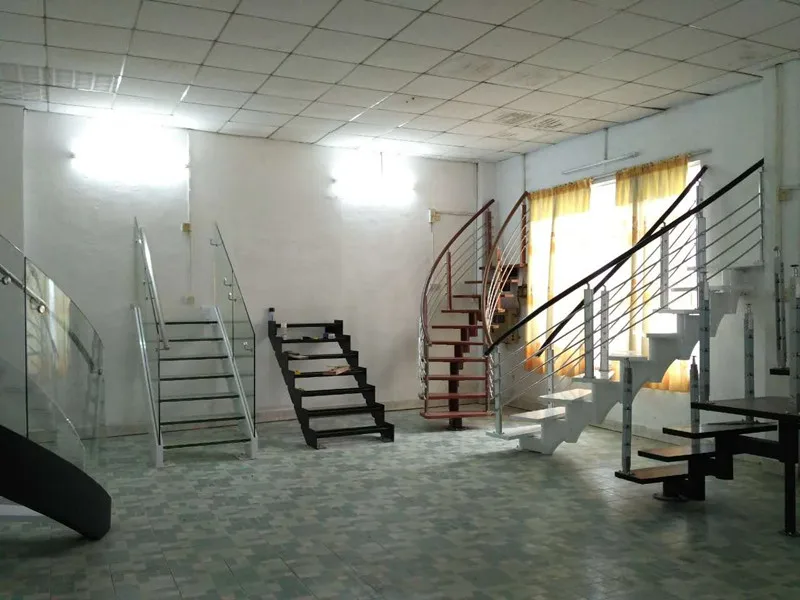
Foshan Nanhai Shangbu Stairs Industry Co., Ltd.
- Manufacturer, Trading Company
- Guangdong, China
- Lead time30 days
- Avg. response≤ 5h
Main productsStairs,Railing,Treads,Hardware accessories,Handrail
Main marketsDomestic Market(30.0%), Oceania(28.000000000000004%), North America(23.0%), South America(3.0%), Eastern Europe(2.0%), Central America(2.0%), Western Europe(2.0%), Mid East(2.0%), Africa(2.0%), Northern Europe(2.0%), South Asia(1.0%), Southeast Asia(1.0%), Southern Europe(1.0%), Eastern Asia(1.0%)

- Verified by CTI
- Trading Company
- China Guangdong
- Lead time23 days
- Avg. response≤ 6h
Main productsKitchen Cabinet, Wood Door, Aluminum Windows&Doors, Staircase, Closets, Cabinet, Garage Door, Balustrade&Railings, Home Furniture, Sofa
Main marketsAustralia,North America


Modern Design LED Wooden Risers Treads Stairs Oak Wood Tread Straight Stair
$1100.00 - $1200.00
Moq: 1


Solid Wood Stair Antique Style Solid Wood Stair Steps New Design Railing Stair
$1000.00 - $1200.00
Moq: 1

Foshan Nanhai Shangbu Stairs Industry Co., Ltd
- Verified by BV
- Combined
- China Guangdong
- Lead time30 days
- Avg. response≤ 5h
Main productsStairs, Straight Stairs, Spiral Stairs, Curved Stairs, Stair Handrail, Stair Railing, Stair Treads, Stair Baluster
Main marketsAfrica,Southeast Asia/ Mideast,Europe,Australia,North America


High-Quality Wood Stair Treads Scratch-Resistant Finish for Heavy Foot Traffic
$80.00 - $100.00
Moq: 500

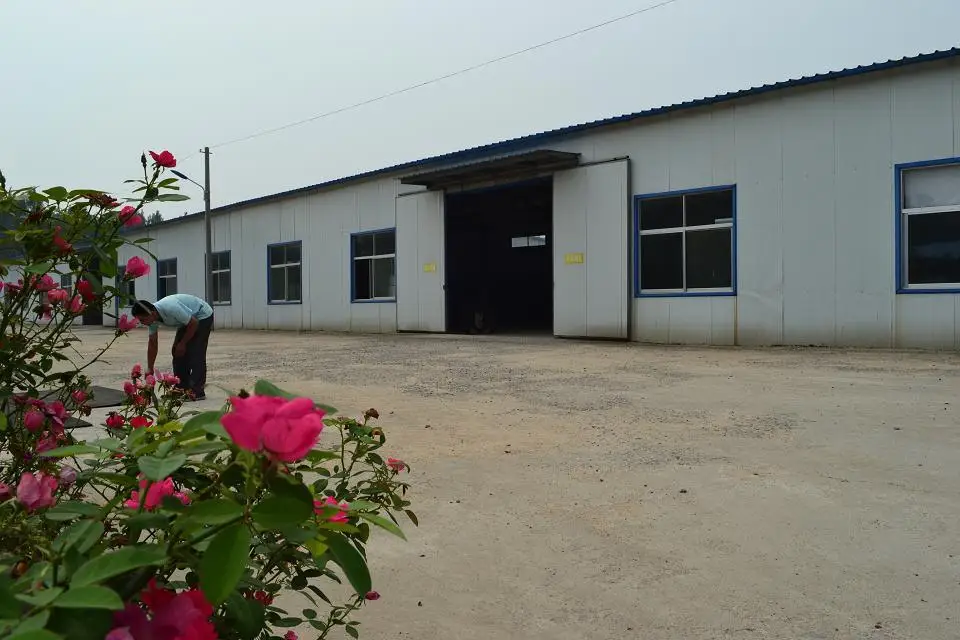
Qingdao Hvsun Industy Co., Ltd.
- Trading Company
- Shandong, China
- Lead time5 days
- Avg. response≤ 8h
Main productsrubber flooring,rubber tiles,rubber mat,gym flooring,custom rubber
Main marketsOceania(10.0%), South Asia(10.0%), Southern Europe(10.0%), Western Europe(10.0%), South America(10.0%), North America(10.0%), Domestic Market(5.0%), Africa(5.0%), Southeast Asia(5.0%), Northern Europe(5.0%), Central America(5.0%), Eastern Europe(5.0%), Eastern Asia(5.0%), Mid East(5.0%)

Hebei Hangjin Wire Mesh Products Co., Ltd.
- Combined
- China Hebei
- Lead time23 days
- Avg. response≤ 4h
Main productsSteel Grating, Aluminum Grating, Bar Grating, Wire Mesh, Corral Panel, Crowd Control Barrier, Expanded Metal Sheet, Punch Metal Sheet, Stair Tread, Trench Cover
Main marketsSouth America,Africa,Southeast Asia/ Mideast,East Asia(Japan/ South Korea),Domestic,Europe,Australia,North America
Guangzhou Weihuang Wood Industry Co., Ltd.
- Verified by Intertek
- Manufacturer, Trading Company
- Lead time0 days
Main productsDecorative Wood Mouldings, Solid Wooden Doors, Wooden Wall Panel Interior, Multilayer Engineered Wood, Wooden Flooring
Main marketsOceania(30%), North America(15%), Western Europe(15%)

Shenzhen CBDMART Industry Co., Ltd.
- Verified by TUVRHEINLAND
- Trading Company
- China Guangdong
- Lead time45 days
- Avg. response≤ 6h
Main productsStaircase, Railing, Aluminum Window&Door, Kitchen Cabinet, Wooden Door, Closet, Vanity, Partition, Shower Room, Flooring
Main marketsSouth America,Eastern Europe,Mid East,North America,Southeast Asia,Eastern Asia,Oceania,Western Europe,Africa


Prima Top-Quality Interior Wooden Tread Modern Straight Staircase Stair Design
$999.00 - $2999.00
Moq: 1


Ningbo Lihongyuan Steel Grating Co., Ltd.
- Verified by SGS
- Combined
- China Zhejiang
- Lead time30 days
- Avg. response≤ 17h
Main productsSteel Grating, Bar Grating, Grating Clips, Trench Grating, Stair Treads, Cable Tray, Stainless Steel Grating, Fiberglass Grating, Handrails and Stanchions, Steel Grating Fences
Main marketsSouth America,Africa,Southeast Asia/ Mideast,East Asia(Japan/ South Korea),Domestic,Europe,Australia

Ningbo Zhongzheng Steel Grating Co., Ltd.
- Verified by BV
- Combined
- China Zhejiang
- Lead time30 days
- Avg. response≤ 5h
Main productsSteel Grating, Grating, Bar Grating, Galvanized Steel Grating, Stair Tread, Drain Cover, Fiberglass Grating, Stainless Grating, Aluminum Grating, Steel Ladder
Main marketsSouth America,Southeast Asia/ Mideast,Domestic,Europe,Australia,North America

Shenzhen Ace Architectural Products Co., Limited
- Trading Company,Manufacturer/Factory
- China Guangdong
- Lead time23 days
- Avg. response≤ 11h
Main productsStaircase, Railing, Balustrade, Stainless Steel Balustrade, Stainless Steel Wire Balustrade, Stainless Steel Glass Balustrade, Glass Balustrade, Aluminum U Base Channel Glass Balustrade, Aluminum Balustrade, Aluminium Glass Balustrade
Main marketsSouth America,Eastern Europe,Mid East,North America,Southeast Asia,Eastern Asia,Oceania,Western Europe,Africa

Ningbo Jiulong Machinery Manufacturing Co., Ltd.
- Verified by TUVRHEINLAND
- Combined
- China Zhejiang
- Lead time15 days
- Avg. response≤ 1h
Main productsGrating, Steel Grating, Bar Grating, Stair Tread, Drain Cover, Trench Cover, Handrail, Drainage Cover, Stanchion, Ditch Cover
Main marketsSouth America,Southeast Asia/ Mideast,Domestic,Australia,North America

Shenzhen Prima Industry Co., Ltd.
- Trading Company,Manufacturer/Factory,Group Corporation
- China Guangdong
- Lead time45 days
- Avg. response≤ 7h
Main productsStaircase&Railing, Kitchen Cabinets&Wardrobe, Aluminum Window&Door, Wood Doors, Exterior Doors, Furniture, Wall Cladding, Flooring, Pergola, Canopy
Main marketsSouth America,Eastern Europe,Mid East,North America,Southeast Asia,Eastern Asia,Oceania,Western Europe,Africa

Shouguang Yamazon Home Materials Co., Ltd.
- Verified by BV
- Manufacturer/Factory
- China Shandong
- Lead time23 days
- Avg. response≤ 7h
Main productsWooden Furniture, Wood Beam, Glulam Beam, Wardrobe, Wooden Plywood Beams, Aluminum Alloy, Wooden Column, Log Cabins, Equestrian Jump Poles, Aluminum Car Pedals
Main marketsSouth America,Eastern Europe,Mid East,North America,Southeast Asia,Eastern Asia,Oceania,Western Europe,Africa

- Verified by CTI
- Manufacturer/Factory
- China Guangdong
- Lead time23 days
- Avg. response≤ 14h
Main productsPrefab House, Kitchen Cabinet, Staircase, Aluminum Window, Wardrobe, Steel Structure Workshop, Sanitary Ware, Wood Door, Aluminum Sliding Door, Railing
Main marketsSouth America,Eastern Europe,North America,Southeast Asia

- Verified by CTI
- Manufacturer/Factory
- China Guangdong
- Lead time23 days
- Avg. response≤ 6h
Main productsStaircase, Raliing, Steel Structure Workshop, Steel Structure Villa, Container House, Aluminum Doors and Windows, Wooden Doors, Kitchen Cabinet, Prefab House, Steel Structure Building
Main marketsSouth America,Eastern Europe,North America,Southeast Asia,Eastern Asia,Oceania,Africa


Factory Customize U Channel Glass Guardrail Wooden Treads LED Straight Stairs
$2340.00 - $2960.00
Moq: 1


Factory Customize U Channel Glass Railing Wooden Treads LED Straight Stairs
$2340.00 - $2966.00
Moq: 1

JIANGYIN NUOHENG METAL PRODUCTS CO., LTD
- Trading Company,Manufacturer/Factory
- China Jiangsu
- Lead time23 days
- Avg. response≤ 1h
Main productsAluminium Profile, Solar Frame&Bracket, Assembly Line Profile, Exhibition Profile, Elevator Profile, CNC Machining, Solar Mounting Structure, LED Lighting Profle, Aluminium Radiator, Auto Parts
Main marketsSouth America,Eastern Europe,Mid East,North America,Southeast Asia,Eastern Asia,Oceania,Western Europe

Foshan Kudas Household Products Co., Ltd.
- Verified by SGS
- Trading Company
- China Guangdong
- Lead time30 days
- Avg. response≤ 3h
Main productsWood Door, Steel Door, Aluminum Door, Iron Door, Metal Door, Aluminum Window, Staircase, Hardware, Interior Door, Exterior Door
Main marketsAustralia,North America

- Verified by BV
- Trading Company
- China Guangdong
- Lead time23 days
- Avg. response≤ 4h
Main productsKitchen Cabinet, Wood Door, Aluminum Windows&Doors, Staircase, Closets, Cabinet, Garage Door, Balustrade&Railings, Home Furniture, Sofa
Main marketsSouth America,Africa,Southeast Asia/ Mideast,East Asia(Japan/ South Korea),Europe,Australia,North America


Cbmmart Simple Design Stairs Wooden Treads Wood Handrail Design for Interior House
$2800.00 - $3000.00
Moq: 2







Comprehensive Sourcing Guide
Easily Installed Wooden Stair Treads Supplier Concentration and Factory Types
The sourcing landscape for wooden stair treads is heavily concentrated in specific manufacturing hubs, with Guangdong, China, emerging as a primary cluster for these components. Suppliers located in this region often operate as manufacturers or factories, providing direct access to production lines for items such as rubber wood, oak, and steel-wood composite treads. This geographic concentration allows for efficient supply chain management, particularly for buyers seeking custom curved or straight stair treads that require precise machining and finishing. The presence of established industrial zones in Guangdong facilitates the sourcing of raw materials like solid wood and stainless steel, which are frequently combined in modern staircase designs. Buyers evaluating suppliers in this area should note that many entities list themselves as both manufacturers and trading companies, which can impact pricing structures and communication flows. Understanding this dual role is essential for determining whether you are dealing with the actual production facility or an intermediary. The concentration of these suppliers in a single province also suggests a mature ecosystem of specialized labor and machinery dedicated to stair parts, including treads, risers, and railings. This density of expertise can be leveraged to find partners who offer comprehensive solutions, from basic hardwood treads to complex, multi-material assemblies. However, buyers must verify the actual operational capacity of each supplier, as some may primarily function as trading entities despite claiming manufacturing capabilities. The focus on Guangdong provides a clear starting point for identifying suppliers with the technical infrastructure to handle custom orders, such as those requiring specific tread dimensions or anti-slip treatments. By targeting this region, buyers can access a wide variety of product types, including American oak, red oak, and walnut options, all produced within a localized industrial network. This proximity to raw material sources and finished goods markets reduces logistical friction and supports faster turnaround times for standard and custom orders alike.
In addition to the geographic concentration, the types of companies supplying wooden stair treads vary significantly in their operational focus and product offerings. Some suppliers specialize exclusively in stair components, offering a narrow but deep range of products such as single stringer stair designs or floating treads. Others maintain broader portfolios that include kitchen cabinets, bathroom vanities, and glass partitions, indicating a more generalized manufacturing approach. This diversity in company types affects the level of specialization and expertise available to the buyer. Suppliers focusing solely on stairs may provide more tailored technical support and customization options, such as CAD drawing provisions or 3D model design services. In contrast, generalist manufacturers might offer competitive pricing due to economies of scale across multiple product lines but may lack the nuanced understanding of stair-specific engineering requirements. Buyers should carefully review the main products listed by each supplier to determine if their expertise aligns with their specific project needs. For instance, a supplier listing "Staircase, Glass Railing, Kitchen Cabinets" as main products may have different quality control standards for treads compared to a supplier listing "Stairs, Railing, Treads" as their primary focus. The company type also influences the verification process, as manufacturers often undergo more rigorous on-site audits than trading companies. Understanding these distinctions helps buyers select partners who can meet their specific technical and aesthetic requirements. Whether seeking a simple hardwood tread or a complex steel-wood assembly, identifying the right company type is crucial for ensuring product quality and service reliability. Buyers should prioritize suppliers whose core competencies match their project scope, ensuring that the chosen partner has the necessary experience and infrastructure to deliver the desired outcome. This strategic alignment minimizes the risk of miscommunication and ensures that the final product meets the specified standards for durability and aesthetics.
How to Verify Easily Installed Wooden Stair Treads Suppliers
Verifying the credibility of wooden stair tread suppliers requires a multi-layered approach that goes beyond basic company profiles. One critical step is to examine the verification status provided by third-party inspection agencies. For example, some suppliers display verification from TÜV Rheinland, a globally recognized testing and certification organization. This verification indicates that the supplier has undergone specific audits regarding their business legitimacy and operational capabilities. Buyers should prioritize suppliers with such independent verifications, as they provide an additional layer of trust and assurance. Additionally, checking for system certifications is essential to ensure that the supplier adheres to international quality and environmental standards. Certifications such as ISO 9001, ISO 14001, and TS 16949 demonstrate a commitment to quality management and environmental responsibility. These certifications are particularly important for suppliers producing wooden products, as they indicate adherence to strict manufacturing protocols and sustainable practices. Buyers should request copies of these certificates and verify their validity through the issuing bodies. Furthermore, assessing the supplier's response time can provide insights into their operational efficiency and customer service quality. A response time of around five to six hours suggests a responsive and organized team, which is crucial for addressing technical queries and resolving issues promptly. Buyers should also look for suppliers who offer comprehensive after-sales services, such as online technical support, onsite installation, and free spare parts. These services indicate a long-term commitment to customer satisfaction and product performance. By combining verification checks, certification reviews, and service assessments, buyers can build a comprehensive profile of each supplier's reliability and capability. This thorough verification process helps mitigate risks and ensures that the chosen supplier can deliver high-quality wooden stair treads that meet the project's specifications.
In addition to formal verifications, buyers should evaluate the supplier's product evidence and technical documentation to assess their expertise. Detailed product attributes, such as material composition, tread options, and structural designs, provide valuable insights into the supplier's manufacturing capabilities. For instance, suppliers offering treads made from red oak, white oak, beech, or walnut demonstrate a diverse material portfolio. Buyers should also examine the customization options available, such as the ability to provide CAD drawings or 3D model designs. These services indicate a high level of technical proficiency and flexibility in meeting custom requirements. Additionally, checking the supplier's warranty terms is crucial for ensuring long-term product performance. A warranty of two to three years suggests confidence in the product's durability and quality. Buyers should also review the supplier's project solution capabilities, such as graphic design or onsite training, which can add value to the procurement process. By analyzing these technical details, buyers can gain a deeper understanding of the supplier's expertise and reliability. It is also important to verify the supplier's location and origin claims, ensuring that the products are indeed manufactured in the stated regions, such as Guangdong, China. This verification helps prevent potential discrepancies in product quality and origin. Furthermore, buyers should assess the supplier's packaging and shipping methods to ensure that the wooden treads are protected during transit. Export standard safety packing and detailed single package sizes indicate a professional approach to logistics. By combining these technical evaluations with formal verifications, buyers can make informed decisions and select suppliers who can consistently deliver high-quality wooden stair treads. This comprehensive verification process ensures that the chosen supplier meets all necessary standards and can support the buyer's project requirements effectively.
What to Compare Across Easily Installed Wooden Stair Treads Suppliers
When evaluating multiple suppliers for wooden stair treads, buyers must compare several key dimensions to identify the best fit for their project. One critical factor is the lead time, which directly impacts project scheduling and delivery expectations. Suppliers may offer lead times ranging from twenty-three to thirty days, depending on the complexity of the order and current production capacity. Buyers should align their project timelines with the supplier's stated lead times to avoid delays. Additionally, comparing the minimum order quantity (MOQ) is essential, as some suppliers may require a MOQ of one unit, while others might have higher thresholds. This flexibility can be advantageous for buyers with smaller orders or those testing new designs. Response speed is another important metric, with some suppliers responding within five to six hours. Faster response times indicate a more agile and customer-focused operation, which is beneficial for addressing urgent queries or changes. Buyers should also compare the main products offered by each supplier to ensure they align with their specific needs. For example, some suppliers specialize in stair components, while others offer a broader range of home furnishings. This specialization can affect the level of expertise and quality control applied to the stair treads. Furthermore, comparing the customization options available, such as material choices and structural designs, helps buyers assess the supplier's flexibility. Suppliers offering a wide range of materials, from solid wood to steel-wood composites, provide greater versatility in meeting diverse design requirements. By systematically comparing these dimensions, buyers can make informed decisions and select suppliers who offer the best combination of speed, flexibility, and expertise. This comparative analysis ensures that the chosen supplier can meet the project's specific requirements and deliver high-quality wooden stair treads within the desired timeframe.
In addition to operational metrics, buyers should compare the technical specifications and product attributes of the wooden stair treads offered by different suppliers. Material composition is a primary differentiator, with options including red oak, white oak, beech, walnut, and rubber wood. Each material has distinct characteristics in terms of durability, aesthetics, and cost, which should be evaluated based on the project's requirements. Buyers should also compare the tread options and structural designs, such as straight, curved, or spiral configurations. These design variations affect the installation process and the overall aesthetic of the staircase. Additionally, comparing the warranty terms provided by each supplier is crucial for ensuring long-term product performance. A warranty of two to three years indicates confidence in the product's quality and durability. Buyers should also assess the after-sales services offered, such as online technical support, onsite installation, and free spare parts. These services can significantly impact the total cost of ownership and the ease of maintenance. Furthermore, comparing the packaging and shipping methods is important to ensure that the wooden treads are protected during transit. Export standard safety packing and detailed single package sizes indicate a professional approach to logistics. By comparing these technical specifications and service offerings, buyers can identify suppliers who provide the best value and quality for their specific needs. This detailed comparison ensures that the chosen supplier can deliver wooden stair treads that meet the project's technical and aesthetic requirements while providing reliable support throughout the product's lifecycle.
Common Easily Installed Wooden Stair Treads Sourcing Risks
Sourcing wooden stair treads from international suppliers introduces several risks that buyers must proactively manage to ensure project success. One significant risk is the potential for quality inconsistencies, particularly when dealing with natural materials like wood. Variations in grain, color, and density can affect the final appearance and performance of the treads. Buyers should mitigate this risk by requesting detailed product samples and conducting thorough inspections before placing large orders. Additionally, verifying the supplier's quality control processes and certifications, such as ISO 9001, can help ensure that consistent standards are maintained throughout production. Another risk is the discrepancy between the supplier's stated lead times and actual delivery dates. Delays can occur due to production bottlenecks, material shortages, or logistical issues. Buyers should maintain open communication with suppliers and request regular updates on production progress to identify and address potential delays early. Furthermore, the risk of miscommunication regarding technical specifications is high, especially when dealing with custom orders. Buyers should provide detailed drawings and specifications and confirm that the supplier fully understands the requirements. Using CAD drawings and 3D model designs can help clarify these specifications and reduce the risk of errors. Additionally, buyers should be aware of the risks associated with different company types, such as trading companies versus manufacturers. Trading companies may add layers of complexity and cost, while manufacturers may offer more direct control over the production process. Buyers should carefully evaluate the supplier's business model and verify their capabilities to ensure they can meet the project's needs. By identifying and addressing these risks early in the sourcing process, buyers can minimize disruptions and ensure the successful delivery of high-quality wooden stair treads.
Logistical and compliance risks also pose significant challenges when sourcing wooden stair t
FAQs
What is the typical lead time for wooden stair treads?
The typical lead time for these products is 23 days, though some suppliers offer up to 30 days. This duration covers manufacturing and initial preparation. Buyers should confirm specific timelines based on order volume and customization requirements before placing an order.
Are custom sizes available for wooden stair treads?
Yes, customization is available for many wooden stair tread models. Suppliers offer options like customized sizes and specific tread materials such as stainless steel or wood. This flexibility allows buyers to match exact architectural needs for indoor or outdoor installations.
What is the minimum order quantity for stair treads?
The minimum order quantity is one unit for certain models like the rubber wood stair treads. This low threshold allows buyers to test quality or order small batches. However, larger orders may be required for specific custom configurations or bulk pricing tiers.
Which certifications do the manufacturers hold?
Manufacturers hold several system certifications including ISO 9001, ISO 14001, and TS 16949. Some suppliers also possess ISO 20000 and ISO 14064 standards. These credentials indicate adherence to quality and environmental management protocols for the production of stair components.
Where are the stair tread manufacturers located?
Most manufacturers are located in Guangdong, China, specifically in Shenzhen. This region is a hub for construction and real estate products. Buyers can expect products to originate from this area, which influences shipping logistics and lead times for international orders.
What materials are used for the stair treads?
Materials include solid wood, rubber wood, oak, and steel-wood combinations. Some options feature stainless steel or galvanized steel alongside wood. Buyers can select from red oak, white oak, beech, or walnut depending on the desired aesthetic and durability for their project.
How quickly do suppliers respond to inquiries?
Supplier response times vary, with some averaging around 5 hours and others at 6.52 hours. Fast response ensures quicker clarification on specifications and pricing. Buyers should expect prompt communication when contacting verified manufacturers for custom stair solutions.