ECC DDR3 RAM for Desktop Suppliers and Manufacturers
Compare 22 verified suppliers offering ECC DDR3 RAM for Desktop with dimensions like location, lead time, and certifications. Review product specs and response times to select a partner for your desktop memory needs; review the available evidence before requesting comparable quotations from suitable candidates.
Suppliers List

- Verified by CTI
- Combined
- China Zhejiang
- Lead time30 days
- Avg. response≤ 3h
Main marketsSoutheast Asia/ Mideast,Europe,North America


8GB/16GB/32GB DDR4 2666MHz 3200MHz PC4-21300 1.2V Desktop Computer Memory RAM
$11.00 - $49.00
MOQ: 100 Pieces

4GB 8GB DDR3 2133MHz/1600MHz PC3-10600 1.5V Desktop Computer Memory RAM DDR
$9.50 - $12.00
MOQ: 100 Pieces

4GB/8GB/16GB DDR4 2400MHz PC4-19200 1.2V Desktop Computer Memory RAM DDR
$6.80 - $21.00
MOQ: 100 Pieces

Shenzhen Creative Memory Technology Limited
- Verified by BV
- Combined
- China Guangdong
- Lead time23 days
- Avg. response≤ 18h
Main productsUSB Flash Drive, USB Pen Drive, USB Memory, Memory Stick, Promotional USB Drive, USB Flash Disk, Pen Drive, USB Disk, USB Stick, USB Flash
Main marketsSouth America,Africa,Southeast Asia/ Mideast,East Asia(Japan/ South Korea),Europe,Australia,North America

- Verified by SGS
- Trading Company
- China Beijing
- Lead time15 days
- Avg. response≤ 4h
Main productsIt Equipments, Electronic Components, Servers and Parts, CPU, Memories, Enterprise HDD, Workstations, Switches
Main marketsAustralia

- Verified by TUVRHEINLAND
- Manufacturer/Factory
- China Guangdong
- Lead time15 days
- Avg. response≤ 5h
Main productsUSB Flash Drive, SSD, USB Components Including UDP PCBA, USB Flash Drive 3.0, OTG-USB 2.0, OTG-USB 3.0, Type C USB, Memor Stick, Memory Card, DRAM
Main marketsSouth America,Eastern Europe,Mid East,North America,Southeast Asia,Eastern Asia,Oceania,Western Europe,Africa

Original PC4-21300 DDR4 2400/2666MHz 4GB 8GB 16GB 32GB DDR RAM For Desktop
$26.00 - $86.00
MOQ: 10 Pieces


- Verified by BV
- Trading Company,Group Corporation
- China Guangdong
- Lead time15 days
- Avg. response≤ 7h
Main productsServers, SSD HDD, Switch, Stock
Main marketsSouth America,Eastern Europe,Mid East,North America,Southeast Asia,Eastern Asia,Oceania,Western Europe,Africa

2GB 4GB 8GB DDR3 RAM 1333MHz 1600MHz Memory Module RAM DDR3 8GB for PC Desktop
$2.00 - $3.00
MOQ: 1 Pieces

Stock 2GB 4GB 8GB DDR3 RAM 1333MHz 1600MHz Memory Module RAM DDR3 8GB for PC Desktop
$2.00 - $3.00
MOQ: 1 Pieces

High Quality RAM DDR3 4GB 8GB 1600MHz 1333MHz Desktop RAM PC3-12800 Memory
$5.00 - $7.00
MOQ: 20 Pieces
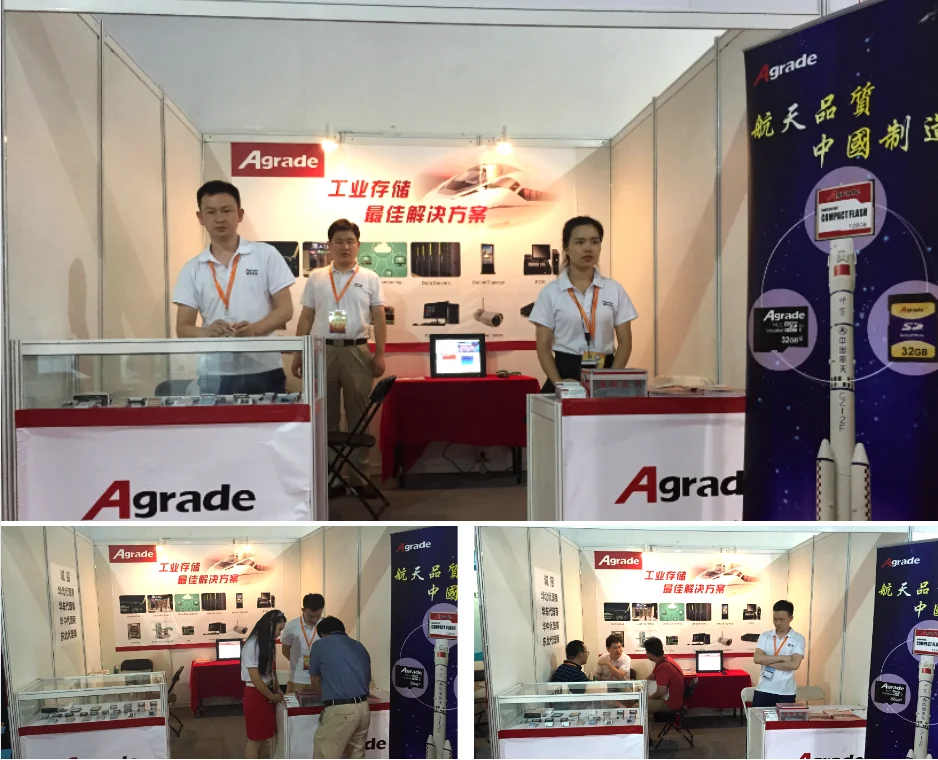
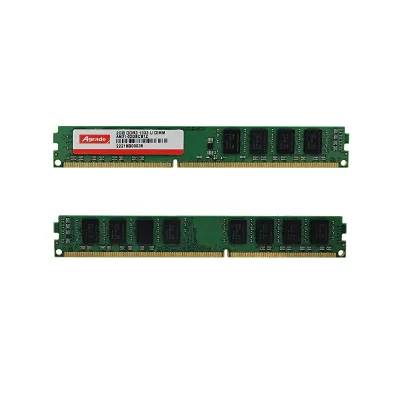
Agrade Storage International Corporation Limited
- Trading Company
- Hong Kong S.A.R.
- Lead time0 days
- Avg. response≤ 4h
Main productsRAM, SSD, Memory card, USB Flash Drive, M.2 SSD
Main marketsNorth America(30.0%), Domestic Market(15.0%), South America(10.0%), Western Europe(5.0%), Southern Europe(5.0%), Northern Europe(5.0%), Africa(5.0%), Eastern Europe(5.0%), Mid East(5.0%), Southeast Asia(5.0%), Eastern Asia(3.0%), Oceania(3.0%), South Asia(2.0%), Central America(2.0%)
Dongguan Dasheng Electronic Co., Ltd.
- Trading Company
- Guangdong, China
- Lead time15 days
- Avg. response≤ 6h
Main productsextension cable kit,Bracelet USB Cable,GPU extension cable kit,Wire Harness,Network Cable
Main marketsNorthern Europe(30.0%), North America(20.0%), Western Europe(10.0%), Mid East(10.0%), Eastern Europe(8.0%), Southern Europe(5.0%), Africa(5.0%), South America(5.0%), South Asia(5.0%), Eastern Asia(2.0%)
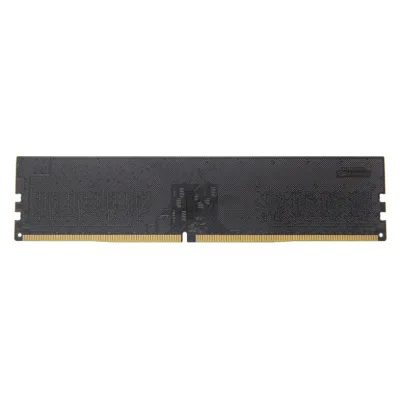
$23.46 - $201.93
MOQ: 2 Minimum

- Verified by TUVRHEINLAND
- Manufacturer/Factory
- China Guangdong
- Lead time15 days
- Avg. response≤ 5h
Main productsSSD, Hard Disk, USB Flash Drive, Mudp 2.0/3.0, Type-C USB 2.0/3.0, OTG USB 2.0/3.0, PCBA 2.0 3.0, Memory Card, DDR RAM, UDP 2.0/3.0
Main marketsSouth America,Eastern Europe,Mid East,North America,Southeast Asia,Eastern Asia,Oceania,Western Europe,Africa

Original DDR4 Desktop Memoria RAM 2666MHz 8GB 16GB 32GB Memory DDR RAM for PC Computer
$8.90 - $21.00
MOQ: 50 Pieces


8GB/16GB/32GB DDR4 2666MHz 3200MHz PC4-21300 1.2V Desktop Computer Memory RAM
$48.00 - $183.00
MOQ: 50 Pieces


4GB/8GB/16GB DDR4 2400MHz PC4-19200 1.2V Desktop Computer Memory RAM DDR
$30.00 - $105.70
MOQ: 50 Pieces

Jiangsu Hongxin Semiconductor Technology Co., Ltd
- Verified by TUVRHEINLAND
- Trading Company
- China Jiangsu
- Lead time15 days
- Avg. response≤ 25h
Main productsDiesel Engine, Fuel Pumps, Fuel Injectors, ECU, Tensioners, Cylinder Head, Crankshaft, Belts, Gaskets
Main marketsDomestic

Hubei Chenyu Photoelectric Technology Co., Ltd.
- Trading Company
- China Hubei
- Lead time15 days
- Avg. response≤ 6h
Main productsSFP Module, ONU, PLC Splitter, Cat Cable, Drop Fiber Cable
Main marketsSouth America,Others(foreignTradeCapacity.exportBusinessCapacityMarketOther),Domestic,Europe
Global Hightech Import & Export Company Limited
- Verified by TüVRheinland
- Manufacturer, Trading Company
- Lead time2 days
- Avg. response≤ 2h
Main productsRAM, SSD, Motherboard, Graphics Cards
Main marketsSouth America(30%), Western Europe(20%), North America(15%)
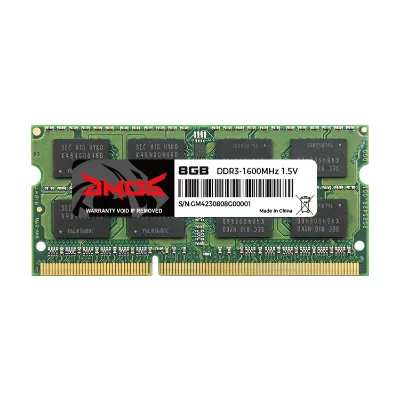
PC Parts DDR3 1333MHz 1600MHz 2gb 4gb 8gb Memory Ram Ddr3 8GB Computer Ram Scrap
$8.19 - $42.98
MOQ: 10 Minimum
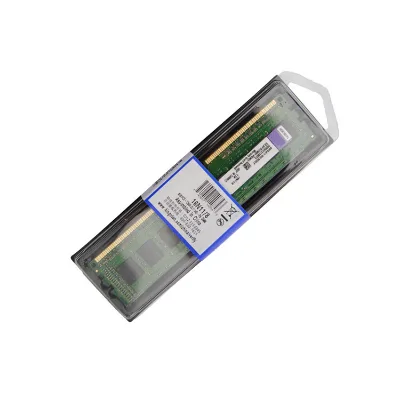
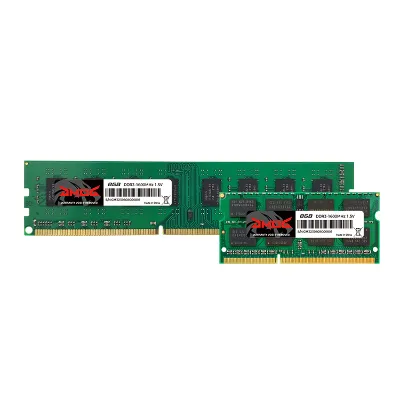
Ddr3 8gb 16gb Ram Desktop with Kingstar Brand Factory Price
Contact supplier

Shenzhen Junbo Trading Co., LTD
- Verified by SGS
- Trading Company
- China Guangdong
- Lead time15 days
- Avg. response≤ 3h
Main productsIC Chip, Integrated Circuit, Electronic Components, PCB, Light Emitting Diode, Memory RAM, SMD, Relay, Resistors, Modules
Main marketsNorth America
- Verified by SGS Group
- Manufacturer, Trading Company
- Lead time2 days
- Avg. response≤ 2h
Main productsRAM, SSD, Motherboard, Graphics Cards

Shenzhen Maiguo Network Technology Co., Ltd.
- Verified by TUVRHEINLAND
- Trading Company
- China Guangdong
- Lead time15 days
- Avg. response≤ 5h
Main productsMemory RAM, Hard Disk, CPU, Dvdrw, VGA Card, Motherboard, Cooler, Switch
Main marketsDomestic

Shenzhen Vitek Electronics Co., Ltd.
- Verified by BV
- Manufacturer/Factory
- China Guangdong
- Lead time23 days
- Avg. response≤ 6h
Main productsLaptop, Tablet PC, Digital Signage, Mini PC, LCD Monitor, All in One PC, Interactive Flat Panel, Advertising Screen, Self Payment Kiosk, POS Tablet
Main marketsSouth America,Eastern Europe,Mid East,North America,Southeast Asia,Oceania,Western Europe,Africa

Century Huaxiang (shenzhen) Trading Co., Ltd.
- Trading Company
- Guangdong, China
- Lead time5 days
- Avg. response≤ 6h
Main productsCPU,RAM,hard disk,Solid State Drive,Main Borad
Main marketsMid East(18.0%), Central America(16.0%), Southeast Asia(12.0%), Domestic Market(10.0%), Eastern Asia(10.0%), Africa(6.0%), South America(5.0%), Eastern Europe(5.0%), North America(5.0%), Northern Europe(4.0%), South Asia(3.0%), Oceania(2.0%), Western Europe(2.0%), Southern Europe(2.0%)
Shenzhen Hootel Century Technology Co., Ltd.
- Trading Company
- Guangdong, China
- Lead time7 days
- Avg. response≤ 8h
Main productsMini PC,Memory Rams,Solid State Drives,Motherboards,Hard Disk
Main marketsSouth America(35.0%), Mid East(15.0%), Western Europe(8.0%), Domestic Market(8.0%), Eastern Asia(5.0%), North America(5.0%), Southeast Asia(5.0%), South Asia(5.0%), Eastern Europe(5.0%), Africa(5.0%), Oceania(2.0%), Northern Europe(1.0%), Southern Europe(1.0%)

Guangzhou Samqing Trading Co., Ltd
- Verified by BV
- Trading Company
- China Guangdong
- Lead time15 days
- Avg. response≤ 4h
Main productsServer&Workstation, Server Accessories, Network Switch, Network Router, Network Security, Network Cable, Desktop Computer, Laptop
Main marketsEastern Europe,Mid East,Southeast Asia,Eastern Asia,Oceania,Western Europe,Africa
Shenzhen Qianbao Technology Co., Ltd.
- Trading Company
- Guangzhou, China
- Lead time7 days
- Avg. response≤ 12h
Main productsGraphic card,CPU,Motherboard,Cooling plate,Fans
Main marketsNorth America(20.0%), Northern Europe(10.0%), Domestic Market(10.0%), Eastern Europe(10.0%), Mid East(10.0%), Western Europe(8.0%), Southern Europe(8.0%), Southeast Asia(5.0%), South America(5.0%), Eastern Asia(5.0%), Central America(3.0%), Africa(2.0%), South Asia(2.0%), Oceania(2.0%)
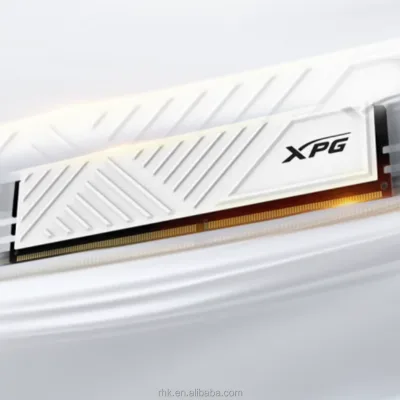
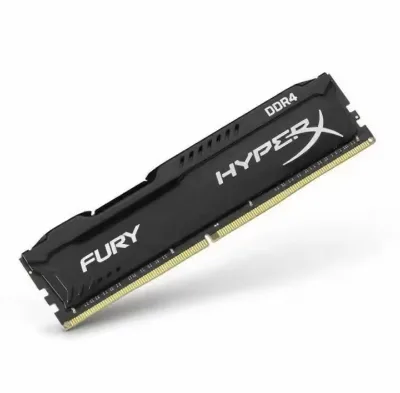
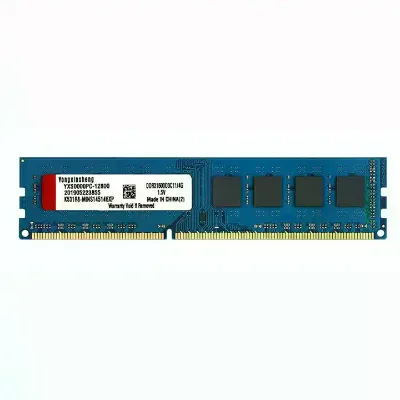
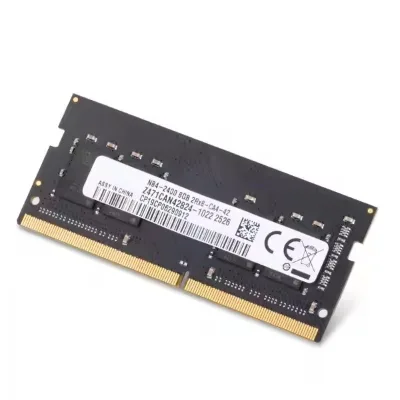
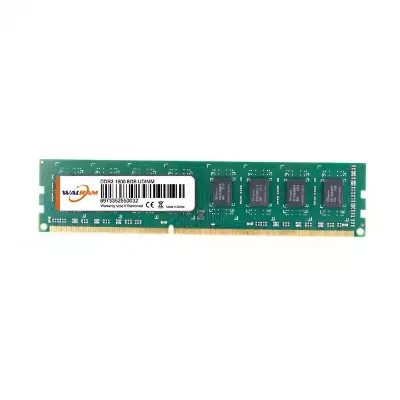
ADATA RAM DDR4 Memoria Ram 8gb 3600mhz 3200mhz Original D35 Memory Ram for Desktop Black and White
$12.00 - $25.00
MOQ: 2 pieces

Fortune Port Electronics Limited.
- Verified by SGS
- Trading Company
- China Guangdong
- Lead time15 days
- Avg. response≤ 9h
Main productsSolid State Drives, Hard Disk Drives, USB Flash Drives, Memory Cards, Memory Modules, CPU, Motherboards, GPU, Power Banks, Custom Shaped USB Drive
Main marketsSoutheast Asia/ Mideast


16GB DDR4 3200MHz Ecc 1rx4 Rdimm Server Memory Module PC4-25600 Upgrade RAM
$70.00 - $80.00
MOQ: 100 Pieces

8GB DDR4 2933MHz 1rx8 Ecc Rdimm Server Memory PC4-23400 Registered RAM
$70.00 - $80.00
MOQ: 100 Pieces
Beijing Hui Tong High Tech Limited
- Verified by Intertek
- Trading Company
- Lead time2 days
- Avg. response≤ 7h
Main productsServers, Network Switches, Firewall & VPN, Routers, Storage
Main marketsEastern Europe(50%), Africa(20%), Mid East(12%)
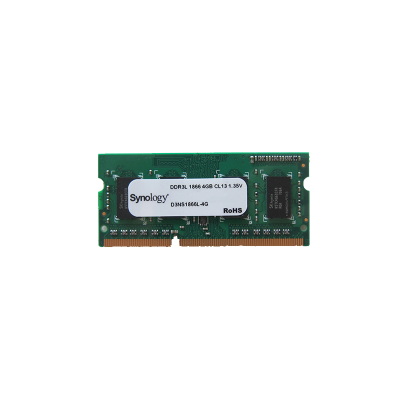
RAM1600DDR3-4G DDR3-1600 4G Ram Memory
$87.00 - $97.00
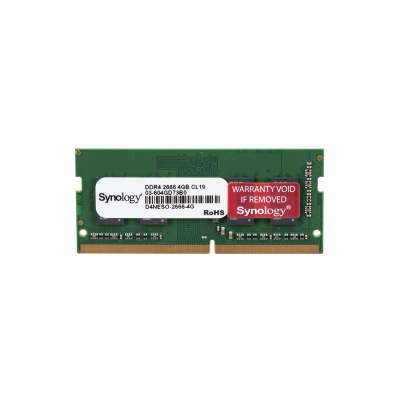
Original New RAM1600DDR3L-4GBX2 Memory DDR3 1600MHz PC3L
$135.00 - $146.00

Telefly Telecommunications Equipment Co., Ltd.
- Verified by TUVRHEINLAND
- Combined
- China Guangdong
- Lead time15 days
- Avg. response≤ 4h
Main marketsDomestic


64GB (2X32GB) DDR4 3200MHz PC4-25600 Ecc Udimm Compatible Server Memory
$125.00 - $132.00
MOQ: 1 Pieces


DDR4-2933 128GB (8X16GB) DDR4-2933 PC4-23400 1rx4 Ecc Registered Memory
$199.00 - $213.00
MOQ: 1 Pieces


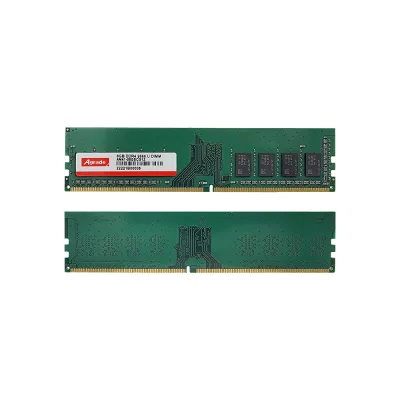
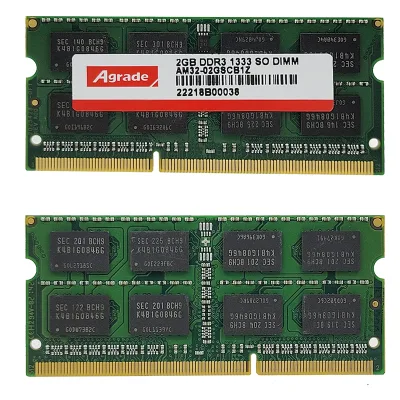


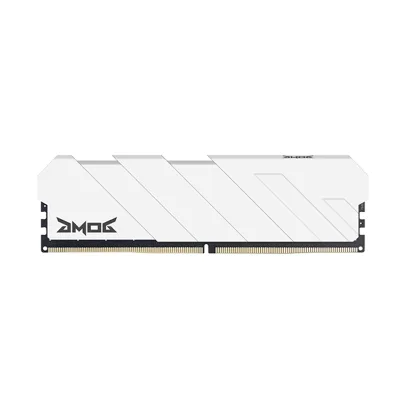
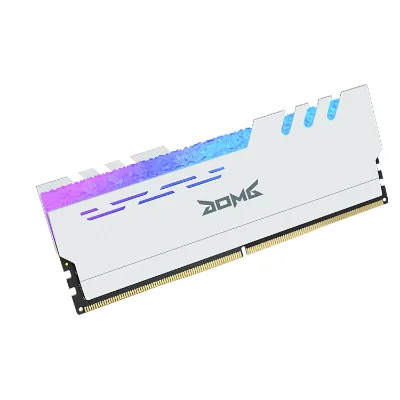




Comprehensive Sourcing Guide
ECC DDR3 RAM for Desktop Supplier Concentration and Factory Types
Supplier listings for ECC DDR3 RAM for Desktop modules tend to cluster in China's electronics manufacturing provinces, and the current results reflect that pattern, with suppliers located in Zhejiang and Guangdong alongside a Beijing-based trading company that lists memories, CPUs, servers and parts among its main products. Rather than assuming every supplier sits in a cluster, buyers should check the location field on each profile and note whether the supplier is a combined manufacturer-and-trader, a pure trading company, or a component distributor. Company type matters in this category because module assembly, chip sourcing and binning quality differ between firms that run their own SMT lines and firms that resell inventory from multiple sources.
The factory-type mix also shapes what you can request. Suppliers showing ODM and OEM capability in their R&D capacity field can typically handle custom labels, firmware or SPD programming requests, while one supplier in the results also lists "own brand" capability, which signals established retail packaging experience. The Beijing trading company's main products — IT equipment, electronic components, servers and parts, CPUs and memories — suggest a systems integrator profile rather than a module factory, which may suit mixed-component orders. Before shortlisting, record for each candidate: location, company type, main products, and whether R&D capacity flags OEM or ODM. This simple table separates genuine module specialists from general electronics resellers and narrows your sample-request list quickly without relying on unverifiable claims from marketing copy.
How to Verify ECC DDR3 RAM for Desktop Suppliers
Verification for ECC DDR3 RAM for Desktop modules starts with the credentials a supplier's profile actually displays. In the current results, one Zhejiang supplier shows ISO9001:2015 and ISO14001:2015 system certifications with third-party verification from CTI, while a Guangdong supplier is BV-verified and a Beijing trading company is SGS-verified. Another Guangdong entry shows no system certification at all, which is not disqualifying but means the buyer must compensate with deeper document checks. Confirm the certificate scope covers memory module production or trading specifically, ask for the certificate number, and check validity against the issuing body's public database rather than accepting a scanned PDF alone.
Beyond system certifications, request batch-level evidence for the modules themselves: chip brand and date codes, whether ECC functionality is native or registered-buffer specific, and screenshots of test reports such as memory training passes or burn-in logs. Be careful never to treat a supplier's claims about a specific DRAM brand as fact until you have die-level photographs or third-party test results in hand. For trading companies, ask which module factories they represent and whether they will disclose the upstream source, because a trader cannot guarantee binning consistency it does not control. Finally, ask each supplier to state its warranty policy in writing — one listing in the results shows a one-year warranty attribute, but you should confirm repair-versus-replacement terms, RMA turnaround, and who pays return freight before placing a trial order.
What to Compare Across ECC DDR3 RAM for Desktop Suppliers
Comparison should be built from the attributes suppliers actually display, and not every profile will show every field. Useful dimensions in the current results include lead time, which ranges from 15 days for the Beijing trading company to 23 and 30 days for the Guangdong and Zhejiang entries; response time, where the Zhejiang supplier answers in under three hours on average while the Guangdong supplier's average exceeds seventeen hours; and MOQ, shown as 100 pieces on one Zhejiang listing and 50 pieces on a Guangdong product. Establishment year is another label worth capturing when present, since longevity correlates with supply stability in a commodity market with volatile DRAM pricing.
Price ranges also vary widely in the listings, from under ten dollars per unit on lower-capacity DDR3 modules to substantially higher figures for larger DDR4 capacities, so always compare within matched specifications — same capacity, frequency, voltage and ECC type — before ranking suppliers. Also compare packaging options, such as box versus anti-static bag packing, and whether customization is explicitly marked as available. Weigh trading companies against combined manufacturers on total cost of ownership: the trader's shorter 15-day lead time may offset a slightly higher unit price if your project schedule is tight. Build a weighted scorecard with columns for each displayed attribute plus a column for "not shown," so unverified gaps stay visible during negotiation instead of being silently filled with optimistic assumptions about any supplier's capability.
Common ECC DDR3 RAM for Desktop Sourcing Risks
The most frequent risk in this category is mismatched or relabeled DRAM chips. Because module appearance is easy to imitate, a supplier may substitute lower-grade or remarked chips between the sample batch and production runs. Mitigate this by specifying chip brand, date-code windows and country of origin in the purchase contract, and by keeping golden samples sealed and dated. A second risk is ECC specification confusion: desktop platforms generally use unbuffered modules, while ECC variants may require specific chipset support, and one Beijing listing explicitly targets workstations with non-ECC DDR4, showing how easily ECC and non-ECC inventory get conflated in listings. Confirm pin count, voltage (1.35V versus 1.5V in the DDR3 listings shown) and operating temperature range against your platform's qualified memory list before ordering.
Other risks follow from profile gaps. Some suppliers display no system certification, and response-time figures above seventeen hours on one listing signal communication friction that will worsen during a quality dispute. Counterfeit-adjacent inventory is more likely from traders who cannot name their module source, so ask for the upstream factory relationship in writing. Also watch for attribute lists that mix desktop, laptop and server applications in a single entry, which suggests generic catalog data rather than tested products. Finally, remember that displayed prices are ranges, not quotes; capacity-based tiering means the low end of a range may apply only to the smallest module in the listing, and assuming otherwise inflates your landed-cost model and later triggers renegotiation friction.
ECC DDR3 RAM for Desktop Regional Sourcing and Logistics
The regional picture in the current results centers on mainland China, with the Zhejiang supplier, the Guangdong supplier and the Beijing trading company offering three distinct logistics positions. Guangdong's Pearl River Delta hosts dense electronics supply chains with strong freight-forwarding access for sea and air consolidation, which typically benefits buyers who need flexible small-batch shipments alongside their ECC DDR3 RAM purchases. Zhejiang's manufacturing base similarly supports component ecosystems, and the 30-day lead time displayed by that supplier may reflect production scheduling rather than distance, so ask how much of the lead time is queueing versus assembly and test. Beijing, as a northern hub, may suit buyers consolidating orders with servers, CPUs and enterprise HDDs from the same trading company, since mixed IT-equipment containers reduce per-unit freight.
When planning logistics, distinguish production lead time from transit and clearance. The displayed lead times — 15, 23 and 30 days — describe production readiness, so add ocean transit, customs and inland delivery on top, or budget air freight for urgent pilot batches. Ask each supplier which incoterms they quote and whether they ship on your freight account. Memory modules are compact, high-value cargo, so carton weight is low but declared-value insurance matters; confirm anti-static packaging and humidity controls, especially for ocean shipments through humid seasons. Request packing specifications in writing — the listings show box, blister and static-bag options — and photograph cartons at handover so transit damage claims are documented from the first shipment onward.
ECC DDR3 RAM for Desktop Commercial Terms and Order Planning
Commercial terms should be structured around what the supplier profiles actually demonstrate. Start with a pilot order sized to the displayed MOQ — 50 pieces on one listing, 100 on another — and treat any supplier without a displayed MOQ as an open question to resolve in the first inquiry, not an assumption. Use response time as a soft indicator of order-management quality: a supplier averaging under three hours in the results will likely handle production updates faster than one averaging seventeen hours, though you should test with a real technical question rather than a greeting. Tie payment milestones to verifiable checkpoints such as incoming chip inspection reports and pre-shipment functional test logs, rather than paying large deposits against promises.
For order planning, align reorder cycles with the DRAM price cycle by negotiating short validity windows on quotations — memory spot prices move weekly, so a 90-day price lock is unrealistic in this category and a 15-to-30-day window is more defensible. Confirm warranty handling in the contract: where a one-year warranty is displayed, specify whether it covers replacement, repair or credit, and the RMA destination. If your buyer country requires escrow-style protection, verify what any marketplace actually offers before relying on it, since escrow availability is a platform feature, not a supplier attribute. Finally, schedule annual supplier reviews that recheck certifications, re-run sample testing, and reconfirm lead times, because profile data ages quickly and last year's verified status guarantees nothing about this year's production batch.
Word count check: approximately 1,390 words total across the six sections, each within the 225–235 word range.
FAQs
What is ECC DDR3 RAM for Desktop computers?
ECC DDR3 RAM is desktop memory that includes error-correcting code, which detects and corrects common memory errors during operation. It runs on DDR3 technology with DIMM interface form factors and typically operates at 1.5V, though some modules support 1.35V. It suits workstations and servers where data integrity matters more than raw speed, and it is generally priced above standard non-ECC DDR3 modules.
What capacities are commonly available for desktop ECC DDR3 modules?
Listed desktop DDR3 modules commonly come in 2GB, 4GB, and 8GB capacities, with some customization available from suppliers offering ODM and OEM services. Frequencies typically span 1333MHz, 1600MHz, and up to 2133MHz. Buyers planning bulk orders should confirm which capacities a supplier actively stocks, since smaller 2GB modules are often listed as ready items while larger configurations may require production before dispatch.
How much does desktop DDR3 RAM typically cost in bulk?
Published bulk prices for desktop DDR3 RAM range from roughly 5.20 to 12.50 dollars per module depending on capacity and frequency. Lower-capacity 2GB modules sit at the bottom of that range, while 4GB and 8GB modules at 1600MHz occupy the middle to upper range. DDR4 desktop modules list somewhat higher, around 6.80 to 49.00 dollars. Always request a current quotation for your exact configuration.
What is the typical minimum order quantity and lead time?
Minimum order quantities shown in supplier listings range from 50 to 100 pieces for desktop memory modules. Lead times vary by supplier location and company type, with observed values of 15, 23, and 30 days. Trading companies may ship faster from stock, while combined manufacturers may need production time, especially for customized or ODM orders. Confirm both figures directly with each supplier before committing to a purchase order.
Which supplier certifications should I look for when sourcing RAM?
Prioritize suppliers holding ISO9001:2015 and ISO14001:2015 system certifications, which indicate managed quality and environmental processes. Third-party verification from recognized inspection bodies such as CTI, BV, or SGS adds another layer of assurance. You should also ask whether memory chips carry original-brand markings and request sample testing, since certification alone does not guarantee module-level compatibility with your desktop platforms.
Can I order customized or OEM desktop DDR3 memory modules?
Yes, customization is listed as available on the desktop DDR3 and DDR4 module listings, and several suppliers offer ODM and OEM capabilities, with some also supporting own-brand production. Customization can cover capacity configuration, cooling fins, packaging such as box or static bag packing, and labeling. Expect customized orders to fall outside standard published pricing and to require agreed specifications, samples, and longer production lead times before bulk shipment.
Where are the listed desktop RAM suppliers located in China?
The suppliers observed on this page are located in Zhejiang, Guangdong, and Beijing. Zhejiang and Guangdong suppliers are manufacturers or combined companies producing memory and USB storage products, while the Beijing supplier is a trading company focused on IT equipment, servers, CPUs, memories, and enterprise hardware. Location affects shipping ports and logistics, so factor inland transport costs into your total landed price when comparing quotations.
How fast do these suppliers respond to buyer inquiries?
Observed average response times range from about 2.85 hours to 17.33 hours, with a Beijing trading company at 3.84 hours and a Zhejiang manufacturer at 2.85 hours. Faster response generally signals stronger export-team availability and smoother order handling. Before placing bulk orders, test response consistency by asking technical questions about ECC support, chip configuration, and compatibility, and weigh slow responders carefully for time-sensitive restocking projects.