Water Soluble Cotton Lace Suppliers and Manufacturers
Explore 15 verified suppliers offering Water Soluble Cotton Lace with varying lead times, response speeds, and certifications. Buyers can compare ISO standards, material compositions, and pricing to select the right factory. Contact suppliers directly to request samples and confirm MOQ requirements.
Suppliers List

- Verified by TUVRHEINLAND
- Trading Company,Manufacturer/Factory
- China Zhejiang
- Lead time23 days
- Avg. response≤ 6h
Main productsGarment Accessories, Zipper, Button, Lace Trim, Metal Zipper, Nylon Zipper, Plastic Zipper, Metal Button, Snap Button, Cotton Lace
Main marketsNorth America,Africa

NINGBO NCJN IMPORT AND EXPORT CO., LTD.
- Verified by TUVRHEINLAND
- Trading Company
- China Zhejiang
- Lead time15 days
- Avg. response≤ 12h
Main productsGarment Accessories, Zipper, Button, Lace, Tape, Velcro Tape, Hook and Eye Tape, Ring and Slider, Bra Cup
Main marketsSouth America,Africa,Southeast Asia/ Mideast,East Asia(Japan/ South Korea),Europe,Australia,North America

- Trading Company,Manufacturer/Factory
- China Zhejiang
- Lead time30 days
- Avg. response≤ 7h
Main productsFabric, Trimming, Lace, Tape, Zipper, Sewing Thread, Button, Scissors, Garments Accessories, Sewing Machine Parts
Main marketsSouth America,Eastern Europe,Mid East,North America,Southeast Asia,Eastern Asia,Oceania,Western Europe,Africa

Lanxi Sange Industry Co., Ltd.
- Verified by TUVRHEINLAND
- Trading Company
- China Zhejiang
- Lead time15 days
- Avg. response≤ 19h
Main productsLace, Lace Fabric, Cotton Lace, Chemical Lace, Fringe Tassel, Tassel Fringe, Garment Accessories, Chainette Fringe, Embroidery Lace, Crochet Lace
Main marketsSouth America,Africa,Others(foreignTradeCapacity.exportBusinessCapacityMarketOther),Southeast Asia/ Mideast,Europe,North America

- Verified by TUVRHEINLAND
- Combined
- China Zhejiang
- Lead time30 days
- Avg. response≤ 8h
Main productsThread, Zipper, Lace, Button, Webbing & Tape, Ribbon, Interlining, Fabric, Tailoring Materials, Hook & Loop
Main marketsSouth America,Africa,Europe,Australia


Embroidery Cotton Lace Fabric Cotton Lace
MOQ: 500 Yards

High Quality Cotton Chemical Lace
MOQ: 6000 Yards


Water Soluble Guipure Chemical Lace Trim
MOQ: 6000 Yards

LIZHUO INTERNATIONAL CO., LTD.
- Verified by SGS
- Trading Company
- China Guangdong
- Lead time23 days
- Avg. response≤ 3h
Main productsEmbroidery Patch, Woven Label, Embroidery Lace, Hangtag, Printing Label, School Bag, Embroidery Fabric, String
Main marketsEast Asia(Japan/ South Korea)

- Verified by BV
- Trading Company,Manufacturer/Factory
- China Zhejiang
- Lead time23 days
- Avg. response≤ 7h
Main productsGarment Accessories, Zipper, Button, Lace Trim, Metal Zipper, Nylon Zipper, Plastic Zipper, Metal Button, Snap Button, Cotton Lace
Main marketsNorth America,Africa


Embroidery Water Soluble Chemical Lace Trimming White Embroidery Lace Trim
$0.20 - $0.40
MOQ: 50000 Yards

Wholesale High Quality Water Soluble Laces Trim Guipure Lace Trim Embroidery Lace Trim
$0.06 - $0.12
MOQ: 3000 Pieces

Ningbo Yuena Import & Export Co., Ltd.
- Verified by TUVRHEINLAND
- Trading Company
- China Zhejiang
- Lead time23 days
- Avg. response≤ 3h
Main productsLace, Thread, Button, Ribbon, Zipper, Tailors Materials, Fabric, Reflective Materials, Sewing Machine Part, Bra Parts
Main marketsSouth America,Africa,Southeast Asia/ Mideast,Europe,North America

Garment Lace Wholesale Hot Sale Chemical Lace Fabric Water Soluble Lace Water Soluble
$0.16 - $0.20
MOQ: 4500 Yards


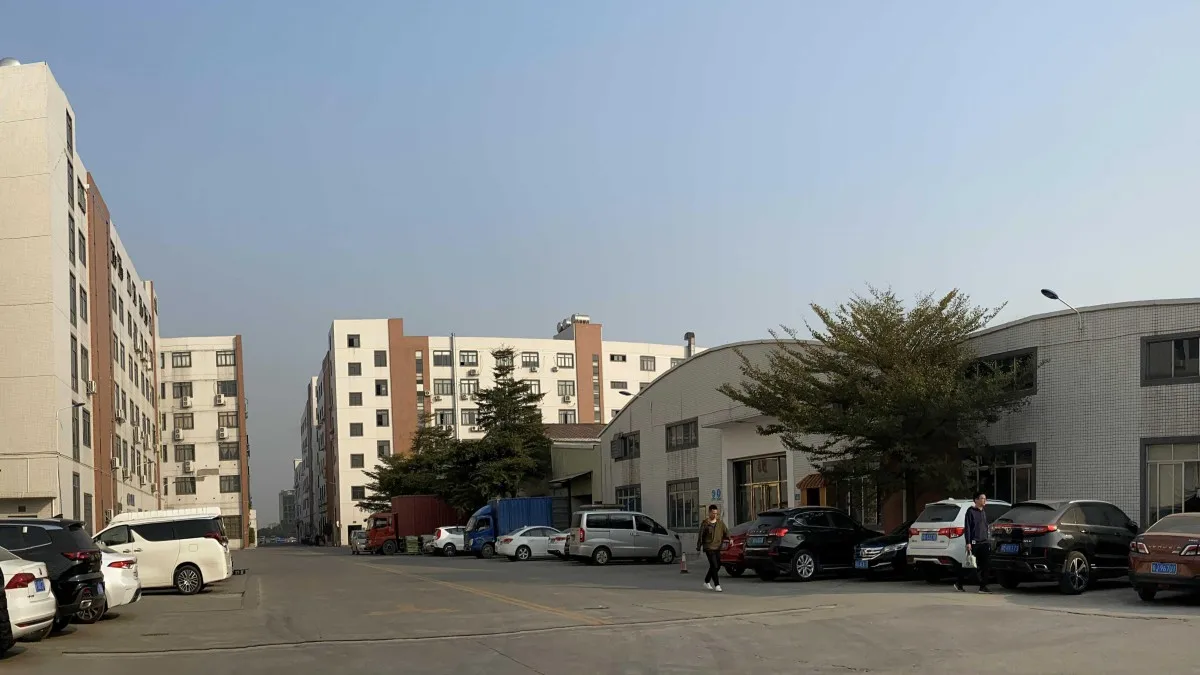
Guangzhou Dongzhicai Embroidery Lace Co., Ltd.
- Manufacturer, Trading Company
- Guangdong, China
- Lead time10 days
- Avg. response≤ 2h
Main productsLace,Lace Trim,Lace Textile,Lace Fabric,Embroidery Lace
Main marketsDomestic Market(60.00%), North America(10.00%), Southeast Asia(7.00%), Western Europe(5.00%), Mid East(3.00%), Oceania(3.00%), Africa(3.00%), South America(2.00%), Eastern Europe(2.00%), Eastern Asia(2.00%), Central America(1.00%), Southern Europe(1.00%), Northern Europe(1.00%)

Ningbo DH Textile Industry&Trade Co., Ltd.
- Verified by TUVRHEINLAND
- Trading Company
- China Zhejiang
- Lead time15 days
- Avg. response≤ 15h
Main productsLace, Interlining, Embroidery Thread, Poplin, Hook and Loop, Satin Ribbon, Sewing Thread, Button, Zipper, Lace Fabric
Main marketsAfrica,Southeast Asia/ Mideast,North America

Guangzhou Govolon Trade Co., Ltd.
- Trading Company,Manufacturer/Factory
- China Guangdong
- Lead time15 days
- Avg. response≤ 24h
Main productsGarment Accessories, Lace, Button, Zipper, Fringe and Tassels, Belt Ribbon, Garment Trimming, Patch Badge, Buckle, Hotfix
Main marketsSouth America,Mid East,North America,Southeast Asia,Western Europe,Africa


Water Soluble Nylon Lace Trimming
MOQ: 500 Pieces

Guangzhou Chowleedee Import and Export Co., Ltd.
- Verified by BV
- Trading Company
- China Guangdong
- Lead time15 days
- Avg. response≤ 15h
Main productsLace Fabric, Wood Plastic Composite Decking Price
Main marketsSouth America,Africa,Southeast Asia/ Mideast,East Asia(Japan/ South Korea),Europe,Australia,North America
Hangzhou Fudi Textile Co., Ltd.
- Trading Company
- Zhejiang, China
- Lead time0 days
- Avg. response≤ 4h
Main productsaccessories,fringe,tassel,ribbon
Main marketsMid East(30.00%), South Asia(20.00%), Domestic Market(20.00%), Africa(10.00%)

Marigold Garment Accessories Co., Ltd.
- Trading Company
- China Guangdong
- Lead time15 days
- Avg. response≤ 12h
Main productsLace, Lace Trimming, Rhinestone Trimming, Embroidery, Patches, Elastic Trim, Brooches, Button, Rhinestone Patch, Lace Fabric
Main marketsSouth America,Africa,Southeast Asia/ Mideast,Europe,North America

Ningbo New & Century Fashion Co., Ltd.
- Manufacturer/Factory
- China Zhejiang
- Lead time23 days
- Avg. response≤ 10h
Main productsLace, Tape, Ribbon, Nylon Lace Trimming, Chemical Lace Trimming, Cotton Lace Trimming, Strech Lace Trimming, Non-Strech Lace Trimming, Others Nylon Lace Trimming, Crochet Lace Trimming
Main marketsSouth America,Eastern Asia,Western Europe




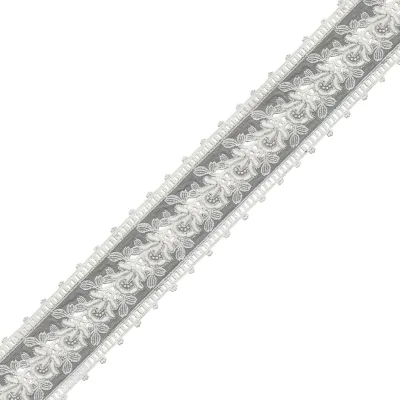
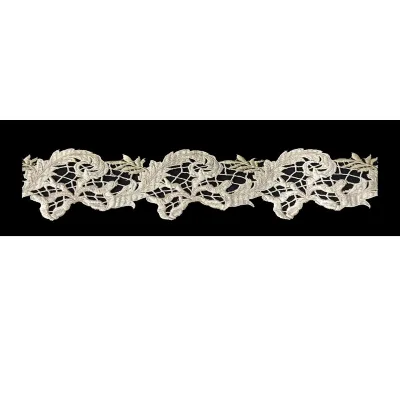


Comprehensive Sourcing Guide
Water Soluble Cotton Lace Supplier Concentration and Factory Types
The available data indicates that suppliers for Water Soluble Cotton Lace are concentrated in the Zhejiang province of China. This region serves as a primary manufacturing hub for garment accessories, including zippers, buttons, and various lace trims. Buyers should verify if a specific factory operates within this cluster, as proximity often influences logistics efficiency and communication speed. The supplier pool includes both trading companies and manufacturers, offering different value propositions depending on the buyer's volume and customization needs. Trading companies may provide broader product ranges, while manufacturers often focus on specific production capabilities like OEM services.
When evaluating the factory type, it is essential to distinguish between entities that simply resell goods and those that control the production process. Some suppliers list their company type as a manufacturer or factory, suggesting direct control over the weaving and chemical treatment of the lace. Others operate as trading companies, which might offer more flexibility in sourcing different materials or styles. Buyers must confirm the actual nature of the business relationship to ensure quality control and supply chain stability. The presence of OEM capabilities in the data suggests that many facilities can adapt designs, but this should be validated during direct negotiations.
How to Verify Water Soluble Cotton Lace Suppliers
Verification of supplier credentials is critical when sourcing Water Soluble Cotton Lace to ensure product integrity and business reliability. The data shows that some suppliers hold ISO 9000 and ISO 9001 system certifications, which indicate adherence to quality management standards. Additionally, verification badges from third-party auditors like TÜV Rheinland appear in the records, providing an external layer of trust regarding the supplier's operational status. Buyers should request current copies of these certificates and confirm their validity through the issuing bodies before proceeding with large orders.
Beyond certifications, buyers must assess the responsiveness and verification status of the supplier directly. Response times recorded in the data vary, with some suppliers showing a response time of approximately 5.52 hours while others take significantly longer. A faster response time often correlates with better communication channels and more active account management. Buyers should also check for specific product evidence, such as detailed material compositions and standard compliance like CE, ROHS, or SGS. These details help confirm that the supplier has the technical knowledge to produce the specific water soluble lace required for the application.
What to Compare Across Water Soluble Cotton Lace Suppliers
Comparing suppliers requires a systematic review of key operational metrics such as lead time, minimum order quantity, and pricing structures. The observed data reveals a wide range in lead times, with some suppliers offering a 15-day turnaround while others require up to 30 days. Minimum order quantities also vary significantly, ranging from as low as 1 unit for certain samples to 5000 units for specific chemical lace models. Buyers must align these constraints with their inventory planning and cash flow requirements to avoid overstocking or production delays.
Pricing and customization options are equally important factors in the comparison process. Product listings show prices ranging from $0.10 to $1.80 per unit, depending on the specific model and material composition. Some suppliers offer customization for materials, patterns, and packing, while others adhere to standard specifications. Buyers should compare the cost per unit against the flexibility offered, ensuring that the price reflects the level of service and customization. Additionally, the main products listed by each supplier can indicate their specialization; a supplier focusing on garment accessories may offer better expertise than a general textile trader.
Common Water Soluble Cotton Lace Sourcing Risks
One significant risk in sourcing Water Soluble Cotton Lace involves the variability of material composition and chemical standards. The data indicates that some products are made from a blend of cotton and polyester, while others are 100% cotton. This variation can affect the solubility rate and the final appearance of the garment, potentially leading to production failures if the wrong material is selected. Buyers must explicitly verify the material breakdown and ensure it matches the technical requirements of their specific design, as assumptions about "cotton lace" can be misleading without detailed product specifications.
Another risk relates to the consistency of production standards and the reliability of the supply chain. While some suppliers list standards like Tex Standard 100, BV, and SGS, others state that standards are "as you request," which introduces ambiguity. Inconsistent quality control can result in batches that do not dissolve correctly or have uneven embroidery. Furthermore, the reliance on manual processes for certain styles, as noted in the data, can lead to variations in pattern density and finish. Buyers should mitigate these risks by requesting pre-production samples and conducting rigorous quality checks before accepting full shipments.
Water Soluble Cotton Lace Regional Sourcing and Logistics
Sourcing from the identified region of Zhejiang, China, offers logistical advantages but also presents specific challenges regarding shipping and customs. The concentration of suppliers in this area means that freight forwarders are well-versed in handling textile exports from this specific port. However, buyers must account for the distance and transit time when planning their delivery schedules. The lead times observed, ranging from 15 to 30 days, must be added to the shipping duration to determine the total time to market. Delays in production or customs clearance can disrupt the entire supply chain, so buffer time should be included in the project timeline.
Logistics planning also involves understanding the packaging requirements and how they affect shipping costs. The data shows that packing methods vary, with some suppliers using 50 meters per roll or 50 pieces per polybag, while others pack according to customer requirements. These differences impact the volume and weight of the shipment, directly influencing freight charges. Buyers should negotiate packaging standards that optimize container space and protect the delicate lace during transit. Additionally, verifying the origin of the goods is crucial for compliance with import regulations and for ensuring that the products meet the specific standards required in the destination market.
Water Soluble Cotton Lace Commercial Terms and Order Planning
Commercial terms for Water Soluble Cotton Lace orders must be carefully negotiated to align with the supplier's capabilities and the buyer's financial constraints. The data indicates that some suppliers have a minimum order quantity of 5000 units, while others accept orders as small as one unit. This disparity requires buyers to plan their order volumes strategically, potentially consolidating orders to meet higher MOQs for better pricing or splitting orders to test different suppliers. Payment terms and escrow services should be discussed early to ensure that funds are protected until the goods are verified and accepted.
Order planning also requires a clear understanding of the customization process and its impact on lead times. Suppliers offering customization for models like LEMO CHEMICAL LACE or LY53-3190 may require additional time for design approval and sample production. Buyers should factor in the time needed for these iterations when setting their production schedules. Furthermore, the response time of the supplier, which can range from 5.52 to 11.80 hours, affects how quickly issues can be resolved during the order lifecycle. Establishing a clear communication protocol and setting realistic expectations for turnaround times will help ensure a smooth transaction and timely delivery of the Water Soluble Cotton Lace.
FAQs
Where are Water Soluble Cotton Lace suppliers located?
Suppliers offering Water Soluble Cotton Lace are located in Zhejiang, China. This region hosts manufacturers and trading companies specializing in garment accessories. Buyers should verify specific factory addresses during the inquiry process to ensure accurate logistics planning and shipping costs.
What is the minimum order quantity for lace fabric?
Minimum order quantities vary by product type. Some water soluble lace items require 5000 units, while others start at 1000 or even 1 unit. Buyers must check specific product listings for exact MOQs before placing orders to avoid unexpected purchasing thresholds.
How long does it take to receive lace orders?
Lead times for Water Soluble Cotton Lace range from 15 to 30 days depending on the supplier. Some factories offer faster turnaround of 23 days. Buyers should confirm current production schedules with the vendor to ensure timely delivery for their specific project deadlines.
Are certifications available for water soluble lace products?
Many suppliers hold ISO 9000 and ISO 9001 certifications for their systems. Products may also meet CE, ROHS, SGS, and Tex Standard 100 requirements. Buyers should request valid certificates to verify compliance with international safety and quality standards before finalizing purchases.
What materials are used in water soluble lace?
Materials typically include Cotton, Polyester, or blends of both. Some specific items are made from 100% Cotton. Buyers should review product specifications to confirm the exact material composition required for their garment or textile application needs.
How fast do suppliers respond to inquiries?
Response times vary among suppliers, with some replying within 5.52 hours and others taking up to 11.80 hours. Buyers seeking quick communication should prioritize suppliers with lower response time metrics to ensure efficient negotiation and order processing.
What is the price range for water soluble lace?
Prices for Water Soluble Cotton Lace range from 0.10 to 1.80 per unit depending on the design and material. Specific items like chemical lace may cost 0.26, while embroidered varieties can reach 1.80. Buyers should compare multiple listings to find the best value.