Eco-Friendly Metal Jeans Belt Suppliers and Manufacturers
Source 20 verified suppliers for Eco-Friendly Metal Jeans Belt components. Compare key dimensions including lead times, MOQs, certifications, and response rates. Review product specifications and request quotes directly from factories and trading companies; review the available evidence before requesting comparable quotations from suitable candidates.
Suppliers List

- Trading Company,Manufacturer/Factory
- China Zhejiang
- Lead time30 days
- Avg. response≤ 7h
Main productsFabric, Trimming, Lace, Tape, Zipper, Sewing Thread, Button, Scissors, Garments Accessories, Sewing Machine Parts
Main marketsSouth America,Eastern Europe,Mid East,North America,Southeast Asia,Eastern Asia,Oceania,Western Europe,Africa

Dongguan Jing Hong Metal Zipper Co., Ltd.
- Verified by TUVRHEINLAND
- Combined
- China Guangdong
- Lead time15 days
- Avg. response≤ 18h
Main productsMetal Plate, Label, Snap Hook, Keychain, Buckle, Bottle Opener, Dog Tag, Bag Hanger, Jewelry, Zipper Puller
Main marketsDomestic

MOQ: 500 Pieces

MOQ: 500 Pieces
Hangzhou Daya Textile Co., Ltd.
- Trading Company
- Zhejiang, China
- Lead time20 days
- Avg. response≤ 5h
Main productsZipper&slider,Tape&Webbing,Thread&yarn,Garment accessory,Tailoring Material
Main marketsSouth America(60.00%), Domestic Market(10.00%), South Asia(10.00%), Mid East(10.00%), North America(10.00%)

WENZHOU KARION INDUSTRY & COMMERCE CO., LTD.
- Trading Company,Manufacturer/Factory
- China Zhejiang
- Lead time45 days
- Avg. response≤ 7h
Main productsBelt, Leather Belt, PU Belt, Webbing Belt, Elastic Belt, Women Belt, Jeans Belt, Braided Belt, Reversible Buckle Belt, Man Casual Belt
Main marketsSouth America,Eastern Europe,Mid East,North America,Southeast Asia,Eastern Asia,Oceania,Western Europe,Africa


Men′ S Belts Multi Colors Stretch Belt for Jeans Trousers Belt in Thick Elastic
$2.38 - $3.38
MOQ: 600 Pieces

Reversible Leather Belt - Casual for Mens Jeans with Double Sided Strap and Buckle
$1.78 - $3.25
MOQ: 600 Pieces


- Verified by TUVRHEINLAND
- Combined
- China Zhejiang
- Lead time30 days
- Avg. response≤ 7h
Main productsThread, Zipper, Lace, Button, Webbing & Tape, Ribbon, Interlining, Fabric, Tailoring Materials, Hook & Loop
Main marketsSouth America,Africa,Europe,Australia

MOQ: 100000 Pieces

Eco Friendly Customize High Quality Metal Buttons for Jeans
MOQ: 20000 Pieces

- Verified by TUVRHEINLAND
- Trading Company,Manufacturer/Factory
- China Zhejiang
- Lead time23 days
- Avg. response≤ 6h
Main productsGarment Accessories, Zipper, Button, Lace Trim, Metal Zipper, Nylon Zipper, Plastic Zipper, Metal Button, Snap Button, Cotton Lace
Main marketsNorth America,Africa
FUZHOU CHONGKANG GIFTS TRADE CO., LTD
- Verified by TüVRheinland
- Trading Company
- Lead time15 days
- Avg. response≤ 2h
Main productsHats, Rain Coat, Promotional & Business Gifts
Main marketsWestern Europe(55%), North America(25%), Southeast Asia(10%)

Ningbo Yuena Import & Export Co., Ltd.
- Verified by TUVRHEINLAND
- Trading Company
- China Zhejiang
- Lead time23 days
- Avg. response≤ 3h
Main productsLace, Thread, Button, Ribbon, Zipper, Tailors Materials, Fabric, Reflective Materials, Sewing Machine Part, Bra Parts
Main marketsSouth America,Africa,Southeast Asia/ Mideast,Europe,North America


Factory Making Custom Gold Logo Brand Stamped Metal Denim Adjustable Jeans Button
$0.01 - $0.03
MOQ: 50000 Pieces


Guizhou Jiegui Trading Co., Ltd
- Verified by SGS
- Trading Company
- China Guizhou
- Lead time15 days
- Avg. response≤ 2h
Main marketsEurope

Eco-Friendly Brass Belt Buckle for Jeans with RoHS Embellished Metal Belt Buckles for Women
$0.35 - $1.50
MOQ: 200 Pieces

Women's Metal Belt Buckles Eco-Friendly Brass Belt Buckle for Jeans with RoHS
$0.35 - $1.50
MOQ: 200 Pieces


High - Quality Metal Belt Buckles for Women Eco-Friendly Brass Belt Buckle for Jeans with RoHS
$0.35 - $1.50
MOQ: 200 Pieces

Silver Metal Belt Buckles for Womeneco-Friendly Brass Belt Buckle for Jeans with RoHS
$0.35 - $1.50
MOQ: 200 Pieces

Dongguan New Coo Garment Accessories Co., Ltd
- Manufacturer/Factory
- China Guangdong
- Lead time15 days
- Avg. response≤ 6h
Main productsPolyester Button, Plastic Button, Metal Button, Buckle, Metal Label, Leather Label, Hang Tag, Woven Label, Shell Button
Main marketsSouth America,Eastern Europe,Mid East,North America,Southeast Asia,Western Europe

Xiamen Xinziyang Industry and Trade Co., Ltd.
- Verified by CTI
- Trading Company
- China Fujian
- Lead time15 days
- Avg. response≤ 21h
Main marketsSoutheast Asia/ Mideast,Domestic,North America

Yiwu Fumiao Leather Goods Co., Ltd.
- Manufacturer, Trading Company
- Zhejiang, China
- Lead time30 days
- Avg. response≤ 6h
Main productsBelt; Bag
Main marketsNorth America(40.00%), Western Europe(30.00%), South America(10.00%), Northern Europe(10.00%), Oceania(5.00%), Southern Europe(5.00%)
Guangzhou Jiaye Leather Co., Ltd.
- Manufacturer, Trading Company
- Lead time旺季: "1 - 100":31,"> 100":"To be negotiated", 淡季: "1 - 100":31,"> 100":"To be negotiated"
- Avg. response≤ 1h
Main productsLeather Bags, Men Backpack, Leather Belts, Leather Wallet, Leather Card Holder

- Verified by CTI
- Trading Company
- China Anhui
- Lead time23 days
- Avg. response≤ 1h
Main productsFurniture, Home Furniture
Main marketsSoutheast Asia/ Mideast

GUANGZHOU ATI HARDWARE CO., LTD.
- Manufacturer
- China Guangdong
- Lead time15 days
- Avg. response≤ 1h
Main productsMetal Logo and Label, Bag Lock, Metal Zip Puller, Function Buckle, Bag Handle, Adjustable Buckle, Perfume Bottle Cap, Shoes Buckle, Decorative Buckle for Garment, Ornamentation and Artware
Main marketsSoutheast Asia/ Mideast,Europe

Metal Belt Buckles Belt Accessories Leather Belt Jeans Pin Buckle Buckle for Men
$0.70 - $0.75
MOQ: 1000 Pieces

40mm Metal Belt Buckles Jean Waist Adjustment Buckle Belt Buckle Custom Logo
$0.71 - $0.75
MOQ: 1000 Pieces

Dongguang D&G Industrial Co., Ltd.
- Verified by SGS
- Combined
- China Guangdong
- Lead time15 days
- Avg. response≤ 1h
Main productsJeans Buttons, Jeans Rivets, Snap Fasteners, Pronged Snap Fasterners, Eyelets, Metal Plates, Dress Hooks, Metal Buckles, Snap Button, Sew-on Buttons
Main marketsEurope

Wenzhou Fashion Leather Manufacture Co., Ltd.
- Combined
- China Zhejiang
- Lead time30 days
- Avg. response≤ 3h
Main productsBelt, Leather Belt, Fashion Lady Belt, Fashion Man Belt, Fashion Belt, Canvas Belt, PU Belt, Wallet, Purse, Man Wallet
Main marketsSouth America,Europe,North America
Shenzhen Gugeti Leather Products Co., Ltd.
- Verified by Intertek
- Manufacturer, Trading Company
- Lead time3 days
- Avg. response≤ 1h
Main productsLeather Belt, Fabric Belt, Belt Buckle, Belt & Accessories, Wallets & Holders
Main marketsNorth America(30%), Eastern Europe(10%), Mid East(10%)

Guangzhou CF Leather Co., Ltd.
- Verified by SGS
- Combined
- China Guangdong
- Lead time30 days
- Avg. response≤ 23h
Main productsBag, Luxury Handbag, Women Handbag, Handbag
Main marketsAfrica,Domestic,Europe


Professional Custom High-Quality Fashion PU Belt Jeans Belts with Elastic
$3.00 - $4.00
MOQ: 300 Pieces

Professional Custom High-Quality Fashion PU Belt Jeans Belts with Elastic
$3.00 - $4.00
MOQ: 300 Pieces

Professional Custom High-Quality Fashion PU Belt Jeans Belts with Elastic
$3.00 - $4.00
MOQ: 300 Pieces

Professional Custom High-Quality Fashion PU Belt Jeans Belts with Elastic
$3.00 - $4.00
MOQ: 300 Pieces

NINGBO NCJN IMPORT AND EXPORT CO., LTD.
- Verified by TUVRHEINLAND
- Trading Company
- China Zhejiang
- Lead time15 days
- Avg. response≤ 12h
Main productsGarment Accessories, Zipper, Button, Lace, Tape, Velcro Tape, Hook and Eye Tape, Ring and Slider, Bra Cup
Main marketsSouth America,Africa,Southeast Asia/ Mideast,East Asia(Japan/ South Korea),Europe,Australia,North America


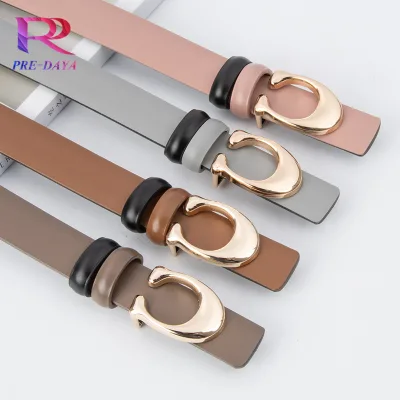
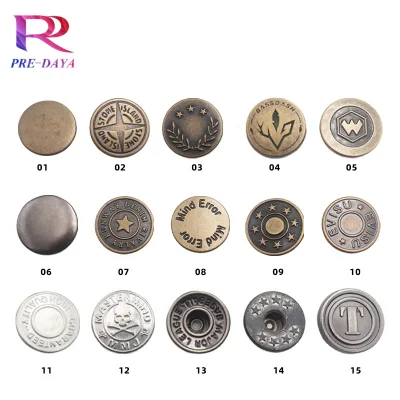


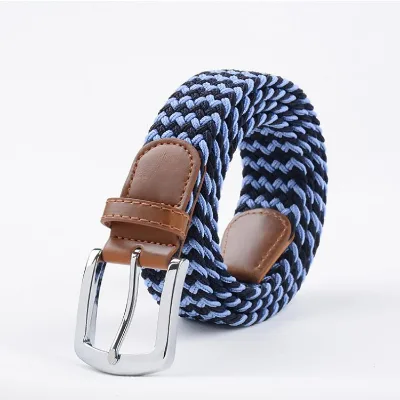
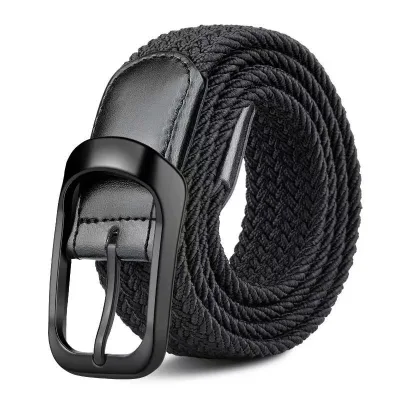


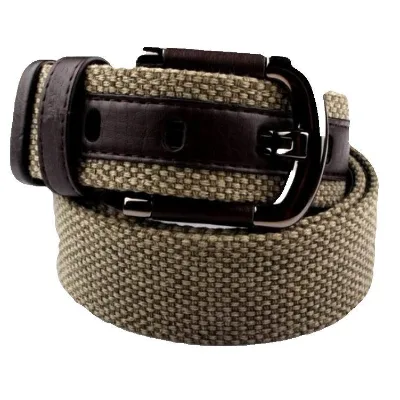
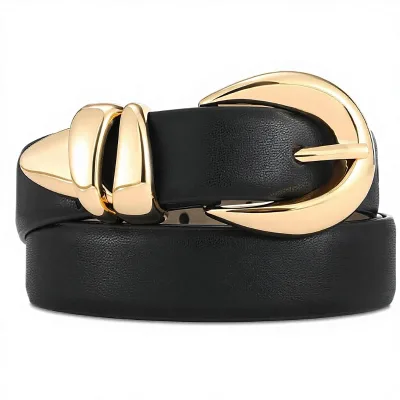
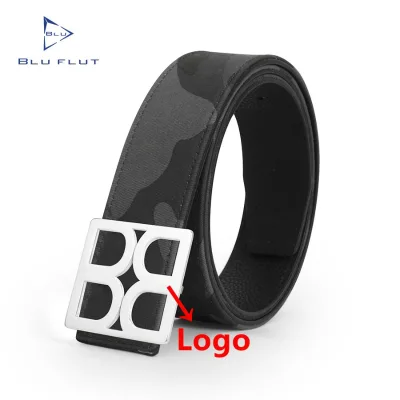
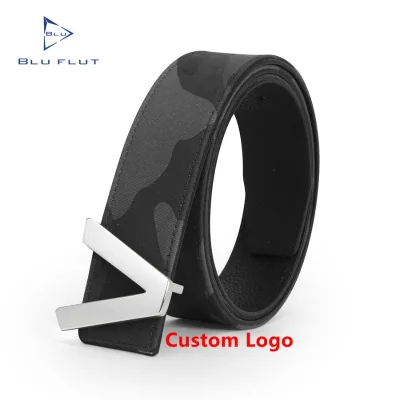




Comprehensive Sourcing Guide
Eco-Friendly Metal Jeans Belt Supplier Concentration and Factory Types
China dominates the visible supply base for Eco-Friendly Metal Jeans Belt hardware, and the current results point to two provinces worth understanding. Zhejiang-based listings cover a broad trim package — fabric, lace, tape, zippers, sewing thread, buttons and garment accessories — with company types ranging from pure trading companies to combined manufacturer-factory operations. Guangdong-based listings concentrate on metal hardware itself: metal plates, snap hooks, buckles, dog tags, keychains and zipper pullers, often from combined trading-and-manufacturing entities. This split matters because a belt is rarely just a strap; the pin buckle, the jeans button and the strap material often come from different specialist suppliers.
When results do not reveal a cluster, identify concentration yourself rather than assuming. Filter search results by province, then check whether the main-product lines of each company match belt hardware or general garment trims. A factory whose catalogue lists buttons, rivets and buckles alongside metal plates is more likely to own tooling for belt components than a trading company listing thousands of unrelated trims. Note company type labels carefully: "Trading Company" suggests an intermediary who may add cost but broaden options, "Manufacturer/Factory" suggests direct production, and "Combined" entities often do both. Ask each shortlisted candidate directly which parts they manufacture in-house and which they subcontract, since the label alone does not prove where your buckles, buttons or straps will actually be made.
How to Verify Eco-Friendly Metal Jeans Belt Suppliers
Verification should start with the credentials actually displayed in supplier results, then extend to claims the buyer must confirm independently. One Guangdong hardware supplier shows an ISO9001:2015 system certificate and third-party verification by TÜV Rheinland, while a Zhejiang supplier lists ISO 14064 — a standard related to greenhouse-gas accounting, which is relevant if your eco friendly claim rests on carbon data. Do not treat any certificate as proof of product-level eco compliance; system certificates audit management processes, not individual buttons or belts. For eco claims specifically, ask which substance restrictions the products meet and request test reports. One product listing claims SGS testing with nickel, lead and cadmium free results — useful as a starting point, but you should verify the report is current, applies to your exact plating, and covers the full restricted-substance list your market requires.
Beyond certificates, check verifiable operational signals. Confirmed export experience — one listing states eight years — suggests familiarity with documentation and international shipping, but ask for references or repeated-order evidence. Check whether the supplier holds stock or works to order: results show both "Stock" and "Not Stock" statuses across jeans button listings, which directly affects sample speed and reorder reliability. Confirm customization capability in writing, since several listings state customization is available with color matching, yet "not stock" production means lead times depend entirely on scheduling. Finally, request a live sample of the exact buckle and button configuration, and independently test nickel release if your destination market regulates it, because plating chemistry varies batch to batch even within one factory.
What to Compare Across Eco-Friendly Metal Jeans Belt Suppliers
Build a comparison sheet from attributes suppliers actually display, while accepting that not every listing shows every field. Quantitative fields visible in current results include lead time (15 days on one Guangdong hardware supplier versus 30 days on a Zhejiang trim supplier), response time (roughly 5 to 17 hours across listings), minimum order quantity (500 sets on one snap-button listing versus 10,000 pieces on another jeans button listing), and price ranges where shown. Do not rank suppliers on a single number: a low MOQ with a slow response time may serve a sampling phase better than a high-capacity supplier who answers quickly but requires volume commitments.
Qualitative fields deserve equal weight. Company type and location tell you whether you are dealing with a factory, a trader, or a combined entity, and whether hardware and trims sit in one province or must be consolidated. Main-product breadth signals fit: a supplier whose catalogue runs from zippers to sewing machine parts is a consolidation partner, while one listing only metal snap buttons and custom metal jeans buttons is a specialist. Check RD capacity labels such as OEM and ODM — both appear in current results — if you need custom buckle designs rather than catalogue items. Also compare packing terms (one listing specifies 1000 pieces per carton), size ranges (17mm and 20mm appear repeatedly for jeans buttons), and whether sample orders are supported on short timelines. Record what each supplier does not display, then ask for those values directly rather than assuming parity.
Common Eco-Friendly Metal Jeans Belt Sourcing Risks
The largest risk in this category is the eco claim itself. "Eco-Friendly" appears as a product feature on belt listings, but it is an unregulated marketing label unless tied to a specific test, standard or material declaration. A pin buckle described as eco friendly may simply be a standard plated metal buckle; verify what makes it so — restricted-substance compliance, recycled content, or a low-emission process — and get it in writing. Plating is a second risk: gun metal and other finishes involve chemical baths, and claims such as rustless, non-fade and washable on one listing need wash-testing against your own garment's care instructions, since belt hardware endures laundering cycles the listing may never simulate.
Third, mismatch between component suppliers creates consistency risk. If the buckle comes from a Guangdong hardware specialist and the strap from a Zhejiang trim supplier, color matching and metal-to-fabric finish alignment must be coordinated across two QC processes. Fourth, stock status is a hidden risk: listings marked "Not Stock" mean every reorder triggers full production, so a supplier fast today may be slow next quarter. Fifth, MOQ asymmetry can trap small buyers — one component at 500 sets and another at 10,000 pieces means the buttons dictate your order size. Finally, remember that visible credentials can be partial: system certification without product test reports, or verified status without eco documentation, leaves gaps. Close each gap with document requests tied to your actual product configuration and destination-market rules, not with generic supplier assurances.
Eco-Friendly Metal Jeans Belt Regional Sourcing and Logistics
The two provinces in current results imply different logistics patterns. A Guangdong hardware supplier quoting a 15-day lead time benefits from one of China's densest metal-finishing and export ecosystems, typically with straightforward container consolidation through southern ports. A Zhejiang trim supplier quoting 30 days reflects a broader product mix — fabric, lace, tape, zipper and thread — where your belt may be one line item among many and production scheduling is less dedicated. Neither figure is a promise for your order; both quotes predate your specification, and customized patterns or platings, as noted on "Not Stock" listings, will extend quoted times.
Plan logistics around consolidation. If you source buckles, jeans buttons and straps from separate provinces, decide who consolidates: a freight forwarder combining shipments, one supplier gathering the others' goods, or split direct shipments to your warehouse. Confirm packing specifications early — one listing defines carton dimensions (34 by 28 by 16 cm at 1000 pieces), which is the level of detail you need to calculate container fill. For samples, one belt listing supports 7-day sample order lead time, a useful benchmark when comparing responsiveness, but note it applies to sample orders, not production. Ask each supplier about export documentation experience, since eco claims may require supporting paperwork at customs or for retailer compliance. Finally, clarify Incoterms and who handles export clearance before comparing quoted prices, because a lower unit price with excluded logistics can cost more delivered than a higher quoted price with fuller terms.
Eco-Friendly Metal Jeans Belt Commercial Terms and Order Planning
Order planning should reconcile the MOQ, lead time and price structures visible across the category. Current results show a wide spread: 500 sets for metal snap buttons from a stock-holding Guangdong supplier, 10,000 pieces for customizable jeans buttons from a Zhejiang supplier, and unit prices ranging from roughly $0.01–0.02 for basic metal buttons to $3.89 for a finished 105 cm pin-buckle belt. These are listing prices, not quotes for your specification; treat them as negotiation anchors. Where price ranges are absent, request tiered quotations at several volumes so you can see where MOQ concessions and price breaks actually occur, and ask whether sample costs are credited against first orders.
Structure terms to protect the eco positioning of the product. Make restricted-substance test reports a condition of payment milestones, specify plating color and finish standards in the purchase contract (gun metal appears as a documented plating option on one listing), and define acceptable color-matching tolerance since multiple listings promise color matching without stating tolerance levels. Confirm packing terms contractually — normal packing versus customer-requested packing is offered on one listing, and carton specifications affect both freight cost and retail-ready delivery. Agree on a reorder protocol before the first order: because some listings are explicitly not stock items, lock in production-slot reservations or maximum lead-time commitments for repeat orders. Finally, verify payment protections available on the platform you use, such as escrow-style arrangements where offered, and never commit full prepayment on a first order involving custom eco plating or untested finishes.
FAQs
What materials and finishes are common for Eco-Friendly Metal Jeans Belt buckles?
Most Eco-Friendly Metal Jeans Belt buckles are made of metal with eco-friendly features noted in supplier listings. Pin buckle styles are common, and metal jeans buttons in the same category often come with plating options such as gun metal. Buyers should request material composition details, plating specifications, and any testing documentation before confirming an order.
Can suppliers provide custom logos or patterns on metal jeans buttons and buckles?
Yes, customization is available on many listed metal jeans buttons and buckles. Suppliers indicate that customized patterns, size and shape options, and color matching are supported, with OEM and ODM design work welcomed. To proceed, prepare your artwork or logo file, confirm size requirements such as 17mm or 20mm, and ask the supplier to quote sample and production costs.
What is the typical minimum order quantity for custom metal jeans buttons?
Minimum order quantities vary by product and supplier. Some listed metal snap buttons have an MOQ of 500 sets, while other metal jeans button models list an MOQ of 10000 pieces. Stock items usually carry lower thresholds than made-to-order designs, so confirm the MOQ for your specific finish, size, and customization level before requesting samples.
How long do production and delivery usually take for jeans buttons and belt buckles?
Lead times in the current supplier results range from about 15 to 30 days depending on the supplier. Some suppliers also support 7-day sample order lead times, which helps you evaluate quality quickly. Final timing depends on customization complexity, order quantity, and shipping method, so confirm the exact production schedule and sample availability in writing.
Which tests or certifications should I ask for on metal trims?
Ask suppliers for test reports covering nickel, lead, and cadmium content, as some listed products reference SGS testing confirming these substances are free. System certifications such as ISO9001:2015 or ISO 14064 may also appear on supplier profiles. Always request current certificates directly and verify their validity, since certifications shown on a listing should be confirmed before ordering.
Where are the main sourcing hubs for metal jeans buttons and buckles?
The suppliers in these results are located in Zhejiang and Guangdong, China, both established regions for garment trims and accessories. These clusters offer access to buttons, buckles, zippers, and related hardware from manufacturers and trading companies. When comparing options, factor in supplier location alongside lead time, response speed, and product range to find the best overall fit.
How quickly do suppliers typically respond to inquiries?
Response times recorded for the listed suppliers range from roughly 5 hours to just over 17 hours. Faster responders are helpful during sampling and repeated design revisions. When shortlisting, note each supplier's response speed, then test it yourself with a detailed inquiry covering your sizes, finishes, quantities, and target delivery date to gauge reliability.
Are metal jeans buttons sold in stock or made to order?
Both options exist. Some metal snap buttons are listed as stock items with lower MOQs of around 500 sets, while several metal jeans button models are listed as not in stock and produced to order. Stock items suit urgent orders and standard finishes, whereas made-to-order production allows custom patterns, sizes, and color matching at higher quantities.