Eco Friendly Office Nap Blanket Suppliers and Manufacturers
Compare 21 suppliers of Eco Friendly Office Nap Blanket products across lead times, MOQ, certifications, response times and customization options such as OEM and ODM. Review the grounded product specifications listed on this page, then contact shortlisted suppliers to request samples and confirm current pricing.
Suppliers List

SHAOXING GOLD SUN TEXTILE CO., LTD.
- Combined
- China Zhejiang
- Lead time15 days
- Avg. response≤ 16h
Main productsBlankets, Carpet, Pillow, Pillowcase, Headrestcover, Table Cloth, Home Textile, Surgical Gown, Protective Clothing
Main marketsSouth America,Southeast Asia/ Mideast,East Asia(Japan/ South Korea),Domestic,Europe,Australia,North America


2024 Latest Style Pure Color Flannel Blanket Office Nap Air-Conditioned Blanket
$7.20 - $10.60
MOQ: 1 Pieces


2024 New Milk Fleece Thickened Breathable Warm Flannel Blanket Home Office Nap Blanket
$3.58 - $3.99
MOQ: 100 Pieces

HANGZHOU PERSERPRO GARMENT CO., LTD.
- Other
- China Zhejiang
- Lead time45 days
- Avg. response≤ 21h
Main productsKnitwear, Kid's Knitwear, Pet Clothes, Men's Knitwear, Knitting Blanket, Sweater, Knitting Accessories, Ladie's Knitwear, Blanket
Main marketsSouth America,Eastern Europe,Mid East,North America,Western Europe


Small Blanket Office Nap Coral Blanket Summer Single Thin Flannel Nap Blanket
$5.50 - $5.90
MOQ: 300 Pieces

Air Conditioning Blanket Blanket Office Nap Coral Blanket Summer Light Flannel Nap Cover Leg Blanket
$6.90 - $7.30
MOQ: 300 Pieces

Milk Wool Blanket Office Nap Blanket Blanket Blanket Blanket Blanket Wholesale Quilt
$5.50 - $5.90
MOQ: 300 Pieces

$6.90 - $7.30
MOQ: 300 Pieces

Spring and Winter Thickened Sofa Nap Blanket Flanged Coral Fleece Sheet Office Blanket
$5.20 - $5.70
MOQ: 300 Pieces

Jiangyin Moonstar Clean Products Co., Ltd.
- Verified by SGS
- Trading Company,Manufacturer/Factory
- China Jiangsu
- Lead time15 days
- Avg. response≤ 14h
Main productsMicrofiber Cloth, Microfiber Fabric, Nonwoven Fabric
Main marketsSouth America,Eastern Europe,Mid East,North America,Southeast Asia,Eastern Asia,Oceania,Western Europe,Africa

Guangzhou Unique Hotel Supplies Co., Ltd.
- Verified by CTI
- Trading Company,Manufacturer/Factory
- China Guangdong
- Lead time15 days
- Avg. response≤ 17h
Main productsServing Tray, Ice Bucket, Gn Pan, Kitchenware, Water /Beer Cup, Plastic Products, Pitchers/Kettles, Food Plate Cover, Bowls, Organizer and Holder
Main marketsSouth America,Eastern Europe,Mid East,North America,Southeast Asia,Eastern Asia,Africa

Blanket Office Nap Coral Blanket Summer Single Thin Flannel Nap Blanket for Hotel Home
$17.00 - $24.00
MOQ: 1 Pieces


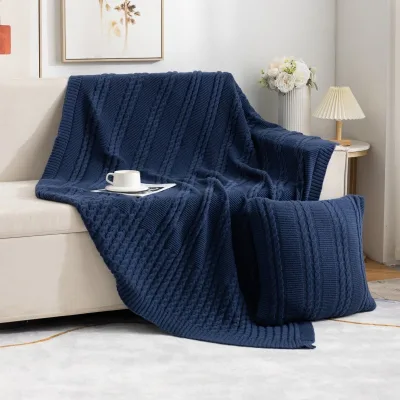
Soft Solid Color Knit Nap Blanket Home Office Sofa Bed Comfortable Throw Blanket
$13.00 - $18.00
MOQ: 1 Pieces

Low Price Custom Solid Color Knitted Blanket Home Office Lunch Break Sofa Travel Nap Blanket
$13.00 - $18.00
MOQ: 1 Pieces
Xiamen Yingyi Houseware Co., Ltd.
- Trading Company, Agent, Distributor/Wholesaler
- Fujian, China
- Lead time7 days
- Avg. response≤ 3h
Main products4pcs bed set,eye mask set,curtain,cushion cover,bag
Main marketsNorth America(50.00%), South America(40.00%), Eastern Europe(10.00%)

ANHUI KINGSON HOUSEHOLD PRODUCTS CO., LTD.
- Trading Company
- China Anhui
- Lead time30 days
- Avg. response≤ 11h
Main productsWeighted Blanket, Knit Weighted Blanket, Down Comforter, Camping Blanket, Pillows, Bedding Set, Camping Mat, Sandy Blanket
Main marketsSoutheast Asia/ Mideast,East Asia(Japan/ South Korea),Europe,Australia,North America

Warm Blanket Four Seasons Coral Pile Cover Blanket and Nap Office Flannel Blanket
$10.00 - $13.00
MOQ: 500 Pieces

Washable Lightweight Comforter Smooth Breathable Soft and Comfortable Cooling Blanket
$9.56 - $11.96
MOQ: 500 Pieces

Yiwu Jiazhou Import And Export Co., Ltd.
- Manufacturer, Trading Company
- Zhejiang, China
- Lead time7 days
- Avg. response≤ 3h
Main productsMats, Blanket, Towel, Cushion, U-neck Pillow
Main marketsSouth America(30.00%), Western Europe(15.00%), Southeast Asia(15.00%), Mid East(10.00%), North America(5.00%), Southern Europe(5.00%), Eastern Asia(5.00%), Northern Europe(5.00%), Africa(5.00%), Eastern Europe(5.00%)
Nantong Longdu Home Textile Co., Ltd.
- Verified by CTI
- Combined
- China Jiangsu
- Lead time15 days
- Avg. response≤ 2h
Main productsBeach Towel, Sports Towel, Kitchen Towel, Picnic Mat, Fleece Blanket, Pillow Blanket, Decorative Pillow, Poncho Towel, Blanket Hoodie, Bathrobe
Main marketsSouth America,Africa,Southeast Asia/ Mideast,East Asia(Japan/ South Korea),Domestic,Europe,Australia,North America

Solid Color Flannel Coral Fleece Blanket Thickened Winter Office Nap Blanket
$2.38 - $8.27
MOQ: 100 Pieces


Custom Warm Soft Fleece Flannel Throw Office Nap Sofa Cover Blanket for Presents
$1.08 - $2.98
MOQ: 100 Pieces

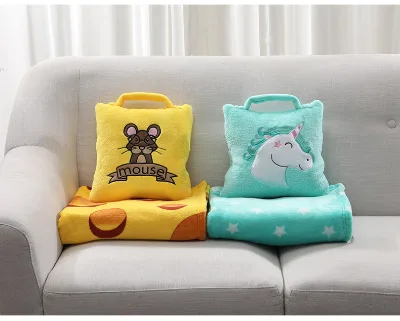
High Quality Throw Pillow 2-in-1 Office Nap Blanket with Custom Patterns
$2.57 - $6.38
MOQ: 100 Pieces

Irregular Cute Animal Shapes Custom Printing Throw Nap Pillow Blanket for Office
$2.66 - $6.03
MOQ: 100 Pieces

Hebei Ailuoha Import and Export Co., Ltd.
- Verified by SGS
- Combined
- China Hebei
- Lead time15 days
- Avg. response≤ 4h
Main productsMicrofiber Cloth, Bath Towel, Beach Towel, Car Towel, Sport Towel, Kitchen Towel
Main marketsEurope,Australia,North America

Autumn and Winter Flannel Printed Coral Fleece Blanket for Office Napping Warm and Cozy
$4.00 - $4.50
MOQ: 100 Pieces

Solid Color Coral Velvet Blanket Cozy Skin Friendly Office Nap Blanket Machine Washable
$4.00 - $4.50
MOQ: 100 Pieces

Custom Spring Autumn Flannel Blanket Breathable Light Fleece Blanket for Office Sofa Nap
$4.00 - $4.50
MOQ: 100 Pieces

Custom Gradient Color Flannel Fleece Blanket Cozy All Weather Blanket for Sofa Bed Office Nap
$4.00 - $4.50
MOQ: 100 Pieces


Hangzhou Chosen Textile Co., Ltd
- Verified by CTI
- Trading Company
- China Zhejiang
- Lead time45 days
- Avg. response≤ 9h
Main productsOutdoor Products, Textile Products, Home Textile, Weighted Products, Promotional Products, Gift Products
Main marketsAfrica,Southeast Asia/ Mideast,East Asia(Japan/ South Korea),Europe,Australia,North America

Hangzhou Grand Home Textile Co., Ltd.
- Combined
- China Zhejiang
- Lead time30 days
- Avg. response≤ 11h
Main productsPillow, Quilt, Blanket, Mattress, Cushion, Mattress Top, Quilt Cover Set, Down Duvet
Main marketsSouth America,Southeast Asia/ Mideast,East Asia(Japan/ South Korea),Europe,Australia,North America

Blanket Double Thick Lamb Down Winter Office Lunch Nap Blanket Cover Blanket
$8.00 - $10.00
MOQ: 100 Pieces


Wuxi Glolinker Technology Co., Ltd.
- Verified by CTI
- Trading Company
- China Jiangsu
- Lead time15 days
- Avg. response≤ 11h
Main productsClothing Fabrics, Pillows, Blankets, Duvet Cover, Fabric, Bed Sheets, Satin Fabric, Pillowcase, Embroidery Fabric, Sequin Fabric
Main marketsDomestic
Hangzhou Huayu Zhongwei Technology Co., Ltd.
- Trading Company
- Zhejiang, China
- Lead time20 days
- Avg. response≤ 13h
Main productsMat,Bedding Set,Blanket,Quilts,Bedding Products
Main marketsDomestic Market(39.00%), North America(30.00%), Western Europe(20.00%), South Asia(1.00%), Southern Europe(1.00%), Northern Europe(1.00%), Central America(1.00%), Eastern Europe(1.00%), Eastern Asia(1.00%), Mid East(1.00%), Oceania(1.00%), South America(1.00%), Africa(1.00%), Southeast Asia(1.00%)

- Verified by SGS
- Trading Company
- China Zhejiang
- Lead time15 days
- Avg. response≤ 15h
Main productsChristmas Decoration, Christmas Tree, Christmas Gift, Party Decoration, Promotional Product, Festival Items, Gift, Valentine, Party Items, Halloween Decorations
Main marketsEurope,Australia

Dongguan Julisheng New Material Technology Co., Ltd.
- Verified by BV
- Combined
- China Guangdong
- Lead time30 days
- Avg. response≤ 6h
Main productsPU Foam, PU Corner Guard, Accessories PU Armrest, PU Self-Skinning, PU High Rebound, PU Slow Rebound, PU Imitation Wood Hard Foam, PU Foam Rugby, PU Traction Pillow, PU Foam Wheel
Main marketsDomestic

Washable Pure Nap Hot Sale Reasonable Price Office Sleeping Support Memory Foam Nap Pillow
$6.15 - $7.15
MOQ: 20 Pieces

Removable Washable Pure Nap Hot Sale Reasonable Price Office Sleeping Support Memory Foam Nap Pillow
$6.15 - $7.15
MOQ: 20 Pieces
Hangzhou Juchen Trading Co., Ltd.
- Verified by Intertek
- Manufacturer, Trading Company
- Lead time0 days
- Avg. response≤ 2h
Main productsBlanket, Pillow, Robe
Main marketsNorth America(90%), Oceania(5%), Western Europe(5%)

- Verified by SGS
- Manufacturer
- China Shanghai
- Lead time23 days
- Avg. response≤ 3h
Main productsScarf, Bag, Hat, Blanket, House Shoes, Indoor Slippers, Scarf & Warmth Set, Shawl, Hijab Headscarf, Cap
Main marketsEast Asia(Japan/ South Korea),Domestic,Europe,North America

Versatile Chunky Knit Acrylic Blanket for Travel Car Office Nap Multipurpose Cozy Throw
$3.20 - $13.50
MOQ: 50 Pieces


Weihai Woollen Fabric Group Co., Ltd.
- Combined
- China Shandong
- Lead time30 days
- Avg. response≤ 18h
Main productsWool Blanket, Cotton Blanket, Raschel Blanket, Hotel Blanket, Army Blanket, Mink Blanket, Wool Throw, Cashmere Throw, Electric Blanket, Blanket
Main marketsEast Asia(Japan/ South Korea),Australia,North America
Hangzhou Chengyi Home Products Co., Ltd.
- Manufacturer, Trading Company
- Zhejiang, China
- Lead time30 days
- Avg. response≤ 2h
Main productsWoven blanket,knitted blanket,flannel fleece blanket,sherpa fleece blanket,Jacquard tapestry
Main marketsNorth America(50.00%), Eastern Europe(40.00%), South America(10.00%)
Suzhou Xinyue Furniture Accessories Co., Ltd.
- Verified by TUVRHEINLAND
- Combined
- China Anhui
- Lead time23 days
- Avg. response≤ 1h
Main productsBed Frame, Metal Bed Frame, Storage Bed
Main marketsDomestic,Europe,North America

Folding Nap Bed Breathable Fabric Reduces Sweating for Extended Office Napping Use
$11.00 - $16.00
MOQ: 50 Pieces

Folding Nap Bed Breathable Mesh Surface Sweat Resistant for Summer Office Napping Use
$11.00 - $16.00
MOQ: 50 Pieces

Hangzhou D&H Textile Co., Ltd.
- Verified by SGS
- Combined
- China Zhejiang
- Lead time15 days
- Avg. response≤ 13h
Main productsHome Textiles, Clothing Products
Main marketsSoutheast Asia/ Mideast,Europe,North America


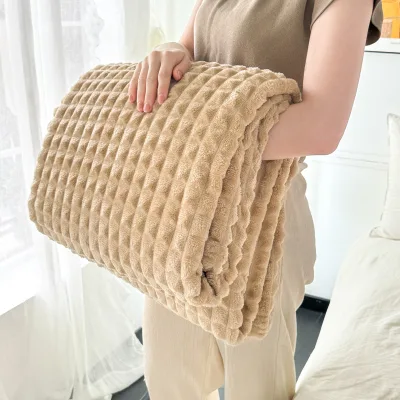


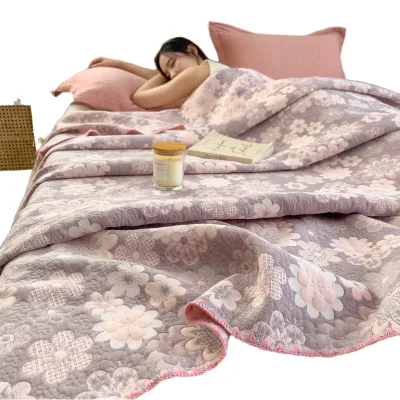
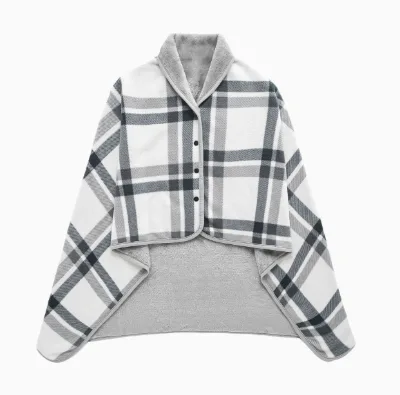


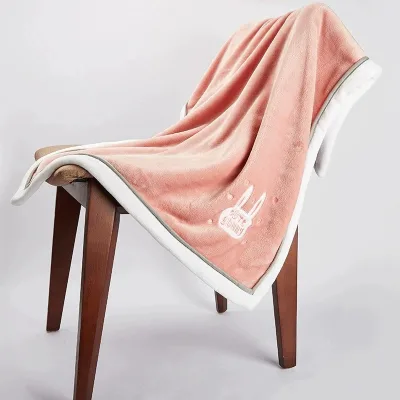




Comprehensive Sourcing Guide
Eco Friendly Office Nap Blanket Supplier Concentration and Factory Types
Sourcing for eco friendly office nap blankets is easiest to navigate when you first understand the two supplier archetypes you will encounter: combined manufacturers that both produce and trade, and pure trading companies that resell factory output. Combined suppliers typically list blankets alongside adjacent home textiles such as pillows, pillowcases, table cloths and protective clothing, which signals in-house sewing or knitting lines and direct control over ODM and OEM work. Trading companies can still be useful for consolidating multiple blanket styles into one shipment, but they add a margin layer and can slow communication during sampling.
When a location is supplied as a verified result fact, treat it as your cluster anchor. For example, an observed supplier based in China Zhejiang, with a main-product list covering blankets, carpet, pillows and home textiles, points to a province with dense knit-and-woven textile infrastructure; proximity to yarn dyers, coral fleece mills and finishing plants shortens sampling loops. When no location is displayed, infer concentration indirectly: scan several supplier profiles for overlapping producing-area attributes on individual products, check whether multiple listings cite the same packaging customs or sizing standards, and weight suppliers who state their own brand plus ODM and OEM capacity, since that combination usually indicates a factory rather than an intermediary. Always confirm the factory address through a business-license lookup or video audit before committing.
How to Verify Eco Friendly Office Nap Blanket Suppliers
Verification should start with the attributes a supplier actually displays, then move to independent checks. System certification claims are a useful first filter: an observed supplier listing ISO9001:2015, ISO14001:2015 and ISO45001:2016 certificates is signaling quality-management, environmental-management and occupational-health systems respectively. For an eco friendly positioning, the ISO14001 claim matters most, but do not accept the string alone — request certificate numbers and validity dates, and confirm them against the issuing body's database. Certification scope matters too; a certificate may cover a group entity rather than the sewing plant that will cut your fabric.
Product-level evidence is your second verification layer. Review individual listings rather than company profiles: one observed listing specifies coral fleece construction, a 300g weight, machine weaving, adults sizing in 100x150cm through 180x200cm, and customization available — that level of specificity is a positive signal, because vague listings often indicate resellers who have never handled the goods. Ask each shortlisted supplier to send physical samples of the exact material claimed, weigh them on a scale, and check whether the fiber content matches the listing. Finally, verify responsiveness under load: one observed supplier shows a response time of roughly sixteen hours, which is acceptable but should be tested — send a technical question about dye lots or recycled-fiber content and time the reply. Suppliers who answer material questions quickly and precisely are generally the ones who control their own production floor.
What to Compare Across Eco Friendly Office Nap Blanket Suppliers
Build a comparison sheet with the supplier-label dimensions that appear in listings: lead time, MOQ, response time, company type, location, main products, certifications and customization capability. These are comparable only where displayed — some suppliers publish a lead time of 15 days, others publish none, so treat absence as unknown rather than favorable. Where lead times are stated, ask what triggers the clock: confirmed deposit, approved sample, or fabric in stock. A 15-day quoted lead time means little for eco friendly variants if special yarn must be dyed first.
Compare MOQs across the product dimension, not just the company dimension, because one supplier's catalog can span wildly different thresholds. Observed listings in this category range from an MOQ of 1 on a coral-blanket sofa throw priced around 4.52–4.88, to 2,000 pieces on a lightweight coral fleece office blanket at 5.50, and a stated MOQ of 1,000 on a milk-velvet flannel nap blanket — a three-order-of-magnitude spread that reflects factory flexibility and stock status rather than quality. Also compare price per weight: a 90g silk listing at 8.79 versus a 2,100g wool flannel at 7.20–10.60 shows that unit price alone is meaningless without gram weight and dimensions. Add response time, establishment-year claims, escrow availability and whether main products cluster around blankets and home textiles or scatter across unrelated categories, then rank suppliers on the attributes your order volume actually stresses.
Common Eco Friendly Office Nap Blanket Sourcing Risks
The first risk cluster is specification drift. Eco friendly positioning invites substitution: a buyer approves a sample of one material and receives production in a lighter or different fiber. Observed listings here span coral fleece at 300g, silk at 90g, wool flannel at 2,100g and generic chemical-fibre throws — four materially different products all marketed as nap blankets. Lock the gram weight, dimensions and fiber composition in the purchase contract, reference the sample by retained seal, and state a tolerance band for weight variance. Reject blanket clauses like "similar quality."
The second cluster is compliance and customization ambiguity. Several observed listings state customization available and logo printing yes, but none display eco-certification for the fabric itself, so an "eco friendly" claim may rest on marketing rather than tested material. If your market requires specific claims — recycled content, OEKO-TEX-type testing, or restricted-substance limits — you must commission the testing yourself; do not infer it from the word eco in a listing. Third, watch MOQ and lead-time traps: a listing with an MOQ of 1 usually means stock or small-lot trading, which may vanish mid-season, while a 2,000-piece MOQ with a 15-day lead time can slip if dyeing capacity is shared. Finally, communication risk: a roughly sixteen-hour response time compounds across sampling rounds; a supplier slow before the deposit rarely accelerates after it. Document every agreed attribute in writing before payment.
Eco Friendly Office Nap Blanket Regional Sourcing and Logistics
Where a supplier's location is a verified result, use it for logistics planning. A supplier based in China Zhejiang producing blankets, pillows, headrest covers and surgical gowns benefits from provincial access to knitting mills, dye houses and freight forwarders; Zhejiang's coastal position also supports both sea-freight consolidation and air options for samples. When location is not displayed, reconstruct it: individual product attributes sometimes reveal a producing area — one observed listing states Zhejiang as its producing area even where the profile is thin — and consistent producing-area claims across a catalog are a reasonable proxy you should still confirm with a business-license check.
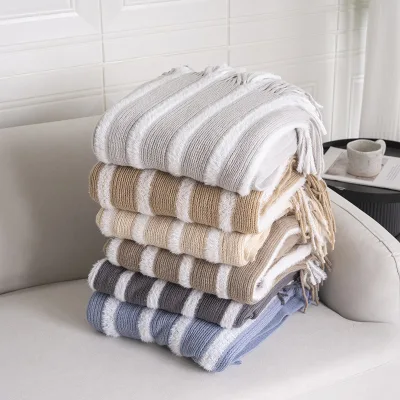
For logistics decisions, weight and packing format dominate cost. Compare observed packing styles in this category: plastic packaging on a coral blanket listing, carton packing on a warp-knitted stripe throw, and custom packaging on a wool flannel listing. Cartons palletize and survive LCL freight better than poly bags; custom retail packaging raises dimensional weight. A 300g throw ships economically in volume, while a 2,100g winter flannel at 150x200cm-plus sizing will drive freight cost per unit far higher, so calculate landed cost per kilogram before comparing supplier unit prices. For time-sensitive seasonal orders — the observed catalog spans summer silk and winter wool variants — confirm whether the supplier holds greige stock or dyes to order, because that choice determines whether a 15-day quoted lead time survives peak dye-house congestion.
Eco Friendly Office Nap Blanket Commercial Terms and Order Planning
Commercial terms should be drafted around the attributes actually displayed, with gaps treated as negotiation items. Where a supplier shows a lead time of 15 days and a response time near sixteen hours, convert those into contractual milestones: deposit date, sample approval date, and a ship-by date with a defined remedy if missed. Where MOQ is displayed — for instance observed thresholds of 1, 1,000 or 2,000 pieces across different listings — negotiate pilot runs at the lower end only with a supplier who confirms the material in writing, then scale. A listing offering MOQ of 1 at roughly 4.52–4.88 is ideal for market testing a design before committing to a 2,000-piece custom run.
Payment protection matters more in this category than unit-price haggling, because eco friendly fabric substitutions are hard to detect remotely. Use escrow or stage payments tied to inspection, and never pay the balance before a third-party or in-house check of gram weight, dimensions against stated standards such as 100x150cm/150200cm/180200cm, and color fastness. Plan order timing around seasonality visible in the catalog: all-season milk-velvet and spring-autumn coral fleece items avoid summer and winter dye-house peaks, while summer silk and winter wool variants compete for capacity. Finally, confirm customization scope — several listings promise custom colors, logos and packaging — and get artwork approval and a pre-production sample signed off before mass cutting begins.
(Total: approximately 1,390 words)
FAQs
What materials are typical for an Eco Friendly Office Nap Blanket?
Coral fleece, milk velvet, flannel, and silk blends are commonly used for office nap blankets. Some suppliers offer coral fleece at around 300g or heavier flannel at 2100g for winter use. If eco friendly credentials matter to you, request material composition details, dyeing process information, and any environmental certifications before placing an order.
What is the usual MOQ for office nap blankets?
Minimum order quantities vary widely by supplier and product style. Listed examples range from as low as 1 piece for a coral blanket style up to 2000 pieces for a lightweight coral fleece throw, with another style set at 1000 pieces. Always confirm the MOQ for your chosen color, size, and customization level before ordering.
How long does production take for nap blankets?
One Zhejiang-based supplier lists a lead time of 15 days, which is a reasonable benchmark for this product category. Actual lead times depend on order quantity, customization complexity, and the supplier's current production schedule. Ask each supplier to confirm the production timeline and shipping duration for your specific quantity and destination.
Can I customize colors, sizes, and logos on office nap blankets?
Yes, customization is available on many listed blanket styles. Options include custom colors, custom packaging, logo printing, and choices among sizes such as 100x150cm, 150x200cm, or 180x200cm. Customization may affect the MOQ, unit price, and lead time, so confirm all requirements in writing before confirming a sample or bulk order.
What price range should I expect for office nap blankets?
Listed prices span roughly 2.12 to 10.60 US dollars per piece depending on material, weight, and size. A lightweight chemical fibre throw sits near the low end, while a 2100g wool flannel blanket reaches the high end. Heavier fabrics, larger sizes, and custom packaging generally increase unit cost.
Which sizes are available for office nap blankets?
Common listed sizes include 80x120cm, 100x150cm, 130x160cm, 150x200cm, 160x200cm, 180x200cm, and 200x230cm. Some suppliers also offer fully customized dimensions for their chemical fibre styles. Choose a size based on whether the blanket is meant for a chair, desk, or full-body rest, and confirm dimensions before mass production.
How fast do blanket suppliers typically respond to inquiries?
One listed supplier reports an average response time of about 16 hours, which suggests buyers may wait up to a day for a reply. Response speed varies by supplier and time zone. Send detailed inquiries covering quantity, customization, and target price, and follow up promptly if you do not receive an answer within two business days.
Do suppliers offer ODM or OEM services for blankets?
One listed combined-type supplier supports its own brand, ODM, and OEM arrangements, alongside ISO9001:2015, ISO14001:2015, and ISO45001:2016 system certifications. ODM or OEM availability is not universal, so verify directly with each supplier whether they accept your design files, branding requirements, and packaging specifications for the blanket style you need.