Eco-Friendly Organic Cotton Fabric Suppliers and Manufacturers
Discover 18 verified suppliers offering Eco-Friendly Organic Cotton Fabric with options for ODM and OEM services. Buyers can compare locations in China, response times, lead times, and product certifications like ISO9001. Contact suppliers directly to request samples and confirm pricing details.
Suppliers List
Nantong Oulai Trading Co., Ltd.
- Verified by SGS
- Combined
- China Jiangsu
- Lead time23 days
- Avg. response≤ 1h
Main productsHome Textile Fabric, Cotton Fabric, Tencel Fabric, Washed Cotton, Double-Layer Yarn Fabric, Polyester Fabric, Nylon Fabric, Knitted Fabric, Woven Fabric, Jacquard Fabric
Main marketsSoutheast Asia/ Mideast,Australia


Premium Quality Eco Friendly Natural Pure Hypoallergenic Safe 100% Cotton Fabric
$2.20 - $2.40
Moq: 200


Ningbo Yuena Import & Export Co., Ltd.
- Verified by TUVRHEINLAND
- Trading Company
- China Zhejiang
- Lead time23 days
- Avg. response≤ 3h
Main productsLace, Thread, Button, Ribbon, Zipper, Tailors Materials, Fabric, Reflective Materials, Sewing Machine Part, Bra Parts
Main marketsSouth America,Africa,Southeast Asia/ Mideast,Europe,North America

- Trading Company,Manufacturer/Factory
- China Shandong
- Lead time45 days
- Avg. response≤ 25h
Main productsHemp Fabric, Hemp Twine/Cord/Rope, Hemp Clothing, Hemp Yarn, Linen Fabric, Organic Cotton Fabric, Baby Cloth Diaper, Bamboo Fabric, Bamboo Towel /Scarf, T/R/Sp Fabrics
Main marketsSouth America,Eastern Europe,Mid East,North America,Southeast Asia,Eastern Asia,Oceania,Western Europe,Africa

Beijing Fabric Garden Textile Trade Center
- Verified by SGS
- Trading Company
- China Beijing
- Lead time30 days
- Avg. response≤ 19h
Main productsYarn Dye Jacquard Woven Fabric, Bamboo Tencel Modal Fabric, Flame Retardant Nano Functional Fabric, Knit Jersey Fabric, Wool Silk Fabric, Organic Cotton Fabric, Cotton Bamboo Viscose T/R T/C Yarn, Bonded Fabric Para-Aramid, Denim Fabric Modacrylic Yarn, Linen Ramie Hemp Fabric
Main marketsSouth America,Europe,North America

Bamboocell Organic Cotton Canvas Fabric-Bamboocell® -Functional Bamboo Fiber Fabrics
$4.50 - $5.50
Moq: 3000


Qingdao Chifang Textile and Industry Co., Ltd.
- Verified by SGS
- Trading Company,Manufacturer/Factory
- China Shandong
- Lead time45 days
- Avg. response≤ 11h
Main productsHotel Bed Linen/White Fabric, Cotton Fabric, Bathrobe, Quilt Cover, Bedding, Pillow, Bath Towel/Hand Towel, Bedspread, Slippers, Carpet Floor Mats
Main marketsSouth America,Eastern Europe,Mid East,North America,Eastern Asia,Western Europe

DEZHOU JUNXIANG TEXTILES CO., LTD.
- Trading Company
- China Shandong
- Lead time15 days
- Avg. response≤ 5h
Main productsUniform Fabric, Pocketing Fabric, Shirt Fabric, Greige Fabric, Polyester Cotton Fabric, Polyester Viscose Fabric, Spandex Fabric, Cotton Fabric, Garment Fabric, Functional Textiles
Main marketsSouth America,Africa,Southeast Asia/ Mideast,East Asia(Japan/ South Korea),Domestic,Europe,Australia,North America

Chibi Xiangyuan Special Fabric Co., Ltd.
- Verified by BV
- Trading Company,Manufacturer/Factory
- China Hubei
- Lead time23 days
- Avg. response≤ 8h
Main productsFlame Retardant Fabric, Antistatic Fabric, Acid & Alkali Resistant Fabric, Workwear Fabric, 100% Cotton Fabric, Fr Fabric, Textile, Function Fabric
Main marketsSouth America,Eastern Europe,Mid East,North America,Southeast Asia,Eastern Asia,Oceania,Western Europe,Africa
Shandong Maybon Textiles Co., Ltd
- Verified by CTI
- Trading Company
- China Shandong
- Lead time23 days
- Avg. response≤ 9h
Main productsBed Sheet Fabric, Polyester Cotton Blended Fabric, Cotton Fabric, Linen Fabric, Bed Set, Bamboo Fabric, Home Textile Fabric, Hotel Bed Sheet, Hotel Linen
Main marketsEast Asia(Japan/ South Korea),North America
Laizhou Jinhong Textile Co., Ltd.
- Combined
- China Shandong
- Lead time23 days
- Avg. response≤ 5h
Main productsPP Spunbond Nonwoven Fabric, Weed Mat, Nonwoven Fabric, Landscape Fabric, Ground Cover, Weed Control Fabric, Plant Cover, Disposable Coverall
Main marketsEast Asia(Japan/ South Korea),Europe,North America

Hebei Changjin Textile Co., Ltd.
- Verified by BV
- Trading Company
- China Hebei
- Lead time30 days
- Avg. response≤ 2h
Main productsUniform Fabric, Flannel Fabric, Pocketing Fabric, Yarn Dyed Fabric, Shirting Fabric, Cotton Spandex Fabric, Poly Rayon Fabric
Main marketsSouth America


100% Organic Cotton Jacquard Fabric Custom Breathable Dyeing Printing Custom Fabric
$1.80 - $2.15
Moq: 3000


Hebei Shuolan Industrial Co., Ltd.
- Verified by BV
- Combined
- China Hebei
- Lead time15 days
- Avg. response≤ 6h
Main productsCotton Tc CVC Fabric & Greige, Shirt Fabric, Pocketing/Lining Fabric, Uniform Fabric, Medical Fabric, Mask, Home Textile, Towel
Main marketsOthers(foreignTradeCapacity.exportBusinessCapacityMarketOther),Domestic

High Quality Printed Fabric for Clothing Print Workwear Polyester Cotton Fabric
$1.00 - $1.80
Moq: 3000


Eco-Friendly Cotton Shirt Fabric Organic Cotton Recycled Polyester 21*21 60*60 Plain
$0.90 - $1.50
Moq: 3000


Grey Cloth Fabric 50*50 144*80 100% Cotton for Baby Cloth Fabric Soft Fine Fabric
$1.08 - $1.15
Moq: 3000

Shaoxing Yewang Textile Co., Ltd.
- Trading Company
- China Zhejiang
- Lead time15 days
- Avg. response≤ 13h
Main productsRayon Print&Dye Fabric, Cotton Print&Dyed Fabric, Polyester Print and Dyed Fabric, Digital Printing Fabric, Nida Fabric and Abaya Fabric, Garment Fabric and Knitted Fabric, Linen Fabric and Hawaii Design Fabric, Velvet Fabric and Cey Fabric, Flano Fabric and Denim Fabric, Woven Fabric
Main marketsOthers(foreignTradeCapacity.exportBusinessCapacityMarketOther),Southeast Asia/ Mideast,East Asia(Japan/ South Korea)
Shaoxing Ecou Textile Co., Ltd.
- Verified by SGS Group
- Manufacturer, Trading Company
- Lead time15 days
- Avg. response≤ 7h
Main productsOrganic Cotton Dyed & Printed Fabrics, Bamboo Blended Fabrics, Modal fabrics, Lyocel/Tencel Fabrics, Recycled Polyester/Cotton/Nylon Fabrics
Main marketsNorth America(35%), Western Europe(23%), South America(5%)
Yangzhou Rich-You Daily Healthcare Products Co., Ltd.
- Trading Company,Manufacturer/Factory
- China Jiangsu
- Lead time0 days
- Avg. response≤ 4h
Main productsCotton Pads, Cotton Roll, Medical Tape, Kinesiology Tape, All Bandage, Zigzag Cotton, Cotton Ball
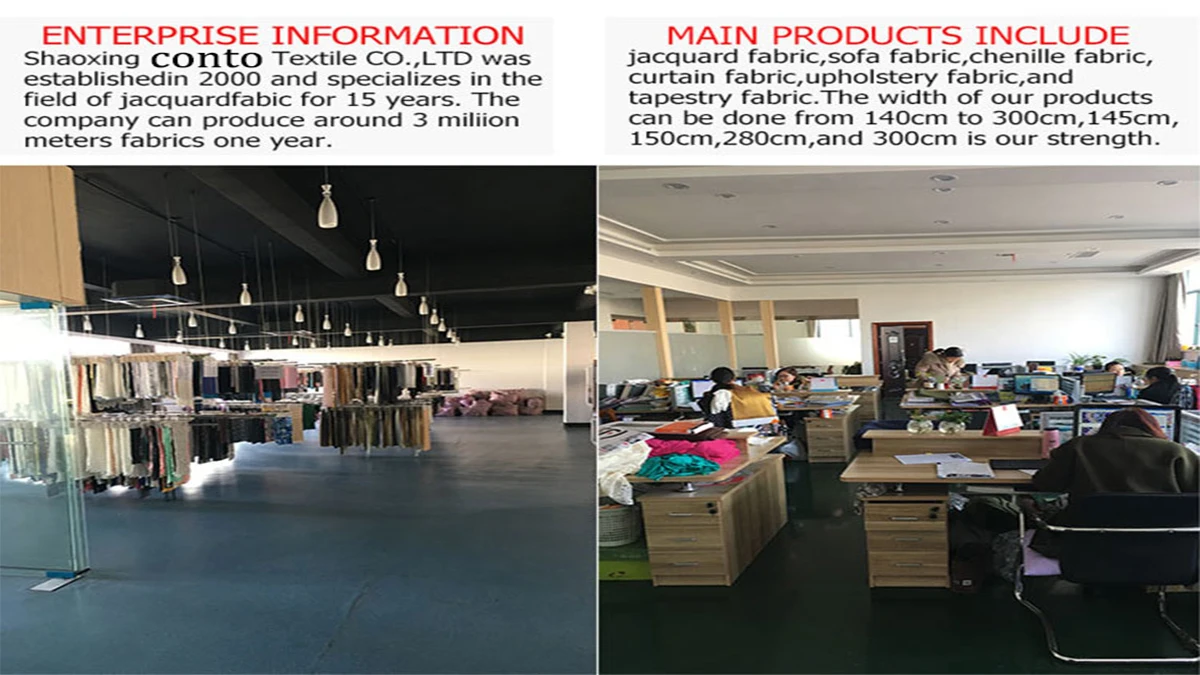
Shaoxing Keqiao Conto Textile Co., Ltd.
- Trading Company
- Zhejiang, China
- Lead time60 days
- Avg. response≤ 7h
Main productssofa fabric,garment fabric,flannel blanket,pu/pvc fabric,curtain
Main marketsSouth Asia(15.0%), Southern Europe(10.0%), North America(10.0%), Eastern Europe(10.0%), Northern Europe(10.0%), Domestic Market(5.0%), Africa(5.0%), Southeast Asia(5.0%), South America(5.0%), Central America(5.0%), Western Europe(5.0%), Eastern Asia(5.0%), Mid East(5.0%), Oceania(5.0%)

Hot Sell Floral Print Fabric 100% Cotton
Contact supplier
Hot Sale Canadian Hemp Organic Tropical Fabric Cotton
Contact supplier

- Trading Company,Manufacturer/Factory
- China Zhejiang
- Lead time23 days
- Avg. response≤ 5h
Main products100% Polyester Fabric, Minimatt, Microfiber, Satin, Bed Sheet, Jacquard Fabric, Poly/Cotton, Polyester Staple Fiber, Towel Fabric, Taffeta
Main marketsSouth America,Eastern Europe,Africa

Shandong Aobo Environmental Protection Technology Co., Ltd.
- Combined
- China Shandong
- Lead time23 days
- Avg. response≤ 7h
Main productsNonwoven Insulation, Batting, Wadding
Main marketsSouth America,Africa,Southeast Asia/ Mideast,East Asia(Japan/ South Korea),Domestic,Europe,Australia,North America
Dongguan Xinlang Textile Technology Co., Ltd.
- Verified by BV
- Combined
- China Guangdong
- Lead time15 days
- Avg. response≤ 5h
Main marketsSoutheast Asia/ Mideast,Domestic,Europe,Australia,North America




Comprehensive Sourcing Guide
Eco-Friendly Organic Cotton Fabric Supplier Concentration and Factory Types
Current data indicates a concentration of suppliers in China, specifically within the Jiangsu and Zhejiang provinces, which serve as primary hubs for textile manufacturing. These regions host a mix of combined entities and trading companies that specialize in home textile fabrics, cotton materials, and sustainable organic options. The Jiangsu cluster often features suppliers offering ODM and OEM capabilities, suggesting a strong manufacturing base capable of handling custom production runs for organic cotton fabrics. In contrast, the Zhejiang presence includes trading companies that may source from various factories while maintaining their own brand identities, offering a different layer of supply chain flexibility.
Buyers should identify these clusters by examining the specific location data provided in supplier profiles rather than assuming a single dominant region. When a supplier lists a location such as Nantong in Jiangsu or specific cities in Zhejiang, it signals proximity to established textile infrastructure. However, if location details are absent or vague, buyers must verify the actual factory site through direct inquiry. The distinction between a combined manufacturer and a trading company is critical; manufacturers typically control the weaving and finishing processes, while trading companies aggregate products from multiple sources. Understanding this structural difference helps buyers align their sourcing strategy with their need for direct factory access versus a broader product range.
How to Verify Eco-Friendly Organic Cotton Fabric Suppliers
Verification of supplier credibility relies heavily on third-party audit results and system certifications rather than self-declared claims. Some suppliers in the current results display verification badges from recognized bodies like SGS or TÜV Rheinland, which provide a baseline level of confidence regarding their business operations and product quality. Additionally, specific system certifications such as ISO9001:2015 and ISO14001:2015 are present in certain profiles, indicating adherence to international quality and environmental management standards. These credentials are essential for buyers seeking eco-friendly materials, as they suggest a commitment to sustainable practices and consistent manufacturing controls.
Buyers must actively cross-reference these verification statuses with the specific product attributes listed, such as organic certification or material composition. While some profiles explicitly mention "Sustainable Organic Cotton" or "100% Natural Cotton," the absence of a specific organic certification label like GOTS in the provided data means buyers cannot assume compliance without further proof. It is crucial to request valid certificates directly from the supplier for any organic claims, as the presence of a general verification badge does not automatically validate the organic nature of the specific fabric batch. Furthermore, checking the response time, which varies from 0.26 to 2.05 hours in current data, can serve as a proxy for operational responsiveness and the likelihood of receiving timely documentation during the verification process.
What to Compare Across Eco-Friendly Organic Cotton Fabric Suppliers
When evaluating potential partners, buyers should prioritize comparing lead times, minimum order quantities (MOQ), and response speeds to ensure alignment with project timelines. Current data shows lead times ranging from 10 to 23 days, with some suppliers offering faster turnaround for specific items like eco-friendly lace or standard cotton fabrics. MOQs also vary significantly, with some suppliers requiring as little as 150 meters while others set thresholds at 500 meters. These differences directly impact inventory planning and cash flow, making it essential to match supplier capacity with order volume requirements. Response times, observed between 0.26 and 2.05 hours, further indicate how quickly a supplier can address inquiries or resolve production issues.
Beyond logistical metrics, buyers must compare product specifications such as weave type, thread count, and customization options to ensure the fabric meets technical requirements. Available data highlights variations in weave types including Sateen, Percale, and Twill, alongside thread counts ranging from 300tc to 1000tc. Customization availability is a key differentiator, with some suppliers offering digital printing services and others providing standard plain dyed options. Price ranges also differ, with some products listed between $1.80 and $4.20 per unit, reflecting differences in material quality, processing techniques, and order volume. Buyers should create a comparison matrix that weighs these technical and commercial factors against their specific application needs, such as home textile use or garment manufacturing, to select the most suitable supplier.
Common Eco-Friendly Organic Cotton Fabric Sourcing Risks
One significant risk involves the discrepancy between marketing claims and actual material composition, particularly regarding organic certification. While product keywords often include terms like "Eco Friendly" or "Organic," the absence of specific third-party organic certification data in some profiles creates a risk of receiving conventional cotton labeled as organic. Buyers must verify that the "100% Natural Cotton" or "Long-Staple Cotton" claims are backed by valid chain-of-custody documentation. Without this verification, the product may not meet the sustainability standards required for specific markets or consumer expectations, potentially leading to compliance issues or brand reputation damage.
Another risk stems from inconsistent quality control and production standards across different supplier types. Trading companies may aggregate products from various factories, leading to variability in fabric weight, width, and finishing quality that is harder to control than in a direct factory relationship. The data shows variations in packing methods, such as roll packing versus folding in cartons, which can affect fabric condition during transit. Additionally, the lack of standardized response times and lead times across the supplier pool introduces uncertainty in delivery schedules. Buyers should mitigate these risks by requesting pre-shipment samples and conducting third-party inspections to ensure the final product matches the agreed-upon specifications for thickness, hand feel, and durability.
Eco-Friendly Organic Cotton Fabric Regional Sourcing and Logistics
Sourcing from the identified regions of Jiangsu and Zhejiang offers logistical advantages due to established port infrastructure and specialized textile supply chains. Suppliers in Nantong, Jiangsu, and various locations in Zhejiang benefit from proximity to major shipping hubs, which can streamline the export process for international buyers. The concentration of manufacturers in these areas often results in competitive freight rates and faster transit times for raw materials and finished goods. However, buyers must confirm the specific origin listed in the product attributes, as some entries mention multiple origins like "Zhejiang/Guangzhou," which could imply a more complex logistics chain involving multiple handoffs.
Buyers should also consider the impact of regional production capacity on lead times and order flexibility. The data indicates that some suppliers offer "Make-to-Order" capabilities with lead times as short as 10 to 15 days, while others have longer production cycles. This variability suggests that regional capacity is not uniform, and buyers should plan their orders accordingly to avoid delays. Furthermore, the specific packing standards, such as roll packing or custom carton requirements, vary by supplier and region, affecting how goods are loaded and shipped. Understanding these regional nuances allows buyers to optimize their logistics strategy, ensuring that the fabric arrives in optimal condition and within the desired timeframe for production or retail launch.
Eco-Friendly Organic Cotton Fabric Commercial Terms and Order Planning
Commercial terms for eco-friendly organic cotton fabrics vary significantly in terms of pricing, payment structures, and order flexibility. Current data reveals price ranges from approximately $1.80 to $4.20 per unit, with minimum order quantities starting at 150 meters for some suppliers and rising to 500 meters for others. These commercial terms directly influence the total cost of ownership and the feasibility of small-batch orders. Buyers must carefully calculate the unit cost based on their required volume, as higher MOQs often result in lower per-unit prices but require greater capital commitment. Additionally, the availability of customization services, such as digital printing or specific weave types, may incur additional costs that need to be factored into the budget.
Order planning must account for the specific production capabilities and lead times associated with each supplier. The data shows lead times ranging from 10 to 23 days, with some suppliers offering "Make-to-Order" services that allow for greater customization but potentially longer lead times. Buyers should align their production schedules with these timelines to ensure timely delivery. Furthermore, the presence of escrow services or trade assurance, indicated by verification badges, provides a layer of financial security for the transaction. Buyers should verify the specific terms of these protections and ensure they are clearly defined in the purchase agreement. By carefully analyzing these commercial terms and planning orders around the supplier's capacity, buyers can minimize risks and ensure a smooth procurement process for their eco-friendly organic cotton fabric needs.
FAQs
What is the minimum order quantity for organic cotton fabric?
Minimum order quantities vary by supplier and product type. Some listings require 150 units while others start at 200 or 500 units. Buyers should check specific product pages to confirm the exact threshold before placing an order for sustainable materials.
How long does it take to receive organic cotton fabric orders?
Lead times typically range from 10 to 23 days depending on the supplier and customization needs. Some manufacturers offer faster turnaround for standard items, while custom designs may require additional processing time within the stated delivery window for production.
Where are the main suppliers of organic cotton fabric located?
Major suppliers are located in Jiangsu and Zhejiang provinces in China. Specific origins include Nantong and Guangzhou regions. These areas host factories specializing in woven, knitted, and lace cotton fabrics for global textile markets and industrial applications.
What certifications do organic cotton fabric suppliers hold?
Some suppliers hold ISO9001:2015 and ISO14001:2015 certifications for quality and environmental management. Verification services like SGS and TÜV Rheinland are also available for specific products. Buyers should request current certificates to ensure compliance with safety standards.
Can I customize the design of organic cotton fabric?
Yes, customization is available for many organic cotton fabric listings. Buyers can request specific patterns, colors, and printing services like digital or reactive printing. Customization options include width adjustments and fabric weight specifications to meet unique project requirements.
What is the price range for wholesale organic cotton fabric?
Prices generally range from 1.80 to 4.20 per unit depending on material quality and order volume. Specific products like high-density bedding fabric may cost between 1.98 and 2.18. Lace fabrics often fall within the 1.80 to 4.20 range based on design complexity.
What types of organic cotton fabric are available for purchase?
Available types include plain dyed, printed, and yarn-dyed fabrics in woven or knitted styles. Options range from medium weight to high-density bedding materials. Suppliers also offer eco-friendly lace, crepe, and sustainable organic cotton suitable for garments and home textiles.