eco-friendly quick dry knitted t-shirt Suppliers and Manufacturers
Find 30 verified suppliers offering eco-friendly quick dry knitted t-shirt with ISO9001:2015 certification and ODM capabilities. Compare response times, lead times, and MOQs to source custom apparel from Guangdong factories efficiently; review the available evidence before requesting comparable quotations from suitable candidates.
Updated
Suppliers List

Guangzhou Colorful Clothing Co., Ltd.
- Verified by SGS
- Combined
- China Guangdong
- Lead time15 days
- Avg. response≤ 5h
Main productsT Shirt, Polo Shirt, Work Uniform, School Uniform, Restaurant Staff Uniform, Security Guard Uniform, Jackets, Pants, Shirts, Hoodies
Main marketsAfrica,Southeast Asia/ Mideast,Australia,North America

$2.99 - $3.99
MOQ: 100 Pieces


Guangzhou Jialifa Trading Co., Ltd.
- Trading Company
- China Guangdong
- Lead time0 days
- Avg. response≤ 4h
Main productstshirt

Fujian Lucen Sports Goods Co., Ltd.
- Verified by TUVRHEINLAND
- Trading Company
- China Fujian
- Lead time30 days
- Avg. response≤ 8h
Main marketsDomestic

Zhousi (Shenzhen) Clothing Co., Ltd.
- Verified by CTI
- Trading Company
- China Guangdong
- Lead time23 days
- Avg. response≤ 2h
Main marketsDomestic


Premium Lightweight Quick-Drying Unisex Polyester Cool Colors Quick-Dry T-Shirt
$2.10 - $2.60
MOQ: 20 Pieces


Quick-Dry High Elasticity Round Neck Active Lifestyle Comfort Fit Round-Neck T-Shirt
$2.90 - $3.50
MOQ: 20 Pieces


Fuzhou Topsam Import & Export Co., Ltd.
- Verified by SGS
- Trading Company
- China Fujian
- Lead time15 days
- Avg. response≤ 4h
Main productsJacket
Main marketsEurope

Men's Anti-Wrinkle, Quick Dry & Breathable & Eco-Friendly Customized T-Shirt
$3.60 - $5.90
MOQ: 1000 Pieces

Men's Anti-Wrinkle, Quick Dry & Breathable & Eco-Friendly O-Neck Print Sport T-Shirt
$3.60 - $5.90
MOQ: 1000 Pieces
Hebei Beituo New Material Co., Ltd.
- Trading Company
- Hebei Province, China
- Lead time0 days
- Avg. response≤ 2h
Main productsmen's suits,men's jackets,men's pants,Hats,backpacks
Main marketsNorth America(20.00%), Eastern Europe(15.00%), Southern Europe(10.00%), Western Europe(10.00%), Mid East(10.00%), Africa(10.00%), Southeast Asia(10.00%), South America(10.00%), Northern Europe(5.00%)
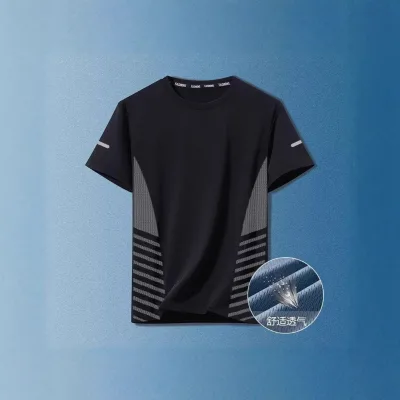
Men's Quick-Drying Elastic Short Sleeved T-Shirt
$5.20 - $7.50
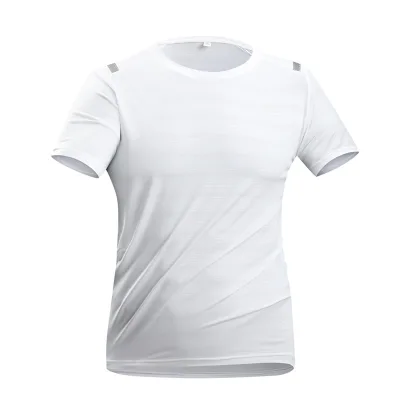
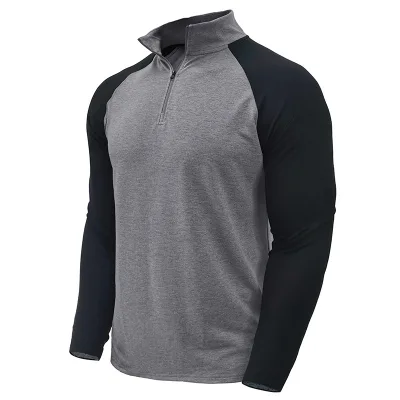
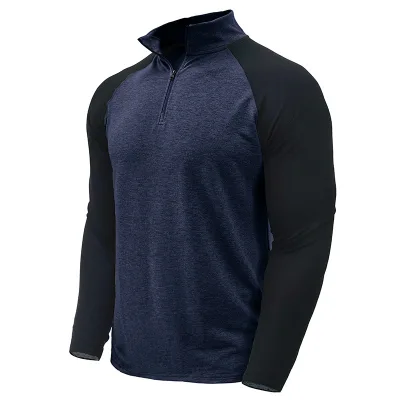
Fuzhou Depshine International Trading Co., Ltd.
- Verified by SGS Group
- Trading Company
- Lead time8 days
- Avg. response≤ 2h
Main productsT Shirt, Hoodie, Sweat Suit, Jacket, Hat
Main marketsNorth America(80%), Northern Europe(10%), Western Europe(8%)
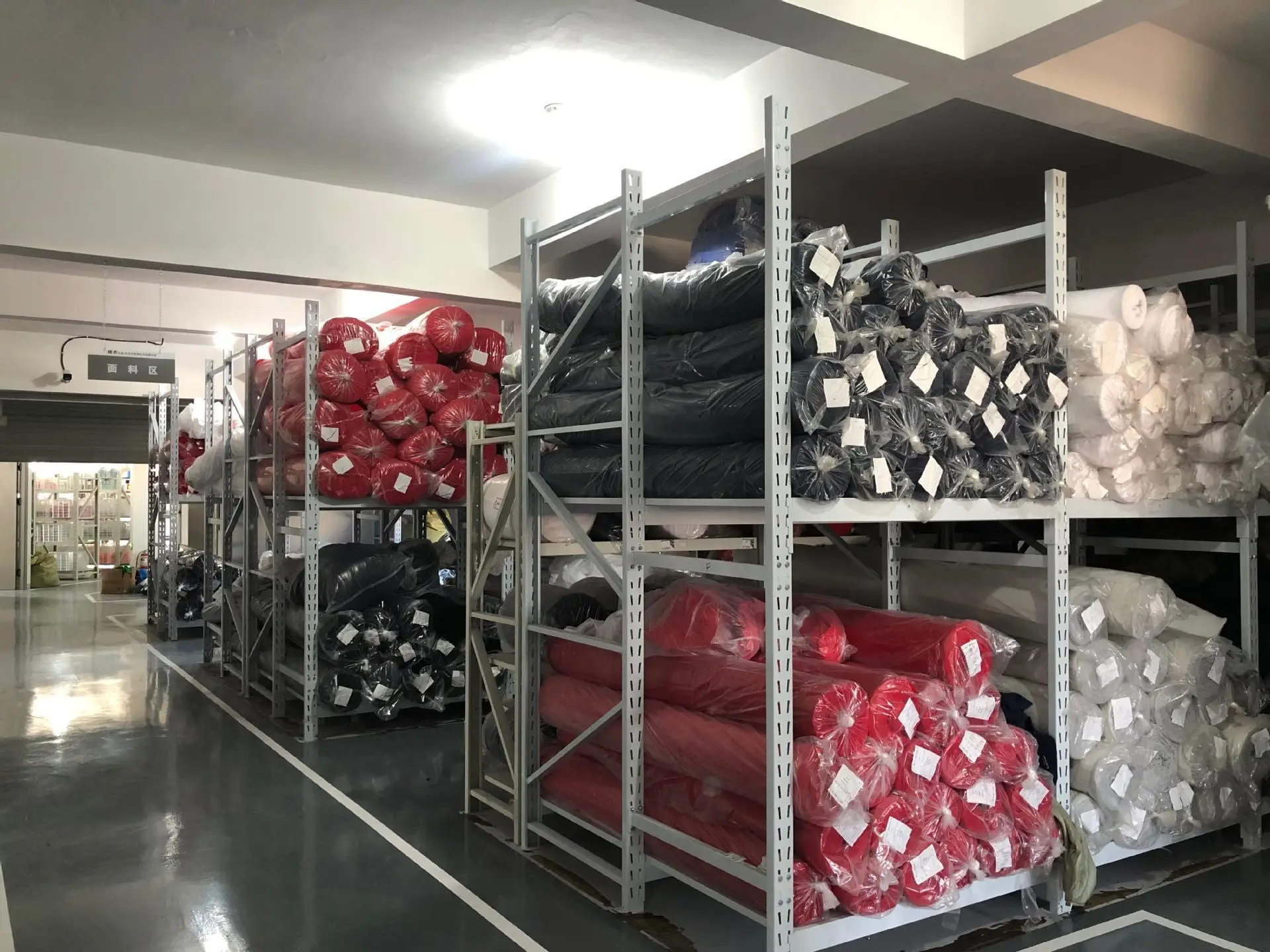
Jiangxi Xingxiao Garment Co., Ltd.
- Trading Company
- Jiangxi, China
- Lead time25 days
- Avg. response≤ 3h
Main productsHoodie,Sweatpant,Tshirt,Short,Jacket
Main marketsNorth America(48.00%), South America(12.00%), Northern Europe(10.00%), Mid East(8.00%), Eastern Europe(8.00%), Southern Europe(7.00%), Southeast Asia(5.00%), Africa(2.00%)

- Verified by CTI
- Trading Company
- China Anhui
- Lead time23 days
- Avg. response≤ 2h
Main productsFurniture, Home Furniture
Main marketsSoutheast Asia/ Mideast
Dongguan Aogu sportswear Co., Ltd.
- Verified by SGS Group
- Manufacturer, Trading Company
- Lead time25 days
- Avg. response≤ 7h
Main productsHoodie, Sweatshirt, Pants, T-shirt, Yoga Wear
Main marketsNorth America(30%), Western Europe(20%), Oceania(10%)
Dongyang Yinxin Apparel Co., Ltd.
- Verified by TüVRheinland
- Trading Company
- Lead time90 days
- Avg. response≤ 1h
Main productsMen's T-Shirts, Women's T-Shirts, Men's Hoodies, Women's Hoodies
Main marketsNorth America(50%), Western Europe(10%), South America(5%)
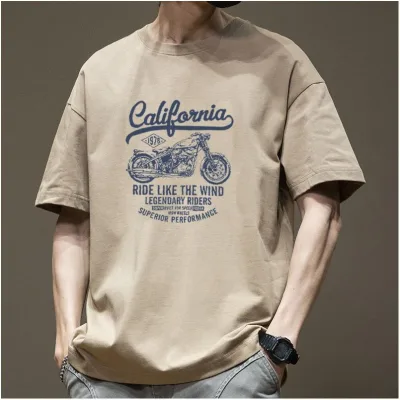
$3.92 - $4.38
MOQ: 50 pieces
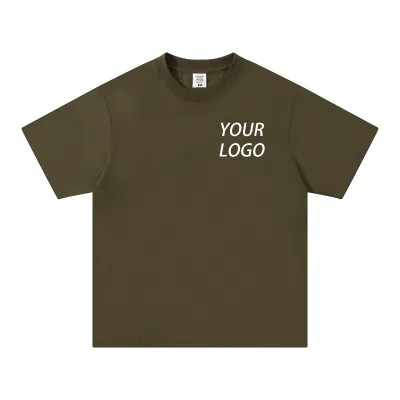
$6.3535 - $7.685
MOQ: 30 pieces
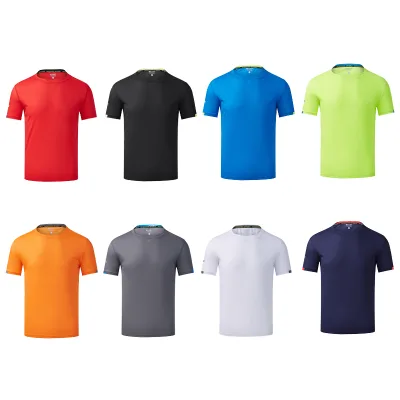
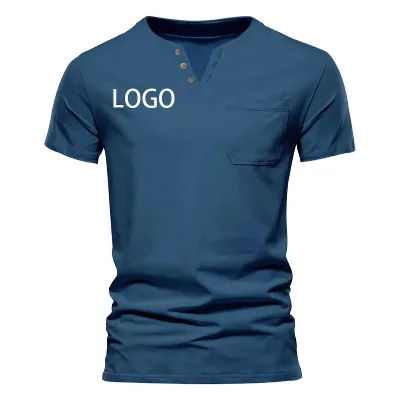

Shanghai Easun Group Imp & Exp Co., Ltd.
- Verified by BV
- Trading Company
- China Shanghai
- Lead time15 days
- Avg. response≤ 21h
Main productsHoodies, Pajamas, T-Shirt, Bath Robe, Sleepwear, Polo Shirts, Safety Shoes
Main marketsAfrica

Guangzhou Fengrong Clothing Co., Ltd.
- Verified by SGS
- Combined
- China Guangdong
- Lead time15 days
- Avg. response≤ 2h
Main productsT-Shirt, Hoodie, Jacket, Trousers, Shorts
Main marketsDomestic


Flexible Customization T-Shirt with Recycled Regenerated Fiber Eco-Friendly Casual Wear
$5.97 - $6.32
MOQ: 50 Pieces

Blank Mock Neck Oversized T-Shirt Recycled Cotton with Eco-Friendly Print Customization
$7.96 - $8.43
MOQ: 50 Pieces
Guangzhou Flugi Apparel Co., Ltd.
- Verified by TüVRheinland
- Manufacturer, Trading Company
- Lead time30 days
- Avg. response≤ 13h
Main productsLadies' T-shirt, Ladies' Shirts, Women's Pants, Men's T-shirt, Men's Sweatshirt
Main marketsNorth America(30%), South America(20%), Mid East(10%)

Guangzhou Shengli Clothing Co., Ltd.
- Verified by CTI
- Combined
- China Guangdong
- Lead time60 days
- Avg. response≤ 2h
Main productsSuit, Men Formal Suit, Medical Uniform, School Uniform, T-Shirt, Polo, Sports Apparel, Work Uniforms, Uniform, Hotel Uniform
Main marketsDomestic

Green Organic Cotton Knit Printed Pocket T-Shirt Men Custom Cotton T-Shirt
$2.00 - $18.00
MOQ: 100 Pieces


Black Recycled Biobased Knitted Core Pocket T-Shirt for Men Custom Cotton T-Shirt
$2.00 - $18.00
MOQ: 100 Pieces


Shijiazhuang Jiyao Technology Co., Ltd.
- Verified by TüVRheinland
- Manufacturer, Trading Company
- Lead time10 days
- Avg. response≤ 2h
Main productsHoodie, T-Shirt, Trousers, Sports Set, Children's Clothing
Main marketsNorth America(49%), Western Europe(25%), Oceania(15%)

Nuolang (Guangdong) Garment Industry Co., Ltd.
- Verified by BV
- Combined
- China Guangdong
- Lead time15 days
- Avg. response≤ 2h
Main productsT-Shirt, Polo Shirt, Shirt, Coverall, Suit, Uniform, Sportswear, Casual Wear
Main marketsSoutheast Asia/ Mideast


Comfortable and Quick-Drying Short-Sleeved Cotton T Shirt Unisex Simple Custom T Shirt
$1.99 - $4.99
MOQ: 100 Pieces


Suning County Xiangbird Clothing Co., Ltd.
- Verified by SGS
- Combined
- China Hebei
- Lead time30 days
- Avg. response≤ 3h
Main productsT-Shirt, Hooded Sweatshirt, Seluar Jeans, Pakaian Pelindung Matahari
Main marketsDomestic


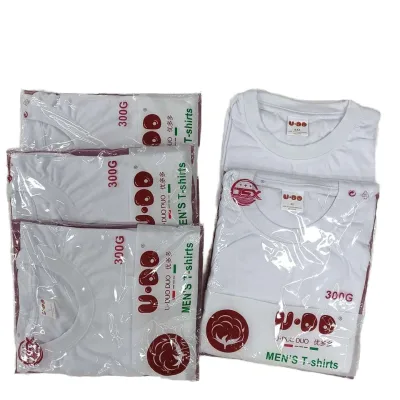
Eco-Friendly Washed T-Shirt 300g - Sustainable Fabric for Conscious Consumers
$7.00 - $11.00
MOQ: 10 PC

Fuzhou Mulan Garment Co., Ltd.
- Manufacturer/Factory
- China Fujian
- Lead time0 days
- Avg. response≤ 5h
Main productsT Shirt, Hoodie, Pants, Shorts, Hat, Polo
Guangzhou French Crocodile Garment Co., Ltd.
- Verified by TüVRheinland
- Manufacturer, Trading Company
- Lead time0 days
- Avg. response≤ 2h
Main productsT-shirt, Hoodie Set, Jacket, Sweater, Pant
Main marketsNorth America(45%), Oceania(20%), Eastern Europe(10%)
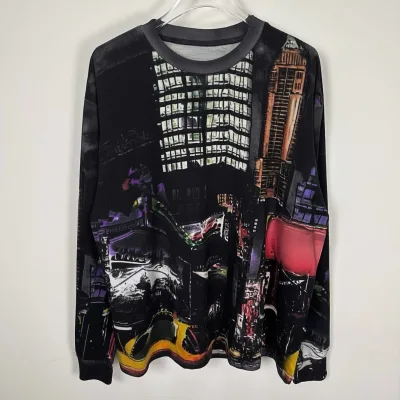
Custom Heavyweight Graphic Cotton Print Long Sleeve Men Knit T Shirt
$18.4322 - $25.5996
MOQ: 50 pieces
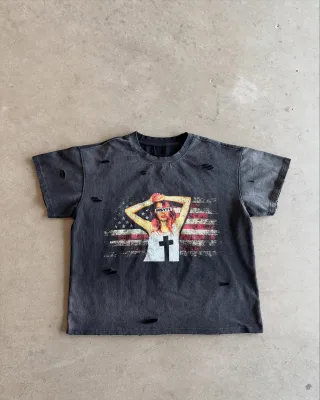
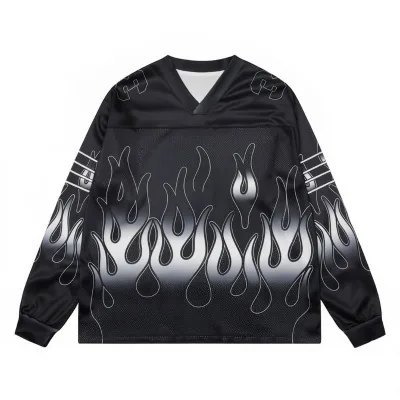
Hot Sell Wholesale Rib Knit Round Neck Long Sleeves T Shirt Men's Casual Long Sleeves Tshirt
$15.4238 - $18.5085
MOQ: 50 pieces

Guangzhou Shangshang Industrial Co., Ltd.
- Combined
- China Guangdong
- Lead time15 days
- Avg. response≤ 17h
Main productsHoodies, T Shirt, Sweatpant, Shorts, Jacket
Main marketsDomestic
Guangzhou Jinxilai International Trade Co., Ltd.
- Manufacturer, Trading Company
- Guangdong, China
- Lead time14 days
- Avg. response≤ 4h
Main productsBoxer,Vest,Polo,T-shirt,Men's Underwear
Main marketsSouth America(20.00%), Southeast Asia(15.00%), North America(15.00%), Africa(12.00%), Central America(10.00%), Mid East(10.00%), South Asia(10.00%), Eastern Europe(8.00%)

Guangzhou Tianyuan Clothing Co., Ltd
- Verified by SGS
- Combined
- China Guangdong
- Lead time30 days
- Avg. response≤ 2h
Main productsPolo Shirt, Shirt, Suit, T-Shirt, School Uniform, Hooded Sweatshirt, Medical Uniform, Chef's Uniform, Trousers, Work Clothes
Main marketsDomestic

Guangzhou Ouzun Clothing Co., Ltd.
- Verified by CTI
- Combined
- China Guangdong
- Lead time23 days
- Avg. response≤ 2h
Main productsUniforms, Pants, Suits&Blazer, T Shirt, Polo Shirt, Sportswear, Jacket, Hoodies&Sweatshirts
Main marketsDomestic

Recycled Polyester Sustainable T-Shirt for Environmental Friendly Clothing Line T Shirts
$3.99 - $8.99
MOQ: 100 Pieces

Eco-Friendly Recycled Polyester Blended Plain T-Shirt for Sustainable Fashion T Shirts
$3.99 - $8.99
MOQ: 100 Pieces


Biodegradable Material Custom Logo Plain T-Shirt for Environmental Campaign T Shirts
$3.99 - $8.99
MOQ: 100 Pieces

- Verified by SGS
- Trading Company
- China Zhejiang
- Lead time15 days
- Avg. response≤ 2h
Main productsT-Shirt, Hoodie, Shorts, Baseball Cap, Sweatshirt, Pants, Gym Wear, Football Jersey, Waistcoat, Hat
Main marketsSouth America,Southeast Asia/ Mideast,East Asia(Japan/ South Korea),Domestic,Europe,Australia,North America

Custom 100% Cotton Knitted Eco-Friendly Heavyweight Breathable Men's T-Shirts-Blank Short Sleeve
$7.19 - $9.12
MOQ: 50 Pieces

Oversized Men's T-Shirts 100% Cotton Comfortable Knitted Custom Plain T Shirt
$2.30 - $3.50
MOQ: 30 Pieces
Guangzhou Jinfeng Clothing Co., Ltd.
- Manufacturer, Trading Company
- Lead time旺季: "1 - 20":7,"> 20":"To be negotiated", 淡季: "1 - 20":7,"> 20":"To be negotiated"
- Avg. response≤ 4h
Main productsMen Sportswear, Men Jogger & Fitnesswear, Men T-shirt, Men Shorts, Men Pant

Guangzhou Healy Apparel Co., Ltd.
- Verified by SGS
- Combined
- China Guangdong
- Lead time15 days
- Avg. response≤ 21h
Main productsSoccer Jersey, Basketball Jersey, Soccer Wear, Basketball Wea, Tracksuit, Hoodie, Yoga Wear
Main marketsSoutheast Asia/ Mideast,Europe,Australia,North America

High Quality Breathable Plain Knit T-Shirt Bulk Dry for Running Custom Men's T-Shirt
$4.90 - $7.90
MOQ: 50 pieces


Shandong Rangde Garments Co.,Ltd
- Verified by CTI
- Trading Company
- China Shandong
- Lead time30 days
- Avg. response≤ 7h
Main productsT-Shirt, Clothing
Main marketsEast Asia(Japan/ South Korea)

China Xinxing Shanghai Import and Export Co., Ltd.
- Verified by TUVRHEINLAND
- Trading Company
- China Shanghai
- Lead time15 days
- Avg. response≤ 7h
Main productsAnti-Riot Suit
Main marketsSouth America,Africa,Southeast Asia/ Mideast,Europe

Shanghai Touch Industrial Development Co., Ltd.
- Verified by TUVRHEINLAND
- Combined
- China Shanghai
- Lead time15 days
- Avg. response≤ 5h
Main productsInstant Hot Pack, Hot Cold Pack, Gel Eye Mask, Gel Ice Pack, Gel Bottle Cooler, Instant Ice Pack, Hand Warmer, Heat Pack, Cooling Scarf, Gel Beads
Main marketsSouth America,Others(foreignTradeCapacity.exportBusinessCapacityMarketOther),Southeast Asia/ Mideast,East Asia(Japan/ South Korea),Domestic,Europe,Australia,North America




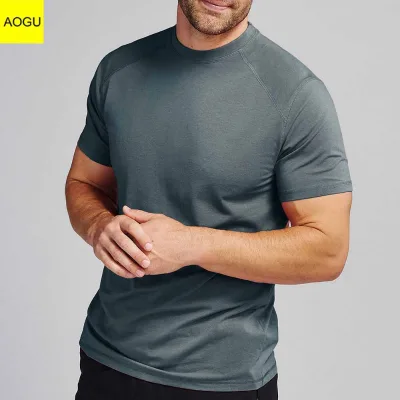
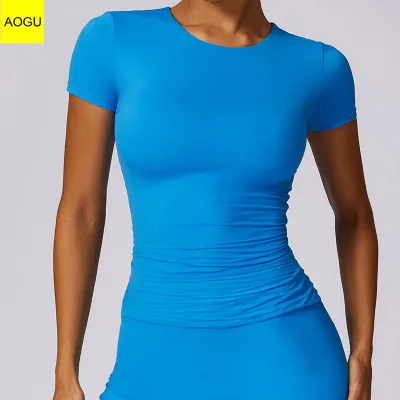
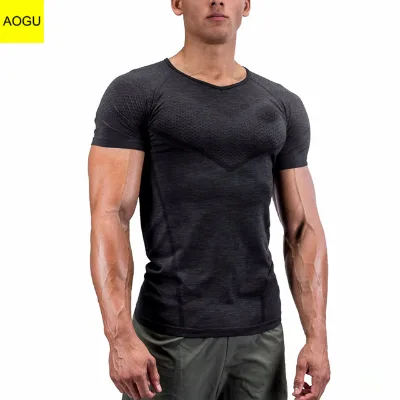
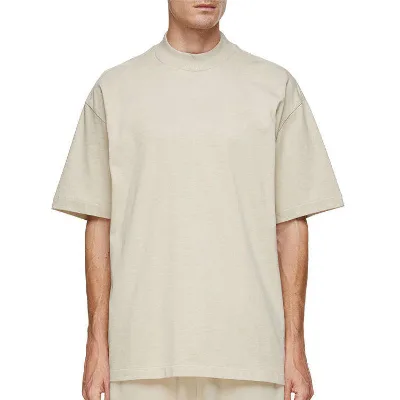
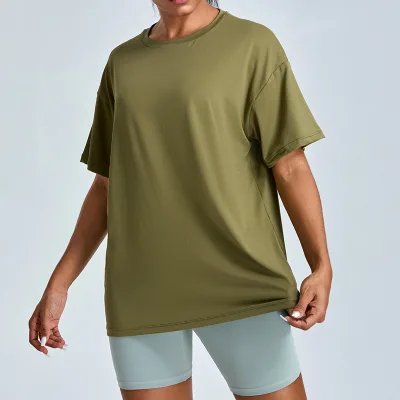


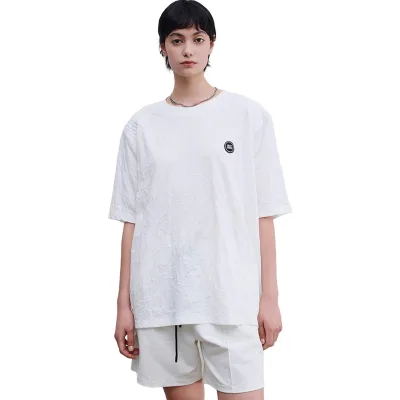
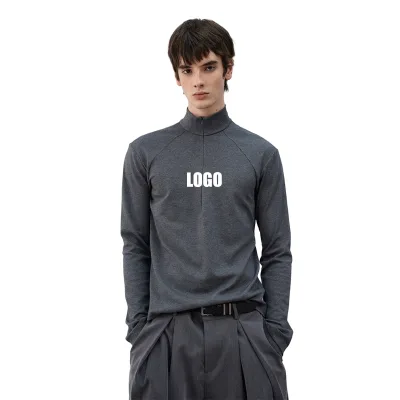
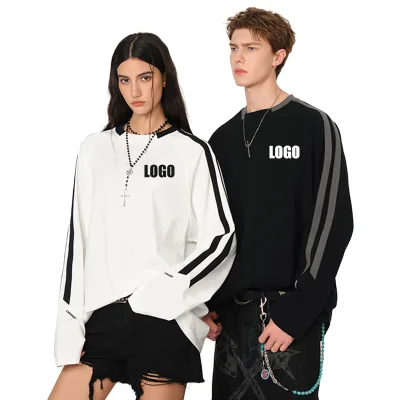
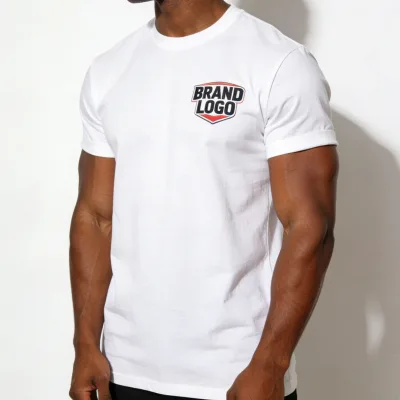
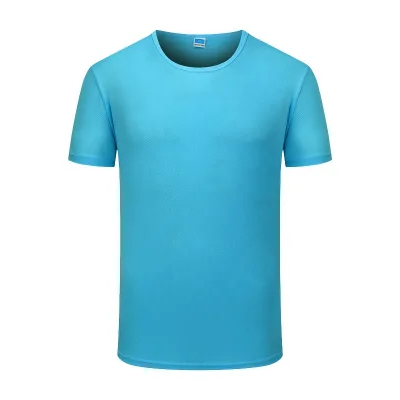


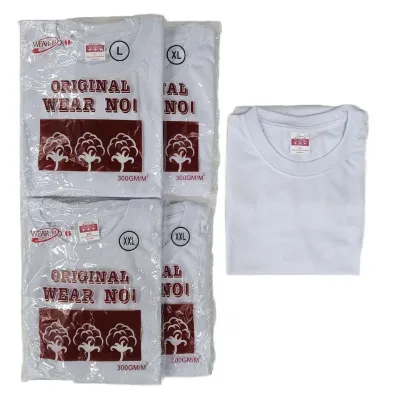
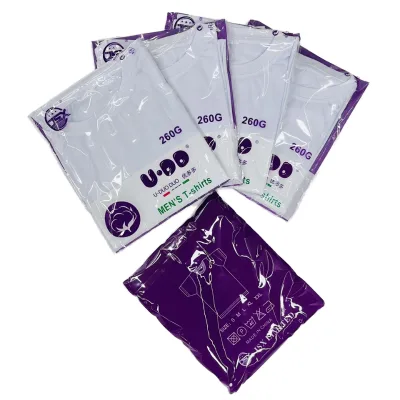


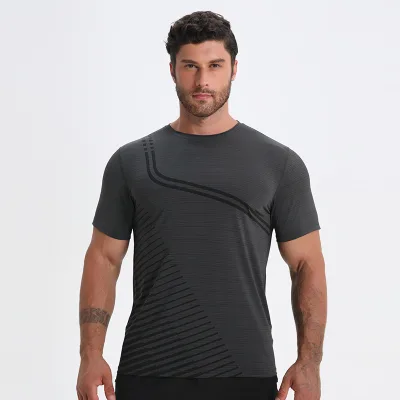
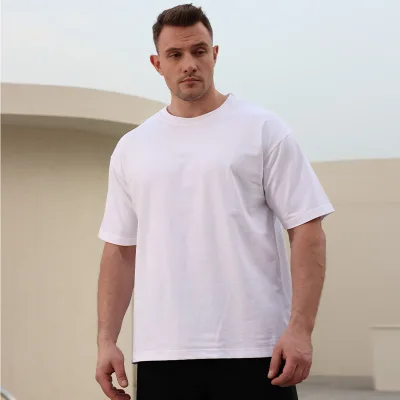


Comprehensive Sourcing Guide
Eco-Friendly Quick Dry Knitted T-Shirt Supplier Concentration and Factory Types
The sourcing landscape for eco-friendly quick dry knitted t-shirts reveals a distinct concentration of manufacturing capabilities within specific industrial regions, with China Guangdong emerging as a primary hub for this category. Suppliers located in this area often operate as combined entities or trading companies, offering a blend of direct manufacturing oversight and commercial flexibility. This structural diversity allows buyers to access a wide array of main products, including polo shirts, work uniforms, and casual short-sleeve t-shirts, all unified by the core technical requirement of quick-dry performance. The presence of established factories in Guangdong suggests a mature supply chain ecosystem where raw material sourcing, particularly for polyester and cotton blends, is streamlined to support high-volume production runs. Buyers evaluating these suppliers should recognize that the geographic concentration often correlates with specialized knitted fabric expertise, which is critical for achieving the desired moisture absorption and breathability features in the final garment.
Factory types in this sector vary significantly, ranging from pure trading companies to combined entities that manage both production and sales. Trading companies may offer broader product assortments, such as security guard uniforms or restaurant staff attire, alongside t-shirts, providing a one-stop solution for buyers with diverse apparel needs. In contrast, combined companies often possess their own brands and ODM capabilities, allowing for more customized design inputs and proprietary fabric developments. The distinction between these entity types is crucial for understanding the level of control a buyer has over the manufacturing process. Suppliers with ODM and own brand capabilities typically have more integrated design teams, which can facilitate the development of unique eco-friendly materials or specific quick-dry technologies. Understanding whether a supplier is a trading intermediary or a combined manufacturer helps buyers assess the directness of their communication with production lines and the potential for cost optimization through direct factory engagement.
How to Verify Eco-Friendly Quick Dry Knitted T-Shirt Suppliers
Verification of suppliers requires a multi-layered approach that goes beyond basic company registration checks to include technical and operational audits. One critical step is examining system certifications, such as ISO9001:2015, which indicates a standardized quality management system in place for production processes. While this certification does not directly certify the eco-friendliness of the materials, it ensures that the manufacturing environment adheres to consistent quality controls, which is a prerequisite for reliable eco-friendly production. Additionally, third-party verification services like SGS provide an independent layer of trust, confirming that the supplier’s claims about their capabilities and product specifications are accurate. Buyers should prioritize suppliers who display these verifications prominently, as they reduce the risk of engaging with entities that may lack the necessary infrastructure for sustainable manufacturing. The presence of such certifications serves as a foundational indicator of a supplier’s professionalism and commitment to maintaining industry standards.
Beyond certifications, verifying the actual product evidence is essential to ensure the supplier can deliver on the specific technical requirements of eco-friendly quick dry knitted t-shirts. Buyers should request detailed product attributes, including material composition, fabric weight, and specific features like moisture absorption and breathability. For instance, confirming that the material is a polyester blend or cotton with specific knitted techniques helps validate the quick-dry claim. It is also important to verify the customization options available, such as logo placement, design acceptance, and fabric customization, as these factors often influence the sustainability profile of the final product. Suppliers who provide comprehensive product data, including packing standards and origin details, demonstrate transparency and operational maturity. By cross-referencing these product details with the supplier’s stated capabilities, buyers can build a more accurate picture of the supplier’s ability to produce high-quality, eco-conscious garments that meet specific performance criteria.
What to Compare Across Eco-Friendly Quick Dry Knitted T-Shirt Suppliers
When evaluating multiple suppliers, comparing key operational metrics is vital for selecting the most suitable partner for your specific business needs. Lead time is a primary differentiator, with some suppliers offering production times as short as fifteen days, while others may require up to thirty days for bulk orders. This variance can significantly impact your inventory planning and ability to respond to market demands. Similarly, the minimum order quantity (MOQ) varies, with some suppliers accepting orders as low as ten pieces, which is ideal for testing new designs or small batch runs, while others may require one hundred pieces or more. Understanding these thresholds helps buyers align their procurement strategy with their sales forecast and financial capacity. Response time is another critical factor, with some suppliers demonstrating rapid communication speeds, which is essential for resolving issues quickly and maintaining project momentum.
Price and customization flexibility are also key comparison points that can influence the overall value proposition of a supplier. Prices for eco-friendly quick dry knitted t-shirts can range significantly, from approximately two dollars to ten dollars per unit, depending on material quality, design complexity, and order volume. Buyers should analyze whether the price includes customization services, such as logo printing or fabric selection, as these can add substantial value. Additionally, comparing the range of main products offered by each supplier can reveal their versatility and potential for future collaboration. Suppliers offering a broad range of apparel, from t-shirts to jackets, may provide better bundling opportunities for buyers looking to diversify their product lines. By systematically comparing these dimensions, buyers can create a weighted scorecard that highlights the strengths and weaknesses of each potential supplier, leading to a more informed and strategic sourcing decision.
Common Eco-Friendly Quick Dry Knitted T-Shirt Sourcing Risks
One significant risk in sourcing eco-friendly quick dry knitted t-shirts is the potential discrepancy between claimed sustainability attributes and actual material composition. Suppliers may use terms like "eco-friendly" loosely, without providing verifiable evidence of recycled content or sustainable dyeing processes. This ambiguity can lead to compliance issues, especially if buyers are targeting markets with strict environmental regulations. To mitigate this risk, buyers must insist on detailed material specifications and request third-party test reports that confirm the environmental claims. Without concrete evidence, the risk of greenwashing remains high, potentially damaging the buyer’s brand reputation and leading to customer dissatisfaction. Therefore, rigorous due diligence on material sourcing and processing methods is essential to ensure that the products truly meet eco-friendly standards.
Another common risk involves inconsistencies in production quality and delivery timelines. Suppliers may promise quick turnaround times but fail to meet them due to capacity constraints or supply chain disruptions. This can result in delayed shipments and missed market opportunities, particularly for seasonal apparel items. Additionally, variations in fabric weight and stitching quality can affect the durability and comfort of the t-shirts, leading to higher return rates and negative reviews. Buyers should establish clear quality control protocols and consider requesting pre-production samples to verify consistency. It is also advisable to include penalty clauses in contracts for late deliveries or quality failures to protect against these operational risks. By proactively addressing these potential pitfalls, buyers can safeguard their supply chain and maintain the integrity of their product offerings.
Eco-Friendly Quick Dry Knitted T-Shirt Regional Sourcing and Logistics
Sourcing from regions like China Guangdong offers logistical advantages due to the area’s well-developed infrastructure and proximity to major shipping ports. This geographic concentration facilitates efficient transportation of goods, reducing transit times and costs for international buyers. Suppliers in this region are often experienced in handling export documentation and customs clearance, which streamlines the logistics process. However, buyers must also consider the environmental impact of long-distance shipping, which can offset some of the sustainability benefits of eco-friendly materials. To minimize this footprint, buyers might explore local sourcing options if available, or optimize shipping methods by consolidating orders and using sea freight instead of air freight for bulk shipments. Understanding the logistical landscape helps buyers make informed decisions that balance cost, speed, and environmental responsibility.
Logistics planning also involves managing packaging and handling requirements to ensure products arrive in optimal condition. Suppliers typically use standard packing methods, such as OPP bags and cartons, which protect the garments during transit. Buyers should verify that the packaging is sustainable and recyclable, aligning with the eco-friendly theme of the product. Additionally, coordinating with freight forwarders to optimize container space can reduce shipping costs and carbon emissions. It is crucial to establish clear communication channels with suppliers regarding shipping schedules and tracking information to anticipate any delays. By integrating logistics considerations into the sourcing strategy, buyers can enhance supply chain resilience and ensure that their eco-friendly t-shirts reach the market efficiently and sustainably.
Eco-Friendly Quick Dry Knitted T-Shirt Commercial Terms and Order Planning
Commercial terms, including payment methods and sample policies, play a crucial role in the overall sourcing strategy. Many suppliers offer flexible payment options, such as Alipay or WeChat, which can simplify transactions for buyers familiar with these platforms. Sample policies are also important, with some suppliers providing samples within seven days, allowing buyers to evaluate quality before committing to large orders. Understanding these terms helps buyers plan their cash flow and manage risk effectively. It is advisable to negotiate favorable terms, such as reduced sample fees for bulk orders, to lower initial costs. Clear communication regarding payment schedules and delivery terms ensures that both parties are aligned, reducing the likelihood of disputes and fostering a collaborative partnership.
Order planning should account for the entire lifecycle of the product, from design approval to final delivery. Buyers should consider the bulk order time, which can range from fifteen to thirty days, and factor this into their inventory management strategy. Planning for potential delays and having contingency plans in place can help mitigate disruptions. Additionally, buyers should evaluate the supplier’s capacity to handle custom designs and branding, as these elements are often key differentiators in the market. By aligning commercial terms with operational capabilities, buyers can create a robust sourcing plan that supports their business goals. Regular review and adjustment of these plans based on market feedback and supplier performance ensure continuous improvement and long-term success in the eco-friendly apparel sector.
FAQs
What is the typical lead time for bulk orders?
Bulk production generally requires 15 to 30 days depending on order volume and customization complexity. Some suppliers offer faster turnaround times of 15 to 21 days for standard items. Buyers should confirm specific timelines during the inquiry phase to ensure alignment with project deadlines and shipping schedules.
What is the minimum order quantity for custom t-shirts?
The minimum order quantity typically starts at 100 pieces for most standard custom t-shirt orders. However, some suppliers accept lower minimums of 10 pieces for specific quick-dry or sample requests. Buyers should verify the exact MOQ with the supplier before finalizing their order to avoid additional fees.
Are ISO certifications available for these manufacturers?
Yes, several suppliers hold ISO9001:2015 system certifications to ensure quality management standards. Additionally, some manufacturers undergo SGS verification processes to validate their production capabilities. Buyers can request these certification documents directly from the supplier to confirm compliance with international quality and safety standards for their specific sourcing needs.
What materials are used for quick dry t-shirts?
Quick dry t-shirts are primarily manufactured using polyester or polyester-spandex blends for moisture absorption and breathability. Some options also include cotton blends for a softer feel. The fabric weight usually ranges from 220 to 280 grams, with heavier weights available for different seasonal requirements and durability expectations.
How long does it take to receive a sample?
Sample production typically takes about 7 days to complete. Some suppliers may offer faster sample times of 5 to 7 days for standard designs. Buyers should account for shipping time after the sample is ready to ensure they receive the physical product for quality evaluation before committing to bulk production.
What is the price range for bulk t-shirt orders?
Prices for bulk orders generally range from $2.59 to $10.00 per piece depending on material and customization. Basic polyester options start around $2.99, while premium cotton or complex designs may cost up to $4.99 or more. Buyers should request detailed quotes based on their specific quantity and design requirements.
Can suppliers customize logos and designs?
Yes, customization is widely available including logo placement, design, and brand names. Suppliers accept customer requirements for logos, patterns, and fabric choices. Buyers can specify custom colors, weights, and styles to match their brand identity, ensuring the final product aligns with their promotional or retail needs.