Source eco-friendly quick dry knitted t-shirt for Sports, Business, and Leisure
Source eco-friendly quick dry knitted t-shirt from 30 verified listings. Compare polyester and nylon blends with moisture absorption features. Options include round neck styles, custom fabrics, and OEM services for promotional or casual wear; compare the available evidence and request quotations based on your requirements.
Updated
Key considerations
Products List


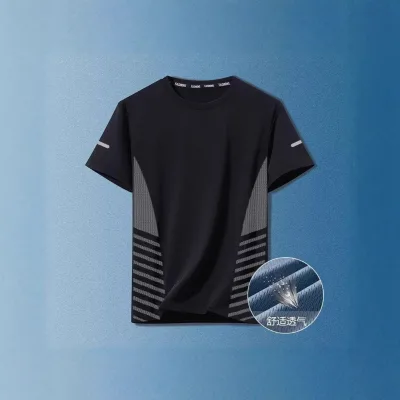
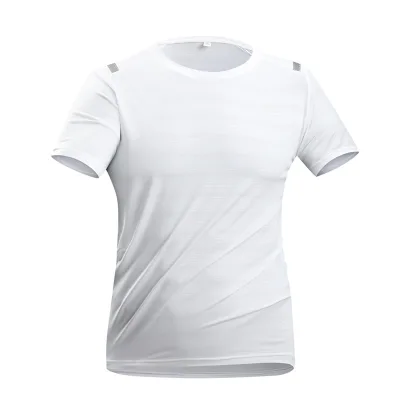
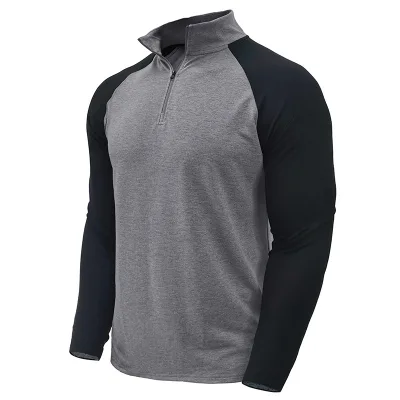
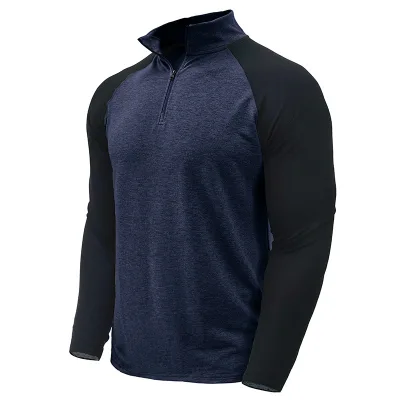
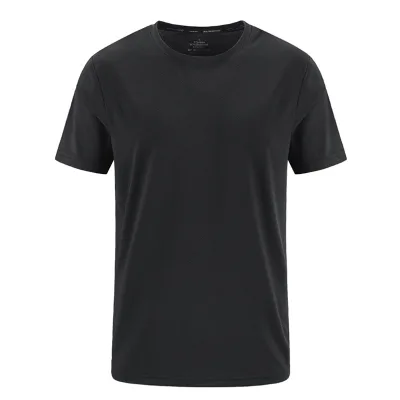
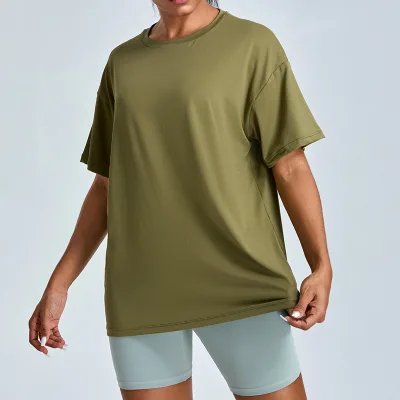
Men's Anti-Wrinkle, Quick Dry & Breathable & Eco-Friendly Customized T-Shirt
$3.60 - $5.90
MOQ: 1000 Pieces



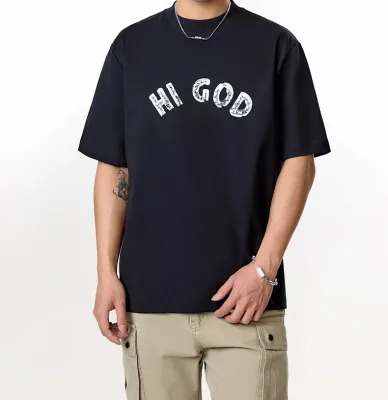


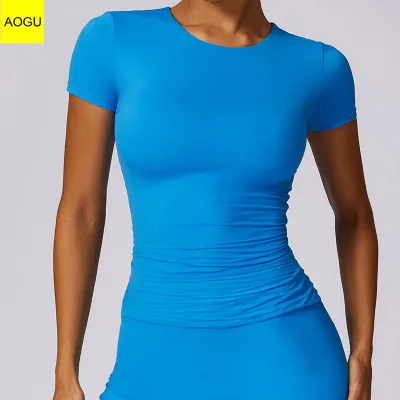
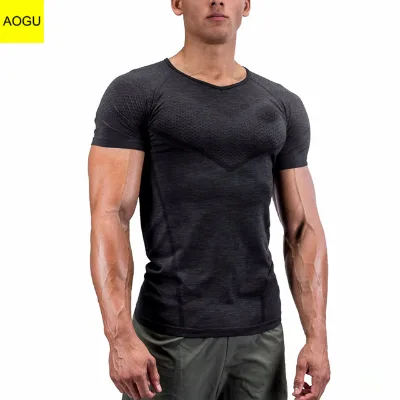
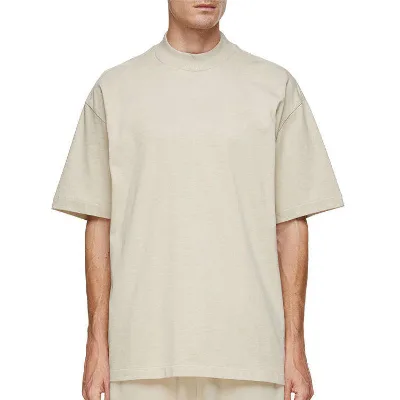

Comprehensive Sourcing Guide
Eco-Friendly Quick Dry Knitted T-Shirt Sourcing Guide
Procuring eco-friendly quick dry knitted t-shirts requires a nuanced understanding of material science and manufacturing capabilities. Buyers must distinguish between genuine sustainable practices and superficial marketing claims, particularly when evaluating polyester-based fabrics. While the supplied data indicates a prevalence of polyester and nylon/spandex blends, true eco-friendly attributes often depend on recycled content or specific dyeing processes that reduce water usage. The term "quick dry" is frequently associated with moisture absorption and breathability features, which are critical for summer wear and active applications. Sourcing teams should prioritize suppliers who can provide transparent documentation on fiber origin and processing methods to ensure the product aligns with corporate sustainability goals.
The manufacturing technique of knitting is essential for achieving the desired drape and comfort in casual and promotional apparel. Knitted structures generally offer better elasticity and breathability compared to woven alternatives, making them suitable for loose-fit styles and round-neck designs. However, buyers must verify that the knitting process does not compromise the durability of the fabric, especially when high-performance features like compression or EL (electroluminescent) elements are integrated. The intersection of eco-friendly materials and technical performance requires careful selection of yarns and finishing treatments. Procurement specialists should request physical samples to assess hand feel, stretch recovery, and the integrity of the knit structure under stress.
Product Scope and Observed Listing Signals
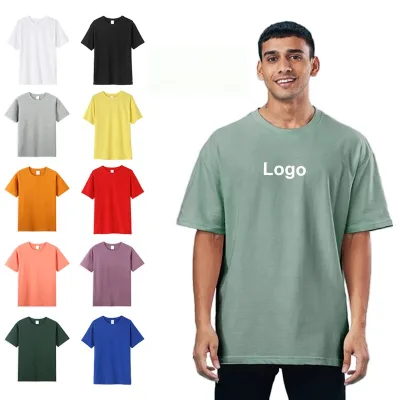
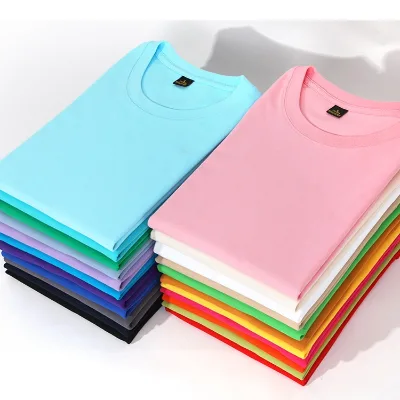
Market listings for these garments reveal a diverse range of specifications that buyers must navigate carefully. Common attributes include plain or solid color patterns, short sleeve or sleeveless designs, and loose fit types suitable for casual or business leisure occasions. The observed price range of 0.5 to 20 USD suggests significant variation based on material composition, customization complexity, and order volume. Many suppliers offer customization options, including digital printing, screen printing, and embroidery, which can impact both the aesthetic appeal and the environmental footprint of the final product. Buyers should scrutinize these customization capabilities to ensure they align with brand identity and sustainability standards.
Material composition is a critical signal for evaluating the "eco-friendly" and "quick dry" claims. While some products are listed as 100% polyester or blends of polyester and spandex, others may incorporate nylon or spandex for enhanced elasticity. The fabric weight typically ranges from 220 to 280 grams, which influences the garment's durability and breathability. Additionally, features such as moisture absorption and breathability are commonly highlighted, indicating suitability for summer wear and active use. Buyers must verify that the specific material blend supports the claimed performance characteristics, as synthetic fibers vary widely in their environmental impact and functional properties.
Technical Specifications to Verify
Technical verification begins with confirming the fabric composition and weight, which directly impact performance and sustainability. Buyers should request detailed fabric reports that specify the percentage of recycled content, if any, and the type of dyeing process used. The knitting technique must be consistent with the desired stretch and recovery properties, especially for garments intended for sports or promotional use. It is crucial to verify that the "quick dry" claim is backed by test data demonstrating moisture wicking efficiency and rapid evaporation rates. Suppliers should provide clear specifications on fabric weight, typically between 220 and 280 grams, to ensure the product meets the intended use case.
Dimensional stability and fit are equally important technical aspects that require rigorous verification. The listed fit types, such as loose or regular length, must be validated against size charts to prevent sizing discrepancies in bulk orders. Buyers should also assess the durability of prints and embroidery, ensuring they withstand washing and wear without cracking or fading. Features like EL elements or compression properties add complexity and require specific testing protocols. It is advisable to request pre-production samples that reflect the final production materials and techniques, allowing for thorough inspection of stitching quality, seam strength, and overall construction integrity.
Compliance and Safety Documentation
Compliance with international safety standards is non-negotiable for apparel sourcing, particularly when targeting global markets. Buyers must ensure that suppliers adhere to relevant regulations regarding chemical usage, such as restrictions on azo dyes, formaldehyde, and heavy metals. While OEKO-TEX is mentioned as a background standard, buyers should verify the specific certification level and scope, as it varies by product type and intended use. Documentation should include test reports from accredited laboratories, confirming that the finished garments meet safety thresholds for skin contact and environmental impact. This due diligence protects brands from regulatory risks and enhances consumer trust in the product's safety profile.
Environmental compliance extends beyond chemical safety to include sustainable manufacturing practices. Buyers should inquire about water usage, energy consumption, and waste management protocols employed by the supplier. Certifications related to recycled content, such as GRS (Global Recycled Standard), provide credible evidence of eco-friendly claims. It is essential to verify that the supplier has a robust quality management system in place to maintain consistency in compliance across production batches. Requesting copies of current certificates and understanding their renewal cycles helps ensure ongoing adherence to environmental and safety standards throughout the procurement lifecycle.
Cost Drivers and Commercial Terms
Cost structures for eco-friendly quick dry knitted t-shirts are influenced by material costs, customization complexity, and order volume. The observed MOQ of 100 to 1000 pieces indicates flexibility for smaller orders, but larger volumes typically yield better unit prices. Buyers should analyze the cost breakdown to understand the impact of recycled fibers, specialized dyes, and technical finishes on the final price. Customization options, such as digital printing or embroidery, add to the per-unit cost and may require additional setup fees. Understanding these cost drivers helps in budgeting accurately and negotiating favorable terms with suppliers.
Commercial terms, including lead times and payment conditions, play a significant role in procurement planning. Sample times are typically around 7 days, while bulk order lead times range from 15 to 30 days, depending on order size and complexity. Buyers should confirm these timelines during negotiations to align with their launch schedules. Payment terms, shipping methods, and packaging requirements also affect the total cost of ownership. It is advisable to clarify responsibilities for customs clearance, insurance, and potential delays to avoid unexpected expenses. Clear communication of commercial terms ensures a smooth transaction and minimizes risks associated with supply chain disruptions.
Supplier Qualification and Quality Control
Supplier qualification involves assessing manufacturing capabilities, ethical practices, and financial stability. Buyers should conduct on-site audits or request third-party audit reports to verify working conditions, environmental management, and quality control processes. Suppliers with OEM and ODM capabilities offer greater flexibility for customization, but buyers must ensure that these services are managed with strict quality oversight. It is crucial to evaluate the supplier's experience in producing eco-friendly and technical apparel, as this expertise impacts product consistency and compliance. Building a relationship with a qualified supplier reduces risks and enhances collaboration on product development.
Quality control measures must be implemented at every stage of production, from raw material inspection to final shipment. Buyers should define clear quality standards and inspection criteria, including acceptable defect rates and testing protocols. Pre-production samples, during-production inspections, and pre-shipment inspections are essential steps to ensure compliance with specifications. Suppliers should provide detailed inspection reports and allow for buyer verification of critical quality points. Establishing a robust quality control framework helps maintain product integrity and customer satisfaction, while also providing a basis for continuous improvement and supplier performance evaluation.
Long-Term Procurement Checks
Long-term procurement success depends on continuous monitoring of supplier performance and market trends. Buyers should regularly review supplier compliance with environmental and safety standards, as regulations evolve and consumer expectations shift. Tracking key performance indicators, such as on-time delivery, defect rates, and responsiveness to issues, helps identify potential problems early. It is also important to stay informed about advancements in sustainable materials and manufacturing technologies, which may offer new opportunities for product improvement. Regular supplier reviews and feedback loops foster a collaborative relationship and drive continuous improvement in product quality and sustainability.
Strategic sourcing involves diversifying the supplier base and exploring new markets to mitigate risks and enhance competitiveness. Buyers should periodically reassess their supplier portfolio to ensure alignment with corporate sustainability goals and cost objectives. Engaging in long-term contracts with reliable suppliers can secure favorable pricing and priority production capacity. Additionally, investing in supplier development programs can help improve capabilities and compliance over time. By maintaining a proactive approach to procurement, buyers can build a resilient supply chain that supports business growth and meets the demands of an increasingly conscious consumer market.
FAQs
What materials are used for these t-shirts?
The t-shirts are primarily made from polyester, with some options featuring a blend of nylon and spandex for enhanced stretch. Specific fabric compositions include 89% polyester fiber and 11% spandex, or 100% polyester fiber. These materials support moisture absorption and breathability, making them suitable for summer wear and active use.
Can I customize the design and packaging?
Yes, customization is available for both the product and its packaging. You can choose from digital printing, screen printing, or embroidery for the design. The packaging can be customized or kept standard, with options like 1 OPP per set. OEM and ODM services are acceptable, allowing for tailored branding and labeling solutions.
What is the minimum order quantity required?
The minimum order quantity is 100 pieces. This MOQ applies to the standard production runs for these knitted and woven t-shirts. Buyers should note that sample times are typically 7 days, while bulk orders require 15 to 30 days for production. This structure supports both small trial orders and larger promotional campaigns.
Where are these t-shirts manufactured?
These t-shirts are manufactured in China, with specific origins in Guangzhou and Fujian provinces. The products are designed for a global audience, suitable for ages 16 to 60. Shipping options include express, air, and sea freight, ensuring flexible logistics for international buyers seeking quick dry and breathable apparel solutions.
What features do these t-shirts offer?
These t-shirts offer features such as moisture absorption, breathability, and quick-dry properties. They are available in plain or solid color patterns with round necks and short sleeves. Some models include EL features and compressed fits. The fabric weight ranges from 220 to 280 grams, providing a comfortable loose fit for casual or business occasions.
How long does production take?
Bulk order production typically takes 15 to 30 days after sample approval. Sample preparation requires about 7 days. These timelines apply to standard knitted and woven polyester t-shirts. Buyers should plan for shipping duration via express, air, or sea freight to ensure timely delivery for promotional events or seasonal inventory needs.