Source Floor-Length Embroidered Kaftan for Events, Travel, and Daily Wear
Find 30 floor-length embroidered kaftan options from Chinese manufacturers. Compare materials like rayon and cotton, sleeve styles, and customization services to select the right wholesale supplier for your needs; compare the available evidence and request quotations based on your requirements.
Updated
Key considerations
Products List
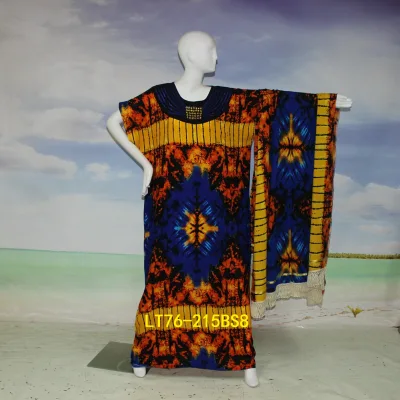
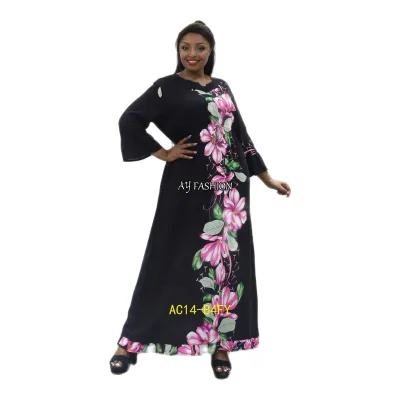
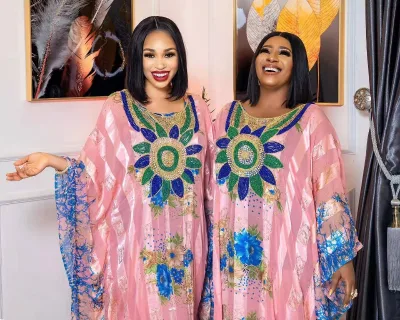
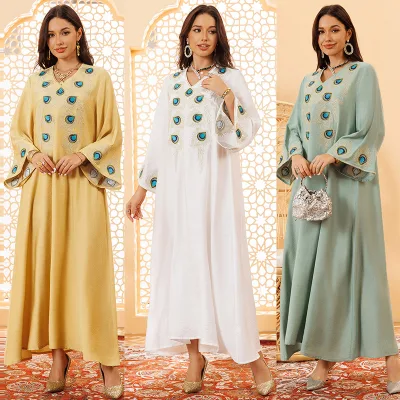
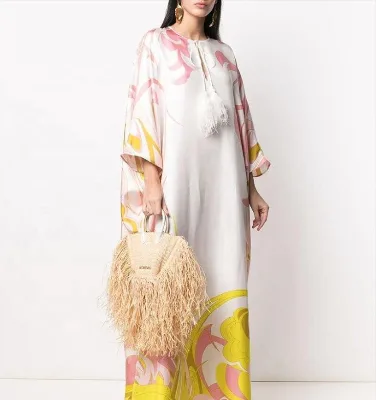
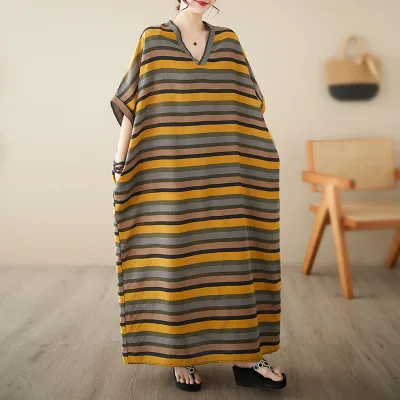
Muslimah Dress Kaftan Dress Breathable Casual Dresses Caftan Marocain Mariag Kaftan
$6.9519 - $10.0636
MOQ: 300 Minimum
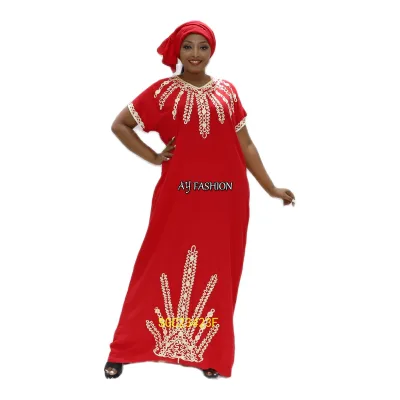
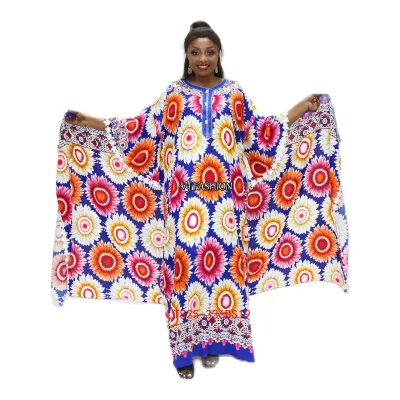
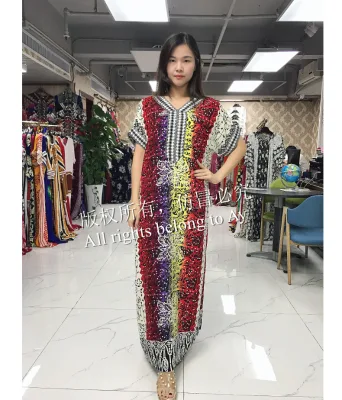
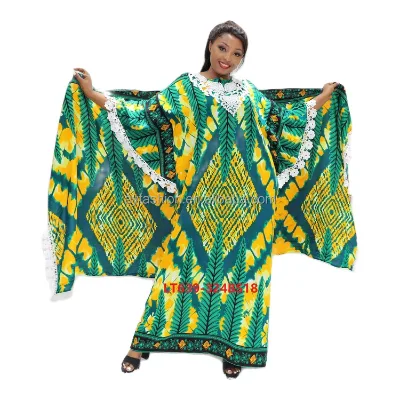
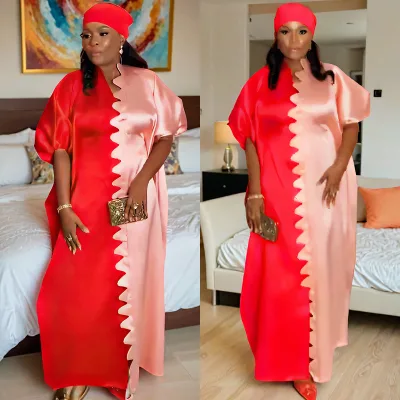
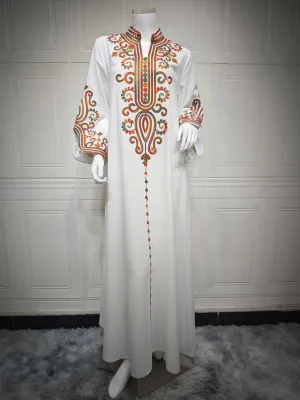
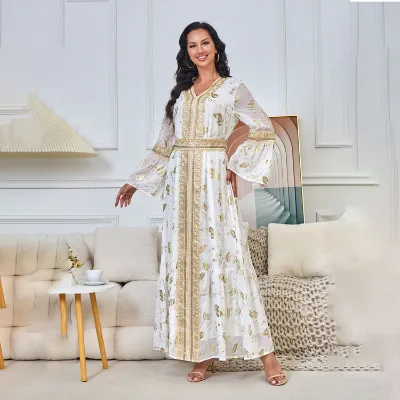
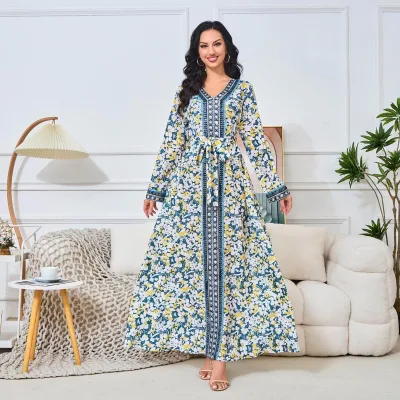
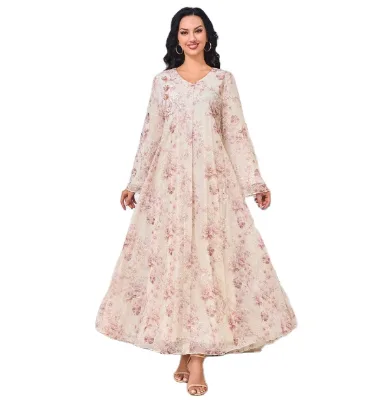
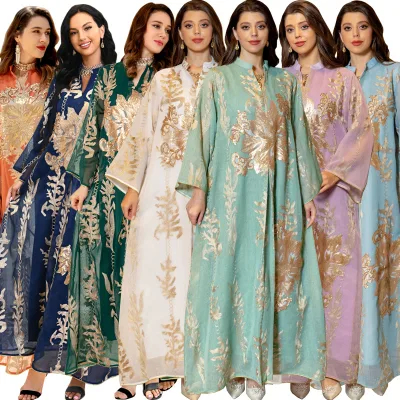
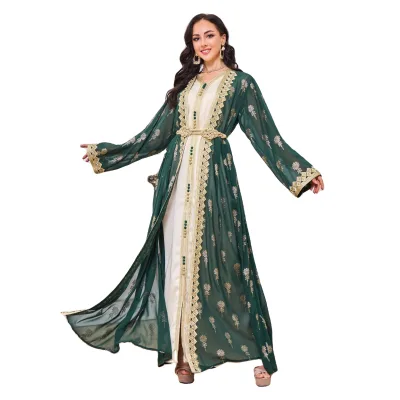
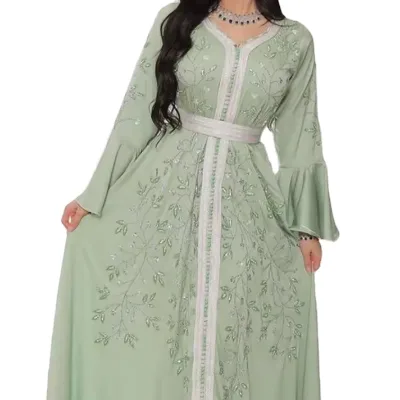
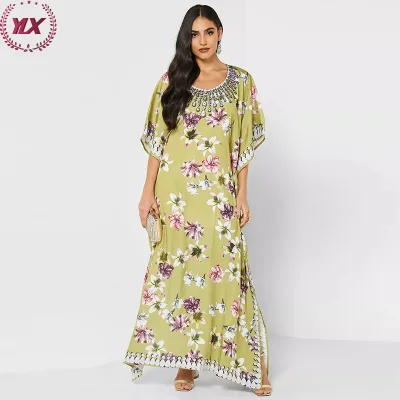
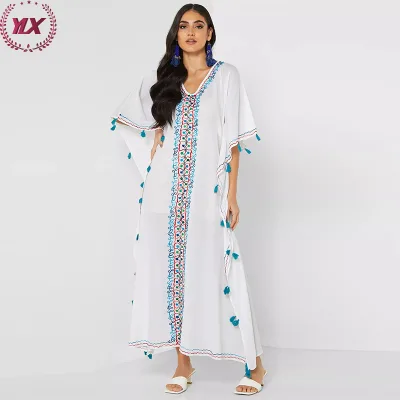
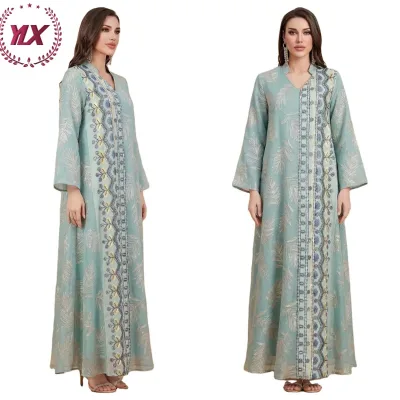
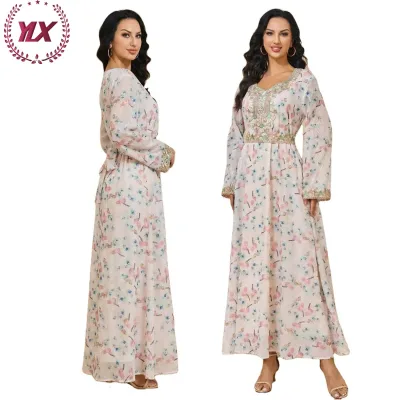
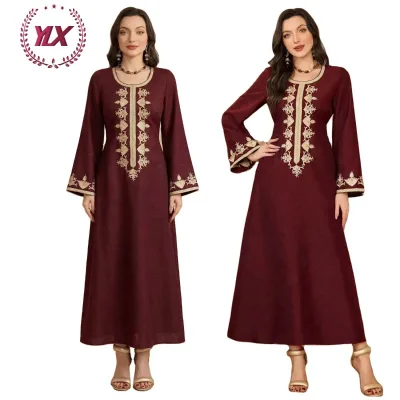
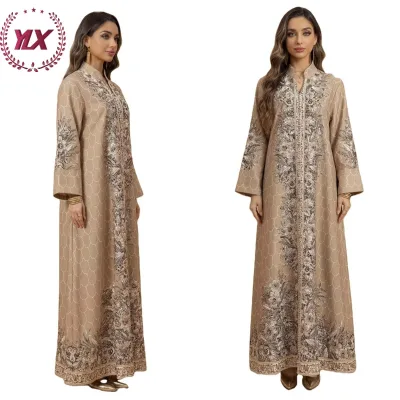


Comprehensive Sourcing Guide
Floor-Length Embroidered Kaftan Sourcing Guide
Sourcing floor-length embroidered kaftans requires a nuanced understanding of both aesthetic diversity and functional textile performance. Buyers must navigate a market where "kaftan" serves as a broad category encompassing everything from casual summer wear to formal evening attire. The observed product landscape reveals significant variation in materials, ranging from breathable rayon and cotton to more structured fabrics like embroidered organza. This diversity directly impacts the garment’s drape, weight, and suitability for different climates and occasions. Procurement teams must therefore define their specific use case early, whether it involves mass-market retail, boutique collections, or specialized ethnic wear segments.
The visual appeal of these garments often hinges on intricate detailing such as beading, sequins, lace, and embroidery. These decorative elements add substantial value but also introduce complexity in quality control and production lead times. Suppliers may offer OEM or ODM services, allowing for custom designs that align with brand identity. However, the presence of such embellishments necessitates rigorous inspection protocols to ensure durability and consistency. Buyers should prioritize suppliers who demonstrate expertise in handling delicate fabrics and complex decorative techniques, as this directly influences the final product’s marketability and customer satisfaction rates.
Product Scope and Observed Listing Signals
The current market signals indicate a strong demand for versatile kaftan styles that cater to diverse ethnic and seasonal preferences. Listings frequently highlight attributes such as "African dress patterns," "Middle East" ethnic regions, and specific color palettes including orange, pink, green, and blue. These signals suggest that buyers are targeting niche markets with distinct cultural aesthetics. The observed price range of $5.5 to $27.5 USD reflects this variability, with lower prices often corresponding to simpler cotton constructions and higher prices linked to detailed organza or rayon pieces with extensive embellishments. Understanding these price drivers is essential for accurate budgeting and margin planning.
Minimum Order Quantities (MOQs) observed in the market vary significantly, ranging from as low as 1 piece to 300 pieces. This flexibility allows buyers to test new designs with low-risk orders before committing to larger production runs. However, higher MOQs often correlate with better unit pricing and more stable supply chain commitments. Suppliers also indicate varying lead times, with some offering sample orders in about 7-15 days, while others do not support rapid sample turnaround. Buyers must align their inventory planning with these logistical constraints, ensuring that order volumes match both supplier capabilities and market demand forecasts to avoid stockouts or excess inventory.
Technical Specifications to Verify
Verifying technical specifications is critical to ensuring that the final product meets design expectations and functional requirements. Key attributes to confirm include sleeve length, neckline style, and overall silhouette. For instance, some listings specify "short sleeves" and "O-neck" designs suitable for warm weather, while others feature "full sleeve" and "regular sleeve style" options for cooler seasons or more conservative aesthetics. The dress length is another crucial factor, with options ranging from "ankle-length" to "maxi standard" floor-length cuts. Buyers must ensure that the specified dimensions align with their target demographic’s sizing preferences, particularly when dealing with plus-size or loose silhouette garments.
Material composition and fabric type also require strict verification. Observed materials include rayon, cotton, and embroidered organza, each offering distinct tactile and visual properties. Rayon provides a soft, flowing drape ideal for casual wear, while cotton offers breathability and durability. Embroidered organza, often used for more formal or decorative pieces, adds structure and visual interest but may require special care. Buyers should request fabric swatches to assess weight, texture, and colorfastness. Additionally, confirming the presence of features like "washable" and "breathable" properties ensures that the garment meets practical usage standards, reducing the risk of customer returns due to maintenance issues or discomfort.
Compliance and Safety Documentation
Compliance and safety documentation form the backbone of responsible procurement, ensuring that products meet international regulatory standards. Buyers must verify that suppliers adhere to relevant textile safety regulations, particularly regarding chemical usage and flammability. While specific certification statuses are not universally disclosed in all listings, it is imperative to request test reports from accredited laboratories. These reports should confirm the absence of harmful substances such as azo dyes, formaldehyde, and heavy metals, which are common concerns in garment manufacturing. Ensuring compliance with these standards protects brand reputation and mitigates legal risks associated with product liability.
Labeling and care instructions are also critical components of compliance. Products must include accurate fiber content labels, country of origin markings, and care instructions that align with the fabric’s properties. For example, garments made from delicate materials like organza may require specific washing instructions to prevent damage. Buyers should review these labels during the sampling phase to ensure they are clear, accurate, and compliant with destination market regulations. Additionally, verifying that suppliers follow ethical labor practices and environmental standards can enhance brand value and appeal to increasingly conscious consumers.
Cost Drivers and Commercial Terms
Understanding the cost drivers behind floor-length embroidered kaftans is essential for effective budget management. Primary cost factors include material selection, complexity of embroidery and embellishments, and order volume. Fabrics like embroidered organza and detailed rayon constructions typically command higher prices due to their intricate production processes. Conversely, simpler cotton designs with minimal decoration offer more competitive pricing. Buyers should also consider the impact of customization, such as OEM or ODM services, which may incur additional design and setup fees. These costs must be factored into the overall procurement budget to ensure profitability.
Commercial terms, including payment methods and packaging details, also influence the total cost of ownership. Common payment options observed include T/T, Western Union, and MoneyGram, each with varying transaction fees and security implications. Packaging requirements, such as individual PE or PP bags and carton bundling, add to logistical costs but are necessary for protecting garments during transit. Buyers should negotiate clear terms regarding shipping responsibilities, insurance, and return policies. Establishing transparent commercial agreements helps prevent unexpected expenses and ensures a smooth transaction process from order placement to delivery.
Supplier Qualification and Quality Control
Supplier qualification is a pivotal step in mitigating procurement risks and ensuring consistent product quality. Buyers should conduct thorough due diligence, verifying supplier credentials, production capacity, and past performance. Observing supply abilities, such as the capacity to produce 500,000 pieces per month, indicates a supplier’s potential to handle large orders efficiently. However, capacity alone does not guarantee quality. Buyers must assess the supplier’s quality control processes, including in-line inspections and final random inspections. Requesting references or case studies from previous clients can provide valuable insights into the supplier’s reliability and consistency.
Quality control measures should be explicitly defined in the purchase agreement. Key inspection points include stitch quality, alignment of patterns, and the secure attachment of embellishments like beads and sequins. Buyers should establish clear acceptance criteria for defects and implement a robust sampling strategy before full-scale production. Regular communication with the supplier during the production phase can help identify and address potential issues early. Additionally, considering third-party inspection services for large orders can provide an objective assessment of product quality, ensuring that the final shipment meets the agreed-upon standards and reduces the risk of costly returns or disputes.
Long-Term Procurement Checks
Long-term procurement success depends on continuous monitoring and relationship management with suppliers. Buyers should establish key performance indicators (KPIs) to track supplier performance over time, including metrics such as on-time delivery rates, defect rates, and responsiveness to issues. Regular performance reviews can help identify areas for improvement and foster a collaborative partnership. Maintaining open lines of communication allows for timely resolution of problems and facilitates continuous improvement in product quality and service levels. This proactive approach helps build a resilient supply chain capable of adapting to market changes and customer demands.
Additionally, buyers should stay informed about industry trends and regulatory updates that may impact procurement strategies. This includes monitoring changes in textile safety standards, sustainability requirements, and consumer preferences for ethical sourcing. Engaging with suppliers on sustainability initiatives, such as the use of eco-friendly materials or ethical labor practices, can enhance brand value and meet growing consumer expectations. By continuously evaluating and optimizing the procurement process, buyers can ensure long-term competitiveness and profitability in the dynamic floor-length embroidered kaftan market.
FAQs
What materials are used for floor-length embroidered kaftans?
Floor-length embroidered kaftans are commonly made from rayon or cotton fabrics. Some designs feature embroidered organza for a decorative finish. These materials ensure the garment is breathable and suitable for summer, spring, and autumn seasons while maintaining a loose silhouette.
Which sizes are available for these kaftan dresses?
Available sizes typically include L, XL, and 2 XL to accommodate plus size requirements. The dresses are designed with an ankle-length or maxi standard cut. Buyers should verify specific size charts as options may vary between different suppliers offering these African dress patterns.
Can I order samples before placing a bulk order?
Sample order support varies by supplier, with some offering seven-day sample lead times while others do not support this service. Buyers must check individual product listings to confirm if a seven-day sample order lead time is available before committing to a larger purchase quantity.
What is the minimum order quantity for these dresses?
Minimum order quantities generally range from 120 pieces to 300 pieces depending on the specific supplier and product model. Some vendors may accept orders as low as one piece, but standard bulk requirements often start at 120 or 300 pieces for custom designs.
How are these kaftans packaged for shipment?
Packaging details usually involve one piece per PE or OPP bag, with twelve pieces bundled together or packed in cartons. Custom packaging requirements can often be accommodated by the supplier. Each product is typically packed individually to ensure protection during transit to the port of dispatch.
Which colors are offered for these printed kaftans?
Common color options include orange, pink, green, and blue, though some listings show colors as they appear in pictures. The patterns often feature floral prints or African dress designs. Buyers should confirm the exact color availability with the supplier as options may vary by season.
What is the supply ability for these dresses?
Suppliers often report a supply ability of 500,000 pieces per month to handle large volume orders. This capacity ensures timely delivery for bulk purchases. Buyers requiring specific quantities should confirm current stock levels and production capacity with the manufacturer before finalizing the order details.