Source Unisex Knitted Anti-Wrinkle Sweatpants for Gym, Travel, and Casual Wear
Source unisex knitted anti-wrinkle sweatpants from 30 verified suppliers. Compare options featuring heavyweight and midweight fabrics, drawstring and elastic waists, and custom branding services for gym, travel, and casual wear applications; compare the available evidence and request quotations based on your requirements.
Updated
Key considerations
Products List


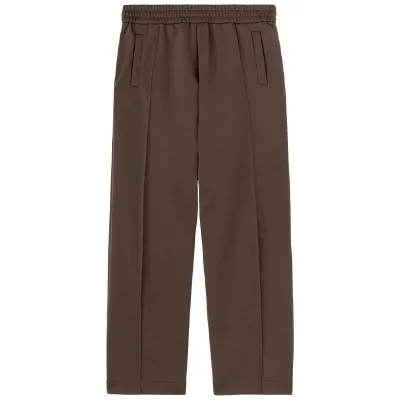
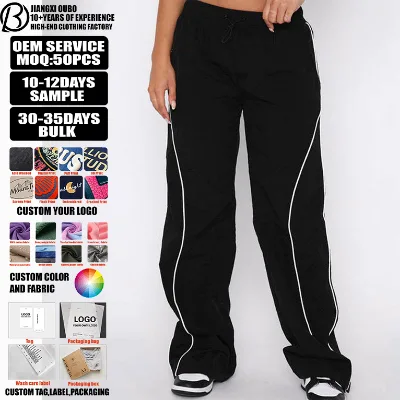
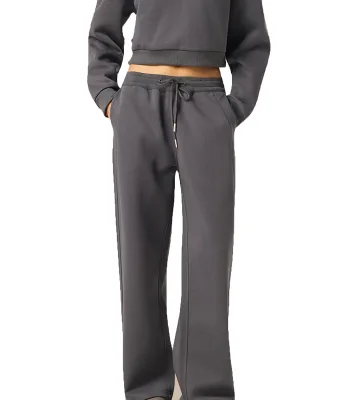
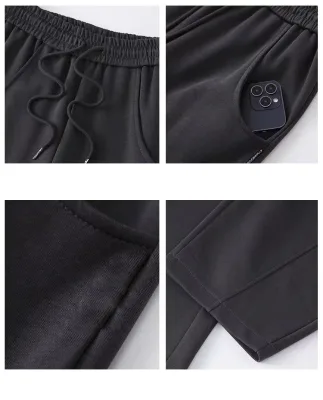
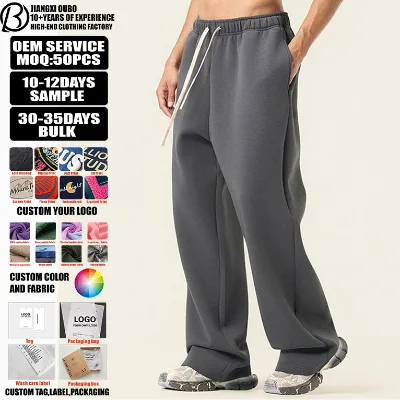
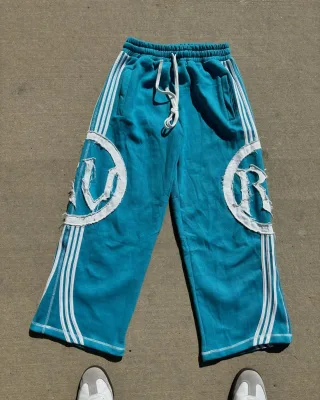


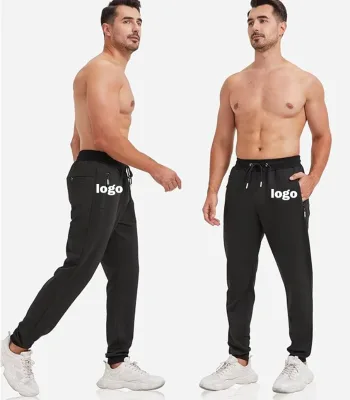


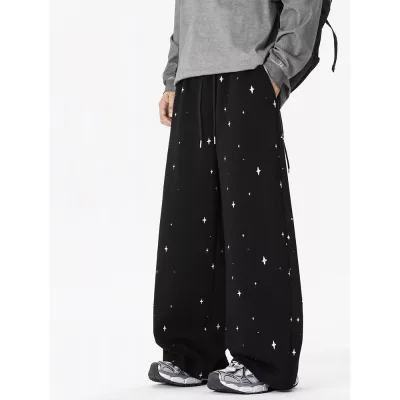


Comprehensive Sourcing Guide
Unisex Knitted Anti-Wrinkle Sweatpants Sourcing Guide
Sourcing unisex knitted anti-wrinkle sweatpants requires careful attention to material composition and construction techniques that balance comfort with durability. Buyers must distinguish between woven and knitted fabrics, as the latter offers superior stretch and recovery, which is critical for maintaining the garment’s shape during active wear. The observed market data indicates a prevalence of cotton-spandex blends, which provide the necessary elasticity while retaining the breathability associated with natural fibers. This combination is particularly effective for creating garments that resist wrinkling without sacrificing the soft hand-feel expected in casual loungewear or athletic apparel.
Procurement teams should also evaluate the specific finishing processes applied to the fabric, such as plain dyeing or yarn dyeing, which influence the final aesthetic and colorfastness. The presence of features like quick-dry and anti-pilling treatments suggests that manufacturers are targeting performance-oriented consumers who demand longevity from their casual wear. Understanding these technical nuances allows buyers to specify requirements that align with their target demographic, ensuring that the final product meets both functional expectations and style preferences. This foundational knowledge is essential for developing accurate technical packs and communicating clear expectations to potential suppliers.
Product Scope and Observed Listing Signals
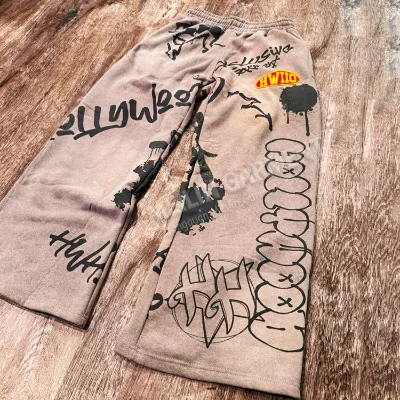
The current market landscape for unisex sweatpants reveals a diverse range of styles, from high-waisted drawstring designs to mid-rise elastic waist options. Listings frequently highlight customization capabilities, including logo placement on the waist or legs, and the availability of various patterns such as floral or solid colors. The observed product attributes indicate a strong emphasis on versatility, with items suitable for autumn and winter seasons, often featuring heavyweight or midweight constructions to provide adequate warmth. This variety allows buyers to curate collections that cater to different climate conditions and fashion trends, ensuring a broad appeal across various consumer segments.
Price points and minimum order quantities (MOQs) vary significantly, with observed ranges suggesting flexibility for both small-batch testing and large-scale production runs. Buyers should note that some suppliers offer OEM services, enabling brand-specific modifications such as custom fabric weights or unique decorative elements like buckles. The presence of standard export packaging and specific model numbers, such as K04 or DSL-0251515, indicates a structured manufacturing process that supports traceability and quality control. Understanding these listing signals helps buyers identify suppliers who can meet their specific volume and customization needs while maintaining competitive pricing structures.
Technical Specifications to Verify
Verifying technical specifications is crucial to ensuring that the sweatpants meet the desired performance and aesthetic standards. Buyers should confirm the exact fabric weight, which can range from midweight to heavyweight, as this directly impacts the garment’s warmth and drape. The inclusion of spandex in the material composition is a key indicator of stretchability, but the precise percentage must be verified to ensure adequate recovery and shape retention. Additionally, the weaving method, whether woven or knitted, should be clearly defined, as this affects the fabric’s texture, durability, and suitability for specific uses.
Other critical specifications include the closure type, such as elastic waist or drawstring, and the front style, which can influence the overall fit and comfort. Buyers must also verify the available size ranges, which often include standard measurements like 30, 32, 34, and 36, to ensure they align with their target market’s sizing preferences. The thickness of the fabric, described as heavyweight or midweight, should be correlated with the intended season, such as autumn or winter, to guarantee appropriate thermal properties. Clear documentation of these details in the technical pack minimizes the risk of production errors and ensures consistency across orders.
Compliance and Safety Documentation
Compliance with safety and environmental standards is a non-negotiable aspect of modern apparel sourcing, particularly for garments intended for global distribution. Buyers must request documentation that verifies the absence of harmful substances in the dyes and finishes used, such as azo dyes or formaldehyde, which can pose health risks. Although specific certification statuses are not universally listed, suppliers should be able to provide test reports from accredited laboratories confirming adherence to relevant regulations, such as REACH in Europe or CPSIA in the United States. This due diligence protects the brand from legal liabilities and enhances consumer trust in the product’s safety.
Environmental considerations are also increasingly important, with many buyers seeking eco-friendly materials and sustainable production practices. Suppliers may offer fabrics that are labeled as eco-friendly, but buyers should verify the basis of these claims, such as the use of organic cotton or recycled polyester. Additionally, compliance with labor standards and ethical manufacturing practices should be assessed through audits or third-party certifications. By prioritizing compliance and sustainability, buyers can mitigate risks and align their procurement strategies with growing consumer demand for responsible fashion.
Cost Drivers and Commercial Terms
Several factors influence the final cost of unisex knitted anti-wrinkle sweatpants, including material costs, labor expenses, and the complexity of customization. The choice of fabric, such as 100% cotton versus cotton-spandex blends, significantly impacts the base price, as does the weight and quality of the yarn. Customization options, such as embroidered logos or unique decorative elements, add to the production cost due to the additional labor and setup required. Buyers should negotiate clear pricing structures that account for these variables, ensuring that they receive accurate quotes for their specific requirements.
Commercial terms, including minimum order quantities (MOQs) and lead times, also play a crucial role in cost management. Observed MOQs range from 30 to 200 pieces, offering flexibility for different business models, from small startups to established brands. Lead times for sample orders and bulk production should be clearly defined, with some suppliers offering rapid turnaround times for samples to facilitate quick decision-making. Buyers should also consider payment terms and shipping costs, which can vary based on the supplier’s location and the chosen logistics provider. Understanding these commercial dynamics helps buyers optimize their budget and plan their inventory effectively.
Supplier Qualification and Quality Control
Qualifying suppliers involves a thorough assessment of their manufacturing capabilities, quality control processes, and track record. Buyers should request samples to evaluate the fit, finish, and overall quality of the sweatpants, paying close attention to details such as stitching, seam strength, and fabric consistency. It is also important to verify the supplier’s ability to meet customization requests, such as specific logo placements or fabric weights, by reviewing their past work or conducting a factory audit. This due diligence ensures that the supplier has the technical expertise and resources to deliver products that meet the buyer’s standards.
Quality control measures should be integrated into the production process to minimize defects and ensure consistency. Buyers should establish clear quality standards and inspection protocols, including pre-production, during-production, and pre-shipment inspections. These inspections should cover aspects such as dimensional stability, colorfastness, and the absence of visible flaws. By implementing robust quality control procedures, buyers can reduce the risk of receiving substandard products and maintain a high level of customer satisfaction. Regular communication with the supplier throughout the production process is also essential to address any issues promptly and ensure timely delivery.
Long-Term Procurement Checks
Long-term procurement success depends on continuous monitoring of supplier performance and market trends. Buyers should regularly review supplier metrics, such as on-time delivery rates, defect rates, and responsiveness to issues, to identify areas for improvement. Building strong relationships with reliable suppliers can lead to better pricing, priority production, and collaborative innovation. Additionally, staying informed about emerging materials, technologies, and consumer preferences allows buyers to adapt their product offerings and maintain a competitive edge in the market.
Sustainability and ethical sourcing are becoming increasingly critical factors in long-term procurement strategies. Buyers should prioritize suppliers who demonstrate a commitment to environmental responsibility and fair labor practices, as these values resonate with modern consumers. Regular audits and certifications can help verify these commitments and ensure ongoing compliance. By focusing on long-term partnerships and sustainable practices, buyers can build a resilient supply chain that supports their brand’s growth and reputation. This strategic approach not only mitigates risks but also enhances the overall value proposition of the products offered to consumers.
FAQs
What customization options are available for these sweatpants?
Customization is available for these sweatpants, allowing buyers to specify details like logo placement on the waist or leg. The product supports OEM services and offers customized patterns, ensuring the final item meets specific brand requirements without compromising the heavy or midweight fabric quality.
Which waist types are offered for these unisex sweatpants?
These sweatpants are offered with high and mid waist types to suit different fit preferences. The design features a drawstring waist for adjustable comfort, ensuring a secure fit for men while maintaining the straight fit style required for casual winter or autumn wear.
Can I order samples with a seven-day lead time?
Sample order lead times vary by supplier, as some do not support a seven-day turnaround while others do support it. Buyers should verify specific lead time capabilities with the manufacturer before placing an order to ensure the sample arrives within the required timeframe.
What materials are used to make these sweatpants?
The sweatpants are constructed from materials such as Spandex and Cotton or 100% Cotton, depending on the specific model. These fabrics provide durability and comfort, often featuring plain dyed or yarn dyed technics to achieve the desired color and texture for the final garment.
How are these sweatpants packaged for export?
Products are typically packed in standard export packaging to ensure safe transit. Specific single package sizes may vary, such as 40x35x5 cm, while overall dimensions like 60x40x30 cm are also noted for bulk shipments originating from Guangdong or Jiangxi in China.
What features do these sweatpants include for performance?
These sweatpants include features like anti-wrinkle, quick dry, and anti-pilling properties to enhance longevity. Additional benefits may include breathable, eco-friendly, and anti-static capabilities, making them suitable for various seasons including winter, autumn, and spring while maintaining a casual style.
Which sizes are available for these unisex sweatpants?
Available sizes typically range from 30 to 40, covering standard measurements for men. Buyers can select from options like 30, 32, 34, 36, 38, and 40 to ensure the correct fit, with full-length designs available to meet specific style requirements for the garment.