Source slim fit casual knitted t-shirt for Promotional, Retail, and Custom Branding
Source 30 slim fit casual knitted t-shirt options from suppliers in China Mainland, Shanghai, and Nanchang. Compare materials like 100% cotton and cotton/spandex blends, featuring round necks, short sleeves, and breathable designs for promotional, retail, and custom branding applications.
Updated
Key considerations
Products List


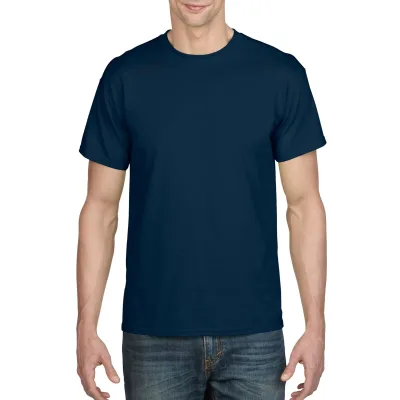
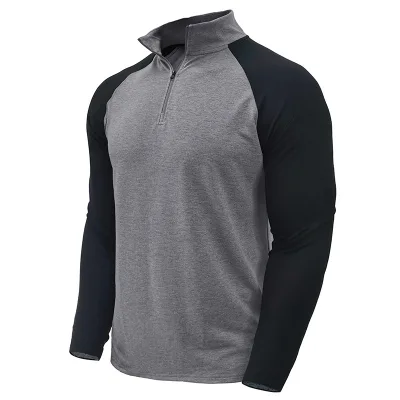
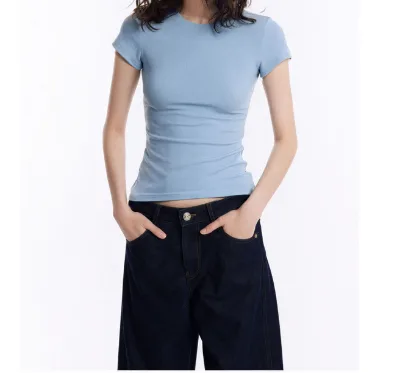
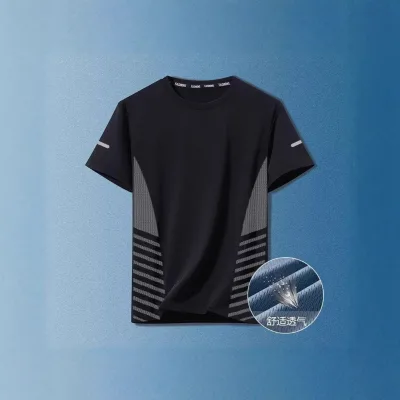


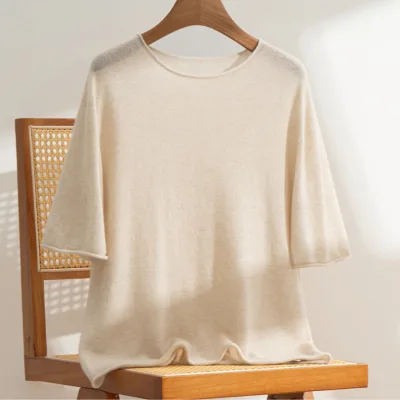


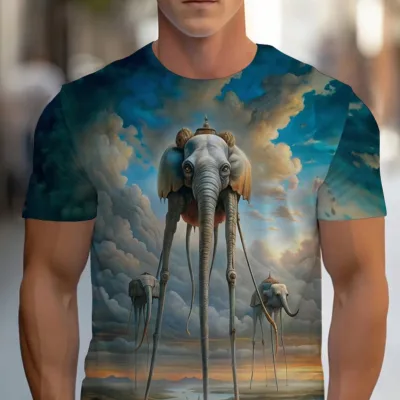


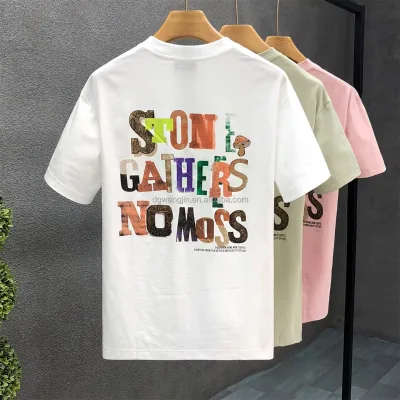

Comprehensive Sourcing Guide
Slim Fit Casual Knitted T-Shirt Sourcing Guide
Sourcing slim fit casual knitted t-shirts requires a precise understanding of how fabric composition and cut interact to deliver the desired aesthetic and functional performance. Buyers must distinguish between standard cotton blends and specialized synthetic mixes, as these materials dictate breathability, moisture management, and the garment’s ability to maintain its shape after repeated washing. The observed market data indicates a strong presence of cotton and spandex blends, which offer the necessary elasticity for a snug, body-hugging silhouette without compromising comfort during summer wear.
Procurement teams should also evaluate the technical construction methods, specifically focusing on knitting techniques that support a slim fit without restricting movement. The availability of digital printing and embroidery options allows for extensive customization, making these garments ideal for promotional campaigns or branded apparel lines. However, the choice between plain, printed, or solid patterns must align with the target demographic’s preferences, ensuring that the visual appeal complements the functional attributes of the moisture-absorbing and breathable fabric properties inherent in high-quality knitted structures.
Product Scope and Observed Listing Signals
The current market landscape for slim fit casual knitted t-shirts reveals a diverse range of product configurations, with observed price points ranging from $0.50 to $43.50 USD. This wide variance suggests significant differences in material quality, manufacturing complexity, and brand positioning. Buyers should note that minimum order quantities (MOQs) typically span from 1 to 1,000 units, offering flexibility for both small-scale testing and large-volume production runs. Understanding these commercial signals helps in budgeting accurately and selecting suppliers who can accommodate specific volume requirements without imposing prohibitive financial barriers.
Product attributes observed in listings frequently include round neck collars, short sleeves, and single or mixed color options, catering to versatile styling needs. Many suppliers offer customization services, including logo placement via print or embroidery, which is critical for businesses seeking branded merchandise. The presence of features such as moisture absorption and breathability highlights the functional focus of these garments, particularly for summer seasons. Buyers must verify that the listed "slim fit" designation corresponds to actual garment measurements, as sizing standards can vary significantly between manufacturers from different regions.
Technical Specifications to Verify
Verifying technical specifications is paramount to ensuring the final product meets design expectations, particularly regarding fabric weight and composition. Observed data points to materials such as 100% cotton, cotton/polyester blends, and cotton/spandex mixes, each offering distinct tactile and performance characteristics. Buyers should confirm the exact fabric weight, with some listings indicating weights around 240 grams, which influences the garment’s drape and opacity. Additionally, the knitting technique, whether standard knitted or embroidered details, must be validated to ensure consistency in texture and durability across the entire production batch.
Size and fit specifications require careful scrutiny, as terms like "slim fit" can be interpreted differently across global supply chains. Some listings specify sizes up to XXXL, while others provide detailed package dimensions, such as 35x24x0.5 cm for single units, which aids in logistics planning. Buyers must also check for needle detection compliance, a critical safety feature for garments worn close to the skin. Confirming that the supplier adheres to strict quality control measures during the knitting and finishing stages ensures that the slim silhouette is maintained without unintended stretching or distortion during wear.
Compliance and Safety Documentation
Compliance with safety and quality standards is non-negotiable for apparel procurement, especially for items like t-shirts that have direct skin contact. Buyers must request documentation confirming that the manufacturing process includes needle detection to prevent metal fragment contamination, a standard requirement for many international markets. While specific certification statuses like GOTS may be mentioned in background contexts, buyers should independently verify the actual certification status of their chosen supplier rather than relying on general market assertions. This due diligence protects against regulatory risks and ensures that the products meet the legal requirements of the destination market.
Furthermore, understanding the origin and standard practices of the supplier is essential for risk management. Products sourced from regions like Nanchang, Shanghai, or broader China Mainland may have varying local regulatory frameworks. Buyers should inquire about the specific standards applied during production, such as those related to chemical usage or labor practices, even if not explicitly detailed in initial listings. Establishing clear compliance expectations in the purchase agreement ensures that the supplier is accountable for maintaining these standards throughout the production cycle, thereby safeguarding the brand’s reputation and consumer safety.
Cost Drivers and Commercial Terms
Several key factors influence the final cost of slim fit casual knitted t-shirts, with material composition being a primary driver. The use of premium materials like 100% cotton or specialized blends with spandex typically commands higher prices compared to standard polyester mixes. Additionally, the complexity of customization, such as digital printing or intricate embroidery, adds to the unit cost. Buyers should analyze the price range of $0.50 to $43.50 USD in the context of these variables, recognizing that lower prices may correlate with simpler designs or less expensive fabric weights, while higher prices reflect enhanced quality and detailed craftsmanship.
Commercial terms, including lead times and packaging requirements, also play a significant role in total procurement costs. Some suppliers offer rapid sample order lead times of seven days, which is advantageous for quick turnaround projects, but this may come at a premium. Packaging options, ranging from polybags to export cartons, affect shipping efficiency and costs. Buyers should negotiate clear terms regarding MOQs and payment structures, ensuring that the financial commitment aligns with the expected volume and quality. Transparent communication about these commercial aspects helps in avoiding hidden costs and ensures a smoother transaction process.
Supplier Qualification and Quality Control
Qualifying suppliers for slim fit casual knitted t-shirts involves a rigorous assessment of their manufacturing capabilities and quality control systems. Buyers should prioritize suppliers who demonstrate consistent production quality, as evidenced by their adherence to specified fabric weights and knitting techniques. It is crucial to verify that the supplier can consistently deliver the "slim fit" silhouette without deviation, which requires precise pattern making and controlled cutting processes. Requesting pre-production samples and conducting thorough inspections of these samples helps in identifying potential issues before mass production begins, thereby reducing the risk of receiving non-conforming goods.
Quality control should extend to the finishing stages, including printing, embroidery, and packaging. Buyers must ensure that the supplier has robust procedures for checking color consistency, print durability, and overall garment integrity. The availability of customization options, such as logo placement, should be validated through sample approvals to ensure that the branding is applied correctly and securely. Additionally, verifying the supplier’s ability to handle different packaging requirements, from individual polybags to bulk cartons, ensures that the products are protected during transit. A comprehensive qualification process minimizes defects and enhances customer satisfaction.
Long-Term Procurement Checks
Establishing long-term procurement relationships requires ongoing monitoring of supplier performance and product consistency. Buyers should implement regular quality audits and feedback loops to ensure that the supplier maintains high standards over time. This includes periodic re-evaluation of fabric quality, stitching durability, and fit accuracy, as these factors can drift if not closely monitored. By maintaining open communication and setting clear performance metrics, buyers can foster a collaborative relationship that encourages continuous improvement and innovation in product design and manufacturing processes.
Additionally, buyers should stay informed about market trends and regulatory changes that may impact the sourcing of slim fit casual knitted t-shirts. This includes keeping abreast of new sustainability standards, material innovations, and shifting consumer preferences for fit and style. Regularly reviewing supplier capabilities against these evolving requirements ensures that the procurement strategy remains competitive and responsive. By proactively addressing potential challenges and adapting to market dynamics, buyers can secure a reliable supply chain that supports their brand’s growth and customer satisfaction in the long run.
FAQs
What materials are used for slim fit casual knitted t-shirts?
The t-shirts are primarily made from cotton, cotton with spandex, or 100% cotton blends. These materials ensure the fabric is breathable and offers moisture absorption. The knitted technics provide a comfortable fit suitable for summer wear. Some options include polyester mixes for durability while maintaining the soft hand feel required for casual styles.
Can I customize the logo on these t-shirts?
Yes, customization is available for promotional and advertising purposes. Buyers can choose between print or embroidery for their logo placement. The design can be tailored as per customer requests, allowing for unique branding. This service supports OEM requirements, ensuring your specific corporate identity or event theme is accurately represented on the final garment.
What is the typical lead time for sample orders?
Sample orders are supported with a lead time of 7 days. This quick turnaround allows buyers to verify quality and fit before committing to bulk production. The standard packing includes polybags or export cartons depending on the specific model. This efficiency helps streamline the sourcing process for urgent promotional needs or new product launches.
What are the available size and fit options?
The t-shirts offer a slim fit style with regular length. Sizes range from standard options up to XXXL to accommodate various body types. The collar style is typically a round neck, providing a classic casual look. These specifications ensure a consistent fit across different batches, making them suitable for both men's and ladies' apparel lines.
How are the t-shirts packaged for shipping?
Packaging options include polybags, paper cartons, and export cartons. Specific models may use standard cartons with defined dimensions like 53*65*48cm. The single package size is often around 35X24X0.5 cm. This varied packaging ensures protection during transit while allowing flexibility for different shipping requirements and inventory management needs for bulk orders.
What features make these t-shirts suitable for summer?
These t-shirts are designed for summer with breathable and moisture-absorbing fabrics. The knitted technics enhance airflow, keeping the wearer cool. Features like compressed fabric or plain patterns add to comfort. The use of cotton or cotton-spandex blends ensures softness against the skin, making them ideal for hot weather casual wear or promotional events.