Eco-Friendly Reusable Fly Bottle Trap Suppliers and Manufacturers
Source 25 verified suppliers for Eco-Friendly Reusable Fly Bottle Trap products. Compare key dimensions including Zhejiang origin, SGS and TüVRheinland verification, response times, and pricing. Review specifications and request quotes to streamline your procurement process; review the available evidence before requesting comparable quotations from suitable candidates.
Suppliers List

Ningbo Haishu Zhongqi Plastics Co., Ltd.
- Verified by SGS
- Trading Company
- China Zhejiang
- Lead time30 days
- Avg. response≤ 7h
Main productsRubber Duck, Fly Trap
Main marketsDomestic


Outdoor Fly Traps for Patio, Flies Jar Trap Bottle, Reusable Hanging Gnat Catcher Jar
$0.97 - $1.15
MOQ: 3000 Pieces

Newest Fly Trap Bottle Trap, Pest Control Trap Bottle, Insect Catcher Trap, Fruit Flies Trap
$0.62 - $0.78
MOQ: 1000 Pieces


Ningbo Zhuoying Commodity Co., Ltd.
- Verified by SGS
- Combined
- China Zhejiang
- Lead time30 days
- Avg. response≤ 1h
Main marketsDomestic


Outdoor Garden Reusable Hanging Fly Catcher Fruit Fly Control Fly Bottle Trap
$1.70 - $2.50
MOQ: 1000 Pieces

Effective Fly Bait System Non-Toxic Fly Bottle Reusable Hanging Fly Trap
$1.70 - $2.50
MOQ: 1000 Pieces

Effective Fly Bait System Non-Toxic Fly Bottle Reusable Hanging Fly Trap
$0.97 - $1.15
MOQ: 3000 Pieces


Effective Fly Bait Station Non-Toxic Fly Bottle Reusable Fly Control Fly Trap
$0.97 - $1.15
MOQ: 3000 Pieces
Ningbo Garden Lifestyle Trading Co., Ltd.
- Verified by TüVRheinland
- Trading Company
- Lead time30 days
- Avg. response≤ 8h
Main productsGarden Tools, Pest Control, Watering & Irrigation, Flower Pots & Planters, Garden Decor & Lawn Edging
Main marketsWestern Europe(34%), North America(25%), Oceania(11%)
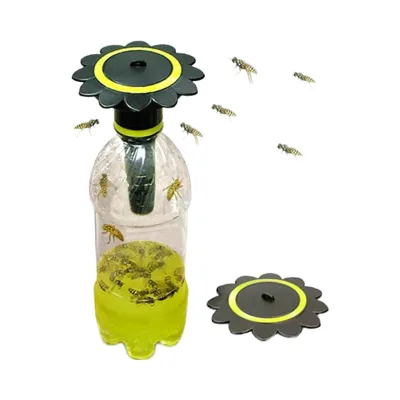
$0.87 - $1.32
MOQ: 3 pieces
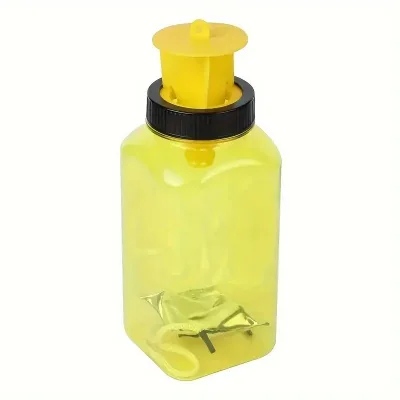
$1.02 - $1.22
MOQ: 1000 pieces
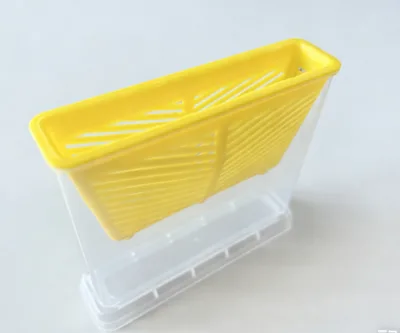
$0.69 - $1.09
Tianjin Hc Hardware Products Co., Ltd.
- Verified by SGS Group
- Manufacturer, Trading Company
- Lead time30 days
Main productsBird Spikes, Moth Traps, Fly Trap Bags and Bottles, Trap Cages, Rodent Bait Station
Main marketsNorth America(40%), South America(10%), Eastern Europe(10%)
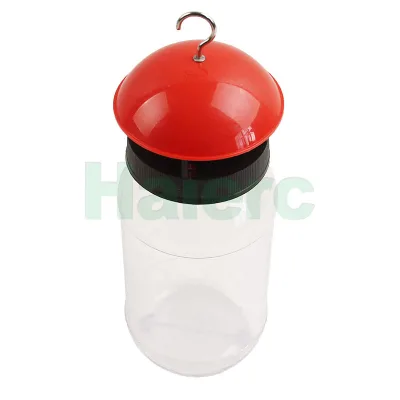
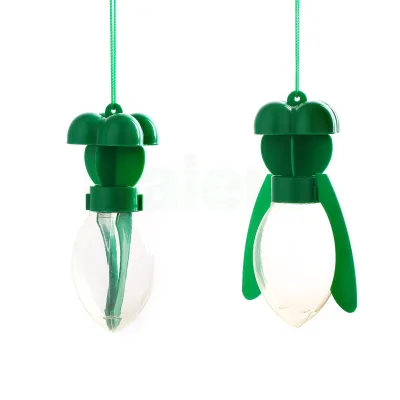
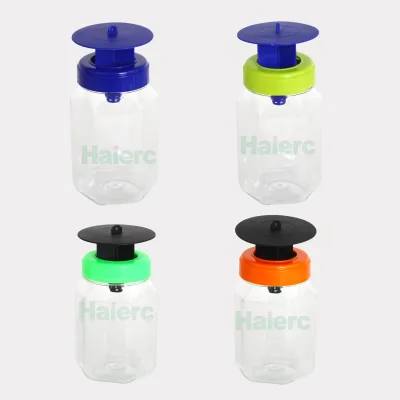
Reusable Fly Trap Bottle Kit - Includes Strong Lure for Home & Garden Ready-to-Use Fly Trap
$0.67 - $0.87
MOQ: 1 pieces
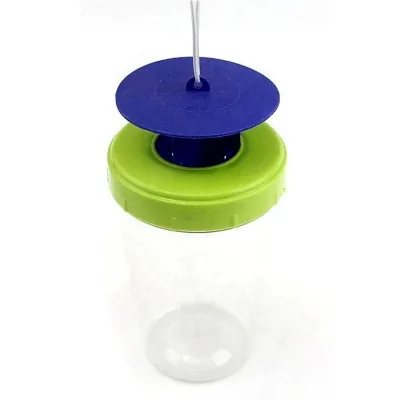
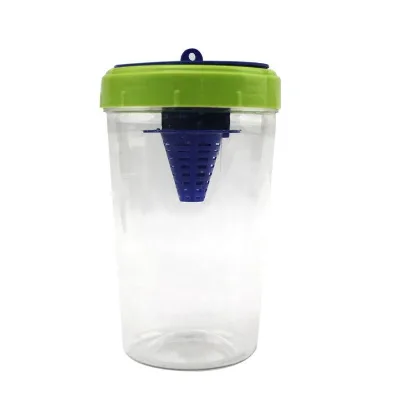
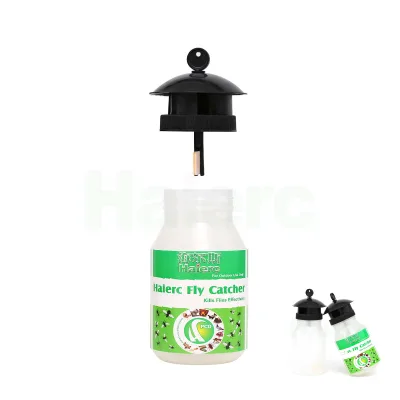
Non-Toxic Fly Trap Bottle Fruit House Flies Trap Big Fly Bottle with Bait Sexual Lure
$0.71 - $0.87
MOQ: 2 pieces

Xiamen Consolidates Manufacture and Trading Co., Ltd.
- Verified by BV
- Combined
- China Fujian
- Lead time30 days
- Avg. response≤ 8h
Main productsPest Control, Mouse Trap, Rodent Control, Insect Control
Main marketsSouth America,Africa,Southeast Asia/ Mideast,East Asia(Japan/ South Korea),Europe,Australia,North America

HOLY INTERNATIONAL GROUP LIMITED
- Verified by TUVRHEINLAND
- Trading Company
- China Zhejiang
- Lead time23 days
- Avg. response≤ 11h
Main productsMosquito Killer Lamp, Fly Trap, Cat Litter Box, Ice Maker, Pet Hair Vacuum Cleaner
Main marketsEurope
Xiamen Consolidates Manufacture And Trading Co., Ltd.
- Verified by SGS Group
- Manufacturer, Trading Company
- Lead time45 days
- Avg. response≤ 7h
Main productsRodent Control Trap, Moth Trap, Mole Trap, Bird Control Trap, Rodent Bait Station
Main marketsNorth America(16%), Southeast Asia(12%), Mid East(11%)

Xiamen Lucky Pacific Industry Co., Ltd
- Combined
- China Fujian
- Lead time30 days
- Avg. response≤ 10h
Main productsMouse Trap
Main marketsSouth America,Southeast Asia/ Mideast,Europe,Australia,North America

Effective Fly Bait System Non-Toxic Fly Bottle Reusable Hanging Fly Trap
$1.70 - $2.50
MOQ: 1200 Pieces

Effective Fly Bait Station Non-Toxic Fly Bottle Reusable Fly Control Fly Trap
$1.70 - $2.50
MOQ: 1200 Pieces


Fly Catcher Extremely Effective Portable Pest Control Reusable Fly Trap Bottle
$1.70 - $2.50
MOQ: 2000 Pieces

Custom Pest Control Equipment Flying Insect Trap Fly Catcher Bottle Fly Trap
$1.70 - $2.50
MOQ: 1200 Pieces

Ningbo Bestwin Commodity Co., Ltd.
- Verified by Intertek
- Manufacturer, Trading Company
- Lead time30 days
- Avg. response≤ 8h
Main productsFly Insects Control, Mouse Rat Animal Control, Cockroach Spider Ants Control, Birds Wasp Control, Lint Roller With Handle and Refills
Main marketsEastern Europe(37%), Central America(28%), Domestic Market(15%)
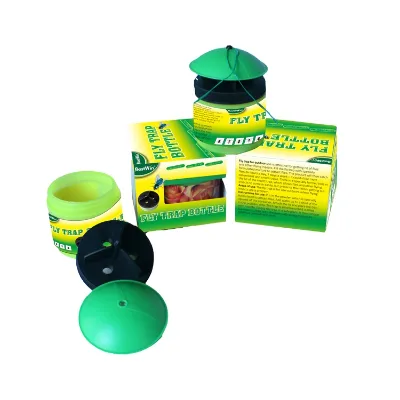
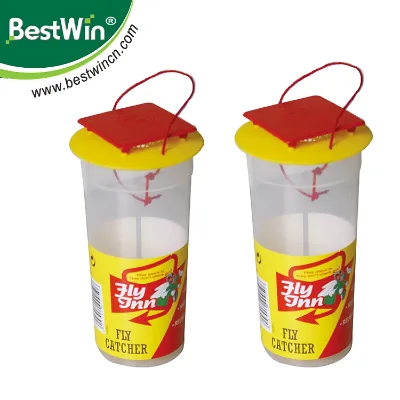
Professional High Effective Non-toxic Yellow Reusable Fly Trap Catcher Bottle With Bait
$1.11 - $1.33
MOQ: 10080 boxes
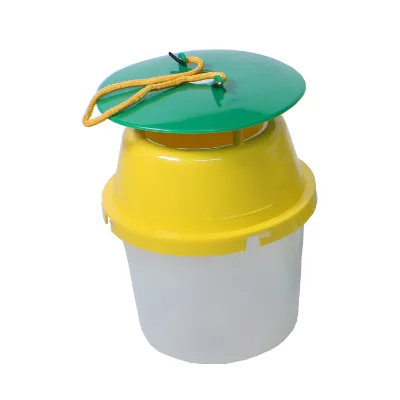
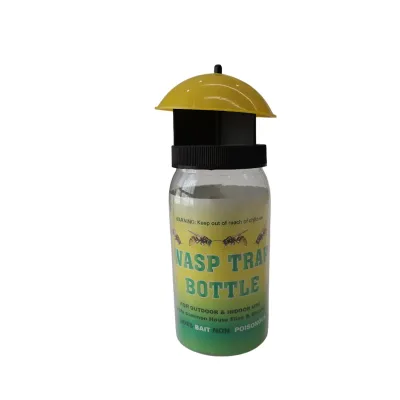
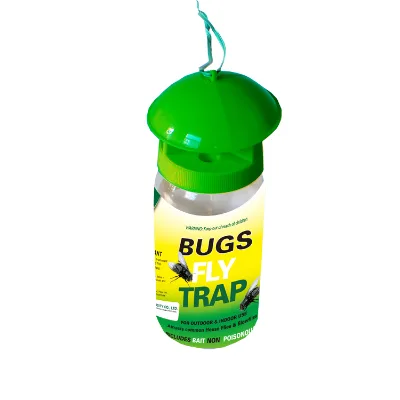
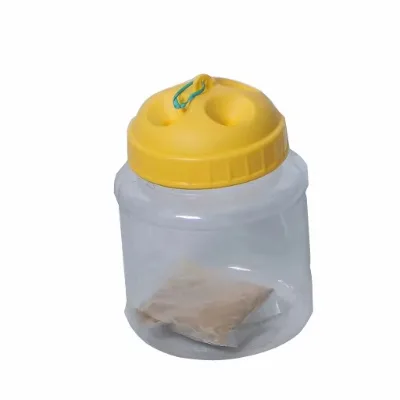
EPA Certification Strong Long Lasting Fly Bottle Trap Wasp Trap Pest Control
$0.70 - $0.85
MOQ: 6 boxes

Shanghai Zhengqian New Materials Co., Ltd.
- Manufacturer/Factory
- China Shanghai
- Lead time23 days
- Avg. response≤ 6h
Main productsMouse Glue Trap, Insect Glue Trap, Fly Glue Trap, Fruit Fly Trap, Cockroack Trap, Insect Glue Tie, Release Paper, Pet Release Film
Main marketsSouth America,Eastern Europe,Mid East,North America,Southeast Asia,Eastern Asia,Oceania,Western Europe,Africa
Hunan Hengshuangkang Technology Co., Ltd.
- Trading Company
- Hunan, China
- Lead time20 days
- Avg. response≤ 2h
Main productsfly trap,mouse trap,cockroach killer,hardware,cabinet handle
Main marketsMid East(30.0%), Africa(30.0%), Southeast Asia(20.0%), North America(20.0%)
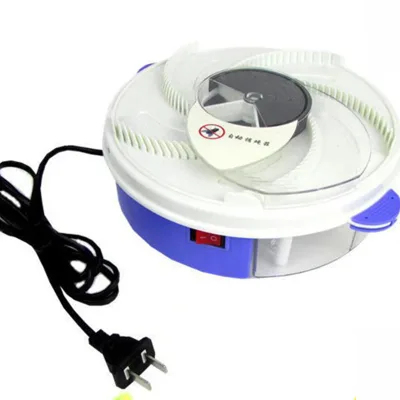
Fruit Fly Trap Bottle Box Glass Trap Catcher With Fly Killer Powder Fly Killing Bait
$2.57 - $4.63
MOQ: 5 pieces
Hangzhou Clean PCO Technology Co., Ltd.
- Manufacturer, Trading Company
- Lead time旺季: "1 - 1":7,"> 1":"To be negotiated", 淡季: "1 - 1":7,"> 1":"To be negotiated"
- Avg. response≤ 4h
Main productsPest Control Products
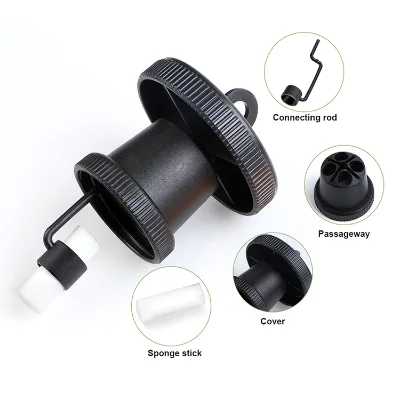
$0.24 - $0.31
MOQ: 100 pieces
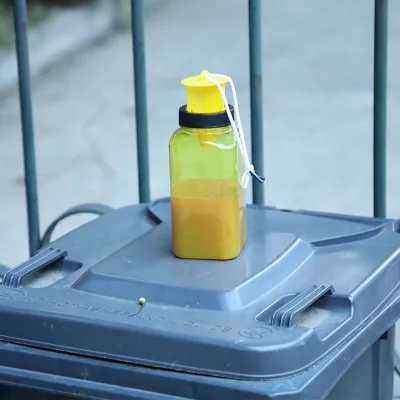
Gardens Patios and Refuse Areas Hang or Stand Non-toxic Fly Catcher Bait Bottle Trap
$1.10 - $1.50
MOQ: 1000 pieces

NINGER PESTICIDE INDUSTRIAL CO., LTD.
- Trading Company,Manufacturer/Factory
- China Zhejiang
- Lead time23 days
- Avg. response≤ 9h
Main productsGlue Trap, Mouse Trap, Cockroach Killer, Mosquito Killer Lamp, Pest Repeller, Live Mouse Trap, Cockroach Trap, Pesticide, Fly Trap, Mosquito Killer
Main marketsSouth America,Eastern Europe,Mid East,North America,Southeast Asia,Eastern Asia,Oceania,Western Europe,Africa


$0.72 - $1.28
MOQ: 10000 Pieces

Reusable Outdoor Fly Catcher with Attractant Hanging Plastic Fly Trap Bagwater Activated Insect Trap
$0.60 - $1.28
MOQ: 10000 Pieces

HEBEI CROWN WEALTH METAL PRODUCTS CO., LTD.
- Manufacturer/Factory
- China Hebei
- Lead time15 days
- Avg. response≤ 4h
Main productsBird Spike, Stainless Steel Banding Strap, Drop Wire Clamp, Pole Line Hardware, Mole Trap, Airline L Track, Joist Hanger, Plastic Wire Clamp, Truss Nail Plate, Fiber Clamp
Main marketsSouth America,Eastern Europe,Mid East,North America,Western Europe

Reusable Plastic Hanging Fruit Fly Trap Catcher Bottle Garden Insect Pest Control
$0.85 - $0.99
MOQ: 1000 Pieces


Huizhou Senping Technology Co., Limited
- Verified by BV
- Trading Company
- China Guangdong
- Lead time15 days
- Avg. response≤ 11h
Main productsButyl Tape, Foam Tape, Warning Tape, Self Amalgamating Tapes, Caulk Tape, Glazing Tape, BOPP Packing Tape, Fly Glue Board, Mouse Glue Trap, Infrarec Ceramic Plate
Main marketsSoutheast Asia/ Mideast,Europe,Australia,North America

Outdoor Fruit Fly Trap Eco Reusable Pest Control Equipment Fly Trap Outdoor Fruit
$0.02 - $0.15
MOQ: 50000 Pieces

Bug Fly Trap Flying Insect Trap Fruit Fly Sticky Trap Mosquito Sticky Paper
$0.02 - $0.15
MOQ: 50000 Pieces

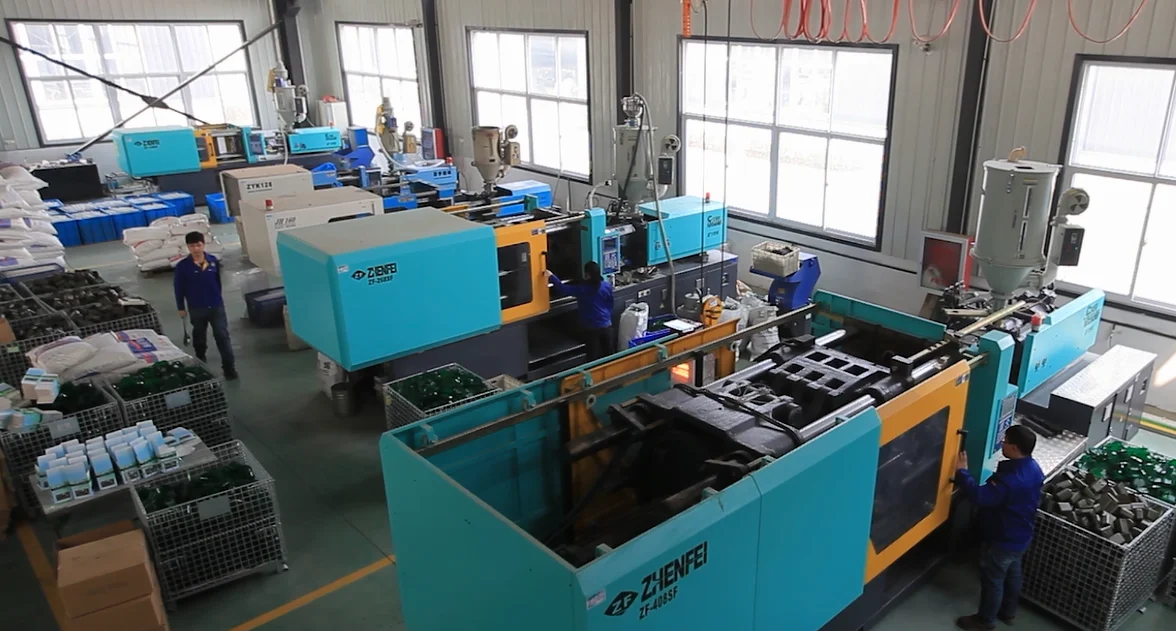
Huanghua Gunter Hardware Co., Ltd.
- Trading Company
- Hebei, China
- Lead time30 days
- Avg. response≤ 11h
Main productsRat Trap,Bait Station,Bird Spikes,Mole Trap,Glue Trap
Main marketsWestern Europe(30.0%), North America(30.0%), Eastern Europe(10.0%), Northern Europe(8.0%), South America(5.0%), Oceania(5.0%), Southeast Asia(5.0%), Mid East(3.0%), Eastern Asia(3.0%), Africa(1.0%)
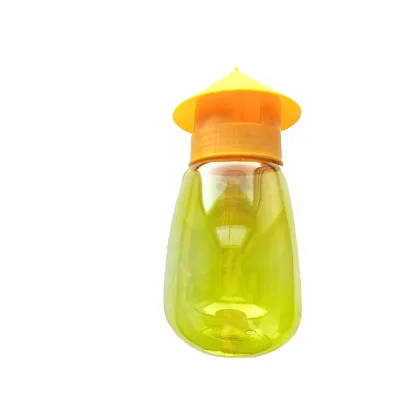
Solid Outdoor Plastic Hanging Bottle Insect Catcher Yellow Drosophila Fly Trap
$0.81 - $0.87
MOQ: 500 pieces
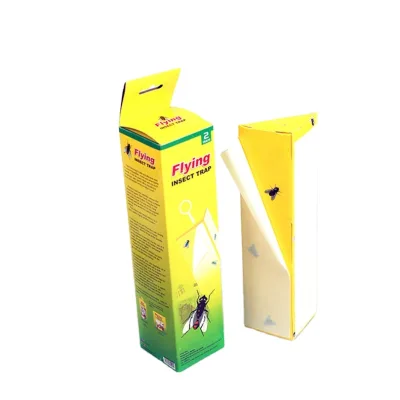
Yellow Paper Fly Glue Trap for Bed Bugs Non Toxic Eco-Friendly Disposable
$0.49 - $0.69
MOQ: 1000 pieces
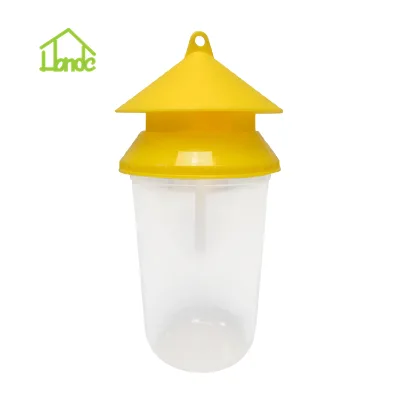
$0.40 - $0.45
MOQ: 1000 pieces
Solid Plastic Bottle Yellow Fruit Fly Trap for Orchard and Vegetable Field Pest Control
$0.40 - $0.45
MOQ: 1000
Hangzhou Magicatch Pest Control Technology Co., Ltd.
- Trading Company
- Zhejiang, China
- Lead time0 days
- Avg. response≤ 2h
Main productsScientific Pest Solutions,Glue & Mechanical Traps,Ultrasonic & Electronic,Commercial & Garden Control,OEM / FBA Customization
Main marketsNorth America(35.0%), Mid East(15.0%), Northern Europe(15.0%), Western Europe(15.0%), Oceania(10.0%), Southeast Asia(10.0%)
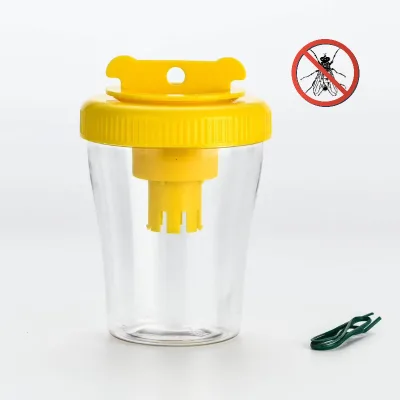
$1.18 - $2.00
MOQ: 2 pieces

Ningbo Honglei Sanitary Ware Co., Ltd.
- Verified by CTI
- Combined
- China Zhejiang
- Lead time30 days
- Avg. response≤ 4h
Main productsproducts
Main marketsSouth America,Africa,Southeast Asia/ Mideast,Domestic,Europe,North America


$1.85 - $3.48
MOQ: 1000 Pieces
Huizhou H.R.S Photoelectric Technology Co., Ltd.
- Manufacturer
- Guangdong, China
- Lead time20 days
- Avg. response≤ 7h
Main productsSolar Products (Solar Mosquito Killer Light,Solar Mole Repeller,Solar Street Light,Solar Lights,Solar Power System)
Main marketsWestern Europe(14.29%), Mid East(14.29%), Oceania(14.29%), Northern Europe(14.29%), Southeast Asia(14.29%), North America(14.29%), Africa(14.000000000000002%)

ZHENGZHOU ENZHER IMP& EXP CO., LTD
- Verified by CTI
- Trading Company
- China Henan
- Lead time15 days
- Avg. response≤ 10h
Main productsbeekeeping equipment
Main marketsAustralia

Hanging Plastic Insect Trap Bottle Portable Fruit Fly Catcher for Garden Wasp Trap
$2.70 - $5.00
MOQ: 50 Sets

Effective Eco Friendly Plastic Solid Round Fly Insect Trap Bottle for Bees Pest Control
$5.30 - $7.00
MOQ: 50 Sets

Reusable Degradable Trapping Bottle with Bait Hole for Garden Mosquito and Bug Trapping Needs
$5.30 - $7.00
MOQ: 50 Sets

Guangzhou Jiupin Eco-Technologies Co., Ltd.
- Manufacturer, Trading Company, Distributor/Wholesaler
- Guangdong, China
- Lead time0 days
- Avg. response≤ 2h
Main productsTrading Cards,Paper Bags,Notebooks,Packaging Boxes,Envelope
Main marketsDomestic Market(98.0%), Southeast Asia(2.0%)
Dongguan Qingyou Biotechnology Co., Ltd.
- Verified by SGS Group
- Manufacturer, Trading Company
- Lead time7 days
- Avg. response≤ 4h
Main productsMosquito Killer Lamp, Flea Trap, Bird Spikes, Wasp Trap, Animal Repeller
Main marketsNorth America(40%), Eastern Europe(20%), Southeast Asia(8%)

Hebei Chaoda Seal Products Co., Ltd.
- Verified by SGS
- Combined
- China Hebei
- Lead time15 days
- Avg. response≤ 1h
Main productsElectrial Tape, Duct Tape, Silicone Tape
Main marketsOthers(foreignTradeCapacity.exportBusinessCapacityMarketOther),Southeast Asia/ Mideast,Domestic

Dongguan Baikang Environmental Protection Technology Co., Ltd.
- Trading Company
- China Guangdong
- Lead time0 days
- Avg. response≤ 1h
Main productsSnap Trap, Live Catch Mouse Trap, Rodent Bait Station, Mole &Gopher Traps, Glue Trap, Cage Trap, Pesticide Duster, Mosquito Light Trap


Eco-Friendly Mosquito Trap Safe for Kids and Pets - Effective Insect Control
$9.30 - $13.00
MOQ: 504 Pieces
Hangzhou Good Industry Co., Ltd.
- Verified by SGS Group
- Manufacturer, Trading Company
- Lead time30 days
- Avg. response≤ 16h
Main productsDIY Hand Tools, Household Tools, Hardware Tools, Automotive Tool, Hardware Storage Boxes
Main marketsWestern Europe(45%), North America(20%), Eastern Europe(5%)
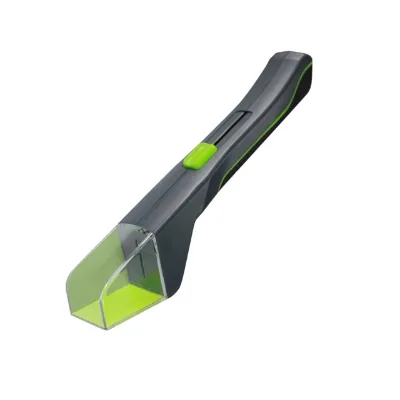
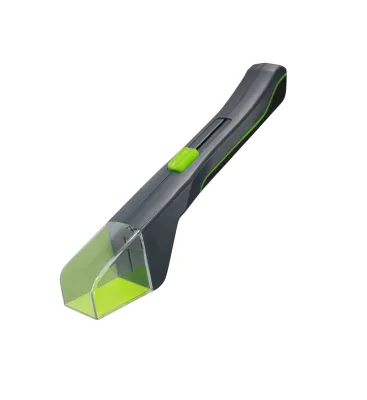
Customized Manual Insect Capture Plastic Insect Trap
$1.75 - $2.30




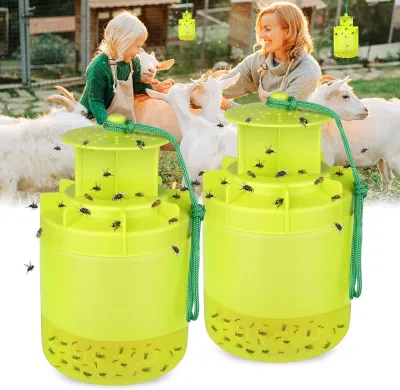


Comprehensive Sourcing Guide
Eco-Friendly Reusable Fly Bottle Trap Supplier Concentration and Factory Types
Current data indicates a concentration of suppliers in the Zhejiang province of China, specifically within the broader region known for manufacturing garden supplies and pest control solutions. This geographic clustering suggests a specialized industrial ecosystem where raw materials for plastic bottles and gel-based attractants are readily available, potentially streamlining the production process for reusable traps. Buyers observing this concentration should verify if the specific factory they are engaging is located within this Zhejiang hub, as proximity to the supply chain often correlates with faster turnaround times and lower logistics costs. The presence of multiple entities in this region implies a competitive market where differentiation relies on product features like customization options and material durability rather than just geographic availability.
The supplier landscape includes a mix of trading companies and combined entities that offer both manufacturing and design capabilities. Some suppliers are identified as trading companies, which may act as intermediaries connecting buyers with factories, while others possess combined capabilities that include ODM services and sample processing. This distinction is critical because a trading company might offer a broader catalog of related items like garden tools or flower pots, whereas a factory with ODM capacity can modify the trap model, such as the H-YY03 or W-GM001, to meet specific branding needs. Buyers must determine if they require a direct manufacturing relationship for custom molds or if a trading partner offering a wider range of pest control products better suits their immediate inventory requirements.
How to Verify Eco-Friendly Reusable Fly Bottle Trap Suppliers
Verification of supplier credibility often begins with checking for third-party audit reports, as some entities in the current results display verification from recognized bodies like SGS or TüVRheinland. These certifications provide a baseline assurance that the supplier has undergone external scrutiny regarding their business operations and product quality standards, though the specific scope of these audits should be confirmed. A supplier marked as verified by such agencies offers a higher degree of confidence compared to those without visible credentials, but buyers should not assume that a lack of displayed verification implies non-compliance, as some suppliers may simply not have uploaded the document to the public profile.
Beyond external certifications, buyers should assess the supplier's response time and communication efficiency as a proxy for operational reliability. The data shows response times varying significantly, with some suppliers responding within less than an hour while others take several days, which can impact the speed of negotiation and sample approval. A rapid response time, such as the 0.70 hours observed in some profiles, often indicates a dedicated sales team ready to address inquiries, whereas slower responses might suggest a smaller operation or a lack of immediate staffing. Additionally, checking for established capabilities like graphic processing or sample processing can reveal if the supplier has the internal resources to handle custom branding requests, which is essential for buyers seeking to differentiate their reusable fly traps in the market.
What to Compare Across Eco-Friendly Reusable Fly Bottle Trap Suppliers
When evaluating potential partners, buyers should prioritize comparing minimum order quantities (MOQ) and unit pricing structures, as these vary widely across the available supplier pool. Current product listings show MOQs ranging from 1,000 pieces for certain disposable or smaller bottle models to 3,000 pieces for larger or more specialized units, with unit prices fluctuating between approximately $0.62 and $2.50 depending on the specific model and material composition. A supplier offering a lower MOQ might be more suitable for startups testing the market, while a supplier with a higher MOQ might offer better economies of scale for established brands planning large-scale distribution. Buyers must calculate the total landed cost, including shipping, to ensure the unit price aligns with their margin targets.
Lead times and customization capabilities represent another critical dimension for comparison, as these factors directly influence inventory planning and product uniqueness. Some suppliers list a standard lead time of 30 days, which serves as a benchmark for production scheduling, while others may offer faster turnaround times depending on stock availability. Customization options, such as the ability to add bottle stickers or modify packaging, are available across several profiles, but the extent of these services varies. Buyers should verify if the supplier can handle specific requests like OEM branding or unique bottle shapes, as this capability distinguishes a generic reseller from a true manufacturing partner capable of delivering a tailored product line that meets specific pest control requirements for outdoor or indoor environments.
Common Eco-Friendly Reusable Fly Bottle Trap Sourcing Risks
One significant risk in sourcing these traps involves the discrepancy between product descriptions and actual physical specifications, particularly regarding the physical form of the attractant. While many listings describe the product as a reusable bottle trap, the internal attractant may be a gel or liquid, and the effectiveness claims often depend on the specific formulation used. Buyers must ensure that the product attributes, such as the "Long-term" effectiveness or "Non-Rechargeable" status, match their operational needs, as a mismatch could lead to product failure in the field. The variation in physical forms, from gel to liquid, suggests that the chemical composition is a key variable that requires rigorous testing before large-scale adoption to ensure the trap performs as advertised in various weather conditions.
Another risk pertains to the reliability of the supply chain regarding material consistency and packaging standards. Some suppliers offer customizable packaging, while others use standard OPP bags or cardboard boxes, which can affect the product's presentation and protection during transit. If a buyer requires specific branding on the packaging, they must confirm that the supplier's graphic processing capabilities can deliver high-quality results without compromising the structural integrity of the trap. Furthermore, the absence of specific system certifications for some suppliers, indicated as NIL in certain profiles, means that buyers cannot rely on automated compliance checks and must instead conduct their own due diligence to ensure the materials used are safe and meet local regulatory standards for pest control devices.
Eco-Friendly Reusable Fly Bottle Trap Regional Sourcing and Logistics
Sourcing from the identified Zhejiang region offers logistical advantages due to the established infrastructure for exporting garden supplies and pest control products. The concentration of manufacturers in this area facilitates efficient consolidation of orders, potentially reducing shipping costs and lead times for international buyers. However, buyers should verify the specific port of origin for each supplier, as shipping from different locations within the province can result in varying transit times and freight rates. Understanding the local logistics network is essential for planning inventory replenishment cycles, especially when dealing with suppliers who have different lead times or production capacities.
For buyers outside of China, the logistics of importing these traps involve navigating customs regulations and ensuring that the product specifications meet local safety standards. The product data indicates that items are made in China, but the specific standards applied during manufacturing, such as the 34.4834.617cm dimensions or the 14cm height specifications, must align with the requirements of the destination market. Buyers should confirm if the supplier provides necessary documentation for customs clearance, including material safety data sheets or compliance certificates, to avoid delays at the border. Additionally, the choice between air freight and sea freight will depend on the urgency of the order and the volume, with larger orders benefiting from the cost efficiency of sea transport while smaller, urgent orders may require faster, albeit more expensive, air shipping options.
Eco-Friendly Reusable Fly Bottle Trap Commercial Terms and Order Planning
Commercial terms for these traps often include specific payment structures and delivery conditions that must be clearly defined before placing an order. While some suppliers may offer escrow services to protect buyer funds, others might require different payment arrangements, and the availability of such protections should be confirmed during the negotiation phase. Buyers should also clarify the Incoterms, such as FOB or CIF, to understand who is responsible for freight and insurance costs, as this significantly impacts the final cost of goods. Establishing clear terms regarding quality control inspections and return policies for defective units is equally important to mitigate financial risks associated with bulk purchases.
Order planning requires a strategic approach to align production schedules with market demand, taking into account the varying lead times and MOQs of different suppliers. With lead times ranging from standard 30-day cycles to potentially faster options, buyers must forecast their sales volume accurately to avoid stockouts or overstocking. The ability to customize packaging and branding adds complexity to the planning process, as these custom elements may require additional time for design approval and production setup. Buyers should develop a phased ordering strategy, starting with smaller test orders to validate product quality and supplier reliability before committing to larger volumes, ensuring that the supply chain remains flexible enough to adapt to changing market conditions.
FAQs
What is the typical lead time for fly bottle traps?
The typical lead time for these traps is 30 days. This duration applies to standard orders from suppliers located in Zhejiang, China. Buyers should confirm specific timelines based on order volume and customization needs before finalizing purchases.
What are the minimum order quantities for reusable traps?
Minimum order quantities vary by model, ranging from 1000 to 3000 units. Some specific models require 2000 units, while others start at 1000. Buyers must check the specific product details to determine the exact MOQ required for their order.
Are these traps suitable for outdoor pest control?
Yes, these traps are designed for outdoor use in gardens and patios. They effectively target flies and fruit flies using eco-friendly gel or liquid bait. The products are non-rechargeable and feature long-term effectiveness for outdoor pest management.
What is the price range for these fly traps?
Prices range from 0.62 to 2.50 per unit depending on the model and specifications. Lower cost options start around 0.62, while specialized reusable bottles may reach 2.50. The final price depends on the selected product features and order quantity.
Do suppliers offer customization for these traps?
Customization is available for many of these fly trap models. Buyers can request custom bottle stickers, packaging, and branding options. This allows for tailored solutions that meet specific market requirements while maintaining the core eco-friendly and reusable design features.
What certifications do the suppliers hold?
Some suppliers hold SGS verification, while others have TüVRheinland certification. These verifications indicate a level of quality assurance for the manufacturing processes. Buyers should verify specific certification details for each supplier to ensure compliance with their standards.
How quickly do suppliers typically respond to inquiries?
Response times vary among suppliers, with some responding within 0.70 hours and others taking up to 8 hours. A specific supplier was noted with a response time of 6.89 hours. Buyers should expect varying speeds depending on the specific vendor selected.