Eco-Friendly Reusable Glass Straw Suppliers and Manufacturers
Compare 16 verified suppliers offering Eco-Friendly Reusable Glass Straw with varying lead times, certifications, and MOQs. Review response times and product specs to select a partner for your bulk order needs today; review the available evidence before requesting comparable quotations from suitable candidates.
Suppliers List

Weifang Easylife Ware Co., Ltd.
- Trading Company
- China Shandong
- Lead time0 days
- Avg. response≤ 5h
Main productsGlass Cup, Coffee Cup, Coffee Mug, Coffee Pot, Tea Cup, Teapot, Whiskey Glass Cup, Decanter, Cocktail Glass Cup, Wine Glass Cup


Reusable Glass Drinking Straws Eco Friendly Straw for Beverages Milk Tea Juices
$0.55 - $0.89
MOQ: 500 Pieces


Qingdao Jianhai International Trade Co., Ltd.
- Verified by BV
- Trading Company,Manufacturer/Factory
- China Shandong
- Lead time23 days
- Avg. response≤ 4h
Main productsGlassware, Cosmetic Bottle, Mason Jar, Storage Bottle, Vase, Wine Bottle, High Borosilicate Glass, Glass Bottle, Cup, Glass Craft
Main marketsSouth America,Eastern Europe,Mid East,North America,Southeast Asia,Eastern Asia,Oceania,Western Europe,Africa


Reusable Glass Drinking Straws, BPA Free 5 PCS Packing Eco- Friendly Glass Straw with Linen Bag
$0.10 - $0.20
MOQ: 10000 Pieces

Eco Friendly Reusable Transparan Straight Drinking Glass Straw with Brush
$0.50 - $3.00
MOQ: 1000 Pieces

High Borosilicate Glass Straw Drinking Straws Reusable Glass Pipe Straw
$0.10 - $0.20
MOQ: 10000 Pieces

Eco Reusable Glass Drinking Straw Wholesale Color Glass Straw with Laser Engraving Logo
$0.10 - $0.20
MOQ: 10000 Pieces


Anhui Nature Imp. & Exp. Co., Ltd.
- Verified by SGS
- Trading Company
- China Anhui
- Lead time15 days
- Avg. response≤ 2h
Main productsBamboo Products, Wooden Products, Multiple Knife Fork & Spoon, Bamboo Scissors Stick, Bamboo Sushi Curtain, Disposable Creative Bead Bamboo Stick, Bamboo Straw, Bamboo Stick, Wooden Cutlery, Wooden Knife Spoon Fork
Main marketsSoutheast Asia/ Mideast,Europe,North America


Bamboo Custom Logo Size Reusable Drinking Straw Eco-Friendly Straw for Beverages Tableware
$0.00 - $0.00
MOQ: 500 Pieces

Good Quality Bamboo Straws Eco Friendly 9.0*200 mm Sustainable Bamboo Reusable Straws
$0.02 - $0.02
MOQ: 50000 Pieces


Xiamen Ebei Import & Export Co., Ltd.
- Verified by CTI
- Trading Company,Manufacturer/Factory
- China Fujian
- Lead time45 days
- Avg. response≤ 2h
Main productsEco-Friendly Products, Bamboo Tableware, Bamboo Furniture, Bamboo Kitchenware, Bamboo Office Supply, Bamboo Fibre Products, Biodegradable Products, Bamboo Towel, Solar Energy Products, Bamboo Garden Products
Main marketsSouth America,Eastern Europe,Mid East,North America,Southeast Asia,Eastern Asia,Oceania,Western Europe,Africa


Reusable Eco Friendly BPA Free Straight /Bent Glass Drinking Straw with Cleaning Brush
$0.13 - $0.17
MOQ: 1000 Pieces


Ningbo Sizhuo Plastic Co., Ltd.
- Verified by BV
- Combined
- China Zhejiang
- Lead time15 days
- Avg. response≤ 3h
Main productsStraw, Plastic Straw, OEM Straw, Reusable Straw, ODM Straw, Drinking Straw, Decorative Straw, Recy Straw, Printed Party Straws, BPA Free Holiday Tumbler Party Straws
Main marketsSoutheast Asia/ Mideast,East Asia(Japan/ South Korea),Europe,North America


Glittery Reusable Straw: Customizable Eco-Friendly and Perfect for Drinking
$0.09 - $0.15
MOQ: 100 Pieces

- Manufacturer/Factory
- China Fujian
- Lead time38 days
- Avg. response≤ 1h
Main productsKeychains, Bags, Caps, Balls
Main marketsSouth America,Eastern Europe,Mid East,North America,Southeast Asia,Eastern Asia,Oceania,Western Europe,Africa

Eco Friendly Reusable High Borosilicate Straw Glass Drinking Straw Clear Glass Straws
$0.07 - $0.11
MOQ: 10000 Pieces

Bar Accessories Reusable Glass Drinking Straws Eco Friendly Straw for Beverages Milk Tea Juices
$0.15 - $0.19
MOQ: 1000 Pieces
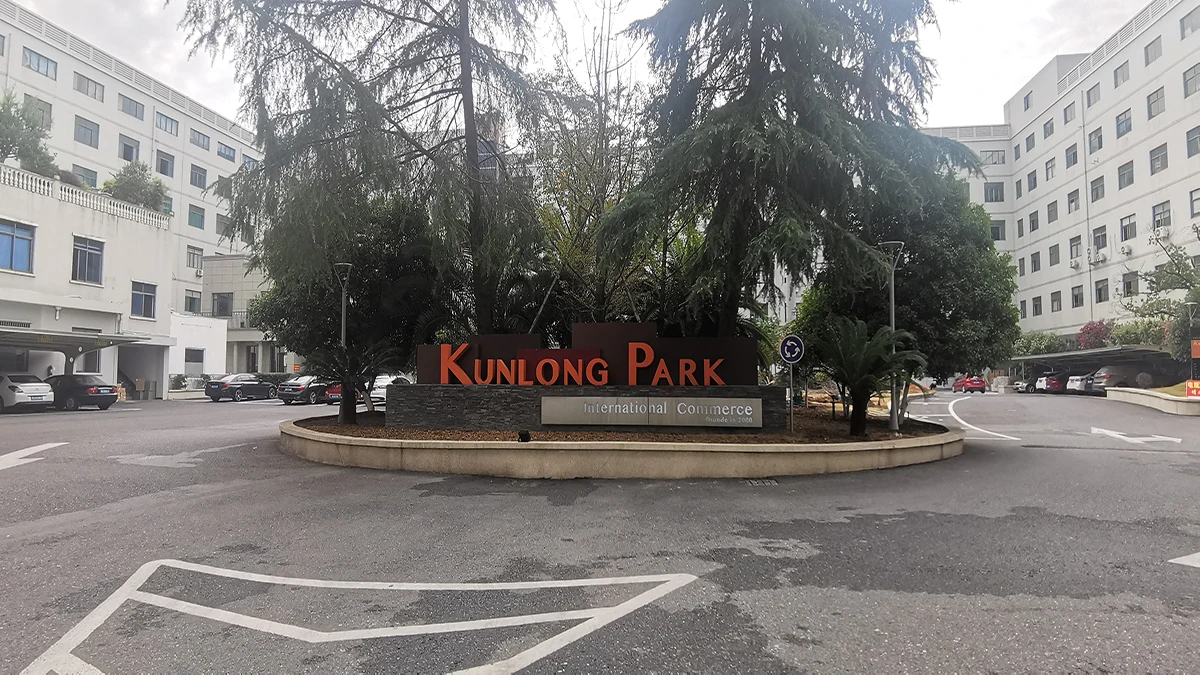
Yiwu Cyang Commodity Co., Ltd.
- Trading Company
- Zhejiang, China
- Lead time20 days
- Avg. response≤ 4h
Main productsstraws,straw toppers,tumbler charms,stanley cup accessories,cups
Main marketsNorth America(30.00%), Oceania(10.00%), Southern Europe(10.00%), Western Europe(10.00%), Eastern Asia(10.00%), South America(10.00%), Eastern Europe(5.00%), Mid East(3.00%), Domestic Market(2.00%), South Asia(2.00%), Africa(2.00%), Northern Europe(2.00%), Central America(2.00%), Southeast Asia(2.00%)
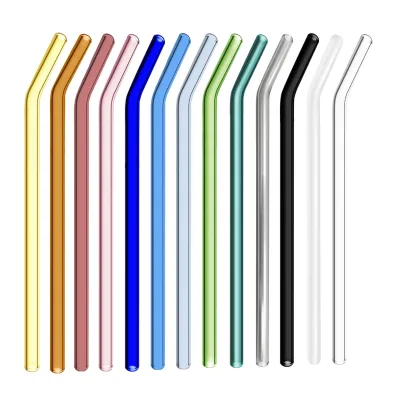
20cm 8mm Borosilicate Color Bent Straight Reusable Glass Straws
Contact supplier
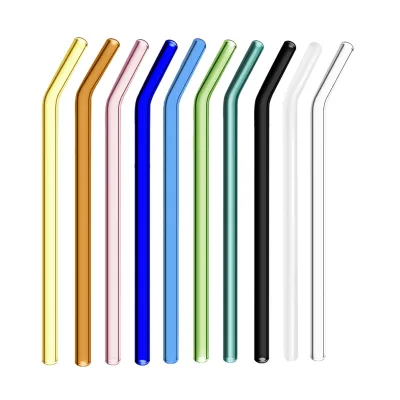
Reusable Colorful 10mm Glass Straws in Bulk
Contact supplier
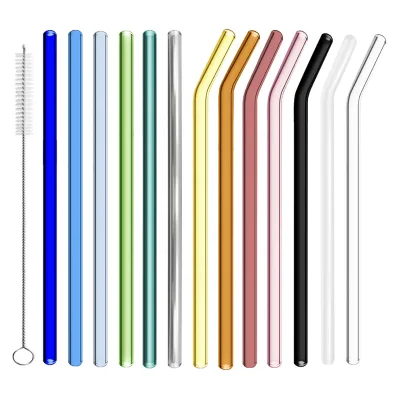

Jinjiang Jiaxing Import and Export Co., Ltd.
- Verified by CTI
- Manufacturer/Factory
- China Fujian
- Lead time120 days
- Avg. response≤ 1h
Main productsShoes, Slipper, Clothes, Promotion Gifts, Silicone Products, Outdoor Sports Products, Bags, Fashion Accessories, Consumer Electronics
Main marketsSouth America,Eastern Europe,Mid East,North America,Southeast Asia,Eastern Asia,Oceania,Western Europe,Africa
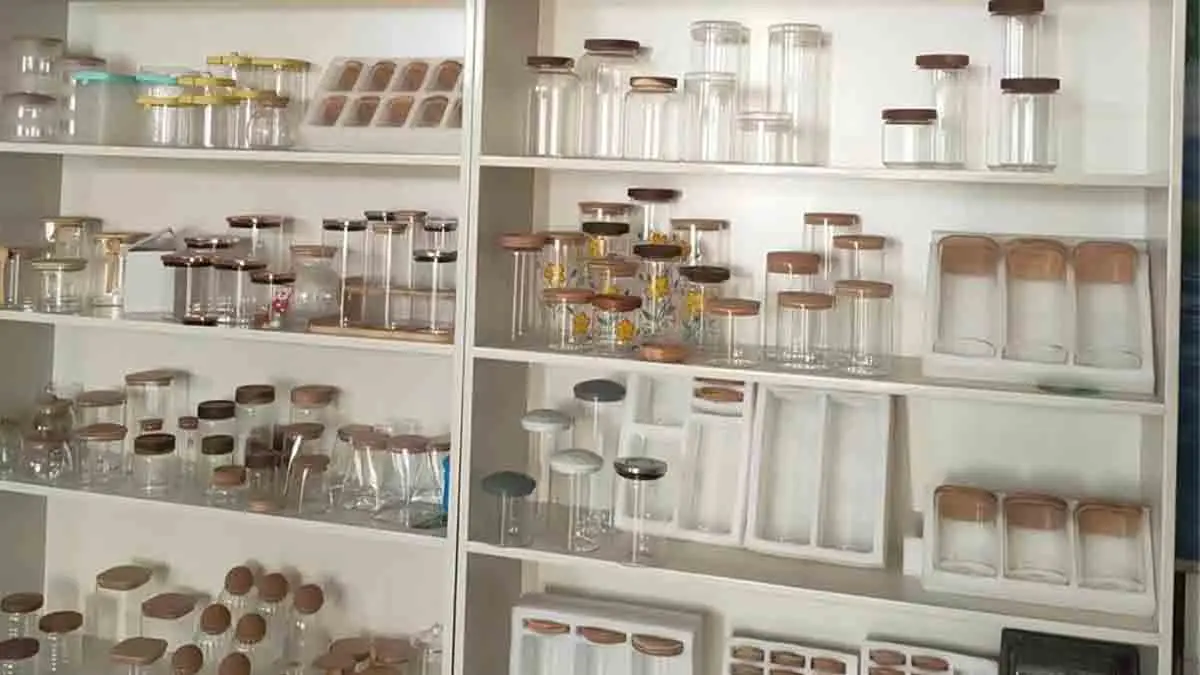
- Trading Company
- Hebei, China
- Lead time3 days
- Avg. response≤ 2h
Main productsFood Storage Jar,Sealed Glass Canister,Teapot Tea Cups,Coffee Pot,Coffee Mugs
Main marketsNorth America(35.00%), Domestic Market(30.00%), Western Europe(5.00%), Eastern Asia(5.00%), Southern Europe(5.00%), Northern Europe(5.00%), Oceania(3.00%), South America(3.00%), Southeast Asia(3.00%), Africa(2.00%), Mid East(2.00%), Eastern Europe(2.00%)

Jinan Glass International Trade Co., Ltd.
- Manufacturer/Factory
- China Shandong
- Lead time15 days
- Avg. response≤ 7h
Main productsGlass Smoking Pipe, Glass Pipe, Printing and Package, Laboratory Glassware, Home Glassware, Machine, Sticker, Wall Decal
Main marketsSouth America,Eastern Europe,North America,Southeast Asia,Eastern Asia,Oceania,Western Europe,Africa

Condon Trading(Shanghai) Co., Ltd.
- Verified by SGS
- Trading Company
- China Shanghai
- Lead time30 days
- Avg. response≤ 2h
Main productsPaper Cups, Plastic Cups, Cup Lid, Plastic Bottles, Paper Bowl, Paper Bags, Plastic Food Container, Disposable Spoon Fork Knife, Napkin Paper, Straw
Main marketsSoutheast Asia/ Mideast,Europe,North America

High Borosilicate Straw Glass Reusable Drinking Straw Clear Colorful Glass Straw
$0.30 - $0.50
MOQ: 10000 Pieces


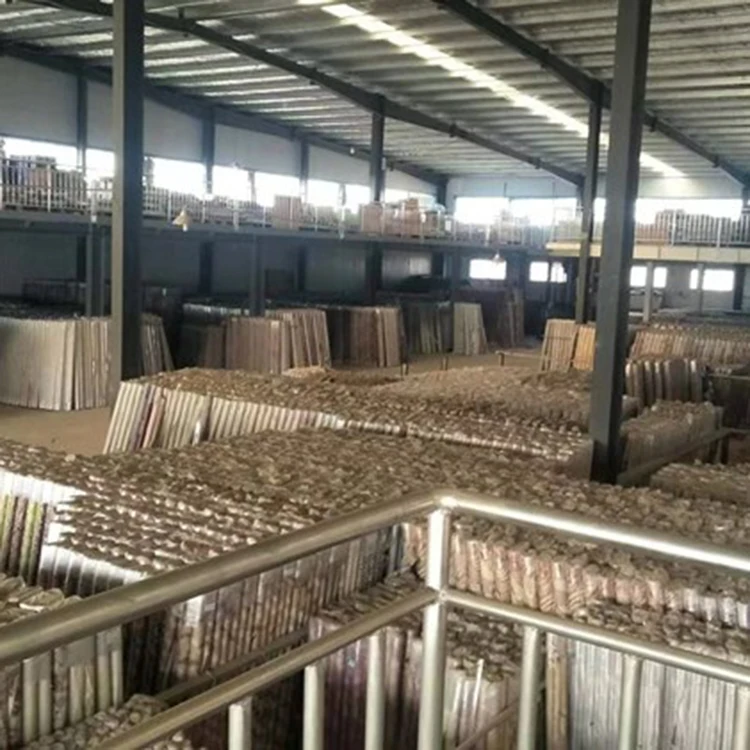
Cangxian Longzhiyi Glass Products Factory
- Trading Company
- Hebei, China
- Lead time15 days
- Avg. response≤ 3h
Main productsglass straw,Glass pipe,teapot,Storage jar,Glass cup
Main marketsNorthern Europe(20.00%), Western Europe(20.00%), Africa(15.00%), Mid East(15.00%), North America(10.00%), South Asia(5.00%), South America(5.00%), Southeast Asia(5.00%), Eastern Europe(5.00%)

Rizhao New Zhengyuan Straw Co., Ltd.
- Trading Company,Manufacturer/Factory
- China Shandong
- Lead time23 days
- Avg. response≤ 5h
Main productsPlastic Drinking Straws, PLA Biodegradable Straws, Telescopic Straws, U-Shape Straws, Flexible Drinking Straws, Straight Drinking Straws, Spoon Shape Straws, Foldable Spoon
Main marketsSouth America,Eastern Europe,Mid East,North America,Southeast Asia,Eastern Asia,Oceania,Western Europe,Africa

Shuangtong Daily Necessities Co., Ltd. Y. W.
- Combined
- China Zhejiang
- Lead time15 days
- Avg. response≤ 13h
Main productsBiodegradable Product, Biodegradable Straw, Paper Straw, Drinking Straw, Tableware, Biodegradable Cup, Cutlery, Bar Accessorie, Food Grade Material, Celebration/Wedding/Birthday Product
Main marketsSouth America,Africa,Southeast Asia/ Mideast,East Asia(Japan/ South Korea),Domestic,Europe,Australia,North America
JINAN FLAME GLASSWARE COMPANY LIMITED
- Verified by SGS
- Trading Company
- China Shandong
- Lead time23 days
- Avg. response≤ 18h
Main marketsDomestic
MSD (Tianjin) Glass Supply Co., Ltd.
- Verified by SGS
- Manufacturer
- China Tianjin
- Lead time30 days
- Avg. response≤ 3h
Main productsDaily-Use Glass, Laboratory Glassware, Pharmaceutical Glass Packaging, Food Glass Packaging, Cosmetic Glass Packaging
Main marketsSoutheast Asia/ Mideast,East Asia(Japan/ South Korea),North America






Comprehensive Sourcing Guide
Eco-Friendly Reusable Glass Straw Supplier Concentration and Factory Types
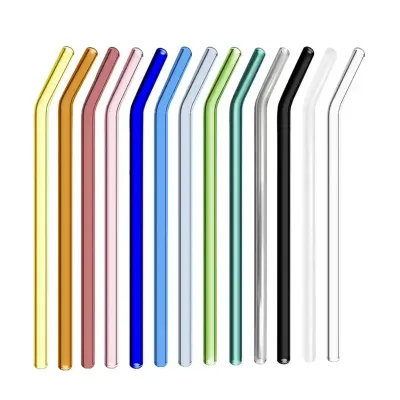
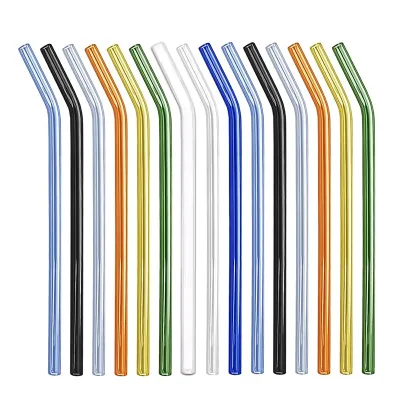
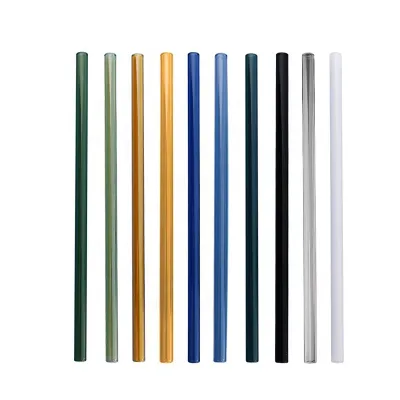
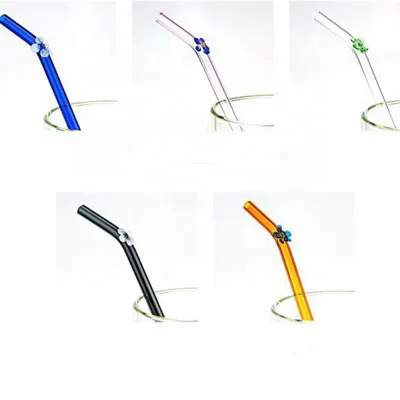
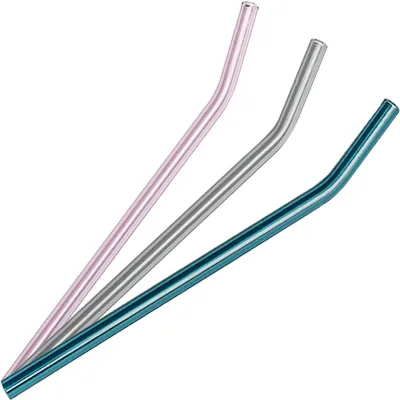
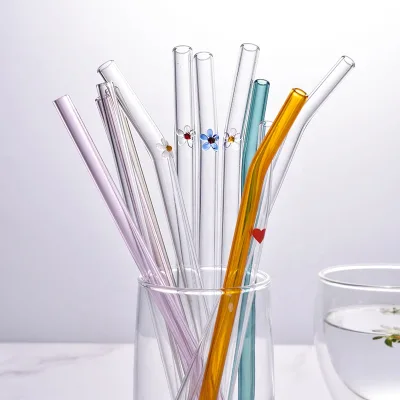
The current supplier landscape for Eco-Friendly Reusable Glass Straw reveals a distinct concentration of manufacturing and trading entities within specific Chinese provinces. Available data indicates a significant cluster of suppliers operating out of Shandong, where companies list glassware, coffee cups, and various drinking accessories as their primary product lines. These Shandong-based entities often identify as trading companies, suggesting they may aggregate products from multiple factories rather than operating a single dedicated production line for every item. This structure implies that buyers should expect a network of manufacturers behind the trading front, potentially offering a wider variety of glass straw designs, including straight, bent, and colorful options, without necessarily owning the glass furnaces themselves.
In contrast, other regions such as Anhui appear in the results with a different industrial focus, primarily listing bamboo products, wooden cutlery, and biodegradable straws alongside glassware. Some suppliers in these areas present a hybrid company type, listing themselves as both trading companies and manufacturers or factories. This dual classification suggests a capability to handle direct production for certain items while managing the logistics for others. When evaluating these clusters, buyers must distinguish between pure trading firms that source from various glassworks and those with in-house glass blowing capabilities. The presence of high borosilicate glass products in the main product lists of several suppliers indicates that the region possesses the technical capacity for heat-resistant glass manufacturing, which is critical for durable drinking straws.
How to Verify Eco-Friendly Reusable Glass Straw Suppliers
Verification of suppliers for Eco-Friendly Reusable Glass Straw requires a rigorous check of their stated certifications and third-party audit results. The available data highlights specific certifications such as LFGB, CE, EU, and CIQ, which are essential for food-contact glass products. Buyers should prioritize suppliers who explicitly display these certifications in their product attributes, as they confirm the glass meets international safety standards for heavy metals and thermal shock resistance. Additionally, verification badges from organizations like BV and SGS serve as external validation of the supplier's business legitimacy and operational stability. A supplier claiming to be a manufacturer should be able to provide factory audit reports that align with their stated production capacity and quality control processes.
Beyond certifications, buyers must scrutinize the response time and verification status listed in supplier profiles to gauge reliability. Data shows response times varying significantly, with some suppliers responding within 1.35 hours while others take over four hours. A faster response time often correlates with a more active sales team and better communication channels, which is vital for resolving issues regarding custom designs or production delays. Furthermore, the presence of a "Verified" status from a recognized agency adds a layer of trust, indicating that the company's identity and business license have been confirmed. Buyers should not rely solely on the supplier's self-reported claims but should cross-reference these details with the platform's verification tools to ensure the entity is legitimate and capable of fulfilling orders for high-quality glass straws.
What to Compare Across Eco-Friendly Reusable Glass Straw Suppliers
When comparing suppliers, the minimum order quantity (MOQ) and unit price are critical financial metrics that vary widely across the market. Available product evidence shows MOQs ranging from 500 pieces to as high as 10,000 pieces, with unit prices fluctuating between $0.10 and $5.00 depending on customization and volume. Suppliers offering lower MOQs, such as 500 pieces, may be more suitable for startups or those testing new designs, while larger orders often unlock lower per-unit costs. Buyers must carefully analyze the price range against the specified capacity and customization options, as some suppliers charge premiums for features like laser engraving, specific colors, or custom packaging. It is essential to request detailed quotes that break down costs for the glass material, the cleaning brush accessory, and the packaging method to understand the true cost structure.
Lead time and response speed are equally important operational factors to compare when selecting a partner. The data indicates lead times can range from zero days for immediate stock items to 23 days for custom production runs, with some suppliers showing a 15-day turnaround for bamboo-based alternatives. A supplier with a short lead time might be ideal for urgent restocking needs, whereas a longer lead time may be acceptable for large, planned orders with custom specifications. Response times, measured in hours, also influence the efficiency of the negotiation process; a supplier responding in under two hours is likely more responsive to inquiries about sample availability or design changes. Buyers should create a comparison matrix that weighs these operational metrics against the product specifications to identify the most efficient partner for their specific volume and timeline requirements.
Common Eco-Friendly Reusable Glass Straw Sourcing Risks
One significant risk in sourcing Eco-Friendly Reusable Glass Straw involves the discrepancy between claimed material quality and actual product durability. While many suppliers list high borosilicate glass as a key feature, buyers must verify that the glass is truly heat-resistant and not prone to shattering under thermal shock. Some product attributes mention "High Temperature Resistant" capabilities, but without specific test data or third-party validation, this claim remains unverified. Additionally, the presence of accessories like cleaning brushes is noted in some listings, but the quality of these accessories can vary. Buyers should request physical samples to test the glass thickness, the smoothness of the edges, and the effectiveness of the cleaning tools before committing to a large order, ensuring the product meets the expected safety and usability standards.
Another risk pertains to the reliability of customization services and the consistency of the final product. Suppliers often advertise "Customization Available" and "OEM/ODM Accept," yet the actual execution of custom designs, such as specific lengths, diameters, or colors, can lead to inconsistencies. The data shows variations in product standards, with some items listed at 15g weight while others specify dimensions like 18cm or 20cm in length. If a buyer requests a specific custom dimension, there is a risk that the supplier may not have the precise tooling to maintain that standard across the entire batch. Furthermore, the packaging methods, ranging from bubble bags to foam or boxes, must be robust enough to prevent breakage during transit. Buyers should explicitly define their quality control requirements in the contract to mitigate the risk of receiving substandard or damaged goods.
Eco-Friendly Reusable Glass Straw Regional Sourcing and Logistics
The regional sourcing of Eco-Friendly Reusable Glass Straw is heavily influenced by the location of the manufacturing clusters, primarily in Shandong and Anhui provinces. Suppliers in Shandong are noted for their focus on glassware and drinkware accessories, suggesting a mature supply chain for glass production and processing. In contrast, suppliers in Anhui appear to have a broader focus that includes bamboo and wooden products, which may indicate a more diversified manufacturing base. When sourcing from these regions, buyers must consider the logistics implications of shipping heavy glass items, as the risk of breakage during transit is higher compared to lighter materials. The origin of the products is consistently listed as China, but the specific province can impact the shipping route and the availability of specialized packaging for fragile goods.
Logistics planning must also account for the trade terms offered by suppliers, which include EXW, FOB, and CIF. These terms dictate who is responsible for the shipping costs and insurance, directly affecting the total landed cost of the Eco-Friendly Reusable Glass Straw. For instance, an EXW term places the burden of arranging freight and insurance on the buyer, requiring them to have a reliable freight forwarder experienced in handling fragile glass items. Conversely, a CIF term includes the cost of insurance and freight to the destination port, offering more protection for the buyer. Buyers should evaluate the supplier's location relative to major shipping ports to minimize inland transportation costs. Additionally, the lead time data suggests that production schedules can vary, so buyers should factor in potential delays when planning their inventory levels and shipping schedules to ensure timely delivery to their markets.
Eco-Friendly Reusable Glass Straw Commercial Terms and Order Planning
Commercial terms for Eco-Friendly Reusable Glass Straw orders often include specific requirements for samples and customization services. Many suppliers indicate that samples are available, which is a crucial step for verifying product quality before placing a bulk order. Some listings even mention free samples, though this may be subject to shipping costs or minimum order conditions. Buyers should plan their order strategy to include a sample phase, ensuring that the glass straws meet the required specifications for length, diameter, and color. The availability of customization services, such as laser engraving or specific packaging, allows buyers to brand the products, but these services often come with additional costs and longer lead times. It is essential to clarify the timeline for sample approval and the subsequent production schedule to avoid delays in the overall order fulfillment process.
Order planning must also consider the payment terms and the minimum order quantities that suppliers enforce. The data shows a wide range of MOQs, from 500 pieces to 10,000 pieces, which can significantly impact the initial investment required. Buyers should align their order volume with their sales forecasts to avoid overstocking or understocking. Additionally, the trade terms like EXW, FOB, and CIF influence the financial risk and the logistics management required. Buyers should negotiate terms that balance risk and cost, ensuring that the supplier is incentivized to deliver high-quality products on time. By carefully planning the order volume, sample testing, and commercial terms, buyers can mitigate risks and establish a sustainable supply chain for Eco-Friendly Reusable Glass Straw that meets their business needs and customer expectations.
FAQs
What is the price range for eco friendly reusable glass straws?
Prices for reusable glass straws typically range from $0.10 to $5.00 per unit depending on customization and volume. Basic straight or bent designs start around $0.25, while premium sets with accessories or specific packaging can reach higher price points. Bulk orders often secure lower unit costs within this broad spectrum.
What certifications are available for glass drinking straws?
Manufacturers offer various certifications including LFGB, CE, EU, and CIQ to ensure food safety and quality standards. These certifications verify that the high borosilicate glass used is safe for beverages and meets international regulatory requirements. Buyers should verify specific certification documents with suppliers to ensure compliance with their local market regulations.
What is the minimum order quantity for glass straws?
Minimum order quantities vary significantly by supplier, ranging from 500 pieces to 10,000 pieces. Some suppliers accept orders as low as 500 PCS for customizable designs, while others require 1,000 or 10,000 units for standard stock items. Buyers should confirm the specific MOQ with the supplier to align with their inventory needs.
How long does it take to produce glass straws?
Lead times for production generally range from 15 to 23 days, depending on the supplier and order complexity. Some suppliers may list zero days for immediate stock availability, while others require standard manufacturing periods. Buyers should confirm the exact lead time with the supplier to plan their inventory and shipping schedules effectively.
Can I customize the design of glass straws?
Yes, most suppliers accept OEM and ODM customization for glass straws, including color, length, and diameter options. Customization is available for straight or bent designs, with lengths typically ranging from 18cm to 20cm and diameters of 8mm or 10mm. Buyers can request specific designs to match their brand identity or product requirements.
Where are glass straw suppliers located?
Suppliers for glass straws are primarily located in China, with specific manufacturing hubs in Shandong and Anhui provinces. These regions are known for their glassware and bamboo product manufacturing capabilities. Buyers can source from these locations to access a wide variety of glass and eco-friendly straw options with established supply chains.
What materials are used for eco friendly reusable straws?
Eco friendly reusable straws are primarily made from high borosilicate glass, which is durable and heat resistant. Some suppliers also offer bamboo straws that are 100% compostable and biodegradable. These materials provide sustainable alternatives to plastic, ensuring durability for repeated use while minimizing environmental impact through natural or recyclable components.