Eco Friendly Sewing Thread Cutter Suppliers and Manufacturers
Compare 24 verified suppliers offering Eco Friendly Sewing Thread Cutter tools with varying lead times, response speeds, and certifications. Review product specifications like blade material and customization options before contacting factories in Zhejiang, China for quotes; review the available evidence before requesting comparable quotations from suitable candidates.
Suppliers List

Ningbo Sinobest Textile Company Limited
- Trading Company
- China Zhejiang
- Lead time30 days
- Avg. response≤ 5h
Main productsSewing Threads, Embroidery Threads, Garments Trimmings, Sewing Accessories, Embroidery Accessories, Tailor's Materials
Main marketsSouth America,Europe,North America
Jinhua Jinxiang Trading Co., Ltd.
- Trading Company
- Zhejiang, China
- Lead time15 days
- Avg. response≤ 2h
Main productsHome Handmade Sewing Accessories
Main marketsNorth America(35.0%), Southeast Asia(15.0%), Domestic Market(10.0%), Western Europe(10.0%), South America(10.0%), Eastern Europe(10.0%), Southern Europe(5.0%), South Asia(5.0%)
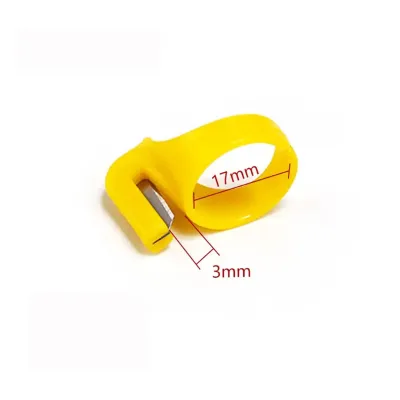
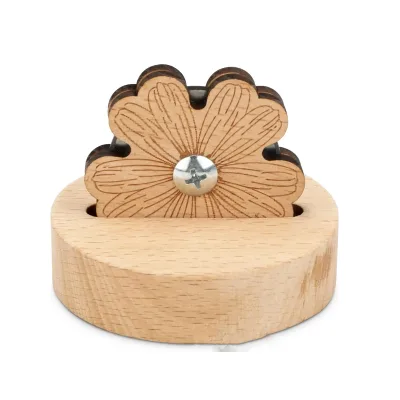
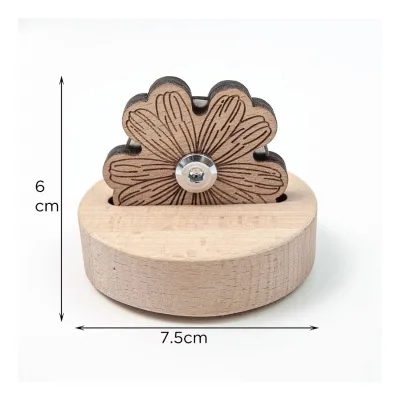
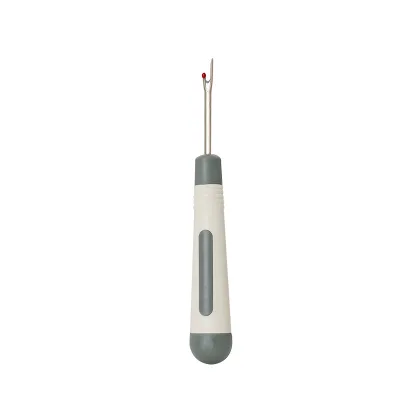
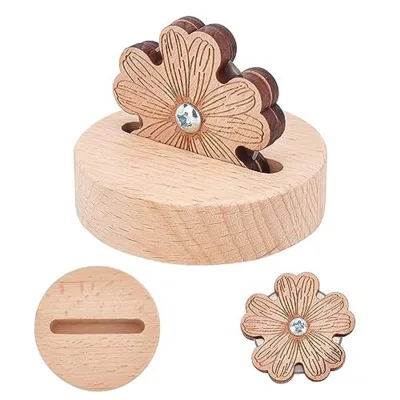
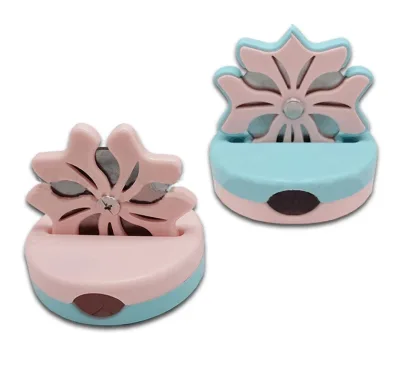
Wholesale Popular Sewing Wooden Thread Cutter With Flower Shape for Hand Sewing Knitting Craft
$1.38 - $1.60
MOQ: 50 pieces
$0.69 - $0.76
MOQ: 100 pieces
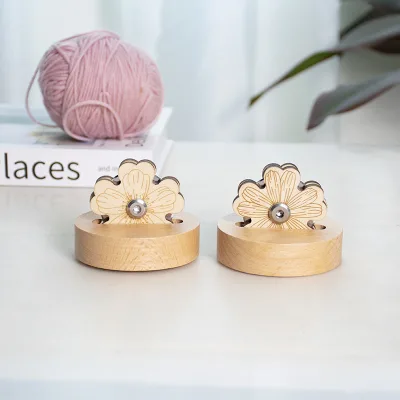
Thread Cutter Blade Tool for Sewing With Flower Shape Solid Wooden Sewing Tools
$1.81
MOQ: 100 Minimum
Yiwu Lumiao Electronic Commerce Co., Ltd.
- Trading Company
- Zhejiang, China
- Lead time0 days
- Avg. response≤ 8h
Main productsYarn,Yarn winder,Crochet Hook,Safety Eyes,Flower Stem Sticks
Main marketsNorth America(32.0%), Southeast Asia(30.0%), Western Europe(10.0%), Northern Europe(5.0%), Eastern Europe(5.0%), Domestic Market(2.0%), Africa(2.0%), South America(2.0%), South Asia(2.0%), Southern Europe(2.0%), Central America(2.0%), Eastern Asia(2.0%), Mid East(2.0%), Oceania(2.0%)
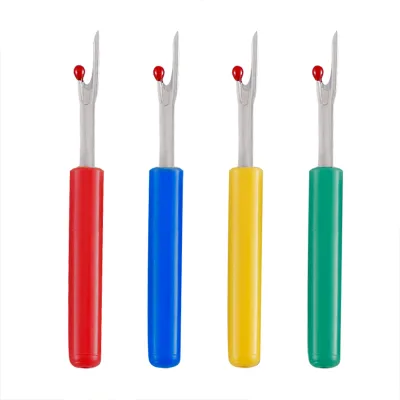
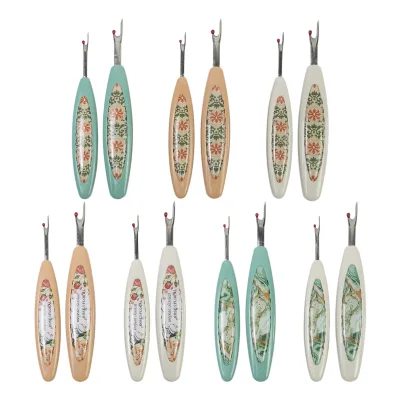
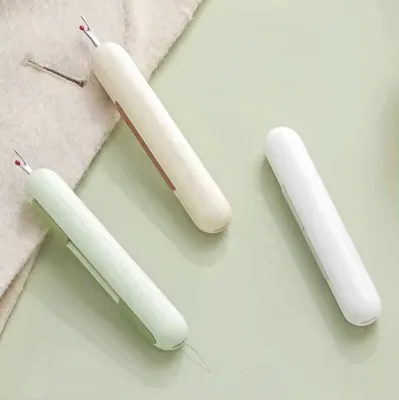
Cross Stitch Sewing Tools Sharp Stitches Removed Tool Safe Craft Thread Cutter Seam Ripper
$0.10 - $0.12
MOQ: 300 pieces
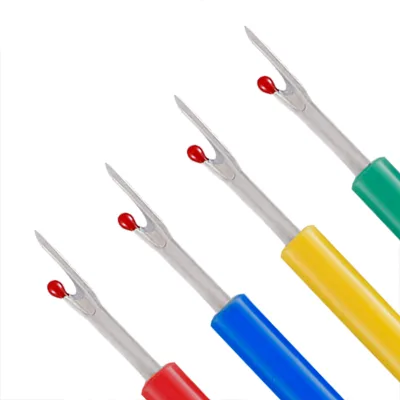
Wholesale Promotional 3.5cm Mini Sewing Seam Ripper With Wooden Handle Thread Seam Remover Stitch
$0.10 - $0.12
MOQ: 300 pieces
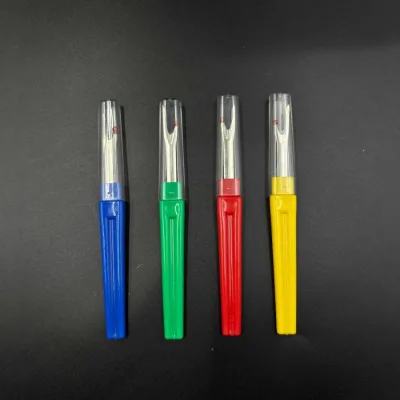
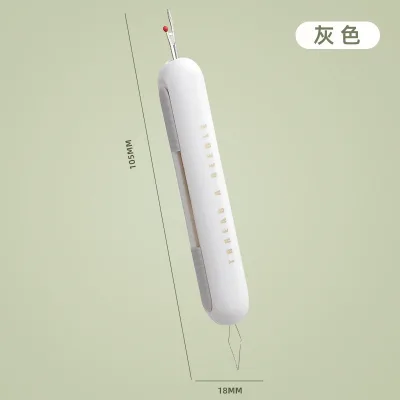
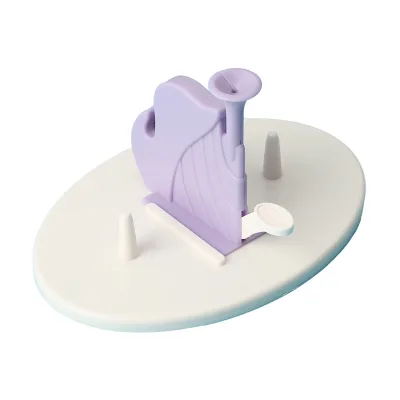
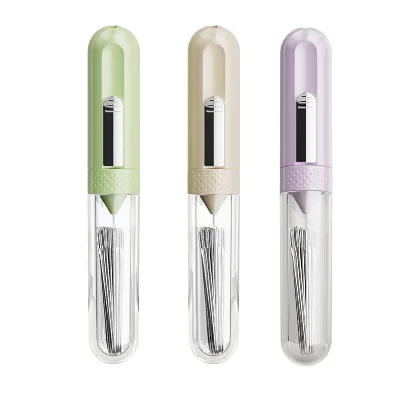
2-In-1 needle threader, stitch scarifier, integrated suture remover and needle threading tool
$0.45 - $0.50
MOQ: 10 pieces
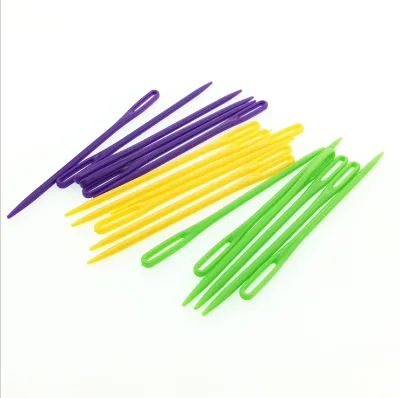
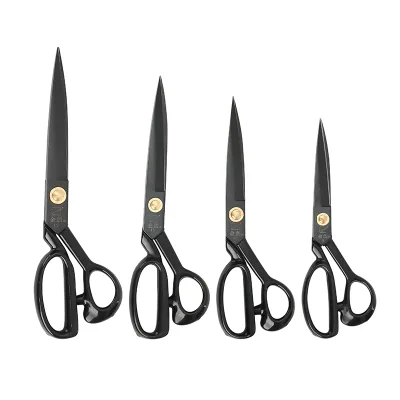
Multipurpose Professional Sewing Tailor Cutting Heavy Duty Sharp Tailor Tailor Scissors
$4.30 - $6.00
MOQ: 30 Minimum

Ningbo Yuena Import & Export Co., Ltd.
- Verified by TUVRHEINLAND
- Trading Company
- China Zhejiang
- Lead time23 days
- Avg. response≤ 3h
Main productsLace, Thread, Button, Ribbon, Zipper, Tailors Materials, Fabric, Reflective Materials, Sewing Machine Part, Bra Parts
Main marketsSouth America,Africa,Southeast Asia/ Mideast,Europe,North America
Wuxi Wonderful Import & Export Co., Ltd.
- Verified by TUVRHEINLAND
- Trading Company
- China Jiangsu
- Lead time30 days
- Avg. response≤ 12h
Main productsHome & Garden Products
Main marketsSouth America,Southeast Asia/ Mideast,Europe,Australia,North America
Yarn Craftsman Trading (Shanghai) Co., Ltd.
- Trading Company
- Shanghai, China
- Lead time30 days
- Avg. response≤ 13h
Main productsfancy yarn,woven blanket,wool yarn,knitting tool,baby accessories
Main marketsEastern Asia(40.0%), South America(20.0%), Southern Europe(15.2%), Eastern Europe(13.8%), Domestic Market(10.0%), Southeast Asia(1.0%)
- Verified by BV
- Trading Company,Manufacturer/Factory
- China Zhejiang
- Lead time23 days
- Avg. response≤ 6h
Main productsGarment Accessories, Zipper, Button, Lace Trim, Metal Zipper, Nylon Zipper, Plastic Zipper, Metal Button, Snap Button, Cotton Lace
Main marketsNorth America,Africa

Thrum Yarn Fishing Thread Beading Sewing Cutter U Sewing Scissors Clippers
$1.99 - $3.21
MOQ: 300 Pieces

Hot Sale Direct Home Scissors Tailor Sewing Tool Portable Snips Trimming Thread Cutter
$1.99 - $3.21
MOQ: 300 Pieces


TAIZHOU FOXSEW SEWING MACHINE CO., LTD.
- Trading Company,Manufacturer/Factory
- China Zhejiang
- Lead time23 days
- Avg. response≤ 13h
Main productsSpecial Sewing Machine, Heavy Duty Sewing Machine, Programmable Pattern Sewing Machine, Mattress Sewing Machine, Shoes Sewing Machine, Zigzag Sewing Machine, Carpet Sewing Machine, Industrial Sewing Machine, Cutting Machine, Tape Cutting Machine
Main marketsSouth America,Eastern Europe,Mid East,North America,Southeast Asia,Eastern Asia,Oceania,Western Europe,Africa


Contact supplier

Contact supplier

Lanxi Sange Industry Co., Ltd.
- Verified by TUVRHEINLAND
- Trading Company
- China Zhejiang
- Lead time15 days
- Avg. response≤ 18h
Main productsLace, Lace Fabric, Cotton Lace, Chemical Lace, Fringe Tassel, Tassel Fringe, Garment Accessories, Chainette Fringe, Embroidery Lace, Crochet Lace
Main marketsSouth America,Africa,Others(foreignTradeCapacity.exportBusinessCapacityMarketOther),Southeast Asia/ Mideast,Europe,North America

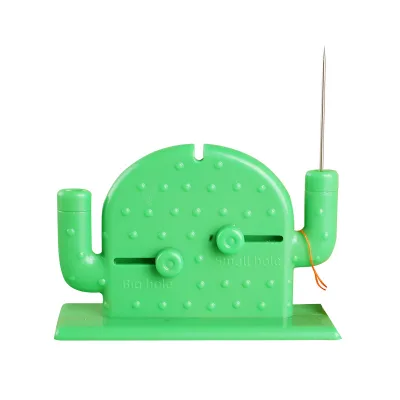
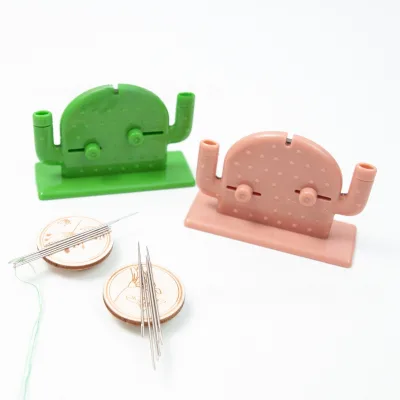
Embroidery Needle Threader Cross-Stitch Sewing Tools Thread Threading Machine Sewing Tools
$0.02 - $0.05
MOQ: 2 Pieces


Cross Stitch Needle Threader Cutter Four-in-One New Needle Threader Tool
$0.01 - $0.04
MOQ: 100 Pieces
Shanghai Yuhan Industrial Co., Ltd.
- Trading Company
- Shanghai, China
- Lead time0 days
- Avg. response≤ 3h
Main productsWood Craft products,Embroidery craft,Knitting Tools,Sewing Tools,Crochet Tools
Main marketsEastern Europe(60.0%), Western Europe(20.0%), Domestic Market(10.0%), Southeast Asia(10.0%)
Binzhou Yulu Textile Co., Ltd.
- Verified by TUVRHEINLAND
- Combined
- China Shandong
- Lead time30 days
- Avg. response≤ 6h
Main productsPolyester Yarn, Spun Polyester Yarn, Polyester Filament Yarn, Nylon Filament Yarn, Nylon Stretch Yarn, Poly Poly Core Yarn, Embroidery Yarn, Melting Yarn 42/2, Polyester Thread, 100% Spun Polyester Yarn
Main marketsDomestic

Ningbo Yinzhou Xindew Textile Co., Ltd.
- Trading Company
- China Zhejiang
- Lead time15 days
- Avg. response≤ 10h
Main productsKnitting Needles, Knitting Looms, Knitting Crochet Hook Set, Acrylic Yarn, Elastic Tape, Zipper, Thread, Hook and Loop, Baby Blankets, Baby Bibs
Main marketsSouth America,Africa,Southeast Asia/ Mideast,East Asia(Japan/ South Korea),Domestic,Europe,Australia,North America

Ningbo Dealhot Imp. and Exp. Co., Ltd
- Verified by SGS
- Trading Company
- China Zhejiang
- Lead time15 days
- Avg. response≤ 3h
Main productsSewing Thread
Main marketsSoutheast Asia/ Mideast

Shanghai Denghong Mechanical & Electrical Manufacturing Co., Ltd.
- Manufacturer
- China Shanghai
- Lead time15 days
- Avg. response≤ 19h
Main productsYarn Sensor, Yarn Cutter, Meter Counter, Hall Effect Sensor, Textile Spare Parts
Main marketsSouth America,Southeast Asia/ Mideast,East Asia(Japan/ South Korea),Domestic,Europe
HEBEI BEIBU MACHINERY TECHNOLOGY CO., LTD.
- Verified by SGS
- Trading Company
- China Hebei
- Lead time15 days
- Avg. response≤ 2h
Main productsGrain Cleaning Machine, Agro Cleaning Machine, Sesame Cleaning Machine, Soybean Cleaning Machine, Oil Making Machine, Soybean Oil Machine, Sesame Oil Machine, Peanut Shelling Machine, Peanut Butter Making Machine, Sesame Peeling Machine
Main marketsSouth America,Africa,Southeast Asia/ Mideast,Europe,North America

- Verified by TUVRHEINLAND
- Trading Company,Manufacturer/Factory
- China Zhejiang
- Lead time23 days
- Avg. response≤ 15h
Main productsSoft Cover Book Machines, Hard Cover Book Machines, Exercise Book Machines, Spiral Binding Book Machines, Postpress Machines, Color Boxes Making Machines, Rigid Box Making Machines, Paper Bag Machine Machines
Main marketsSouth America,Eastern Europe,Mid East,North America,Southeast Asia,Eastern Asia,Oceania,Western Europe,Africa

FUZHOU LIWANG ELECTRONIC TECHNOLOGY CO., LTD.
- Combined
- China Fujian
- Lead time15 days
- Avg. response≤ 18h
Main productsMicromotor, Nail Drill, Jewelry Tools, Nail Drill Bits
Main marketsSouth America,Africa,Southeast Asia/ Mideast,East Asia(Japan/ South Korea),Europe,Australia,North America

Mini Handheld Craft Sewing Thread Snips Cutting Scissors Professional Tailor Scissor
$1.50 - $3.00
MOQ: 3 Sets

$4.00 - $7.00
MOQ: 10 Pieces

- Trading Company,Manufacturer/Factory
- China Zhejiang
- Lead time30 days
- Avg. response≤ 12h
Main productsFabric, Trimming, Lace, Tape, Zipper, Sewing Thread, Button, Scissors, Garments Accessories, Sewing Machine Parts
Main marketsSouth America,Eastern Europe,Mid East,North America,Southeast Asia,Eastern Asia,Oceania,Western Europe,Africa
- Trading Company
- Zhejiang, China
- Lead time15 days
- Avg. response≤ 3h
Main productsSewing notions,Needlework,cross stitch accessory,Knitting tools,embroidery scissors
Main marketsNorth America(60.0%), Northern Europe(15.0%), Eastern Europe(10.0%), Oceania(10.0%), Western Europe(5.0%)

Shanghai Charmkey Textile Co., Ltd.
- Verified by BV
- Trading Company
- China Shanghai
- Lead time23 days
- Avg. response≤ 8h
Main productsYarn, Blended Yarn, Fancy Yarn, Acrylic Yarn, Cotton Yarn, Wool Yarn, Chenille Yarn, Chunky Yarn, T Shirt Yarn, Polyester Yarn
Main marketsEurope

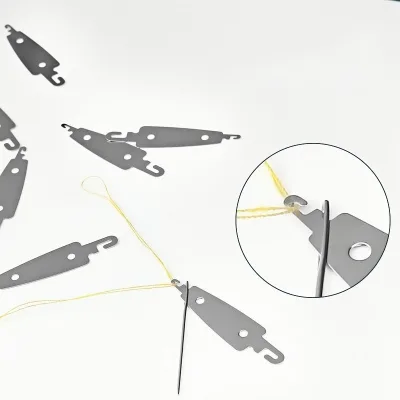
Portable Household Stitch Insertion Tool Threader for Sewing Machine Needle Inserter
$0.06
MOQ: 2000 Pieces


Tianjin Xinghuo Trading CO.,LTD
- Verified by TUVRHEINLAND
- Trading Company
- China Tianjin
- Lead time15 days
- Avg. response≤ 10h
Main productsSewing Thread, Hook and Loop
Main marketsSouth America,Others(foreignTradeCapacity.exportBusinessCapacityMarketOther),Europe
Shenzhen Hui Shi Da Technology Co., Ltd.
- Manufacturer, Trading Company, Agent
- Guangdong, China
- Lead time0 days
- Avg. response≤ 2h
Main productsComputer accessories,LED Series,Consumer Electronics,Auto and motorcycle parts,Cars motorcycles
Main marketsEastern Europe(22.1%), North America(20.5%), Western Europe(15.6%), South Asia(12.3%), South America(10.4%), Africa(9.5%), Northern Europe(8.6%), Southern Europe(1.0%)
Chaozhou Bailiful Trading Company Limited
- Trading Company
- Guangdong, China
- Lead time15 days
- Avg. response≤ 3h
Main productsLeather tools,hand tools,hardware tools,Crafts
Main marketsEastern Europe(20.0%), South America(20.0%), North America(20.0%), Central America(10.0%), Africa(10.0%), Southeast Asia(10.0%), South Asia(5.0%), Mid East(5.0%)
$0.01 - $0.03
MOQ: 2000 pieces


Zhejiang ZhengCheng lmport & Export Co.,LTD
- Verified by CTI
- Trading Company,Manufacturer/Factory
- China Zhejiang
- Lead time23 days
- Avg. response≤ 2h
Main productsHSS Steel Raw Material, Semi-Finished or Finished Cutting Tools, Martensitic Stainless Steel Raw Materials, Rotary Cutter Blade, Engineering Plastic, Steel Raw Material
Main marketsEastern Europe,Mid East,North America,Southeast Asia,Eastern Asia,Western Europe


Wholesale Precision 45mm Rotary Cutter Blade Sewing, Quilting, Craft Cutting Tools
$0.50 - $1.50
MOQ: 100 set






Comprehensive Sourcing Guide
Eco Friendly Sewing Thread Cutter Supplier Concentration and Factory Types
Buyers searching for an Eco Friendly Sewing Thread Cutter will encounter suppliers concentrated in China, and the evidence on this page points clearly to Zhejiang province. One supplier profile is listed as located in Zhejiang, China, and another product carries a stated place of origin of Zhejiang, China, with one item further specified as made in Ningbo. Zhejiang is therefore a high-confidence cluster for this category, and it is reasonable to prioritize suppliers based there when filtering results. The product listings themselves span two relevant classifications: one cutter appears under apparel and textile machinery parts, while another sits under household needlework supplies, which reflects how the same small cutting tool serves both factory finishing lines and home sewing kits.
Supplier types also vary in ways that affect sourcing strategy. At least one profile on this page is labeled as a trading company rather than a direct manufacturer, and its main products cover sewing threads, embroidery threads, garments trimmings, and related accessories, suggesting the cutter is part of a broader haberdashery assortment. Another profile lists home handmade sewing accessories as its main products. This mix means you may be quoting with intermediaries who consolidate thread cutters with threads, needles, and sewing kits. That structure can simplify mixed-container orders but may add a margin layer. Identify whether each contact manufactures or trades before assuming factory pricing.
How to Verify Eco Friendly Sewing Thread Cutter Suppliers
Verification should start with what the platform actually displays. On this page, one supplier shows system certification listed as "Others," which is effectively unverifiable and should prompt you to request the underlying certificate documents directly. Another profile lists EN IEC 55014 and REACH as system certifications, which are specific enough to check: ask for the certificate number, the testing body, and the scope to confirm they cover the cutter or its materials rather than an unrelated product line. Note that REACH is particularly relevant if you are marketing the tool as eco friendly in the EU, since it addresses restricted substances. Never accept an eco friendly claim without documented material compliance.
Beyond credentials, verify operational behavior through observable signals. Response times on this page range from about two hours to roughly four hours, so record how quickly each supplier actually replies during your inquiry phase and treat slow responses as a predictor of slow problem-solving. Product-level evidence also helps: some listings state that samples are available and that a seven-day sample order lead time is supported, which gives you a concrete, low-cost verification step before committing to production. Confirm the model numbers, such as the DS2656 designation shown on one cutter, match across sample and quotation. Finally, ask whether customization is genuinely available, since several listings claim it, and test that claim with a simple branding request.
What to Compare Across Eco Friendly Sewing Thread Cutter Suppliers
Build a comparison sheet from the dimensions displayed on supplier profiles, while remembering that not every supplier shows every attribute. Lead time is a strong differentiator here: this page shows listings of 30 days and 15 days, a meaningful gap when planning replenishment. Minimum order quantities also vary widely across the product listings, from 200 pieces on one sewing kit to 960 and 1,152 pieces on thread cutters, and 240 units on a thread product, so align MOQ with your actual sell-through before shortlisting. Price points likewise span from roughly $0.12–$0.19 per cutter to higher prices for complete sewing kits around $1.67–$1.93, which helps you judge whether a supplier's cutter pricing is consistent with their kit economics.
Compare stated specifications rather than marketing language. On this page, cutters are described with stainless steel blades, blunt tips, straight blades, 40mm blade lengths, and total lengths around 123–125mm, with plastic appearing as the material for a finger-ring style cutter. If your eco friendly positioning depends on recycled or biodegradable handles, none of the current listings states that, so you must request material declarations. Also compare customization availability, packing configurations such as 12 pieces per box or 576 pieces per carton, main product breadth, and whether the supplier is a trading company or manufacturer, since each affects cost, communication, and quality control.
Common Eco Friendly Sewing Thread Cutter Sourcing Risks
The largest risk in this category is unsubstantiated eco friendly positioning. Suppliers can legitimately market a stainless steel cutter as durable and reusable, but none of the listings on this page documents recycled content, biodegradable materials, or third-party environmental certification. One profile's system certification is listed only as "Others," which gives you nothing to verify. If you build a brand claim on eco friendliness without material documentation, you expose yourself to greenwashing complaints in regulated markets. Mitigate this by requiring material specifications in writing, asking for test reports for any substances restricted in your destination market, and treating verbal claims as marketing until documented.
Operational risks follow from the supplier mix. Trading companies dominate the visible profiles, which can obscure who actually manufactures the cutter, and that distance complicates quality accountability when blade sharpness, tip safety, or handle finish varies between production batches. The blunt blade tip shown on several listings is a safety-relevant attribute worth confirming on samples, especially for household-positioned products. Quotation volatility is another risk: prices as low as $0.12 imply thin margins sensitive to material and freight fluctuations, so lock pricing windows in writing. Finally, mismatched expectations around customization are common; several listings state customization is available, but scope, tooling cost, and minimum quantities for customized runs are rarely detailed and must be clarified before deposit.
Eco Friendly Sewing Thread Cutter Regional Sourcing and Logistics
The evidence on this page supports a Zhejiang-focused sourcing strategy. One supplier profile is located in Zhejiang, China, and multiple product listings state a place of origin of Zhejiang, with one cutter specifically noted as originating in Ningbo. Ningbo is significant for logistics planning because it hosts one of China's major container ports, which matters for a lightweight, high-cube product like thread cutters where freight cost per unit is driven by carton dimensions rather than weight. One listing even specifies shipping via DHL, FedEx, UPS, TNT, and EMS, indicating the supplier routinely handles express sample shipments as well as consolidated cargo.
Packing configurations on this page directly affect your freight math. Thread cutter listings show packing such as 960 pieces per carton and 12 pieces per box with 576 pieces per carton, while a cotton thread listing shows cones per box and boxes per carton. When comparing quotes, normalize all options to a cost per carton including freight to your port, because a nominally cheaper cutter can lose its advantage if it packs fewer units per carton. Lead times of 15 and 30 days among visible suppliers should be mapped against your seasonal buying calendar; for household sewing kits that peak in gifting seasons, the shorter lead time option may justify a higher unit price. Always confirm whether quoted lead times start from deposit or from artwork approval.
Eco Friendly Sewing Thread Cutter Commercial Terms and Order Planning
Commercial terms should be negotiated against the benchmarks visible on this page without assuming every supplier will match them. Minimum order quantities among the listings range from 200 pieces on a sewing kit to 240, 960, and 1,152 pieces on threads and cutters, giving you a defensible starting range for negotiation; if a supplier quotes far above these figures for a comparable cutter, ask what justifies the difference. Unit prices for cutters cluster around $0.12–$0.19 in the visible listings, so use that band as an anchor while remembering that eco friendly material substitutions, if you require them, will likely price above commodity plastic or standard stainless steel handles.
Payment and order structure deserve equal attention. With trading companies in the mix, clarify whether payment goes to the exporter or an escrow-style arrangement, and whether the platform offers transaction protection for your order size; do not assume escrow is available for every profile. Plan orders around stated lead times of 15 to 30 days plus sample stages, since several listings support sample orders and one advertises seven-day sample lead time, which lets you sequence sampling, approval, and bulk production inside a single season. Finally, confirm packing in the contract itself, specifying pieces per box and cartons per container, and define what "eco friendly" means in measurable terms so acceptance criteria are enforceable at inspection.
FAQs
What materials are eco friendly sewing thread cutters typically made from?
Most thread cutters on this page use stainless steel blades and handles, which are durable and recyclable, while some ring-style cutters are plastic. Buyers prioritizing sustainability should confirm material composition, recyclability and packaging with suppliers before ordering. Customization is listed as available on several cutter listings, so eco-friendly packaging or material requests can be raised during quotation.
What is the minimum order quantity for thread cutters?
Listed minimum order quantities vary by product: thread cutters start at 960 pieces with one listing at 1152 pieces, while related sewing kits range from 200 to 1000 pieces. Exact MOQ depends on the model, customization level and packing configuration. Always confirm the current MOQ in writing with the supplier before placing a trial order.
How long do production and delivery usually take?
Lead times shown in supplier results range from 15 to 30 days depending on the supplier and order complexity. Suppliers with faster response times, around two to four hours on average, often coordinate sampling and production more efficiently. Confirm final lead time after specifying quantity, customization and packaging, since these factors can extend production schedules.
Can thread cutters be customized with a logo or color?
Yes, customization is listed as available on the stainless steel thread cutter products. Buyers can typically request colors, branding and packaging adjustments, though minimum quantities and tooling costs may apply. Request a sample before mass production to verify blade quality, finish and printed logo placement, and confirm customization terms in the purchase contract.
What are typical prices for sewing thread cutters?
Published prices for thread cutters range from about 0.12 to 0.19 US dollars per piece, depending on size, handle length and packing configuration. Prices are usually quoted ex-works and exclude shipping, duties and customization charges. Request an updated quotation including freight to your destination port before comparing suppliers on final landed cost.
How are thread cutters packed for shipping?
Listing data shows packing configurations such as 12 pieces per box with 576 pieces per carton, or 960 pieces per carton for another model. Carton quantities affect freight cost, warehouse handling and per-unit pricing. Confirm carton dimensions, gross weight and whether export-standard cartons are used, especially when combining cutters with thread or kit products.
Do suppliers of eco friendly sewing thread cutters hold certifications?
Certification status varies by supplier. One Zhejiang-based supplier lists EN IEC 55014 and REACH system certifications, while another lists only a general system certification without specifics. REACH compliance is often relevant for European buyers. Always request current certificate copies and verify scope and validity directly, since listed certifications may not cover every product.
Where are these thread cutter suppliers located?
Suppliers in these results are based in Zhejiang, China, with one product listing citing Ningbo as the place of origin. Zhejiang is a major hub for sewing accessories, garments trimmings and textile machinery parts, which supports consolidated sourcing. Confirm the actual manufacturing or dispatch address, as trading companies may ship from partner factories.