eco-friendly sew-on flatback rhinestone trimming Suppliers and Manufacturers
Find 17 verified suppliers offering eco-friendly sew-on flatback rhinestone trimming with options for glass or acrylic materials. Compare response times, lead times, and MOQs to source the right product for garment or shoe applications today; review the available evidence before requesting comparable quotations from suitable candidates.
Updated
Suppliers List

Guangzhou JingPin Garment Accessory Co., Ltd.
- Verified by BV
- Trading Company
- China Guangdong
- Lead time15 days
- Avg. response≤ 4h
Main productsHot Fix Rhinestone Iron on Crystal, Hot Fix Rhinestuds Octagon Studs, Heat Transfer Motifs Iron on Motifs, Strass Motifs Heat Transfer Motifs, Iron on Studs Dome Studs Metallic Stud, Cup Chain Rhinestone Mesh Trimming Stone, Point Back Rhinestones DMC Rhinestones, Lead Free Rhinestones, DMC Rhinestone Epoxy Stone Hot Fix Epoxy, Nailheads Hotfix Hot Fix Nailheads
Main marketsSouth America,Africa,Southeast Asia/ Mideast,East Asia(Japan/ South Korea),Europe,Australia,North America


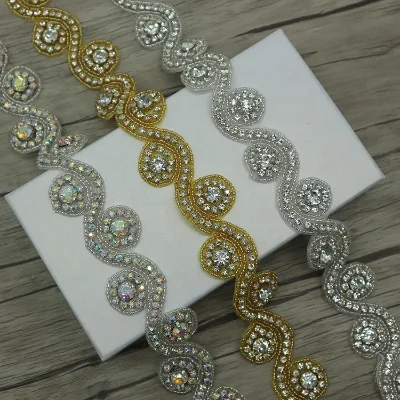
Round Pendants Sew-on Chain Flat Back Rhinestone Trimming for Birthdays Anniversaries
$4.50 - $5.58
MOQ: 30 Yards

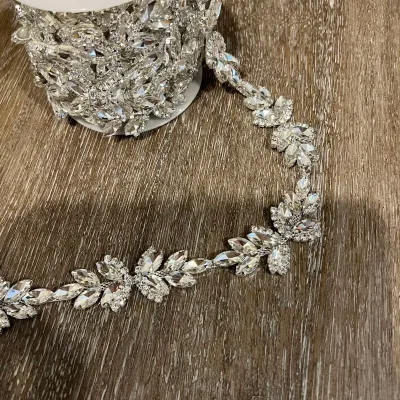
Handmade Crystal Stone Rhinestone Trimming 10yards Flatback Fashion Designs for Wedding
$4.98 - $5.72
MOQ: 50 Yards

Glass Diamond Decoration Rhinestone Flat Chain Flower Trimming Sew-on Style for DIY Trim
$4.00 - $5.00
MOQ: 50 Yards

NINGBO HOBA INTERNATIONAL TRADING CO., LTD.
- Verified by BV
- Trading Company
- China Zhejiang
- Lead time30 days
- Avg. response≤ 3h
Main productsThread, Button, Lace Tape, Zipper, Hot Fix Stone, Crystal, Rope, Jewelry Accessory, Ribbon, Reflecting Material
Main marketsSouth America,Africa,Southeast Asia/ Mideast,East Asia(Japan/ South Korea),Europe,Australia,North America
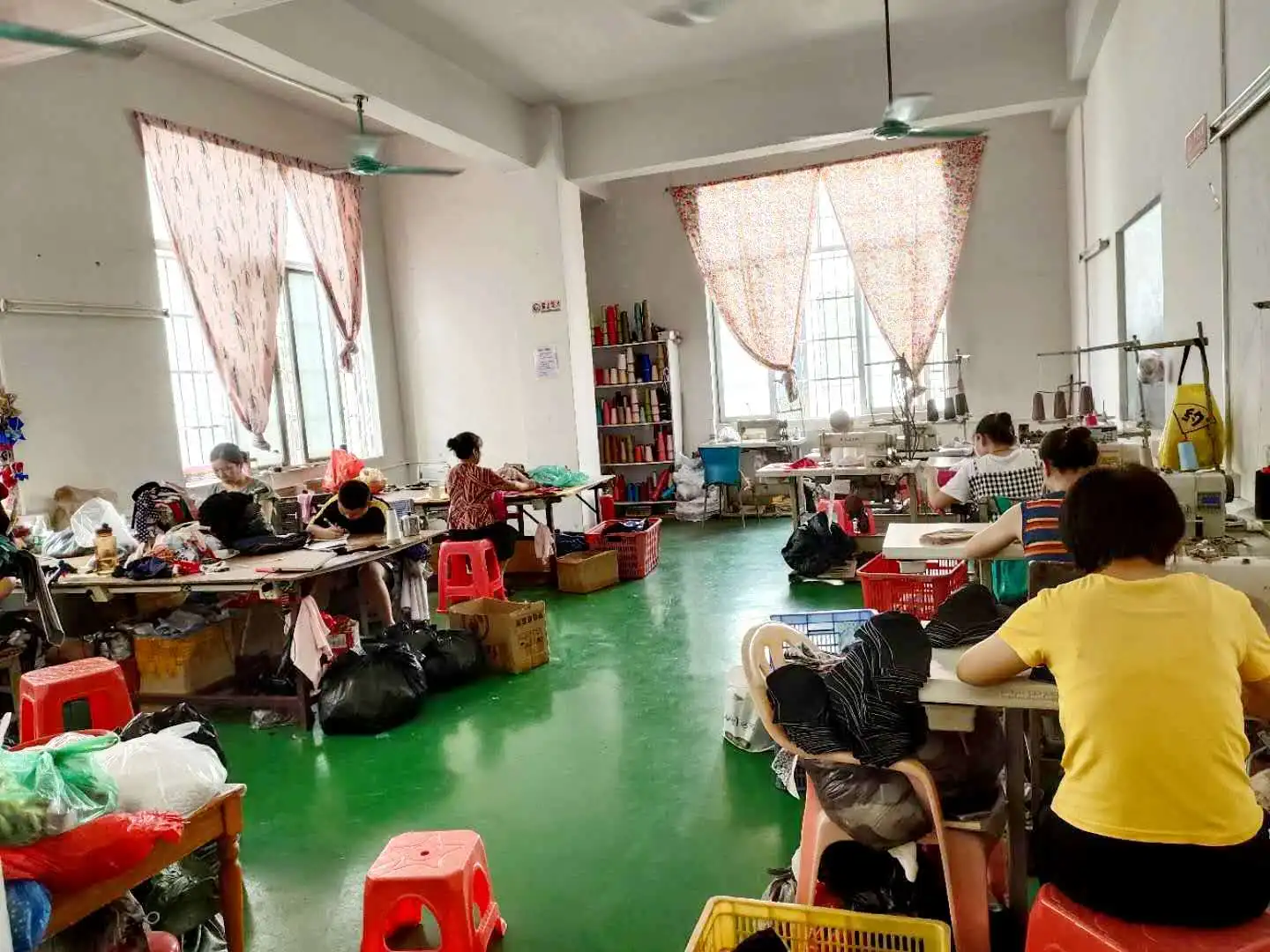
Guangzhou Haolilian Trading Co., Ltd.
- Trading Company, Distributor/Wholesaler
- Guangdong, China
- Lead time5 days
- Avg. response≤ 3h
Main productshair accessories,handmade flowers,clothing accessories,wedding accessories,rhinestone applique
Main marketsWestern Europe(30.00%), South America(30.00%), North America(30.00%), Mid East(3.00%), Eastern Europe(3.00%), Southeast Asia(3.00%), Africa(1.00%)
Guangzhou Fuban Garment Accessories Co., Ltd.
- Manufacturer, Trading Company
- Lead time旺季: "1 - 500":60,"> 500":"To be negotiated", 淡季: "1 - 500":60,"> 500":"To be negotiated"
- Avg. response≤ 4h
Main productsGarments Accessories, Festive & Party Supplies

$5.9715 - $6.6122
MOQ: 10 rolls


$4.6497 - $16.5314
MOQ: 50 Minimum

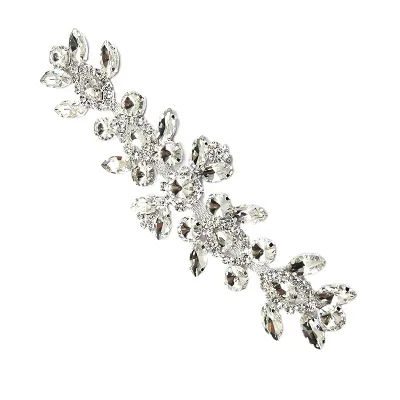
Guangzhou Jingpin Garment Accessory Co., Ltd.
- Verified by SGS Group
- Manufacturer, Trading Company
- Lead time3 days
- Avg. response≤ 1h
Main productsCrystal Rhinestone, Sew On Stone, Rhinestone Trimming, Customized Stone Transfer Design, Rhinestone Applique
Main marketsNorth America(30%), Oceania(15%), Eastern Europe(10%)

Kingswick Technology Group Limited
- Trading Company,Manufacturer/Factory,Group Corporation,Other
- China Guangdong
- Lead time15 days
- Avg. response≤ 17h
Main productsHotfix Rhinestones, Nail Rhinestones, Flat Back Rhinestones, Sew on Rhinestones, Hot Fix Rhinestone Machines, Rhinestone Appliques, Glass Crystal Beads, Rhinestone Ribbons, Jewelry Beads, Pearl Beads
Main marketsSouth America,Eastern Europe,Mid East,North America,Southeast Asia,Eastern Asia,Oceania,Western Europe,Africa

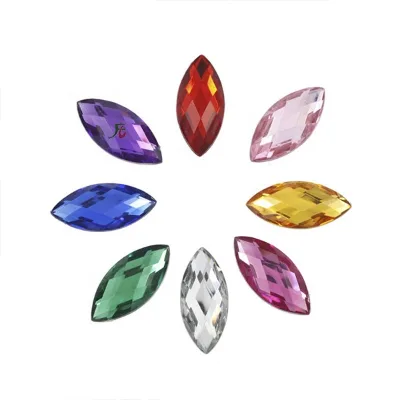
Mirror Sew on Rhinestones Flat Back Acrylic Sew-on Stone for Dress Garment Accessories
$0.02 - $0.09
MOQ: 1000 Pieces

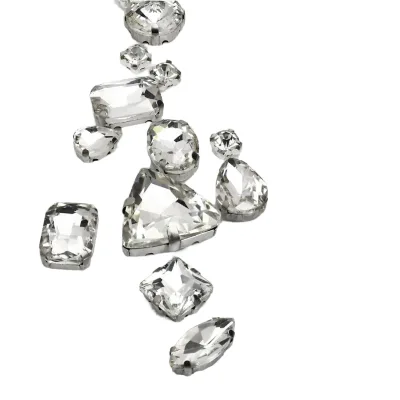
All Sizes 32 Colors Drop Glass Crystal Sewn Stones Flat Back Strass Sew on Rhinestones for Clothing
$0.03 - $0.31
MOQ: 6 Pieces
Dongguan Xingzhao Crystal Jewelry Factory
- Verified by SGS Group
- Trading Company
- Lead time7 days
- Avg. response≤ 6h
Main productsGlass Beads, Glass Seed Beads, Clay Beads, Fashion Jewelry, DIY Accessories
Main marketsCentral America(25%), North America(20%), South America(20%)

Wenzhou Banwei Garment Accessroy Co., Ltd.
- Manufacturer
- Zhejiang, China
- Lead time5 days
- Avg. response≤ 9h
Main productsManual DIY TOOL,Plastic beads/Metal rivet,Hotfix products,Nail art decoration
Main marketsNorth America(30.00%), Central America(20.00%), Southeast Asia(10.00%), South America(10.00%), South Asia(5.00%), Mid East(5.00%), Africa(5.00%), Eastern Asia(3.00%), Southern Europe(3.00%), Northern Europe(3.00%), Eastern Europe(3.00%), Western Europe(3.00%)
Guangzhou Rhines International Trading Ltd
- Manufacturer, Trading Company
- Guangdong, China
- Lead time5 days
- Avg. response≤ 8h
Main productsHot fix Rhinestone,flat back rhinestone,crystal sticker,sew on rhinestone,rhinestone trimming
Main marketsNorth America(22.60%), Domestic Market(15.00%), Western Europe(12.80%), South America(11.60%), Eastern Europe(7.69%), Mid East(7.10%), Northern Europe(5.22%), Eastern Asia(3.60%), Southern Europe(3.49%), Southeast Asia(3.30%), Central America(3.20%), South Asia(2.20%), Oceania(1.28%), Africa(0.92%)
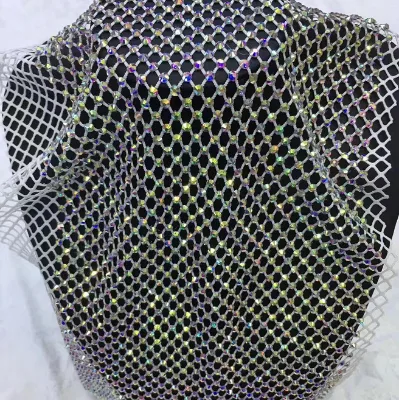
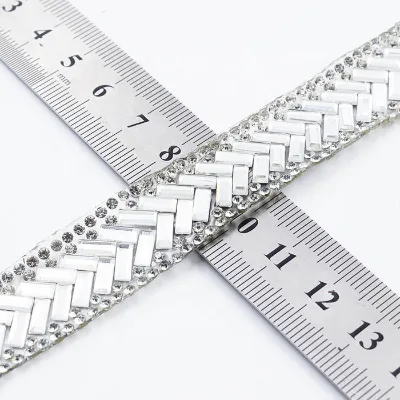

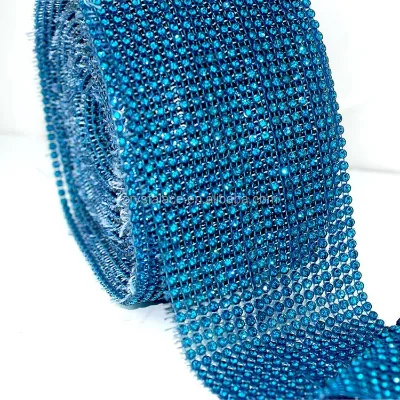
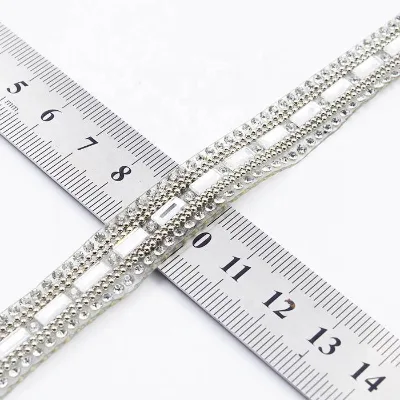
Transparent Iron on Strass Banding Rhinestone Ribbon Lace Crystal Hot Fix Trimming for Dress
$1.6901
MOQ: 300 Minimum

$0.7859 - $0.9925
MOQ: 100 yards
Shenzhen Aprise Trading Co., Ltd.
- Manufacturer, Trading Company
- Guangdong, China
- Lead time2 days
- Avg. response≤ 3h
Main productsGarments Accessories,rhinestone transfer,t shirt,vinyl print transfer,embroidery
Main marketsNorthern Europe(20.00%), North America(15.00%), South America(15.00%), Africa(10.00%), Eastern Europe(10.00%), Domestic Market(5.00%), Southeast Asia(5.00%), Mid East(5.00%), Southern Europe(5.00%), Central America(4.00%), Oceania(3.00%), Western Europe(2.00%), South Asia(1.00%)

Ningbo Shinein Import & Export Co., Ltd
- Verified by CTI
- Manufacturer/Factory
- China Zhejiang
- Lead time15 days
- Avg. response≤ 12h
Main productsHair Extensions, Face Jewels, Body Glitter, Tattoos, Braiding Hair, Glitters, Plastic Buttons, Shell Buttons, Nipple Covers, Rhinestone Stickers
Main marketsSouth America,Eastern Europe,Mid East,North America,Southeast Asia,Eastern Asia,Oceania,Western Europe,Africa

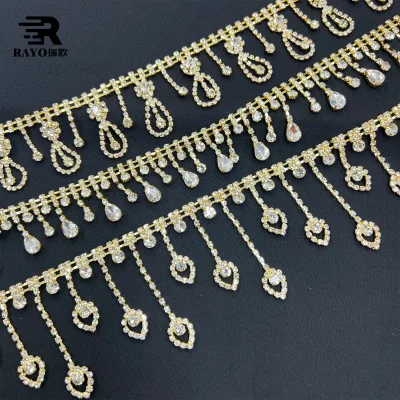
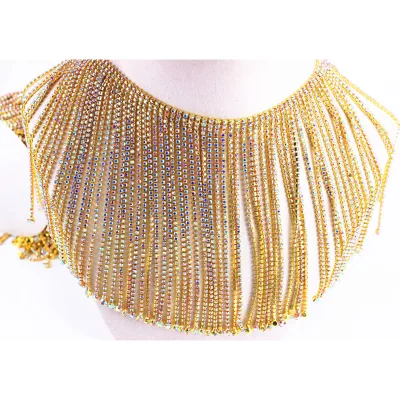
Sewing Diamond Crystal Fringe Trim Applique Silver Gold Glass Rhinestone Tassel Trimming
$5.50 - $6.80
MOQ: 50 Yards

Sew-on Shoe Hat Diamond Fringes Rhinestones Ribbon Chain Tassels Rhinestone Trims Fringe
$1.00 - $1.50
MOQ: 50 Yards

Sew-on Hat Garment Glass Rhinestone Crystal Chain 5-Rows Crystal Rhinestone Applique Trim
$0.50 - $1.90
MOQ: 50 Yards

Sewing Flatback Rhinestone Trims Chain Wedding Flower Crystal Rhinestone Sash Applique
$1.20 - $1.60
MOQ: 50 Pieces

Sew-on Wedding Garment Watedrop Diamond Tassel Chain Long Crystal Rhinestone Fringe Trim
$1.30 - $2.50
MOQ: 50 Yards

DIY Sew-on Dress Crystal Diamond Trim Ribbon Close Gold Rhinestone Trim Chain
$1.50 - $1.90
MOQ: 50 Yards
Yiwu Dansilin Trading Co., Ltd.
- Verified by TüVRheinland
- Trading Company
- Zhejiang, China
- Lead time7 days
- Avg. response≤ 7h
Main productsCeramic Pearl, Rhinestone, Heat Transfer, Crystal Medley
Main marketsNorth America(38%), Western Europe(28%), Mid East(17%)
Guangzhou Fucun Garment Accessories Co., Ltd.
- Verified by SGS Group
- Manufacturer, Trading Company
- Lead time旺季: "1 - 100":15,"101 - 300":18,"301 - 500":25,"> 500":"To be negotiated", 淡季: "1 - 100":15,"101 - 300":18,"301 - 500":25,"> 500":"To be negotiated"
- Avg. response≤ 3h
Main productsGarments Accessories, Festive & Party Supplies
Suzhou Xingsheng Weiye Garment Accessories Co., Ltd.
- Verified by Intertek
- Manufacturer, Trading Company
- Lead time20 days
- Avg. response≤ 4h
Main productsPatch, Webbing, Button, Rope, Tag
Main marketsSoutheast Asia(30%), Oceania(20%), North America(5%)

- Verified by BV
- Trading Company
- China Zhejiang
- Lead time30 days
- Avg. response≤ 6h
Main productsTextile, Zipper, Lace, Elastic, Ribbon, Thread, Tape, Fabric, Interlining, Button
Main marketsSouth America,Africa,Europe
Guangzhou Will Young Technology Co., Ltd.
- Trading Company, Distributor/Wholesaler
- Guangdong, China
- Lead time3 days
- Avg. response≤ 3h
Main productsBelly Dance Products,Dance Products,Promotional Gifts,Promotional Arts & Crafts,Gift Sets
Main marketsWestern Europe(35.00%), North America(35.00%), Eastern Asia(15.00%), South America(5.00%), Southeast Asia(5.00%), Oceania(5.00%)

Creative-Bead-Garment-Accessories Crystal Garment Accessories Sew on Neck Lace Trim Rhinestone
$2.88 - $3.10
MOQ: 100 yards

$1.08 - $1.16
MOQ: 100 yards

Lingerie Garment Accessories Crystal Shiny Bead Chain Rhinestone Lace Border Trim With Rhinestones
$0.90 - $0.96
MOQ: 100 yards

$2.51 - $2.70
MOQ: 100 yards
Pujiang Qiaoqiao Crystal Co., Ltd.
- Verified by Intertek
- Manufacturer, Trading Company
- Lead time5 days
- Avg. response≤ 3h
Main productsRhinestone, Nail Art Decoration, Garment Accessories, Jewelry Accessories, Glass Beads
Main marketsNorth America(65%), Western Europe(11%), South Asia(7%)






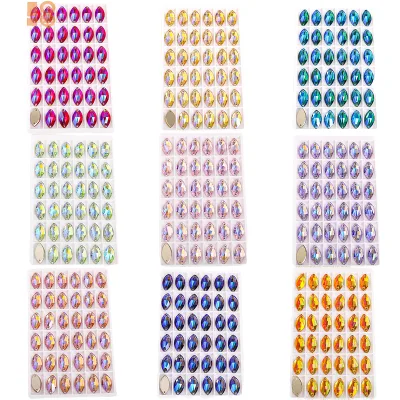
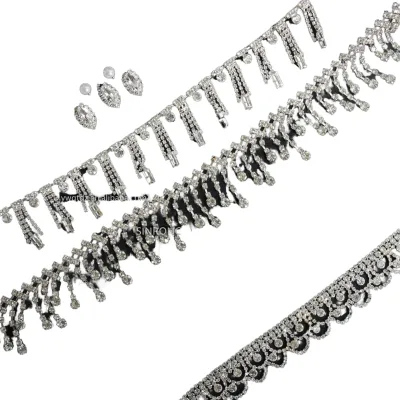
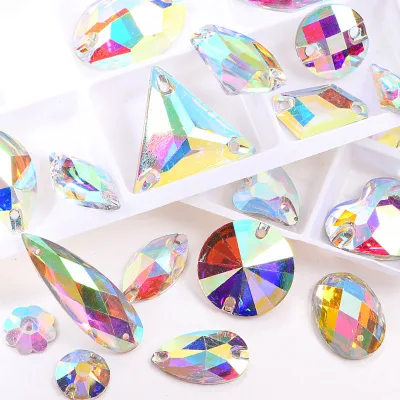
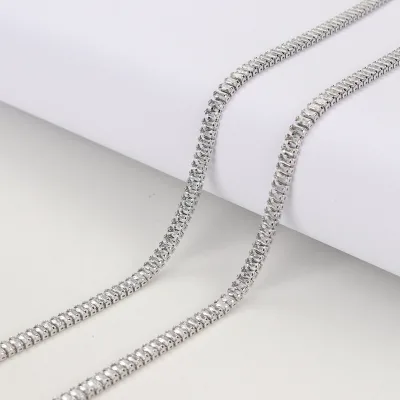


Comprehensive Sourcing Guide
Eco-Friendly Sew-On Flatback Rhinestone Trimming Supplier Concentration and Factory Types
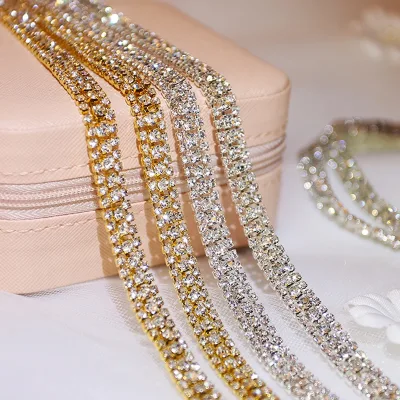
The current supplier landscape for this category shows a concentration of manufacturers and trading companies primarily located in China Guangdong, with additional presence in China Zhejiang. These regions serve as established hubs for garment accessories, where suppliers often specialize in specific product lines such as hot fix rhinestones, cup chain trimming, and various heat transfer motifs. The data indicates that many entities operating in this space are classified as trading companies rather than direct factories, which influences their inventory depth and ability to customize raw materials. Buyers should note that while some suppliers list main products including thread, buttons, and lace tape, others focus exclusively on rhinestone trimming and crystal accessories.
When evaluating the factory type, it is essential to distinguish between trading companies that aggregate products and manufacturers who control the production process. The available facts confirm that suppliers in Guangdong and Zhejiang offer a wide range of materials, including acrylic and glass options, with features like sewable, self-adhesive, and ironable properties. Since the specific establishment years are not provided in the current results, buyers cannot verify the longevity of these entities based on this data alone. Instead, the focus should remain on the supplier type classification and the breadth of their main product catalog to determine if they can sustain long-term supply chains for eco-friendly sewing applications.
How to Verify Eco-Friendly Sew-On Flatback Rhinestone Trimming Suppliers
Verification of suppliers in this sector relies heavily on third-party validation services and specific platform badges rather than unverified claims. The current results indicate that some suppliers hold BV verification status, which serves as a tangible credential for business legitimacy. Buyers must prioritize suppliers displaying this verification badge to ensure the entity has undergone a background check. Without explicit certification data regarding eco-friendly standards or specific environmental tests in the provided facts, buyers cannot assume a product meets green criteria based solely on the product name. It is critical to request specific documentation or test reports directly from the supplier to confirm any environmental claims before proceeding with an order.
Response time and verification status are key indicators of supplier reliability and operational efficiency. The observed response times vary, with some suppliers showing a response time of 3.32 and others as low as 2.16, suggesting differences in customer service capacity. A faster response time often correlates with better communication channels, which is vital when discussing custom designs or specific material requirements. Buyers should verify that the supplier is willing to provide samples, as the data confirms support for 7-day sample orders in some cases. Relying on the BV badge and prompt communication metrics helps filter out less reliable vendors, ensuring that the sourcing partner is responsive and transparent about their capabilities and limitations.
What to Compare Across Eco-Friendly Sew-On Flatback Rhinestone Trimming Suppliers
Comparing suppliers requires a detailed analysis of lead times, minimum order quantities, and pricing structures to find the best fit for specific project needs. The data reveals significant variation in lead times, with some suppliers offering delivery within 15 days while others indicate a 30-day window. Minimum order quantities also differ, ranging from 10 yards to 30 yards or even 20 to 50 units depending on the specific product type. Pricing fluctuates based on material and specifications, with observed ranges starting as low as 4.00 and reaching up to 10.50 per unit. Buyers must weigh these factors against their budget and timeline constraints to select a supplier that aligns with their production schedule.
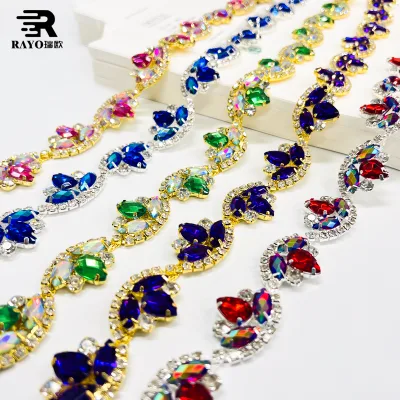
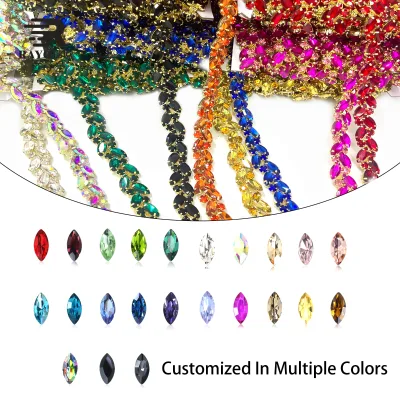
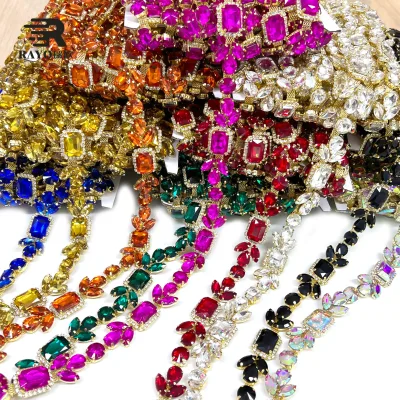
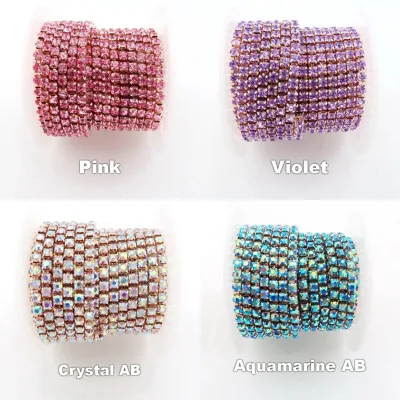
Material composition and customization options are equally critical comparison points when sourcing this specific trimming. The available facts show products made from both acrylic and glass, with diameters ranging from 3mm to 22mm and various color options including white, silver, and multi-colors. Some suppliers offer customization for designs and colors, while others provide standard flatback styles. The ability to customize is explicitly welcomed by certain vendors, which is a significant advantage for brands seeking unique aesthetics. Additionally, payment terms vary, with options including PayPal, T/T, and Western Union. Buyers should compare these logistical and commercial terms to ensure the supplier can meet their specific quality and financial requirements without compromising on the eco-friendly aspect of the product.
Common Eco-Friendly Sew-On Flatback Rhinestone Trimming Sourcing Risks
One primary risk in sourcing this category is the potential discrepancy between marketing claims and actual material composition. While the keyword emphasizes eco-friendly attributes, the provided facts list materials such as acrylic and glass without explicit confirmation of sustainable sourcing or non-toxic certifications. Buyers face the risk of receiving products that do not meet their environmental standards if they rely solely on product titles. It is essential to verify the material safety and origin directly, as the current data does not confirm any specific eco-certifications or standards like REACH or OEKO-TEX. Without this verification, the "eco-friendly" label may be misleading, leading to compliance issues or brand reputation damage.
Another significant risk involves the variability in lead times and shipping reliability across different suppliers. The observed lead times range from 15 to 30 days, and shipping methods include various express couriers like DHL, UPS, and FedEx, as well as sea freight. Inconsistent delivery windows can disrupt production schedules, especially for time-sensitive projects like wedding dresses or seasonal collections. Furthermore, the lack of standardized quality grades in the data, despite some mentions of "Grade Aaaaaa," creates uncertainty about product consistency. Buyers must mitigate these risks by establishing clear communication channels and setting strict delivery deadlines in their contracts to ensure that the final product arrives on time and meets the expected quality benchmarks.
Eco-Friendly Sew-On Flatback Rhinestone Trimming Regional Sourcing and Logistics
Regional sourcing in China Guangdong and China Zhejiang offers distinct logistical advantages due to the established infrastructure for garment accessories. Suppliers in these regions are well-positioned to handle international shipping via major carriers such as DHL, UPS, FedEx, and EMS, as well as air and sea freight options. The proximity of these manufacturing hubs to major ports facilitates efficient export processes, potentially reducing transit times for global buyers. However, the specific shipping times and costs will vary based on the chosen method and the destination country. Buyers should leverage the local expertise of these suppliers to navigate customs and logistics challenges effectively.
Logistics planning must account for the specific packaging and weight characteristics of the products to optimize shipping costs. The data indicates that products are often packed in bags or waterproof boxes, with single gross weights as low as 0.12kg per unit. This lightweight nature allows for cost-effective air shipping for smaller orders, while larger volumes might benefit from sea freight to reduce per-unit costs. Buyers should consider the total landed cost, including shipping and potential duties, when comparing suppliers from different regions. Understanding the shipping capabilities of each supplier, such as their experience with Epacket or TNT, helps in selecting the most efficient route for delivering the rhinestone trimming to the final destination.
Eco-Friendly Sew-On Flatback Rhinestone Trimming Commercial Terms and Order Planning
Commercial terms and order planning are pivotal for managing the financial and operational aspects of sourcing this category. Payment methods vary among suppliers, with options including PayPal, T/T, and Western Union, offering flexibility for different buyer preferences. However, the lack of escrow information in the current facts means buyers must exercise caution and verify payment security measures independently. Establishing clear payment terms, such as deposit percentages and balance due dates, is essential to protect both parties and ensure smooth transaction processing. Buyers should also clarify any additional fees related to customization or sample orders to avoid unexpected costs.
Order planning must align with the specific MOQ and lead time requirements of the chosen supplier to maintain inventory efficiency. With MOQs ranging from 10 yards to 30 yards, buyers need to assess their production volume to determine the optimal order size. The lead times of 15 to 30 days require advance planning to ensure materials are available when needed for production runs. Additionally, the availability of customization services allows for tailored designs, but this may extend the lead time. Buyers should create a detailed timeline that accounts for sample approval, production, and shipping to prevent delays. By carefully managing these commercial terms and planning ahead, buyers can secure a reliable supply chain for their eco-friendly sewing projects.
FAQs
What is the minimum order quantity for rhinestone trimming?
Suppliers typically require a minimum order of 10 yards or 10 rolls for rhinestone trimming products. Some listings specify a minimum of 50 units or 30 yards depending on the specific item type. Buyers should verify the exact MOQ on the product page before placing an order to ensure it meets their production needs.
How long does delivery take for these products?
Delivery times generally range from 15 days to 30 days depending on the supplier and location. Some products offer a faster shipping window of 1-4 working days for samples or small batches. Standard lead times are often listed as 15 days, while other suppliers may require up to 30 days for production and shipment.
What materials are used for flatback rhinestone trimming?
Rhinestone trimming is commonly made from glass or acrylic materials. Glass options provide a premium look with flatback designs suitable for sewing or ironing. Acrylic versions offer a lightweight alternative. Both materials are available in various colors including white, black, silver, and multi-color options for different garment and accessory applications.
What payment methods are accepted by these suppliers?
Suppliers generally accept payment via T/T, Western Union, and PayPal. These methods provide flexibility for international transactions. Buyers should confirm the specific payment terms with the supplier before proceeding. Some listings may also mention other standard payment options, so verifying the accepted methods on the product page is recommended for smooth processing.
Where are these rhinestone suppliers located?
Suppliers offering rhinestone trimming are primarily located in China, specifically in Guangdong and Zhejiang provinces. Guangdong is a major hub for these accessories, while Zhejiang also hosts relevant manufacturers. Buyers can filter results by these locations to find suppliers with established supply chains and efficient logistics for international shipping.
Can I customize the design of the rhinestone trimming?
Customization is available for many rhinestone trimming products. Suppliers welcome customized designs and offer options for specific colors, sizes, and patterns. Buyers can request tailored solutions for their projects, such as specific diameters or chain shapes. It is advisable to discuss customization details and any additional costs directly with the supplier.