Eco-Friendly Shisha Glass Base Suppliers and Manufacturers
Browse 21 suppliers of Eco-Friendly Shisha Glass Base products and compare grounded dimensions such as location in Zhejiang, lead time, response time, MOQ, price ranges, materials, and OEM customization options. Shortlist candidates and request samples to verify quality before ordering.
Suppliers List
Yiwu Gehao Art & Craft Co., Ltd.
- Trading Company
- Zhejiang, China
- Lead time30 days
- Avg. response≤ 4h
Main productshookah,hookah accessories,shisha,chicha,narguile
Main marketsCentral America(10.00%), Northern Europe(10.00%), Western Europe(10.00%), South Asia(10.00%), Southern Europe(10.00%), Eastern Europe(10.00%), South America(10.00%), North America(10.00%), Oceania(7.00%), Eastern Asia(5.00%), Mid East(3.00%), Africa(2.00%), Domestic Market(2.00%), Southeast Asia(1.00%)
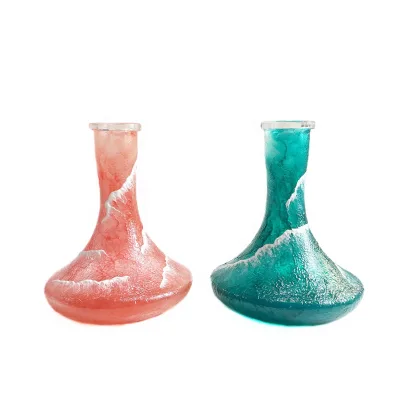
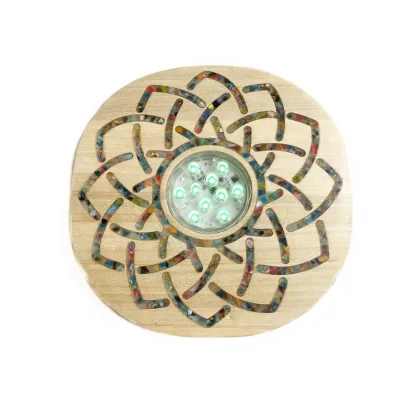
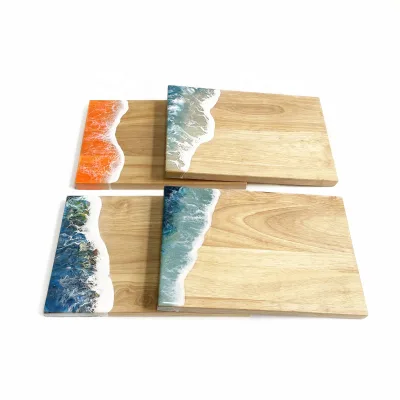
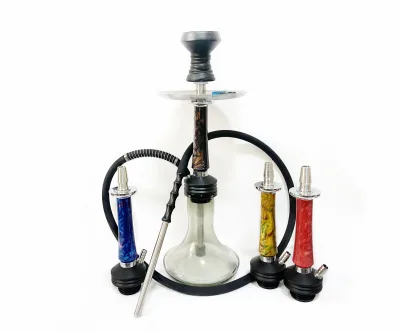
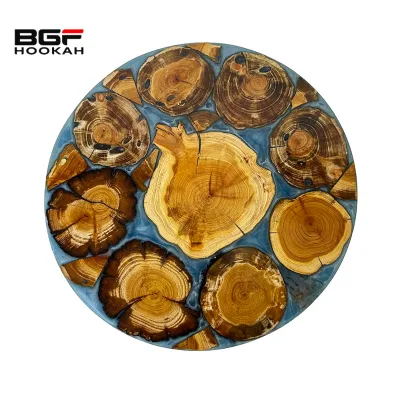
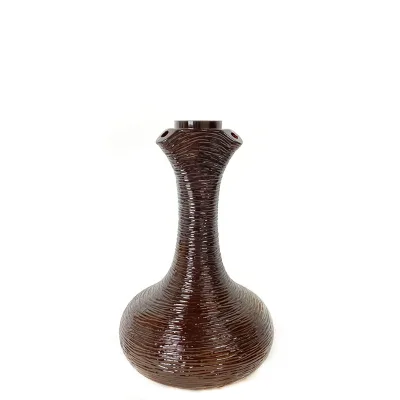
Wholesale 2021 New Wood Hookah Shisha Glass Base Plate Wooden Chicha Hookah Solid Wood Boards
$15.29 - $20.38
MOQ: 500 pieces
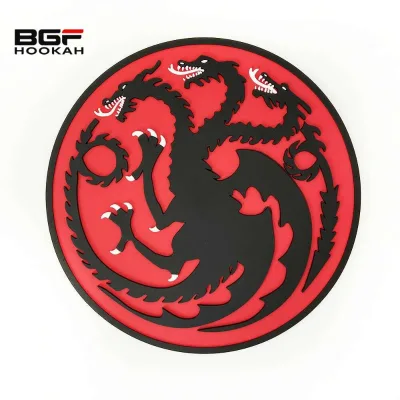
Wholesale Hookah Bottle Base Protecter Customized LOGO Pad Hookah Shisha Accessories
$2.42 - $2.80
MOQ: 2000
- Manufacturer, Trading Company
- Guangdong, China
- Lead time12 days
- Avg. response≤ 8h
Main productsHookah,OEM hookah,shisha,Brand shisha,narguile
Main marketsNorth America(30.00%), Eastern Europe(20.00%), South Asia(20.00%), South America(10.00%), Northern Europe(10.00%), Western Europe(10.00%)
- Manufacturer, Trading Company
- Zhejiang, China
- Lead time30 days
- Avg. response≤ 4h
Main productsHookah,shisha accessories,Aluminum hookah,stainless steel hookah
Main marketsNorth America(50.00%), Southern Europe(30.00%), Eastern Europe(10.00%), Mid East(10.00%)
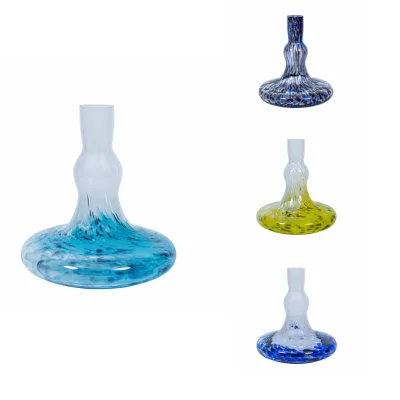
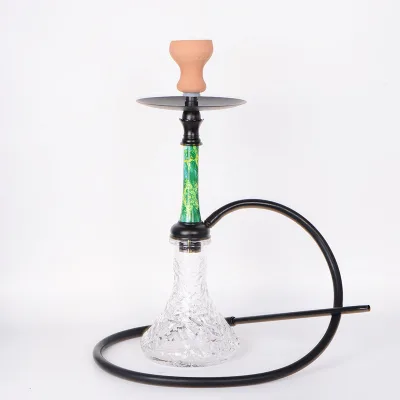
Fantastic Quality Medium Aluminum Alloy Single Tube Corrugated Glass Base Shisha Hookah
$16.09 - $19.89
MOQ: 6 pieces
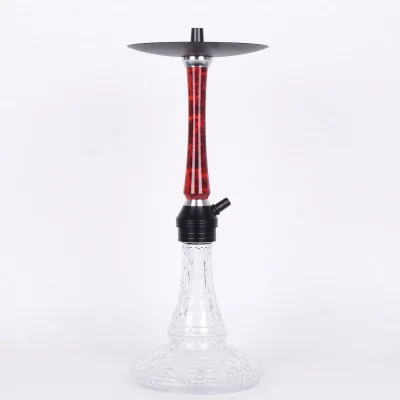
Fantastic Quality Medium Aluminum Alloy Single Hose Corrugated Glass Base Shisha Narguile
$14.90 - $16.90
MOQ: 60 pieces
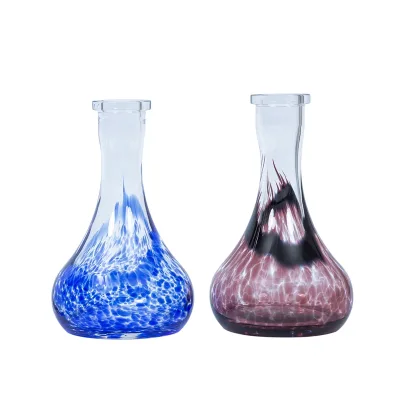
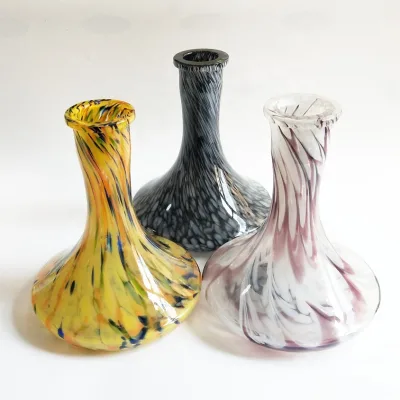
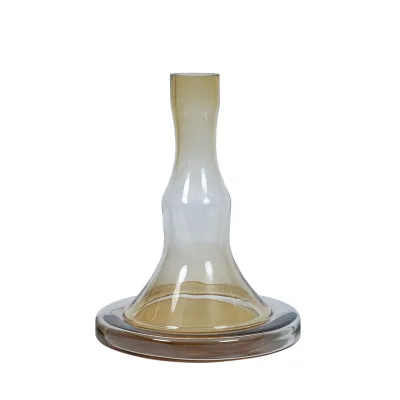
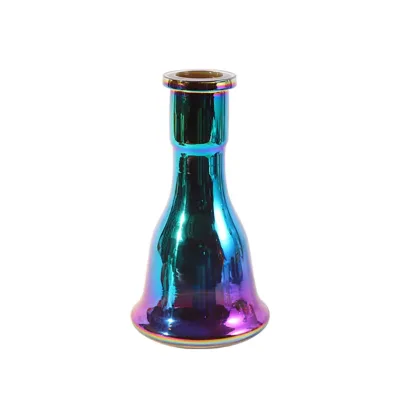
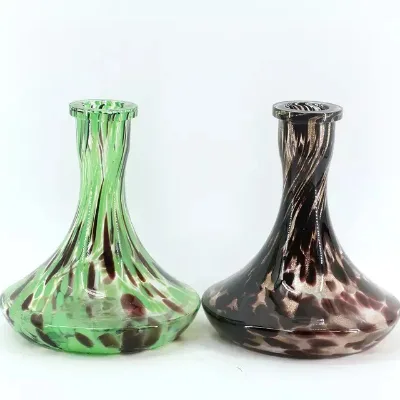
Colorful Shisha Glass Vase for Russian Style Shisha Hookah Accessories Water Tank
$4.70 - $5.40
MOQ: 300 pieces
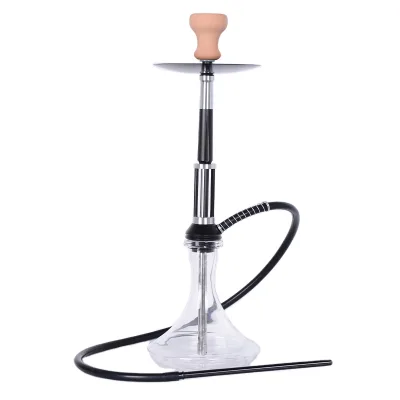
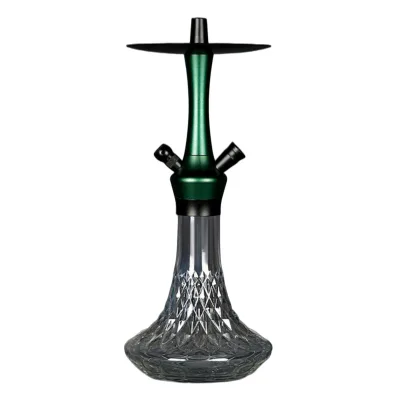
Cost-effective Metal Luster Aluminum Alloy Single Tube Conical Glass Shisha Hookah
$19.99 - $22.99
MOQ: 6

Xinxiang Zhongpanxin Industry Co., Ltd.
- Verified by SGS
- Combined
- China Henan
- Lead time15 days
- Avg. response≤ 4h
Main productsLiquid Nitrogen Container, Liquid Nitrogen Tank, Storage Container, Cryo Tank, Seman Tank, Glass Smoking Pipe, Smoking Water Glass Pipe, Hookah Shisha
Main marketsAfrica,Domestic,Europe
- Trading Company
- Jilin, China
- Lead time0 days
- Avg. response≤ 6h
Main productsHookak,Hookah Accessories&Charcoal,Candle Supplies,Cups
Main marketsMid East(25.00%), Africa(20.00%), North America(10.00%), Southeast Asia(10.00%), South America(10.00%), Northern Europe(5.00%), Central America(5.00%), Eastern Europe(5.00%), Western Europe(5.00%), Eastern Asia(5.00%)
- Trading Company
- Hebei, China
- Lead time15 days
- Avg. response≤ 7h
Main productsFur Blanket,Fur Products,Glass Craft
Main marketsNorth America(9.00%), Domestic Market(7.00%), South Asia(7.00%), Southern Europe(7.00%), Northern Europe(7.00%), Central America(7.00%), Western Europe(7.00%), Eastern Asia(7.00%), Mid East(7.00%), Oceania(7.00%), Africa(7.00%), Southeast Asia(7.00%), Eastern Europe(7.00%), South America(7.00%)

Yiwu Jiju Smoking Accessories Co., Ltd.
- Trading Company
- Zhejiang, China
- Lead time15 days
- Avg. response≤ 5h
Main productsCigarette Rolling Machine, Tobacco Grinder, Ashtray, Cigarette Case, Smoking Pipe
Main marketsNorth America(30.00%), Western Europe(20.00%), Eastern Europe(15.00%), South America(10.00%), Southern Europe(10.00%), Northern Europe(10.00%), Africa(5.00%)

Hangzhou Radiant Glass Import & Export Co., Ltd.
- Verified by SGS
- Trading Company
- China Zhejiang
- Lead time23 days
- Avg. response≤ 4h
Main productsGlass Water Pipe, Glass Pipe, Oil Burner Pipe/Bowl, Silicone Pipe, Quartz Banger, Downstem, Glass Bowl, Glass Accessories, Ash Catcher, Glass Smoking Pipe
Main marketsSouth America,North America

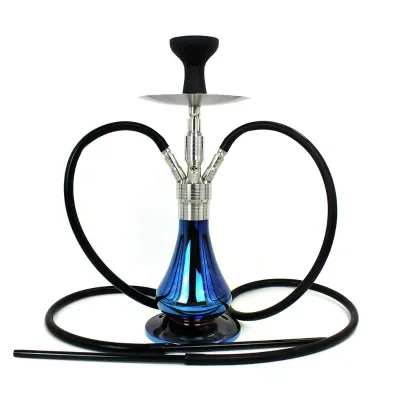
Hookah Chicha Pipes Wholesale 2 Hoses Glass Base Smoking Tool Shisha Set
$8.05 - $10.39
MOQ: 10 Pieces


Arabic Hookah Middle -Sized Classic Style Shisha Marble Effect Resin 68cm -Sized Hookah Shisha
$11.47 - $14.40
MOQ: 6 Sets

- Verified by SGS
- Combined
- China Zhejiang
- Lead time23 days
- Avg. response≤ 7h
Main productsHookah, Hookah Accessories, Shisha, Hookah Hose, Hookah HMD
Main marketsDomestic

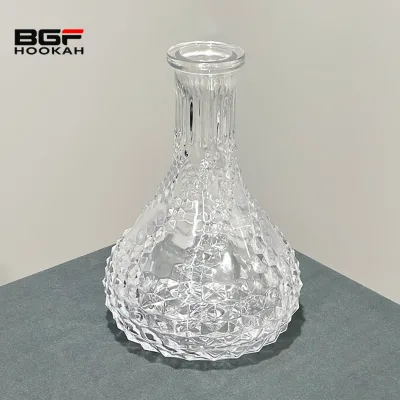
High Quality Wholesale Hookah Accessories Solid Color Glossy Glass Thick Bottom Shisha Base
$5.50 - $6.99
MOQ: 6 pieces


Unique Design Glass Base Aluminum Custom Logo Luxury Large Shisha Hookah
$20.99 - $35.99
MOQ: 4 pieces


Zhejiang Shenlong International Co., Ltd.
- Trading Company
- China Zhejiang
- Lead time0 days
- Avg. response≤ 7h
Main productsUnderwear, Seamless Underwear, Underwear Set, Seamless Inner Wear, Seamless Wear, Undergarment, Bath Towel, Beach Towel, Face Towels, Leggings
Yongkang Taige Daily Necessities Business Department.
- Trading Company
- Jinhua, China
- Lead time15 days
- Avg. response≤ 1h
Main productscup,bottle,Musical Instruments,bicycle,camping
Main marketsCentral America(30.00%), North America(20.00%), South America(20.00%), Southern Europe(10.00%), Northern Europe(10.00%), Western Europe(10.00%)
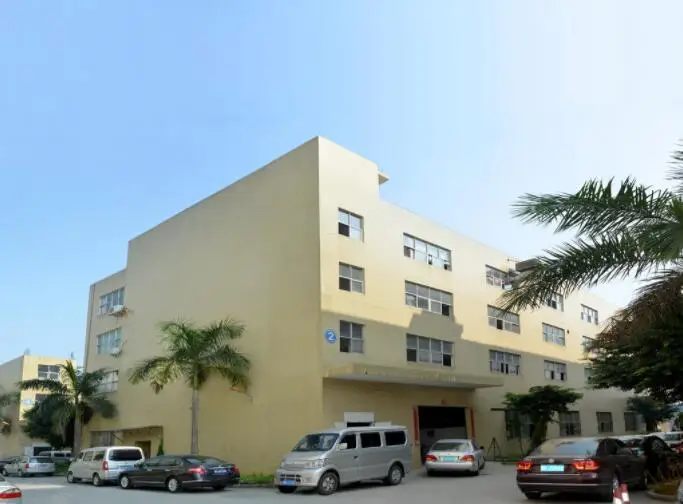
Yiwu Jiexi Hardware Manufacturer (individual Business)
- Manufacturer, Trading Company
- Zhejiang, China
- Lead time7 days
- Avg. response≤ 2h
Main productsstainless steel hookah,aluminum hookah,resin hookah,egyptian hooakh,iraq shisha
Main marketsNorth America(30.00%), Mid East(25.00%), Eastern Europe(20.00%), Western Europe(15.00%), Africa(10.00%)
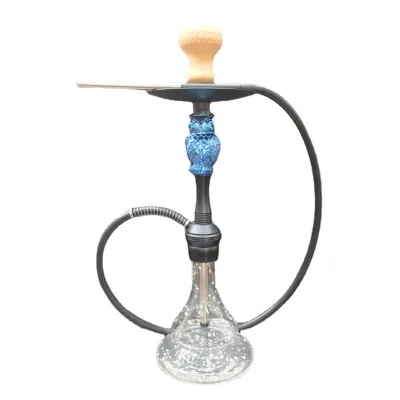
Wholesale Electroplated Resin Owl Modeling Arabic Hookah Shisha with Glass Bottle Base
$17.50 - $24.60
MOQ: 6 sets
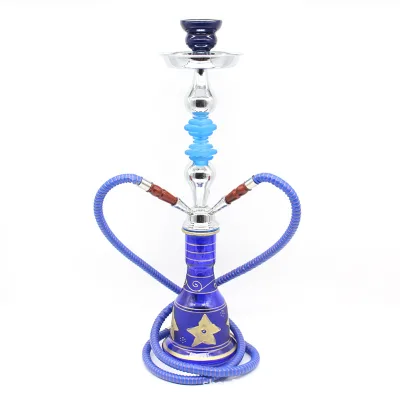
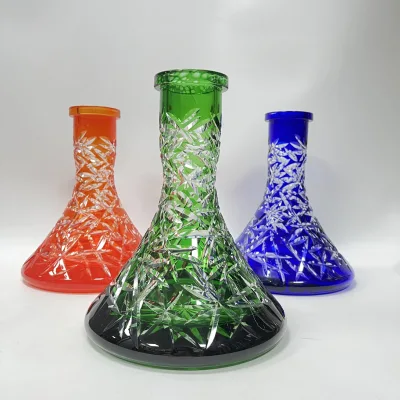
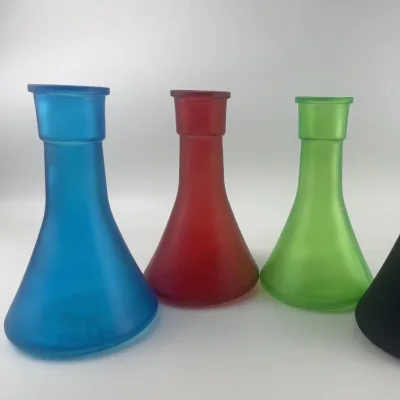
- Trading Company
- Jiangsu, China
- Lead time10 days
- Avg. response≤ 3h
Main productsGlass Hookah Shisha,Glass Lampshade,Glass Smoking Accessories,Glass Dome Cloche,Glass Candle Holder
Main marketsNorth America(50.00%), Mid East(10.00%), Western Europe(10.00%), Eastern Europe(5.00%), Central America(5.00%), Eastern Asia(3.00%), Northern Europe(3.00%), Oceania(3.00%), South Asia(2.00%), Southern Europe(2.00%), Africa(2.00%), Domestic Market(2.00%), Southeast Asia(2.00%), South America(1.00%)
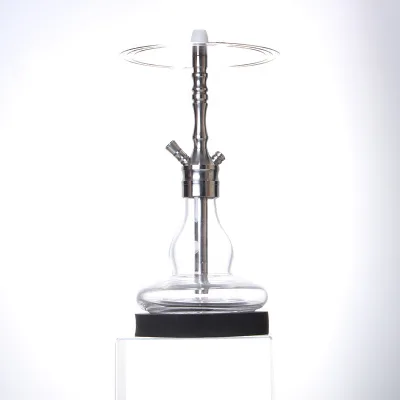
$8.00 - $10.00
MOQ: 100 pieces
$39.90 - $45.90
MOQ: 2 pieces
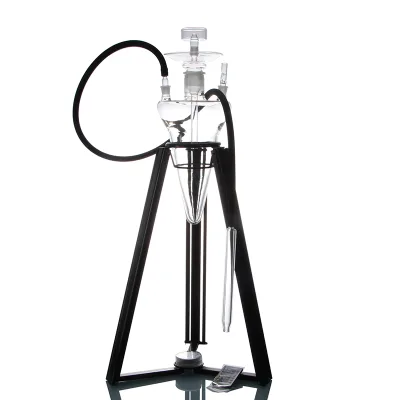

HF GLASS PRODUCTS CO., LIMITED
- Verified by BV
- Manufacturer/Factory
- China Hebei
- Lead time15 days
- Avg. response≤ 4h
Main productsGlass Smoking Pipes, Glass Pipes, Glass Water Pipes, Glass Ash Catchers, Hand Pipes, Smoking Glass Pipes
Main marketsSouth America,Eastern Europe,North America,Western Europe

Phoenix 10 Inches Square Base Hookah Shisha Water Pipe Glass Smoking Water Pipe
$7.20 - $9.50
MOQ: 5 Pieces

17 Inches Big Beaker Base Tube Hookah Clear Tube Without Any Logo Shisha Smoking Glass Water Pipe
$10.50 - $13.50
MOQ: 5 Pieces

Hebei Youxin Glass Products Co., Ltd.
- Verified by TUVRHEINLAND
- Combined
- China Hebei
- Lead time15 days
- Avg. response≤ 12h
Main productsGlass Water Pipes, Glass Hookahs, Water Pipes, Glass Smoking Pipes, Smoking Water Pipes, Glass Bubblers, Glass Pipes, Smoking Accessories
Main marketsDomestic


Glass Smoking Pipe Oil DAB Rig Customized Shisha Hookah Glass Water Pipe
$19.50 - $20.50
MOQ: 100 Pieces

Banger Hanger Shisha Hookah Smoking Glass Water Pipe
MOQ: 50 Pieces

Jiangsu Mengran Glass Artware Co., Ltd.
- Verified by BV
- Combined
- China Jiangsu
- Lead time30 days
- Avg. response≤ 3h
Main productsGlass Smoking Pipe, Glass Water Pipe, Glass Hookah, Ash Catcher, Quartz Banger, Carb Cap, DAB Rig, Glass Tobacco Bowl, Nectar Collector, Glass Pipe
Main marketsEast Asia(Japan/ South Korea),Domestic,Europe,North America

Customized Hexagonal Thickened Base High Temperature Glass Hand Hookah Shisha
$13.00 - $15.00
MOQ: 60 Pieces


OEM Glass Smoking Pipe Glass Hookah Shisha with Creative Spherical Bottle Bottom
$8.00 - $9.00
MOQ: 60 Pieces

Borosilicate Glass Smoking Water Pipe Dark Green Spring Shape Filter Glass Hookah Shisha
$12.00 - $14.00
MOQ: 60 Pieces

$12.00 - $14.00
MOQ: 60 Pieces

$12.00 - $14.00
MOQ: 60 Pieces

HF GLASS PRODUCTS CO., LIMITED
- Verified by BV
- Manufacturer/Factory
- China Hubei
- Lead time15 days
- Avg. response≤ 3h
Main productsGlass Smoking Pipes, Glass Water Pipe, Water Pipes, Smoking Water Pipes, Recycler Oil Rigs, Rigs Oil DAB, Ash Catchers
Main marketsSouth America,Eastern Europe,Mid East,North America,Southeast Asia,Eastern Asia,Oceania,Western Europe,Africa

Hookah Shisha 10 Inches Mixed Colors Round Base Smoking Glass Water Pipe Wholesale
$3.85 - $4.99
MOQ: 5 Pieces

Night-Luminous Hand Painted Beaker Base Glass Smoking Water Pipe Shisha Pipes Hookah Headup 420
$2.50 - $2.60
MOQ: 5 Pieces


$10.00 - $12.00
MOQ: 5 Pieces


- Trading Company
- Zhejiang, China
- Lead time30 days
- Avg. response≤ 3h
Main productsHookah,shisha accessories,Aluminum hookah,stainless steel hookah
Main marketsNorth America(50.00%), Southern Europe(30.00%), Eastern Europe(10.00%), Mid East(10.00%)
Guangxi Zhengpei Trading Co., Ltd.
- Verified by SGS Group
- Trading Company
- Lead time15 days
- Avg. response≤ 6h
Main productsHookah, Shisha Hookah, Hookah Bowl, Hookah Bottle, Shisha Vase
Main marketsMid East(30%), Southern Europe(20%), Eastern Europe(20%)
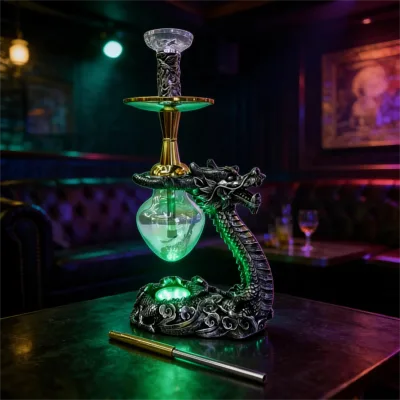
$64.80 - $69.43
MOQ: 2 pieces
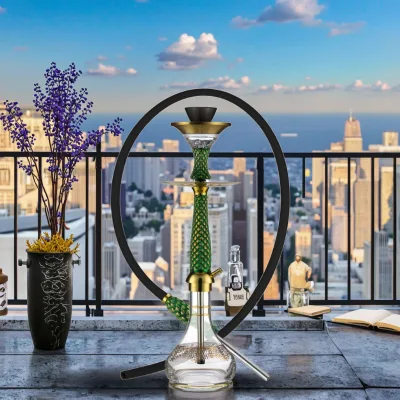
$51.40 - $53.50
MOQ: 2 pieces
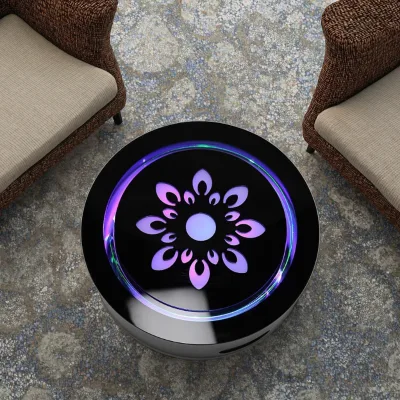
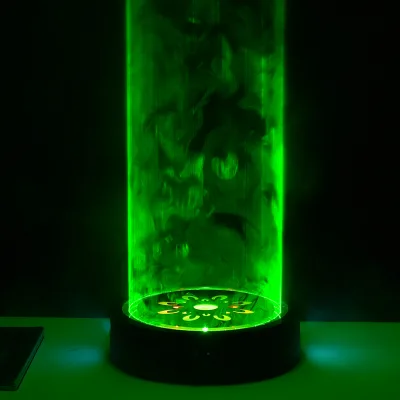
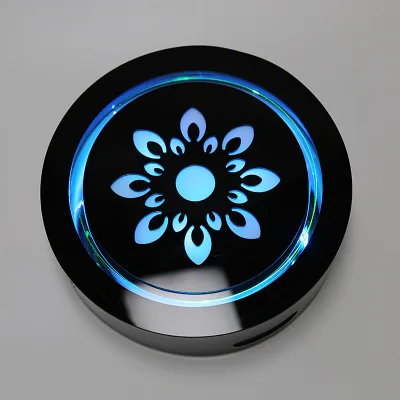
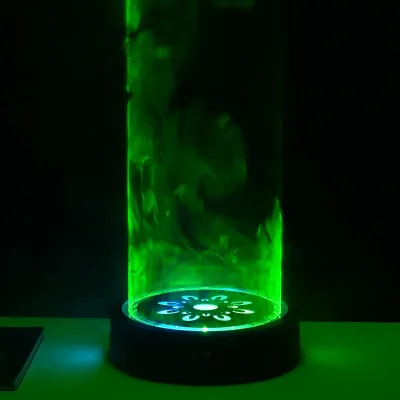
High Quality Portable Mirror Hookah Laser Light Base with Acrylic Gift Box
$78.23 - $83.82
MOQ: 2 sets

Guangxi Esigo Technology Co., Ltd.(Dongguan Branch)
- Verified by TUVRHEINLAND
- Manufacturer/Factory
- China Guangdong
- Lead time15 days
- Avg. response≤ 7h
Main productsGlass Smoking Pipe, Glass Water Pipe, Glass Bowl, Carb Caps, Quartz Banger, Glass Marble Sets, Hand Pipe, Glass Downstem, Grinder, Nectar Collector
Main marketsSouth America,Eastern Europe,North America,Southeast Asia,Eastern Asia,Western Europe

Yiwu Jiju Import & Export Co., Ltd.
- Verified by BV
- Trading Company,Manufacturer/Factory
- China Zhejiang
- Lead time23 days
- Avg. response≤ 25h
Main productsHerb Grinder, Rolling Tary, Smoking Pipe, Jar, Smoking Accessories, Glass Water Pipe, Wireless Speaker, Charger, Data Cable, Earphone
Main marketsSouth America,Eastern Europe,Mid East,North America,Southeast Asia,Eastern Asia,Oceania,Western Europe,Africa


Jiju 550o Ah Premium Glass Hookah Factory Direct Shisha Hot Sales Hookah Shisha
$15.59 - $16.19
MOQ: 150





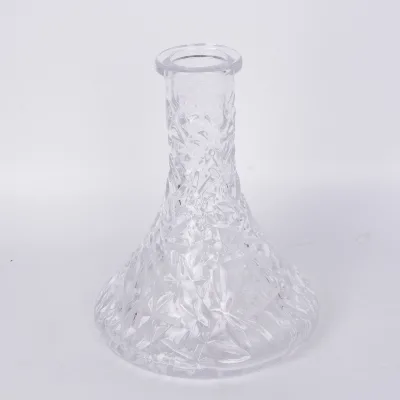
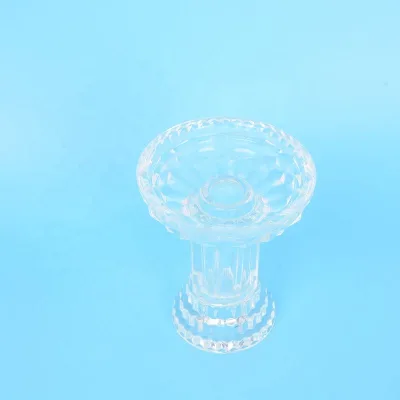
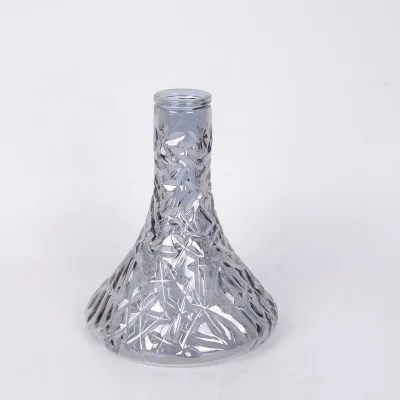
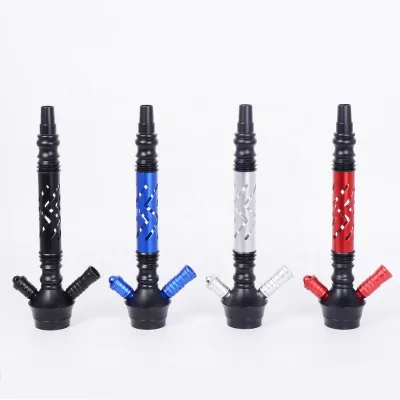


Comprehensive Sourcing Guide
Eco-Friendly Shisha Glass Base Supplier Concentration and Factory Types
Sourcing an Eco-Friendly Shisha Glass Base starts with understanding where these items are actually made and who is selling them. The supplier results in this category point to Zhejiang, China as the listed place of origin for hookah glass bases, wooden base plates, LED light bases, silicone bottle protectors and complete resin hookahs. Zhejiang is therefore the region you should treat as the anchor for this product family, and shipping listings reference Ningbo and Shanghai as dispatch ports, which is consistent with a coastal Chinese export cluster. When listings do not show a location, treat that as a gap to close through direct questioning rather than an assumption.
The seller mix also matters. At least one company in this result set identifies itself as a trading company rather than a factory, and its main products cover hookahs, hookah accessories, shisha, chicha and narguile. That breadth is typical of traders who consolidate glass, wood, silicone and metal components from multiple workshops. Factories, by contrast, usually list one process — glass blowing, wood machining or silicone molding — and expect you to source complementary accessories elsewhere. Neither model is inherently better: traders simplify a multi-component hookah order, while direct factories can offer tighter process control on the glass base itself. Ask every candidate to state whether they manufacture or trade, and request evidence such as production photos, workshop videos or a license that indicates the registered business scope.
How to Verify Eco-Friendly Shisha Glass Base Suppliers
Verification begins with separating claims from evidence. Listings in this category show attributes such as place of origin, port of dispatch, packaging details and payment methods, but a populated field is not proof on its own. For an Eco-Friendly Shisha Glass Base, ask each supplier to confirm the base material composition in writing — for example, whether the glass is described as lead-free or whether any coating or finish is used — and to explain how their "eco friendly" designation is supported. Do not accept a keyword as a certification. If environmental claims matter to your market, ask what documentation the supplier can provide and verify any certificate number independently with the issuing body.
Beyond materials, verify operational substance. Video-call the supplier and ask for a live walk-through of the workshop or warehouse; traders can show you their partner lines instead. Request references from existing hookah or smoking-accessory buyers and check how long the company has been operating, since establishment year is a visible attribute on many B2B profiles but may be missing from others — treat its absence as a question, not a red flag. Test responsiveness before committing: one listed supplier in this category shows a four-hour response time, which you can use as a rough benchmark, although response speeds vary across sellers. Finally, order a sample first. Several listings in this category explicitly state that samples are available, so a paid sample of the glass base, inspected for thickness, stability and finish, is the most direct verification step available.
What to Compare Across Eco-Friendly Shisha Glass Base Suppliers
Build a comparison sheet using the attributes that actually appear on supplier profiles, and record gaps explicitly. The dimensions visible in this category include lead time, MOQ, response time, supplier type, location and main products. Lead time is a listed field here, with one supplier showing 30 days, so normalize quoted production windows against your launch calendar and ask whether the clock starts at deposit or at artwork approval. Response time is a fair proxy for account management quality; compare the hours each supplier quotes and, better, measure their actual reply speed during your inquiry stage. Supplier type — factory versus trading company — shapes pricing layers and communication paths, so capture it for every candidate.
Compare product-level economics next. Listed MOQs in this category range widely: 500 pieces for a wholesale glass vase base, 100 pieces for a wood LED light base, 2,000 pieces for a silicone hookah bottle protector, and even 1 piece for a custom resin hookah. Price bands also differ, with glass bases listed roughly between the mid-teens and low-twenties in US dollars, silicone protectors under three dollars, and resin hookahs in the thirties. Match each SKU to your order size before comparing unit prices, because a low MOQ often carries a higher per-unit cost. Also compare packaging — strong carton, color box or gift box — customization depth (OEM branding and customizable logos appear in listings), and whether the supplier's main products align with a full hookah program or only one accessory.
Common Eco-Friendly Shisha Glass Base Sourcing Risks
The first risk cluster is material and quality. "Eco friendly" is a marketing descriptor that appears in keywords, not a verified standard, so buyers who import on that basis can face customs, retail-platform or consumer pushback if documentation is missing. Glass bases are also heavy and fragile: several listings in this category record a single gross weight of zero or a single volume of zero centimeters, which indicates incomplete packing data. Shipping glass without confirmed wall thickness, base flatness and carton drop-test expectations invites breakage claims. Similarly, a mirror-finish technics note describes surface treatment but says nothing about durability, so insist on pre-shipment inspection of finish consistency across the batch.
The second cluster is transactional and structural. Trading companies in this category list broad main products — hookah, shisha, chicha, narguile accessories — which can mean thin visibility into the actual glass workshop; if quality slips, you may be negotiating with a middleman who is negotiating with a factory. Payment terms listed include TT, Western Union and Money Gram; the latter two offer weak recourse for business orders, so push for traceable methods and consider escrow-style arrangements where available, without assuming every supplier supports them. Finally, watch MOQ mismatch: a 2,000-piece minimum on accessories or a 500-piece minimum on glass bases can lock up capital if demand is unproven. Mitigate by ordering the lowest workable quantity first and scaling only after the sell-through and defect rates are known.
Eco-Friendly Shisha Glass Base Regional Sourcing and Logistics
The regional picture in this category is unusually clear: the listed place of origin across multiple product records is Zhejiang, China, and dispatch ports cited include Ningbo and Shanghai. For a buyer, this concentration simplifies consolidation — glass bases, wooden LED base plates, silicone protectors and resin hookahs sourced from Zhejiang-based sellers can often be combined into one container departing through either port. Ask each supplier which port they actually book from and whether they can deliver to your freight forwarder's consolidated warehouse; inland trucking to a single port is usually cheaper than splitting cargo across two. Confirm whether quotes are FOB at the named port, since port responsibility affects your landed-cost math.
Logistics planning should account for the product's physical profile. Glass bases are heavy relative to their value, and a strong-carton packing standard is mentioned in listings, but you should still specify inner packaging — individual boxes, partitions and void fill — before production. A listed lead time of 30 days in this category is a reasonable planning placeholder, yet sea freight schedules, port congestion and holiday shutdowns in China (notably around Chinese New Year) can extend door-to-door time substantially, so build buffer into any seasonal order. If you need mixed hookah accessories in one shipment, ask suppliers early whether small accessory lines can be co-packed with the glass bases. For air-freight samples, confirm actual single-item weight and volume in writing, because several listings show placeholder values of zero that cannot be used to calculate freight.
Eco-Friendly Shisha Glass Base Commercial Terms and Order Planning
Commercial terms in this category are visible enough to plan against. Payment methods listed include TT, Western Union and Money Gram; for a first order, TT with a deposit-and-balance structure tied to passed inspection is the safer default, and you should confirm in writing whether any supplier supports escrow-style protection through their platform, since that cannot be assumed for every seller. MOQs vary by SKU — 500 pieces on wholesale glass vase bases, 100 on wood LED bases, 2,000 on silicone protectors, and 1 piece on custom resin hookahs — so sequence your orders: validate demand with the lowest workable minimum, then negotiate graduated pricing at higher volumes. Sample availability is stated in several listings; budget for paid samples and freight.
Order planning should lock the details that listings leave ambiguous. Confirm the exact specifications of the Eco-Friendly Shisha Glass Base — dimensions, wall thickness, color (transparent is listed for one glass base), finish and logo placement — through a signed specification sheet and a pre-production sample. Clarify packaging (strong carton, color box or gift box appear in this category), carton marks and any retail-ready requirements. Set the lead-time start point explicitly; a 30-day production window means little without agreed artwork and deposit dates. Finally, plan inspections: a pre-shipment check on glass condition, finish and packing is cheap insurance. Keep one negotiation thread per SKU so price, MOQ, packaging and lead-time concessions are traceable, and document every agreed change in writing before paying the balance.
Word count check: Section 1: heading 8 + ~228 ≈ 236... need to verify. Let me count precisely.
Section 1, P1: "Sourcing(1) an2 eco3 friendly4 shisha5 glass6 base7 starts8 with9 understanding10 where11 these12 items13 are14 actually15 made16 and17 who18 is19 selling20 them21. The22 supplier23 results24 in25 this26 category27 point28 to29 Zhejiang30, China31 as32 the33 listed34 place35 of36 origin37 for38 hookah39 glass40 bases41, wooden42 base43 plates44, LED45 light46 bases47, silicone48 bottle49 protectors50 and51 complete52 resin53 hookahs54. Zhejiang55 is56 therefore57 the58 region59 you60 should61 treat62 as63 the64 anchor65 for66 this67 product68 family69, and70 shipping71 listings72 reference73 Ningbo74 and75 Shanghai76 as77 dispatch78 ports79, which80 is81 consistent82 with83 a84 coastal85 Chinese86 export87 cluster88. When89 listings90 do91 not92 show93 a94 location95, treat96 that97 as98 a99 gap100 to101 close102 through103 direct104 questioning105 rather106 than107 an108 assumption109."
P2: "The1 seller2 mix3 also4 matters5. At6 least7 one8 company9 in10 this11 result12 set13 identifies14 itself15 as16 a17 trading18 company19 rather20 than21 a22 factory23, and24 its25 main26 products27 cover28 hookahs29, hookah30 accessories31, shisha32, chicha33 and34 narguile35. That36 breadth37 is38 typical39 of40 traders41 who42 consolidate43 glass44, wood45, silicone46 and47 metal48
FAQs
What is a typical MOQ for Eco-Friendly Shisha Glass Base orders?
MOQs for shisha glass bases commonly start around 500 pieces, though some hookah accessories carry higher minimums such as 2,000 pieces. Smaller trial quantities may be possible for certain items, with one resin hookah listing showing a single-piece MOQ. Always confirm the exact MOQ for your chosen glass base design before requesting a quotation.
How long does production usually take for hookah glass base orders?
Lead times of around 30 days are typical for hookah glass base orders from Zhejiang suppliers, depending on order quantity and customization level. Complex custom designs, logos, or special packaging can extend production. Confirm the production schedule in writing before placing a deposit, and factor in additional time for shipping to your destination port.
Can I get samples before committing to a bulk glass base order?
Many shisha glass base suppliers offer samples, with several Zhejiang listings marked sample available. Samples let you check glass thickness, finish quality, and fit with your hookah stems before mass production. Expect to pay sample and courier fees, and ask whether the sample cost is credited against a subsequent bulk order.
Are custom logos and designs possible on shisha glass bases?
Yes, customization is widely offered, with several listings showing OEM branding and customizable logo options on hookah accessories. Suppliers typically support custom colors, etched or printed logos, and tailored packaging. Provide artwork files early, request a pre-production sample, and confirm logo placement and printing durability before the full production run begins.
What price range should I expect for hookah glass bases?
Glass vase bases in current listings range roughly from 15 to 20 dollars per unit, while hookah bottle base protectors run about 2.40 to 2.80 dollars, and resin hookahs with glass bases around 32 to 37 dollars. Prices vary with size, finish, material, and order volume, so request tiered quotes based on your target quantities.
Where are these shisha glass base suppliers located and how do they ship?
Suppliers on this page are based in Zhejiang, China, and commonly dispatch through the ports of Ningbo and Shanghai. Both ports have frequent container schedules to major global destinations. Ask whether your quoted price includes inland transport to the port, and clarify which shipping terms, such as FOB, apply to your order.
What payment methods do hookah accessory suppliers typically accept?
Listings commonly show payment by T/T bank transfer, with some suppliers also accepting Western Union and Money Gram. T/T is standard for bulk orders, often structured as a deposit with balance before shipment. For added security, consider escrow-based payment options where available, and agree on payment milestones in writing before production starts.
How quickly do these suppliers respond to sourcing inquiries?
The trading company featured here shows a typical response time of around 4 hours, which supports faster quotation and sampling cycles. Response speed can vary with time zones and inquiry complexity. Send detailed requirements including quantities, target price, and customization needs to reduce back-and-forth and receive accurate quotes sooner.