Eco-Friendly Silicone Tea Infuser Suppliers and Manufacturers
Source 14 verified suppliers for Eco-Friendly Silicone Tea Infuser products. Compare grounded dimensions including ISO9001:2015 certification, FDA/CE/LFGB standards, Guangdong location, and lead times. Review pricing and MOQ details to identify suitable partners for your procurement needs.
Suppliers List

Zhongshan Xinyuan Silicone Rubber Co. Ltd
- Verified by TUVRHEINLAND
- Combined
- China Guangdong
- Lead time15 days
- Avg. response≤ 2h
Main productsSilicone Mold, Silicone Ice Cube Tray, Silicone Wristband, Silicone Tea Infuser, Silicone Bakeware, Silicone Keychain, Silicone Cup Coaster, Silicone Bag
Main marketsSouth America,Southeast Asia/ Mideast,Domestic,Europe,North America

NanChang Sunflower Silicone Rubber Co. Ltd
- Verified by TUVRHEINLAND
- Trading Company
- China Jiangxi
- Lead time15 days
- Avg. response≤ 3h
Main productsSex Toy, Watch, Phone Case, Kitchenware, Gift
Main marketsOthers(foreignTradeCapacity.exportBusinessCapacityMarketOther)
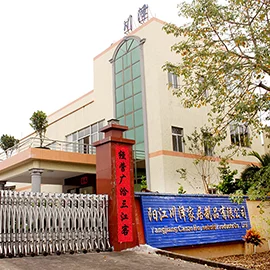
Guangzhou Canzo Household Products Co., Ltd.
- Manufacturer, Trading Company
- Guangdong, China
- Lead time20 days
- Avg. response≤ 12h
Main productsKitchen Utensils,Baking Tools,Kitchen Knives,Glass Food Containers,Kitchen Gadgets
Main marketsMid East(30.0%), North America(30.0%), Western Europe(15.0%), Central America(7.000000000000001%), Eastern Europe(4.0%), Domestic Market(4.0%), Oceania(4.0%), Africa(3.0%), South America(3.0%)
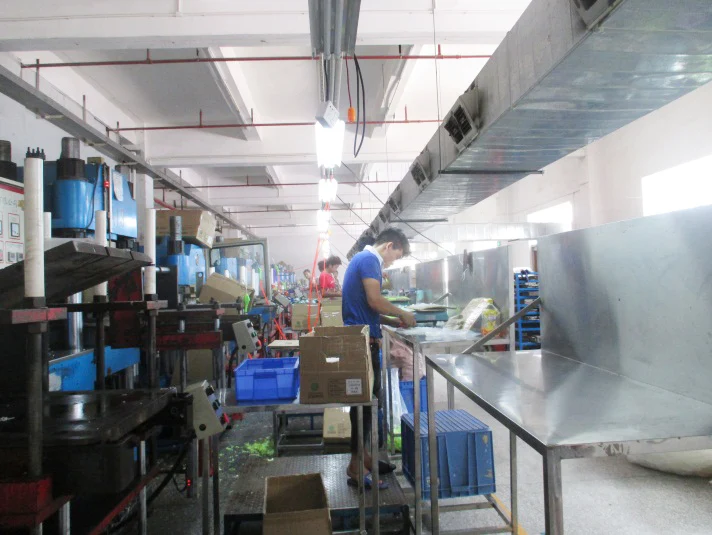
Dongguan Tufeng Rubber Co., Ltd.
- Manufacturer, Trading Company
- Guangdong, China
- Lead time20 days
- Avg. response≤ 2h
Main productsSilicone Mold, Silicone Ice Tray, Silicone Rubber Parts
Main marketsDomestic Market(36.0%), North America(27.0%), Western Europe(13.0%), Oceania(8.0%), Eastern Europe(5.0%), Southeast Asia(5.0%), South America(3.0%), Mid East(3.0%)

Shijiazhuang Amber Metal Products Co., Ltd.
- Verified by BV
- Trading Company
- China Hebei
- Lead time15 days
- Avg. response≤ 4h
Main productsStainless Steel Wire Mesh, Decorative Metal Mesh, Metal Mesh Curtain, Welded Wire Mesh, Wire Mesh Filter, Perforated Metal, Expanded Metal Sheet, Woven Wire Mesh
Main marketsEurope,North America

Anhui Highkey Import&Export Co., Ltd.
- Verified by TUVRHEINLAND
- Trading Company
- China Anhui
- Lead time15 days
- Avg. response≤ 5h
Main productsHerbal Medicine, Herbal Tea, Herbal Seed, Empty Tea Bag, Rhodiola Rosea, Panax Ginseng, Loofah Sponge, Healthcare Product, Planting Seed, Traditional Chinese Herbs
Main marketsSouth America,Africa,Southeast Asia/ Mideast,East Asia(Japan/ South Korea),Europe,Australia,North America

Yangjiang Feehome Tech Co., LTD
- Verified by TUVRHEINLAND
- Trading Company,Manufacturer/Factory,Group Corporation,Other
- China Guangdong
- Lead time23 days
- Avg. response≤ 3h
Main productsKitchen Knives, Outdoor Knives, Nail Clippers, Kitchen Ware, Tea Infuser, BBQ Tools, Multi Function Tools, Kitchen Tools, Baking Tools, Coffee Tools
Main marketsSouth America,Eastern Europe,Mid East,North America,Southeast Asia,Eastern Asia,Oceania,Western Europe,Africa

Ningbo Yireen Imp. & Exp. Co., Ltd.
- Trading Company
- China Zhejiang
- Lead time30 days
- Avg. response≤ 6h
Main productsTea Bag, Coffee Bag, Food Packing Bag, Packing Machine, Tea Infusers, PLA Products
Main marketsSouth America,Africa,Southeast Asia/ Mideast,East Asia(Japan/ South Korea),Europe,Australia,North America
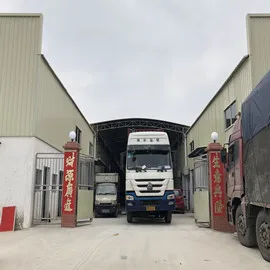
Yangjiang Echoes Industrial Co., Ltd.
- Trading Company
- Guangdong, China
- Lead time25 days
- Avg. response≤ 3h
Main productsKitchen Utensils,Nylon Kitchen utensils,Silicone Kitchen Utensils,Silicone Kitchen Gadgets,Nylon Kitchen Gadgets
Main marketsNorth America(30.0%), Northern Europe(12.0%), Southern Europe(9.0%), Southeast Asia(9.0%), Western Europe(8.0%), Africa(8.0%), Oceania(6.0%), Eastern Europe(6.0%), Mid East(5.0%), South America(3.0%), Eastern Asia(2.0%), South Asia(1.0%), Central America(1.0%)
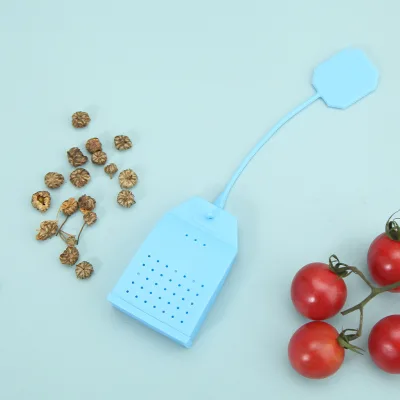
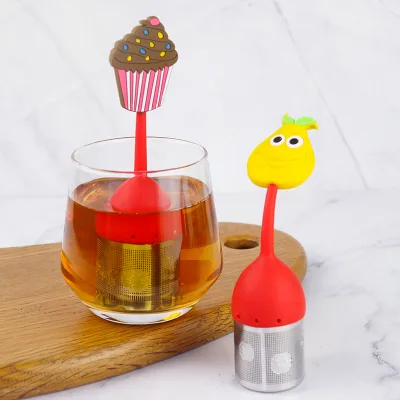
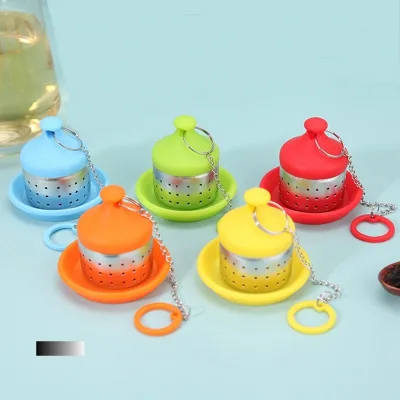
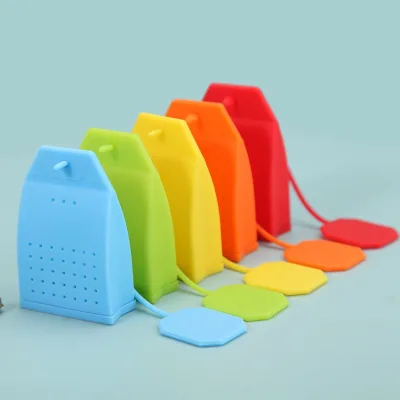
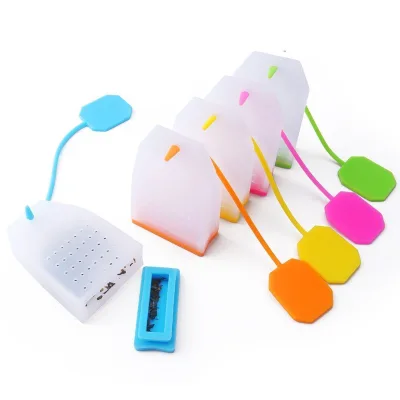
Mini Bag Shape Silicone Tea Bag Water Tea Infusers Strainer Loose Herbal Leaf Tea Filter
$0.32 - $0.35
Moq: 3000

Seer Hardware Industry&Trade Co., Ltd.
- Combined
- China Guangdong
- Lead time30 days
- Avg. response≤ 6h
Main productsKnife, Camping Knife, Folding Knife, Kitchen Knife, Hunting Knife, BBQ Tools, Laguiole Knife, Manicure Set, Knife Set, ODM OEM Knife
Main marketsSouth America,Southeast Asia/ Mideast,East Asia(Japan/ South Korea),Europe,North America

- Verified by TUVRHEINLAND
- Trading Company
- China Zhejiang
- Lead time15 days
- Avg. response≤ 5h
Main productsHome, Kitchen, Outdoors, Garden, Sports, Travel, Pet Supplies
Main marketsNorth America

Hebei Xingchen Glass Technology Co., Ltd.
- Verified by CTI
- Combined
- China Hebei
- Lead time30 days
- Avg. response≤ 9h
Main productsGlass Cup, French Press, Coffee Pot, Glass Jar, Teapot, Syphon Coffee Maker, Glass Cooking Pot, Glass Pitcher, Glass Straw, Glass Teacup
Main marketsSouth America,Africa,Others(foreignTradeCapacity.exportBusinessCapacityMarketOther),Southeast Asia/ Mideast,East Asia(Japan/ South Korea),Europe,Australia,North America
Dongguan Hongsen Silicone Products Co., Ltd.
- Manufacturer
- Guangdong, China
- Lead time15 days
- Avg. response≤ 4h
Main productsSilicone Cosmetic Bag, Silicone Utensil, Silicone Box, Silicone Ice Mold, Silicone Baking Molds
Main marketsDomestic Market(40.0%), North America(30.0%), Eastern Asia(10.0%), Western Europe(7.000000000000001%), Oceania(5.0%), Southeast Asia(4.0%), Southern Europe(2.0%), Northern Europe(2.0%)

Qingdao Jianhai International Trade Co., Ltd.
- Verified by BV
- Trading Company,Manufacturer/Factory
- China Shandong
- Lead time23 days
- Avg. response≤ 3h
Main productsGlassware, Cosmetic Bottle, Mason Jar, Storage Bottle, Vase, Wine Bottle, High Borosilicate Glass, Glass Bottle, Cup, Glass Craft
Main marketsSouth America,Eastern Europe,Mid East,North America,Southeast Asia,Eastern Asia,Oceania,Western Europe,Africa




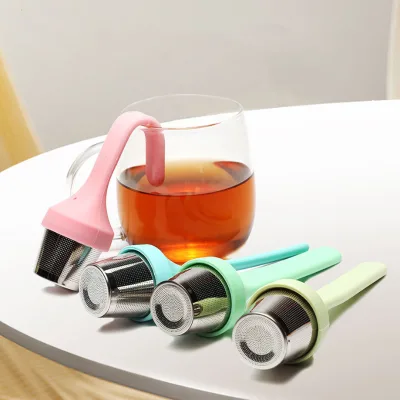
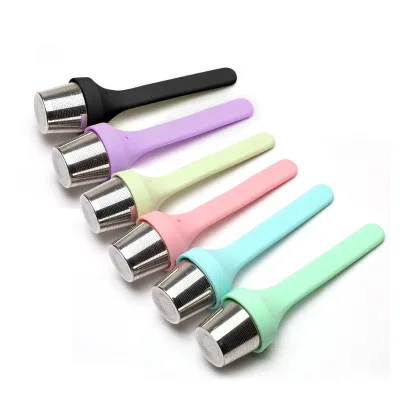


Comprehensive Sourcing Guide
Eco-Friendly Silicone Tea Infuser Supplier Concentration and Factory Types
The available data indicates a concentration of manufacturing activity in China Guangdong, where suppliers list combined company types that function as both manufacturers and trading entities. This region hosts facilities capable of producing a wide range of silicone items, including tea infusers, bakeware, and wristbands, suggesting a mature supply chain for silicone molding. Buyers should verify if a specific factory maintains dedicated production lines for food-grade silicone products rather than relying on general-purpose molding capabilities. The presence of ODM and own-brand capacities implies that many suppliers can handle custom designs, but the extent of in-house tooling versus outsourced molding requires direct confirmation.
When assessing factory types, look for evidence of combined operations that offer both direct manufacturing and trading services. Some suppliers display verified factory status alongside manufacturer labels, which can indicate a higher degree of control over the production process. However, the "Combined" classification means a single entity might manage both the factory floor and the sales channel. Buyers must distinguish between a pure manufacturer and a trading company that sources from multiple factories. The presence of ISO9001:2015 certification suggests a baseline quality management system, but this does not guarantee specific food-grade production standards without further product-level verification.
How to Verify Eco-Friendly Silicone Tea Infuser Suppliers
Verification begins with checking for third-party audit reports such as the TUVRHEINLAND status observed in the current results. This external validation provides a layer of confidence regarding the supplier's business legitimacy and operational stability. Buyers should request the full audit report to confirm the scope of the verification, ensuring it covers the specific facilities where tea infusers are produced. Relying solely on platform badges is insufficient; the specific audit body and the date of the last inspection are critical details that must be confirmed before proceeding with large orders.
Product-specific certifications are equally vital for food-contact items. The data shows suppliers claiming FDA, CE/EU, LFGB, and EEC certifications, which are essential for silicone tea infusers intended for international markets. Buyers must ask for valid test reports from accredited laboratories that match the specific product model and material batch. A claim of "Eco-Friendly" features should be backed by these regulatory approvals rather than marketing language alone. Additionally, verifying the supplier's response time, such as the 1.34-hour average noted, can indicate their operational readiness to address compliance questions and provide necessary documentation promptly.
What to Compare Across Eco-Friendly Silicone Tea Infuser Suppliers
Comparing suppliers requires a detailed analysis of lead times, minimum order quantities, and response speeds. The observed data reveals a range of mass order times, with some suppliers offering 10-13 days while others require 10-15 days. Lead times can vary significantly based on customization levels, so buyers should distinguish between stock samples and custom production schedules. The sample time is another critical metric, with some suppliers offering stock samples for free within 4-5 days, while custom samples may take 5-7 days. These timelines directly impact inventory planning and market launch schedules.
Minimum order quantities (MOQ) and pricing structures also vary widely across the supplier base. Some listings show an MOQ of 50 pieces, while others require 100 or even 500 units. Price ranges observed span from $0.19 to $1.20 per unit, depending on the product model, certification level, and customization complexity. Buyers should compare the total landed cost, including packaging and shipping, rather than focusing solely on the unit price. The presence of "No Limit" MOQs in some cases suggests flexibility for small buyers, but this may come with higher per-unit costs or longer lead times. Evaluating these variables helps identify suppliers that align with specific budget and volume requirements.
Common Eco-Friendly Silicone Tea Infuser Sourcing Risks
One significant risk involves the discrepancy between claimed certifications and actual product compliance. While suppliers list FDA, LFGB, and CE approvals, these certifications must be valid for the specific silicone material and product design being ordered. A supplier might hold a general certification for their facility but lack specific test reports for a new tea infuser model. Buyers should demand batch-specific test certificates to ensure the product meets safety standards for food contact. Relying on generic certification claims without verifying the specific product model can lead to customs delays or product recalls in the destination market.
Another risk relates to the variability in production quality and material consistency. The data indicates different temperature ranges, such as -40 to 230 degrees Celsius, but actual performance can vary between batches. Inconsistent curing or material purity can affect the durability and safety of the infuser. Additionally, the "Combined" supplier type introduces a risk of communication gaps between the sales team and the factory floor. If the sales representative is not technically knowledgeable about the molding process, they may provide inaccurate information regarding lead times or customization capabilities. Buyers must ensure direct communication with technical staff to mitigate these operational risks.
Eco-Friendly Silicone Tea Infuser Regional Sourcing and Logistics
Sourcing from China Guangdong offers access to a dense network of silicone manufacturers, but logistics planning is essential for cost efficiency. The region's proximity to major ports facilitates shipping via express, sea, air, or train, as noted in the supplier data. Buyers should evaluate the carton dimensions and weight, such as the 452040cm size with a gross weight of 13.55kg, to calculate accurate freight costs. Different suppliers offer varying packing standards, from single-piece OPP bags to bulk cartons of 300 or 500 pieces, which impacts container loading efficiency and shipping expenses.
International express options like TNT, FedEx, DHL, and UPS are available for urgent orders, while sea freight is more suitable for bulk shipments. The choice of shipping method depends on the order volume and the urgency of the delivery. Buyers should also consider the impact of regional logistics on lead times, as port congestion or seasonal demand can affect transit times. Verifying the supplier's experience with international shipping and their ability to handle customs documentation is crucial. A supplier with a strong logistics network can provide more reliable delivery estimates and reduce the risk of delays in the supply chain.
Eco-Friendly Silicone Tea Infuser Commercial Terms and Order Planning
Commercial terms and payment methods are critical components of the order planning process. The data indicates that suppliers accept various payment modes, including T/T, PayPal, and Western Union. Buyers should negotiate clear payment terms that balance risk and cash flow, such as a deposit followed by a balance upon shipment. Escrow services can provide additional protection, ensuring that funds are released only after the goods meet the agreed specifications. Understanding the specific payment conditions of each supplier helps in managing financial risk and maintaining a healthy business relationship.
Order planning must account for the customization process and the associated timelines. Custom shapes and colors are available, but these options often extend the sample and mass production times. Buyers should factor in the 4-5 day sample time and the 10-15 day mass production window when creating their production schedule. Additionally, the availability of stock samples can accelerate the decision-making process for standard products. Planning for potential delays in customization and ensuring that all design files are finalized before production begins will help avoid costly mistakes. Clear communication regarding these timelines ensures that the order is completed within the desired timeframe.
FAQs
What certifications do eco friendly silicone tea infusers have?
Products typically hold FDA, CE, EU, LFGB, and SGS certifications. These standards ensure the silicone material is safe for food contact. Buyers should verify specific certificates for their target market to guarantee compliance with local regulations and safety requirements.
What is the minimum order quantity for these infusers?
MOQs vary by supplier, ranging from 50 pieces to 500 pieces. Some suppliers offer no limited MOQ for promotional items. Buyers should check specific listings to find the lowest entry point that matches their initial inventory needs and budget constraints.
How long does production take for bulk orders?
Mass production usually takes 10 to 15 days after sample approval. Sample times range from 4 to 7 days. Buyers should plan lead times carefully to avoid delays, especially during peak seasons or when custom shapes and colors are requested.
What is the price range for silicone tea infusers?
Prices typically range from $0.19 to $1.20 per piece. Costs depend on customization, quantity, and specific features like eco-friendly materials. Buyers can find stock samples for free from some suppliers to evaluate quality before committing to larger bulk orders.
Can I customize the shape and color of the infuser?
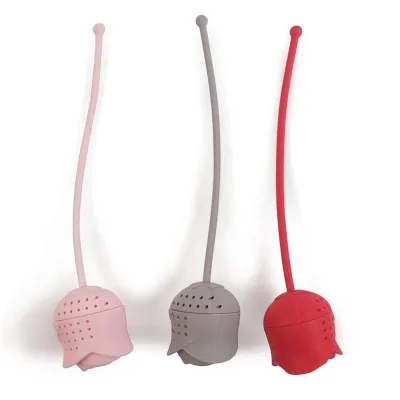
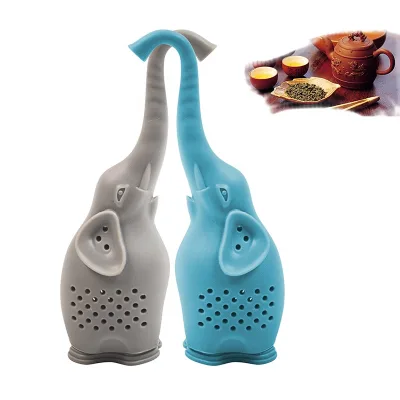
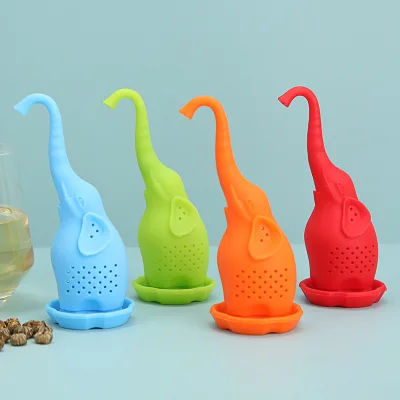
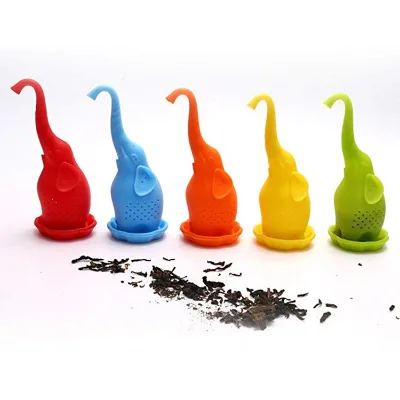
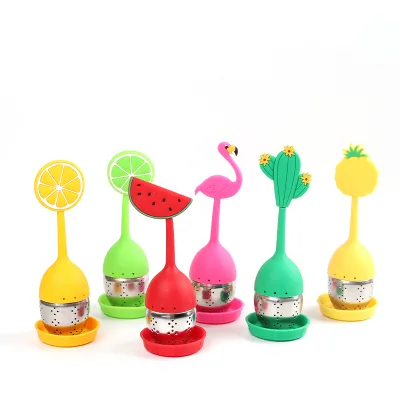
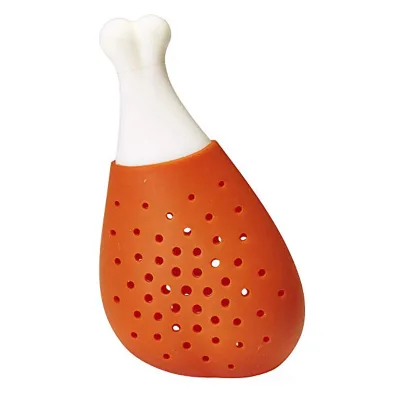
Customization is widely available for shapes, colors, and logos. Suppliers offer ODM and own brand services. Buyers can choose from multicolor or unicolor options and request custom shapes like lemons or fish to align with their brand identity and marketing goals.
Where are these silicone tea infusers manufactured?
Most suppliers are located in Guangdong, China. This region is known for its strong manufacturing capabilities in silicone products. Buyers can verify supplier locations and factory types to ensure they are working with verified manufacturers for better quality control and reliability.