Anti-Slip Skate Tennis Shoes Suppliers and Manufacturers
Source Anti-Slip Skate Tennis Shoes from 21 verified suppliers in China. Compare lead times, MOQs, and certifications to find the right partner. Request samples to verify quality and pricing before placing bulk orders; review the available evidence before requesting comparable quotations from suitable candidates.
Suppliers List

Xiamen Mango Fashion Shoes Trade Co., Ltd
- Verified by BV
- Trading Company
- China Fujian
- Lead time45 days
- Avg. response≤ 14h
Main productsSneaker, Women Sneakers, Sport Shoes, Skateboards, Casual Shoes, Vulcanized, Boots, Sandals, Slippers
Main marketsSouth America,Southeast Asia/ Mideast,North America

Fashion Skateboard Shoes Skateboarding Shoes Walking Shoes Tennis Shoes Skate Shoes
$5.50 - $6.50
MOQ: 1000 Pairs

Women Skating Shoes Low Top Skate Shoes Tennis Shoes Flat Skate Walking Shoes
$6.00 - $7.00
MOQ: 1000 Pairs

Flat Skate Walking Shoes Women Tennis Shoes Womens Canvas Shoes Skate Shoes
$5.99 - $6.99
MOQ: 1000 Pairs

Fashion Tennis Shoes Men Casual Shoes Mens Skateboarding Shoes Skating Shoes
$9.00 - $13.00
MOQ: 500 Pairs

Fashion Tennis Shoes Men Athletic Shoes Mens' Casual Shoes Skateboarding Shoes
$9.00 - $13.00
MOQ: 500 Pairs


Quanzhou Gushi Technology Co., Ltd.
- Verified by CTI
- Trading Company
- China Fujian
- Lead time15 days
- Avg. response≤ 15h
Main productsShoes, Clothing, Dried Flower, Dolls, Shoes Charms, Bags, Shoes Accessories, Home Craft Decorations
Main marketsEurope


Quality Anti-Skid Tennis Shoes for Men Mesh Breathable Badminton Sneakers
$13.58 - $15.00
MOQ: 50 Pairs

Quanzhou Chunqing Sporting Goods Co., Ltd.
- Trading Company
- Lead time旺季: "1 - 1000":45,"> 1000":"To be negotiated", 淡季: "1 - 1000":45,"> 1000":"To be negotiated"
- Avg. response≤ 3h
Main productssneakers,skateboard shoes,kid shoes,basketball shoes,soccer shoes

Zhijiang Zhuozun Trading Co., Ltd.
- Trading Company
- China Hubei
- Lead time0 days
- Avg. response≤ 9h
Main productsShoes, Clothes, Bags, Sneakers, Casual Shoes, Basketball Shoes, Down Jacket, Wallet, Handbag, Perfume

Fashionable Men's Skateboarding Shoes - Comfortable and Anti-Slip Sports Shoes
$38.00 - $45.00
MOQ: 1 Pieces


Putian Sinosun Imp & Exp Co., Ltd.
- Trading Company
- China Fujian
- Lead time60 days
- Avg. response≤ 22h
Main productsSports Shoe
Main marketsEast Asia(Japan/ South Korea),Europe


High Stability Anti Torsion OEM Custom Anti-Slip Sport Shoes for Skateboarding
$20.00 - $25.00
MOQ: 200 Pairs

Odorless Anti Chafing OEM Custom Slip-Resistant Shoes for Skateboarding
$20.00 - $25.00
MOQ: 200 Pairs

Wear Resistant Tear Resistant Custom Shock-Absorbing Athletic Shoes for Tennis
$20.00 - $25.00
MOQ: 200 Pairs

Comfortable High Friction OEM Custom Waterproof Athletic Shoes for Tennis
$20.00 - $25.00
MOQ: 200 Pairs
Jinjiang Sanlong Trade Co., Ltd.
- Trading Company
- Fujian, China
- Lead time0 days
- Avg. response≤ 4h
Main productssport shoes,tennis shoes,pickleball shoes,padel shoes,weightlifting shoes
Main marketsNorth America(20.00%), Southern Europe(10.00%), Western Europe(10.00%), Eastern Europe(10.00%), Oceania(10.00%), South Asia(5.00%), Africa(5.00%), Northern Europe(5.00%), Central America(5.00%), Southeast Asia(5.00%), Eastern Asia(5.00%), Mid East(5.00%), South America(5.00%)
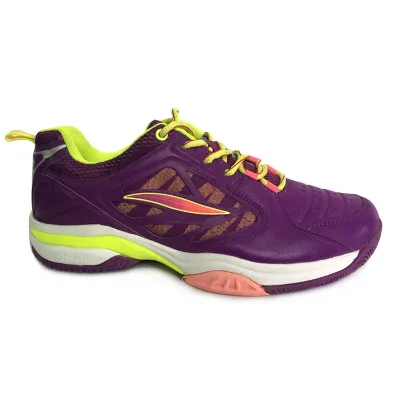
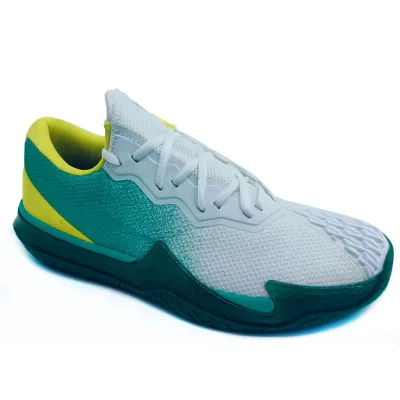
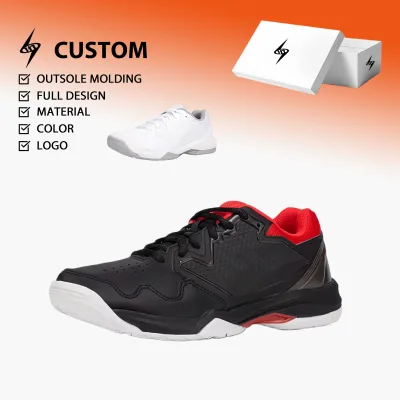
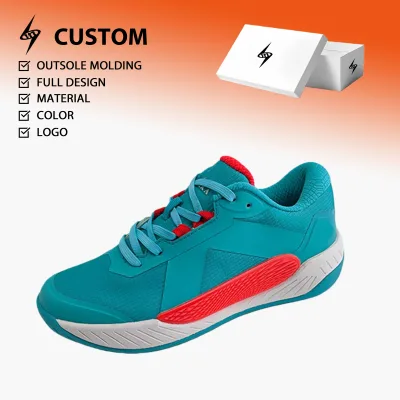
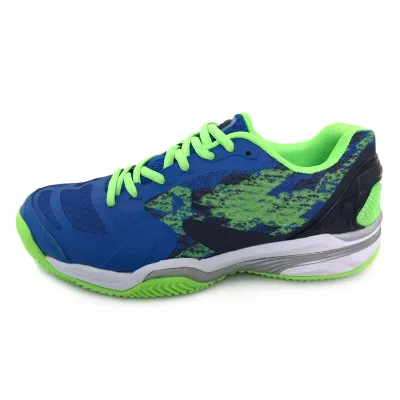
$19.53 - $20.55
MOQ: 600 pairs

Hui'an County Mingzhe Trading Co., Ltd
- Manufacturer/Factory
- China Fujian
- Lead time23 days
- Avg. response≤ 1h
Main productsClothing, Accessories, Shoes, Bag, Watches, Hoodie, Shirt, Sweater
Main marketsSouth America,Eastern Europe,Mid East,North America,Southeast Asia,Eastern Asia,Oceania,Western Europe,Africa

Quanzhou Huian Shenhu Trading Co., Ltd.
- Trading Company
- China Fujian
- Lead time0 days
- Avg. response≤ 4h
Main productsShoes, Bags, Sunglasses, Jacket, Business, Hoodie, Watch, T-Shirt

Quanzhou Bestway Import and Export Co., Ltd.
- Verified by CTI
- Trading Company,Manufacturer/Factory
- China Fujian
- Lead time45 days
- Avg. response≤ 12h
Main productsSports Shoe, Shoe, Casual Shoes, Soccer Shoes, Hiking Shoes, Moulds, Machinery, Leisure Shoes, Children Shoes, Sneaker
Main marketsSouth America,Eastern Europe,Mid East,North America,Southeast Asia,Western Europe,Africa


Comfortable Athletic Sneaker Shoes Men Sports Running Tennis Casual Shoes
$6.20 - $7.20
MOQ: 1800 Pairs


Fujian Jieying Import and Export Trade Co., Ltd.
- Verified by CTI
- Combined
- China Fujian
- Lead time45 days
- Avg. response≤ 7h
Main productsCasual Shoes, Men Shoes, Women Shoes, Skateboard Shoes, Kids Shoes, Walking Shoes
Main marketsSouth America,Africa,Southeast Asia/ Mideast,Europe,North America


Skateboard Shoes Toe Drag Protection Durable Paint Resistant Stylish Skateboard Shoes
$10.00 - $11.00
MOQ: 300 Pairs

Skateboard Shoes Thickened Insole Extra Cushioning Hard Landings Stylish Skateboard Shoes
$10.00 - $11.00
MOQ: 300 Pairs

Zhongshan Yulan Garment Accessories Co., Ltd
- Verified by BV
- Trading Company
- China Guangdong
- Lead time15 days
- Avg. response≤ 1h
Main productsSilicone Patch/Rubber Badge, Elastic Band/Webbing, Embroidery Patch/Badge, Woven Label/Tag, Woven Patch/Badge, Metal Label/Metal Badge, Leather Patch/Leather Label, Printing Label/Tag, Hang Tag/Swing Ticket, Shoes Outsole
Main marketsOthers(foreignTradeCapacity.exportBusinessCapacityMarketOther)

High Quality Sports Tennis Shoes Men Anti-Slip Rubber Soles Badminton Shoes
$0.10 - $1.42
MOQ: 500 Pairs

Multi-Color Wear-Resistant Tennis Shoe Sole Professional Tennis Sneaker Anti-Slip Shoe Soles
$0.10 - $1.42
MOQ: 500 Pairs

Wholesale Anti-Skid Sneaker Outsole MD Rubber Running Sole Badminton Tennis Shoes Sole
$0.10 - $1.55
MOQ: 500 Pairs


Light Weight EVA&Rubber Sneakers Outsoles Outdoor Running Shoes Tennis Shoes Sole
$0.10 - $1.44
MOQ: 500 Pairs

Wholesale High Quality Tennis Shoes Sole Shock Absorption for Indoor Tennis Sports
$0.10 - $1.55
MOQ: 500 Pairs
- Trading Company
- Fujian, China
- Lead time40 days
- Avg. response≤ 6h
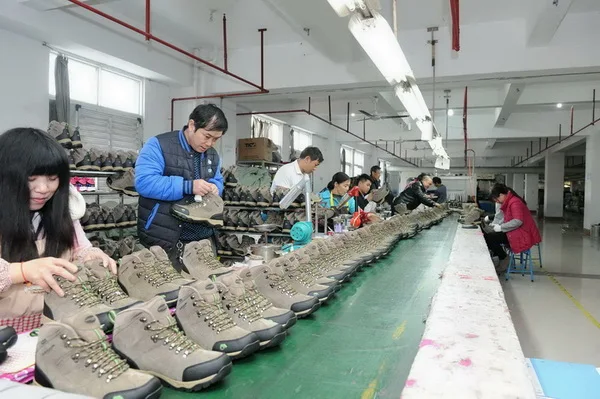
Main productsSport Shoes,Casual Shoes,Motorcycle riding SHOES,Tennis shoes,Boxing shoe
Main marketsNorth America(40.00%), Western Europe(20.00%), Africa(20.00%), South America(20.00%)
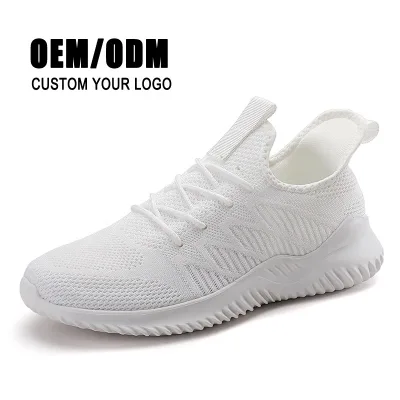
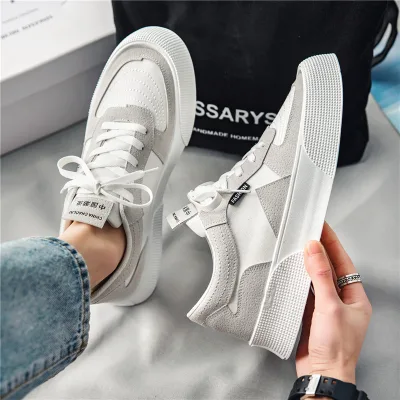
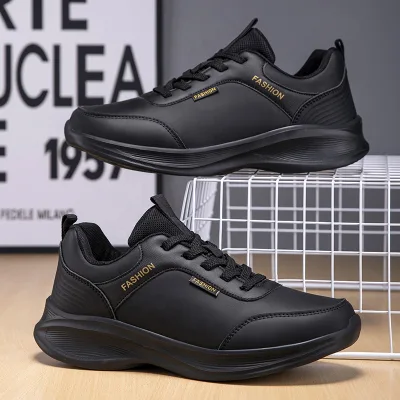
$7.64 - $11.22
MOQ: 59 pairs
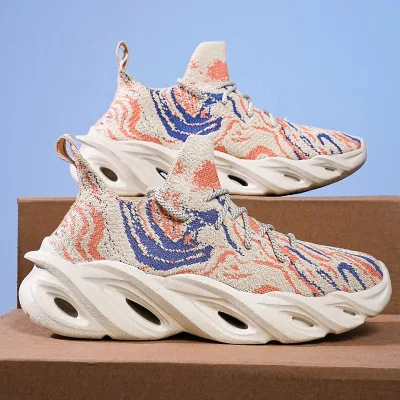
Casual Style Thick Sole Size 39-46 Men's Lightweight Comfortable Sport Tennis Shoes Running Sneakers
$10.20 - $13.77
MOQ: 29 pairs
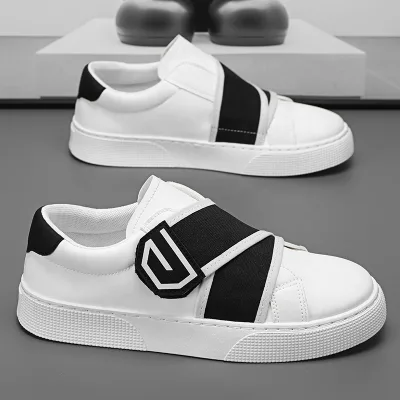
Jinjiang Aotimeng Sport Products Co., Ltd.
- Verified by TüVRheinland
- Trading Company
- Lead time35 days
- Avg. response≤ 7h
Main productsTennis Shoes, Weightlifting Shoes, Wrestling Shoes, Badminton Shoes, Track And Field Shoes
Main marketsNorth America(20%), South America(20%), Southeast Asia(20%)
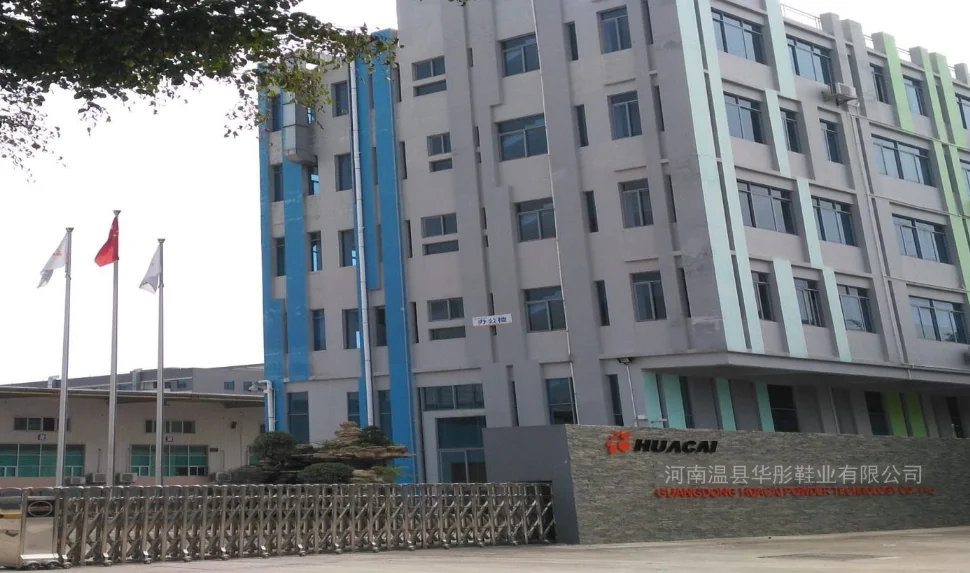
- Manufacturer, Trading Company
- Henan, China
- Lead time10 days
- Avg. response≤ 4h
Main productsSports Shoes,Casual Shoes,Cotton Shoes,caravan shoes,Sandals
Main marketsDomestic Market(30.00%), North America(30.00%), Western Europe(20.00%), Southeast Asia(10.00%), Africa(10.00%)
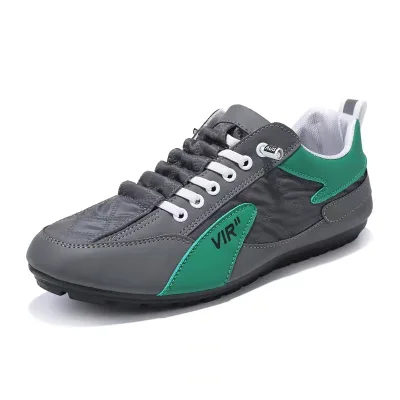
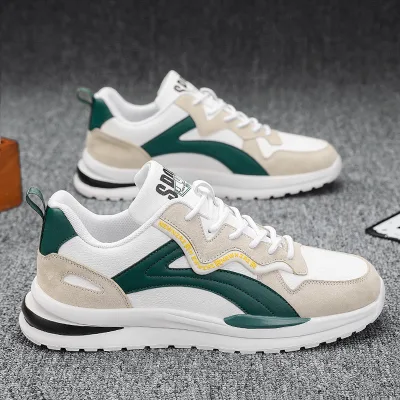
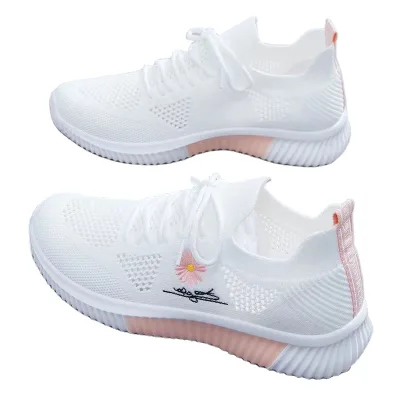
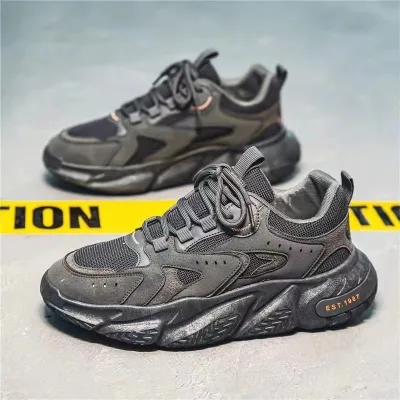
Tennis Supplier Men Sneaker New Shoes for Men New Styles Canvas Trendy Shoes Zapatillas Bling Shoes
$4.60 - $5.00
MOQ: 2 pairs
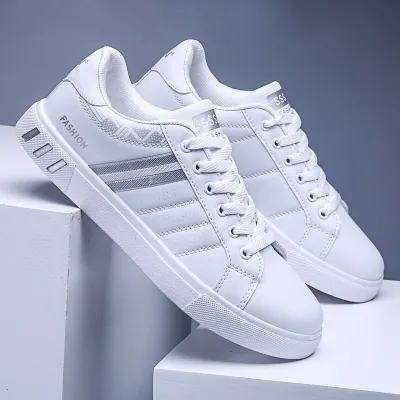
Luxury Men's Sporty Sneakers Mesh Lining Tennis Shoes for Outdoor Use for Spring and Winter Seasons
$3.66 - $4.06
MOQ: 1200 pairs

Quanzhou Taihui Shoes Co., Ltd
- Verified by SGS
- Combined
- China Fujian
- Lead time30 days
- Avg. response≤ 10h
Main productsSneaker
Main marketsEurope,North America

Custom Logo Wholesale Men's Sports Footwear Other Trendy Durable Non-Slip Tennis Shoes for Men
$9.90 - $26.90
MOQ: 200 Pairs

Custom Logo Tennis Shoes Men Top Quality Sneakers Breathable Lace up Casual Tennis Shoes for Men
$17.90 - $36.90
MOQ: 200 pairs

Custom Logo Men's Tennis Shoes Breathable Fly Woven Men's Fashion Sports Shoes Men's Casual Shoes
$12.90 - $24.50
MOQ: 500 pairs

Quanzhou Yixiang Haiyun Trading Co., Ltd.
- Trading Company
- China Fujian
- Lead time0 days
- Avg. response≤ 10h
Main productsPerfume, Women Perfume, Men Perfume, Shoes, Women Shoes, Men Shoes, Mahjong, Sports Shoes

Comfortable Sneakers Lace-up Athletic Tennis Sports Walking Breathable Running Shoes
$10.58 - $15.52
MOQ: 1 Pairs

Comfortable Sneakers Lace-up Athletic Tennis Sports Walking Breathable Fashion Running Shoes
$10.58 - $15.63
MOQ: 1 Pairs

Comfortable Sneakers Lace-up Athletic Tennis Sports Walking Breathable Fashion Running Shoes
$10.58 - $15.28
MOQ: 1 Pairs


Comfortable Sneakers Lace-up Athletic Tennis Sports Walking Breathable Outdoor Running Shoes
$10.58 - $14.82
MOQ: 1 Pairs


Qianshan Xinruixin E-Commerce Co., Ltd.
- Verified by CTI
- Combined
- China Anhui
- Lead time23 days
- Avg. response≤ 2h
Main productsClothes, Bags, Shoes, Sneakers, Watches, Jewelry, Jerseys
Main marketsDomestic
Quanzhou Fengze District Siquan Technology Co., Ltd.
- Trading Company
- China Fujian
- Lead time0 days
- Avg. response≤ 8h
Main productsAir Sterilizer, Watch, Shoe, Bag
Nanjing Kaifeng Trading Co., Ltd.
- Trading Company
- Jiangsu, China
- Lead time40 days
- Avg. response≤ 2h
Main productsRain Boots,Snow Boots,Safety Boots,Duck Boots,Kid Shoes
Main marketsWestern Europe(35.00%), Eastern Asia(35.00%), North America(10.00%), Southern Europe(5.00%), Oceania(5.00%), Eastern Europe(4.00%), Northern Europe(4.00%), Domestic Market(2.00%)
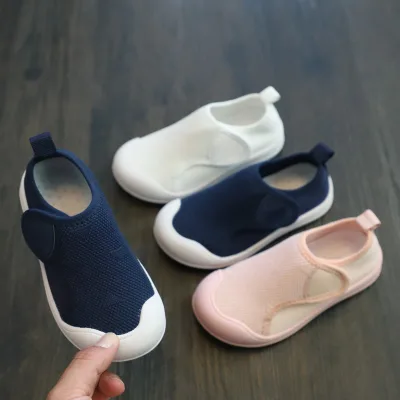
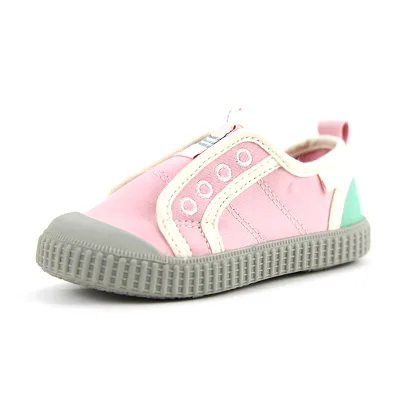
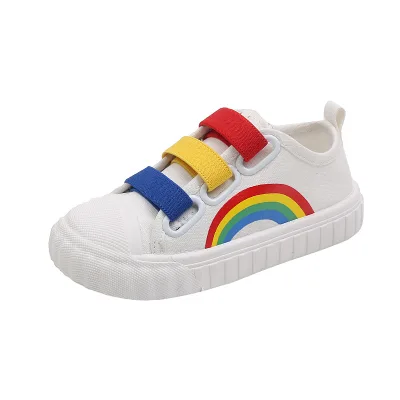
Hot selling Spring Tennis Shoes Easy Wear and Take Off Canvas Shoes Kids Breathable Canvas Shoes
$7.50 - $9.50
MOQ: 1000 pairs

Foshan Nanhai Yahang Shoes Co., Ltd.
- Verified by SGS
- Combined
- China Guangdong
- Lead time23 days
- Avg. response≤ 6h
Main productsShoe Soles, Shoe Lasts, Shoe Heels, Shoe Lace, Shoe Upper, Shoe Buckle, Shoe Eyelets, Complete Shoes
Main marketsSoutheast Asia/ Mideast

Henan Xiaopantou Electronic Technology Co., Ltd
- Verified by BV
- Trading Company
- China Henan
- Lead time15 days
- Avg. response≤ 23h
Main productsCloud Shoes, Women Men Shoes, Clifton Shoes, Mafate Shoes, Belt Bag, Bondi Shoes, Sports Casual Shoes
Main marketsNorth America

Men's Fashion Sneakers Men's Running Shoes Men's Tennis Shoes Men's Walking Shoes
$30.00 - $34.00
MOQ: 1 Pairs

Men's Fashion Sneakers Men's Shoes Men's Running Shoes Men's Tennis Shoes
$30.00 - $34.00
MOQ: 1 Pairs


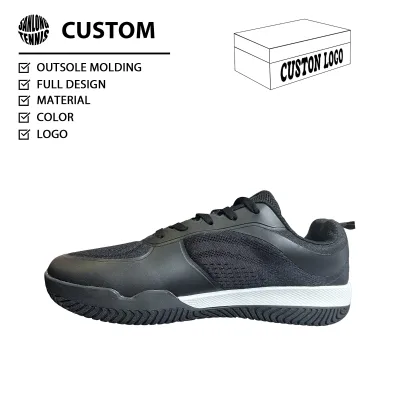
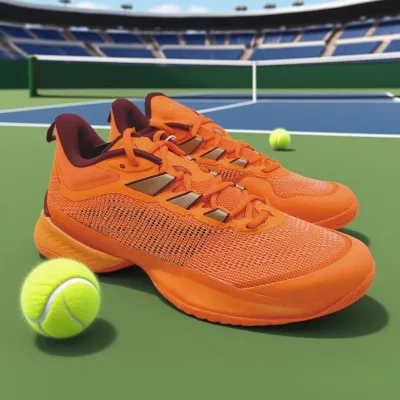
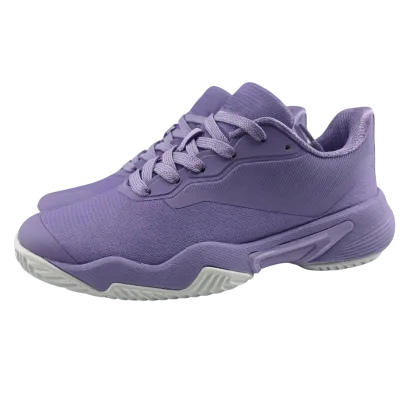
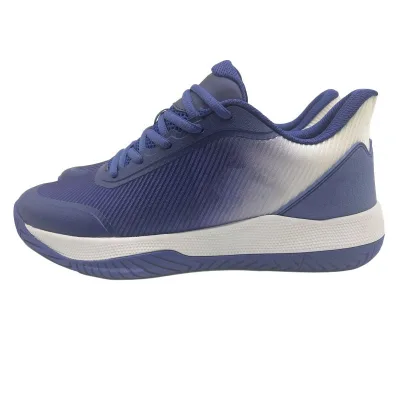


Comprehensive Sourcing Guide
Anti-Slip Skate Tennis Shoes Supplier Concentration and Factory Types
The current supplier landscape for Anti-Slip Skate Tennis Shoes shows a distinct concentration in China, specifically within the Fujian province. This region hosts a mix of trading companies and manufacturers capable of producing diverse footwear styles, including skate shoes, tennis shoes, and casual walking styles. The available data indicates that many suppliers in this cluster operate as trading companies, which often aggregate products from various factories to offer a broader catalog. These entities typically list main products ranging from sneakers and sport shoes to skateboards and sandals, suggesting a versatile supply chain structure. Buyers should recognize that while the location is confirmed as Fujian, the specific factory floor details may vary between the trading company and its upstream production partners.
When evaluating the factory types, it is crucial to distinguish between pure manufacturers and trading entities. The observed results highlight that many suppliers offer ODM and OEM capabilities, allowing for customization of logos and designs. However, the presence of a trading company status does not preclude access to factory-direct pricing or production oversight, provided the buyer verifies the actual manufacturing source. Some suppliers list specific product attributes like canvas or PU uppers and PVC or rubber outsoles, which are standard for this category. Buyers must investigate whether the listed company manages the entire production process or simply acts as an intermediary. Understanding this distinction helps in assessing the depth of quality control and the flexibility of the supply chain for custom orders.
How to Verify Anti-Slip Skate Tennis Shoes Suppliers
Verification of suppliers for Anti-Slip Skate Tennis Shoes relies heavily on third-party audit reports and platform-specific badges. The current data shows that some suppliers hold BV (Bureau Veritas) verification, while others display CTI (China Testing & Inspection) credentials. These certifications indicate that an independent body has assessed the company's business license, production capacity, or product quality standards. Buyers should prioritize suppliers with these visible verification badges, as they provide a baseline of trust regarding the company's legal existence and operational legitimacy. It is essential to request the full audit report to understand the specific scope of the verification, such as whether it covers factory conditions, social compliance, or product testing results.
Beyond verification badges, response time and sample availability serve as practical indicators of supplier reliability. The observed response times for these suppliers range from approximately 13 to 14 hours, which suggests a moderate level of engagement. A faster response time often correlates with better communication channels and a more active sales team. Additionally, the sample lead times vary significantly, with some suppliers offering samples in 5 to 10 days, while others require 15 to 21 days. Buyers should test these timelines by requesting a sample to gauge the actual speed and quality of the product. Confirming that the supplier can meet sample deadlines is a critical step before committing to a larger order, as it reflects their logistical efficiency and attention to detail.
What to Compare Across Anti-Slip Skate Tennis Shoes Suppliers
Comparing suppliers requires a detailed analysis of key operational metrics such as minimum order quantity, lead time, and pricing structures. The data reveals a wide range in MOQs, with some suppliers requiring 1000 pairs while others accept orders as low as 50 pairs. This variation is critical for buyers with different inventory strategies; high-volume buyers may prefer the lower unit costs associated with larger MOQs, while smaller buyers need suppliers with flexible entry thresholds. Lead times also differ, with some suppliers quoting 15 days for production and others stating 45 days. Buyers must align these timelines with their sales cycles to avoid stockouts or excess inventory, ensuring that the production schedule matches their market demands.
Pricing and material specifications are another vital area for comparison across the supplier base. Unit prices for Anti-Slip Skate Tennis Shoes can range from approximately $5.50 to over $26.00, depending on the materials used and the complexity of the design. Some products feature canvas uppers with PVC outsoles, while others utilize PU or mesh materials with rubber soles for enhanced durability and grip. Buyers should compare these material attributes against their target price point to ensure the product meets quality expectations. Additionally, payment terms like T/T or L/C and customization options for logos and packaging should be evaluated. A comprehensive comparison ensures that the selected supplier offers the best balance of cost, quality, and service for the specific business needs.
Common Anti-Slip Skate Tennis Shoes Sourcing Risks
One significant risk in sourcing Anti-Slip Skate Tennis Shoes involves the discrepancy between advertised specifications and actual product quality. While suppliers list attributes such as anti-slip patterns, shock absorption springs, and breathable mesh, the final product may not fully meet these claims without rigorous testing. The variation in outsole materials, ranging from PVC to rubber and TPR, directly impacts the shoe's grip and durability. Buyers must be cautious of suppliers who do not provide detailed test reports or who offer vague descriptions of their anti-slip features. Relying solely on product images or keyword descriptions without physical verification can lead to receiving goods that fail to perform as expected in real-world conditions.
Another critical risk is the inconsistency in delivery timelines and order fulfillment capabilities. The observed lead times vary from 15 to 45 days, and some suppliers indicate a delivery date of 45 days without specifying the start date. This ambiguity can cause delays in the supply chain, particularly if the buyer has a fixed launch date or seasonal demand. Furthermore, the reliance on trading companies may introduce an additional layer of communication and potential miscommunication regarding production status. If a supplier fails to meet the agreed sample or production timeline, it can disrupt the entire order cycle. Buyers should establish clear contractual terms regarding penalties for delays and maintain regular communication to mitigate these risks effectively.
Anti-Slip Skate Tennis Shoes Regional Sourcing and Logistics
Sourcing from the identified region of Fujian, China, offers logistical advantages due to its established infrastructure for footwear manufacturing and export. The concentration of suppliers in this area facilitates efficient coordination between design, production, and shipping. However, buyers must account for the specific logistics requirements associated with exporting from China, including customs clearance, freight forwarding, and potential port congestion. The distance from the factory to the destination port can impact transit times and shipping costs, which are not always included in the initial product price. Understanding the Incoterms agreed upon with the supplier is essential to determine who bears the responsibility for freight and insurance during transit.
Logistics planning also involves managing the packaging and labeling requirements to ensure compliance with the destination market. The observed product attributes indicate that packaging can vary from polybags to boxes, with some suppliers offering customization options. Buyers should verify that the packaging meets local regulations and branding standards to avoid delays at customs. Additionally, the size ranges provided, such as 36-41 for women and 41-46 for men, must be accurately communicated to the supplier to prevent errors in order fulfillment. Proper logistics planning ensures that the Anti-Slip Skate Tennis Shoes arrive on time and in the correct condition, maintaining the integrity of the supply chain from the factory floor to the final retail location.
Anti-Slip Skate Tennis Shoes Commercial Terms and Order Planning
Commercial terms for Anti-Slip Skate Tennis Shoes typically include payment methods like T/T or L/C, which offer different levels of security for both buyers and sellers. The data shows that most suppliers accept these standard payment terms, but the specific conditions, such as deposit percentages and balance payment timing, can vary. Buyers should negotiate terms that align with their cash flow and risk tolerance, ensuring that a portion of the payment is withheld until the goods are inspected or shipped. Additionally, the sample lead times, ranging from 5 to 21 days, should be factored into the overall order planning timeline. Early sample approval can prevent costly mistakes and ensure that the final production matches the buyer's expectations.
Order planning must also consider the customization options and production capacity of the selected supplier. Many suppliers offer OEM and ODM services, allowing for logo printing, embroidery, and custom packaging. However, these customizations often require additional time and may affect the overall lead time. Buyers should confirm the production capacity and the supplier's ability to handle large orders without compromising quality. The MOQs, which range from 50 to 1000 pairs, play a significant role in the financial planning of the order. By carefully analyzing these commercial terms and planning the order timeline, buyers can secure a reliable supply of Anti-Slip Skate Tennis Shoes that meets their business objectives and market demands.
FAQs
What is the minimum order quantity for women's skate shoes?
The minimum order quantity for women's skate shoes is 1000 pairs. Some suppliers accept orders starting at 500 pairs for men's models. Buyers should verify specific product requirements before placing an order to ensure compliance with supplier policies.
How long does it take to receive samples for these shoes?
Sample delivery times range from 5 to 21 days depending on the specific product model. Some suppliers offer samples within 5 to 10 days, while others may require up to 21 days. Buyers should confirm the exact timeline with the supplier before requesting samples.
What materials are used for the upper part of these shoes?
Upper materials vary by product and include canvas, PU, and mesh options. Some models feature canvas uppers while others utilize PU or breathable mesh. Buyers should check specific product attributes to confirm the material composition for their desired style.
Are customization and logo printing services available for these shoes?
Customization and logo printing services are available for most products listed. Suppliers accept OEM requests and offer printed or embroidered logo options. Buyers can request specific designs, but they must confirm details like MOQ and additional costs with the supplier.
What is the typical lead time for bulk orders of these shoes?
The typical lead time for bulk orders is 45 days for most suppliers. Some suppliers may offer faster delivery times of 15 days depending on the product type. Buyers should verify the specific lead time for their order quantity and product selection.
What payment terms do suppliers accept for these shoe orders?
Suppliers generally accept T/T or L/C payment terms for these orders. Some suppliers may also accept L/C or T/T depending on the agreement. Buyers should confirm the accepted payment methods and any associated fees before finalizing their purchase agreement.
Where are these anti-slip skate tennis shoes manufactured?
These shoes are manufactured in China, specifically in the Fujian region. All listed products originate from China (Mainland). Buyers should verify the exact manufacturing location if specific regional requirements are necessary for their sourcing strategy.