Electric ATV Lithium Battery Suppliers and Manufacturers
Source an Electric ATV Lithium Battery from 14 suppliers you can compare on verified location, factory type, lead time, response speed, certifications, OEM and ODM capability, and product specifications such as 72V power ratings and warranty terms. Contact shortlisted manufacturers to request quotations and samples today.
Suppliers List

- Verified by SGS
- Manufacturer/Factory
- China Guangdong
- Lead time45 days
- Avg. response≤ 6h
Main productsGolf Cart, UTV, ATV, Motorcycle, Utility Vehicle, Electric Robot, Spare Parts
Main marketsSouth America,Eastern Europe,Mid East,North America,Southeast Asia,Eastern Asia,Oceania,Western Europe,Africa


One of The Most Competitive Atvs: Compact 72V Lithium-Powered Electric Snowmobile ATV
$3800.00 - $4599.00
MOQ: 3 unit

72V Lithium Battery Dual Track Etv off-Road Vehicle Is Suitable for All Terrains.
$3800.00 - $4599.00
MOQ: 3 Pieces


Dual Track 72V Lithium Battery Uility Electric ATV
MOQ: 5 Pieces

Yongkang Sam Industry and Trade Co Ltd
- Combined
- China Zhejiang
- Lead time30 days
- Avg. response≤ 18h
Main productsATV Dirt Bike Electric Scooter
Main marketsSouth America,Europe,Australia,North America


Sport Electric Atvs 4000W Electric Powerful ATV with Lithium Battery
$1080.00 - $1700.00
MOQ: 1 Pieces


4000W 72V High Quality Chinese ATV Quad Electric Quads with Lithium Battery
$980.00 - $1700.00
MOQ: 1 Pieces


4000W 72V 100ah Lithium Battery Electric Atvs Quads Four Wheelers Cuatrimoto Adults Electric Pickup
$1980.00 - $2080.00
MOQ: 1 Pieces

Yongkang Raymon Industry&Trade Co., Ltd
- Combined
- China Zhejiang
- Lead time30 days
- Avg. response≤ 24h
Main productsATV Quad 110cc-800cc, Electric Scooter, Electric Harley Scooter, City Coco, 3 Wheels Electric Scooter, Motorcycle, Go Kart, Snow Buggy, Farm ATV
Main marketsSouth America,Southeast Asia/ Mideast,North America

Yongkang Hao Hao Vehicle Co., Ltd.
- Verified by SGS
- Combined
- China Zhejiang
- Lead time30 days
- Avg. response≤ 15h
Main productsATV
Main marketsEurope


New Powerful 2000W Electric ATV 4 Wheel Quad Bike Adult Lithium Battery ATV
$1600.00 - $2000.00
MOQ: 100 Pieces


Lithium Battery Electric ATV 3 Wheel Drive Adult Cart 2 Seats Battery Optional
$4200.00 - $5700.00
MOQ: 2 Pieces


Guangzhou Winner Electric Vehicle Co., Ltd
- Verified by TUVRHEINLAND
- Manufacturer
- China Guangdong
- Lead time15 days
- Avg. response≤ 2h
Main productsGolf Cart, Sightseeing Bus & Car, Fire Truck, Food Trailer, Dump Truck, Tractor Truck, Garbage Truck, Autopartes

YONGKANG BODE INDUSTRY CO., LTD.
- Verified by CTI
- Trading Company,Manufacturer/Factory
- China Zhejiang
- Lead time15 days
- Avg. response≤ 24h
Main productsATV, Quad, Buggy, Dirt Bike, UTV, Karting, Motorcycle, Pit Bike, Self Balancing Scooter, Skateborad
Main marketsSouth America,Eastern Europe,Mid East,North America,Eastern Asia,Oceania,Africa

Yongkang Chiyao Industry and Trade Co., Ltd
- Verified by TUVRHEINLAND
- Combined
- China Zhejiang
- Lead time15 days
- Avg. response≤ 4h
Main productsATV, Pit Bike, Dirt Bike, Quad Bike, UTV, Snowmobile, Motorcycle, Go Kart, Ssv, Wheeler ATV
Main marketsDomestic


Electric ATV 4X2 Quad Bike All-Terrain off-Road Vehicle Long-Range Battery
$1030.00 - $1075.00
MOQ: 1 Pieces


Yongkang Jinbang Industry and Trade Co., Ltd.
- Manufacturer/Factory
- China Zhejiang
- Lead time15 days
- Avg. response≤ 5h
Main productsATV, UTV, Dirt Bike, Quad Bike, Quad ATV, Farm ATV, Electric ATV, Snow ATV, 4X4 ATV
Main marketsSouth America,Eastern Europe,Mid East,North America,Southeast Asia,Eastern Asia,Oceania,Western Europe,Africa

WUYI QIDE INDUSTRY AND TRADE CO., LTD.
- Verified by CTI
- Trading Company
- China Zhejiang
- Lead time30 days
- Avg. response≤ 5h
Main productsDirt Bike, ATV, Quad, Pocket Bike, Go Kart, Chopper, Scooter, Electric Bike, Mini Bike, Motorcycle
Main marketsSoutheast Asia/ Mideast,North America

Fujian Dazhen Sporting Goods Co., Ltd.
- Verified by BV
- Manufacturer/Factory
- China Fujian
- Lead time15 days
- Avg. response≤ 3h
Main productsCarbon Fiber Bike E Bike, Electric Scooter, Electric Skateboard, Electric Golf Scooter
Main marketsSouth America,Eastern Europe,Mid East,North America,Southeast Asia,Eastern Asia,Oceania,Western Europe,Africa

Electric Hunting ATV 8000W Powerful Eleectric ATV Scooter Electric Beach Scooter
$2599.00
MOQ: 1 Pieces


Yongkang Suyang Vehicle Co., Ltd.
- Verified by TUVRHEINLAND
- Combined
- China Zhejiang
- Lead time30 days
- Avg. response≤ 5h
Main productsMini Buggy
Main marketsSouth America,East Asia(Japan/ South Korea),Europe,North America

Hangzhou High Per Corporation Limited
- Verified by SGS
- Trading Company,Manufacturer/Factory
- China Zhejiang
- Lead time45 days
- Avg. response≤ 8h
Main productsATV, Quad, Go Kart, Buggy, Electric Scooter, Electric Bicycle, Electric Bike, E Scooter, Dirt Bike, Motorcycle
Main marketsSouth America,Eastern Europe,Mid East,North America,Southeast Asia,Eastern Asia,Oceania,Western Europe,Africa
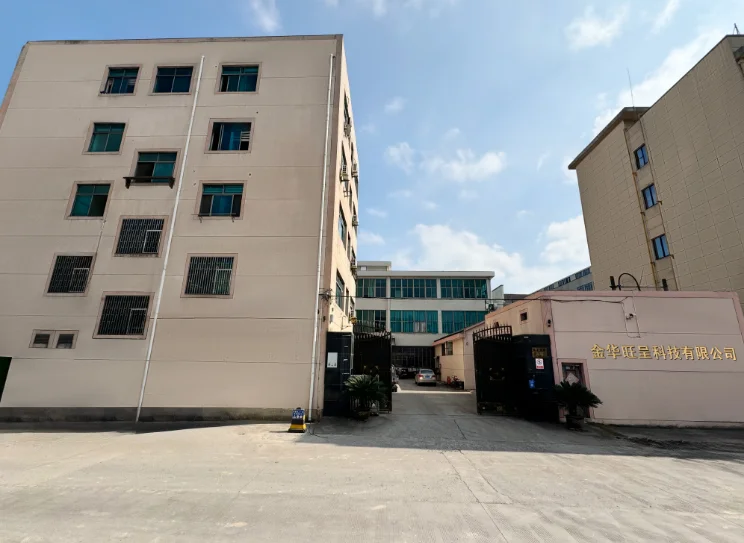
Jinhua Wangcheng Technology Co., Ltd.
- Manufacturer, Trading Company
- Zhejiang, China
- Lead time45 days
- Avg. response≤ 18h
Main productsDirt bike,ATV,trail bike,motocross,off-road motorcycle
Main marketsCentral America(20.00%), Southern Europe(10.00%), North America(10.00%), Western Europe(10.00%), Southeast Asia(10.00%), Eastern Europe(10.00%), South America(10.00%)

Yongkang Guihou Industry and Trade Co., Ltd.
- Manufacturer/Factory
- China Zhejiang
- Lead time23 days
- Avg. response≤ 7h
Main productsATV, Dirt Bike, Pocket Bike, Electric Scooter, Electric ATV, Motorcycle, Scooter, Go Kart, Gas Scooter, Skate Board
Main marketsSouth America,Eastern Europe,Mid East,North America,Southeast Asia,Eastern Asia,Oceania,Western Europe,Africa

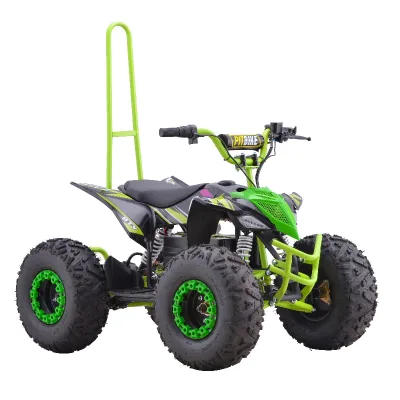
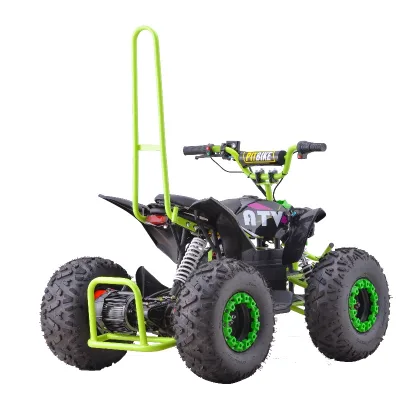
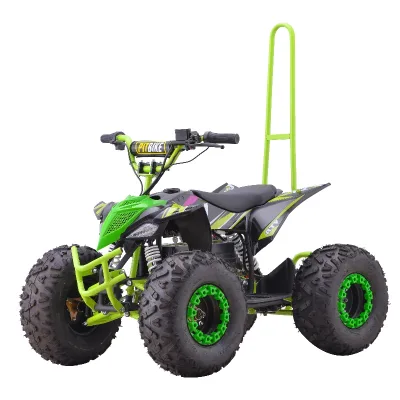
$248.00 - $287.00
MOQ: 30 Pieces


Comprehensive Sourcing Guide
Electric ATV Lithium Battery Supplier Concentration and Factory Types
Suppliers in this category cluster heavily in China, and the current results show active manufacturing in Guangdong and Zhejiang. Guangdong-based companies in these results tend to be Manufacturer/Factory type businesses listing broad product lines that include Golf Cart, UTV, ATV, Motorcycle, Utility Vehicle, Electric Robot, Spare Parts, which signals deeper engineering resources for electric drivetrains. Zhejiang-based entries appear as Combined company type, listing ATV, Dirt Bike and Electric Scooter products, which often reflects a hybrid factory-and-trading operation serving multiple adjacent vehicle categories. When supplier locations are not displayed in your search results, you should identify clusters yourself by checking factory addresses on business licenses, comparing province-level shipping origins on quoted prices, and asking each candidate which parts are made in-house versus purchased from tier-two battery or motor vendors.
Factory type matters because it shapes what you can actually verify. A Manufacturer/Factory listing should let you audit production lines for chassis welding, lithium battery pack assembly and final vehicle testing. A Combined type may quote competitively but could outsource battery packs, so you must confirm which facility performs cell grading, BMS installation and waterproofing. The results also show capability labels such as OEM, ODM and Own Brand arrangements; treat these as claims to test. Ask for the specific lithium cell brand, BMS supplier and pack assembly location, because electric ATV quality depends more on the battery subsystem than on the vehicle frame alone.
How to Verify Electric ATV Lithium Battery Suppliers
Start with third-party verification status. In the current results, at least one Guangdong supplier carries an SGS verification label and lists system certifications including QHSE and ISO 9001, while a Zhejiang supplier's product pages cite ISO9001, CE and Coc certifications on specific ATV models. Verification badges and certification claims are starting points, not proof. Request the actual ISO 9001 certificate with scope language covering electric vehicles or lithium battery assembly, check the certificate number against the issuing body's database, and confirm the CE marking applies to the exact model and voltage you intend to buy rather than a sibling product.
Next, verify operational reality. Ask each supplier for a live video walkthrough of battery pack assembly, weld inspection and end-of-line testing, and request the production license and battery transport documentation relevant to lithium shipments. Test responsiveness under realistic conditions: one supplier in these results shows an average response time around five hours while another shows roughly eighteen hours, and that spread tells you how quickly quality questions will be answered mid-production. Ask for two recent customer references importing to your market, and confirm the entity name on your quotation matches the business license, the bank account and the certificate holder. For lithium products specifically, verify that UN38.3 test summaries and material safety data sheets exist for the battery packs, because these documents are required by carriers and their absence is a strong signal that the supplier is reselling rather than manufacturing.
What to Compare Across Electric ATV Lithium Battery Suppliers
Build a comparison sheet using only attributes actually displayed in your supplier results, then fill gaps through direct questions. The current results expose useful dimensions: lead time of 45 days for the Guangdong manufacturer versus 30 days for the Zhejiang combined-type supplier; response times of roughly 5.24 and 17.70 hours; MOQs ranging from 1 unit on a 4000W 72V model to 3 and 5 units on other electric ATV listings; and capability labels such as OEM, ODM and own brand. Also compare main product scope, since a supplier focused on ATVs, UTVs and electric vehicles will likely support spare parts longer than one listing dozens of unrelated categories.
Compare products on technical substance rather than photos. The results show a 72V 6kW lithium-powered quad with a 2-year battery warranty and 1-year factory warranty, priced from roughly 2000 to 2599, alongside 4000W 72V lithium models with shaft drive, disc brakes, automatic transmission and speeds quoted above 75 km/h, priced from about 980 to 1700, and a smaller 1500W 60V lead-acid middle quad. Note that not every electric ATV in a lithium-focused search is actually lithium-powered, so record battery chemistry, motor power, drive type and pack capacity per model. Finally, compare customization claims against evidence: several listings state customization is available, so ask for photos of a previous custom-color or custom-battery order to confirm the capability is real.
Common Electric ATV Lithium Battery Sourcing Risks
The most serious risk in this category is chemistry substitution. Some listings that appear in lithium-focused searches describe lead-acid battery packs, such as a 1500W 60V quad specifying a 60V 20ah lead-acid battery. If your specification requires lithium, put the cell chemistry, configuration and BMS brand in the contract, and require a pre-shipment check that weighs and opens a sample pack, because a swapped battery type is difficult to detect from photos. A related risk is battery-pack outsourcing: a factory may assemble the vehicle but buy completed packs from a third party, which weakens warranty enforcement if that vendor disappears.
Warranty and certification gaps create downstream liability. The results show 2-year battery warranties and 1-year factory warranties on some models, but a warranty is only as good as the parts pipeline, so confirm in writing how replacement packs, BMS boards and controllers ship after sale and who pays freight. Certification claims such as CE, Coc and ISO9001 must match your import market's actual requirements; a certificate on one model does not cover a modified or higher-voltage variant. Watch for MOQ bait, since a 1-unit MOQ is attractive for sampling but may disappear at order stage, and confirm unit pricing, packing method (some listings specify steel frame packing) and delivery time in a signed PI before any deposit. Finally, avoid paying outside any protected payment channel offered by your platform.
Electric ATV Lithium Battery Regional Sourcing and Logistics
Guangdong and Zhejiang are both represented in the current results, but they serve slightly different sourcing patterns. Guangdong's manufacturer-type supplier lists a 45-day lead time and broad electric-vehicle product lines, which suits buyers who want deep factory capability and can plan longer production windows. Zhejiang's combined-type supplier lists a 30-day lead time and a product range spanning ATVs, dirt bikes and electric scooters, which suits buyers consolidating mixed vehicle orders or needing faster repeat shipments. Lead times are listing-level claims and vary by model and season, so confirm the quoted window for your specific configuration and battery pack before committing to a launch date.
Lithium batteries dominate logistics planning in this category. Complete electric ATVs containing lithium packs must ship with UN38.3 test summaries, Class 9 dangerous-goods declarations where applicable and packaging that carriers accept, so ask each supplier which freight forwarders they have used for battery-containing vehicles and whether they ship by sea as fully assembled units or disassembled in steel frames and cartons. The results show packing described as steel frame, standard carton, or both, which affects container loading counts and assembly labor at destination. Confirm whether batteries ship installed or separately, because separated packs can reduce freight restrictions but increase your import handling. Also verify the origin documents: results list production origins in China, so match certificates of origin, HS codes for electric ATVs and battery declarations to your customs broker's requirements before the first shipment leaves the factory.
Electric ATV Lithium Battery Commercial Terms and Order Planning
Structure your first order around a paid sample plus a staged production commitment. Use low-MOQ listings, such as the 1-unit MOQ on a 4000W 72V model in the results, to validate quality before scaling to 3- or 5-unit MOQs on higher-specification models. Confirm that sample pricing, which may sit at the top of the quoted range, converts to contract pricing at volume, and get the price basis in writing: the results show ranges such as roughly 980–1700 and 2000–2599, and you should know whether these are FOB, EXW or include battery configuration differences. Lock the exact battery chemistry, motor power, controller, charger and warranty terms into the proforma invoice.
Plan payment and timeline protection deliberately. Hold the verification, lead-time and response-time data you collected in one scorecard, and schedule production checks at battery pack assembly, pre-painting and pre-shipment. If your platform offers escrow or trade assurance style protection, use it for at least the first order, and never pay into a personal account. Align your order calendar with the supplier's stated lead time, whether 30 or 45 days, plus buffer for lithium shipping documentation, which routinely adds time beyond standard freight booking. Finally, negotiate the spare-parts list and battery warranty claim process before deposit, including which consumables ship free with the order and how a failed pack is diagnosed, replaced and returned, because post-sale support is where electric ATV sourcing relationships are truly tested.
FAQs
What is the typical price range for a 72V lithium-powered electric ATV?
Listed 72V lithium electric ATV models generally fall between about $2,000 and $4,600 per unit, with compact quad styles at the lower end and dual-track off-road versions at the higher end. Final pricing depends on specifications, customization level, and order volume, so request quotations for your exact configuration before comparing suppliers.
What MOQ should I expect when ordering electric ATVs with lithium batteries?
MOQs are usually low for these vehicles: observed listings show minimums as small as 1 unit, with others set at 3 or 5 units. This makes trial orders practical for distributors. Confirm the MOQ for your chosen model and whether sample units can be mixed with bulk quantities in one shipment.
How long is the production lead time for electric ATVs?
Lead times observed among suppliers range from roughly 30 to 45 days, depending on the factory, model complexity, and current order backlog. Customized colors, battery configurations, or track systems can extend this timeline. Ask each manufacturer for a written lead-time commitment tied to your deposit payment and confirm peak-season capacity early.
What battery and factory warranties come with these electric ATVs?
Many listings specify a 2-year battery warranty and a 1-year factory warranty on the complete vehicle. Coverage terms may vary by model and market, so review what counts as a warranty event, who handles parts replacement, and how spare components are shipped. Get the warranty terms in your purchase contract rather than relying on listing text.
Can electric ATVs be customized for my brand and market requirements?
Yes, most listed models state that customization is available, including color options, and several factories support OEM and ODM work, with some also offering their own brand. Confirm which components can be changed, minimum volumes for custom branding, and whether documentation such as certificates for your destination market can be supplied for your configuration.
Which certifications should I verify before importing electric ATVs?
Some listings reference ISO 9001, CE, and CoC certification, and one factory lists QHSE alongside ISO 9001 with SGS verification. Certification scope varies by model, so ask for certificate copies that match the exact product you plan to order, and check with your customs broker about additional approvals needed in your destination country.
How quickly do these ATV suppliers typically respond to inquiries?
Observed average response times vary considerably, with some manufacturers replying in about 5 hours and others taking up to roughly 18 hours. Faster response usually correlates with smoother communication during production. Send a detailed inquiry including model, quantity, and destination market, and measure actual reply speed before committing to a supplier.
Where are the lithium electric ATV suppliers mainly located?
The suppliers in these results are located in Guangdong and Zhejiang provinces in China, both established manufacturing regions for electric vehicles and quads. Zhejiang suppliers focus heavily on electric ATVs and scooters, while Guangdong manufacturers often cover broader utility vehicle lines. Proximity to ports in both regions supports container shipping arrangements.