Elderly 4G GPS Locator Bracelet Suppliers and Manufacturers
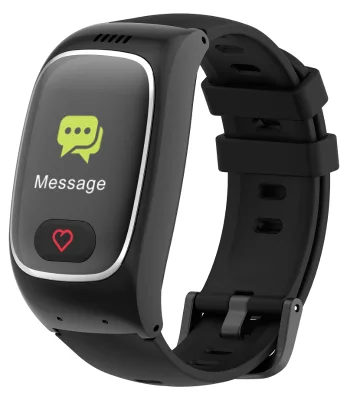
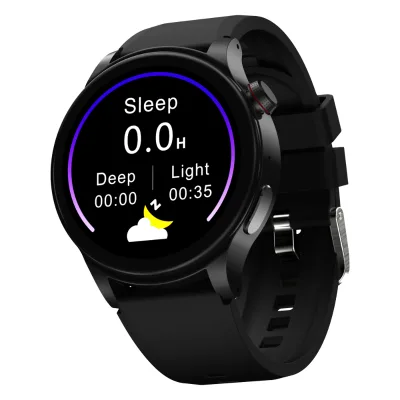
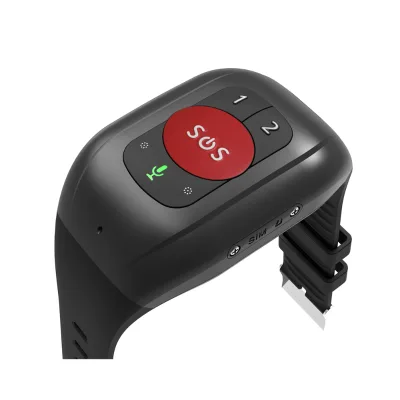
Explore 15 verified options for the Elderly 4G GPS Locator Bracelet from Guangdong, China. Compare response times, lead times, certifications like CE and RoHS, and product features such as fall detection and heart rate monitoring. Contact suppliers directly to request quotes and verify specifications.
Suppliers List

Hong Kong Yushengchang Technology Co., Limited
- Trading Company
- China Guangdong
- Lead time0 days
- Avg. response≤ 6h
Main productsPersonal Security GPS Tracker Gadget, Kids GPS Tracker Watch with Sos, Adults GPS Tracker Watch, Elderly GPS Tracker Watch with Heart Rate, Smart Watch Phone, Smart Fitness Bracelet, Personal GPS Tracker Watch with Fall Down Alert, Vehicle GPS Tracker, Pets/Animals GPS Tracker with Collar, Car/Motorcycle GPS Tracker
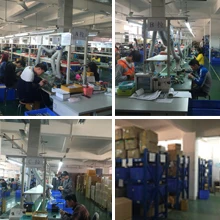
Shenzhen Mrtrack Technology Co., Ltd.
- Manufacturer, Trading Company, Buying Office
- Guangdong, China
- Lead time5 days
- Avg. response≤ 7h
Main productsGPS Tracker,security alarm,medical elderly alarm,pill dispenser,smart watch
Main marketsSouth America(13.00%), Eastern Europe(13.00%), Western Europe(12.00%), North America(12.00%), Northern Europe(10.00%), Central America(8.00%), Southern Europe(5.00%), Southeast Asia(5.00%), Eastern Asia(5.00%), Africa(5.00%), Oceania(4.00%), Mid East(4.00%), Domestic Market(3.00%), South Asia(1.00%)
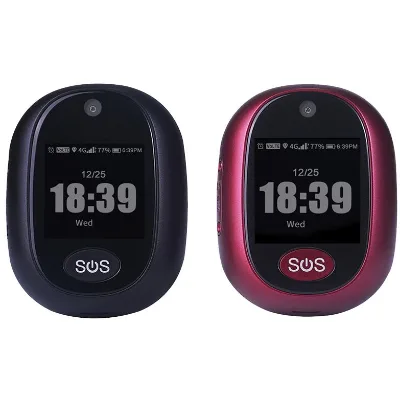
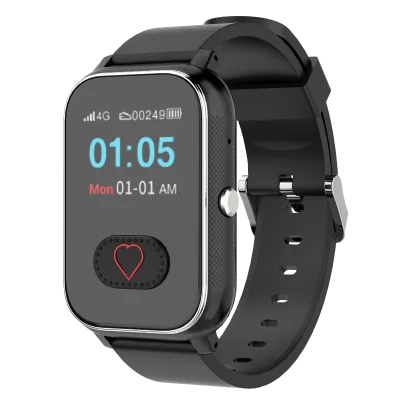
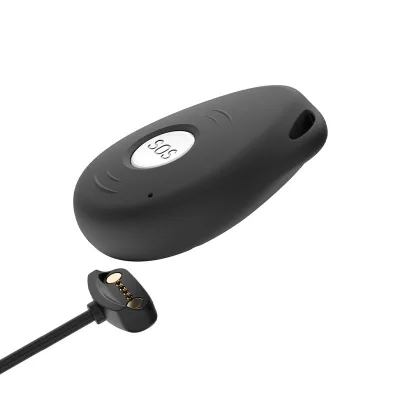
Elderly Care Senior Women Real Time Location Emergency Help 4G GPS Bracelet with SOS Call
$26.65 - $35.87
MOQ: 100
Shenzhen Houlinsheng Technology Co., Ltd.
- Manufacturer, Trading Company, Buying Office
- Guangdong, China
- Lead time3 days
- Avg. response≤ 2h
Main productsGPS tracker,Smart home,Home security,elderly alarm
Main marketsNorthern Europe(30.00%), North America(30.00%), Western Europe(5.00%), South America(5.00%), Southern Europe(5.00%), Central America(5.00%), Southeast Asia(5.00%), Eastern Europe(5.00%), South Asia(3.00%), Africa(3.00%), Eastern Asia(2.00%), Mid East(2.00%)
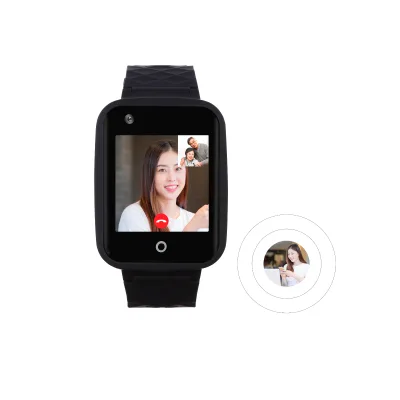
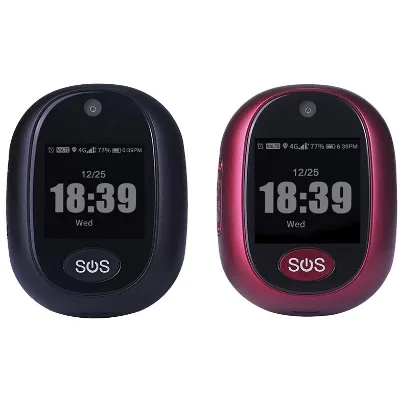
Elderly Gps Bracelet Gps with Fall Down Alarm and Blood Pressure Monitor
$32.00 - $38.00
MOQ: 2 pieces
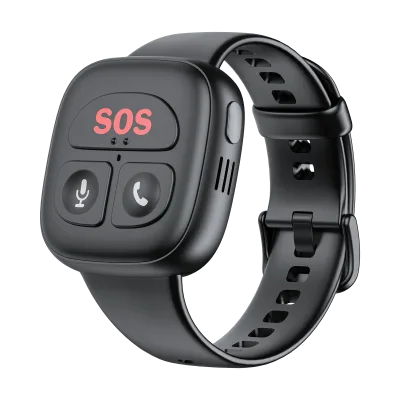
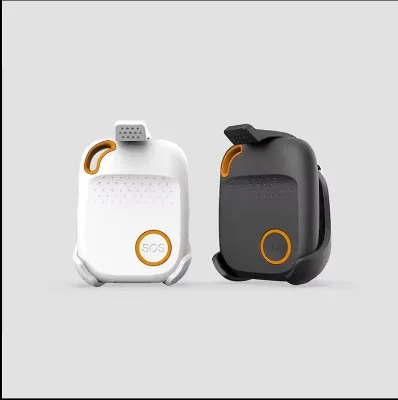
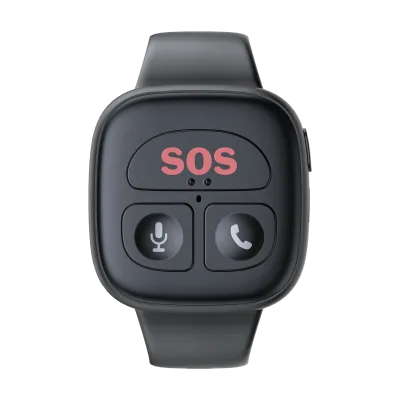
Waterproof GPS Bracelet for Alzheimer Patients 4G SOS Button GPS Navigation Answer Call Dial Sim
$32.37 - $35.41
MOQ: 2 units
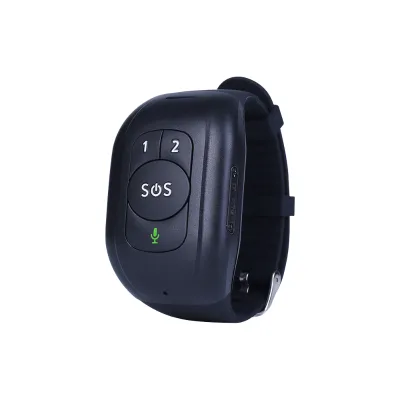
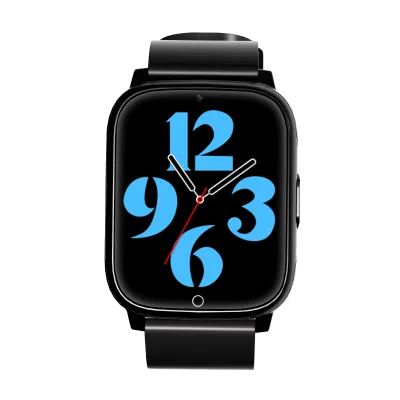
Gps Wrist Band for Tracking Safety Bracelet Small tracker Gps with Big Sos Button
$32.37 - $35.41
MOQ: 2 units

Changsha Jiumo Security Technology Co., Ltd.
- Verified by BV
- Trading Company
- China Hunan
- Lead time15 days
- Avg. response≤ 2h
Main productsWalkie Talkie, Wireless Explainer, Wireless Pager, Anti-Theft Alarm
Main marketsDomestic


Elderly 4G Tracking Bracelet Sos Call Heart Rate Body Temperature Check
$26.00 - $28.00
MOQ: 10 Pieces


- Trading Company,Manufacturer/Factory
- China Guangdong
- Lead time15 days
- Avg. response≤ 9h
Main productsGPS Tracker, GPS Tracking Device, Car GPS Tracker, Offender GPS Tracker, Vehicle GPS Tracker, Motorcycle GPS Tracker, GPS Tracking System
Main marketsSouth America,Eastern Europe,Mid East,North America,Southeast Asia,Eastern Asia,Western Europe,Africa

GPS Locator Tracker Wrist Band for Prisoners and Home Quarantine GPS Bracelet
$65.00 - $85.00
MOQ: 1 Pieces

Senior Health Monitoring Bracelet GPS Location Tracking Elderly Smart GPS Tracker
$65.00 - $85.00
MOQ: 1 Pieces

4G LTE House Arrest Location Monitoring GPS Ankle Bracelet Electronic House Arrest Bracelet
$80.00 - $89.00
MOQ: 1 Pieces


4G Real-Time Location Monitor Anti-Tamper GPS Tracking Bracelet for Prisoners
$155.00 - $165.00
MOQ: 1 Pieces

Shandong Kaer Electric Co., Ltd.
- Verified by SGS
- Combined
- China Shandong
- Lead time45 days
- Avg. response≤ 2h
Main productsFixed Wireless Phone, 5g CPE, Android Video Phone, 4G CPE, Payphone
Main marketsSouth America,Southeast Asia/ Mideast,Europe,North America


Senior Guardian Tracker Water-Resistant GPS Locator for Elderly Safety
$17.00 - $23.00
MOQ: 1000 Pieces


4G LTE GPS Tracker Mini Watch Personal Locator for Elderly Fall Detection
$18.30 - $22.50
MOQ: 1000 Pieces


- Manufacturer, Trading Company
- Guangdong, China
- Lead time3 days
- Avg. response≤ 3h
Main productsPersonal gps tracker,pet gps tracker,vehicle gps tracker,gps watch,platform tracking
Main marketsSouthern Europe(18.00%), North America(15.00%), Central America(15.00%), South Asia(8.00%), Eastern Europe(8.00%), Western Europe(8.00%), Oceania(4.00%), Africa(4.00%), Northern Europe(4.00%), South America(4.00%), Southeast Asia(4.00%), Eastern Asia(4.00%), Mid East(4.00%)

Dongguan Vionix Smart Tech Co., Ltd
- Verified by SGS
- Trading Company
- China Guangdong
- Lead time15 days
- Avg. response≤ 1h
Main productsPlasma Ball, Air Purifier, Smart Glasses, Smart Watch, Smart Speaker, Smart Tracker, Smart Camera, Night Light, Smart Ring, Smart Earphone
Main marketsDomestic

Shenzhen Yushengchang Technology Co., Ltd.
- Verified by BV
- Trading Company
- China Guangdong
- Lead time23 days
- Avg. response≤ 8h
Main productsGPS Tracker, Kids Children GPS Sos Smart Watch, Senior Elderly Adult Healthcare GPS, Pets Animal GPS Tracker, Car Vehicle Fleet Management Tracking, Mini Tiny Waterproof GPS Tracker, Bike Motorcycle Automotive Tracker, Assets Tracker Device, Smart Fitness Watch, Smart Bluetooth Bracelet
Main marketsSouth America,Southeast Asia/ Mideast,Europe

Shenzhen City Autoe Technology Co., Ltd.
- Verified by SGS
- Trading Company
- China Guangdong
- Lead time15 days
- Avg. response≤ 3h
Main productsCar DVR, Car Camera, GPS Tracker, GPS Navigator, Mini Camera, Sport Camera, Car MP3 Player, Car FM Transmitter, Car Badge
Main marketsEurope,North America
- Verified by TüVRheinland
- Manufacturer, Trading Company
- Lead time4 days
- Avg. response≤ 6h
Main productsMobile Personal Emergency Responce System, Pet GPS Tracker, SOS Watch, Personal GPS Tracker, In-Home Hub
Main marketsNorthern Europe(30%), North America(22%), Oceania(21%)

Xuzhou Dragon Guard Industrial Co., Ltd.
- Verified by SGS
- Combined
- China Jiangsu
- Lead time15 days
- Avg. response≤ 6h
Main productssecurity products and solutions
Main marketsAfrica,Southeast Asia/ Mideast,Domestic,Europe,North America


Multi-Functional GPS Tracker Bracelet with Sos Alarm and Health Sensors
$35.57 - $39.52
MOQ: 10 Pieces
Dongguan Hongfeng Smart Tech Co., Ltd.
- Verified by TüVRheinland
- Trading Company
- Lead time20 days
- Avg. response≤ 5h
Main productsSmart Watches, Fitness Tracker, Smart Ring, GPS Tracker Watch, Tablet PC
Main marketsEastern Europe(30%), Western Europe(30%), Northern Europe(10%)

Shenzhen Huatenmax Technology Co., Ltd.
- Manufacturer, Trading Company, Other
- Guangdong, China
- Lead time30 days
- Avg. response≤ 10h
Main productsOLT,Firewall,Server,Base Station,Smart Watch
Main marketsNorthern Europe(15.00%), Mid East(15.00%), South America(12.00%), Domestic Market(10.00%), Africa(10.00%), Central America(10.00%), Southeast Asia(5.00%), Western Europe(5.00%), South Asia(5.00%), North America(5.00%), Southern Europe(3.00%), Eastern Europe(3.00%), Oceania(1.00%), Eastern Asia(1.00%)

Quanzhou Hecere Electronic Co., Ltd.
- Verified by TUVRHEINLAND
- Manufacturer/Factory
- China Fujian
- Lead time0 days
- Avg. response≤ 10h
Main productsPlastic Business/Gift/Membership Card, Membership Cards Promotional Cards, VIP Cards Photo Cards, Promotional/VIP/Photo/Discount Cards, Sle4428(Blank Card)/Sle4428/Sle4442, MIFARE/Ti High(Low) Frequency IC / I-Cod, MIFARE/I-Code Sli IC Cards, Contactless ID /RFID/RFID Smart Card Co, Contactless ID /RFID/RFID Smart Card, Die Cut/Metal Card Card Reader
Main marketsSouth America,Eastern Europe,Mid East,North America,Southeast Asia,Eastern Asia,Oceania,Africa

Adjustable RFID NFC Bracelet for Demented Alzheimer′ S Disease Elderly
$0.40 - $0.60
MOQ: 500 Pieces


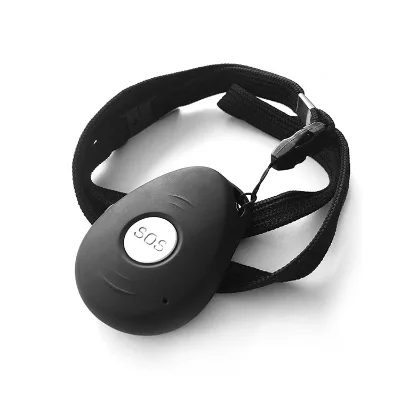
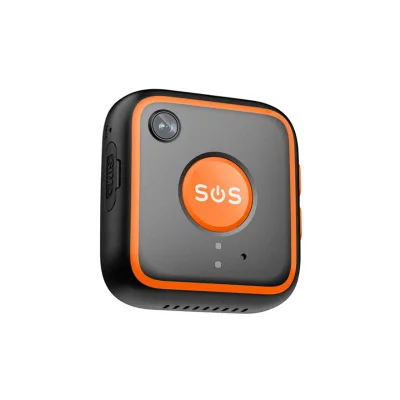
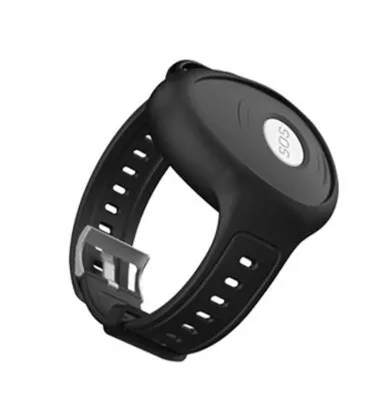


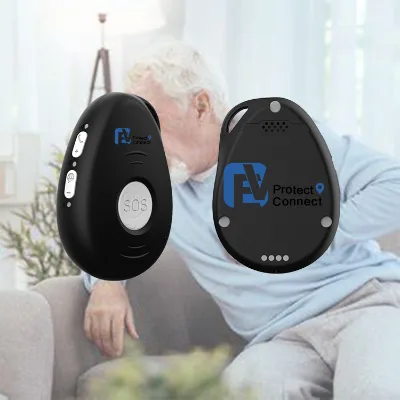
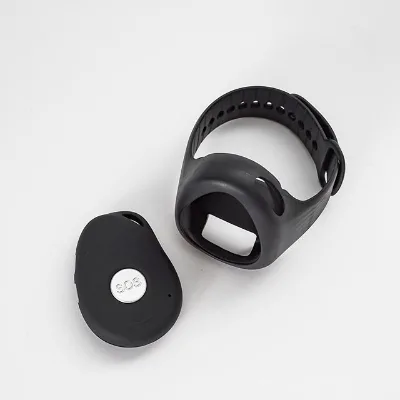
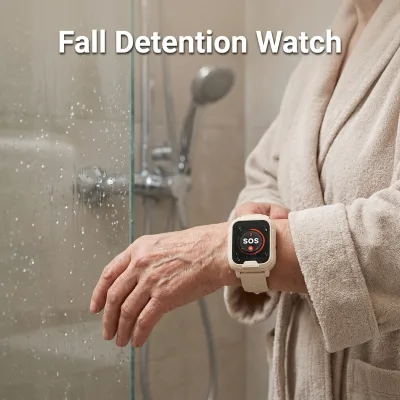
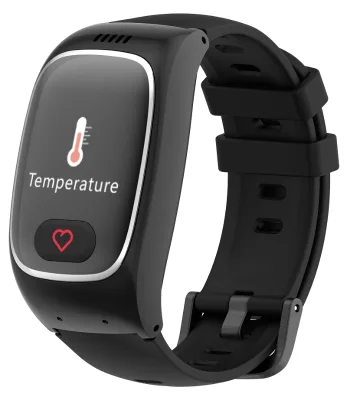
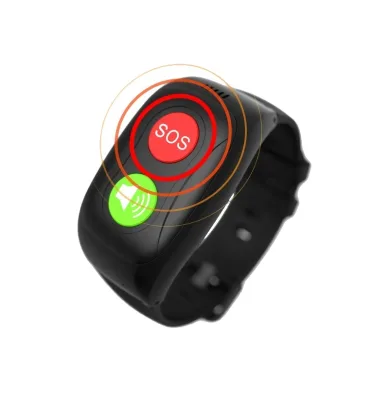
Comprehensive Sourcing Guide
Elderly 4G GPS Locator Bracelet Supplier Concentration and Factory Types
The available data indicates a significant concentration of suppliers operating from Guangdong, China, specifically within the Shenzhen region. This area serves as a primary manufacturing hub for consumer electronics and wearable devices, including the specific category of elderly 4G GPS locator bracelets. When evaluating potential partners, buyers should look for evidence of this geographic clustering, as it often correlates with established supply chains for components like chipsets and batteries. The presence of multiple suppliers in this specific location suggests a mature ecosystem for producing smart wearable devices, though buyers must verify that the specific factory they engage is physically located there rather than merely claiming a distant origin.
Regarding company structures, the observed results reveal a mix of trading companies and manufacturers, with some entities identifying as both. This dual classification is critical for procurement strategy, as trading companies may offer broader product ranges while manufacturers might provide more direct control over production quality and customization. Some suppliers also list buying offices as part of their structure, which can complicate direct communication. Buyers should carefully distinguish between a pure trading entity and a manufacturer to ensure they are negotiating with the correct party for their specific needs, whether that involves customizing the bracelet design or securing a lower price point through direct factory engagement.
How to Verify Elderly 4G GPS Locator Bracelet Suppliers
Verification begins with scrutinizing the specific product attributes and certifications listed in the supplier's catalog. Evidence shows that certain models carry CE and RoHS certifications, which are essential for market entry in many regions. Buyers must request current documentation to confirm these standards apply to the specific batch they intend to purchase, rather than assuming all products from a supplier meet these requirements. Additionally, the presence of a Declaration of Conformity for some suppliers indicates a higher level of regulatory compliance, but this should be cross-referenced with the specific product model number to ensure accuracy.
Response time and lead time are also vital metrics for verification. The data indicates response times ranging from approximately 5.8 hours to 7 hours, which suggests a generally responsive market, though this can vary by individual supplier. Lead times are reported as zero in some instances, which may indicate immediate stock availability, while others show a five-day lead time, suggesting a production cycle. Buyers should treat these figures as initial indicators and request a confirmed production schedule before placing an order. Verifying the actual capacity to meet these timelines requires direct communication, as online listings may not reflect current factory bottlenecks or inventory levels.
What to Compare Across Elderly 4G GPS Locator Bracelet Suppliers
When comparing suppliers, the minimum order quantity (MOQ) is a primary differentiator. The observed data shows an MOQ of one unit for some products, allowing for small-scale testing, while others require a minimum of 100 units. This variance significantly impacts the initial investment and risk profile for buyers. A supplier with a low MOQ is preferable for market testing or niche distribution, whereas a high MOQ supplier might offer better unit economics for large-scale distribution. Buyers must align their procurement volume with the supplier's requirements to avoid unnecessary capital tie-up or rejection of small orders.
Price and technical specifications also require careful comparison across the supplier base. Prices for similar devices range from approximately 23 to 35 units of currency, depending on features like screen type, battery capacity, and network support. Some models feature IPS screens and advanced location modes including GPS, Beidou, and WiFi, while others rely on standard GPS and LBS. Buyers should compare the specific chipset, RAM, and ROM configurations to ensure the device meets performance expectations. It is essential to verify that the price quoted includes all necessary features and that the technical specifications match the intended use case for elderly care, such as fall detection and SOS capabilities.
Common Elderly 4G GPS Locator Bracelet Sourcing Risks
One significant risk involves the discrepancy between claimed features and actual product performance. While listings may advertise support for blood pressure monitoring, heart rate tracking, and fall alarms, the actual implementation can vary. Some products list these features as supported, but buyers must verify the accuracy and reliability of these sensors through sample testing. Relying solely on the product description without independent validation can lead to receiving devices that fail to provide critical safety alerts, which is unacceptable for elderly care applications. The complexity of integrating multiple sensors increases the potential for hardware or software failures.
Another risk relates to the supply chain transparency and the authenticity of the origin. Although many suppliers claim a Shenzhen origin, the actual manufacturing location might differ, affecting quality control and compliance. The presence of multiple company types, such as trading companies and manufacturers, can obscure the true source of the product. If a trading company is the primary point of contact, the buyer may have less visibility into the production process. This lack of transparency can lead to delays or quality issues that are difficult to resolve. Buyers should insist on clear documentation regarding the manufacturing process and the specific factory where the goods are produced to mitigate these risks.
Elderly 4G GPS Locator Bracelet Regional Sourcing and Logistics
Sourcing from the identified region of Guangdong, China, offers logistical advantages due to the established infrastructure for exporting consumer electronics. The proximity of suppliers to major ports facilitates efficient shipping, which is crucial for time-sensitive orders. However, buyers must account for the specific shipping requirements of electronic devices, which often include special packaging to prevent damage during transit. The data indicates that products are often packed in gift boxes or custom packages, which can influence the overall shipping volume and cost. Understanding the packaging specifications is essential for accurate freight calculations and ensuring the products arrive in sellable condition.
Logistics planning also involves considering the network compatibility of the devices in the target market. The observed products support various network bands, including 4G, 3G, and 2G, with specific frequencies like 850/900/1800/1900 MHz. Buyers must verify that the selected device is compatible with the local cellular networks in their destination country. Mismatched frequency bands can render the GPS tracker useless, regardless of its other features. This technical compatibility check is a critical step in the sourcing process that should be performed before finalizing any order to prevent costly returns or device failures in the field.
Elderly 4G GPS Locator Bracelet Commercial Terms and Order Planning
Commercial terms regarding payment and customization availability are key factors in order planning. The data indicates that customization is available for many products, allowing buyers to tailor the device to their brand or specific requirements. However, the extent of customization and the associated costs must be clarified before placing an order. Some suppliers may offer free lifetime app access, while others might charge for premium features. Understanding the full scope of the commercial agreement, including any recurring fees or service charges, is necessary to calculate the total cost of ownership accurately.
Order planning must also account for the variability in lead times and production capacity. While some suppliers list a zero lead time, others indicate a five-day production window. Buyers should plan their inventory levels based on the longest lead time observed to avoid stockouts. Additionally, the minimum order quantities can impact cash flow, so buyers should negotiate terms that align with their sales projections. Establishing a clear timeline for production, quality checks, and shipping is essential to ensure that the supply chain remains efficient and that the products are available when needed for the elderly care market.
FAQs
What is an Elderly 4G GPS Locator Bracelet and how does it work?
It is a wearable wristband that tracks an older person's real-time position over 4G mobile networks and shares it through a companion app. Most units combine GPS, LBS, and WiFi positioning for accuracy, add SOS calling and two-way communication, and use a rechargeable battery that needs regular charging, typically every one to three days depending on usage.
Which features matter most when sourcing GPS bracelets for seniors?
Prioritize accurate multi-mode positioning, a loud SOS button, two-way calling, fall detection, and geo-fence alerts for wandering prevention. Health sensors like heart rate, blood pressure, body temperature, and SpO2 monitoring add value for dementia or home-care programs. Also check waterproofing, battery capacity, app quality, and whether the platform subscription is free for the device's lifetime.
How accurate is the positioning on these locator bracelets?
Listed models claim GPS accuracy of less than five meters when satellite signal is available. Indoors or in dense urban areas, devices automatically fall back on WiFi and LBS positioning, which is less precise but still useful. Ask each supplier to demo live positioning in both outdoor and indoor conditions before you commit to a bulk order.
What is a typical minimum order quantity and price range?
Listings on this page range from a MOQ of 1 unit to MOQ 100 units, so sampling is possible before scaling. Unit prices shown run roughly from about 23 dollars to about 36 dollars depending on model and features. Final pricing depends on order volume, customization, and included accessories, so request quotes directly from suppliers.
How long do these bracelets run on a single charge?
Battery capacity in the listed models ranges from 600mAh to 950mAh, typically lasting one to three days per charge with normal tracking use. Continuous location reporting, frequent calls, and poor network coverage drain the battery faster. Look for low-battery alerts in the app so caregivers know when a device needs recharging, and confirm charging accessories are included.
Are these bracelets waterproof enough for daily senior use?
Many models on this page carry an IP67 waterproof rating, which protects against splashes, handwashing, and rain but not swimming or bathing. Silicone wristbands add comfort for all-day wear. Always verify the exact rating in the specification sheet, since water resistance varies by model, and ask how warranty claims handle water-related damage before placing volume orders.
Can suppliers customize the bracelets with our own branding?
Customization is listed as available for models on this page, typically covering logo printing, packaging, and app branding. Minimum quantities and tooling fees for custom packages are usually higher than for stock units, so confirm thresholds in writing. Also ask about customization lead times, sample approval steps, and whether the tracking app can display your brand name.
What certifications should I verify before importing these devices?
The listed products reference CE and RoHS compliance, and one supplier lists a Declaration of Conformity as a system certification. Ask each supplier for copies of current certificates matching the exact model number, not just product family claims. Depending on your destination market, you may also need local radio and telecom approvals for 4G connectivity before resale.