Waterproof Customized Shape Football Patches Suppliers and Manufacturers
Compare 25 verified suppliers offering Waterproof Customized Shape Football Patches with options for custom sizes, eco-friendly materials, and various attachment styles. Review response times, lead times, and MOQs to select the right factory for your order; review the available evidence before requesting comparable quotations from suitable candidates.
Updated
Suppliers List

Dongguan FengSuer Textile Co., Ltd
- Verified by TUVRHEINLAND
- Trading Company
- China Guangdong
- Lead time23 days
- Avg. response≤ 5h
Main productsWoven Patches, Woven Labels, Embroidery Patch, Keychians, Hantags, Printing Labels, Printing Patches, Woven Tape, Ribbon
Main marketsEurope


Customized Logo Self-Adhesive Football Club Embroidered Woven Patches for Clothes
$0.10 - $0.50
MOQ: 100 Pieces


Customized Football Team Woven Patch Fabric Embroidered Badges Patches for Hat
$0.10 - $0.50
MOQ: 50 Pieces

Custom Woven Patches Kid Clothes Patches Football Soccer Woven Patch Badges
$0.10 - $1.00
MOQ: 50 Pieces


HOLIDAY ISLAND TRADING CO., Ltd
- Verified by BV
- Trading Company
- China Guangdong
- Lead time15 days
- Avg. response≤ 8h
Main marketsSoutheast Asia/ Mideast

Football Shirt Patch Customized Garment Accessories Sponsor Print Custom Patches
$0.80 - $1.50
MOQ: 100 Pieces


Football Shirt Badge Patch Embroidery Apparel & Accessories Custom Patches
$0.70 - $1.00
MOQ: 100 Pieces

Custom Football Club Logo Embroidery Patch PVC Patch Embroidered Patches
$0.35 - $0.45
MOQ: 100 Pieces

Football Shirt Patches PVC Rubber Logo Embroidery Apparel & Accessories Custom Patch
$0.40 - $0.50
MOQ: 100 Pieces

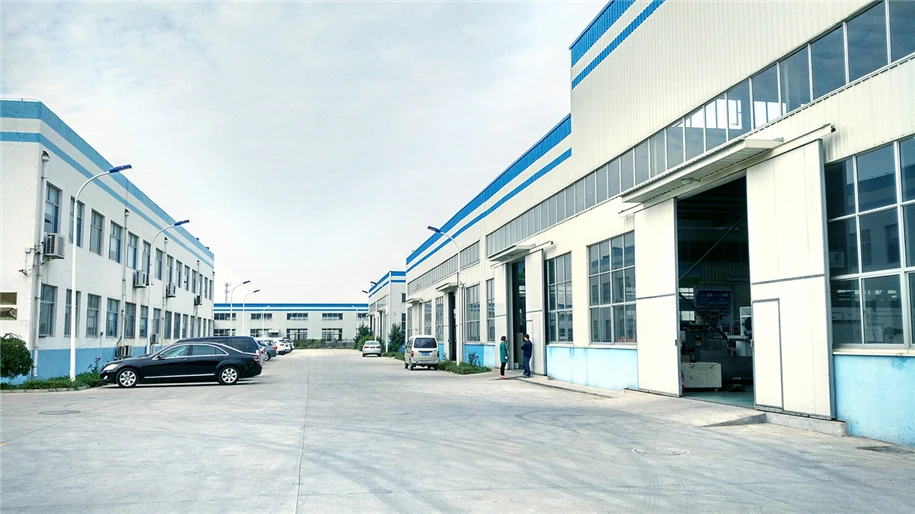
Zhanjiang Letong Arts & Crafts Co., Ltd.
- Trading Company
- Guangdong, China
- Lead time0 days
- Avg. response≤ 14h
Main productsEmbrpidered Patch,PVC patch and keychains,Metal pins and coins,Gifts,Medal
Main marketsNorth America(40.00%), Northern Europe(15.00%), Western Europe(15.00%), Southern Europe(5.00%), Eastern Europe(5.00%), South America(5.00%), Eastern Asia(5.00%), Mid East(5.00%), Southeast Asia(5.00%)
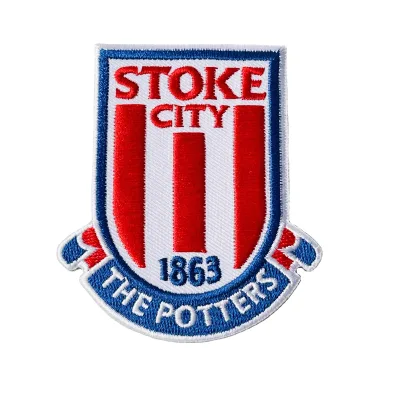
$0.7365 - $1.5449
MOQ: 30 pieces
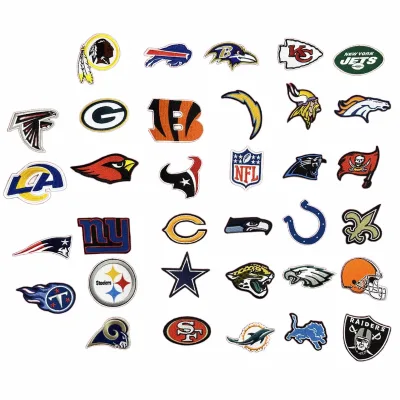
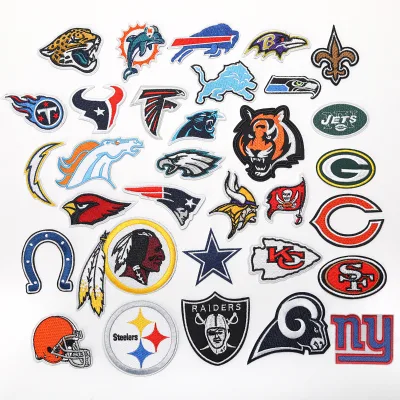
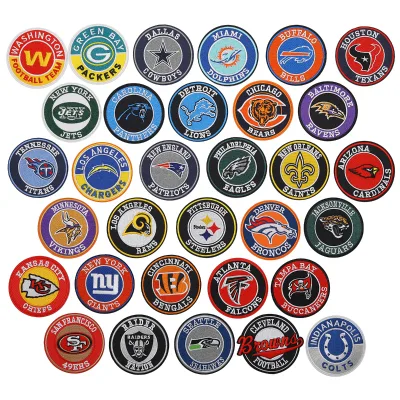
American National Football League NFL Sports Embroidered Team Logo Patch with Iron-on Backing
$0.7784 - $1.1198
MOQ: 10 pieces
Jinjiang Xingtai Clothing Accessories Co., Ltd.
- Manufacturer, Trading Company
- Fujian, China
- Lead time3 days
- Avg. response≤ 5h
Main productsMetal accessories,Embroidery patches,PVC patches,Woven label,Leather patches
Main marketsNorth America(40.00%), Northern Europe(15.00%), South America(10.00%), Eastern Europe(10.00%), South Asia(5.00%), Southern Europe(5.00%), Southeast Asia(5.00%), Western Europe(5.00%), Oceania(5.00%)

Yiwu Gillian Clothing Accessories Co., Ltd.
- Trading Company
- Zhejiang, China
- Lead time7 days
- Avg. response≤ 2h
Main productsRaised Silicone Heat Transfer,3D Puff Embroidery Patch,Silicone Clothing Label,Embossed Silicone Logo,3D Silicone Patch
Main marketsNorth America(25.00%), Northern Europe(15.00%), Southeast Asia(10.00%), Africa(5.00%), Eastern Asia(5.00%), Oceania(5.00%), Eastern Europe(5.00%), Mid East(5.00%), Central America(5.00%), South Asia(5.00%), Domestic Market(5.00%), Southern Europe(4.00%), South America(3.00%), Western Europe(3.00%)

Shenzhen Awells Gift Co., Ltd.
- Verified by SGS
- Combined
- China Guangdong
- Lead time15 days
- Avg. response≤ 1h
Main productsEmbroidery Patch, PVC Patch, Woven Patch, Chenille Patch, Embroidery Keychain, Woven Keychain, PVC Keychain, Lanyard, Lapel Pin, Cap
Main marketsSoutheast Asia/ Mideast,Europe,Australia,North America
Guizhou Catch Fashion E-commerce Co., Ltd.
- Trading Company
- Guizhou, China
- Lead time5 days
- Avg. response≤ 1h
Main productsRhinestone Heat Transfer,Embroidery Patches,Printing Heat Transfer,Lace Collar,Elastic Band
Main marketsNorth America(40.00%), South America(20.00%), Central America(10.00%), Western Europe(8.00%), South Asia(5.00%), Eastern Europe(5.00%), Southern Europe(4.00%), Eastern Asia(2.00%), Northern Europe(2.00%), Southeast Asia(2.00%), Africa(2.00%)
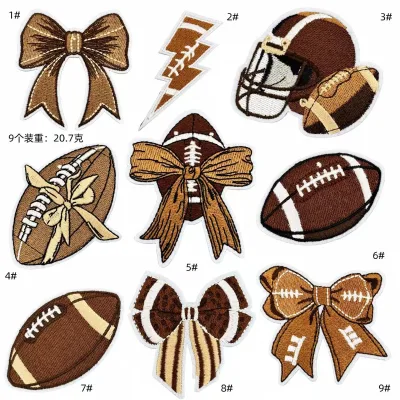
Football Team Iron on Patches Embroidered Logo Embroidery Patches for Hats Shirts
$0.4177 - $0.5015
MOQ: 20 pieces
Dongguan Saiming Garment Accessories Co., Ltd.
- Verified by TüVRheinland
- Manufacturer, Trading Company
- Lead time7 days
- Avg. response≤ 2h
Main productsWoven Label, Woven Patch, Care Label, Printing Label, Embroidery Patch
Main marketsNorth America(10%), South America(10%), Eastern Europe(10%)

Zhongshan Lixin Crafts Co.,Ltd.
- Verified by BV
- Combined
- China Guangdong
- Lead time15 days
- Avg. response≤ 2h
Main productsPatch, Sports Event Medal, Enamel Pin, Custom Keychain, Challenge Coin, Fridge Magnet
Main marketsDomestic
- Verified by SGS Group
- Trading Company
- Lead time20 days
- Avg. response≤ 11h
Main productsPins & Badges, Medals, Challenge Coins, Leather Product , Promotional Products
Main marketsNorth America(47%), Western Europe(22%), Northern Europe(9%)
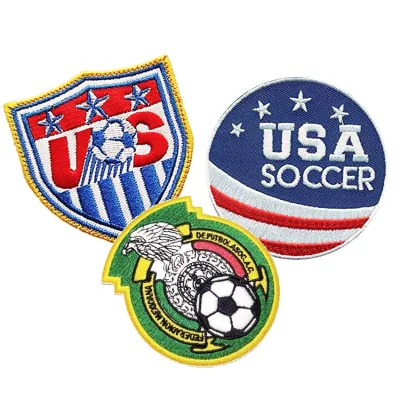
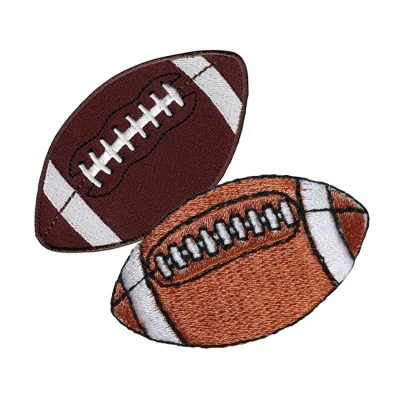
Clothes DIY Patches Custom Made Applique Football Embroidered Iron on Patches
$0.6138 - $2.0434
MOQ: 300 pieces
Dongguan Lin Wang Garment Accessory Co., Ltd.
- Verified by SGS Group
- Trading Company
- Lead time8 days
- Avg. response≤ 2h
Main productsEmbroidery Patch, Silicone Heat Transfer, Soft PVC Patch, Scout Neckerchief, Keychain
Main marketsNorth America(77%), Western Europe(10%), Eastern Europe(5%)
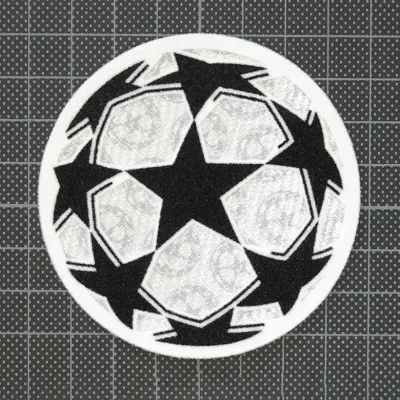
$0.1129 - $0.2979
MOQ: 100 pieces
Foshan Chengyi Computer Embroidery Co., Ltd.
- Verified by SGS Group
- Manufacturer, Trading Company
- Lead time0 days
- Avg. response≤ 2h
Main productsEmbroidery Patch, Sequin Embroidery Patch, Chenille Embroidery Patch, Toothbrush Embroidery Patch, Beaded Embroidery Patch
Main marketsNorth America(90%), Domestic Market(2%), South America(1%)
- Verified by SGS Group
- Trading Company
- Lead time10 days
- Avg. response≤ 5h
Main productsChenille Patch, Embroidery Patch, Woven Patch, Woven Label, Keychain
Main marketsNorth America(60%), Southeast Asia(10%), Western Europe(10%)

Zhongshan Yingying Textile Co., Ltd.
- Verified by SGS
- Manufacturer
- China Guangdong
- Lead time15 days
- Avg. response≤ 2h
Main productsPatch, Keychain, Sequin Patch, Towel Embroidery Patch, Embroidery Patch, Embroidery Keychain, Woven Label Patch, Woven Patch, Woven Keychain, Lanyard


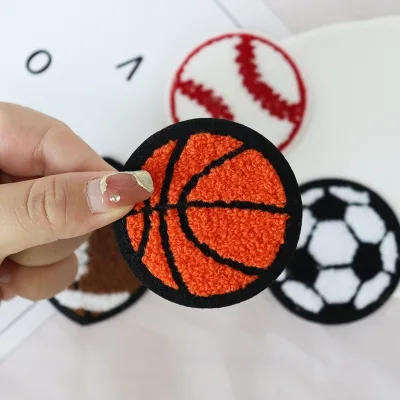
Custom Sports Embroidery Patches for Baseball, Football, and Basketball Teams
$0.10 - $0.50
MOQ: 50 Pieces
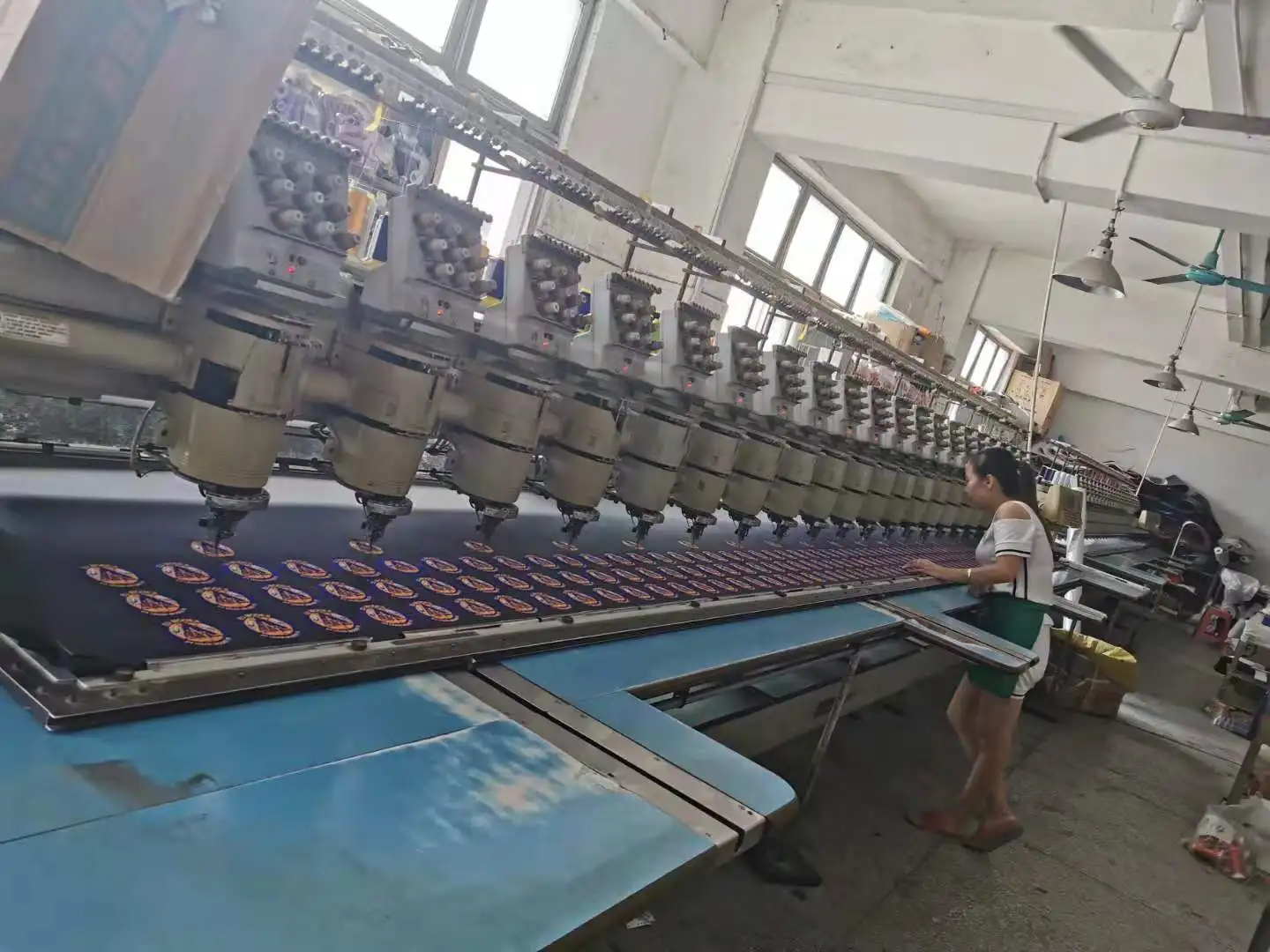
Shenzhen Ronghua Embroidery Technology Co., Ltd.
- Manufacturer
- Guangdong, China
- Lead time5 days
- Avg. response≤ 22h
Main productsEmbroidered badge,Embroidery Key chain,Baseball caps,Embroidery Phone case,Shoes Wing
Main marketsNorth America(37.50%), Southeast Asia(25.98%), Northern Europe(15.12%), Africa(11.93%), South America(6.20%), Oceania(3.27%)
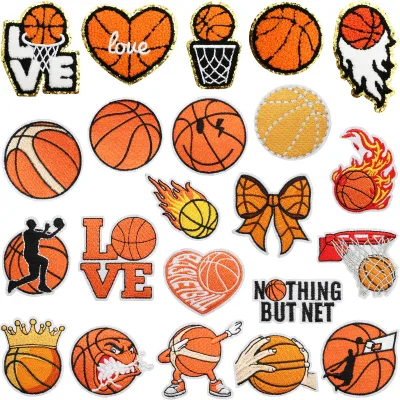
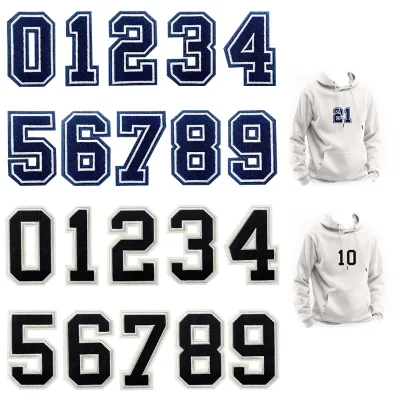
$0.1034 - $1.0135
MOQ: 100 pieces
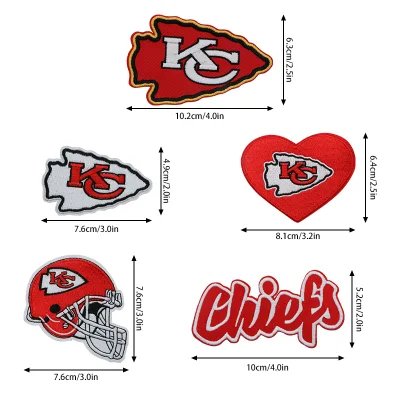
Hot Selling Cheap Price Baseball Sports Embroidered Team Logo Patch with Iron-on Backing Patches
$2.00 - $5.50
MOQ: 300 pieces
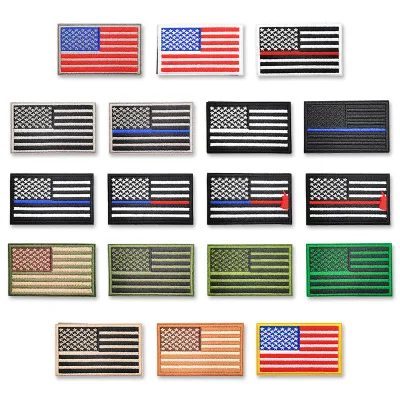
Dongguan B.Bontic Color Printing Co., Ltd.
- Verified by TüVRheinland
- Manufacturer, Trading Company
- Lead time10 days
- Avg. response≤ 1h
Main productsTextile Accessories, Heat Transfer Products, Printing And Packaging Products, Emobossed Leather Products, Menu Folder(Cover)
Main marketsNorth America(30%), Western Europe(30%), Eastern Asia(10%)
Shenzhen Awells Gift Co., Ltd.
- Verified by SGS Group
- Manufacturer, Trading Company
- Lead time10 days
- Avg. response≤ 3h
Main productsEmbroidery Patch, Soft PVC Patch, Woven Patch, Sublimation Printing Patch, Embroidery Key Chain
Main marketsNorth America(50%), Western Europe(38%), Eastern Europe(2%)
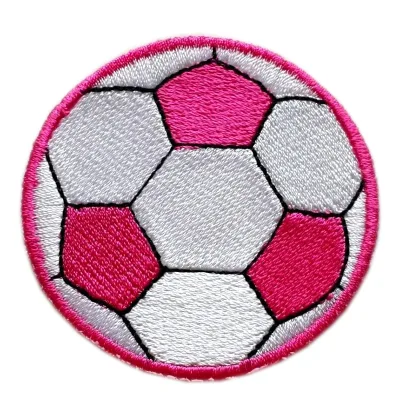
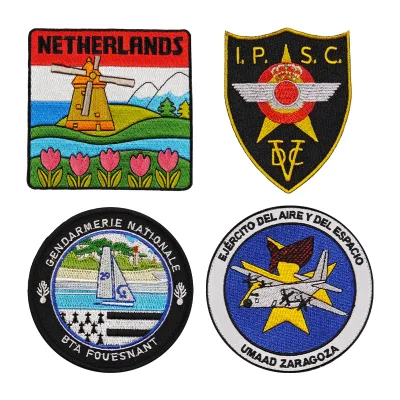
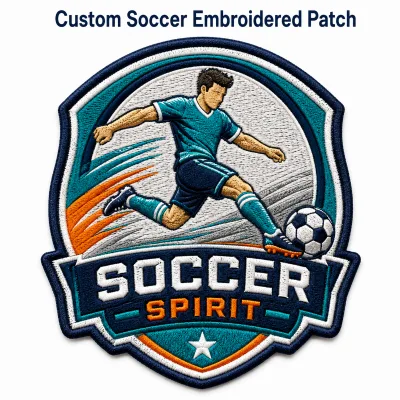
Vibrant Embroidered Soccer Patches for Team Jerseys and Fan Club Merchandise
$0.35 - $0.49
MOQ: 100 pieces
Dongguan Weicheng Clothing Accessories Co., Ltd.
- Verified by Intertek
- Manufacturer, Trading Company
- Lead time7 days
- Avg. response≤ 2h
Main productsTPU Heat Transfer Patch, Silicone Heat Transfer Patch, Embroidery Patch, Woven Patch, Tape & Ribbon
Main marketsDomestic Market(50%), Western Europe(25%), Eastern Asia(19%)
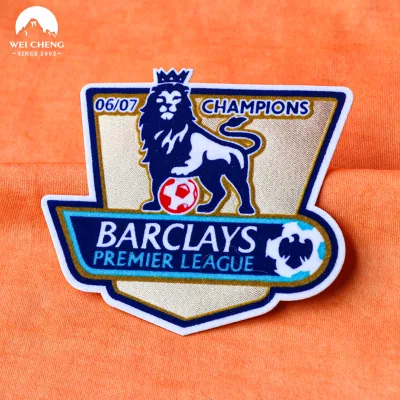
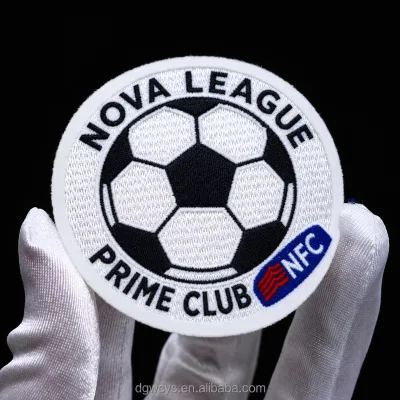
$0.259 - $0.4656
MOQ: 100 pieces
Zhongshan He Yang Craft Gifts Co., Ltd.
- Verified by SGS Group
- Manufacturer, Trading Company
- Lead time12 days
- Avg. response≤ 1h
Main productsEmbroidery patch, woven label patch, Chenille patch, Sequin patch, Clothing Label
Main marketsNorth America(25%), Western Europe(25%), Eastern Europe(9%)

SHENZHEN UNION BROTHER TECHNOLOGY CO., LTD.
- Verified by TUVRHEINLAND
- Combined
- China Guangdong
- Lead time15 days
- Avg. response≤ 8h
Main productsEmbroidery Patches, PVC Patches, Woven Patches, Clutch Bag, Evening Bag, Embroidered Patches
Main marketsSoutheast Asia/ Mideast,East Asia(Japan/ South Korea),Domestic,Europe,North America

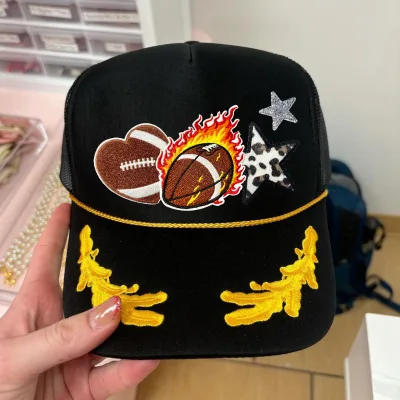
Flaming Soccer Ball Patch Embroidered Patches for Clothing Applique Patch Iron on Football
$0.55 - $1.10
MOQ: 100 Pieces

Flaming Soccer Ball Patch Embroidered Patches for Clothing Iron on Applique
$1.20 - $2.50
MOQ: 50 Pieces

Dongguan AQ PINS&GIFTS CO.,LTD
- Verified by BV
- Trading Company,Manufacturer/Factory
- China Guangdong
- Lead time23 days
- Avg. response≤ 6h
Main productsBadges/Lapel Pins/Coins/Medals, Keychain/Belt Buckle/Tie Bar/Cuff Link, Button/Button Badges/Embroidery & Woven Patches, Lanyard/Ribbon/Dog Leash, Silicone Bracelet/Smart Bracelet/Smart Watch, Bottle Opener/Dog Tag/Divot Tool/Hat Clip, Bag Tag/Bookmark/Paper Clip/Bag Hanger/Charm, Pendent/Trophy/Award/Metal Photo Frame, Soft PVC Wristbands/Keychain/Badge/Luggage Tag, Pen/Coaster/Fridge Magnet/Mini Fan
Main marketsSouth America,Eastern Europe,Mid East,North America,Southeast Asia,Eastern Asia,Oceania,Western Europe,Africa

Hand Made Custom Soccer Football Logo Cap Emblem Woven Patch Patch at Low Price Patch
$0.20 - $0.90
MOQ: 100 Pieces

Hand Made Custom Soccer Football Logo Cap Emblem Woven Patch Patch at Low Price Emblem
$0.20 - $0.90
MOQ: 100 Pieces
Dongguan Jia Dian Clothing Accessories Co., Ltd.
- Manufacturer, Trading Company
- Guangdong, China
- Lead time7 days
- Avg. response≤ 3h
Main productsSilicone patch,Luggage hanging decorations,silicone bracelet,Craft gift decorations,TPU patch
Main marketsEastern Europe(15.00%), Mid East(10.00%), Africa(10.00%), Southeast Asia(10.00%), North America(10.00%), South America(10.00%), Domestic Market(5.00%), South Asia(5.00%), Southern Europe(5.00%), Northern Europe(5.00%), Central America(5.00%), Western Europe(5.00%), Eastern Asia(5.00%), Oceania(5.00%)
Guangzhou fulfill garment accessories ltd
- Verified by Intertek
- Trading Company
- Guangdong, China
- Lead time15 days
- Avg. response≤ 2h
Main productsApparel & Garments, Knitted & Woven Fabric, Lace Trim Fabric, Garment Packaging Kit, Embroidered Patch
Main marketsMid East(46%), North America(20%), Africa(9%)

Quanzhou Xiaoye Trading Co., Ltd.
- Verified by CTI
- Trading Company
- China Fujian
- Lead time15 days
- Avg. response≤ 3h
Main productsShoe Charm, Custom Shoe Charm, Straw Topper, Custom Straw Topper, Refrigerator Magnet, Shoe Decorations, Key Chain, Custom Keychain, Crocs Charms, Jibitz Charms
Main marketsSouth America,Africa,Southeast Asia/ Mideast,East Asia(Japan/ South Korea),Domestic,Europe,Australia,North America

$0.13 - $0.73
MOQ: 100 Pieces

$0.13 - $0.73
MOQ: 100 Pieces


LIZHUO INTERNATIONAL CO., LTD.
- Verified by SGS
- Trading Company
- China Guangdong
- Lead time23 days
- Avg. response≤ 2h
Main productsEmbroidery Patch, Woven Label, Embroidery Lace, Hangtag, Printing Label, School Bag, Embroidery Fabric, String
Main marketsEast Asia(Japan/ South Korea)




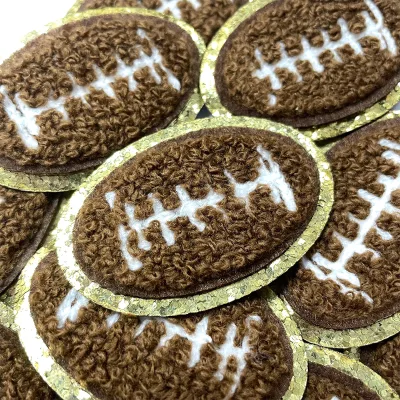
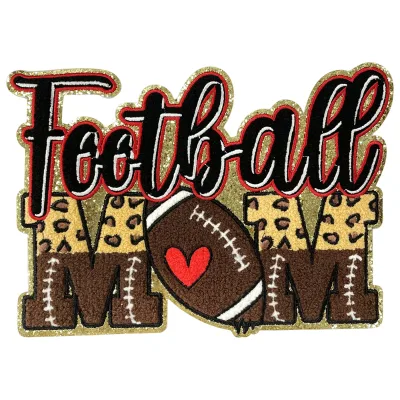
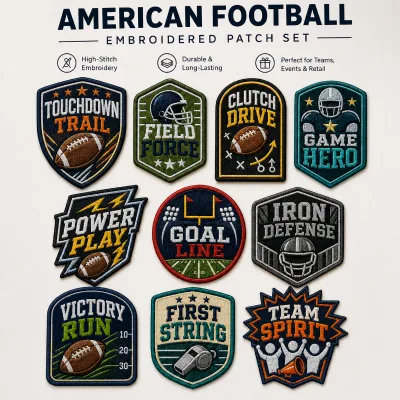
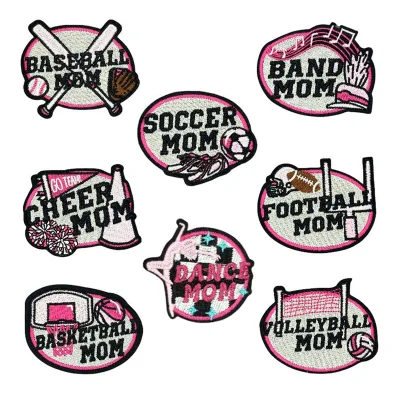




Comprehensive Sourcing Guide
Waterproof Customized Shape Football Patches Supplier Concentration and Factory Types
The current supplier landscape for Waterproof Customized Shape Football Patches reveals a distinct concentration of manufacturing and trading entities within specific industrial hubs. Evidence indicates that a significant portion of available suppliers are located in China, with Guangdong province emerging as a primary cluster for this type of garment accessory production. This geographic concentration is not accidental; it reflects a mature supply chain ecosystem where raw materials like polyester and specialized weaving or embroidery machinery are readily accessible. Buyers evaluating these suppliers will often encounter a mix of direct manufacturers and trading companies. The data shows that many listed entities identify themselves as trading companies, which can offer broader product ranges and simplified communication but may add a layer of margin to the final cost. Understanding this distinction is crucial for buyers who need to determine whether they are dealing with the actual factory floor or an intermediary. The presence of these trading companies does not necessarily diminish quality, but it does change the dynamics of direct communication regarding production adjustments. Buyers should be aware that while the location is confirmed as China, the specific city or industrial park is not always detailed in the initial search results, requiring further verification to pinpoint the exact manufacturing base. This concentration allows for efficient sourcing of high-volume orders, as suppliers in this region are accustomed to the logistics and export requirements associated with global apparel and sports gear markets. The density of suppliers in this region also fosters competition, which can drive down prices and improve service levels, provided the buyer knows how to navigate the selection process effectively.
In addition to geographic concentration, the types of companies operating in this space vary significantly in their operational focus. Some suppliers specialize exclusively in woven patches, while others offer a broader array of garment accessories including labels, ribbons, and keychains. This diversification can be advantageous for buyers looking to consolidate their sourcing needs under a single vendor. However, it also requires careful vetting to ensure that the supplier’s core competency aligns with the specific technical demands of waterproof customized patches. The evidence suggests that many suppliers offer customization options, including custom shapes, sizes, and logos, which are critical for football club branding. The ability to produce these intricate designs often depends on the supplier’s investment in advanced weaving or embroidery technology. Buyers should look for suppliers who explicitly state their customization capabilities and have a track record of producing similar items. The presence of verified suppliers, such as those certified by TÜV Rheinland or Bureau Veritas, adds a layer of trust regarding their operational standards and quality control processes. These certifications often indicate that the supplier has undergone rigorous audits, which can be a strong indicator of reliability. However, buyers should not rely solely on these badges; they must also examine the specific product details and supplier responses to ensure alignment with their project requirements. The mix of trading companies and manufacturers in this cluster provides buyers with flexibility, but it also necessitates a more thorough due diligence process to identify the most suitable partner for their specific needs.
How to Verify Waterproof Customized Shape Football Patches Suppliers
Verifying the legitimacy and capability of suppliers for Waterproof Customized Shape Football Patches requires a multi-layered approach that goes beyond simple profile reviews. One of the most critical steps is to examine the verification status provided by the platform. The data shows that some suppliers hold certifications from recognized third-party inspection agencies such as TÜV Rheinland and Bureau Veritas. These certifications are valuable indicators of a supplier’s commitment to quality management systems and ethical business practices. However, buyers should not assume that all suppliers are equally verified or that the verification covers all aspects of their operation. It is essential to check the scope of these certifications to ensure they include the specific manufacturing processes relevant to waterproof patches, such as material testing for water resistance and durability. Additionally, buyers should look for evidence of past performance, such as transaction history or customer reviews, which can provide insights into the supplier’s reliability and consistency. While the platform may display verification badges, these do not replace the need for direct communication and due diligence. Buyers should initiate contact with potential suppliers to ask specific questions about their production capabilities, quality control procedures, and experience with similar projects. This direct engagement can reveal much about the supplier’s professionalism and responsiveness, which are key indicators of a good partnership. Furthermore, buyers should request samples to physically assess the quality of the patches, including the waterproofing features and the precision of the customized shapes. This hands-on evaluation is crucial for ensuring that the supplier can meet the specific technical requirements of the project.
Another important aspect of verification is assessing the supplier’s communication and response times. The data indicates that response times can vary significantly among suppliers, with some responding within a few hours and others taking longer. A quick and professional response is often a good sign of a supplier’s efficiency and customer service orientation. Buyers should pay attention to how promptly and thoroughly suppliers answer their inquiries, as this can reflect their overall operational efficiency. Additionally, buyers should verify the supplier’s business license and registration details to ensure they are a legally operating entity. This can be done by requesting copies of relevant documents and cross-referencing them with official business registries. It is also advisable to check for any negative feedback or disputes associated with the supplier, which can be found in platform reviews or through independent background checks. Buyers should be cautious of suppliers who are unwilling to provide detailed information or who seem evasive in their responses. Transparency is a key indicator of a trustworthy supplier. Furthermore, buyers should consider the supplier’s production capacity and lead times to ensure they can meet the project’s deadlines. Suppliers with larger production facilities and more resources are often better equipped to handle large orders and tight schedules. However, buyers should also consider the potential risks of relying on a single supplier for a large order, such as production bottlenecks or quality inconsistencies. Diversifying the supplier base can mitigate these risks, but it requires careful management and coordination. By combining verification of credentials, assessment of communication, and evaluation of production capabilities, buyers can make informed decisions and select suppliers who are best suited to their needs.
What to Compare Across Waterproof Customized Shape Football Patches Suppliers
When evaluating multiple suppliers for Waterproof Customized Shape Football Patches, buyers must systematically compare key operational metrics to identify the most suitable partner. One of the primary factors to consider is the minimum order quantity (MOQ). The data shows that MOQs can vary, with some suppliers requiring as few as 50 pieces while others set the bar at 100 pieces or more. This variation is significant for buyers who are testing the market or have smaller initial orders. A lower MOQ can reduce upfront costs and inventory risks, making it easier to start a new product line. However, buyers should also consider the unit price, as lower MOQs often come with higher per-unit costs. Conversely, suppliers with higher MOQs may offer more competitive pricing, which can be beneficial for large-scale production runs. Buyers should calculate the total cost of ownership, including shipping and handling, to determine the true cost-effectiveness of each option. Another critical metric to compare is the lead time, which indicates how long it takes for the supplier to produce and deliver the order. The data reveals that lead times can range from 15 to 23 days, depending on the supplier’s current workload and production capacity. Shorter lead times are crucial for buyers who need to meet tight deadlines or respond quickly to market trends. However, buyers should also consider the reliability of the lead time, as delays can disrupt the entire supply chain. Suppliers with a track record of on-time delivery are generally more reliable, even if their stated lead times are slightly longer. Buyers should also compare the customization options available, such as the ability to produce specific shapes, colors, and materials. Some suppliers may offer more flexible customization options, which can be advantageous for unique design requirements. By systematically comparing these metrics, buyers can make data-driven decisions and select suppliers that best align with their project goals.
In addition to operational metrics, buyers should also compare the technical specifications and quality standards of the suppliers’ products. The data indicates that many suppliers offer patches made from polyester, with various weaving or embroidery techniques. Buyers should verify the material quality and ensure it meets their specific requirements for durability and water resistance. Some suppliers may offer additional features, such as 3D effects or eco-friendly materials, which can add value to the final product. Buyers should request detailed product specifications and test reports to verify these claims. Furthermore, buyers should compare the packaging and shipping options provided by each supplier. Proper packaging is essential to protect the patches during transit and prevent damage. Some suppliers may offer custom packaging solutions, which can enhance the brand image of the final product. Buyers should also consider the supplier’s customer service and support, including their willingness to provide samples, answer questions, and resolve issues. A supplier with excellent customer service can make the sourcing process smoother and more efficient. Additionally, buyers should compare the payment terms and financial security options offered by each supplier. Some suppliers may offer escrow services or other secure payment methods, which can protect the buyer’s funds until the order is completed and verified. By comparing these technical and commercial aspects, buyers can ensure they select a supplier who not only offers competitive pricing but also delivers high-quality products and reliable service. This comprehensive comparison helps mitigate risks and ensures a successful sourcing outcome.
Common Waterproof Customized Shape Football Patches Sourcing Risks
Sourcing Waterproof Customized Shape Football Patches from international suppliers involves several inherent risks that buyers must proactively manage to ensure a successful outcome. One of the most significant risks is quality inconsistency, particularly when dealing with custom designs and specialized materials. The complexity of producing waterproof patches with specific shapes and logos can lead to variations in quality if the supplier’s quality control processes are not robust. Buyers may receive batches of patches that do not meet the specified standards, resulting in delays and additional costs for rework or replacement. This risk is exacerbated when working with trading companies that may not have direct control over the manufacturing process. To mitigate this risk, buyers should establish clear quality specifications and conduct regular inspections during production. Requesting pre-shipment samples and conducting third-party inspections can also help ensure that the final product meets the required standards. Another common risk is communication breakdown, which can lead to misunderstandings about design details, material requirements, and delivery schedules. Language barriers and cultural differences can further complicate communication, making it essential for buyers to use clear and concise language and to confirm all details in writing. Buyers should also be aware of the risk of intellectual property infringement, especially when dealing with custom logos and designs. It is crucial to ensure that the supplier respects intellectual property rights and does not share or reproduce the designs without authorization. Implementing non-disclosure agreements (NDAs) and monitoring the supplier’s activities can help protect the buyer’s intellectual property. Additionally, buyers should be cautious of suppliers who offer prices that seem too good to be true, as this may indicate low-quality materials or hidden costs. By identifying and addressing these risks early in the sourcing process, buyers can minimize disruptions and ensure a smoother transaction.
Logistical risks are another critical concern when sourcing Waterproof Customized Shape Football Patches from overseas. Shipping delays, customs clearance issues, and damage during transit can all impact the timely delivery of the order. Buyers should work with suppliers who have experience in international shipping and who can provide reliable logistics solutions. Choosing the right shipping method and carrier is essential to ensure that the patches arrive in good condition and on time. Buyers should also consider the impact of currency fluctuations and trade policies on the final cost of the order. Changes in exchange rates or the imposition of tariffs can significantly affect the profitability of the sourcing project. To mitigate these financial risks, buyers can use hedging strategies or negotiate fixed-price contracts with their suppliers. Furthermore, buyers should be prepared for potential disruptions in the supply chain, such as raw material shortages or production bottlenecks. Having a backup supplier or maintaining a safety stock
FAQs
What is the minimum order quantity for custom football patches?
The minimum order quantity varies by supplier and product style. Some suppliers require a minimum of 50 pieces for standard woven patches, while others set the threshold at 100 pieces for specialized items like self-adhesive or embroidered badges. Buyers should verify the specific MOQ for their chosen design and material before placing an order.
How long does it take to receive custom football patches?
Production lead times typically range from 15 to 23 days depending on the supplier and order complexity. Sample preparation usually takes 5 to 7 days. Buyers should confirm the exact timeline with the supplier, as rush orders or complex customizations may extend the delivery period beyond the standard production window.
What materials are used for custom football patches?
Most custom football patches are manufactured using polyester material. The patches are typically produced using woven or embroidered techniques. Some variations may include PVC or silicone materials for specific designs. Buyers can request custom colors and shapes, ensuring the material aligns with their durability and aesthetic requirements for football apparel.
Are custom football patches eco-friendly?
Many available custom football patches are marketed as eco-friendly. Suppliers often highlight this feature alongside other attributes like being handmade or 3D. Buyers should verify the specific eco-friendly claims and certifications with the supplier to ensure the materials and production processes meet their sustainability standards and requirements.
What is the price range for custom football patches?
Prices for custom football patches generally range from $0.10 to $1.50 per piece. The cost depends on factors such as material, size, customization level, and order quantity. Lower prices are often associated with standard woven patches, while more complex designs or specialized materials may command higher prices within this range.
Can I get custom shapes for football patches?
Yes, custom shapes are widely available for football patches. Suppliers offer customization options for size, shape, and design to match specific team logos or club badges. Buyers can provide their own designs or work with the supplier to create unique shapes that fit their branding needs for football apparel and accessories.