Electric Gas Salt Washing Machine Suppliers and Manufacturers
Compare 20 verified suppliers offering electric gas salt washing machines with details on location, lead times, and certifications. Review product specifications like capacity and warranty before contacting vendors for quotes; review the available evidence before requesting comparable quotations from suitable candidates.
Suppliers List
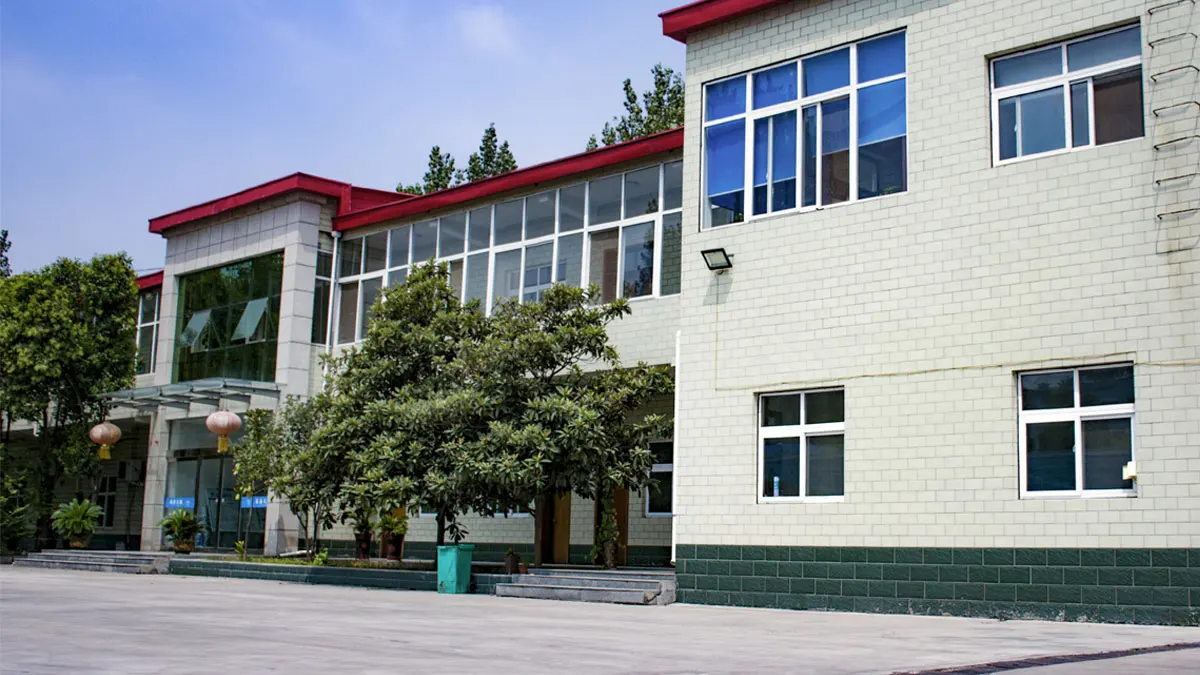
Henan Yonghan Mechanical Equipment Co., Ltd.
- Trading Company
- Henan, China
- Lead time0 days
- Avg. response≤ 3h
Main productsSalt plant machines,Crusher,Ball mill,Wet pan mill,Rotary dryer
Main marketsAfrica(30.0%), Western Europe(10.0%), South Asia(10.0%), Southern Europe(5.0%), Northern Europe(5.0%), Central America(5.0%), Domestic Market(5.0%), Eastern Asia(5.0%), Mid East(5.0%), South America(5.0%), North America(5.0%), Southeast Asia(5.0%), Oceania(4.0%), Eastern Europe(1.0%)
Antler Automation Equipment (Suzhou) Co., Ltd.
- Verified by SGS
- Combined
- China Jiangsu
- Lead time30 days
- Avg. response≤ 4h
Main productsFruit and Vegetable Processing Machine, Dairy Food Processing Machine, Herb Extraction and Concentration Machine, Sterilization Machine, Filling and Packing Machine
Main marketsAfrica,Domestic,Europe


Small Capacity Complete Industry Salt Processing Making Plant Salt Crushing Washing Machine
$148000.00 - $198000.00
Moq: 1

New Design 10tph Capacity Edible Salt Refinery Plant Equipment Salt Washing Machine
$148000.00 - $198000.00
Moq: 1

Qingdao Smad Electric Appliances Co., Ltd.
- Verified by BV
- Manufacturer/Factory
- China Shandong
- Lead time60 days
- Avg. response≤ 9h
Main productsRefrigerator, Freezer, Washing Machine, Air Conditioner, Dish Washer, Display Cooler, Microwave Oven, Water Dispenser, Wine Cooler, Clothes Dryer
Main marketsSouth America,Eastern Europe,Mid East,North America,Southeast Asia,Eastern Asia,Oceania,Western Europe,Africa
Rizhao Zhike International Trade Co., Ltd.
- Verified by SGS
- Combined
- China Shandong
- Lead time15 days
- Avg. response≤ 3h
Main marketsSouth America,Southeast Asia/ Mideast,Europe

Zhangjiagang Genyond Machinery Co., Ltd.
- Verified by CTI
- Combined
- China Jiangsu
- Lead time30 days
- Avg. response≤ 10h
Main productsEssential Oil Distiller, Solvent Extraction Machine, Milk Processing Machine, Fruit Vegetable Processing Machine, Nuts Processing Machine, Filling Machine, Packing Machine, Fish Meat Processing Machine, Snack Food Making Machine
Main marketsSouth America,Africa,Others(foreignTradeCapacity.exportBusinessCapacityMarketOther),Southeast Asia/ Mideast,East Asia(Japan/ South Korea),Domestic,Europe,Australia,North America
Shandong Huimin Lusheng Metal Products Co., LTD
- Verified by SGS
- Combined
- China Shandong
- Lead time30 days
- Avg. response≤ 6h
Main productsVibrating Screen, Vibrating Sieve, Stainless Steel Wire Mesh, Welded Mesh, Sieving Machine, Oscillating Screen, Linear Vibrating Screen, Banana Sieve, Polyurethane Screen
Main marketsDomestic


Mining Sand Washer Machine Bucket Wheel Sand Washing Machine Sand Washing Machinery
$6500.00 - $12500.00
Moq: 1


Feilong Home Electrical Group Co., Ltd.
- Verified by TUVRHEINLAND
- Combined
- China Zhejiang
- Lead time30 days
- Avg. response≤ 8h
Main productsTwin Tub Washing Machine, Top Loading Fully Automatic Washing Mach, Washing Machine, Freezer, Glass Door Freezer, Refrigerator, Mini Refrigerator, Chest Freezer, Semi Automatic Washing Machine, Upright Freezer
Main marketsEurope

Washing Machine with Dehydration Washing Machine Electric Stainless Steel 450W
$68.00 - $70.00
Moq: 400


Jiangsu Sunflower Machinery Co., Ltd.
- Combined
- China Jiangsu
- Lead time23 days
- Avg. response≤ 14h
Main productsWashing Machine, Laundry Machine, Laundry Equipment, Tumble Dryer, Washer Extractor, Industrial Washer, Flat Work Ironer, Ironing Machine, Steam Press, Folding Machine
Main marketsSouth America,Africa,Southeast Asia/ Mideast,East Asia(Japan/ South Korea),Domestic,Europe,Australia,North America

Zhucheng Tianshun Machinery Co., Ltd.
- Verified by TUVRHEINLAND
- Combined
- China Shandong
- Lead time15 days
- Avg. response≤ 8h
Main productsFood Machine, Frying Machine, Vacuum Packaging Machine, Vegetable Washing Machine, Drying Machine, Potato Chips Frying Machine, Fully Automatic Fried Pasta Machine, French Fries Frying Machine, Package Cleaning Machine, Blanching Machine
Main marketsSouth America,Europe

Kangde Electronic Technology (Guangdong) Co., LTD
- Verified by TUVRHEINLAND
- Combined
- China Guangdong
- Lead time30 days
- Avg. response≤ 3h
Main productsPlastic Injection Mould, Auto Plastic Parts, Electronic Plastic Parts, Mobile Phone Housing, Camera Housing, Remoter Housing, Loudspeaker Housing, Plastic Sheets, Smart Sweeper, Hardware
Main marketsEurope

Shanghai Genyond Technology Co., Ltd.
- Verified by CTI
- Combined
- China Shanghai
- Lead time30 days
- Avg. response≤ 10h
Main productsEssential Oil Machine, Drying Machine, Fruit Juice Machine, Fruit Jam Machine, Milk Machine, Fruit Chips Machine, Filling Packing Machine, Evaporator, Yogurt Machine, Ice Cream Machine
Main marketsSouth America,Africa,Others(foreignTradeCapacity.exportBusinessCapacityMarketOther),Southeast Asia/ Mideast,East Asia(Japan/ South Korea),Domestic,Europe,Australia,North America

Taizhou Haifeng Machinery Manufacturing Co., Ltd.
- Manufacturer/Factory
- China Jiangsu
- Lead time23 days
- Avg. response≤ 14h
Main productsLaundry Equipment, Tumble Dryer, Laundry Machine, Industrial Washing Machine, Spinner, Industrial Drying Machine, Washing and Dewatering Machine, Industrial Washing Equipment, Industrial Washer Extractor, Ironing Machine
Shandong Penglai Xiaoya Washing Equipment Co., Ltd
- Verified by SGS
- Combined
- China Shandong
- Lead time30 days
- Avg. response≤ 14h
Main productsFullly Automatic Washing Machine, Fullly Automatic Drying Machine, Fullly Automatic Washer-Extractor, Ironing Machine, Flat Ironing Machine, Dryer, Cleanroom Laundry, Folding Machine, Form Finisher
Main marketsSoutheast Asia/ Mideast,Domestic,Europe

Shanghai Huayi Washing Machinery Co., Ltd.
- Verified by SGS
- Combined
- China Shanghai
- Lead time30 days
- Avg. response≤ 4h
Main productsLaundry Equipment, Laundry Machine, Washer Extractor, Industrial Washing Machine, Flatwork Ironer, Laundry Folding Machine, Dry Cleaning Machine, Commercial Washing Machine, Coin Operated Washing Machine, Coin Washer Dryer
Main marketsAustralia

Taizhou Tongjiang Washing Machinery Factory
- Verified by BV
- Combined
- China Jiangsu
- Lead time30 days
- Avg. response≤ 2h
Main productsIndustrial Washing Machine, Hydro Extractor, Flatwork Ironer Machine, Washer Extractor, Tumble Dryer, Laundry Equipment, Drying Machine, Laundry Machine, Commercial Washing Machine, Washing and Dyeing Machine
Main marketsOthers(foreignTradeCapacity.exportBusinessCapacityMarketOther),Southeast Asia/ Mideast,Europe

- Verified by TUVRHEINLAND
- Manufacturer/Factory
- China Beijing
- Lead time60 days
- Avg. response≤ 5h
Main productsGlass Processing Machine, Glass Polishing Machine, Laminated Glass Machine, Glass Edging Machine, Glass Beveling Machine, Glass Washing Machine, Glass Drilling Machine, Glass Sandblasting Machine, Glass Laminating Machine, Glass Grinding Machine
Main marketsSouth America,Eastern Europe,Mid East,North America,Southeast Asia,Eastern Asia,Oceania,Western Europe,Africa

Taizhou Zhemei Electromachinery Co., Ltd.
- Verified by BV
- Combined
- China Zhejiang
- Lead time30 days
- Avg. response≤ 10h
Main productsPressure Washer
Main marketsEast Asia(Japan/ South Korea)
Shanghai Lijing Washing Machinery Manufacturing Co., Ltd.
- Verified by BV
- Combined
- China Shanghai
- Lead time23 days
- Avg. response≤ 4h
Main productsIntegrated Laundry System, Washer Extractor, Tumble Dryer, Flatwork Ironer, Folding Machine, Dry Cleaning Machine, Barrier Washer Extractor, Laundry Finishing Equipment, Jean Wash and Dyeing Machine, Univeral Press Machine
Main marketsAfrica
Zhengzhou Great Machinery Equipment Co., Ltd.
- Verified by TUVRHEINLAND
- Trading Company
- China Henan
- Lead time30 days
- Avg. response≤ 1h
Main productsSpray Dryer, Microwave Dryer, Drying Oven, Drum Flaker, Flash Dryer, Essential Oil Extractor, Fluid Bed Dryer, Boiling Granulator Dryer, Smoke Oven, Bubble Washing Machine
Main marketsAustralia

Shanghai Benyoud Machinery Group Co., Ltd.
- Trading Company,Manufacturer/Factory
- China Shanghai
- Lead time60 days
- Avg. response≤ 15h
Main productsJuice Production Line, Milk Production Line, Yogurt Processing Plant, Juice Evaporator, Cheese Production Machines, Pasteurizer, Fruit Processing Line, Fruit and Vegetable Processing Plant, Date Processing Line, Orange Processing Line
Main marketsSouth America,Eastern Europe,Mid East,North America,Southeast Asia,Eastern Asia,Oceania,Western Europe,Africa
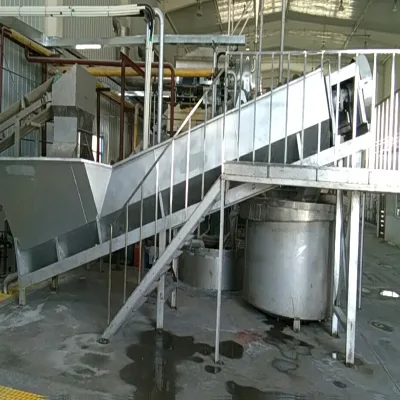
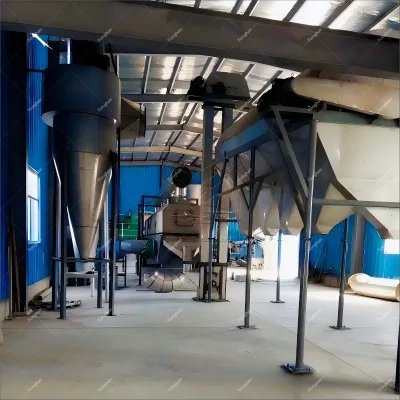
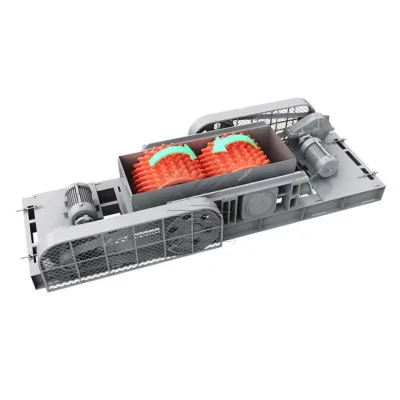


Comprehensive Sourcing Guide
Electric Gas Salt Washing Machine Supplier Concentration and Factory Types
Current data indicates a concentration of suppliers in Henan, China, where specific manufacturers list Salt plant machines, crushers, and ball mills as primary outputs. These entities often operate as trading companies, offering a range of equipment including wet pan mills and rotary dryers alongside salt washing solutions. The presence of these diverse machinery types suggests a specialized industrial cluster focused on mineral and food processing equipment. Buyers should verify if the specific supplier they engage is a direct manufacturer or a trading intermediary, as this distinction impacts direct communication and technical support capabilities.
Another cluster is identified in Jiangsu, China, where suppliers focus on fruit and vegetable processing, dairy machines, and sterilization equipment. These suppliers often hold combined company types and may offer salt washing machines as part of a broader food processing portfolio. Verification of their specific salt equipment capabilities is essential, as their core expertise might differ from dedicated salt machinery producers. The response times in these regions vary, with some suppliers showing a response time of three days, while others in the Jiangsu cluster report slightly longer intervals. Understanding the specific factory type and location helps buyers align their sourcing strategy with the appropriate supply chain depth and technical specialization.
How to Verify Electric Gas Salt Washing Machine Suppliers
Verification begins with checking system certifications such as 2006/42/EC, which indicates compliance with specific machinery safety directives. Some suppliers provide machinery test reports and video outgoing-inspection services, offering tangible proof of equipment functionality before shipment. Buyers must confirm if these reports are current and specific to the model being purchased, rather than generic documents. The presence of a verified status, such as SGS verification, adds a layer of credibility, but it should be cross-referenced with the specific product details to ensure the certification covers the exact machinery configuration required for the buyer's operation.
Establishment years and response times are critical indicators of supplier stability and reliability. While some data points show a response time of three days, others indicate nearly four days, which can impact project timelines. Buyers should request proof of establishment and ask for references from previous clients in the salt processing sector. It is also vital to verify the warranty terms, as some suppliers offer a one-year warranty on core components like motors and gears. Confirming the availability of spare parts and the supplier's ability to provide technical support during the warranty period ensures long-term operational continuity and reduces the risk of equipment downtime.
What to Compare Across Electric Gas Salt Washing Machine Suppliers
Comparing suppliers requires a detailed analysis of lead times, which can range from zero days to thirty days depending on the manufacturer's current production schedule. A supplier with a zero-day lead time might indicate a ready-to-ship inventory, whereas a thirty-day lead time suggests a custom manufacturing process. Buyers must also evaluate the minimum order quantity (MOQ), as some suppliers accept single items while others may have higher thresholds. The price range varies significantly, with some units listed around $3,000 and others exceeding $145,000, reflecting differences in capacity, automation levels, and material quality.
Capacity and power specifications are equally important for matching equipment to production needs. Some machines offer a capacity of 5,000 kg/h, while others provide 10 tons per hour or even 100 tons per day. The power consumption, such as 1.5KW or 99W, and voltage requirements like 380V, must align with the buyer's facility infrastructure. Additionally, the material composition, often stainless steel, and the type of drying fuel, whether electric or gas, should be compared to ensure compatibility with the buyer's energy sources and hygiene standards. These technical parameters directly influence the efficiency and cost-effectiveness of the salt washing process.
Common Electric Gas Salt Washing Machine Sourcing Risks
One significant risk involves the discrepancy between advertised specifications and actual performance, particularly regarding capacity and material durability. While some listings claim a capacity of 50 tons per day, others specify 5 tons per hour, and buyers must verify these figures against independent test reports. The use of stainless steel is common, but the grade and thickness can vary, affecting the machine's lifespan and resistance to corrosion in harsh salt environments. Without a verified machinery test report, buyers risk purchasing equipment that fails to meet the required throughput or hygiene standards, leading to costly replacements and production delays.
Another risk is the variability in warranty coverage and after-sales support. While a one-year warranty is frequently cited, the scope of coverage for core components like motors, gears, and pumps may differ between suppliers. Some suppliers offer turnkey solutions with high automation, while others provide basic manual or semi-automatic units. Buyers must clarify what is included in the warranty, such as labor costs for repairs or the availability of replacement parts. Failure to secure comprehensive support can result in extended downtime if the equipment malfunctions, especially in remote locations where local technical expertise is scarce.
Electric Gas Salt Washing Machine Regional Sourcing and Logistics
Sourcing from Henan, China, offers access to a dense network of machinery manufacturers specializing in salt processing equipment. The logistics from this region are well-established, with suppliers often providing detailed dimensions and weight specifications, such as 7000x2000x2200 mm and 15,000 kg, to facilitate accurate freight planning. Buyers should confirm the packaging type, which is often a wooden case, to ensure the equipment arrives without damage during transit. The proximity of these suppliers to major shipping ports can reduce lead times and shipping costs, making it a strategic choice for buyers seeking efficient delivery.
In contrast, sourcing from Jiangsu, China, involves suppliers with a broader focus on food processing machinery, which may offer more integrated solutions for diverse production lines. The logistics from this region are also robust, but buyers must verify the specific shipping terms and any additional costs associated with exporting specialized food-grade equipment. The response times in this region can be slightly longer, potentially affecting the speed of order processing. Buyers should assess the total landed cost, including freight, insurance, and customs duties, to ensure the regional choice aligns with their budget and timeline constraints.
Electric Gas Salt Washing Machine Commercial Terms and Order Planning
Commercial terms often include specific payment structures and delivery conditions that must be clearly defined before placing an order. Some suppliers offer flexible payment options, while others may require full payment upfront or a significant deposit. The lead time, ranging from zero to thirty days, should be factored into the overall project schedule to avoid delays. Buyers must also consider the MOQ, which can be as low as one set, allowing for smaller initial investments, or higher for bulk orders. Understanding these terms helps in planning the cash flow and ensuring that the order aligns with the buyer's financial capabilities.
Order planning should also account for the customization options available, such as automatic control types and specific voltage requirements. Suppliers may offer customized solutions to meet unique production needs, but this can extend the lead time and increase costs. Buyers should verify the availability of customization services and the associated timeline for design and manufacturing. Additionally, the warranty period and the scope of support for core components must be clearly outlined in the contract. Proper planning ensures that the equipment meets the buyer's operational requirements and that any potential issues are addressed promptly through the agreed-upon commercial terms.
FAQs
What is the price range for salt washing machines?
Prices for salt washing machines vary significantly based on capacity and features. Some units start around 3,000 dollars, while others reach 145,000 dollars. Specific models like the Salt Making Line are priced at 10,000 dollars. Buyers should verify exact costs for their required capacity before ordering.
Where are these salt processing machines manufactured?
Most salt washing machines originate from Henan, China, with some units coming from Jiangsu, China. The place of origin is consistently listed as China for these industrial machines. Buyers should confirm the specific factory location to ensure logistics compatibility and verify the manufacturing standards of the facility.
What is the minimum order quantity for these machines?
The minimum order quantity for most salt washing machines is one single item or one set. This allows buyers to purchase a single unit for testing or small-scale operations. However, specific bulk pricing or custom configurations might require different terms, so checking the specific product listing is essential.
How long does it take to receive these machines?
Lead times vary by supplier, with some listing zero days while others require up to 30 days. The response time for inquiries is typically around three days. Buyers should confirm the specific delivery schedule with the supplier to plan their production timeline accurately and avoid potential delays in their operations.
What certifications do these salt machines hold?
Many machines carry certifications such as ISO 9001, CE, and 2006/42/EC compliance. Some suppliers also provide machinery test reports and video outgoing inspections. Buyers should request these documents to verify that the equipment meets international safety and quality standards before finalizing any purchase agreement.
What materials are used to build these machines?
These machines are primarily constructed from stainless steel, including 304 and 316 grades. The core components often include motors, gears, and PLCs for automation. Buyers should verify the specific material grade required for their salt type to ensure corrosion resistance and long-term durability in harsh processing environments.
What is the production capacity of these machines?
Capacities range widely from 5 tons per hour to 100 tons per day depending on the model. Some units handle 50 tons per day, while others process 10 to 20 tons per hour. Buyers must select a machine that matches their specific daily output requirements to ensure efficient processing and optimal resource utilization.