Euro 5 Logistics Tractor Truck Suppliers and Manufacturers
Explore 28 verified options for Euro 5 Logistics Tractor Truck from Shandong and Guangxi factories. Compare response times, lead times, certifications, and load capacities to find the right partner. Contact suppliers directly to request quotes; review the available evidence before requesting comparable quotations from suitable candidates.
Updated
Suppliers List

QIANDA(SHANDONG) AUTOBILES SERVICES CO., LTD.
- Verified by CTI
- Trading Company,Manufacturer/Factory
- China Shandong
- Lead time15 days
- Avg. response≤ 10h
Main productsSemi Trailer, Tractor Truck, Dump Truck, CNG Traction Truck, Trailer, Tipper Truck, HOWO Truck, FAW Truck, Shacman Trucks, Sitrak Truck
Main marketsSouth America,Eastern Europe,Mid East,North America,Southeast Asia,Eastern Asia,Oceania,Western Europe,Africa

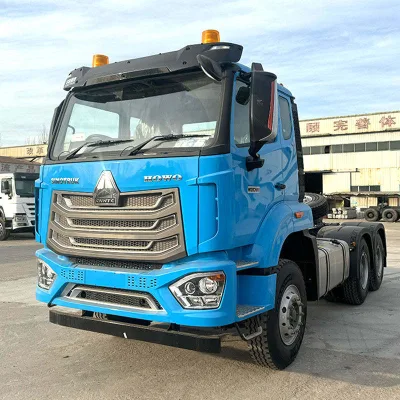
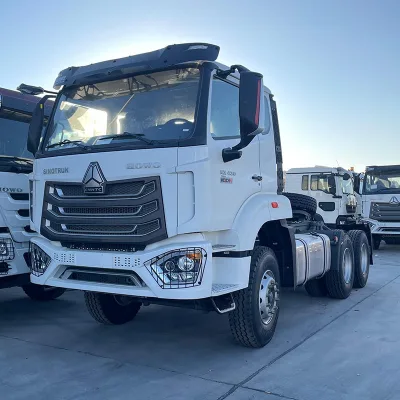
Euro 5 Tractor Head for Modern Logistics Transportation Tractor Truck
$7999.00 - $11999.00
MOQ: 1 Sets

Euro 3 Diesel Tractor Truck Heavy Duty Structure for Freight Logistics
$7999.00 - $11999.00
MOQ: 1 Sets


Dongfeng Liuzhou Motor Co., Ltd.
- Verified by SGS
- Combined
- China Guangxi
- Lead time30 days
- Avg. response≤ 4h
Main productsCars Engines and Auto Parts
Main marketsSouth America,Others(foreignTradeCapacity.exportBusinessCapacityMarketOther),North America

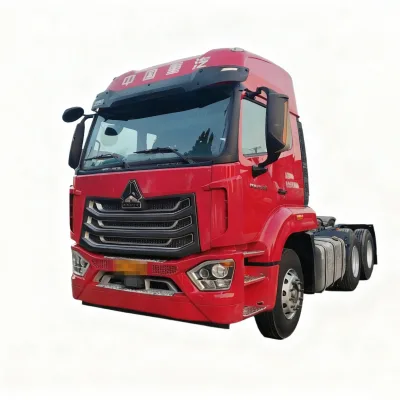
Automatic Logistics Transportation 4X2 Tractor Truck with Euro 5 Emission
$67574.56 - $73717.70
MOQ: 1 units

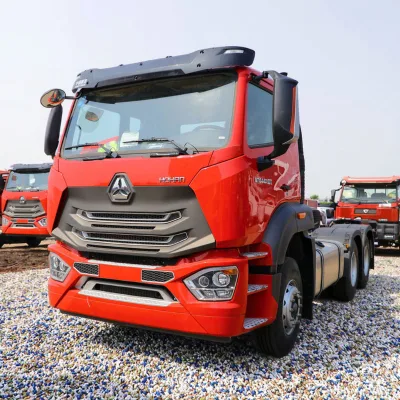
Efficient Logistics 6X4 Tractor for Streamlined Transportation Needs
$66000.00 - $70000.00
MOQ: 1 units

Shandong Ant Automobile Technology Co., LTD.
- Verified by BV
- Trading Company
- China Shandong
- Lead time30 days
- Avg. response≤ 4h
Main productsDump Trucks, Tractor Trucks, Tipper Trucks, Concrete Mixer Trucks, Concrete Pump Trucks, Used Trucks, Loaders, Excavators, Bulldozers, Semi-Trailer
Main marketsSouth America,Africa,Southeast Asia/ Mideast,East Asia(Japan/ South Korea),North America


High Quality Euro 6 Heavy Duty Tractor Truck with Manual Transmission
$28000.00 - $29980.00
MOQ: 1 Pieces

Global Machinery Hub Co., Ltd.
- Verified by CTI
- Trading Company
- China Shanghai
- Lead time15 days
- Avg. response≤ 5h
Main productsCar, New Energy Car, Used Car
Main marketsDomestic

- Manufacturer, Trading Company
- Shandong, China
- Lead time15 days
- Avg. response≤ 3h
Main productsSkeleton Semi Trailer, Flatbed Semi-trailer, Low-bed Semi-trailer, Dump Trailer, Oil Tanker Semi-trailer, Bulk Cement Tank Semi-trailer
Main marketsDomestic Market(50.00%), Africa(25.00%), Southeast Asia(25.00%)

Shandong Tianhaixing International Trade Co., Ltd
- Verified by SGS
- Trading Company
- China Shandong
- Lead time30 days
- Avg. response≤ 4h
Main productsDumper Truck, Heavy Truck, Tanker, Tipper, Trailer Truck, Mixer Truck, Dump Truck, Semi Trailer, Used Trucks, Tractor Truck
Main marketsEurope
Faw Trucks International Co., Ltd.
- Verified by TüVRheinland
- Manufacturer, Trading Company
- Lead time0 days
- Avg. response≤ 1h
Main productsTruck
Main marketsAfrica(30%), South America(25%), Southeast Asia(15%)
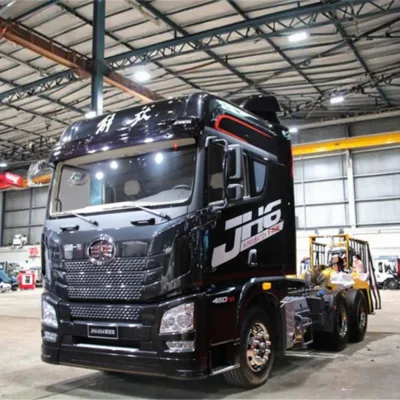
$31800.00 - $33800.00
MOQ: 1 units
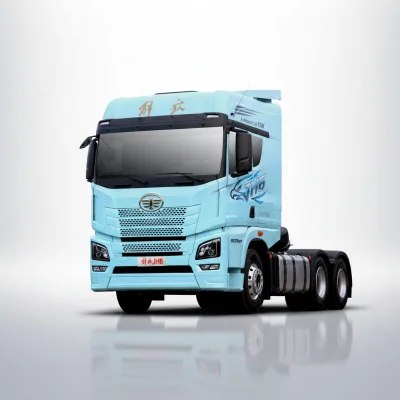
High Load Capacity 6x4 Left Steering 10Wheel 550HP Euro 2 Tractor Trucks
$44800.00 - $45800.00
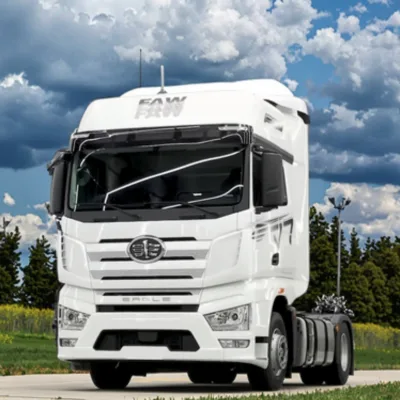
High Quality Euro 5 Euro 6 Vehicle 560hp Good Truck Trailers Tractor with Fast Gear Box for Sale
$58900.00 - $59900.00
MOQ: 1 units
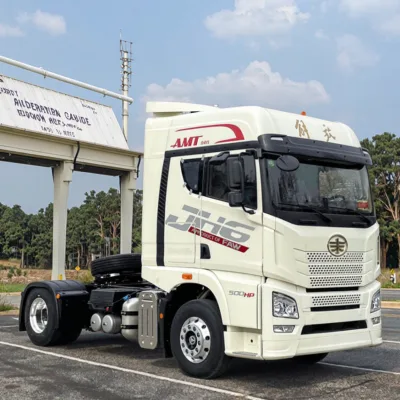
$36800.00 - $39800.00
MOQ: 1 units
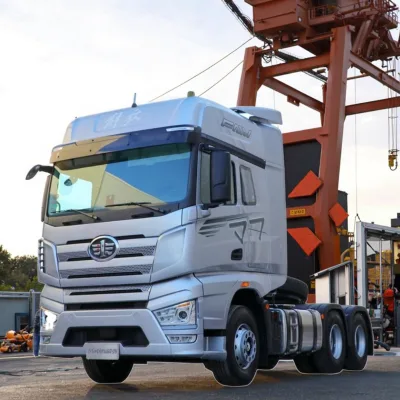
Best Price Heavy Duty Fawde 6X4 Tractor Truck 10 Wheels 450HP Rear Light Truck
$15800.00 - $18800.00
MOQ: 1
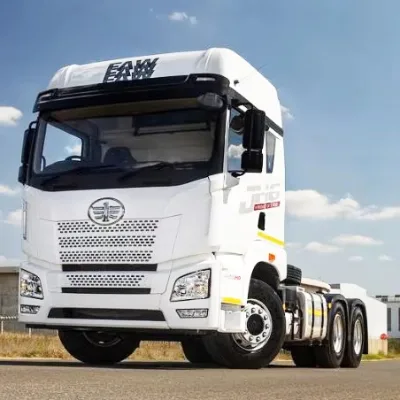
Camc International Trading Co., Ltd.
- Verified by Intertek
- Trading Company
- Anhui, China
- Lead time35 days
- Avg. response≤ 3h
Main productsDiesel Truck, Electric Truck, Engine, Charging Pile, Compressor
Main marketsSouth America(40%), Mid East(20%), Eastern Asia(20%)
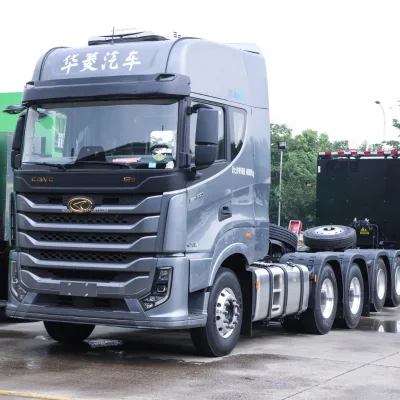
$46681.00 - $55870.00
MOQ: 1 units
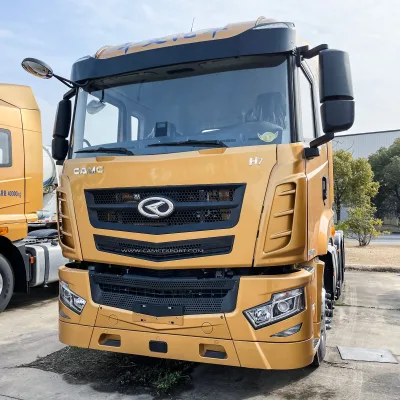
Used Truck with Crane 6 * 4 Heavy Duty High Efficiency Tractor for Port Transportation
$35960.7843 - $41098.0392
MOQ: 1 units
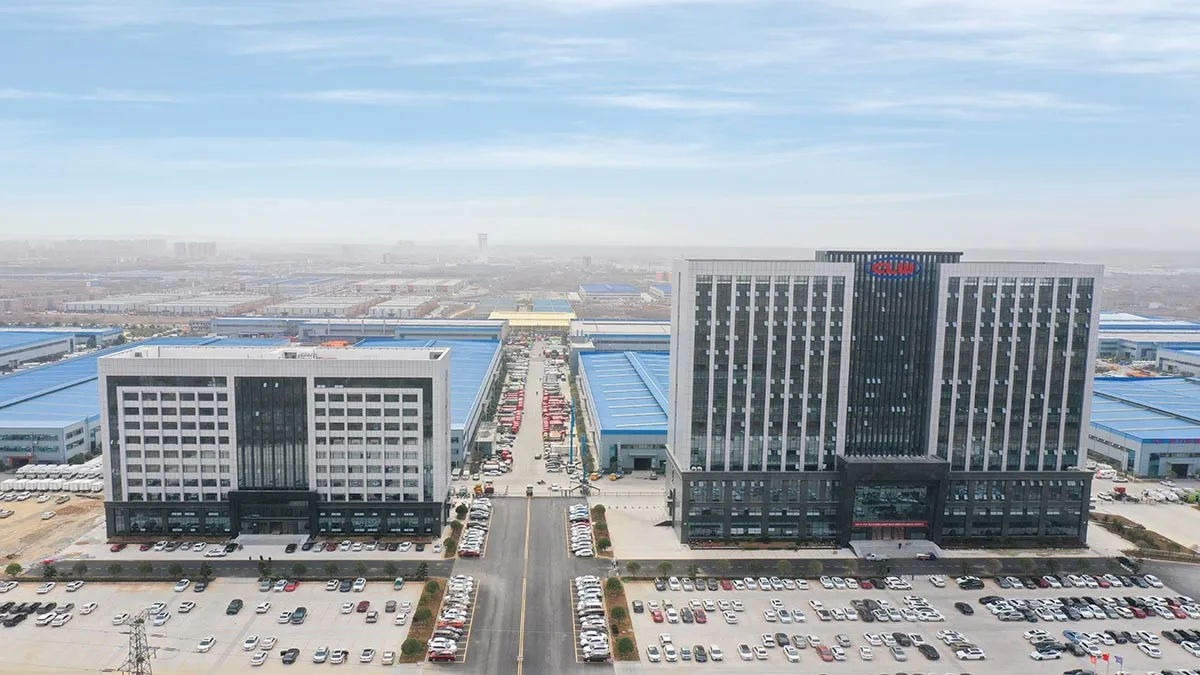
Hubei Feng Yuan Special Automobile Co., Ltd.
- Manufacturer, Trading Company
- Hubei, China
- Lead time0 days
- Avg. response≤ 4h
Main productsgarbage truck,water tank truck,sweeper truck,sewage suction truck,dump truck
Main marketsAfrica(40.00%), Southeast Asia(20.00%), South Asia(10.00%), Eastern Asia(10.00%), Mid East(10.00%), North America(10.00%)

Shandong Minghang International Trade Co., Ltd
- Verified by SGS
- Trading Company
- China Shandong
- Lead time23 days
- Avg. response≤ 3h
Main productsDump Truck, Tractor Truck, Concrete Mixer Truck, Trailer, Used Dump Truck, Trailer Parts, Pickup Truck, Excavator, Forklift, Ore Car
Main marketsOthers(foreignTradeCapacity.exportBusinessCapacityMarketOther),Europe

High Efficiency FAW J7 560HP 6×4 Euro 6 Tractor Truck for Logistics
$29500.00 - $30000.00
MOQ: 1 Pieces

Zhengzhou Hongyang Automobile Sales Service Co., Ltd.
- Verified by SGS Group
- Trading Company
- Lead time35 days
- Avg. response≤ 4h
Main productsTractor, Dumper, Special vehicle, Mining equipment, Spare parts
Main marketsSouth America(90%), Mid East(10%)
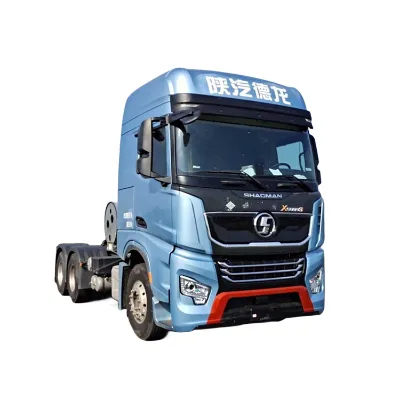
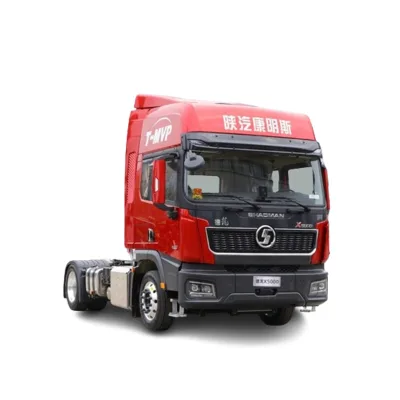
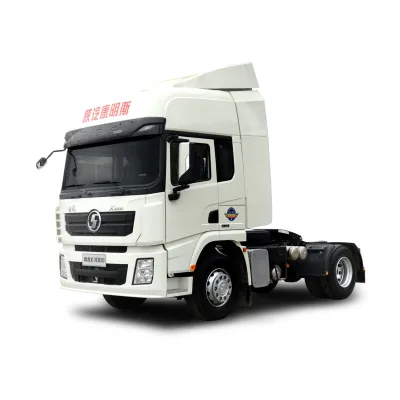
Auman Tractor Truck Euro 6 New
$38000.00
Jinan Enying Automotive Parts Manufacturing Co., Ltd.
- Verified by Intertek
- Trading Company
- Lead time20 days
- Avg. response≤ 2h
Main productsTruck fuel tank, RC model parts, Linear actuators, Tilt rotators, Truck lights
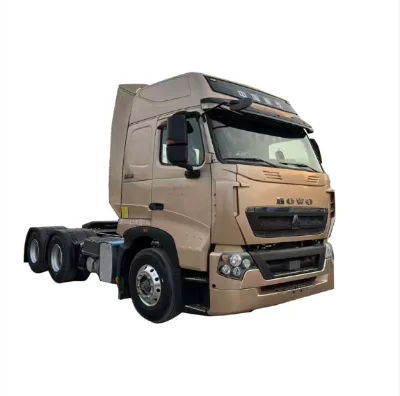
$22681.9751 - $28867.9684
MOQ: 1 pieces
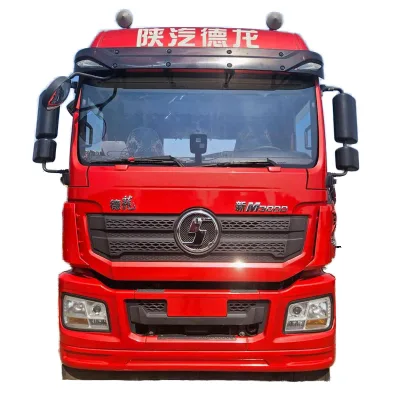
$22000.00 - $24000.00
MOQ: 1 pieces

Shandong Ant Heavy Truck Automobile Co., Ltd
- Verified by TUVRHEINLAND
- Trading Company
- China Shandong
- Lead time15 days
- Avg. response≤ 3h
Main productsDump Truck, Tractor Truck, Concrete Mixer Truck, Concrete Pump Truck, Semi-Trailer
Main marketsSouth America,Africa,Southeast Asia/ Mideast


Versatile Heavy-Duty Transport Truck Euro 5 HOWO Tractor Truck for Sale
$18000.00 - $25000.00
MOQ: 1 Pieces


Reliable Euro 5 HOWO 6X4 Delivery Tractor Truck for Your Business Needs
$18000.00 - $25000.00
MOQ: 1 Pieces
Shandong Elephant Special Vehicle Co., Ltd.
- Verified by Intertek
- Trading Company
- Lead time7 days
- Avg. response≤ 3h
Main productsDump Truck, Tractor Truck, Tank Truck, Construction Machinery, Trailer
Main marketsAfrica(25%), South Asia(15%), Eastern Europe(10%)

Jinan Transtruk Manufacturing Co., Ltd.
- Verified by BV
- Trading Company
- China Shandong
- Lead time15 days
- Avg. response≤ 5h
Main productsTractor Truck, Dump Truck, Crane Truck, Lowbed Trailer, Light Truck, Flatbed Trailer, Fule Tank Trailer, Fence Trailer, Dump Trailer, Water Tank Trailer
Main marketsSouth America,Africa,Southeast Asia/ Mideast
Shandong Camel Truck Co., Ltd.
- Verified by SGS Group
- Trading Company
- Lead time15 days
- Avg. response≤ 4h
Main productsTrucks, Trailers, Bus, Auto and Trailer Accessories, Engineering Machinery
Main marketsAfrica(60%), Mid East(20%), South America(10%)

Lupeng (Shandong) Supply Chain Co., Ltd.
- Verified by SGS
- Trading Company
- China Shandong
- Lead time30 days
- Avg. response≤ 3h
Main productsDump Truck, Tractor Truck, Low Bed Semi Trailer, Side Curtain Semi Trailer, Car Carrier Trailer, Loader, Excavator
Main marketsAfrica

Shandong Chengda Auto Sales Co., Ltd.
- Verified by BV
- Combined
- China Shandong
- Lead time30 days
- Avg. response≤ 15h
Main productsContainer Trailer, Flatbed Trailer, Lowbed Semi Trailer, Fuel Tanker Semi Trailer, Bulk Cement Semi Trailer, Dump Semi Trailer, Tractor Truck, Dump Truck, Fuel Tanker Truck, Water Tanker Truck
Main marketsAfrica,Southeast Asia/ Mideast,North America

SHANDONG ANT TRUCK MANUFACTURING CO., LTD
- Verified by SGS
- Trading Company
- China Shandong
- Lead time15 days
- Avg. response≤ 2h
Main productsUsed Truck, Dump Truck, HOWO Truck, Tractor Head, Tractor Truck, Dumper Truck, Mixer Truck, Sinotruck, HOWO
Main marketsSouth America,Others(foreignTradeCapacity.exportBusinessCapacityMarketOther)

Jining Huahang Vehicle Co., Ltd.
- Verified by SGS
- Trading Company
- China Shandong
- Lead time15 days
- Avg. response≤ 1h
Main productsTruck, Dump Truck, Semi Trailer, Special Vehicle
Main marketsDomestic
Shandong Chengda Auto Sales Co., Ltd.
- Manufacturer, Trading Company
- Lead time旺季: "1 - 1":20,"2 - 2":25,"> 2":"To be negotiated", 淡季: "1 - 1":20,"2 - 2":25,"> 2":"To be negotiated"
- Avg. response≤ 3h
Main productsFlat Bed Trailer, Low Bed Trailer, Dump Truck, Truck Head, Fuel Tank Trailer
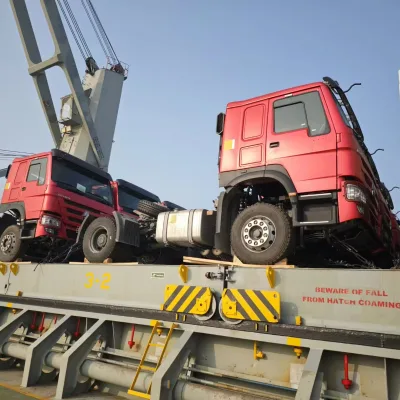
Cheap Price 4x2 Tractor Truck for Africa
$1800.00 - $1820.00
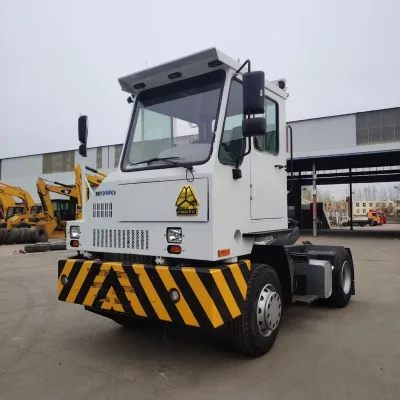
New and Used Sinotruk Terminal Tractor Special Vehicle Export
$3000.00 - $8000.00
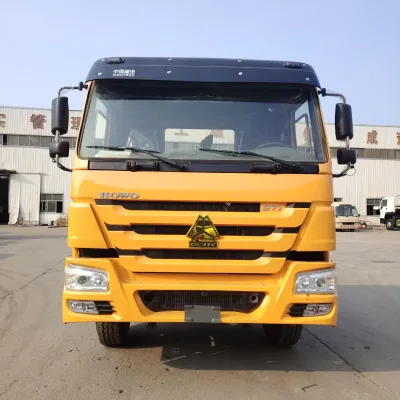
Used High Quality 6*4 10 Wheels 50 Tons Head Truck Tractor Truck for Sale
$2500.00 - $2800.00
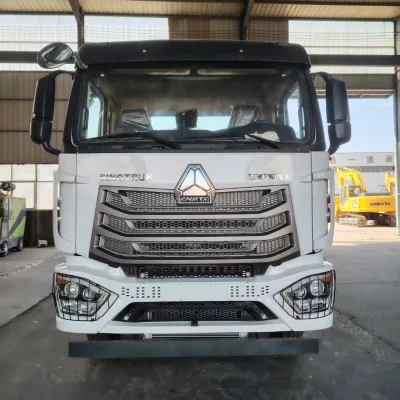
Cheap Price Heavy-duty Truck Tractor 6x4 371hp Road Transport Vehicle Used Tractor
$4661.9275 - $5179.9194
MOQ: 1 units
Evangel Industrial (Shanghai) Co., Ltd.
- Trading Company
- Lead time旺季: "1 - 1":31,"2 - 10":32,"> 10":"To be negotiated", 淡季: "1 - 1":31,"2 - 10":32,"> 10":"To be negotiated"
- Avg. response≤ 3h
Main productsConcrete Pumps, Bulldozers, Excavator, Loaders, Road Roller
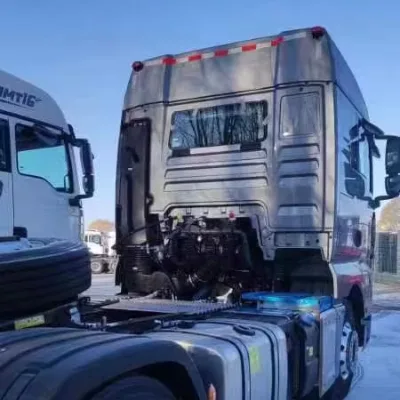
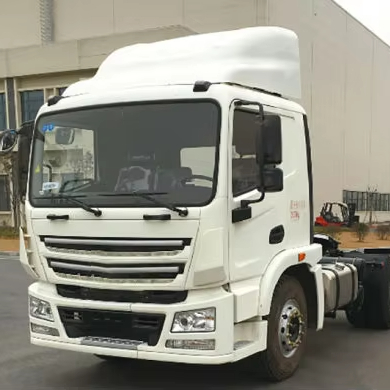
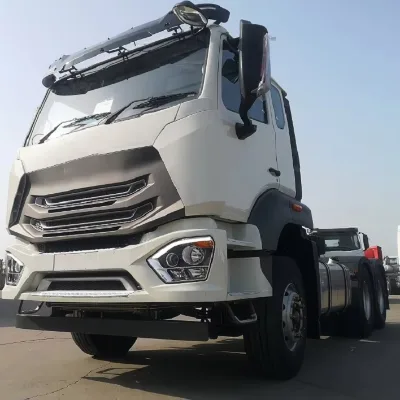
China Best Selling Howo 6*4 High Quality Right Steering Tractor Truck in Algeria
$24000.00 - $25500.00
MOQ: 1

Shandong Global Diamond Automobile Technology Co., Ltd
- Trading Company
- China Shandong
- Lead time0 days
- Avg. response≤ 14h
Main productsTruck, Semi Trailer, Trailer, Used Truck, Construction Machinery, Bulldozer, Excavator, Loader, Crane, Dump Truck

Used 12 Wheel 460HP Euro 6 Tractor Truck Well-Maintained with Service History
$20000.00 - $50000.00
MOQ: 1 Pieces


6X4 Euro 2 Tractor Truck 1-Year Warranty with Manual/Automatic Gearbox Options
$36000.00 - $38500.00
MOQ: 1 Pieces

Customizable 6X4 or 8X4 Tractor Truck 371-400HP ABS Euro 2/3 Emission Standards
$10000.00 - $40000.00
MOQ: 1 Pieces
Shandong Chengda Machinery Co., Ltd.
- Manufacturer, Trading Company
- Lead time旺季: "1 - 1":10,"2 - 5":20,"6 - 10":30,"> 10":"To be negotiated", 淡季: "1 - 1":10,"2 - 5":20,"6 - 10":30,"> 10":"To be negotiated"
- Avg. response≤ 3h
Main productsFlat Bed Trailer, Dump Truck, Wheel Loader, Excavator, Forklift
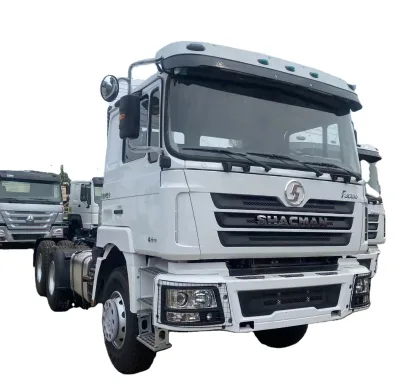
Heavy Duty Schman Used F3000 Tractor Truck 6x4 Trailer Head Tractor Truckfor Sale
$1100.00 - $1400.00
MOQ: 1 units
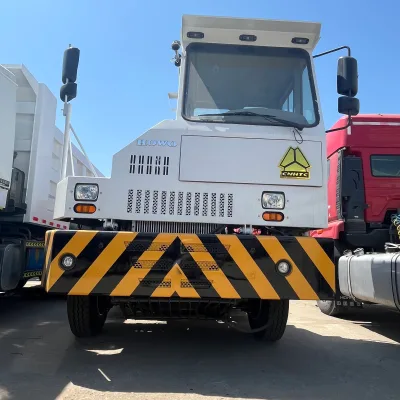

QINGDAO HETANCH TRUCK CO., LTD.
- Verified by BV
- Trading Company,Manufacturer/Factory
- China Shandong
- Lead time38 days
- Avg. response≤ 4h
Main productsTruck, Semi Trailer, Garbage Truck, Dump Truck, Concrete Mixer Truck, Tractor Truck, Cargo Truck, Tipper Truck, Wrecker Truck, Tank Trailer
Main marketsSouth America,Mid East,Southeast Asia,Oceania,Africa
Hengrong Overseas (Shandong) International Trading Co., Ltd.
- Verified by TüVRheinland
- Manufacturer, Trading Company
- Shandong, China
- Lead time3 days
- Avg. response≤ 5h
Main productsUsed Trucks, Used Special Vehicle, Used Dump Truck, Used Construction Machinery, Used Truck Tractor Head
Main marketsMid East(45%), Africa(40%), Southeast Asia(5%)
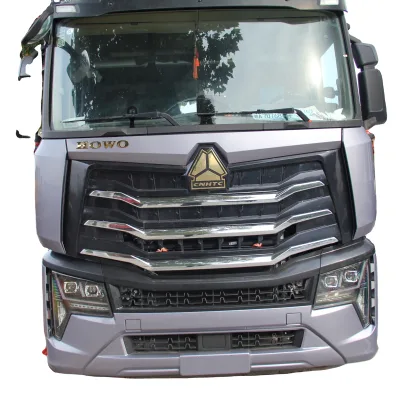
$7001.1217 - $10294.7388
MOQ: 1 units
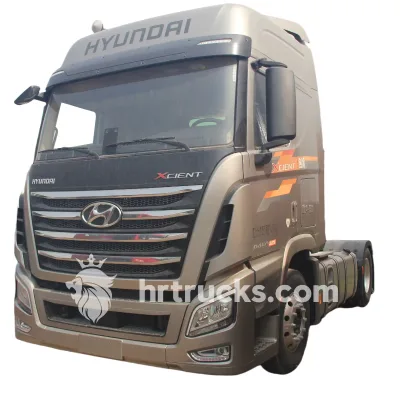
Trailer Head Truck 6x4 440hp Used Truck Tractor
$11000.00 - $12000.00
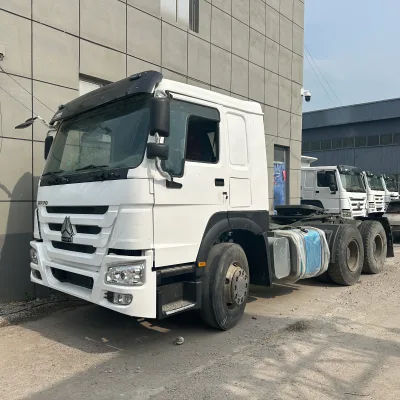
Jinan Chengjin Vehicle Sales Co., Ltd.
- Verified by TüVRheinland
- Trading Company
- Lead time30 days
- Avg. response≤ 2h
Main productsTruck, Trailer, Truck Spare Parts, Construction Machinery, Construction Machinery Parts
Main marketsAfrica(70%), South America(10%), Mid East(5%)
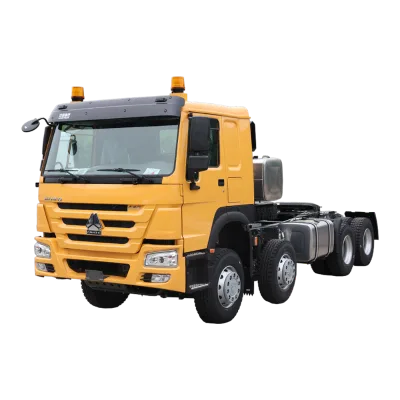
Tractor Truck SINOTRUK Howo A7 420 Hp 8x4 Cargo Truck Prime Mover Tractor Truck
$35000.00
MOQ: 1 units
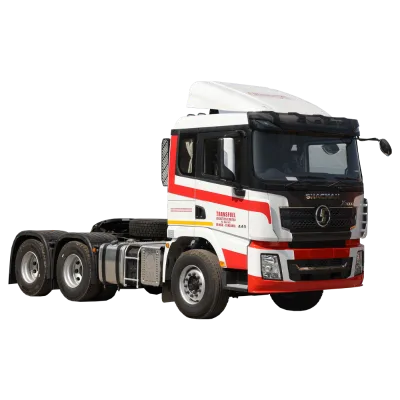

Yurico (Jinan) Machinery Equipment Co., Ltd.
- Trading Company
- China Shandong
- Lead time30 days
- Avg. response≤ 2h
Main productsSemi Trailer, Dump Truck, Heavy Duty Truck, Tractor Truck, Flatbed Semi Trailer, Lowbed Semi Trailer, Construction Machinery Vehicle, Skeleton Semi Trailer, Dump Semi Trailer, Car Carrier Semi Trailer
Main marketsAfrica


Advanced Cold Chain Logistics Diesel Tractor Truck for Efficient Transport
$8000.00 - $15000.00
MOQ: 1 Pieces


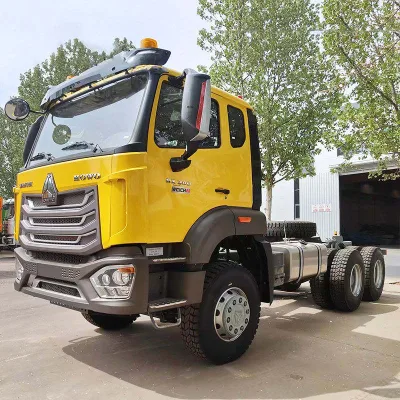
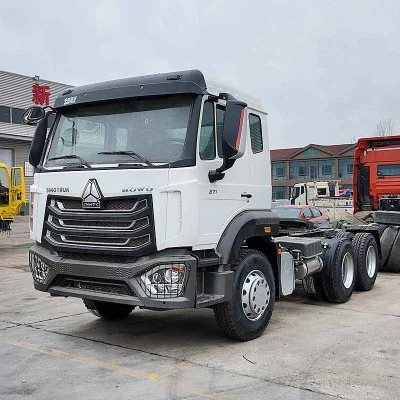








Comprehensive Sourcing Guide
Euro 5 Logistics Tractor Truck Supplier Concentration and Factory Types
Suppliers of the Euro 5 Logistics Tractor Truck in current results cluster strongly in China, with Shandong and Guangxi both represented as confirmed sourcing locations. Shandong appears as the dominant base, tied to a heavy-vehicle product mix that includes semi trailers, dump trucks, tractor trucks, CNG traction trucks, and branded heavy trucks, which signals a genuine commercial-vehicle manufacturing environment rather than a generalist exporter. Guangxi suppliers, by contrast, list engines and auto parts alongside complete tractor units, which can indicate proximity to engine supply chains and assembly partners. When these confirmed locations are not available in your search results, identify clusters independently by checking where listed tractor-truck factories declare their origin, which provinces their engine and axle suppliers operate in, and whether their catalogs are dominated by commercial vehicles.
Supplier types in this category split between trading companies and manufacturer/factory operations, with some combined entities doing both. Trading companies often aggregate multiple truck brands and configurations, useful when you need mixed fleets, while factories typically offer OEM and ODM capability and, in the observed data, even their own brand. Verify which type you are dealing with, because factory claims should be supported by a verifiable production address and trading claims by transparent access to the underlying manufacturer. The distinction affects customization depth, warranty handling, and who takes responsibility when a unit arrives non-conforming.
How to Verify Euro 5 Logistics Tractor Truck Suppliers
Verification should start with the platform-issued credentials shown on each listing, then move to independent confirmation. In the observed results, suppliers carry third-party verification labels from bodies such as CTI, SGS, and BV, and system certifications including ISO 9001, ISO 14001, TS 16949, OHSAS 18001, BSCI, and HSE. Treat a verification badge as evidence that an audit occurred, not as proof of product quality, and ask the supplier for the audit scope and date. For a Euro 5 tractor truck specifically, request certificates that apply to the vehicle itself, such as CCC or E-MARK documentation where relevant, and confirm which certification level applies to the exact configuration you intend to buy rather than to the factory in general.
Second, verify technical capacity against declared attributes. Several listings disclose customization availability, OEM/ODM capability, and own-brand output, so test these claims with concrete questions: which engine models and displacements they can fit, whether manual or automated transmissions are offered, and whether drive configurations such as 4x2, 6x4, or 8x4 are built to order. Ask for a recent bill of lading or export record for tractor trucks of similar horsepower and emission class. Finally, check response behavior before committing; observed response times in this category range from roughly three to nearly ten hours, and a slow first reply usually predicts slow after-sales support. A short video call showing the production floor completes a sensible verification baseline.
What to Compare Across Euro 5 Logistics Tractor Truck Suppliers
Build a comparison table using the dimensions suppliers actually display. Lead times in current results vary meaningfully: one confirmed Shandong-based listing shows a fifteen-day lead time, while a Guangxi supplier shows thirty days, and others publish no lead time at all. Where lead time is missing, ask for a quoted production-to-shipment window for your specified configuration. Compare minimum order quantities next; at least one tractor listing in this category shows an MOQ of one unit, which matters if you are trialing a supplier before fleet-scale orders, but never assume every supplier accepts single units.
Compare the technical envelope, which differs sharply between listings. Observed configurations span 351–450hp and above 450hp, engine displacements from roughly 9.7L to over 12L, load capacities from 1–10t up to 41–50t, and automatic versus manual transmissions. Match these attributes to your route profile: gradeability figures, fuel consumption ranges, and axle ratios published on some listings are directly comparable if you normalize them for similar duty cycles. Also compare response speed (observed averages from about three to ten hours), main-product focus, whether the supplier is verified and by which body, and whether customization is explicitly available. Finally, compare published price bands only as a screening signal; one listing shows a five-figure per-unit range while another shows a far lower band, and such gaps usually reflect different specifications, so request itemized quotes on identical configurations before drawing conclusions.
Common Euro 5 Logistics Tractor Truck Sourcing Risks
The most frequent risk is specification drift between the listing and the delivered unit. Listings in this category sometimes contain inconsistent or merged attribute fields, such as seat counts entangled with tire certification data, which suggests catalog data entered carelessly or copied across models. If a supplier cannot produce a clean, self-consistent specification sheet for the exact model, engine model, transmission model, and axle ratio you intend to order, treat that as a warning sign. Confirm the emission standard is genuinely Euro 5 for your destination market, because the same category also contains Euro 3 units, and a mismatch can block registration entirely.
A second risk cluster involves scope of responsibility. Trading companies reselling branded heavy trucks may not control warranty execution, spare-parts availability, or software diagnostics, so establish in writing who services the drivetrain after delivery. Configuration risk is also real: drive configurations, tire specifications, and fuel tank capacities vary within a single supplier's catalog, so lock these into the contract with a pre-shipment inspection against the agreed sheet. Certification risk follows closely; factory-level ISO 9001 does not certify the vehicle, and component CE marks do not cover the complete unit. Finally, watch for capacity overstatement: customization availability is widely advertised, but you should require evidence of a previously completed customized build before paying any customization premium.
Euro 5 Logistics Tractor Truck Regional Sourcing and Logistics
Confirmed sourcing in this category centers on two Chinese provinces with distinct profiles. Shandong suppliers sit in a heavy-truck and trailer ecosystem, listing tractor trucks, semi trailers, dump trucks, and tipper trucks together, which simplifies coordinated procurement of tractors and trailers from one region and shortens the distance between chassis assembly and body building. Guangxi suppliers are positioned near engine and auto-parts supply, with at least one listing specifying a branded domestic engine, and their longer displayed lead time suggests either different production scheduling or lower export throughput. Treat these regional differences as starting hypotheses to test, not fixed rules, and re-verify any location claim through business licenses and export records.
Logistics planning for complete tractor units differs from containerized goods because vehicles typically ship via ro-ro, flat-rack, or dedicated vehicle carriers, and some listings specify rustproofing and waxing before shipment, which you should require for ocean transit. Confirm the supplier's experience with your destination port and their familiarity with vehicle export documentation, including certificates needed for customs clearance and registration in your market. Ask which drive configurations and left- or right-hand-drive variants they routinely export to your region, since this predicts smooth customs handling. Also clarify whether the quoted lead time includes pre-shipment inspection time, because fifteen versus thirty days can be consumed quickly by inspection scheduling, and ocean transit for vehicles runs on less frequent schedules than container services.
Euro 5 Logistics Tractor Truck Commercial Terms and Order Planning
Commercial terms should be fixed before any deposit. Use the displayed price ranges only as negotiation anchors: observed listings span from roughly eight thousand to seventy-four thousand US dollars per unit depending on configuration, so a quote far outside comparable listings signals either a different specification or an incomplete offer. Request itemized quotations covering the chassis, engine model, transmission, axle ratio, tires, optional features such as air conditioning and central locking, and export packaging. Confirm the minimum order quantity in writing; although single-unit MOQs appear in this category, fleet orders may unlock different pricing tiers, so quote two or three order sizes before committing. Agree on payment structure proportionate to order value, and consider escrow or third-party trade protection where the platform offers it, since vehicle transactions involve high per-unit exposure.
Order planning should sequence production, inspection, and shipping against the supplier's stated lead time, using the fifteen-to-thirty-day range observed here as a benchmark and adding buffer for inspection and port scheduling. Define acceptance criteria tied to the specification sheet: horsepower class, emission standard, drive configuration, curb weight, and braking system including ABS. Schedule pre-shipment inspection after rustproofing and waxing but before containerization or ro-ro loading. Plan the second order around demonstrated performance: hold fleet-scale commitments until the first unit arrives conforming, documents are complete, and the supplier has handled at least one after-sales query at the response speed they promised during sourcing.
FAQs
What is the price range for Euro 5 logistics tractor trucks?
Prices for Euro 5 logistics tractor trucks typically range from $7,999 to $11,999 for standard models. Higher-specification units with advanced features or specific configurations may cost between $66,000 and $73,717. Buyers should verify exact pricing based on engine type, load capacity, and customization requirements before placing orders.
What is the minimum order quantity for these trucks?
The minimum order quantity is generally one unit, allowing buyers to purchase single vehicles for testing or immediate operational needs. This low MOQ facilitates easier procurement for small fleets or individual logistics operators. However, bulk discounts or specific shipping terms may apply for larger orders, so confirm details with the supplier.
How long does production and delivery take?
Lead times for manufacturing and delivery typically range from 15 to 30 days depending on the supplier and model. Standard configurations may ship faster, while custom orders require additional time. Buyers should confirm specific delivery schedules with the supplier to ensure alignment with their logistics planning and operational deadlines.
What certifications do these trucks hold?
These trucks often hold certifications such as Euro 5 emission standards, ISO 9001, and CCC. Additional compliance may include E-MARK for international markets and CE for specific components. Buyers should verify that the specific model meets their local regulatory requirements and request valid certification documents before finalizing the purchase.
What engine options are available for Euro 5 models?
Available engines include models like WD615.47, D12.42, MC11, and MC13, with displacements ranging from 6 to 12.42 liters. Horsepower typically spans from 351 to over 450 HP. Buyers can choose between diesel and gasoline power options, depending on their specific fuel efficiency and performance requirements.
Where are these trucks manufactured?
These trucks are primarily manufactured in China, with production facilities located in Shandong and Guangxi provinces. Shandong is known for heavy-duty trucks, while Guangxi suppliers offer specific logistics models. Buyers should verify the exact origin to understand shipping logistics and potential regional quality standards associated with the manufacturing location.