Japanese Car CX5 Engine Mount Suppliers and Manufacturers
Compare 22 verified suppliers of Japanese Car CX5 Engine Mount based on location, certifications, lead times, and MOQ. Review product specifications and response times to select the right factory for your sourcing needs today; review the available evidence before requesting comparable quotations from suitable candidates.
Suppliers List

GuangZhou EEP Autoparts Co., Ltd
- Trading Company,Manufacturer/Factory
- China Guangdong
- Lead time15 days
- Avg. response≤ 7h
Main productsAuto Parts, Shock Absorber, Stabilizer Link, Tie Rod End, Ball Joint, Control Arm, Suspension Parts, Auto Bushing, Engine Mount, Strut Mount
Main marketsSouth America,Eastern Europe,Mid East,North America,Southeast Asia,Eastern Asia,Oceania,Western Europe,Africa

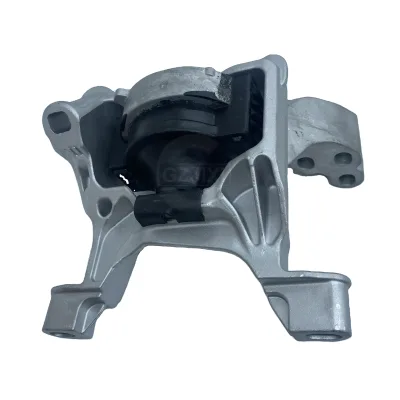
Japanese Auto Parts Engine Mount for Mitsubishi Pajero V73 V75 V65 Mr554231 Eep Car Engine Mounting
$10.00 - $12.00
MOQ: 10 Pieces


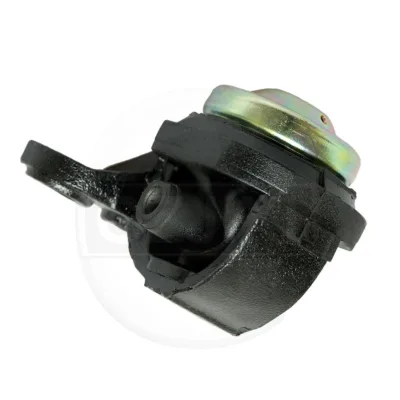
Japanese Car Parts Front Engine Mounting for Lexus Rx300 MCU10 MCU15 12372-20030
$5.70 - $5.80
MOQ: 10 Pieces


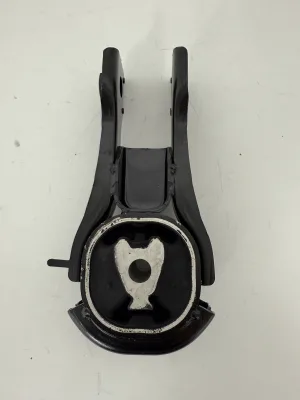
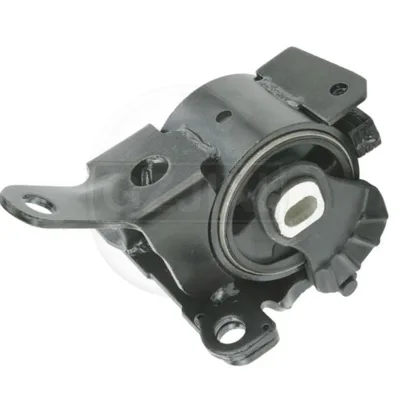
Japanese Car Parts Engine Mount for Mazda 626 IV Ga2a-39-070 Auto Engine Mounting
$5.00 - $8.00
MOQ: 10 Pieces

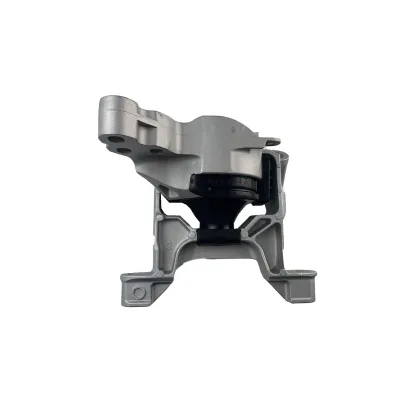
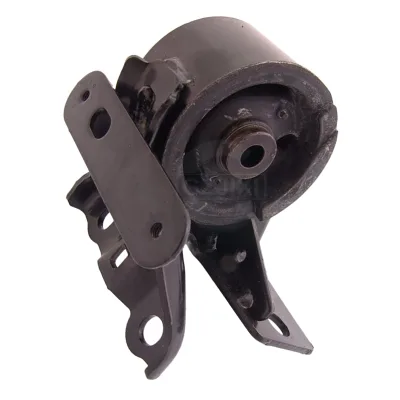
Eep Car Parts Rear Engine Mounting for Mazda 3 M5 Bk Bl Bp4s-39-040A Japanese Auto Engine Mount
$5.93 - $6.30
MOQ: 20 Pieces

Wuhu GDST Auto Parts Co., Ltd.
- Verified by TUVRHEINLAND
- Manufacturer/Factory
- China Anhui
- Lead time15 days
- Avg. response≤ 3h
Main productsBrake Cylinder, Brake Pad, Steering Rack, Power Steering Pump, CV Joint, Drive Shaft, Suspension Parts, Wheel Hub, Water Pump, Auto Filters
Main marketsEastern Europe,Mid East,North America,Western Europe,Africa

$3.00 - $12.00
MOQ: 100 Pieces

$3.00 - $12.00
MOQ: 100 Pieces

$3.00 - $12.00
MOQ: 100 Pieces

GDST High Quality Factory Price Mr961709 Left Engine Mount for Mit Japanese Car
$2.60 - $5.80
MOQ: 100 Pieces
Guangzhou Ruibo International Trade Co., Ltd.
- Manufacturer, Trading Company
- Guangdong, China
- Lead time20 days
- Avg. response≤ 5h
Main productsShock absorber,Suspension System,Engine Mounting,Brake Pads,Fuel Injector
Main marketsAfrica(15.00%), Mid East(10.00%), South Asia(10.00%), Domestic Market(10.00%), Southeast Asia(10.00%), Eastern Asia(10.00%), South America(10.00%), Central America(5.00%), North America(5.00%), Eastern Europe(5.00%), Western Europe(3.00%), Oceania(3.00%), Northern Europe(3.00%), Southern Europe(1.00%)
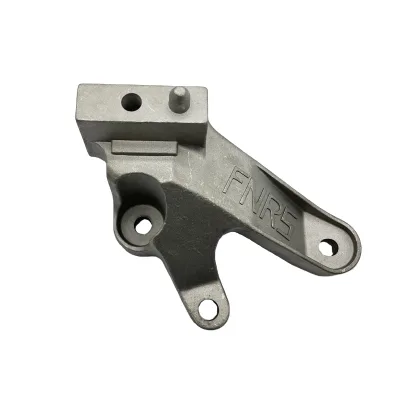
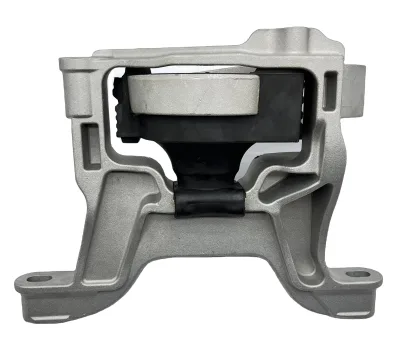
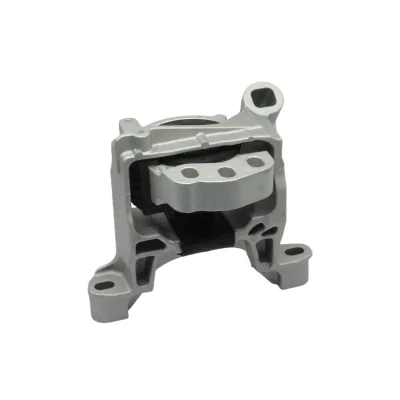
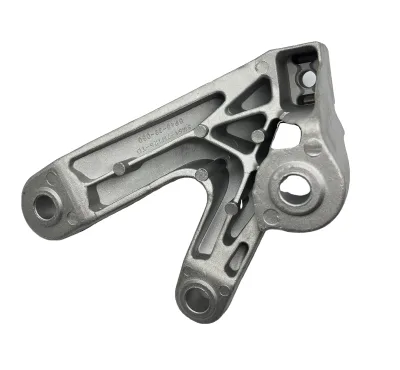
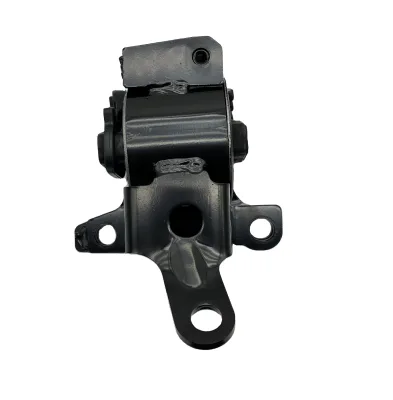
14year CX5 2.2 KE64-39-060A Auto Parts Engine Rubber Support Engine Mounting for Mazda CX5
$13.80 - $15.20
MOQ: 10 pieces

Xiamen Monake Import and Export Co., Ltd.
- Verified by TUVRHEINLAND
- Trading Company
- China Fujian
- Lead time30 days
- Avg. response≤ 3h
Main productsEngine Mounting, Strut Mount, Rubber Bush, Center Bearing, Control Arm, Arm Bushing, Auto Parts, Fan Blade, Auto Spare Parts, Car Parts
Main marketsOthers(foreignTradeCapacity.exportBusinessCapacityMarketOther),Domestic
Guangzhou Zhuowei Auto Parts Co., Ltd.
- Trading Company
- Lead time旺季: , 淡季:
- Avg. response≤ 7h
Main productsIgnition Coil, Engine Bearing, Control Arm, Engine Mount, Overhaul Gasket Kit
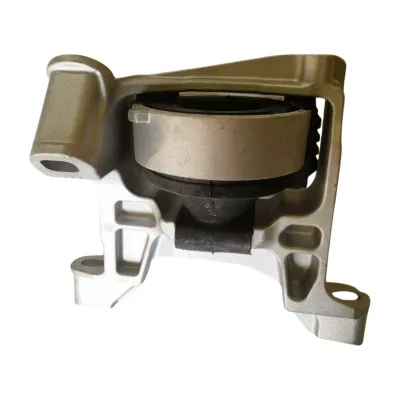
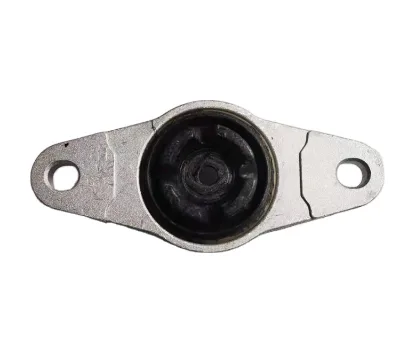
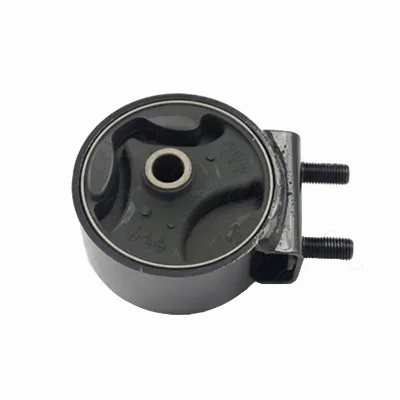
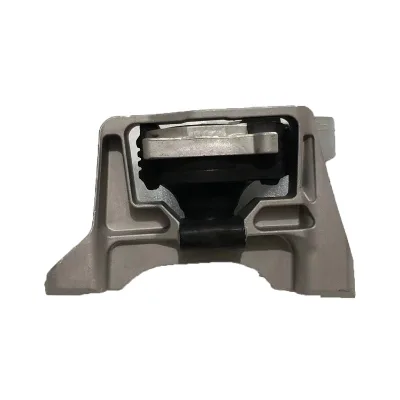
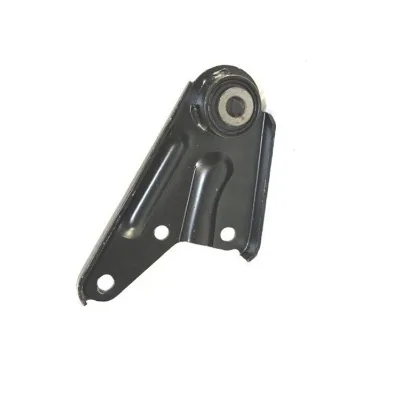
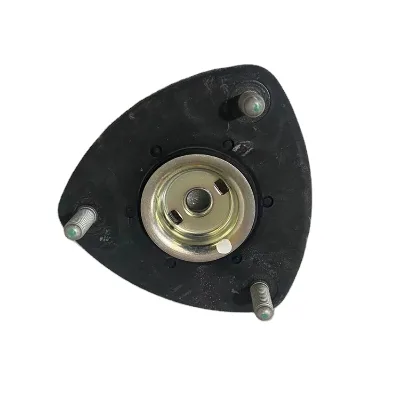
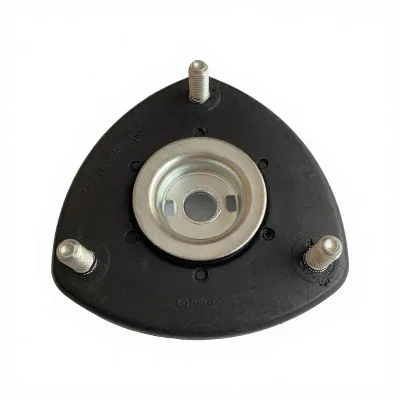
New Parts for Mazda CX5 Rear Strut Mount Engine Mount KD35-28-380 KR11-28-380
$2.00 - $25.00
MOQ: 5 Minimum

XINGTAI FULANGMU FILTER MANUFACTURE CO., LTD.
- Verified by CTI
- Combined
- China Hebei
- Lead time30 days
- Avg. response≤ 8h
Main productsAir Filter, Oil Filter, Cabin Filter, Fuel Filter, Engine Mount, Center Bearing, Suspension Bushing
Main marketsSouth America,Africa,Southeast Asia/ Mideast,East Asia(Japan/ South Korea),Domestic,Europe,Australia,North America


$0.89 - $1.11
MOQ: 500 Pieces

OEM 12371-31050 Engine Mount, Premium Automotive Engine Mounts for Toyota
$0.89 - $1.11
MOQ: 500 Pieces

Shanghai Spb Industry Co., Ltd.
- Verified by SGS
- Trading Company,Manufacturer/Factory,Group Corporation
- China Shanghai
- Lead time30 days
- Avg. response≤ 3h
Main productsCar Spare Part, Suspension Parts, Ball Joint, Shock Absorber, C. V Joint, Brake Pad, Radiator, Stabilizer Bar, Oil Filter, Steering Rack
Main marketsSouth America,Eastern Europe,Mid East,North America,Southeast Asia,Eastern Asia,Oceania,Western Europe,Africa


Rubber Engine Mount for Mazda Japanese Cars 323 Cp Fp 1.8L OEM Bj0n-39-06y
$3.00 - $7.00
MOQ: 100 Pieces

Guangzhou Fengming Auto Parts Co., Ltd.
- Verified by SGS
- Trading Company
- China Guangdong
- Lead time15 days
- Avg. response≤ 7h
Main productsAuto Part, Spark Plug, Filters, Clock Spring, Water Pump, Timing Chain Kit, Engine Mount, Gasket Kit, Control Arm, Steering Rack
Main marketsSoutheast Asia/ Mideast,Europe,North America

Guangzhou Babi Hu Auto Parts Co., Ltd
- Verified by SGS
- Trading Company
- China Guangdong
- Lead time15 days
- Avg. response≤ 3h
Main productsEngine Mounting, Auto Parts, Rubber Engine Mount
Main marketsDomestic


$25.00 - $27.00
MOQ: 10 Pieces

$13.00 - $16.00
MOQ: 10 Pieces

12372-74570 12372-20010 Japanese Cars Auto Parts Engine Motor Mount for Toyota Camry Engine Bracket
$6.00 - $7.00
MOQ: 10 Pieces


Guangzhou Fay-Max Auto Parts Co., Ltd.
- Manufacturer
- Guangdong, China
- Lead time30 days
- Avg. response≤ 2h
Main productsAuto Parts,Auto Parts Accessories,Auto Parts Honda,Auto Parts Toyota,Auto Parts Nissan
Main marketsMid East(30.00%), North America(30.00%), Southeast Asia(10.00%), South America(10.00%), Central America(5.00%), Eastern Asia(5.00%), Eastern Europe(5.00%), Africa(5.00%)
Guangzhou Jinyu Auto Parts Co., Ltd.
- Trading Company
- Lead time旺季: , 淡季:
- Avg. response≤ 3h
Main productsPower Steering Rack, Steering Pump, Brake Pad, Oil Filter, Drive Shaft
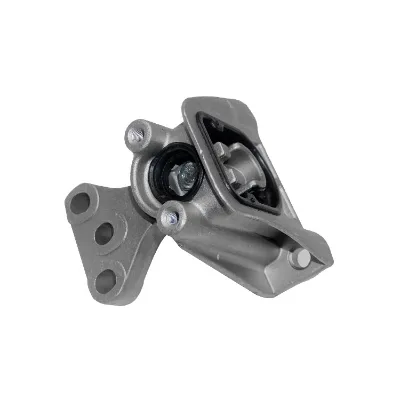
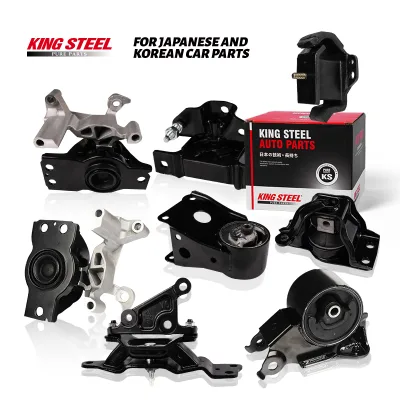
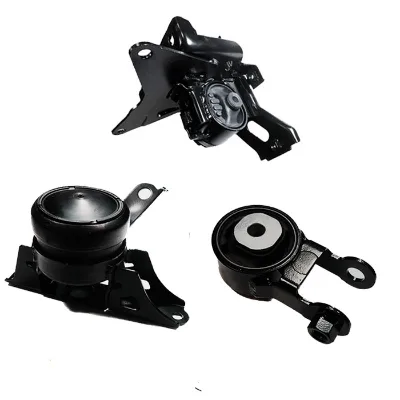
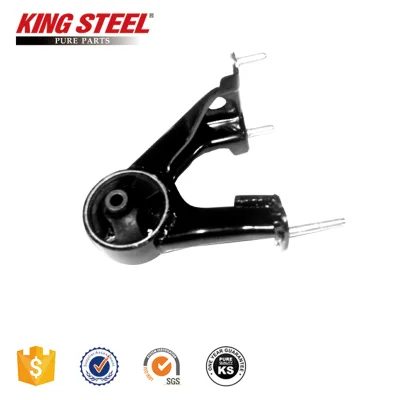
Kingstel Car Engine Mounts 12371-28060 for AVENSIS VERSO PICNIC ACM20 01-05
$5.00 - $30.00
MOQ: 30 Minimum
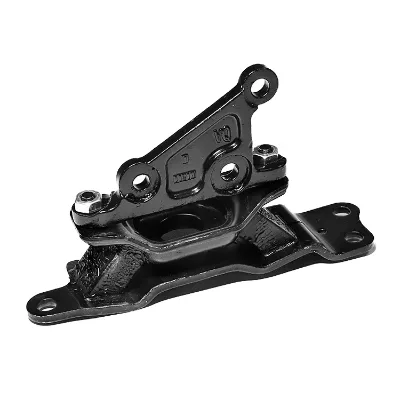
Kingstel Auto Engine Mounting VQ25DE 11220-JN01A for Nissan TEANA J32 08-12
$5.00 - $30.00
MOQ: 30 Minimum

Wenzhou Naqin Auto Parts Co., Ltd
- Verified by SGS
- Trading Company,Manufacturer/Factory
- China Zhejiang
- Lead time45 days
- Avg. response≤ 3h
Main productsBrake Pad, Brake Shoes, Brake Disc, Clutch Plate, Radiator, Universal Joint, Release Bearing, Shock Absorber, Fuel Pump, Ball Joint
Main marketsSouth America,Mid East,Africa
Guangzhou Jixi Trading Co., Ltd.
- Manufacturer, Trading Company, Distributor/Wholesaler
- Lead time旺季: "1 - 100":32,"> 100":"To be negotiated", 淡季: "1 - 100":32,"> 100":"To be negotiated"
- Avg. response≤ 5h
Main productsEngine Mount,Strut Mount,Auto Bush,Transmission mount

Kaiping Taiyu Auto parts Co., LTD
- Verified by SGS
- Trading Company,Manufacturer/Factory
- China Guangdong
- Lead time15 days
- Avg. response≤ 18h
Main productsStrut Mount, Engine Mount, Shocking Mount, Engine Bracket, Engine Support
Main marketsSouth America,Mid East,North America,Southeast Asia,Africa

Auto Rubber Engine Mounting 10108706 Left Motor Mount Compatible with Mg Rx5 Roewe Rx5 Car
$9.20 - $9.90
MOQ: 50 Pieces

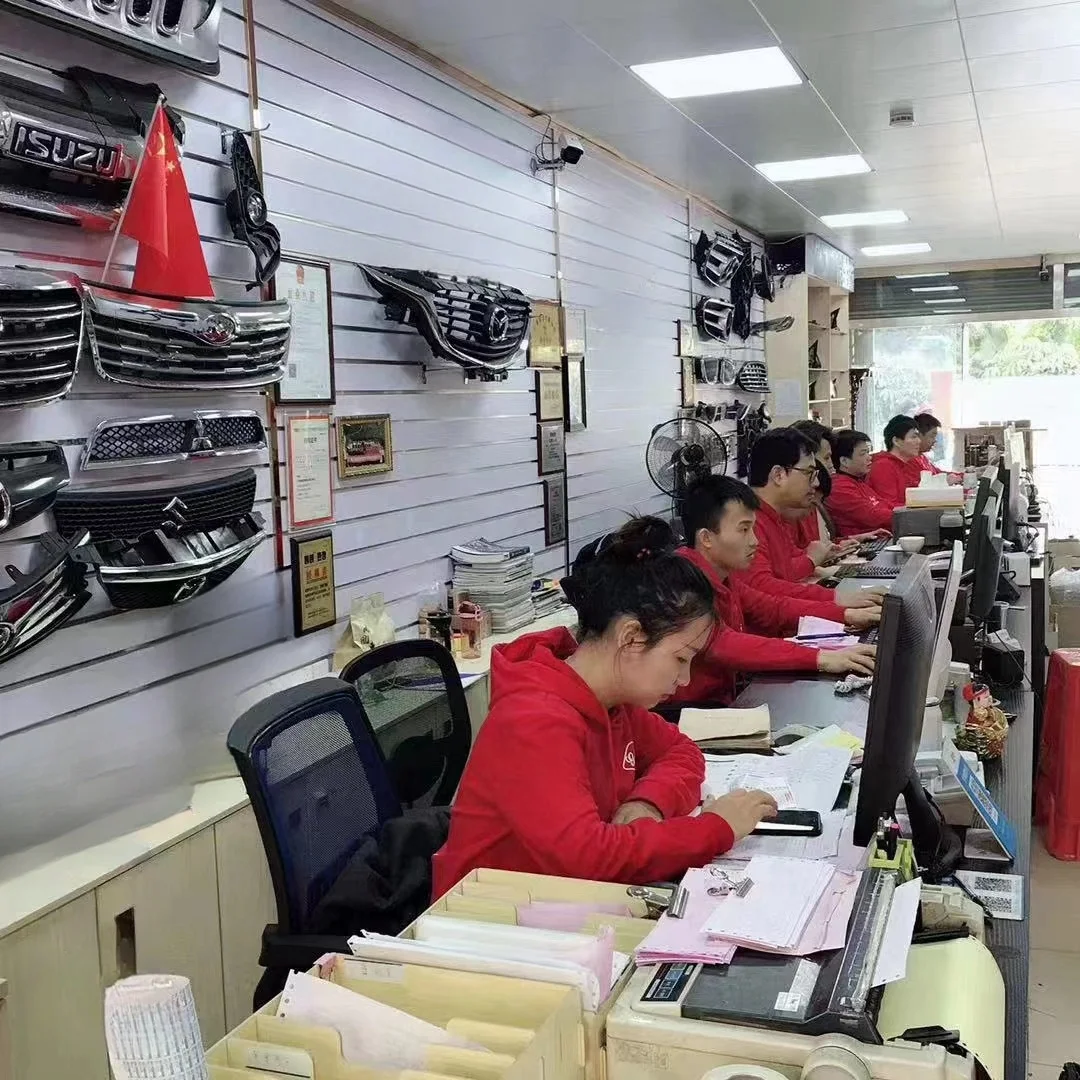
Guangzhou Chongbang Automotive Parts Co., Ltd.
- Trading Company
- Guangdong, China
- Lead time10 days
- Avg. response≤ 4h
Main productsShock Absorber,Car headlight,Car body,Automobile Engine,Control Arm
Main marketsMid East(33.00%), North America(25.00%), Eastern Europe(20.00%), Southeast Asia(15.00%), Africa(7.00%)

Ruian Shengliang Trading Co., Ltd.
- Verified by TUVRHEINLAND
- Trading Company,Manufacturer/Factory
- China Zhejiang
- Lead time45 days
- Avg. response≤ 11h
Main productsCooling System Parts, Suspension Parts, Engine Parts, Sensor Parts, Chassis Parts
Main marketsSouth America,Eastern Europe,Mid East,Western Europe

Guangzhou Lingyue Auto Parts Co., Ltd.
- Verified by TUVRHEINLAND
- Trading Company,Manufacturer/Factory
- China Guangdong
- Lead time15 days
- Avg. response≤ 6h
Main productsJapanese Car Auto Parts, Auto Lamp, Bumper, Auto Parts, Brake Pads, Shock Absorbers, Bearing, Control Arm, Steering Pump, Turbo
Main marketsSouth America,Eastern Europe,Mid East,North America,Southeast Asia,Eastern Asia,Oceania,Western Europe,Africa
Jiangsu Madali Machinery Industry Co., Ltd.
- Manufacturer
- Jiangsu, China
- Lead time0 days
- Avg. response≤ 5h
Main productsEngine Mount,bushing,strut mount,suspension,control arm
Main marketsSouth America(30.00%), Africa(20.00%), Eastern Europe(20.00%), North America(20.00%), Southeast Asia(10.00%)
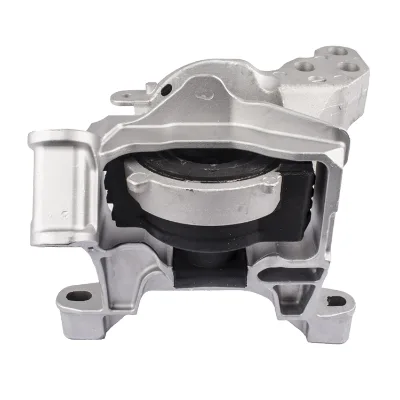
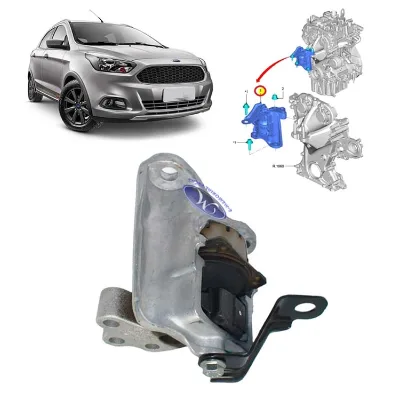
E3B16F012AE Auto Parts Engine Mount COXIM Motor Engine Mountings for ford Ka 1.0 E3B16F012AE
$4.89 - $5.00
MOQ: 50 pieces
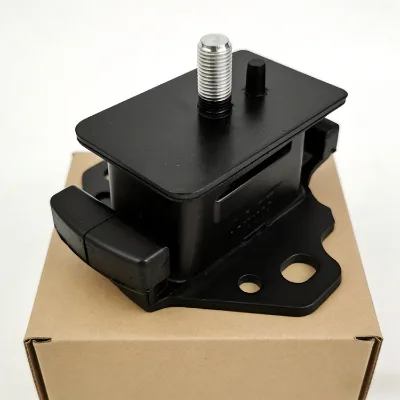
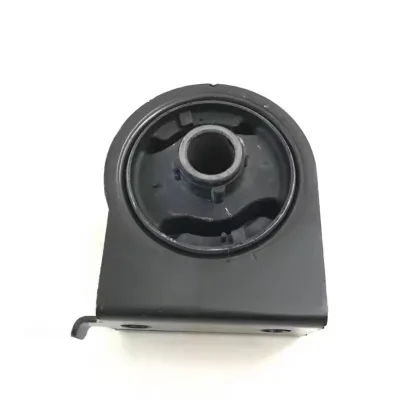

Guangzhou Brace Auto Parts Co., Ltd.
- Verified by BV
- Trading Company
- China Guangdong
- Lead time23 days
- Avg. response≤ 10h
Main productsAuto Parts, Engine, Radiator, Brakeswindshield, Taillights, Headlights, Shock Absorber, Resonator, Rear Axle, Alternator
Main marketsSouth America,Eastern Europe,Mid East,North America,Southeast Asia,Eastern Asia,Oceania,Western Europe,Africa

Guangzhou Shiguangtong Auto Parts Trading Co., Ltd.
- Verified by TUVRHEINLAND
- Trading Company
- China Guangdong
- Lead time15 days
- Avg. response≤ 4h
Main productsAuto Parts
Main marketsDomestic
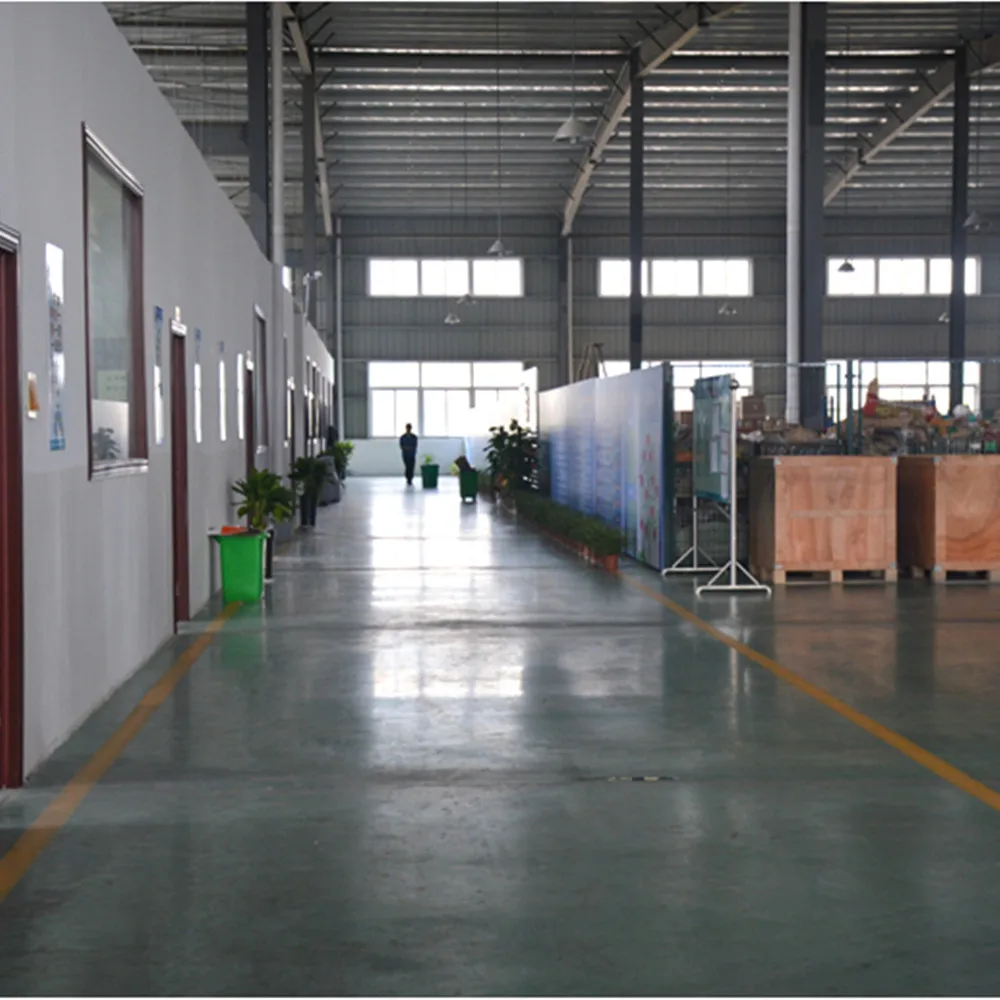
NINGBO ZHUOBAIMING TRADE CO., LTD.
- Trading Company
- Zhejiang, China
- Lead time15 days
- Avg. response≤ 2h
Main productsengine mount,strut mount,Suspension Bush,Stabilizer Link,brake pad
Main marketsSouth Asia(10.00%), Northern Europe(10.00%), Southeast Asia(10.00%), Central America(10.00%), Mid East(10.00%), North America(10.00%), Domestic Market(5.00%), Oceania(5.00%), Southern Europe(5.00%), Africa(5.00%), Eastern Europe(5.00%), Western Europe(5.00%), Eastern Asia(5.00%), South America(5.00%)

Anhui Heshun Automobile Parts Co., Ltd.
- Verified by SGS
- Combined
- China Anhui
- Lead time30 days
- Avg. response≤ 4h
Main productsBall Joint
Main marketsDomestic




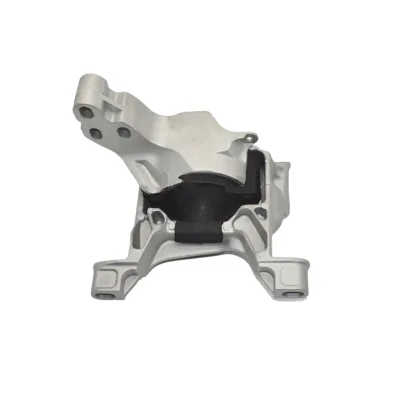
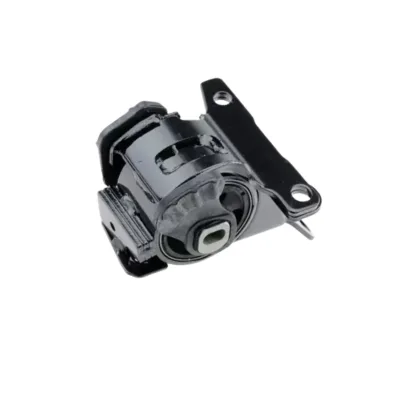


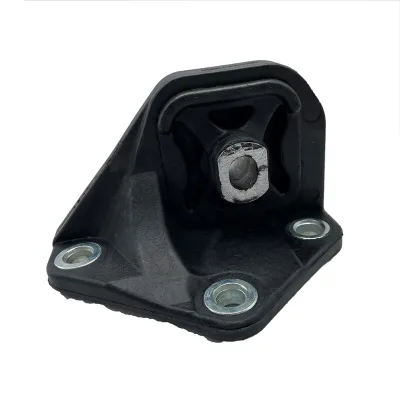
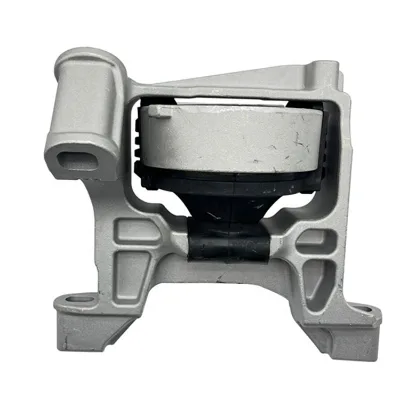


Comprehensive Sourcing Guide
Japanese Car CX5 Engine Mount Supplier Concentration and Factory Types
When sourcing a Japanese Car CX5 Engine Mount, the first structural question is where suppliers actually concentrate. In the current supplier results, two regional clusters appear with high confidence: Guangdong and Anhui in China. Guangdong-based listings lean heavily toward Japanese vehicle coverage, including Mazda applications, with main product lines spanning engine mounts, shock absorbers, stabilizer links, tie rod ends, ball joints, control arms, bushings, engine mounts and strut mounts. That breadth signals suppliers who serve the broader Japanese chassis-parts aftermarket rather than mountings alone. Anhui-based results are anchored by brake, steering and driveline categories such as brake cylinders, steering racks, CV joints and suspension parts, with engine mountings listed alongside.
The company-type labels in these results split between Manufacturer/Factory and combined Trading Company/Manufacturer profiles. This distinction matters operationally: a factory profile typically suggests direct production control, while a hybrid profile may aggregate output from several plants. The Guangdong results combine both types, and one Anhui supplier is explicitly a factory with its own brand plus OEM and ODM capability. Buyers should treat the label as a starting hypothesis, not proof. Ask each candidate to state whether the CX5 application is produced in-house, sourced from a partner, or brokered, and request the component-level evidence—rubber compound, junction plate specification, and packaging—to confirm who actually controls the production step.
How to Verify Japanese Car CX5 Engine Mount Suppliers
Verification should begin with the attributes a supplier can display rather than the claims it writes into a description. In the current results, system certifications shown include ISO 9000, ISO 9001 and TS 16949, and one Anhui supplier carries third-party verification through TÜV Rheinland. A certificate listing alone is not proof: ask for the certificate number, the certifying body, and the scope wording, then confirm the scope actually covers rubber-to-metal bonded mountings for automotive use. Note that product-level attribute blocks in these listings cite ISO and TS references and SGS, but some entries carry incomplete or truncated certification strings—an early signal that the buyer should reconcile each claim against an original document before relying on it.
Beyond certificates, verification should probe product evidence. Several listings for Japanese applications, including Mitsubishi, Toyota, Lexus and Mazda mountings, publish OEM numbers, body material (iron), shock-reducing rubber material (EPDM or NR), and "same as original" sizing. A CX5 buyer should demand the same granularity for the specific mounting position being purchased. Response behavior is another verifiable datum: the recorded response times in the current results range from roughly 2.5 to 6.5 hours, so log your own first-contact response and compare it against the displayed figure. Finally, ask whether the supplier performs 100% testing before shipment—the Anhui profile claims this—and request the test method, since verification depends on what the test actually measures.
What to Compare Across Japanese Car CX5 Engine Mount Suppliers
Comparison should be built on dimensions that are actually displayed, without assuming every supplier publishes every attribute. Lead time is one such dimension: the supplier-level lead time observed here is 15 days, while several product listings state 1–7 days for stock items and around 35 days for production items. Those are materially different figures, and a buyer comparing suppliers should separate stock availability from production scheduling before judging responsiveness. MOQ is another comparable field: observed values in these results are 10 pieces for several Mitsubishi, Toyota and Lexus listings and 20 pieces for a Mazda mounting, so expect the threshold to vary by application even within one supplier.
Response speed gives a second operational axis, with the recorded averages differing by several hours between the two regions represented here. Other comparison dimensions include supplier type (factory versus trading hybrid), main product breadth, and R&D capacity labels, where the observed range spans Own Brand, OEM, ODM and OEM Standard models. Location matters for freight consolidation: a buyer ordering mounts alongside tie rods or control arms may favor the supplier whose catalog covers more of the order. Treat customization availability as a comparison point too—several listings state customization is available—but convert that label into a concrete question: which parameters (rubber hardness, plate geometry, packaging) can actually be changed, and at what MOQ penalty.
Common Japanese Car CX5 Engine Mount Sourcing Risks
The most common risk in this category is certification ambiguity. As noted, some product-level certification strings in the current results are truncated or inconsistently formatted, and different listings cite different standards for what appears to be a similar product family. A buyer who accepts the label without checking the underlying document risks importing mounts that fail an audit or a destination-market inspection. The second recurring risk is size mismatch: listings advertise "standard, same as original" sizing, but the CX5 has multiple mounting positions, and a part correct for one position will not fit another. Insisting on the OEM number for the exact position is the cheapest safeguard.
A third risk is rubber compound substitution. Observed listings specify EPDM or NR as the shock-reducing material; if a supplier substitutes a generic compound, vibration behavior and service life degrade in ways that are hard to detect on arrival. Ask for material declarations tied to batch numbers. A fourth risk is conflating trading companies with factories: a hybrid profile may quote well but have no visibility into production scheduling, which turns the 35-day production lead time into a moving target. Finally, beware of sample-versus-production drift. A sample drawn from stock may not represent a production run; require that the pilot shipment carry the same batch traceability, packaging specification, and material documentation promised in the quotation, not just the same part number.
Japanese Car CX5 Engine Mount Regional Sourcing and Logistics
The two location facts in the current results—Guangdong and Anhui, China—carry practical logistics implications beyond the labels themselves. Guangdong's coastal position generally supports frequent sailing schedules and mature freight-forwarding infrastructure for automotive parts, while an inland Anhui origin adds an overland leg before port loading. The buyer should not assume one is faster; instead, request the actual ex-works or FOB point for each quotation, because a factory's stated lead time may exclude inland transit. When comparing the 15-day supplier-level lead time against the 1–7 day stock-item and roughly 35-day production-item figures seen in product listings, clarify whether each figure starts at order confirmation or at readiness for shipment.
Shipment mode is another regional planning variable. One listing explicitly states DHL, FedEx, TNT and air freight as options, which suits urgent samples or small top-up orders of the low per-piece quantities typical in this category (MOQs of 10–20 pieces were observed). Full production runs will usually consolidate better by sea, especially when combined with related chassis parts from the same origin. Packing specifications also belong in the logistics plan: observed entries describe nylon bag with color box packing, or color box plus export carton plus pallet. Confirm carton drop-test expectations and pallet dimensions against your distribution center's receiving standards before the first commercial shipment.
Japanese Car CX5 Engine Mount Commercial Terms and Order Planning
Order planning should reconcile the different quantity and time figures a supplier publishes. In the observed results, MOQs run at 10 pieces for several Japanese applications and 20 pieces for a Mazda mounting; a CX5 program that needs multiple mounting positions can often meet a 10-piece MOQ several times over in a single order. Pricing evidence exists in these results—individual listings show ranges from under six dollars to just over fifteen dollars per piece—but a buyer should treat displayed prices as indicative anchors, not quotes, and obtain position-specific quotations against the correct OEM number, quantity break, and Incoterms before comparing suppliers on cost.
Payment and risk structuring come next. Ask each candidate what escrow or platform-protected payment options it supports; the presence or absence of such a mechanism is a legitimate comparison dimension, but it must be verified per supplier rather than assumed. Sequence the order calendar around the lead-time facts: stock items shipping in 1–7 days can validate fit and packaging quickly, while a 35-day production run—against a supplier-level 15-day lead time claim—deserves a written milestone schedule with photo checkpoints at molding, assembly and packing. Finally, lock the commercial details that recur across listings: box and carton packing format, 1-piece-per-box retail units, and the branding arrangement (own brand, neutral, or buyer's label), since these terms determine both landed cost and shelf readiness.
(Guide total: approximately 1,390 words across six sections.)
FAQs
What is the typical MOQ for a Japanese car CX-5 engine mount?
Many listings set the minimum order at 10 pieces, though some Mazda rear mount items require 20 pieces. The MOQ depends on the specific OEM number and whether the part is a stock or production item. Buyers should confirm the exact MOQ for the CX-5 mount they need before requesting a quotation or sample.
How long does delivery take for engine mounts?
Stock items are commonly dispatched in 1 to 7 days, while production orders may need around 35 days. One verified factory reports a standard lead time of about 15 days. Actual timing depends on order quantity and customization, so buyers should confirm the delivery schedule for their specific model and volume before placing an order.
What price range can buyers expect for these engine mounts?
Listed unit prices generally fall between roughly 5.70 and 15.50 US dollars, with some specific OEM-reference mounts quoted at about 10 to 12 dollars. Final pricing varies by car model, order quantity, and material specification. Buyers should request quotations against an exact OEM number to receive an accurate, current price.
Which certifications do engine mount suppliers typically hold?
Suppliers in these results commonly list ISO 9000 and ISO 9001 system certifications, and several factories also reference TS 16949. Individual products may carry ISO or TS-related marking, with some listings also citing SGS. Certification scope differs between trading companies and manufacturers, so buyers should verify certificates directly and confirm they cover the mounts being ordered.
Where are the suppliers of Japanese car engine mounts located?
The suppliers in these results are based in China, specifically in Guangdong and Anhui provinces. Both regions host manufacturers and trading companies focused on auto parts, including suspension and engine system components. Location can affect shipping cost and transit time, so buyers should confirm the dispatch port and freight options with each supplier.
Can suppliers provide OEM-number matched mounts for Mazda models?
Yes, several suppliers list Mazda engine mounts against specific OEM numbers, such as GA2A-39-070 for a Mazda 626 and BP4S-39-040A for a Mazda 3, with customization available. Listings describe standard sizes matching original parts, and suppliers support OEM service. Buyers should provide the exact CX-5 OEM number or chassis number to confirm correct fitment before ordering.
What materials are used in these rubber engine mounts?
Listings commonly describe an iron body paired with EPDM shock-reducing rubber, while some suppliers use NR rubber. Mounts are typically listed as A type with a lower or upper junction plate component, sized standard to match the original part. Buyers should request material specifications and confirm the rubber compound suits their climate and application requirements.