Face Massager Suppliers and Manufacturers in China
Explore 30 verified suppliers offering Face Massager products with varying lead times, response speeds, and certifications. Buyers can compare locations, MOQs, and price ranges to source effectively. Contact suppliers directly to request samples and verify specifications; review the available evidence before requesting comparable quotations from suitable candidates.
Suppliers List
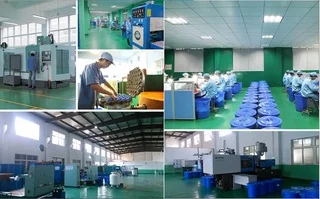
Ningbo Finer Medical Instruments Co., Ltd.
- Trading Company
- Zhejiang, China
- Lead time28 days
- Avg. response≤ 22h
Main productsmedical consumables,Medical Equipment,Hospital Furniture,Mobility Safety Aid,Daily Living Aid
Main marketsNorth America(16.00%), Western Europe(13.00%), Southern Europe(13.00%), Africa(12.00%), Mid East(9.00%), South America(8.00%), Oceania(6.00%), Eastern Europe(5.00%), Central America(5.00%), Northern Europe(4.00%), Eastern Asia(3.50%), Southeast Asia(3.00%), South Asia(2.00%), Domestic Market(0.50%)

- Verified by TUVRHEINLAND
- Trading Company
- China Guangdong
- Lead time15 days
- Avg. response≤ 2h
Main productsBeauty Tools, Tweezer, Eyelash Curler, Manicure Set, Cosmetic Mirror, Implement, Pedicure, Make up
Main marketsEurope


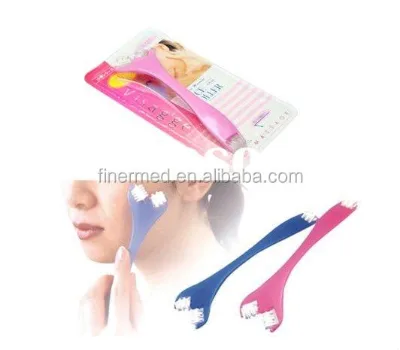
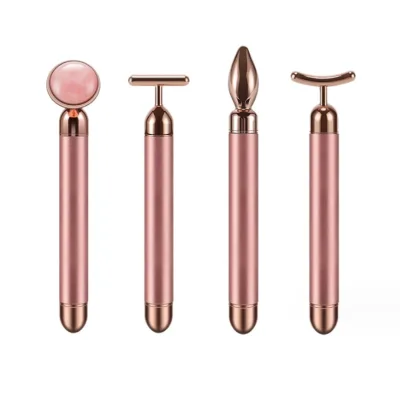
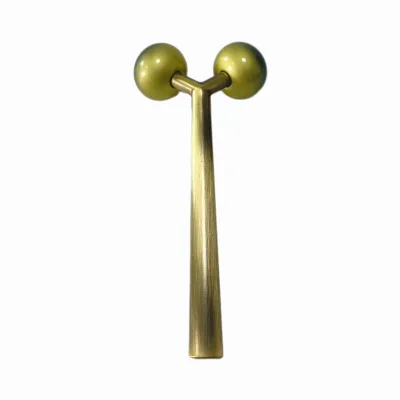
New Rose Gold Handheld Facial Beauty Massage 3D Neck Head Roller Hand Face Skin Care Massager
$0.65 - $1.50
MOQ: 100 Pieces
- Verified by SGS
- Trading Company,Manufacturer/Factory
- China Guangdong
- Lead time23 days
- Avg. response≤ 3h
Main productsBeauty Devices, Skin Care Instrument, LED Face Masks, Makeup Tools, Beauty Instrument (OEM/ODM), OEM / ODM Electronics, Beauty Device, Home Air Care Appliances, Furniture, Electric Bakhoor Burners
Main marketsSouth America,Eastern Europe,Mid East,North America,Southeast Asia,Eastern Asia,Oceania,Western Europe,Africa


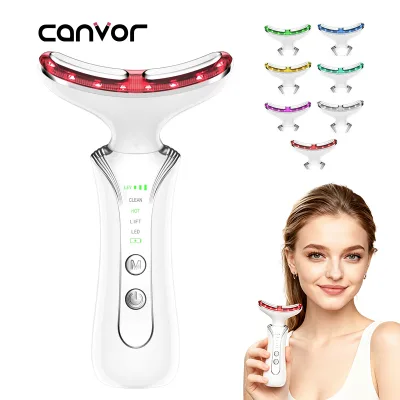
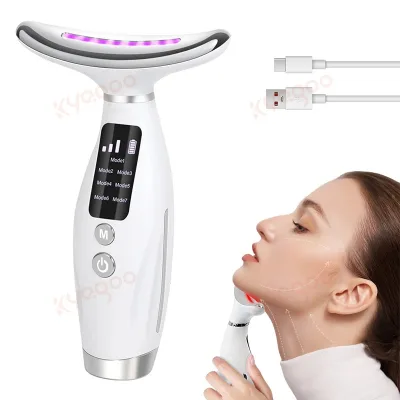
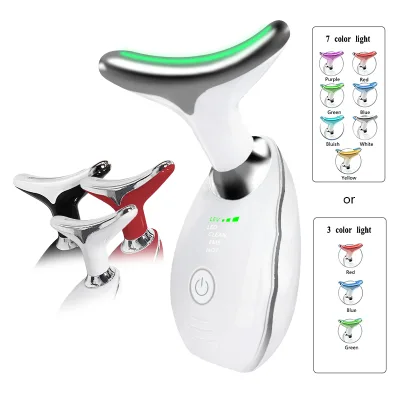
Light Based Face-Neck-Massager - 7 Color Portable Facial Massager for Skin Care
$6.00 - $7.00
MOQ: 20 Pieces

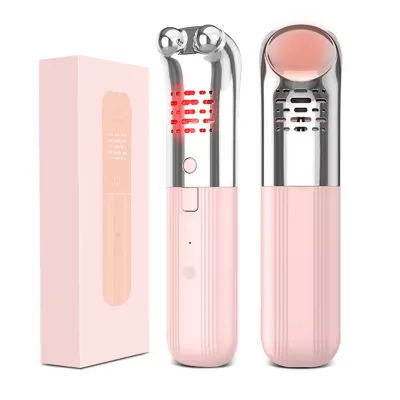
Vibration Beauty Face Massage Heated Cold Electric Facial Lift Anti Aging Skin Firming Massager
$6.80 - $7.90
MOQ: 20 Pieces


Changsha Fusheng Electronic Technology Co., Ltd.
- Trading Company
- China Hunan
- Lead time15 days
- Avg. response≤ 2h
Main productsElectronic Product
Main marketsSoutheast Asia/ Mideast,Europe,North America

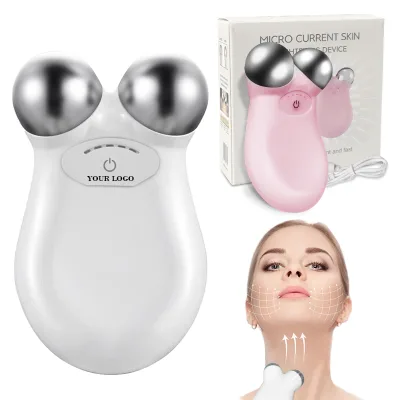
Anti Aging Microcurrent Body Face Roller Massager Face Lift Roller Massager
$2.90 - $3.90
MOQ: 50 Pieces


Gradient Face Massager Tool Neck Guasha Micro Current Face Lifting Device Massage Face
$16.60 - $21.90
MOQ: 20 Pieces


NINGHAI XINMING CLEANING EQUIPMENT CO., LTD.
- Verified by SGS
- Combined
- China Zhejiang
- Lead time30 days
- Avg. response≤ 7h
Main productsMassage Tool
Main marketsSouth America,Europe,Australia,North America
Shenzhen Canvor Technology Co., Ltd.
- Verified by SGS Group
- Trading Company
- Lead time7 days
- Avg. response≤ 2h
Main productsHair Dryer, Hair Straightener, Hair Curler, Facial Massager, Led Facial Mask
Main marketsNorth America(23%), Western Europe(20%), Southeast Asia(10%)
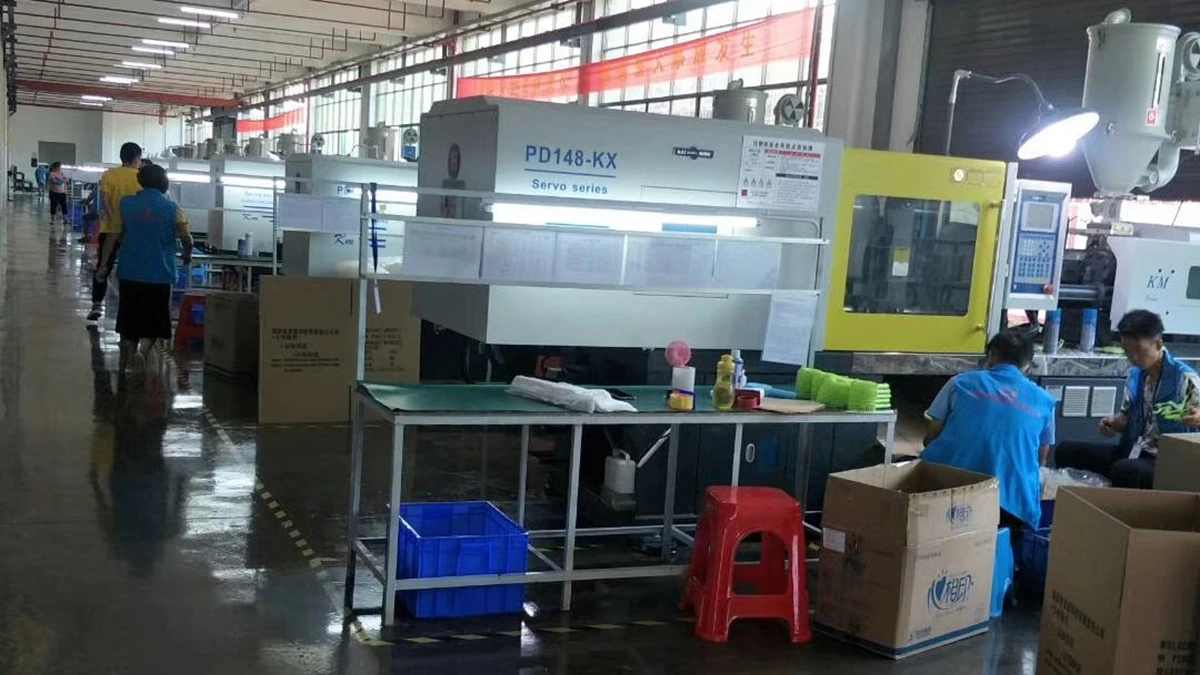
Shangzhi Youzao (Guangzhou) Technology Co., Ltd.
- Manufacturer, Trading Company, Distributor/Wholesaler
- Guangdong, China
- Lead time30 days
- Avg. response≤ 3h
Main productswaxing kits,Airbrush kits,Beauty tools,OEM ODM,Personal care tools
Main marketsNorth America(40.00%), Eastern Europe(30.00%), Western Europe(15.00%), Eastern Asia(10.00%), Northern Europe(5.00%)
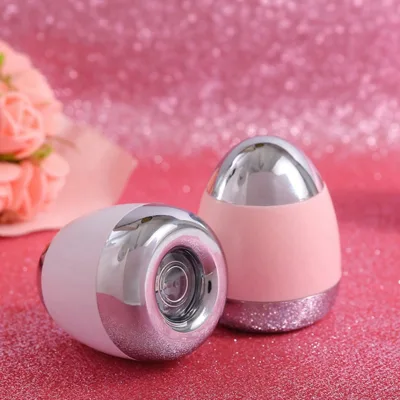
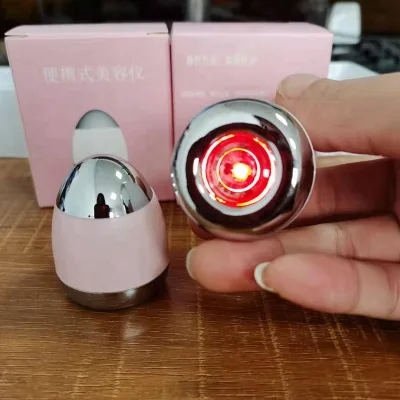
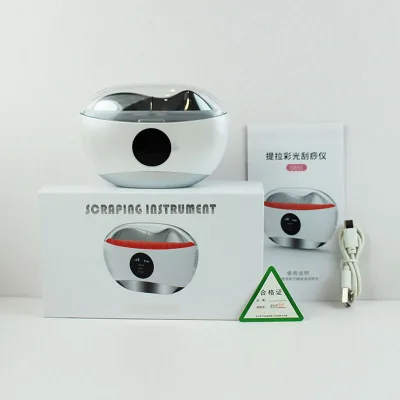
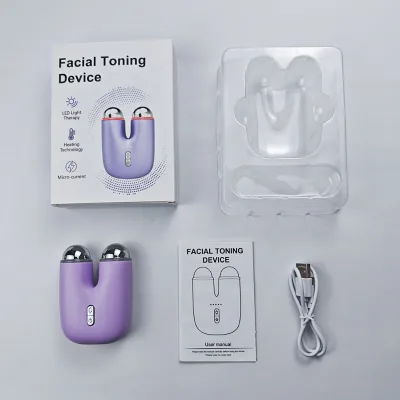
Ionic Facial Massager for Home Use Other Beauty's Face Lift & Skin Care Solution
$1.93 - $3.07
MOQ: 10 pieces

Ganzhou Pengzhan Trading Co.,LTD
- Verified by BV
- Trading Company
- China Jiangxi
- Lead time15 days
- Avg. response≤ 1h
Main productsLaser Hair Removal Device, Beauty Massager, Facial Roller, Ice Cube Roller, Massage Roller, Ice Globe, Ice Roller, Beauty Device, Skin Care, Beauty Personal
Main marketsOthers(foreignTradeCapacity.exportBusinessCapacityMarketOther),Europe,Australia,North America


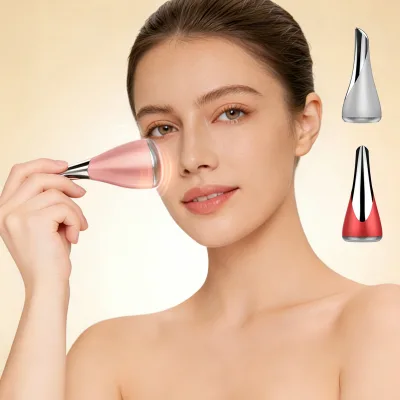
Portable Facial Massager for Skin Lifting Tightening Face Roller and Eye Massager
$18.28 - $20.78
MOQ: 10 Pieces


Shenzhen Youmei Electronics Co., Ltd.
- Manufacturer, Trading Company
- Lead time旺季: "1 - 10000":15,"> 10000":"To be negotiated", 淡季: "1 - 10000":15,"> 10000":"To be negotiated"
- Avg. response≤ 10h
Main productsMassage Gun,High speed hair dryer,Health care,Fitness Accessories,Home Use Beauty Equipment
- Trading Company
- China Zhejiang
- Lead time30 days
- Avg. response≤ 11h
Main productsHome Appliance, Cookware Set, Thermos, Home Storage, Furniture, Pet Supplies, Garden Tools, Outdoor Supplies, Baby Supplies, Houesehold Items
Main marketsSouth America,Africa,Southeast Asia/ Mideast,East Asia(Japan/ South Korea),Domestic,Europe,Australia,North America

Difanmax Tech Lianyungang Co., Ltd.
- Verified by BV
- Manufacturer/Factory
- China Jiangsu
- Lead time23 days
- Avg. response≤ 3h
Main productsConsumer Electronics, Kinesiology Tape Adhesive Tapes, Industrial Tools, Home & Garden, Gifts & Crafts, Sport Products Entertainment, Health & Medical, Auto Parts E-Bike Auto Tools & Components, Clothes Apparel, Bicycle Hardware Laboratory Measuring Protective
Main marketsSouth America,North America,Southeast Asia,Oceania,Western Europe
Shenzhen Youweiyoupin Tech Co., Ltd.
- Verified by SGS Group
- Trading Company
- Lead time7 days
- Avg. response≤ 4h
Main productsLint Remover, Blender, Face & Neck Lifting Massager, Shoulder & Neck Massager, Education Toys
- Verified by SGS Group
- Manufacturer, Trading Company
- Lead time15 days
- Avg. response≤ 2h
Main productsJade Roller, Jade Guasha, Hardware Massager, Jade Accessories, Jade Round Beads
Main marketsWestern Europe(25%), Domestic Market(25%), North America(20%)
Shenzhen Huayu Electronics Technology Co., Ltd.
- Manufacturer, Trading Company
- Guangdong, China
- Lead time15 days
- Avg. response≤ 2h
Main productsMenstrual Heating Pad, EMS Massage Belt, Light Shading Eye Mask, Heated Eye Massager Mask
Main marketsNorth America(30.00%), Western Europe(30.00%), Oceania(20.00%), Africa(10.00%), Southeast Asia(10.00%)
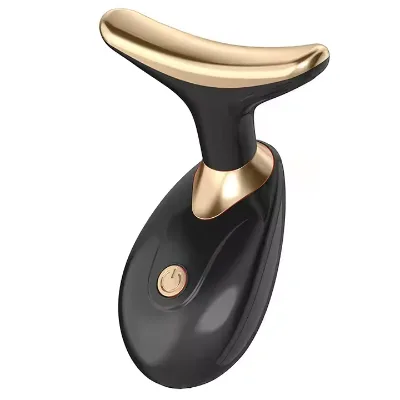
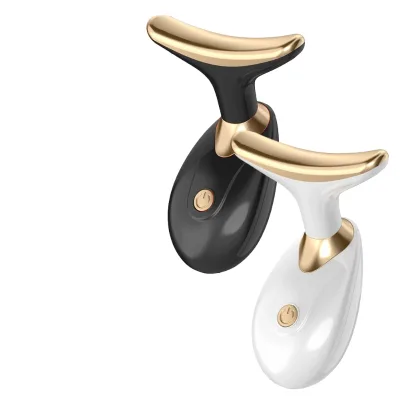
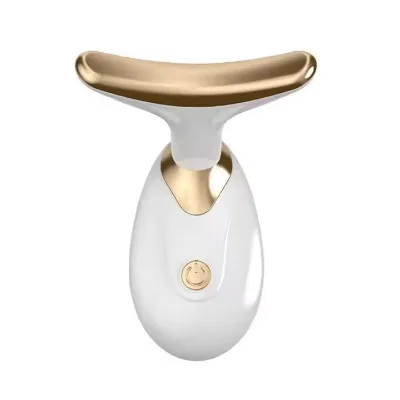
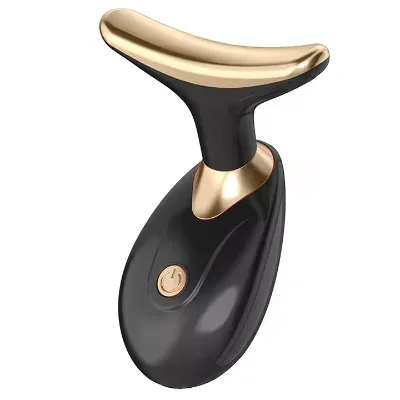
Neck Massager Face Lifting Machine Other Beauty Personal Care Products-Target Area Skin
$0.89 - $1.50
MOQ: 10 pieces
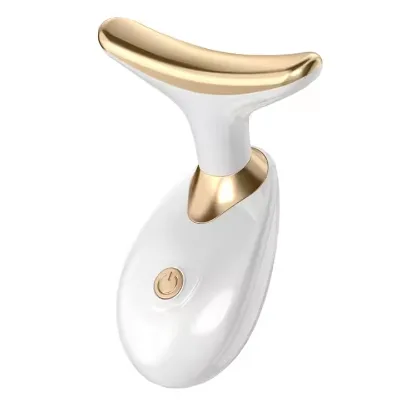
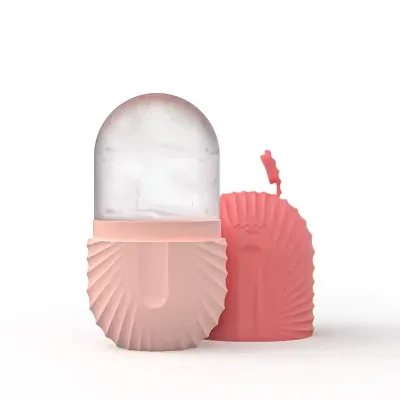
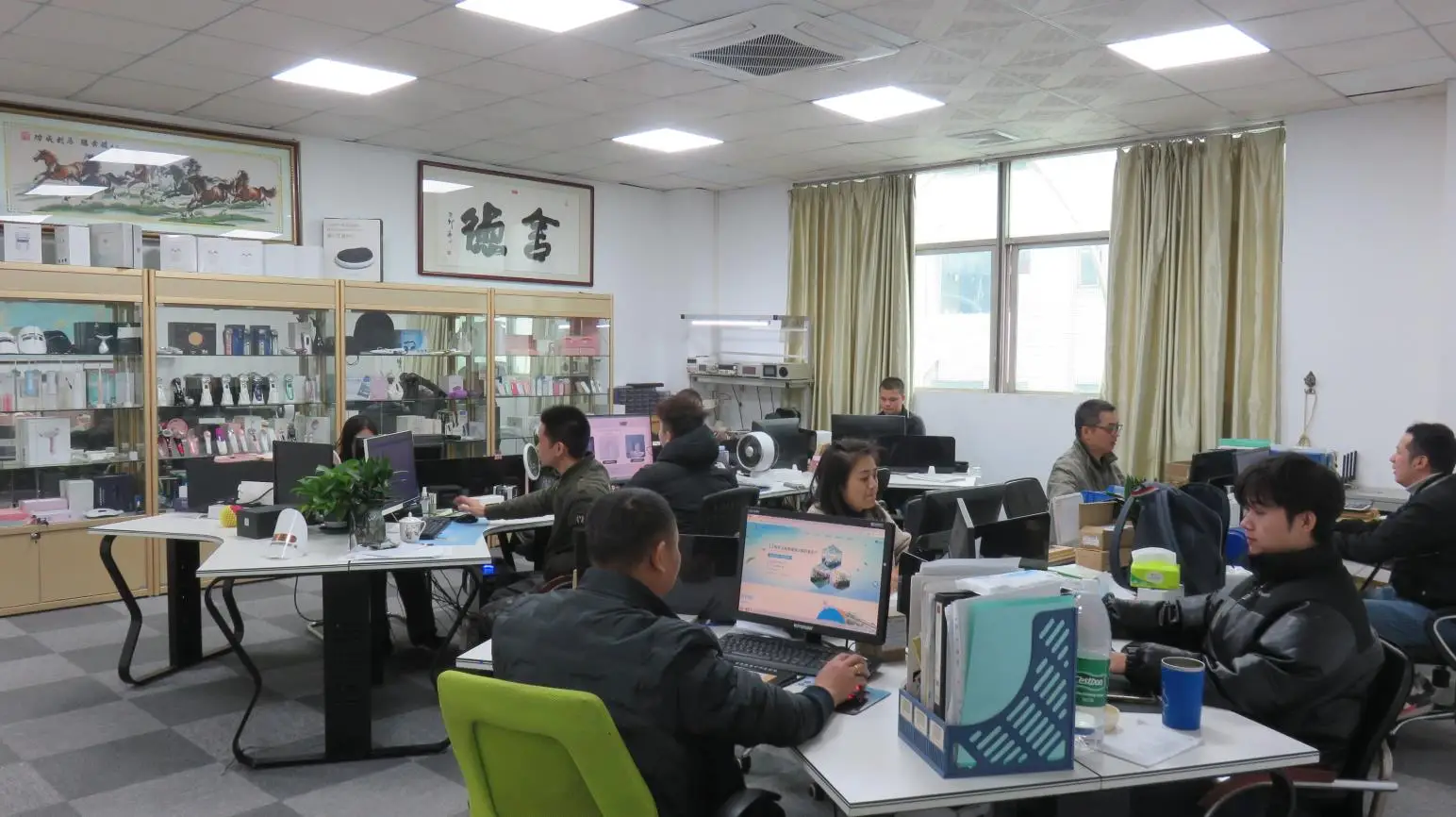
Shandong Chengchang Health Technology Co., Ltd.
- Trading Company
- Shandong, China
- Lead time15 days
- Avg. response≤ 3h
Main productsBeauty equipment,Massager,A protector,medical equipment,Health care equipment
Main marketsSoutheast Asia(20.00%), Domestic Market(15.00%), Mid East(10.00%), South America(5.00%), South Asia(5.00%), Southern Europe(5.00%), Northern Europe(5.00%), Central America(5.00%), Western Europe(5.00%), Eastern Asia(5.00%), Eastern Europe(5.00%), Oceania(5.00%), Africa(5.00%), North America(5.00%)
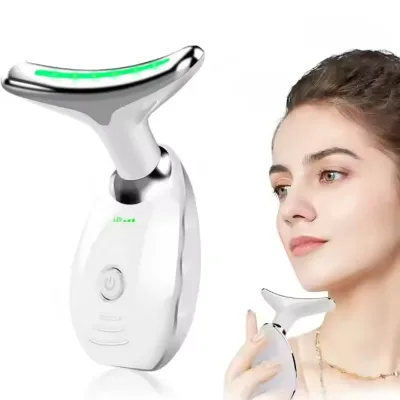
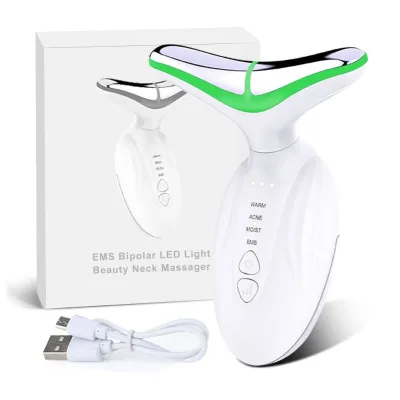
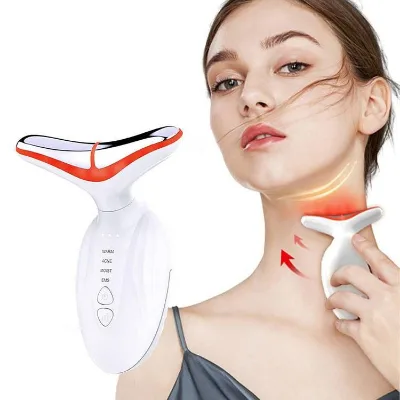
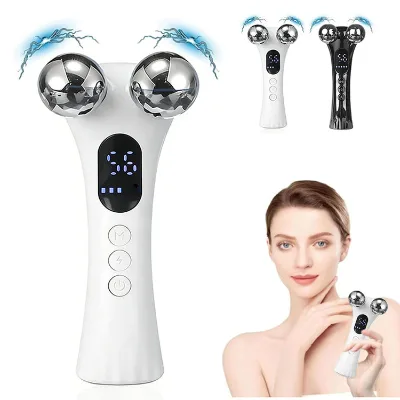
Popular Hand-held Facial Massagers From Europe and America Combined with Essence to Protect the Skin
$3.00 - $3.90
MOQ: 1 pieces
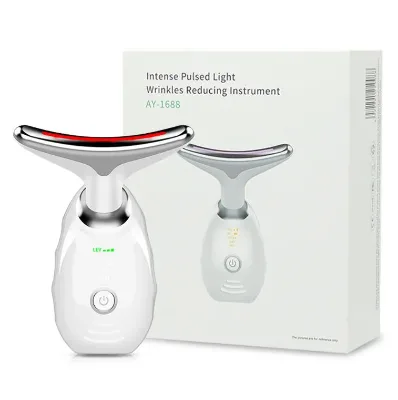
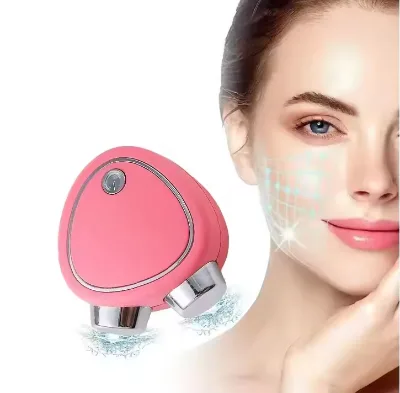

Fujian Yitaikang Electronics Co., Ltd.
- Combined
- China Fujian
- Lead time60 days
- Avg. response≤ 10h
Main productsFoot Massager
Main marketsSoutheast Asia/ Mideast,East Asia(Japan/ South Korea),Domestic,Europe,Australia,North America
- Verified by BV
- Trading Company
- China Zhejiang
- Lead time30 days
- Avg. response≤ 7h
Main productsElectric Kettle, Massager, Hair Dryer, Heater, Electric Grill, Humidifier, Hair Straightener, Mixer, Beauty Instrument, Electronics
Main marketsAfrica,Southeast Asia/ Mideast,Europe,North America
Guangzhou Hotwind Electronics Co., Ltd.
- Verified by TüVRheinland
- Trading Company
- Lead time10 days
- Avg. response≤ 13h
Main productsCold Spray Spectrometer, Infrared LED 7-color Face Mask, Air Straightener, 8 In 1 Hair Speed Hair Dryer, Hair Growth Cap
Main marketsNorth America(40%), South America(10%), Africa(10%)
Shenzhen Junbobeauty Technology Co., Ltd.
- Manufacturer, Trading Company, Agent
- Guangdong, China
- Lead time7 days
- Avg. response≤ 2h
Main productsIPL Hair Removal,RF Device,Eyebrow Shaver,Hair straightener,LED Face Mask
Main marketsOceania(20.00%), Western Europe(15.00%), North America(14.00%), Mid East(10.00%), Southern Europe(10.00%), Southeast Asia(10.00%), South Asia(5.00%), Eastern Europe(5.00%), Northern Europe(3.00%), Eastern Asia(3.00%), South America(2.00%), Africa(2.00%), Domestic Market(1.00%)

Wenzhou Liyang Beauty Trade Co., Ltd.
- Verified by BV
- Trading Company
- China Zhejiang
- Lead time23 days
- Avg. response≤ 5h
Main productsHair Brush, Bath Items, Beauty Instruments, Makeup Brushes, Makeup Sponge, Jade Craft, Makeup Mirror, Cotton Pads, Silicone Accessories, False Nails
Main marketsSouth America,Eastern Europe,Mid East,North America,Western Europe

Beijing HYE Technology Co., Ltd.
- Trading Company,Manufacturer/Factory,Other
- China Beijing
- Lead time0 days
- Avg. response≤ 5h
Main productsHair Removal, Diode Laser, Slimming Machine, Teeth Whitening, Derma Roller, Skin Care Products, LED Face Mask, Skin Analyzer, Hifu, Lipo Laser

$19.99 - $29.99
MOQ: 10 Pieces

Chuangke Medical Devices (Guangdong) Co., Ltd.
- Manufacturer, Trading Company
- Guangdong, China
- Lead time0 days
- Avg. response≤ 1h
Main productsBeauty equipment,Skin rejuvenation equipment,Tattoo removal machine,HAIR REMOVAL,Weight loss machine
Main marketsNorth America(25.00%), Southeast Asia(20.00%), Mid East(15.00%), Central America(10.00%), South Asia(10.00%), Africa(5.00%), Eastern Asia(5.00%), Northern Europe(2.00%), Eastern Europe(2.00%), Domestic Market(2.00%), South America(2.00%), Western Europe(1.00%), Oceania(1.00%)
Foshan Taida Electronic Technology Co., Ltd.
- Verified by TUVRHEINLAND
- Combined
- China Guangdong
- Lead time15 days
- Avg. response≤ 21h
Main productsDerma Roller, Derma Pen, Ice Roller, Jade Roller, Beauty Device, Massage Device, Disposable Beauty Consumable, Microneedling Device, OEM OEM Project
Main marketsSoutheast Asia/ Mideast,Europe,North America

Hot Selling LED Light Therapy Face Massager with LCD Screen Beauty Device Facial Massage
$33.00 - $48.00
MOQ: 2 Pieces

3-in-1 Anti-Wrinkle Facial Neck Massage Beauty Massager for Face and Neck Lifting
$1.79 - $1.98
MOQ: 2 Pieces

Skin Tightening Firming Remove Fine Line Facial Massager Microcurrent Cooling Ice Roller
$4.00 - $4.50
MOQ: 2 Pieces
- Verified by TUVRHEINLAND
- Trading Company,Manufacturer/Factory
- China Jiangsu
- Lead time23 days
- Avg. response≤ 4h
Main productsMedal, Coin, Lapel Pin, PVC Patch, Embroidery Patch, Keychain, Button Badge, Silicone Wristband, Lanyards, Gift
Main marketsSouth America,Eastern Europe,Mid East,North America,Oceania,Western Europe

Guangzhou Everplus Beauty Appliance Ltd.
- Verified by BV
- Combined
- China Guangdong
- Lead time30 days
- Avg. response≤ 8h
Main productsBeauty Equipment, Beauty Instrument, Slimming Machine, Body Slimming, Facial Care, Beauty Machine, Skin Care, RF Machine, Salon Equipment, Peeling Machine
Main marketsEurope
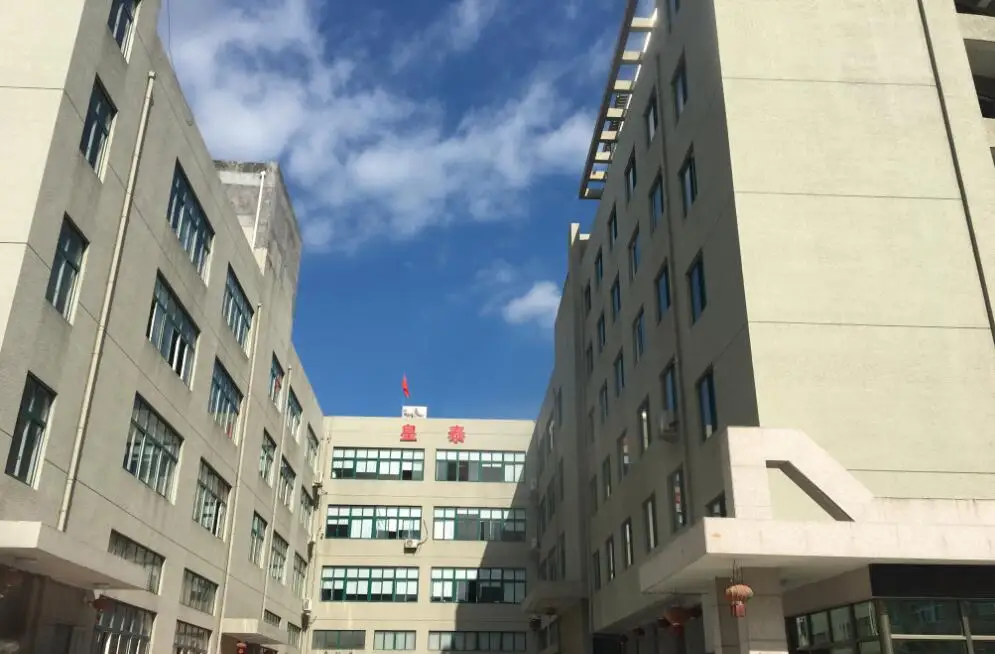
Pingyang Huangtai Electronic Technology Co., Ltd.
- Manufacturer, Trading Company
- Zhejiang, China
- Lead time20 days
- Avg. response≤ 2h
Main productsNeck Shoulder Massager,Massage Pillow,Massage Gun,Foot Massager,Handheld Massager
Main marketsNorth America(25.00%), Domestic Market(20.00%), Oceania(6.00%), Western Europe(6.00%), Eastern Asia(6.00%), Southeast Asia(6.00%), Eastern Europe(6.00%), Southern Europe(5.00%), Northern Europe(5.00%), South America(3.00%), South Asia(3.00%), Mid East(3.00%), Africa(3.00%), Central America(3.00%)
Shenzhen Jimei Technology Development Co., Ltd.
- Verified by SGS Group
- Manufacturer, Trading Company
- Lead time25 days
- Avg. response≤ 3h
Main productsRed light therapy panel, Beauty Device, Facial Cleaning Brush, Body Slim Massager, Hair Regrowth Helmet
Main marketsNorth America(60%), Western Europe(20%), Southeast Asia(10%)
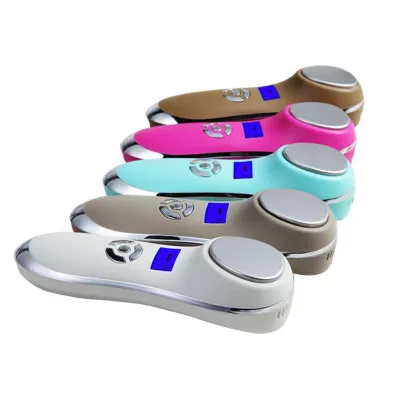
Dual-Temperature Cold Hot Face Massager with Sonic Vibration, OEM/ODM Support
$12.41 - $14.49
MOQ: 1 pieces
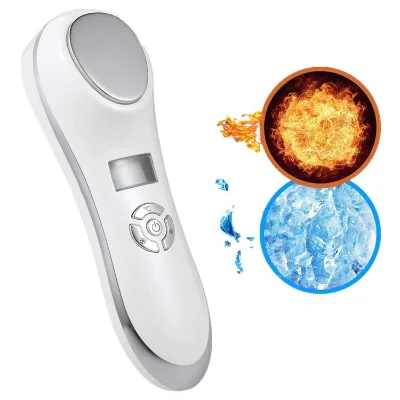
USB Rechargeable Hot & Cool Compress Facial Massager with Sonic Vibration
$11.97 - $13.97
MOQ: 1 pieces
- Verified by SGS
- Manufacturer
- China Guangdong
- Lead time15 days
- Avg. response≤ 10h
Main productsMassage Gun, Electronics Guitar and Bass Tuner, Ar Game Gun
Main marketsNorth America

Shanghai Best Medical Products Company Limited
- Manufacturer/Factory
- China Shanghai
- Lead time30 days
- Avg. response≤ 10h
Main productsHospital, Lab, Dentist's, Industry Supplies, Beauty Salon, SPA, Bathroom Supplies, Restaurant, Kitchen, Hotel Supplies
Main marketsSouth America,Eastern Europe,Mid East,North America,Southeast Asia,Eastern Asia,Oceania,Western Europe,Africa

Beijing ADSS Development Co., Ltd.
- Verified by TUVRHEINLAND
- Combined
- China Beijing
- Lead time15 days
- Avg. response≤ 4h
Main productsHifu, Laser Vaginal Tightening, Digital Syringe Injector, 808nm Diode Laser Hair Remvoal, Fractional RF & Thermal RF, Vacuum Shape, 20MHz RF Thermal, Cryolipolysis Slimming Machine, Cavitation Slimming Machine, Fractional CO2 Laser
Main marketsSouth America,East Asia(Japan/ South Korea),Europe,Australia,North America













Comprehensive Sourcing Guide
Face Massager Supplier Concentration and Factory Types
The current search results indicate a concentration of suppliers in Zhejiang and Guangdong provinces within China, where manufacturers and trading companies operate in close proximity. These regions host a mix of entity types, including pure trading companies and hybrid entities that function as both manufacturers and factories. Some suppliers list their company type explicitly as a trading company, while others identify as a manufacturer or factory, often offering both OEM and ODM capabilities. This distinction is critical because a trading company may source products from various factories, whereas a manufacturer controls the production line directly. The presence of both types suggests a competitive market where buyers must distinguish between the entity managing the order and the entity actually producing the goods.
When evaluating the factory type, buyers should look for specific evidence such as the mention of "Own Brand, OEM, ODM" capabilities or explicit statements regarding manufacturing capacity. Some suppliers in the results display certifications like BSCI and ISO 9001, which often correlate with established manufacturing facilities rather than simple trading desks. However, not every supplier displays these credentials, and the absence of a specific certification does not confirm a lack of manufacturing capability. Buyers should verify the physical location and operational model by requesting factory audits or video tours, especially when the supplier claims to be a manufacturer but lacks detailed production evidence. Understanding this structural difference helps in negotiating better pricing and ensuring quality control throughout the production cycle.
How to Verify Face Massager Suppliers
Verification of suppliers requires a multi-layered approach that goes beyond simple profile checks. The search data shows that some suppliers hold third-party verification badges from organizations like SGS and TÜV Rheinland, which serve as a baseline for legitimacy. These verifications often indicate that the company has undergone specific audits regarding their business license, factory conditions, or product quality systems. However, the absence of a visible badge does not automatically disqualify a supplier, as verification status can vary based on the specific audit cycle or the platform's display rules. Buyers should treat these badges as a starting point rather than a definitive guarantee of current performance or future reliability.
Beyond verification badges, buyers must scrutinize the specific product attributes and certifications listed for each item. For instance, some products in the results carry CE certification, while others list no system certification at all. This variation highlights the need to verify that the specific product model meets the regulatory standards required for the target market. Buyers should request current test reports and certificates that match the exact model number and specifications being ordered. Additionally, checking the response time, which ranges from under two hours to over twenty hours in the data, can indicate the operational efficiency of the supplier's sales team. A slow response time may suggest a lack of dedicated support staff, which could complicate communication during the production and shipping phases.
What to Compare Across Face Massager Suppliers
Comparing suppliers requires a systematic analysis of key operational metrics such as lead time, minimum order quantity, and response speed. The available data reveals significant variance in lead times, with some suppliers offering a 15-day turnaround while others require up to 28 days. Similarly, minimum order quantities differ widely, ranging from as low as 20 units to as high as 500 units. These differences directly impact inventory planning and cash flow, making it essential to align supplier capabilities with the buyer's specific volume requirements. A supplier with a low MOQ might be ideal for testing a new product line, whereas a supplier with a longer lead time might be necessary for large-scale production runs where cost efficiency is prioritized over speed.
Price and product specifications also form a critical part of the comparison matrix. The results show price points varying from $0.20 to $7.00 depending on the product complexity and features, such as whether the device includes heating functions, LED therapy, or specific materials like stainless steel. Buyers should compare not just the unit price but also the total cost of ownership, which includes shipping, packaging, and potential customization fees. Some suppliers offer customization options, while others sell standard items only. Additionally, the main products listed by each supplier provide insight into their specialization; a supplier focusing on medical equipment might offer higher quality standards than one specializing in general beauty tools. Aligning these factors ensures the selected supplier can meet both technical and commercial expectations.
Common Face Massager Sourcing Risks
One of the primary risks in sourcing face massagers is the inconsistency in product certifications and safety standards. The search results indicate that while some products carry CE certification, others have no listed system certification, creating a potential compliance gap for international markets. Relying on a supplier who does not provide verifiable documentation for safety standards can lead to customs delays, product recalls, or legal liabilities in the destination country. Buyers must ensure that the specific product model they intend to purchase has the necessary approvals for their target market, rather than assuming that the supplier's general certifications cover all their product lines.
Another significant risk involves the discrepancy between the claimed supplier type and the actual production capability. Some suppliers identify as trading companies, which may introduce an additional layer of communication and potential quality control issues if the factory is not directly managed. There is also the risk of misleading product attributes, such as incorrect material descriptions or exaggerated features like "musical function" on a simple roller. Buyers should verify all product claims through independent testing or by requesting samples before placing a bulk order. The variation in response times observed in the data also suggests that some suppliers may struggle with communication, which can delay issue resolution and impact the overall supply chain stability.
Face Massager Regional Sourcing and Logistics
Regional sourcing strategies should focus on the identified manufacturing clusters in Zhejiang and Guangdong, where the majority of suppliers are located. These regions offer a dense network of suppliers specializing in beauty devices and medical consumables, providing buyers with a wide selection of options. However, the logistics from these regions can vary based on the specific port of origin and the shipping method chosen. Buyers should account for the fact that some suppliers are located in Shenzhen, while others are in other parts of Guangdong or Zhejiang, which can affect transit times and freight costs. Understanding the specific location of the factory helps in estimating the total delivery timeline more accurately.
Logistics planning must also consider the packaging and weight specifications provided by the suppliers. The data shows that products vary in size and weight, from lightweight items weighing 0.02kg to heavier units with a gross weight of 0.5kg. These differences influence the shipping method and cost, particularly for air freight versus sea freight. Buyers should request detailed packing lists and dimensions to calculate the exact volume and weight for their shipments. Additionally, the lead times observed, ranging from 15 to 28 days, must be factored into the overall logistics schedule to ensure timely delivery. Coordinating with the supplier on packaging standards, such as carton specifications, can further optimize the shipping process and reduce the risk of damage during transit.
Face Massager Commercial Terms and Order Planning
Commercial terms and order planning are pivotal for managing the financial and operational aspects of the procurement process. The data indicates that minimum order quantities can range from 20 to 500 units, which significantly affects the initial investment required. Buyers must align their order volume with the supplier's MOQ to avoid unnecessary costs or the need to split orders across multiple suppliers. Furthermore, the price points vary widely, from $0.20 to $7.00, meaning that the total order value will depend heavily on the specific product features and the quantity ordered. Clear communication regarding payment terms, such as the use of escrow services, is essential to protect the buyer's financial interests throughout the transaction.
Order planning should also account for the response times and lead times provided by the suppliers. With response times varying from under two hours to over twenty hours, buyers need to establish a communication protocol that ensures timely updates and issue resolution. Lead times of 15 to 28 days require careful scheduling to meet market demand without overstocking. Buyers should plan for potential delays by building buffer time into their inventory management strategy. Additionally, the availability of customization options should be factored into the timeline, as custom orders often require additional time for design approval and production setup. By carefully analyzing these commercial terms, buyers can create a robust order plan that minimizes risk and maximizes efficiency.
FAQs
What is the price range for face massagers?
Prices for face massagers vary significantly based on features and materials. Basic manual rollers start around $0.20 per unit, while advanced electronic devices with heating or vibration capabilities can cost between $6.00 and $7.00. Buyers should check specific product listings for exact pricing tiers and bulk discounts.
What certifications are available for these products?
Many face massagers carry CE certification, ensuring compliance with European safety standards. Some suppliers also hold ISO 9001 and BSCI system certifications, indicating robust quality management and ethical manufacturing practices. Buyers should verify specific certificates for each product model to ensure regulatory compliance in their target markets.
What are the typical lead times for orders?
Lead times for face massagers generally range from 15 to 28 days, depending on the supplier and order volume. Some manufacturers offer faster turnaround times of around 15 days, while others may require up to 28 days for production and shipping. Buyers should confirm specific timelines with suppliers before placing orders.
What is the minimum order quantity (MOQ)?
Minimum order quantities vary widely, starting as low as 20 units for some electronic devices and going up to 500 units for basic manual rollers. Buyers seeking smaller batches should look for suppliers with lower MOQs, while those planning large-scale distribution can negotiate better terms with higher volume commitments.
Where are these suppliers located?
Most Face Massager suppliers are located in Zhejiang and Guangdong provinces in China. These regions are known for their strong manufacturing capabilities in beauty devices and medical equipment. Buyers can expect efficient logistics and supply chain support from these established industrial hubs when sourcing face massagers.
How quickly do suppliers respond to inquiries?
Supplier response times vary, with some responding within 1.74 hours and others taking up to 22 hours. Faster response times often indicate more active sales teams and better customer service. Buyers should prioritize suppliers with quicker response rates to ensure smooth communication and timely order processing.