Face Lift RF Cartridges Suppliers and Manufacturers
Explore 31 verified options for Face Lift RF Cartridges from Guangdong and Beijing. Compare response times, lead times, certifications, and product features like warranty and technology. Contact suppliers directly to request quotes and verify specifications; review the available evidence before requesting comparable quotations from suitable candidates.
Suppliers List
Guangzhou Corelaser Beauty Equipment Limited
- Manufacturer, Trading Company
- Guangdong, China
- Lead time5 days
- Avg. response≤ 3h
Main productsHIFU machine,Pressotherapy machine,IPL/ELIGHT/808NM DIODE LASER MACHINE,CRYOLIPOLYSIS MACHINE,CAVITATION MACHINE
Main marketsWestern Europe(20.00%), Domestic Market(10.00%), North America(10.00%), Southern Europe(10.00%), South Asia(10.00%), Northern Europe(10.00%), Oceania(8.00%), Central America(6.00%), Africa(6.00%), Southeast Asia(3.00%), South America(3.00%), Mid East(2.00%), Eastern Europe(2.00%)

Beijing ADSS Development Co., Ltd.
- Verified by TUVRHEINLAND
- Combined
- China Beijing
- Lead time15 days
- Avg. response≤ 4h
Main productsHifu, Laser Vaginal Tightening, Digital Syringe Injector, 808nm Diode Laser Hair Remvoal, Fractional RF & Thermal RF, Vacuum Shape, 20MHz RF Thermal, Cryolipolysis Slimming Machine, Cavitation Slimming Machine, Fractional CO2 Laser
Main marketsSouth America,East Asia(Japan/ South Korea),Europe,Australia,North America


Anti-Wrinkle Machine/3D Face Lifting 4D Hifu Facial Lifting Device, Wrinkle Removal / Hifu Cartridge
$1.00 - $4000.00
MOQ: 1 Pieces

Guangzhou RenLang electronic technology Co., LTD
- Verified by CTI
- Combined
- China Guangdong
- Lead time15 days
- Avg. response≤ 11h
Main productsBeauty Machine, Hair Removal Machine, Tattoo Removal Machine
Main marketsEurope

RF Fractional Micro Face Lifting Radio Frequency Machine Cartridge RF Fractional
$710.00 - $730.00
MOQ: 1 set


Guangzhou Acine Technology Co., Ltd.
- Verified by TüVRheinland
- Manufacturer, Trading Company
- Lead time5 days
- Avg. response≤ 1h
Main productsSkin Scrubber, Massage Rolller, Lipo Laser Machine, Hair Removal, Facial Machine
Main marketsOceania(15%), North America(10%), South America(10%)
Guangzhou Siweite Electronic Technology Co., Ltd.
- Manufacturer, Trading Company
- Guangdong, China
- Lead time0 days
- Avg. response≤ 1h
Main productsEMS fitness machine,shock wave machine,Vacuum Roller Machine,Body Analyzer,Antifreeze menbrane
Main marketsSouth America(30.00%), North America(30.00%), Western Europe(20.00%), Eastern Europe(20.00%)

Changsha Fusheng Electronic Technology Co., Ltd.
- Trading Company
- China Hunan
- Lead time15 days
- Avg. response≤ 2h
Main productsElectronic Product
Main marketsSoutheast Asia/ Mideast,Europe,North America
Wuhan Gaze Laser Technology Co., Ltd.
- Trading Company
- Hubei, China
- Lead time5 days
- Avg. response≤ 2h
Main productsderma pen,medical laser,beauty equipment,Surgical laser,physicalTherapy laser
Main marketsSoutheast Asia(20.00%), Northern Europe(20.00%), Domestic Market(15.00%), South America(15.00%), North America(15.00%), Mid East(5.00%), Eastern Europe(5.00%), Eastern Asia(5.00%)
Jiangmen Faling Electronic Technology Co., Ltd.
- Manufacturer, Trading Company
- Guangdong, China
- Lead time15 days
- Avg. response≤ 1h
Main productsSkin Analyzer Machine, Cold Hammer, LED Facial Machine, Hair Growth Helmet
Main marketsNorth America(50.00%), Western Europe(30.00%), Mid East(20.00%)

Beijing Globalipl Development Co., Ltd.
- Verified by TUVRHEINLAND
- Combined
- China Beijing
- Lead time15 days
- Avg. response≤ 2h
Main productsIPL Shr, Hair Removal IPL, Hair Removal Laser, IPL RF Elight YAG Laser Beauty Machine, 808nm Diode Laser Hair Removal Machine, Shr IPL +Diode Laser, Fat Freeze Cryolipolysis Slimming Machine, Ultrasonic Cavitation Slimming Machine, Q Switch ND YAG Laser Tattoo Removal Machine, Fractional CO2 Laser for Scar Removal
Main marketsOthers(foreignTradeCapacity.exportBusinessCapacityMarketOther),Europe,Australia,North America
Guangzhou Glm Beauty Spa Equipment Factory
- Verified by TüVRheinland
- Manufacturer, Trading Company
- Lead time7 days
- Avg. response≤ 1h
Main productsBody Slimming Machine, Face Care Machine, RF Machine, Vacuum Cavitation Machine, Oxygen Jet Machine
Main marketsNorth America(35%), Eastern Europe(20%), Eastern Asia(15%)
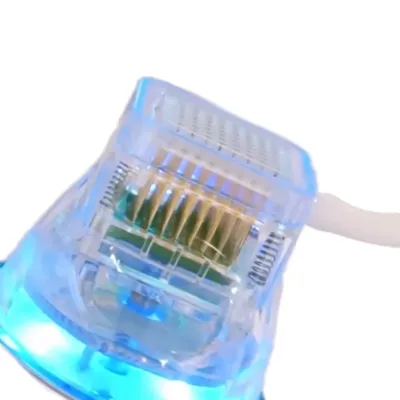
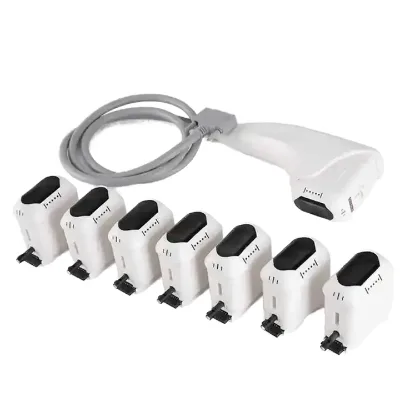
$71.60 - $88.20
MOQ: 1 pieces
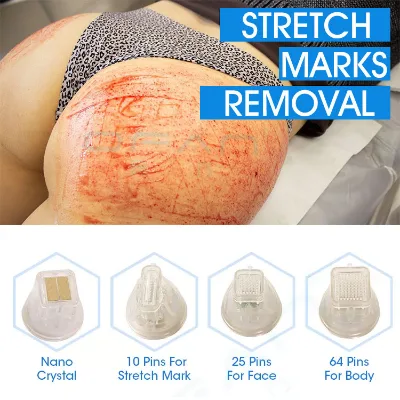
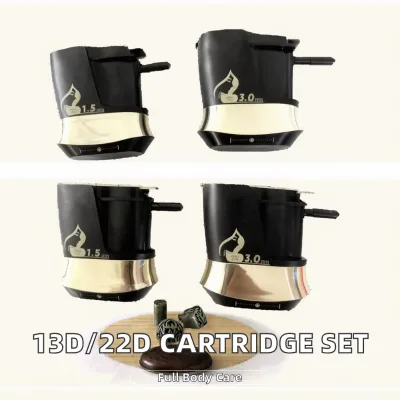

Guangzhou Everplus Beauty Appliance Ltd.
- Verified by BV
- Combined
- China Guangdong
- Lead time30 days
- Avg. response≤ 8h
Main productsBeauty Equipment, Beauty Instrument, Slimming Machine, Body Slimming, Facial Care, Beauty Machine, Skin Care, RF Machine, Salon Equipment, Peeling Machine
Main marketsEurope

Portable RF Radio Frequency Machine&Portable Radio Frequency Face Lift Device
$190.00 - $210.00
MOQ: 1 Pieces


Beijing HYE Technology Co., Ltd.
- Trading Company,Manufacturer/Factory,Other
- China Beijing
- Lead time0 days
- Avg. response≤ 5h
Main productsHair Removal, Diode Laser, Slimming Machine, Teeth Whitening, Derma Roller, Skin Care Products, LED Face Mask, Skin Analyzer, Hifu, Lipo Laser

Portable Skin Tightening Face Lifting RF Machine Facial Beauty Massager
$1.00 - $35.00
MOQ: 100 Pieces

Portable RF Instrument Skin Rejuvenation Beauty Face Lifting Skin Care Treatment
$1.00 - $35.00
MOQ: 100 Pieces


Face and Body Treatment RF Microcurrent Face Lift Fractional Radio Frequency Portable Machine
$1.00 - $35.00
MOQ: 100 Pieces
Guangzhou Dpl Beauty Technology Co., Ltd.
- Verified by TUVRHEINLAND
- Combined
- China Guangdong
- Lead time30 days
- Avg. response≤ 5h
Main productsLaser Cosmetic Machine, Body Slimming Machine, Hifu Machine, Skin Analyzer, Hydra Dermabrasion, Vacuum Cavitation System, Physical Therapy Machine, Plasma Machine, Microneedling Machine
Main marketsDomestic,Europe,North America


$669.00 - $899.00
MOQ: 1 pieces

Solana Beauty Technology Co., Limited
- Trading Company,Manufacturer/Factory
- China Guangdong
- Lead time15 days
- Avg. response≤ 4h
Main productsBeauty Equipment, Hifu Anti-Aging Machine, Radio Frequency Lipocavitation Machine, Cryolipolysis Fat Freezing Machine, 808nm Diode Laser Hair Removal Machine, Elight Opt IPL Hair Removal Machine, Pressotherapy Machine, Hydro Facial Skincare Machine, Mesotherapy Machine, G5 Massager Machine
Main marketsSouth America,Eastern Europe,Mid East,North America,Southeast Asia,Eastern Asia,Oceania,Africa

Portable Facelift Skin Tightening RF Radio Frequency Facial Beauty Apparatus
$60.00 - $100.00
MOQ: 1 Pieces


HEBEI KEYLASER SCI-TECH CO., LTD.
- Verified by CTI
- Manufacturer/Factory
- China Beijing
- Lead time15 days
- Avg. response≤ 4h
Main productsIPL, Diode Laser Hair Removal, ND YAG Laser, Hifu, CO2 Fractional Laser, Picosecond Laser, Body Slimming, Cryolipolysis Fat Freezing, 980nm Diode Laser, Emscuplt Muscle Building
Main marketsSouth America,Eastern Europe,Mid East,North America,Southeast Asia,Eastern Asia,Oceania,Western Europe,Africa

Face Lifting Machine Beauty Device Facial Machine Skin Tightening EMS RF Face Lift
$3400.00 - $3600.00
MOQ: 1 Pieces

Face Lift Machine Professional New Double Handle Cartridges HiFi 9d Anti-Aging Facial Beauty
$3400.00 - $3600.00
MOQ: 1 Pieces
Ganzhou Pengzhan Trading Co.,LTD
- Verified by BV
- Trading Company
- China Jiangxi
- Lead time15 days
- Avg. response≤ 2h
Main productsLaser Hair Removal Device, Beauty Massager, Facial Roller, Ice Cube Roller, Massage Roller, Ice Globe, Ice Roller, Beauty Device, Skin Care, Beauty Personal
Main marketsOthers(foreignTradeCapacity.exportBusinessCapacityMarketOther),Europe,Australia,North America


Multi-Functional Face Lifting Skin Rejuvenation RF Beauty Device Anti-Aging Device
$32.37 - $36.81
MOQ: 20 Pieces

- Verified by SGS
- Trading Company,Manufacturer/Factory
- China Guangdong
- Lead time23 days
- Avg. response≤ 3h
Main productsBeauty Devices, Skin Care Instrument, LED Face Masks, Makeup Tools, Beauty Instrument (OEM/ODM), OEM / ODM Electronics, Beauty Device, Home Air Care Appliances, Furniture, Electric Bakhoor Burners
Main marketsSouth America,Eastern Europe,Mid East,North America,Southeast Asia,Eastern Asia,Oceania,Western Europe,Africa


$17.00 - $20.60
MOQ: 20 Pieces
Jiangmen Feier Electronic Technology Co., Ltd.
- Verified by SGS Group
- Manufacturer, Trading Company
- Lead time0 days
- Avg. response≤ 2h
Main productsVaccum Cavitation Machine, Hydra Oxygen Machine, Muscle Stimulation Machine, Cryo Fat Reduction Machine, Laser Machine
Main marketsNorth America(45%), Western Europe(20%), Southern Europe(10%)
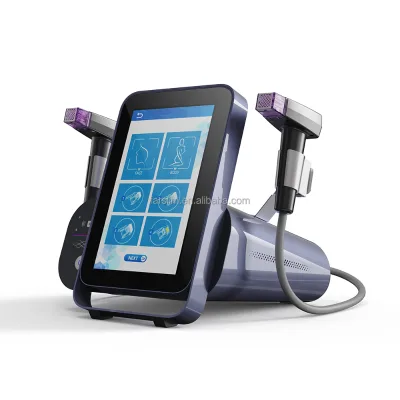
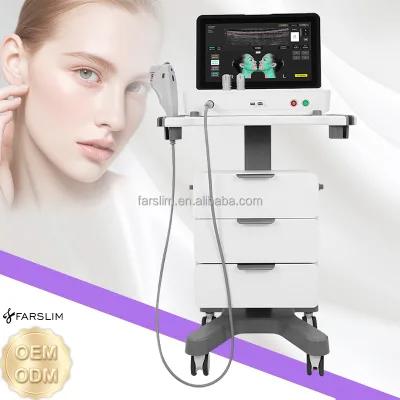
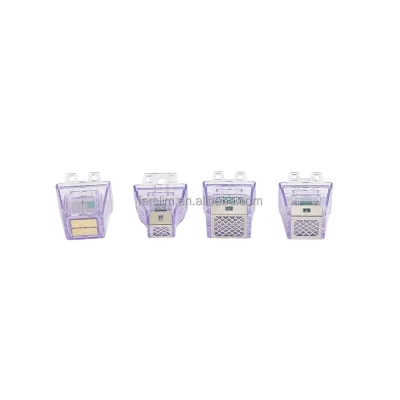
12Pin 24Pin 40Pin Nano Cartridges
$6.00 - $7.00
Jiangxi Zhaomei Technology Co., Ltd.
- Trading Company
- Jiangxi, China
- Lead time15 days
- Avg. response≤ 1h
Main productsslimming machine,oxygen facial machine,cavitation machine,skin cooling machine,diode laser
Main marketsNorth America(20.00%), South America(15.00%), Northern Europe(10.00%), Western Europe(10.00%), Eastern Europe(10.00%), Africa(5.00%), Southern Europe(5.00%), Southeast Asia(5.00%), Eastern Asia(5.00%), Mid East(5.00%), Oceania(5.00%), Central America(3.00%), South Asia(2.00%)

GUANGZHOU KONMISON TECHNOLOGY CO., LIMITED
- Verified by BV
- Trading Company
- China Guangdong
- Lead time30 days
- Avg. response≤ 12h
Main productsBeauty Machine, Beauty Equipment, Slimming Machine, Cavitation Weight Loss Beauty Machine, Skin Care Machine, RF Skin Lifting Rejuvenation Machine, IPL Hair Removal Machine, Laser Hair Removal Machine, LED Facial Mask Beauty Device
Main marketsEurope,Australia

Distributors Wanted Face Lift Home Use Hi Fu Machine 5 Cartridges Hi Fu
$500.00 - $780.00
MOQ: 1 Pieces

4 in 1 Re-Face PE Face EMS RF Muscle Stimulation Face Lift Anti-Aging Machine
$2050.00 - $2350.00
MOQ: 1 Pieces


$2100.00 - $2750.00
MOQ: 1 Pieces

Anti-Aging Wrinkle Remover Face Lifting 25D 360max Skin Tightening Beauty Machine Hifu
$1389.00 - $1489.00
MOQ: 1 Pieces
Amy Beauty Equipment Manufacture
- Verified by SGS
- Trading Company
- China Shaanxi
- Lead time15 days
- Avg. response≤ 7h
Main productsHifu, Cryolipolysis, Hair Removal Machine, CO2 Fractional Laser Machine, Shockwave, Injection, Body Slimming Machine, Body Facial Analyzer, PDT Machine
Main marketsSouth America

$400.00 - $860.00
MOQ: 1 Pieces

$800.00 - $1300.00
MOQ: 1 Pieces

$800.00 - $1597.00
MOQ: 1 Pieces


$764.00 - $898.00
MOQ: 1 Pieces

- Verified by SGS
- Manufacturer/Factory
- China Beijing
- Lead time0 days
- Avg. response≤ 8h
Main productsDiode Laser 808nm/810nm, IPL E-Light, Picolaser Q-Switched ND: YAG Laser, CO2 Fractional Laser, Liposonix System Ultrashape System, Vacuum+RF Body Slimming, Cryolipolysis System, Skin Analyser System, Messotherapy System, Relevant Systems


$550.00 - $1550.00
MOQ: 1 Sets


Beijing Perfectlaser Technology Co., Ltd
- Verified by BV
- Combined
- China Beijing
- Lead time15 days
- Avg. response≤ 3h
Main products808nm Diode Laser Hair Removal Machine, IPL Laser Hair Removal Machine, Picosecond Laser Tattoo Removal Machine, Alexandrite Laser Hair Removal Machine, Hifu Beauty Machine, Cryolipolysis Slimming Machine, Lipolaser Slimming Machine
Main marketsEurope,North America

Factory Wrinkle Removal Scarlet RF Microneedling Cartridges Beauty Equipment
$2029.00 - $2319.00
MOQ: 1 Pieces


Professional Skin Wrinkle Remover Hifu Cartridge Removal RF Tightening Beauty Equipment
$2860.00 - $3268.00
MOQ: 1 Pieces

Guangzhou Dieyashi Beauty Body Co., Ltd.
- Trading Company
- Guangdong, China
- Lead time0 days
- Avg. response≤ 4h
Main productsDiode Laser Hair Removal Machine, RF Machine, Facial Machine, Slimming Machine, Anti-aging Machine
Main marketsNorth America(65.00%), Eastern Europe(5.00%), Mid East(5.00%), South Asia(4.00%), Western Europe(4.00%), Southern Europe(4.00%), Central America(4.00%), Northern Europe(4.00%), Southeast Asia(2.00%), South America(1.00%), Oceania(1.00%), Africa(1.00%)

Guangzhou Yingcai Beauty Instrument Co., Ltd.
- Verified by SGS
- Combined
- China Guangdong
- Lead time15 days
- Avg. response≤ 2h
Main productsHifu Machine, Hair Removal Machine, Pico Laser Machine, PDT Machine, Franctional Laser Machine, Electrolysis Hair Removal, Hydra Dermabrasion Facial Machine, Cavitation Machine, Cryolipolysis Machine
Main marketsSouth America,Africa,Southeast Asia/ Mideast,East Asia(Japan/ South Korea),Europe,Australia,North America

$1314.29 - $1742.89
MOQ: 1 Pieces

RF Fractional Microneedling Cartridges Microneedling Fractional RF Microneedle Machine
$495.00 - $635.00
MOQ: 1 Pieces

Chengji Electronic Technology (dongguan) Co., Ltd.
- Verified by BV
- Trading Company,Manufacturer/Factory
- China Guangdong
- Lead time15 days
- Avg. response≤ 22h
Main productsBeauty Equipment, Laser Hair Removal Machine, Weight Loss Machine, Skin Care Machine, Tattoo Removal Machine
Main marketsSouth America,Eastern Europe,Mid East,North America,Southeast Asia,Eastern Asia,Oceania,Western Europe,Africa
Guangzhou Lingmei Electronic Technology Co., Ltd.
- Manufacturer, Trading Company, Distributor/Wholesaler
- Guangdong, China
- Lead time7 days
- Avg. response≤ 4h
Main productscryolipolysis machine,hifu machine,ipl elight opt shr hair removal machine,Cavitation Machine,shock wave device
Main marketsSouth Asia(7.69%), Southern Europe(7.69%), Northern Europe(7.69%), Central America(7.69%), Western Europe(7.69%), Eastern Asia(7.69%), Mid East(7.69%), Oceania(7.69%), Africa(7.69%), Southeast Asia(7.69%), Eastern Europe(7.69%), South America(7.69%), North America(7.69%)
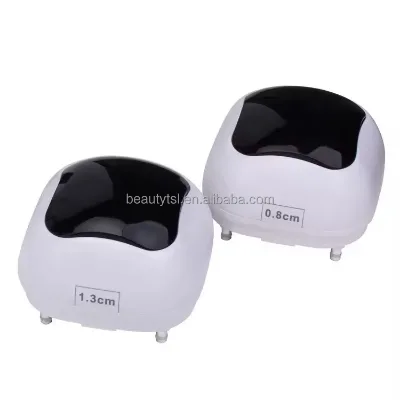
Spare Parts Sale! Liposonic Cartridges 8mm &13mm for Lipohifu Cartridge Esthetician Equipment
$99.00 - $115.00
MOQ: 1 pieces
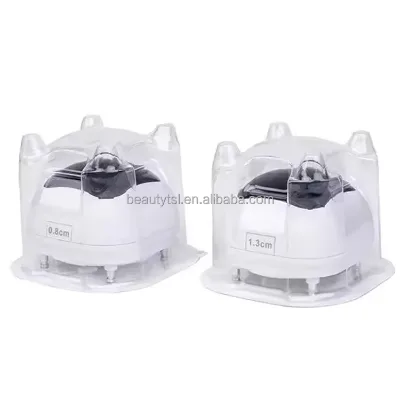
$101.31 - $117.69
MOQ: 1 pieces
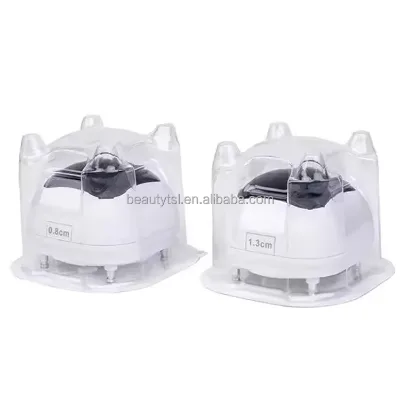
$100.97 - $117.28
MOQ: 1 pieces
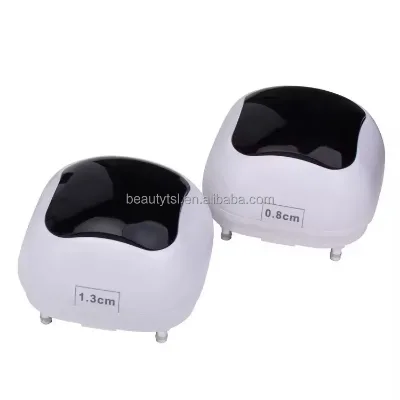
Customization 6.0mm 8.0mm 13.0mm Liposonic Cartridge for Various Types Emmiter Liposonic Machine
$101.31 - $117.69
MOQ: 1 pieces

Beijing Nubway S & T Co., Ltd.
- Verified by BV
- Combined
- China Beijing
- Lead time15 days
- Avg. response≤ 3h
Main productsCryolipolysis, Diode Laser Hair Removal Machine, Muscle Sculpting Machine, 5D Hifu, Infrared RF Vacuum Roller Slimming Machine, Picosecond Laser, Q Switched ND YAG Laser, Fractional CO2 Laser, Fractional RF Microneeding Machine, IPL Shr Elight
Main marketsSouth America,Africa,Southeast Asia/ Mideast,East Asia(Japan/ South Korea),Europe,Australia,North America

Microneedling Pens and Cartridges RF Beauty Radio Frequency Portable
$1150.00 - $1500.00
MOQ: 1 Pieces


Hifu Machine Face Lifting 7D Hifu Cartridges for Face & Body for Sales
$3000.00 - $3800.00
MOQ: 1 Pieces

Best Skin Tightening Hifu Cartridge Anti Aging Machine Beauty Equipment
$1800.00 - $2500.00
MOQ: 1 Pieces

Guangzhou Newbelle Technology Co., Ltd.
- Verified by BV
- Trading Company
- China Guangdong
- Lead time15 days
- Avg. response≤ 2h
Main productsShockwave Therapy, Hydro Facial Machine, Pressotherapy Machine, Cryotherapy Machine, Cryoskin Machine, Microcurrent RF Machine
Main marketsSouth America,Africa,Southeast Asia/ Mideast,Europe

$2499.00 - $2999.00
MOQ: 1 Pieces

$999.00 - $1299.00
MOQ: 1 Pieces

Sanhe Jumei Technology Co., Ltd.
- Verified by TUVRHEINLAND
- Trading Company
- China Hebei
- Lead time15 days
- Avg. response≤ 3h
Main productsbeauty machines
Main marketsEurope

Hifu Cartridge Face Wrinkle Remover and Body Remove RF Skin Tightening Beauty Machine
$2860.00 - $3268.00
MOQ: 1 Pieces

No Downtime Eye Wrinkle Remover Hifu Cartridge 5 in 1 Multifunction Facial Device
$2860.00 - $3268.00
MOQ: 1 Pieces

Hebei Tuosite Import & Export Trade Co., Ltd.
- Verified by CTI
- Trading Company
- China Hebei
- Lead time15 days
- Avg. response≤ 5h
Main productsBeauty Equipment, Medical Equipment, Skin Care Equipment, Diode Laser Equipment, Hair Removal Equipment, Muscle Building Equipment, Cryolipolysis Equipment, Cavitation Vacuum Equipment, Roller Infrared Massage Cellulite Equipment
Main marketsEurope

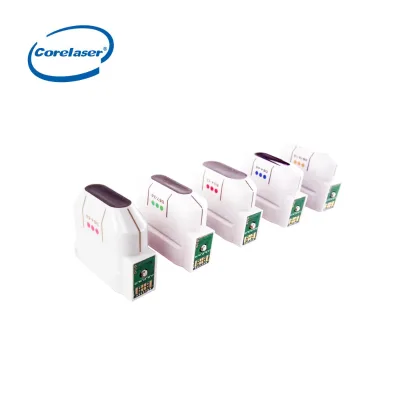
12D 7D 8d 9d 22D Hifu Face Lift Professional Facial Rejuvenation Remove Wrinkles Cartridges Machine
$800.00 - $1600.00
MOQ: 1 Pieces

$900.00 - $1100.00
MOQ: 1 Pieces




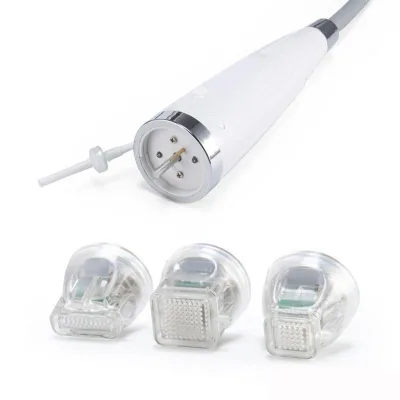
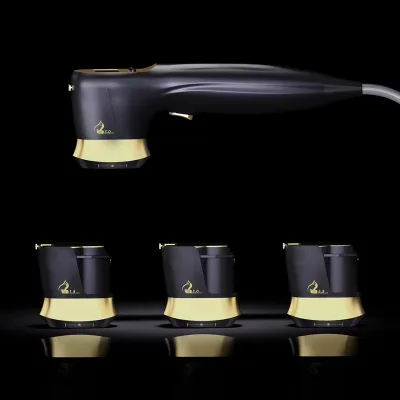
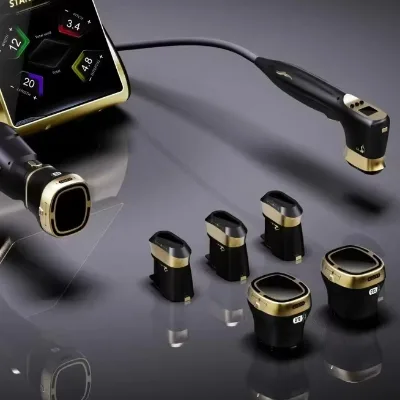


Comprehensive Sourcing Guide
Face Lift RF Cartridges Supplier Concentration and Factory Types
The available data indicates a significant concentration of manufacturers and trading companies operating within Guangdong, China, specifically for beauty equipment including HIFU machines and RF devices. This region serves as a primary hub for the production of desktop beauty trolleys and targeted beauty devices featuring ABS cartridges. Buyers observing this geographic clustering should note that the supply chain for components like HIFU cartridges and RF technology is deeply integrated within this specific province. The presence of both manufacturers and trading companies suggests a diverse ecosystem where direct factory sourcing is possible alongside intermediary distribution channels.
When evaluating the factory types, it is essential to distinguish between entities that produce the core technology and those that aggregate products. Some suppliers list themselves as manufacturers with capabilities in ODM and OEM, while others operate as trading companies or combined entities. The product evidence shows specific attributes like "Desktop" type and "Ultrasonic" operation systems originating from this region. Buyers must verify if a supplier claiming to be a manufacturer actually holds the production capacity for the specific RF frequency or cartridge technology required, rather than simply reselling goods from other factories in the same industrial zone.
How to Verify Face Lift RF Cartridges Suppliers
Verification of supplier credentials requires a rigorous check against the specific certifications and verification statuses provided in the search results. Some suppliers display verification badges from recognized bodies such as TÜV Rheinland, which serves as a critical indicator of operational legitimacy. Additionally, product-level certifications like CE and CFDA are explicitly mentioned for certain RF face lift machines, indicating compliance with specific safety and regulatory standards. Buyers should prioritize suppliers who can provide these specific documents rather than relying on general claims of quality or experience.
Beyond certifications, the response time and lead time data offer tangible metrics for assessing supplier reliability. The observed response times vary, with some suppliers indicating a three-day window while others show slightly longer intervals. Lead times also differ significantly, ranging from five days to fifteen days depending on the specific product configuration and order volume. A supplier with a verified status and a documented lead time of five days may offer a more predictable supply chain than one with a fifteen-day window. Buyers must cross-reference these operational metrics with the supplier's stated company type to ensure the promised delivery aligns with their actual production capabilities.
What to Compare Across Face Lift RF Cartridges Suppliers
Comparing suppliers requires a detailed analysis of the specific product attributes and commercial terms listed in the search results. Key dimensions include the minimum order quantity, which can range from a single item to larger bulk orders, and the price points which vary based on the technology and materials used. For instance, some desktop beauty trolleys are listed with a minimum order of one unit, while others may have different thresholds. The price range for specific RF face lift machines can span from low-cost entry points to higher-end professional units, necessitating a clear comparison of value against the stated features like waterproof ratings or warranty periods.
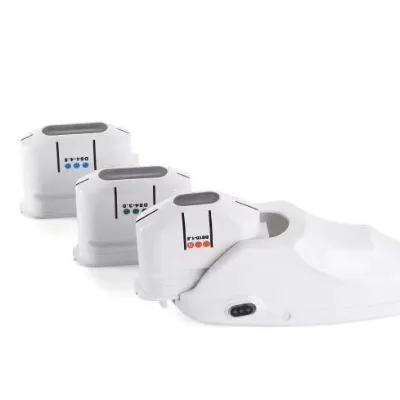
Further comparison should focus on the technical specifications and warranty terms associated with each product listing. Attributes such as the treatment area, whether for face or body, and the specific technology employed, such as Thermal RF or Ultrasonic, are critical differentiators. Warranty periods also vary, with some suppliers offering three months while others provide up to two years or even lifetime technology support. Buyers must align these technical and commercial details with their specific business needs, ensuring that the selected supplier offers the correct cartridge types, such as 1.5mm or 3.0mm HIFU cartridges, and the appropriate power source configuration for their intended application.
Common Face Lift RF Cartridges Sourcing Risks
One significant risk in sourcing these devices involves the variability in product specifications and the potential for mismatched technical requirements. The search results show diverse product attributes, including differences in power sources, plug types, and material compositions like ABS or plastic. A buyer might inadvertently order a device with a non-rechargeable battery or a specific plug type that is incompatible with their local infrastructure if they do not meticulously verify the product attributes. The lack of standardized power supply modes across different listings increases the complexity of ensuring compatibility for international buyers.
Another critical risk relates to the inconsistency in warranty coverage and after-sales support. While some suppliers explicitly state warranty periods of one or two years, others list the warranty as unavailable or provide vague terms. This discrepancy can lead to significant financial loss if a device fails shortly after purchase. Furthermore, the distinction between desktop and portable units, along with the specific treatment therapies offered, must be clearly understood to avoid receiving equipment that does not meet the intended clinical or salon requirements. Buyers must demand clear documentation regarding the warranty and support structure before finalizing any transaction.
Face Lift RF Cartridges Regional Sourcing and Logistics
The primary sourcing region identified in the data is Guangdong, China, which hosts a dense network of manufacturers producing beauty equipment. This location is central to the supply chain for HIFU machines, cryolipolysis devices, and various RF technologies. Buyers sourcing from this region should be aware of the logistical implications of shipping from this specific province, including potential transit times and customs procedures. The concentration of suppliers in this area often leads to competitive pricing but requires careful coordination to manage the logistics of multiple components or finished units.
In addition to the primary hub, some suppliers are located in other regions such as Beijing, China, offering a broader geographic spread of potential partners. While Guangdong remains the dominant cluster, the presence of suppliers in Beijing suggests that buyers may find specialized products or different service levels in other parts of the country. Logistics planning must account for these regional differences, as shipping from Beijing may involve different transit routes compared to Guangdong. Buyers should verify the specific place of origin for each product to accurately estimate shipping costs and delivery schedules, ensuring that the logistics plan aligns with the supplier's actual location.
Face Lift RF Cartridges Commercial Terms and Order Planning
Commercial terms for Face Lift RF Cartridges vary significantly based on the supplier's capacity and the specific product model. The minimum order quantity can be as low as a single item, allowing for small-scale testing, while other listings may require larger commitments. Pricing structures also differ, with some products listed at specific price points while others may have variable pricing based on volume or customization. Buyers must carefully review the price ranges and MOQs to ensure they align with their budget and inventory planning strategies before initiating an order.
Order planning must also consider the lead times and response speeds provided by the suppliers. With lead times ranging from five to fifteen days, buyers need to factor these durations into their production or sales schedules to avoid delays. The response time, typically around three days, indicates the speed at which a supplier can address inquiries, which is crucial for resolving technical questions or customizing orders. Additionally, the availability of customization services, such as OEM and ODM options, should be confirmed early in the planning process to ensure that the final product meets the specific branding and technical requirements of the buyer's business.
FAQs
What is the price range for desktop RF face lift cartridges?
Desktop RF face lift cartridges typically range from approximately $102 to $204 per unit. These prices reflect basic desktop models with ABS or plastic handles. Buyers should verify specific pricing for advanced multi-probe systems, which can cost significantly more depending on the technology and included accessories.
What is the minimum order quantity for these beauty devices?
The minimum order quantity for desktop RF face lift cartridges is often just one unit. This low MOQ allows buyers to test product quality before committing to larger orders. It is advisable to confirm the specific MOQ with the supplier, as some may require higher volumes for custom branding or OEM services.
How long does it take to receive an order?
Lead times for these devices vary, with some suppliers offering delivery within five days. Other manufacturers may require up to fifteen days for production and shipping. Buyers should always confirm the exact lead time with the supplier, as it depends on stock availability, customization requirements, and the shipping method selected.
What certifications are available for these RF face lift machines?
Many suppliers provide CE certification for their RF face lift equipment. Some manufacturers also hold TÜV Rheinland verification or CFDA certifications. Buyers should request valid certification documents to ensure the devices meet safety and quality standards for their target market before finalizing any purchase agreement.
Where are these beauty equipment manufacturers located?
Most suppliers for these devices are located in Guangdong, China, a major hub for beauty equipment manufacturing. Some manufacturers are based in Beijing. Buyers can verify the exact location to assess logistics costs and shipping times, ensuring the supplier is accessible for potential factory audits or quality inspections.
What technologies are used in these face lift cartridges?
These devices typically utilize Radio Frequency and Ultrasonic technologies for skin tightening and lifting. Some models combine RF with EMS or microneedle features for enhanced results. Buyers should check the specific technology specifications to ensure the device meets their treatment goals and is suitable for the intended application areas.