Flame Retardant Gym Rubber Flooring Suppliers and Manufacturers
Source Flame Retardant Gym Rubber Flooring from 26 verified suppliers in China. Compare key dimensions including ISO and CE certifications, lead times, and pricing. Contact suppliers directly to request samples and confirm MOQs for your project; review the available evidence before requesting comparable quotations from suitable candidates.
Updated
Suppliers List

Feiyue New Materials Technology Co., Ltd
- Verified by SGS
- Trading Company
- China Jiangsu
- Lead time15 days
- Avg. response≤ 1h
Main productsCommercial Vinyl Flooring, PVC/Spc Flooring, Self- Adhesive PVC Flooring, PVC Linoleum Flooring, Homogeneous Vinyl Flooring, Heterogeneous Vinyl Flooring, PVC Sports Flooring, Quartz Vinyl Tiles, Conductive /ESD Flooring, PVC Wall Panel
Main marketsAfrica,East Asia(Japan/ South Korea),North America

Zhejiang Green Valley Sports Industry Co., Ltd.
- Verified by BV
- Trading Company,Manufacturer/Factory
- China Zhejiang
- Lead time15 days
- Avg. response≤ 4h
Main productsRubber Tiles, Rubber Rolls, EPDM Granule, EPDM/SBR Rubber Mats, Rubber Flooring, PU Adhesive/Glue, Playground Rubber Tile, Rubber Machine, Elastic Interlocking Tiles, PVC Flooring
Main marketsSouth America,Eastern Europe,Mid East,North America,Southeast Asia,Eastern Asia,Oceania,Western Europe,Africa

Qingdao SOL Industrial and Trade Co., Ltd.
- Verified by BV
- Manufacturer/Factory
- China Shandong
- Lead time15 days
- Avg. response≤ 3h
Main productsRubber Flooring, Rubber Mat, Rubber Tile, Gym Floor Mat, Fitness Equipment, Rubber Paver, Acoustic Underlayer, Rubber Floor Tile, Gym Flooring, Gym Tile
Main marketsSouth America,Eastern Europe,Mid East,North America,Southeast Asia,Eastern Asia,Oceania,Western Europe,Africa
Guangdong Chuanao High-Tech Co., Ltd.
- Manufacturer, Trading Company
- Guangdong, China
- Lead time0 days
Main productsEPDM Granules, Running Track, Rubber Tiles, Rubber Rolls, Artificial Turf Infills
Main marketsWestern Europe(50.00%), Mid East(20.00%), Northern Europe(10.00%), North America(10.00%), Southeast Asia(10.00%), Africa(10.00%)

Qingdao Goldroad Industry & Trade Co., Ltd
- Verified by TUVRHEINLAND
- Trading Company
- China Shandong
- Lead time30 days
- Avg. response≤ 11h
Main productsKettlebell, Bumper Plates, Dumbbells, Barbells, Weighted Vest, Weighted Sand Bag, Weight Plate, Training Bench, Wall Ball, Medicine Ball
Main marketsNorth America
Qingdao Faba Industry And Trade Co., Ltd.
- Verified by SGS Group
- Manufacturer, Trading Company
- Lead time15 days
- Avg. response≤ 8h
Main productsRubber Flooring, Bumper Plates, Barbell Bar, Dumbbell, Gym Equipment
Main marketsNorth America(40%), Western Europe(30%), Northern Europe(10%)

Qingdao Hvsun Industry Co., Ltd.
- Verified by BV
- Trading Company
- China Shandong
- Lead time15 days
- Avg. response≤ 13h
Main productsRubber Mat, Rubber Floor, Rubber Flooring, Rubber Tile, Gym Rubber Floor, Fitness Rubber Floor, Playground Rubber Tiles, Rubber Paver, Rubber Brick, Rubber Sheet
Main marketsEurope,Australia
Shanghai MST Machinery Parts Co., Ltd.
- Trading Company
- Shanghai, China
- Lead time0 days
- Avg. response≤ 9h
Main productsequipment part,machinery parts,gym accessories,fitness equipment parts
Main marketsEastern Europe(30.00%), South America(20.00%), Northern Europe(10.00%), Central America(10.00%), Western Europe(10.00%), Eastern Asia(10.00%), North America(10.00%)
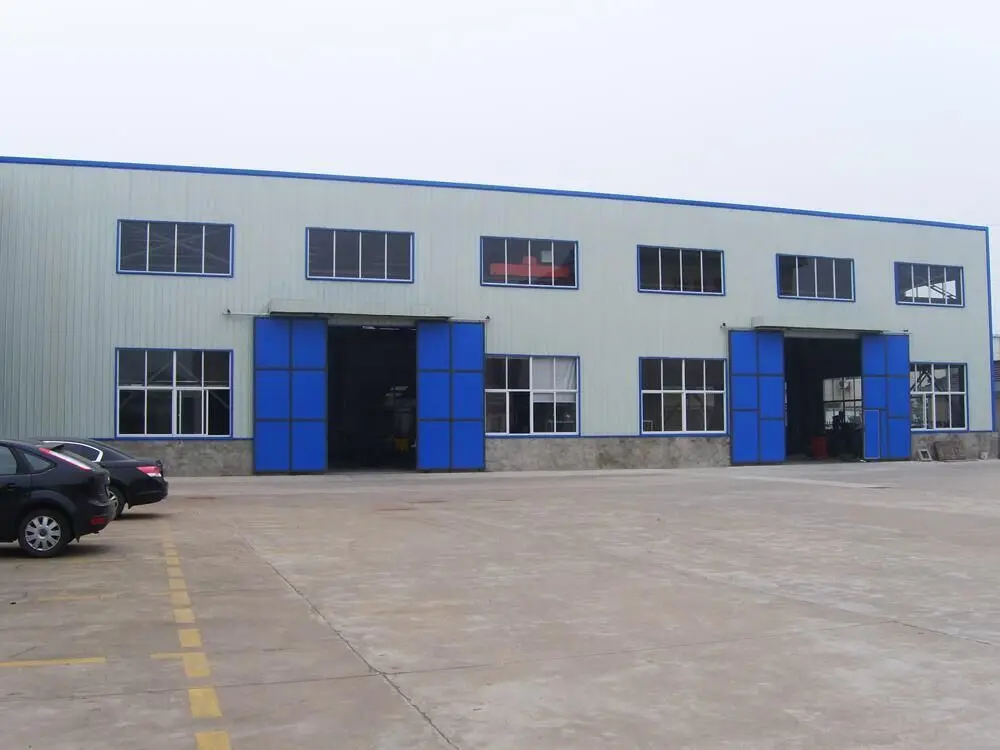
Jiangsu Esty Building Materials Co., Ltd.
- Manufacturer, Trading Company
- Jiangsu, China
- Lead time35 days
- Avg. response≤ 3h
Main productsPVC floor,Vinyl Flooring,homogeneous rolls,anti static pvc flooring,conductive vinyl tile
Main marketsMid East(15.00%), Northern Europe(15.00%), Domestic Market(10.00%), South America(10.00%), North America(10.00%), Southeast Asia(10.00%), Western Europe(10.00%), Eastern Asia(5.00%), Southern Europe(5.00%), Africa(5.00%), Eastern Europe(5.00%)

Hebei Chen Zhi Yuan Trading Company Limited
- Verified by CTI
- Trading Company
- China Hebei
- Lead time30 days
- Avg. response≤ 7h
Main productsArtificial Grass, Gym Floor, Gym Mat, Rubber Mat
Main marketsSouth America,Africa,Southeast Asia/ Mideast,East Asia(Japan/ South Korea),Domestic,Europe,Australia,North America

Gym Rubber Flooring Rubber Mat Floor Gym Rubber Flooring Tile for Fitness
$8.95 - $13.88
MOQ: 50 Square Meters


Indoor Outdoor Rubber Sports Flooring for Gym Sport Rubber Floor Mat
$8.95 - $13.88
MOQ: 50 Square Meters


Foshan Lixin Rubber And Plastic Co., Ltd.
- Manufacturer
- Guangdong, China
- Lead time10 days
- Avg. response≤ 15h
Main productscustomized product
Main marketsWestern Europe(20.00%), Southern Europe(15.00%), Northern Europe(15.00%), Eastern Europe(10.00%), South America(10.00%), Central America(10.00%), North America(10.00%), South Asia(5.00%)

Suzhou Yema Rubber And Plastic Technology Co., Ltd.
- Trading Company
- Jiangsu, China
- Lead time30 days
- Avg. response≤ 2h
Main productsRubber Flooring Products,Plastic flooring,Sports flooring,waterproof material,Rubber and plastic products
Main marketsSouth America(30.00%), South Asia(25.00%), Eastern Europe(20.00%), Eastern Asia(10.00%), North America(10.00%), Africa(5.00%)
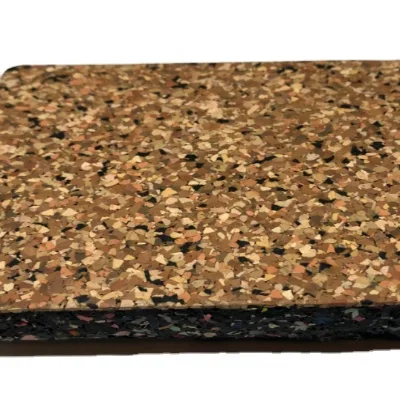
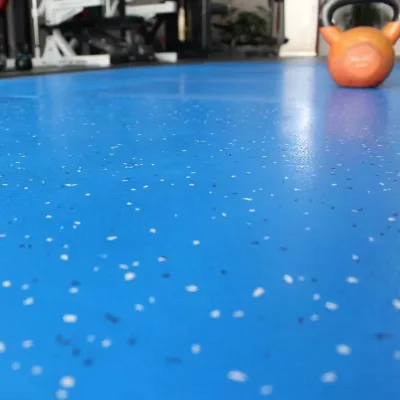
$18.4434 - $20.4926
MOQ: 100 square
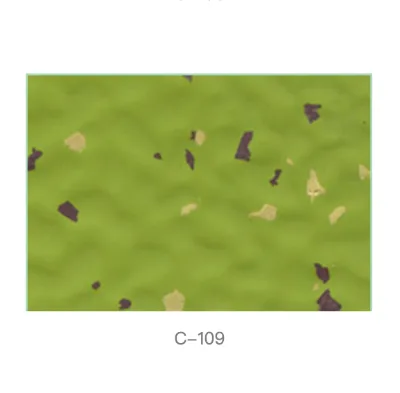
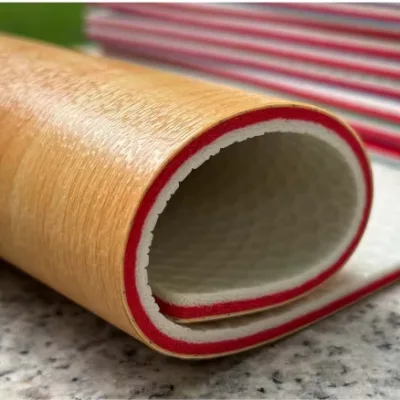
High-Performance 3-20mm Rubber Sports Flooring for Gyms - Waterproof, Noise Reduction, Custom Design
$24.8743 - $27.3505
MOQ: 100 square
Ganzhou Meizhe Environmental Protection Materials Co., Ltd.
- Manufacturer, Trading Company
- Jiangxi, China
- Lead time10 days
- Avg. response≤ 4h
Main productsRubber flooring rolls,Rubber flooring tiles,vibration damping materials,large active space sheet,Plastic track
Main marketsDomestic Market(60.00%), South America(10.00%), North America(8.00%), Central America(5.00%), Southeast Asia(5.00%), Eastern Europe(5.00%), Mid East(2.00%), Western Europe(2.00%), Northern Europe(1.00%), Eastern Asia(1.00%), Oceania(1.00%)
Linyi Weiye New Materials Co., Ltd.
- Trading Company
- Shandong, China
- Lead time30 days
- Avg. response≤ 2h
Main productshomogeneous vinyl flooring,PVC flooring mat,anti slip PVC flooring mat,door mat,bathroom mat
Main marketsSouth America(20.00%), Southeast Asia(20.00%), Domestic Market(10.00%), Western Europe(10.00%), Eastern Asia(10.00%), Mid East(10.00%), Oceania(10.00%), North America(10.00%)

Qingdao Vantis New Material Co., Ltd
- Trading Company
- China Shandong
- Lead time0 days
- Avg. response≤ 2h
Main productsEVA Mat, Taekwondo Mats, Gym Rubber Flooring Mat, Judo Mats, EVA Puzzle Mat, Rubber Floor, Baby Play Mat, MMA Roll Mat
Jiangsu Shuangzhu Artificial Lawn Co., Ltd.
- Verified by TüVRheinland
- Trading Company
- Lead time15 days
- Avg. response≤ 2h
Main productsArtificial Grass, Rubber Flooring, Sports Flooring, Padel Court, Artificial Plant
Main marketsNorth America(30%), South America(20%), Domestic Market(20%)
$6.7155 - $7.7492
MOQ: 1 Minimum
Changzhou Zhongtian Fire-Proof Decorative Sheets Co., Ltd.
- Verified by SGS Group
- Manufacturer, Trading Company
- Lead time15 days
- Avg. response≤ 6h
Main productsHigh Pressure Laminate
Main marketsDomestic Market(55%), Southeast Asia(20%), Mid East(19%)
Qingdao Jianli Rubber And Plastic Products Co., Ltd.
- Manufacturer, Trading Company
- Shandong, China
- Lead time0 days
- Avg. response≤ 14h
Main productsRubber Mat,Interlocking Soundproof Shock Absorbing Mat,Gym flooring mat,fitness flooring,gym rubber roll
Main marketsDomestic Market(25.00%), Mid East(17.00%), Eastern Asia(11.00%), Eastern Europe(10.00%), Southeast Asia(9.00%), North America(6.00%), Oceania(6.00%), Southern Europe(5.00%), Northern Europe(5.00%), Western Europe(4.00%), South America(1.00%)
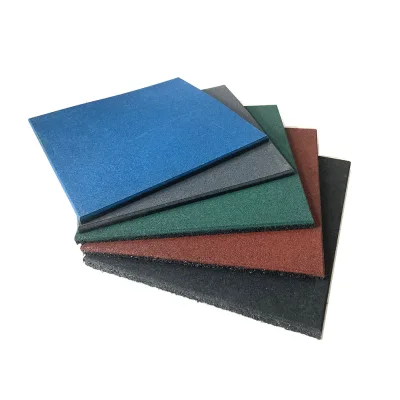
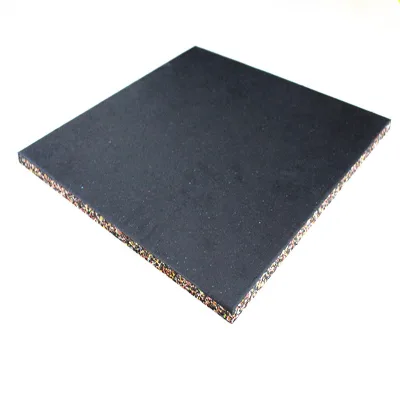
Cheap Rubber Flooring Composite Used Rubber Gym Flooring Antislip Water Proof Flooring Rubber
$15.4234
MOQ: 200 Minimum

Dingzhou Ruichuang Metal Products Co., Ltd.
- Verified by TUVRHEINLAND
- Trading Company
- China Hebei
- Lead time30 days
- Avg. response≤ 1h
Main productsBarbell, Fitness Equipment, Gym Equipment, Dumbbell, Stair Master, Fitness Accessories, Track and Field Equipment, Strength Machine, Fitness Machine, Gym Machine
Main marketsNorth America

- Verified by SGS
- Trading Company
- China Hebei
- Lead time15 days
- Avg. response≤ 3h
Main productsOil Seal, Oring, Gaskets, Diaphragm, Mounts and Bushings
Main marketsSoutheast Asia/ Mideast,North America


Manufactured Wholesale High Quality Gym Rubber Floor and Composite Rubber Floor
$1.70 - $1.87
MOQ: 200 Square Meters

Juxian Hongfa Rubber And Plastic Co., Ltd.
- Verified by SGS
- Manufacturer/Factory
- China Shandong
- Lead time15 days
- Avg. response≤ 24h
Main productsEVA Mat, Gym Flooring, Gymnastic Mat, Baby Play Mat, 3D Wall Paper, Door Mat
Main marketsSouth America,Eastern Europe,Mid East,North America,Southeast Asia,Eastern Asia,Oceania,Western Europe,Africa
Linyi Lintuo Environmental Protection Materials Co., Ltd.
- Manufacturer
- Shandong, China
- Lead time10 days
- Avg. response≤ 2h
Main productshomogeneous vinyl flooring,heterogeneous vinyl flooring,rubber flooring,anti slip flooring mat,lvt FLOORING
Main marketsDomestic Market(80.00%), South America(5.00%), South Asia(5.00%), Africa(5.00%), Southeast Asia(5.00%)
Qingdao Csp Industry And Trade Co., Ltd.
- Verified by SGS Group
- Manufacturer, Trading Company
- Lead time7 days
- Avg. response≤ 3h
Main productsArtificial Grass, Rubber Floor, EVA Mat, Dumbbells
Main marketsNorth America(20%), South America(10%), Eastern Europe(10%)
Cangzhou Chuangwen Sports Equipment Co., Ltd.
- Manufacturer, Trading Company
- Hebei, China
- Lead time15 days
- Avg. response≤ 4h
Main productsBalance beam,High and low bars,Sponge pad,Physical fitness slope,Gymnastics horizontal bar
Main marketsEastern Europe(40.00%), North America(30.00%), South America(30.00%)
Hengshui Mingyu Hanqin Sports Facilities Engineering Co., Ltd.
- Manufacturer, Trading Company
- Hebei, China
- Lead time15 days
- Avg. response≤ 4h
Main productsGym Flooring Mat,Prefabricated Runway,EPDM Granules,Modular Interlocking Floor Tiles,Artificial Turf
Main marketsSouth America(20.00%), Western Europe(20.00%), North America(20.00%), Northern Europe(15.00%), Eastern Europe(10.00%), Oceania(10.00%), Southeast Asia(5.00%)

- Verified by SGS
- Manufacturer/Factory
- China Guangdong
- Lead time23 days
- Avg. response≤ 3h
Main productsSpc Flooring, PVC Flooring, Rubber Flooring, Lvt Flooring, Sports Flooring, Flooring Accessories
Main marketsSouth America,Eastern Europe,Mid East,North America,Oceania,Western Europe

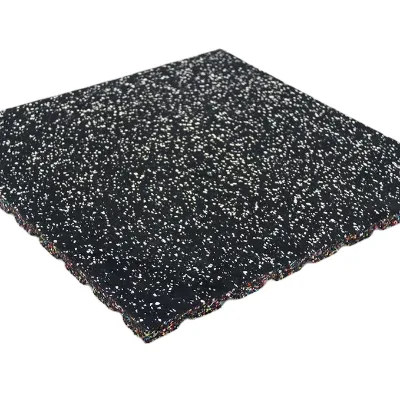
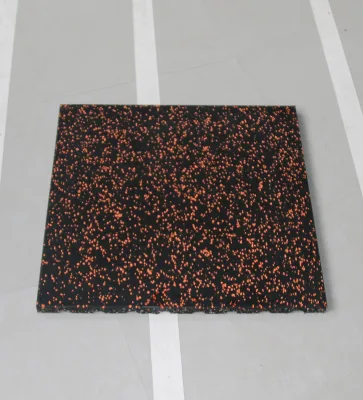
Fireproof Water-Resistant Gym Rubber Flooring Roll for Exercise Areas Floor
$15.00 - $35.00
MOQ: 100 Square Meters


Fireproof Non-Slip Fitness Room Rubber Tile Rubber Flooring Mat for Comfortable Gym Floor
$15.00 - $35.00
MOQ: 100 Square Meters











Comprehensive Sourcing Guide
Flame Retardant Gym Rubber Flooring Supplier Concentration and Factory Types
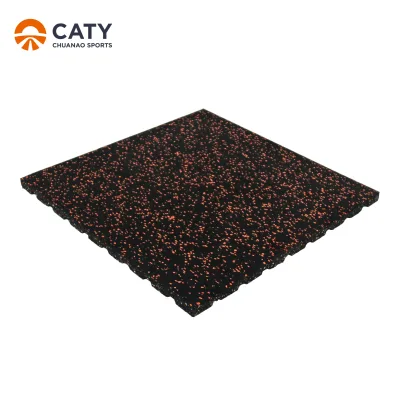
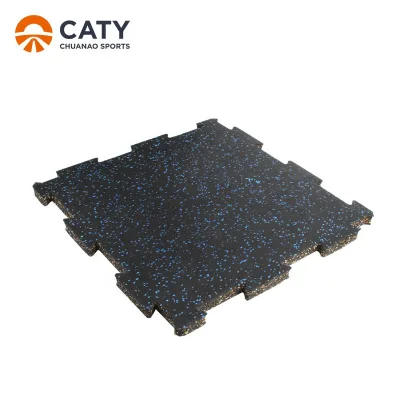
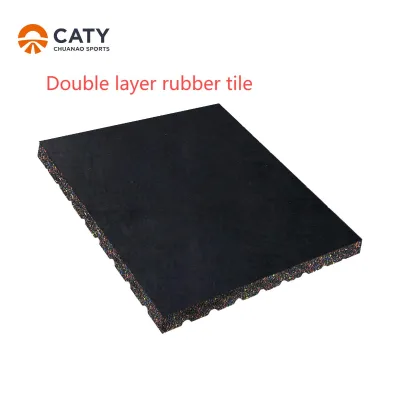
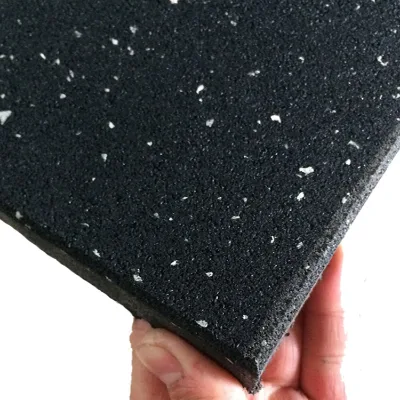
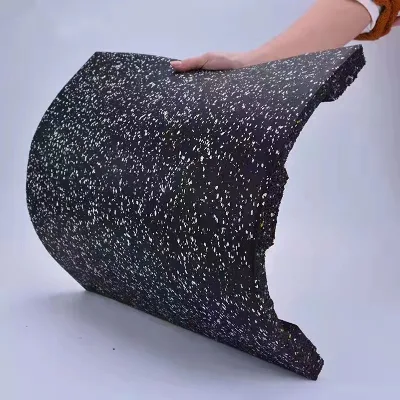
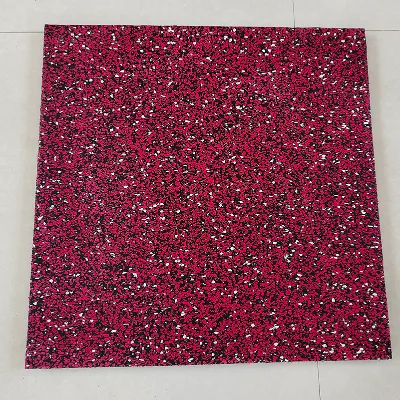
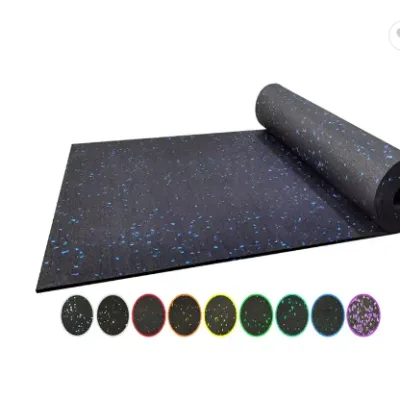
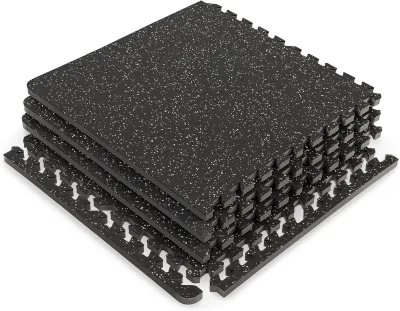
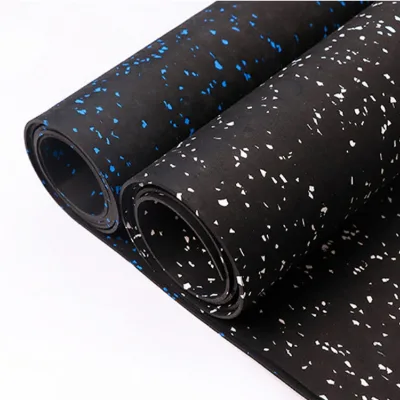
The current supplier landscape for Flame Retardant Gym Rubber Flooring reveals a distinct concentration of manufacturing and trading entities within specific Chinese provinces, primarily Jiangsu and Zhejiang. These regions serve as critical hubs for the production of sports flooring, including PVC vinyl, homogeneous and heterogeneous vinyl options, as well as rubber-based solutions. Suppliers in these areas often operate as either trading companies or manufacturer-factory hybrids, offering a diverse range of main products that extend beyond simple rubber mats to include conductive ESD flooring, wall panels, and EPDM granules. This geographic clustering suggests a mature supply chain infrastructure where raw material sourcing, such as SBR and EPDM rubber granules, is readily available, facilitating efficient production cycles for both rolls and tiles. The presence of both trading companies and direct manufacturers in these locations allows buyers to access a wide spectrum of product specifications, from semi-rigid lead hardness options to fully customizable modern styles.
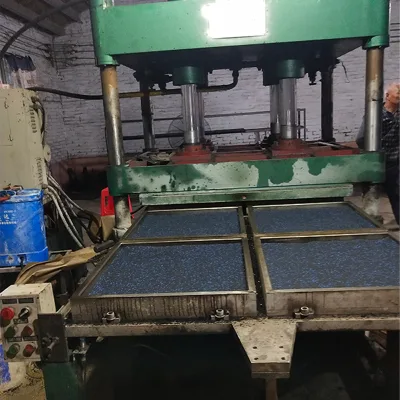
Understanding the company type is essential for evaluating the value proposition of each supplier. Trading companies often provide a broader catalog of accessories and complementary products, such as PU adhesives and interlocking tiles, which can simplify the sourcing process for large-scale gym installations. In contrast, manufacturer-factory entities may offer more direct control over production parameters, such as the double steel belt calender technology used in some PVC flooring lines, or the specific mixing ratios for recycled rubber mats. The verification status of these entities, such as SGS or BV certifications, provides an additional layer of confidence regarding their operational legitimacy. Buyers should note that while some suppliers list themselves as trading companies, they may have close ties to manufacturing facilities, allowing for OEM and ODM capabilities. This duality means that the distinction between a pure trader and a factory is not always binary, and the actual production capability should be verified through direct inquiry and site audits rather than relying solely on the listed company type.
How to Verify Flame Retardant Gym Rubber Flooring Suppliers
Verification of suppliers requires a multi-layered approach that goes beyond basic profile checks, focusing on the authenticity of certifications and the reliability of response mechanisms. Key verification badges such as SGS and BV are present in the current results, indicating that these suppliers have undergone third-party assessments of their business operations and product quality. However, buyers must ensure that these certifications are current and specifically cover the flame retardant properties of the gym rubber flooring. For instance, some suppliers list CE, ISO, RoHS, and En71 certifications, which are critical for meeting international safety and environmental standards. It is imperative to request copies of these certificates and verify their validity with the issuing bodies, as the presence of a badge alone does not guarantee compliance with specific flame retardant requirements. Additionally, the response time metric, which can vary significantly from 0.62 to 3.82 hours, serves as an indicator of the supplier’s operational efficiency and customer service commitment.
Beyond certifications, buyers should assess the supplier’s technical documentation and production capabilities to ensure they can meet specific flame retardant standards. Products listed with attributes such as fireproof, wear-resistant, and moisture-proof functions suggest a focus on durability and safety, but the specific flame retardant rating must be confirmed. Suppliers offering customization options and OEM services should be able to provide detailed material compositions, including the types of SBR and EPDM rubber granules used, as well as any additives that contribute to flame resistance. The ability to produce to EU standards or other regional specifications is another key verification point. Buyers should also inquire about the supplier’s quality control processes, including how they test for anti-slip, anti-static, and thermal insulation properties, which often correlate with overall material integrity. Requesting samples before placing large orders allows for independent testing of flame retardancy, ensuring that the product meets the required safety benchmarks for gym environments.
What to Compare Across Flame Retardant Gym Rubber Flooring Suppliers
When evaluating multiple suppliers, it is crucial to compare key operational metrics such as lead time, minimum order quantity (MOQ), and pricing structures to determine the best fit for your project. Lead times can vary, with some suppliers offering delivery within 15 days after receiving a deposit, while others may have different production schedules. The MOQ is another significant factor, with some suppliers requiring a minimum of 200 square meters, which can impact the feasibility of smaller orders. Pricing also varies widely, ranging from lower-cost options around $1.25 to higher-end products exceeding $12.80 per square meter, reflecting differences in material quality, thickness, and certification levels. Buyers should create a comparison matrix that includes these metrics, along with response times and main product offerings, to objectively assess each supplier’s value proposition. This structured approach helps in identifying suppliers who not only meet the technical requirements but also align with the buyer’s logistical and budgetary constraints.
In addition to operational metrics, buyers should compare the specific product attributes and customization options available from each supplier. Factors such as thickness, width, and length options, as well as the availability of different surface treatments like matte or textured finishes, can significantly influence the suitability of the flooring for specific gym applications. Some suppliers offer products with specific hardness levels, such as semi-rigid, which may be preferred for certain types of exercise equipment. The availability of OEM services and logo printing is another important consideration for brands looking to customize their gym flooring. Buyers should also evaluate the warranty periods offered, with some suppliers providing up to 10 years of coverage, which indicates confidence in their product’s durability. By comparing these detailed product specifications alongside operational metrics, buyers can make more informed decisions that balance cost, quality, and service reliability.
Common Flame Retardant Gym Rubber Flooring Sourcing Risks
One of the primary risks in sourcing Flame Retardant Gym Rubber Flooring is the potential discrepancy between claimed certifications and actual product performance. Suppliers may list multiple certifications, such as CE, ISO, and RoHS, but these may not specifically address flame retardancy, which is a critical safety requirement for gym environments. Buyers must be vigilant in verifying that the flame retardant properties are explicitly tested and certified, as generic safety certifications may not cover fire resistance standards. Another risk is the variability in material composition, particularly in recycled rubber products. While recycled rubber is cost-effective and environmentally friendly, the consistency of flame retardant additives can vary between batches. Buyers should request detailed material safety data sheets (MSDS) and conduct independent testing to ensure that the flame retardant properties are consistent and meet the required standards. This is especially important for large orders where batch-to-batch consistency is crucial for uniform safety performance.
Logistical and packaging risks also pose significant challenges in the sourcing process. The transport packing specifications, such as the use of craft paper and plastic pallets, must be adequate to protect the flooring during transit, especially for heavy rubber rolls and tiles. Damage during shipping can lead to delays and additional costs, impacting the overall project timeline. Buyers should ensure that the supplier has robust packaging protocols in place, including fumigation pallets if required for international shipping. Additionally, the lead time claims must be realistic and backed by the supplier’s production capacity. Some suppliers may advertise short lead times, but this may not be feasible during peak production periods or for customized orders. Buyers should establish clear communication channels and regular updates to monitor production progress and mitigate the risk of delays. Understanding these risks and implementing mitigation strategies is essential for a successful sourcing experience.
Flame Retardant Gym Rubber Flooring Regional Sourcing and Logistics
Sourcing from regions like Jiangsu and Zhejiang offers logistical advantages due to their proximity to major ports and established supply chains. These locations are well-connected to global shipping routes, facilitating efficient export of heavy items like rubber flooring rolls and tiles. Buyers should consider the impact of regional logistics on lead times and shipping costs. Suppliers in these areas often have experience in handling international shipments, including the necessary documentation and customs clearance procedures. The ability to ship by sea is a common option, which is cost-effective for large volumes but requires careful planning to manage inventory levels. Buyers should also evaluate the supplier’s capability to handle different shipment sizes, from small pallets to full container loads, to optimize shipping costs. Understanding the logistical landscape of these regions helps in planning the supply chain more effectively, ensuring timely delivery and minimizing transit risks.
The choice of shipping method and packaging also plays a crucial role in the overall logistics strategy. Suppliers may offer different packaging options, such as wrapped rolls or palletized tiles, each with its own advantages in terms of protection and handling. Buyers should work with suppliers to select the most appropriate packaging for their specific needs, considering factors such as storage space at the destination and ease of installation. Additionally, the use of fumigated pallets may be required for certain destinations to comply with international phytosanitary regulations. Buyers should confirm these requirements with their freight forwarders and ensure that the supplier is aware of them to avoid delays at customs. By leveraging the logistical strengths of the sourcing regions and planning for potential challenges, buyers can streamline the import process and ensure that the Flame Retardant Gym Rubber Flooring arrives in optimal condition.
Flame Retardant Gym Rubber Flooring Commercial Terms and Order Planning
Commercial terms and order planning are critical components of a successful sourcing strategy, requiring careful attention to payment terms, delivery schedules, and warranty conditions. Suppliers often require a deposit, such as 30% T/T, before production begins, with the balance due before shipment. Buyers should negotiate clear payment terms that protect their interests while ensuring the supplier has the necessary funds to commence production. Delivery dates are typically specified as a number of days after receiving the deposit, and buyers should confirm these timelines and include them in the purchase agreement. It is also important to discuss the handling of any delays or changes in order specifications, ensuring that both parties have a clear understanding of their responsibilities. By establishing robust commercial terms, buyers can minimize financial risks and ensure a smooth transaction process.
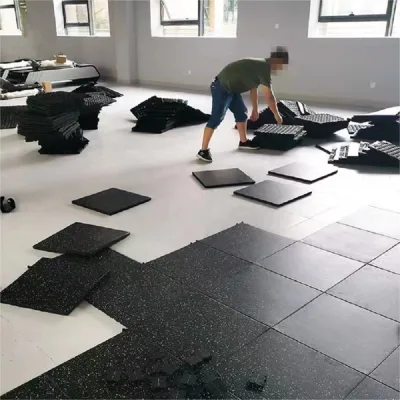
Warranty and after-sales support are also key considerations in order planning. Some suppliers offer extended warranty periods, such as 10 years, which can provide long-term peace of mind regarding product durability and performance. Buyers should clarify the scope of the warranty, including what is covered and the process for making a claim. Additionally, the availability of technical support and replacement parts can be valuable for maintaining the flooring over time. Buyers should also plan for the installation process, considering the weight and handling requirements of the rubber flooring. Proper planning ensures that the flooring is installed correctly, maximizing its lifespan and safety performance. By addressing these commercial and logistical details in advance, buyers can create a comprehensive sourcing plan that supports the successful implementation of their gym flooring project.
FAQs
What is the price range for Flame Retardant Gym Rubber Flooring?
Prices typically range from $1.25 to $12.80 per square meter depending on material composition and thickness. Suppliers offer options from recycled rubber rolls to premium EPDM tiles. Costs vary based on customization needs, certification requirements, and order volume. Buyers should request specific quotes for their desired thickness and application to get accurate pricing.
What certifications are available for these flooring products?
Common certifications include CE, ISO, RoHS, En71, and Reach. These ensure the flooring meets international safety and environmental standards. Some products also carry SGS or BV verification. Buyers should verify specific certificates for their target market, as requirements differ between regions and facility types like schools or commercial gyms.
What is the typical lead time for delivery?
Lead times generally range from 5 to 15 days after receiving the deposit. Some suppliers offer faster turnaround for standard items, while custom orders may take longer. Delivery schedules depend on production capacity and shipping method. Buyers should confirm exact dates with suppliers before placing orders to ensure timely installation.
What is the minimum order quantity for these products?
The minimum order quantity is typically 200 square meters. This applies to both rolls and tiles. Bulk orders may qualify for better pricing tiers. Buyers should check specific supplier terms as MOQs can vary based on product type and customization requirements. Smaller quantities might be available at higher unit costs.
What thickness options are available for gym rubber flooring?
Thickness options range from 3mm to 70mm depending on the product type. Standard gym flooring often uses 6mm to 15mm thickness. Thicker options up to 70mm are available for high-impact areas. Buyers should select thickness based on equipment weight and safety requirements. Custom thicknesses may be available upon request.
Are OEM and customization services available?
Yes, OEM and customization services are widely available. Suppliers offer custom logos, colors, and sizes. Materials can be tailored to specific performance needs like shock absorption or fire resistance. Buyers should discuss their specific requirements with suppliers to ensure the final product meets their facility standards and aesthetic preferences.