anti-static plastic anti-slip surface tiles Suppliers and Manufacturers
Compare 27 verified suppliers offering anti-static plastic anti-slip surface tiles with varying lead times, certifications, and MOQs. Review product attributes like CE and ISO standards to select the right factory for your project needs; review the available evidence before requesting comparable quotations from suitable candidates.
Updated
Suppliers List

Zhejiang Green Valley Sports Industry Co., Ltd.
- Verified by BV
- Trading Company,Manufacturer/Factory
- China Zhejiang
- Lead time15 days
- Avg. response≤ 4h
Main productsRubber Tiles, Rubber Rolls, EPDM Granule, EPDM/SBR Rubber Mats, Rubber Flooring, PU Adhesive/Glue, Playground Rubber Tile, Rubber Machine, Elastic Interlocking Tiles, PVC Flooring
Main marketsSouth America,Eastern Europe,Mid East,North America,Southeast Asia,Eastern Asia,Oceania,Western Europe,Africa

- Verified by SGS
- Manufacturer/Factory
- China Guangdong
- Lead time23 days
- Avg. response≤ 3h
Main productsSpc Flooring, PVC Flooring, Rubber Flooring, Lvt Flooring, Sports Flooring, Flooring Accessories
Main marketsSouth America,Eastern Europe,Mid East,North America,Oceania,Western Europe

Vinyl Flooring Roll Anti-Static Features Anti Static Flooring Tiles
$5.00 - $8.00
MOQ: 100 Square Meters


Homogeneous Vinyl Flooring - Anti Static PVC Floor Tile for Safety
$5.50 - $8.50
MOQ: 100 Square Meters

Hangzhou Gff Import & Export Co., Ltd.
- Verified by SGS
- Combined
- China Zhejiang
- Lead time30 days
- Avg. response≤ 3h
Main marketsSoutheast Asia/ Mideast,Domestic,Europe,North America

$1.49 - $1.59
MOQ: 500 Pieces

$15.30 - $15.80
MOQ: 200 Square Meters

Plastic Plastic Sports Floor Tiles Shock-Resistant Non-Slip School Safety Protection Floor Tiles
$13.90 - $14.20
MOQ: 200 Square Meters

Wear Resistant Easy Install Interlocking PP Garage Floor Tiles Anti-Slip Plastic Garage Floor Tiles
$0.78 - $0.82
MOQ: 500 Pieces


Wholesale Factory Price Plastic Floor Tile Wear-Resistant Anti-Slip Interlocking Floor Tile
$7.50 - $7.70
MOQ: 200 Square Meters

- Verified by TUVRHEINLAND
- Combined
- China Jiangsu
- Lead time30 days
- Avg. response≤ 7h
Main productsRaised Floor, Access Floor, All Steel Raised Access Floor, Calcium Sulphate Floor, Steel Perforated Panel, Woodcore Panel, Aluminum Access Floor, Glass Raised Floor, Raised Floor Covering, Raised Access Floor Accessories
Main marketsSoutheast Asia/ Mideast,Domestic,Europe

Permanent Antistatic Properties Anti-Slip Volume Resistance Anti-Static Ceramic Tile
$8.00 - $15.00
MOQ: 100 Square Meters

Anti-Slip Anti-Static Ceramic Tile for Clean Production Workshop
$8.00 - $15.00
MOQ: 100 Square Meters

High Strength Environmental Protection Low Radiation Anti-Static Ceramic Tile
$8.00 - $15.00
MOQ: 100 Square Meters
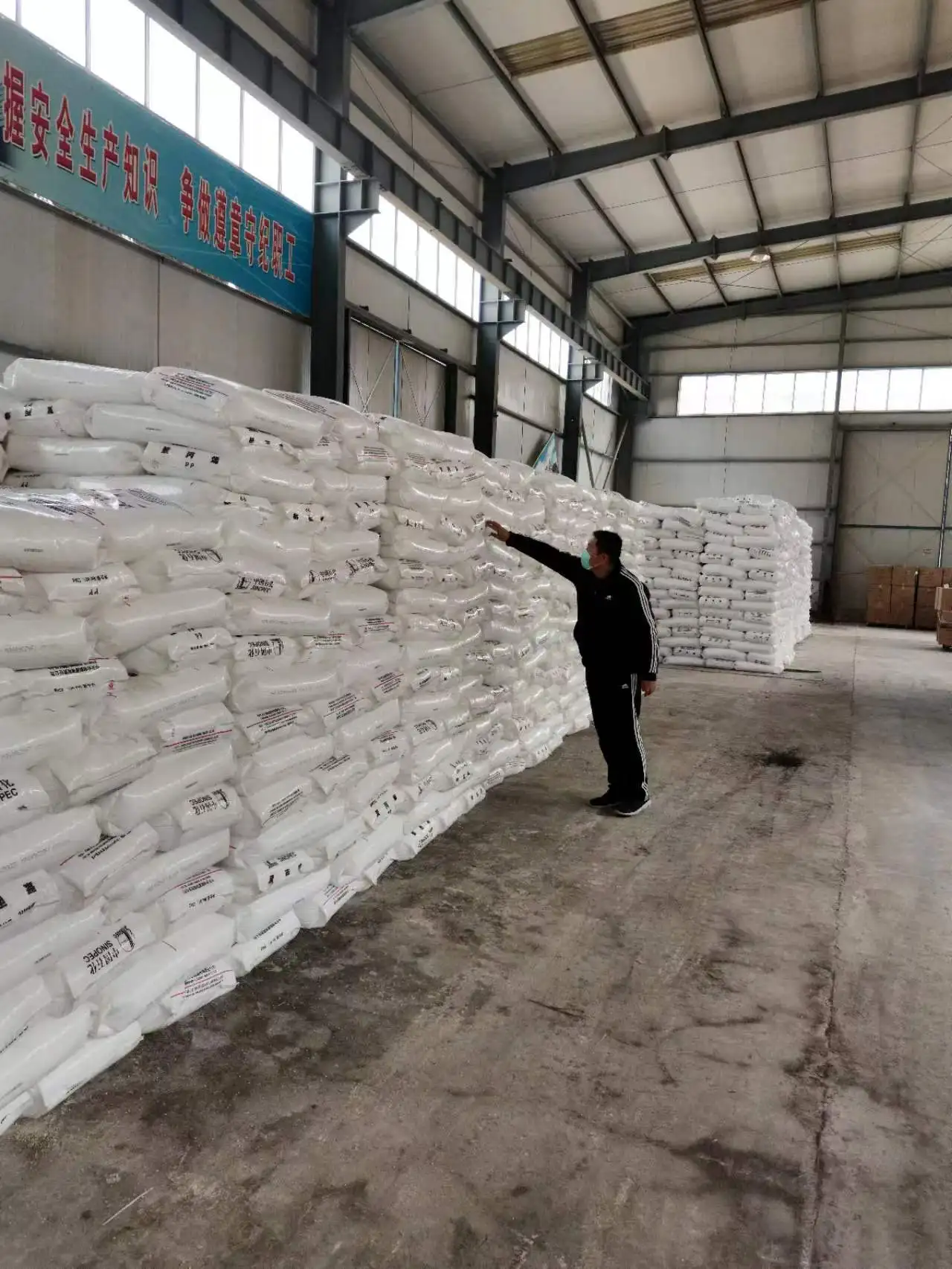
Shandong Grebao Building Materials Co., Ltd.
- Trading Company
- Shandong, China
- Lead time15 days
- Avg. response≤ 3h
Main productsAnti-slip floor,plastic floor,car wash drainage floor,New energy floor,PVC floor
Main marketsDomestic Market(60.00%), Southeast Asia(20.00%), Mid East(20.00%)

Foshan Genbersin New Materials Co., Ltd.
- Trading Company
- China Guangdong
- Lead time0 days
- Avg. response≤ 6h
Main productsWPC Flooring, Ceramic Tiles, WPC Wall Panel, WPC Wall Cladding, WPC DIY Floor, WPC Decking, WPC Fence, WPC Gate, WPC Squre Tube, Rustic Tiles


Wear-Resistant Anti-Fouling Coating Custom Advanced Grey Light Soft Light Floor Tile
Negotiable
MOQ: 100 pieces
Lu'an Baona Import And Export Trade Co., Ltd.
- Trading Company
- Lead time旺季: "1 - 2000":3,"2001 - 10000":5,"10001 - 20000":14,"> 20000":"To be negotiated", 淡季: "1 - 2000":3,"2001 - 10000":5,"10001 - 20000":14,"> 20000":"To be negotiated"
- Avg. response≤ 1h
Main productsGarage Floor Tiles, Led Work Lights, Tool Cabinet

Qingdao Rearun Industrial Co., Ltd.
- Verified by CTI
- Combined
- China Shandong
- Lead time30 days
- Avg. response≤ 4h
Main productsPlastic Injection, Plastic Pallet, Plastic Accessories for Household Appliances, Plastic Folding Box, Disposable Food Lunch Box, Logistics Breeding Turnover Box, Plastic Tiles for Parking Lot, Plastic Food Container, Plastic Tray, Livestock Products
Main marketsDomestic


Pressure-Resistant Anti-Slip Waterproof Wear-Durable Anti-Scratch Stain-Resist Plastic Floor
$0.60 - $0.90
MOQ: 100 Square Meters


PP Plastic Interlocking Floor Tiles for Indoor Outdoor Multi Purpose
$5.00 - $7.00
MOQ: 10 Square Meters

High-Strength Anti-Impact Anti-Slip Waterproof Wear-Durable Anti-Scratch Stain-Repel Plastic Floor
$0.60 - $0.90
MOQ: 100 Square Meters
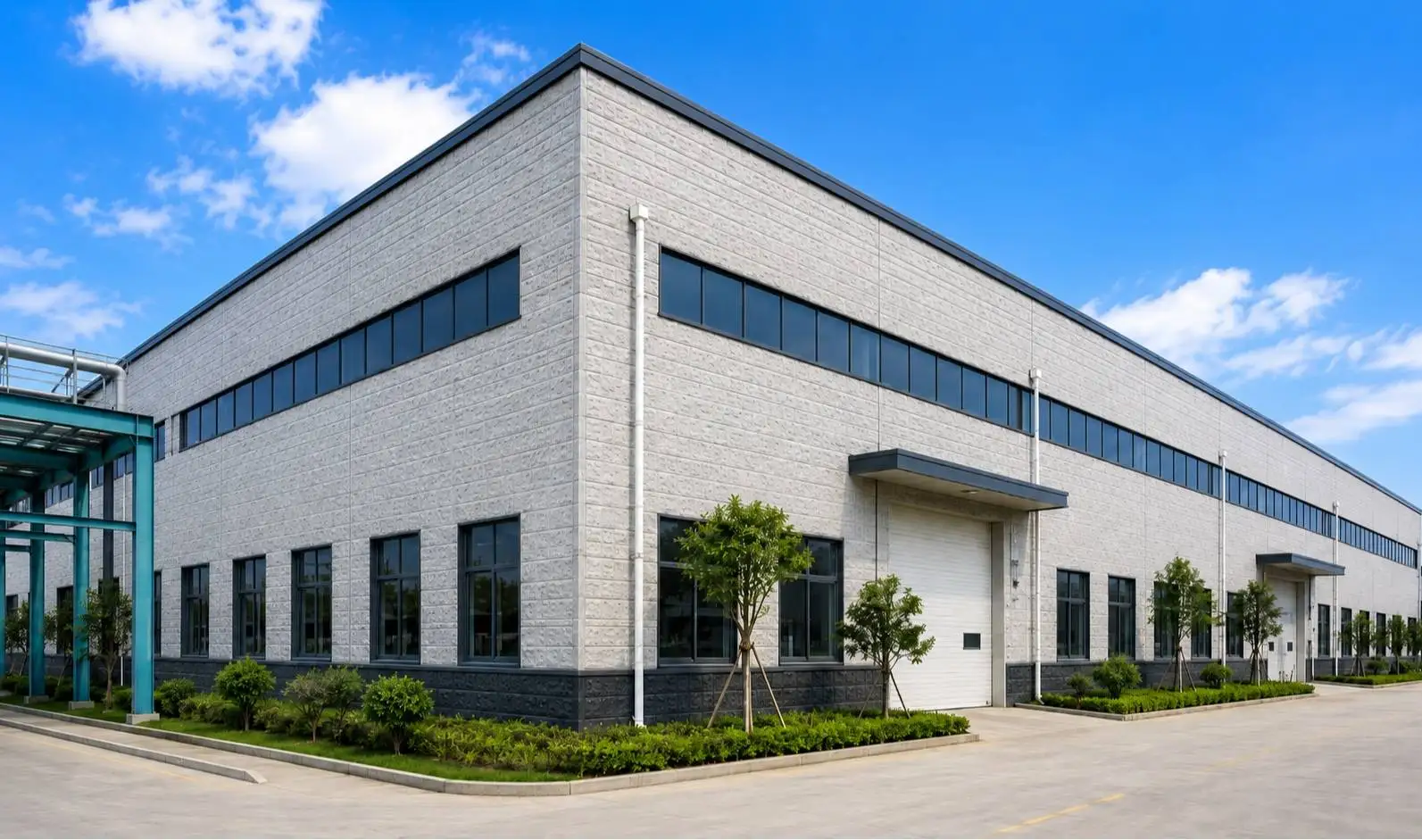
POLYGREEN New Material Co., Ltd.
- Manufacturer, Trading Company
- shandong, China
- Lead time10 days
- Avg. response≤ 1h
Main productsWPC Wall Panel,PVC Ceiling Panel,PVC Marble Sheet,PU Stone Wall Panel,Metal Carved Sandwich Wall Panels
Main marketsSouth America(60.00%), South Asia(10.00%), Western Europe(10.00%), Southeast Asia(10.00%), Eastern Europe(10.00%)
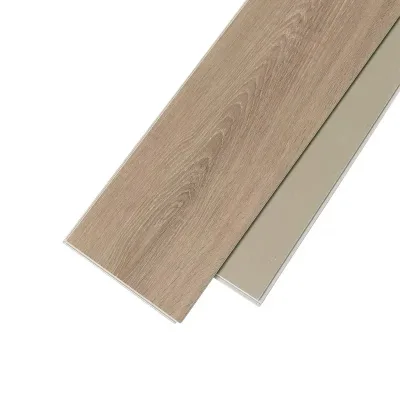
Scratch-Resistant Impact-Resistant SPC Floor Tiles -Thickened Rubber-Backed Floor Tiles for Gyms
$5.50 - $6.00
MOQ: 500 square
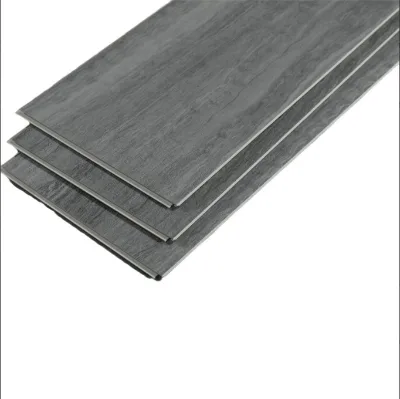
Wholesale Rigid Core SPC Floor Tiles - Anti-Slip, Fireproof, Wear-Resistant
$5.50 - $6.00
MOQ: 500 square

Qingdao Jadelight International Trading Co., Ltd
- Verified by TUVRHEINLAND
- Group Corporation
- China Shandong
- Lead time23 days
- Avg. response≤ 3h
Main productsRaised Floor, Computer Floor, Raised Floor System, Access Floor, Raised Access Flooring, False Floor, OA Floor, Steel Floor, Tate Access Floors, Antistatic Floors
Main marketsSouth America,Eastern Europe,Mid East,North America,Southeast Asia,Eastern Asia,Oceania,Western Europe,Africa

Changzhou Titan Decoration Materials Co., Ltd.
- Combined
- China Jiangsu
- Lead time15 days
- Avg. response≤ 4h
Main productsRaised Floor, Acoustic Ceiling Tiles, Antistatic Flooring, Hospital Flooring, ESD Tile, Fiberglass Ceilings, Flooring Accessories, Homogeneous Vinyl Flooring, Access Floor, Acoustic Baffles
Main marketsSouth America,Southeast Asia/ Mideast,East Asia(Japan/ South Korea),Domestic,North America
Zhangjiagang Jifu Building Materials Co., Ltd.
- Manufacturer
- Jiangsu, China
- Lead time30 days
- Avg. response≤ 9h
Main productsPlastic Floor
Main marketsDomestic Market(50.00%), Southeast Asia(25.00%), Africa(20.00%), North America(5.00%)
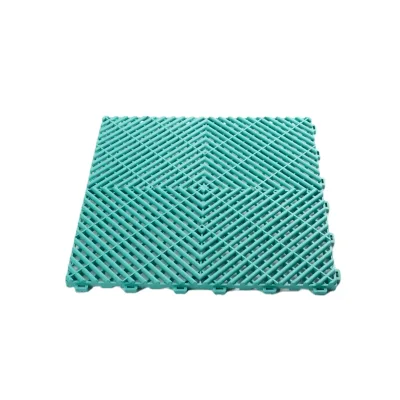
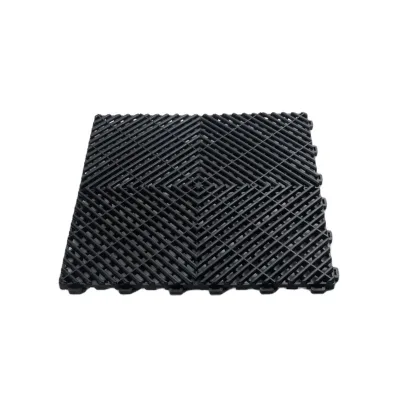
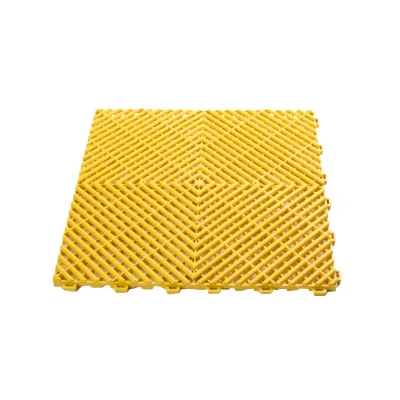
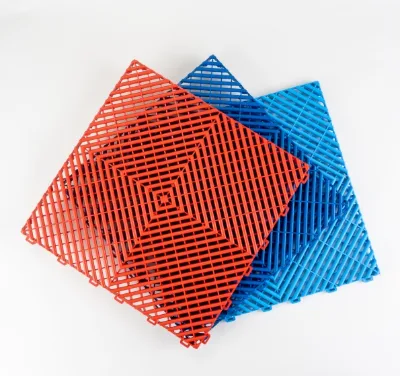
Eco Friendly Withstand Heavy Forklift Plastic Garage Floor Tiles Pvc Floor Tiles Self Adhesive
$1.0158 - $1.0367
MOQ: 1 pieces
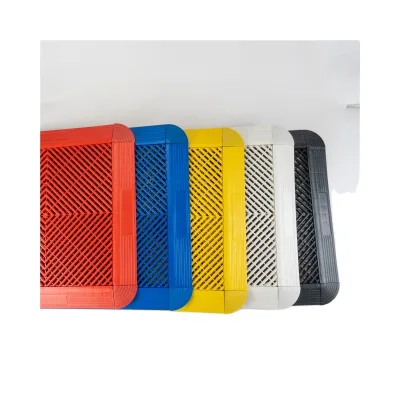
Huzhou Xinfeng Wood Plastic Composite Co., Ltd.
- Verified by TüVRheinland
- Manufacturer, Trading Company
- Lead time20 days
- Avg. response≤ 2h
Main productsWPC Decking, WPC Fencing, DIY Interlocking Tiles, Adjustable Pedestals, WPC Garden Shed
Main marketsSoutheast Asia(30%), Western Europe(30%), North America(10%)
Hebei Tiguan Sports Goods Co.,Ltd
- Trading Company
- Hebei, China
- Lead time30 days
- Avg. response≤ 3h
Main productsOutdoor Sports Flooring,PP Interlocking Flooring,Suspended floor,Assembled flooring
Main marketsNorth America(35.00%), Western Europe(20.00%), South America(20.00%), Southeast Asia(15.00%), Northern Europe(10.00%)

Shenzhen Flyon Sports Co., Ltd.
- Verified by BV
- Trading Company,Manufacturer/Factory
- China Guangdong
- Lead time15 days
- Avg. response≤ 7h
Main productsRunning Track, Stadium Seating, Tent Flooring, Retractable Bleachers, PP Interlocking Tlies, Padel Court, Rubber Floor, Pickleball Court, Event Flooring, Artificial Grass
Main marketsSouth America,Eastern Europe,Mid East,North America,Southeast Asia,Eastern Asia,Oceania,Western Europe,Africa

Outdoor Sport Tiles PP Tiles PP Interlocking Floor Tile with Anti-Slip Surface
$15.50
MOQ: 500 Square Meters

Lu'an Baona Import And Export Trade Co., Ltd.
- Trading Company
- Anhui, China
- Lead time7 days
- Avg. response≤ 1h
Main productsSports Flooring,Gym Flooring,Interlocking Floor Tiles,Sport facility,Drop Pad for Gym
Main marketsNorth America(55.00%), Africa(17.00%), Western Europe(11.00%), Southeast Asia(9.00%), Mid East(3.00%), Oceania(3.00%), Eastern Europe(2.00%)

Zibo Zenitile Ceramics Co., Limited
- Verified by TUVRHEINLAND
- Trading Company,Manufacturer/Factory
- China Shandong
- Lead time15 days
- Avg. response≤ 6h
Main productsCeramic Tile, Porcelain Tile, Glazed Tile, Floor Tile, Polished Glazed Tile, Rustic Tile, Golded Sand Tile, Silver Sand Tile, Exterior Tile, Tile
Main marketsSouth America,Eastern Europe,Mid East,North America,Southeast Asia,Eastern Asia,Oceania,Western Europe,Africa

Modern Design Apartment Waterproof and Anti-Slip Low-Cost Floor Tiles
$3.00 - $4.20
MOQ: 300 Square Meters

Promoting High-Quality Glazed Polished Anti-Slip Floor Tiles for Office Apartments
$2.00 - $3.60
MOQ: 300 Square Meters

Zhangjiagang Yihua Rundong New Material Co., Ltd.
- Combined
- China Jiangsu
- Lead time30 days
- Avg. response≤ 16h
Main productsVinyl Floor Tile, PVC Leather, PVC Floor, Leather, Artificial Leather, Vinyl Floor, PVC Flooring, Yihua Floor, China Biggest Manufacture, China Factory
Main marketsSoutheast Asia/ Mideast,Europe,North America
Henan Hanyin Industrial Co., Ltd.
- Verified by Intertek
- Manufacturer, Trading Company
- Lead time5 days
- Avg. response≤ 2h
Main productsLED Light, Plastic Floor, Car Wash Supplies
Main marketsNorth America(60%), Western Europe(20%), Oceania(20%)
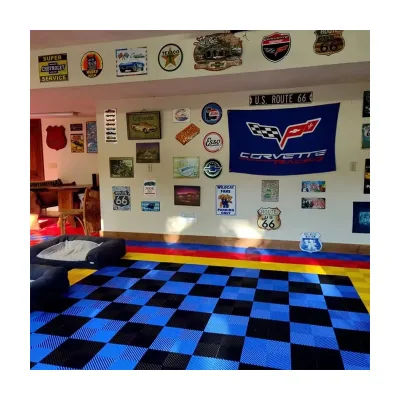
$0.929 - $1.137
MOQ: 40 pieces

Jiaxing Wangzu Industrial Co., Ltd.
- Verified by TUVRHEINLAND
- Combined
- China Zhejiang
- Lead time15 days
- Avg. response≤ 1h
Main productsplastic formwork
Main marketsDomestic

Jiangyin Duomeida New Building Materials Co., Ltd.
- Combined
- China Jiangsu
- Lead time15 days
- Avg. response≤ 10h
Main productsVinyl Spc Floor, Spc Flooring, WPC Flooring, Heating Flooring, Lvt Flooring, WPC Wall Covering Board, PVC Vinyl Flooring, PVC Floor Tile, Vinyl Flooring, Wood Flooring
Main marketsDomestic


Flooring PVC Flooring Vinyl Antistatic Adhesive Vinyl PVC Floor Tile
$5.00 - $12.00
MOQ: 1000 Square Meters


Haiyan Highsee Import&Export Co., Ltd.
- Trading Company
- Zhejiang, China
- Lead time20 days
- Avg. response≤ 5h
Main productsVinyl flooring,PVC flooring,SPC flooring,PVC panel,PVC ceiling
Main marketsSoutheast Asia(16.00%), North America(15.00%), Western Europe(9.00%), South Asia(8.00%), Central America(8.00%), Africa(8.00%), South America(8.00%), Northern Europe(7.00%), Eastern Europe(6.00%), Oceania(5.00%), Mid East(3.00%), Southern Europe(3.00%), Eastern Asia(3.00%), Domestic Market(1.00%)
Hangzhou Hucheng Technology Co., Ltd.
- Verified by Intertek
- Trading Company
- Lead time15 days
- Avg. response≤ 2h
Main productsWall Stickers, Floor Stickers, Wall Murals, Advertising Signs, Banners
Main marketsNorth America(20%), Eastern Europe(20%), Western Europe(20%)
$3.00 - $3.35
MOQ: 500 pieces
Lu'an Arlott Composite Materials Technology Co., Ltd.
- Verified by SGS Group
- Trading Company
- Lead time15 days
- Avg. response≤ 1h
Main productsGarage Floor Tiles, Hexagon Led Work Light
Main marketsWestern Europe(35%), North America(20%), South America(5%)

Shenzhen Fusi New Materials Technology Co., Ltd.
- Verified by SGS
- Combined
- China Guangdong
- Lead time15 days
- Avg. response≤ 4h
Main marketsOthers(foreignTradeCapacity.exportBusinessCapacityMarketOther)

UV-Resistant PP Flooring Interlocking Tiles for All Weather Conditions
$7.60 - $9.50
MOQ: 1 Square Meters

Weather-Resistant Interlocking PP Tiles with 1000-Hour UV Protection
$7.60 - $9.50
MOQ: 1 Square Meters

High-Quality PP Tile for Sports Flooring - Acid Resistant Properties
$7.60 - $9.50
MOQ: 1 Square Meters
Shijiazhuang Indior Sports Goods Co., Ltd.
- Verified by SGS Group
- Manufacturer, Trading Company
- Lead time7 days
- Avg. response≤ 2h
Main productsPP Tiles, Garage Tiles, Rubber Mats, PVC Floors
Main marketsNorth America(60%), Eastern Europe(40%)
Qingdao Herehome Technology Co., Ltd.
- Manufacturer, Trading Company
- Shandong, China
- Lead time20 days
- Avg. response≤ 7h
Main productsgarage floor,PVC floor,garage floor tile,PVC floor tile,PP floor tile
Main marketsWestern Europe(45.00%), North America(15.00%), Northern Europe(10.00%), Eastern Europe(10.00%), Domestic Market(5.00%), Eastern Asia(5.00%), Southern Europe(4.00%), South America(2.00%), Southeast Asia(2.00%), Central America(2.00%)







Comprehensive Sourcing Guide
Anti-Static Plastic Anti-Slip Surface Tiles Supplier Concentration and Factory Types
Current data indicates that verified manufacturing capabilities for anti-static plastic anti-slip surface tiles are concentrated in specific Chinese provinces, with Zhejiang and Guangdong emerging as primary hubs for this category. Suppliers in these regions often operate as a hybrid of trading companies and manufacturers, offering a blend of direct factory production and broader sourcing networks. This dual structure allows buyers to access both proprietary production lines and a wider array of product variations, such as EPDM, SBR, and PVC-based flooring solutions. The presence of these entities in Zhejiang and Guangdong suggests a mature supply chain ecosystem where raw material availability and specialized machinery for plastic and rubber processing are readily accessible.
When evaluating the factory types within these clusters, buyers should note that some entities hold specific system certifications like ISO 14001 or BSCI, while others may focus on OEM and ODM capabilities under their own brands. The distinction between a pure trading company and a manufacturer is critical, as it impacts the depth of technical support and the flexibility of customization options. Some suppliers explicitly list capabilities for customizing tile sizes, thicknesses, and surface treatments, which is essential for projects requiring specific anti-static or shock-absorbing properties. Understanding whether a supplier is a manufacturer or a trading partner helps in predicting their ability to handle complex orders and their responsiveness to technical inquiries regarding material composition and performance standards.
How to Verify Anti-Static Plastic Anti-Slip Surface Tiles Suppliers
Verification of suppliers for anti-static plastic anti-slip surface tiles requires a rigorous check of third-party credentials and digital verification badges provided on the platform. Current results show that suppliers may hold verification from agencies like BV or SGS, which serves as a baseline indicator of business legitimacy and operational stability. Buyers must prioritize suppliers displaying these verification badges, as they confirm that the company has undergone an external audit of their business scope and production capacity. Additionally, checking for system certifications such as ISO 9001, ISO 14001, or BSCI provides further assurance that the supplier adheres to recognized quality management and environmental standards, which is particularly important for products intended for commercial or industrial use.
Beyond digital badges, buyers should scrutinize the specific product attributes and certifications listed for individual items to ensure they match project requirements. For instance, some product listings explicitly mention certifications like CE, RoHS, or EN71, which are vital for compliance in various international markets. The presence of these specific product-level certifications indicates that the supplier has tested their anti-static and anti-slip tiles against relevant safety and performance benchmarks. Buyers should also verify the response time of the supplier, as a faster response often correlates with better communication channels and a more active sales team capable of addressing urgent technical questions or sample requests efficiently.
What to Compare Across Anti-Static Plastic Anti-Slip Surface Tiles Suppliers
Comparing suppliers requires a detailed analysis of key operational metrics such as lead time, minimum order quantity, and response speed to determine the best fit for specific project timelines. Available data reveals that lead times can vary significantly, ranging from approximately 15 days to 30 days depending on the supplier's current production load and the complexity of the order. Buyers should calculate the total time required from order placement to shipment, factoring in the supplier's stated delivery window, to ensure it aligns with their project schedule. Additionally, the minimum order quantity (MOQ) is a critical factor, with some suppliers requiring as little as 100 square meters while others may demand 300 square meters or more, directly impacting the initial investment and inventory risk for the buyer.
Price and customization capabilities are equally important dimensions for comparison, as they define the economic feasibility and adaptability of the sourcing decision. Product listings indicate price ranges that can differ based on material composition, such as PVC versus composite rubber, and specific functional attributes like waterproofing or fire resistance. Buyers must compare the unit price against the specified MOQ to understand the true cost per square meter for their order volume. Furthermore, the availability of customization options, including specific tile sizes, thicknesses, and surface patterns, should be evaluated to ensure the supplier can meet unique design or functional requirements without incurring excessive additional costs or delays.
Common Anti-Static Plastic Anti-Slip Surface Tiles Sourcing Risks
One significant risk in sourcing anti-static plastic anti-slip surface tiles is the potential discrepancy between advertised product specifications and the actual delivered goods, particularly regarding material composition and performance standards. While some listings claim certifications like CE or ISO, buyers must verify that these apply to the specific batch being ordered, as generic certifications may not cover custom variations or specific thicknesses. There is also a risk associated with the "fastness" or durability claims, where suppliers may state a lifespan of 3 to 5 years without providing detailed test data or third-party validation for the specific anti-static properties required for the intended environment.
Another critical risk involves the reliability of the supply chain and the consistency of the manufacturing process, which can be affected by the supplier's capacity and type. Suppliers operating as trading companies may face challenges in maintaining consistent quality control compared to direct manufacturers, potentially leading to variations in tile hardness, anti-slip coefficients, or color consistency. Additionally, the reliance on sea shipment for delivery introduces logistical variables that can extend lead times beyond the quoted 15 to 30 days, especially if there are port delays or customs issues. Buyers should mitigate these risks by requesting detailed product samples and verifying the supplier's ability to maintain consistent production standards over time.
Anti-Static Plastic Anti-Slip Surface Tiles Regional Sourcing and Logistics
Sourcing from regions like Zhejiang and Guangdong offers logistical advantages due to their proximity to major shipping ports, which facilitates efficient export operations for anti-static plastic anti-slip surface tiles. Suppliers in these areas typically utilize sea freight for large orders, as indicated by product attributes specifying shipment methods, which is cost-effective for bulk purchases but requires careful planning for delivery timelines. The distance from the factory to the port is generally short in these manufacturing hubs, reducing inland transportation costs and minimizing the risk of damage during the initial leg of the journey. However, buyers must account for the total transit time, which includes the supplier's production lead time plus the ocean freight duration to the destination port.
Logistics planning must also consider the packaging standards employed by suppliers to ensure the tiles arrive in perfect condition. Product evidence suggests that many suppliers use wooden pallets or cardboard tubes for packaging, which provides protection against moisture and physical impact during transit. Buyers should verify that the packaging is robust enough to handle the weight and dimensions of the tiles, especially for orders with high volume or specific thickness requirements. Additionally, the choice of packaging can influence the efficiency of unloading and storage at the destination, so selecting a supplier with standardized and secure packaging practices is essential for maintaining the integrity of the anti-static and anti-slip surface tiles throughout the shipping process.
Anti-Static Plastic Anti-Slip Surface Tiles Commercial Terms and Order Planning
Commercial terms for anti-static plastic anti-slip surface tiles often include specific conditions regarding payment, delivery, and customization that buyers must carefully review before placing an order. Suppliers may offer flexible payment structures, but the minimum order quantity and unit price are fixed parameters that define the financial commitment required. Buyers should calculate the total cost including shipping and any potential customs duties, as the base price per square meter can vary based on the material type, such as PVC or composite rubber, and the specific functional features like waterproofing or shock absorption. Understanding these cost drivers is essential for accurate budgeting and avoiding unexpected expenses that could impact the project's financial viability.
Order planning must also account for the supplier's capacity to handle custom requests and the timeline for sample approval before full-scale production begins. Some suppliers offer free samples, which allows buyers to verify the quality and performance of the anti-static tiles before committing to a large order. However, the lead time for production can extend to 30 days or more, depending on the complexity of the customization and the supplier's current workload. Buyers should establish a clear timeline that includes sample testing, design approval, and production scheduling to ensure the tiles are delivered on time. Additionally, verifying the supplier's ability to provide after-sales support and warranty coverage for the product's fastness and durability is crucial for long-term project success.
FAQs
What certifications are available for anti-static rubber tiles?
Suppliers offer CE, ISO, RoHS, and En71 certifications for anti-static rubber tiles. These standards ensure the products meet safety and quality requirements for commercial and industrial use. Buyers should verify specific certificates for their target market to ensure compliance with local regulations and industry standards.
What is the typical lead time for these tiles?
Typical lead times range from 15 to 30 days depending on the supplier and order volume. Some manufacturers provide faster delivery within 5 to 15 days for standard orders. Buyers should confirm exact timelines with suppliers to align with project schedules and avoid delays.
What is the minimum order quantity for rubber flooring?
Minimum order quantities vary, with some suppliers requiring as few as 100 pieces. Others may set the MOQ at 200 or 300 units. Buyers should check specific supplier requirements to determine the most cost-effective order size for their project needs and budget constraints.
Where are these anti-static tiles manufactured?
Manufacturers are primarily located in China, specifically in Zhejiang and Guangdong provinces. These regions are known for producing high-quality flooring solutions. Buyers can source directly from these locations to benefit from established supply chains and competitive manufacturing capabilities.
What materials are used in anti-static rubber tiles?
Common materials include EPDM, SBR, PVC, and PP. These materials provide wear resistance, waterproofing, and anti-slip properties. Some tiles are composite rubber, while others are homogeneous vinyl. Buyers should select materials based on specific usage requirements and environmental conditions.
What is the price range for anti-static tiles?
Prices range from $3.00 to $17.50 per unit depending on material and specifications. Rubber tiles typically cost between $3.00 and $15.00, while PVC options range from $5.00 to $8.50. Buyers should request quotes for accurate pricing based on their specific order volume.