Flashing Solar Keychain Suppliers and Manufacturers
Source 12 verified suppliers for Flashing Solar Keychain products. Compare response times, lead times, MOQs, and certifications like CE and RoHS. Verify factory locations in China and request quotes for custom OEM designs; review the available evidence before requesting comparable quotations from suitable candidates.
Updated
Suppliers List

LION PROMOTIONAL GIFT CO., LIMITED
- Verified by TUVRHEINLAND
- Trading Company
- China Zhejiang
- Lead time30 days
- Avg. response≤ 25h
Main productsPromotional Gifts, Giveaways, Advertising Gift, Premium Items, Publicity Material, Freebie Items, Marketing Gifts, Campaign Gifts, Promotional Products, China Gifts Supplier
Main marketsAfrica,Europe,North America

Jinjiang Jiaxing Supply Management Co., Ltd.
- Verified by TUVRHEINLAND
- Trading Company
- China Fujian
- Lead time30 days
- Avg. response≤ 2h
Main productsEVA Clogs, Flip Flop, Shoe Charms, Shopping Bags, Wristbands, Gifts, Promotional Gifts, Slipper, Sport Cap, Ball
Main marketsNorth America
Shenzhen Slinya Electronics Co., Ltd.
- Manufacturer, Trading Company
- Guangdong, China
- Lead time3 days
- Avg. response≤ 17h
Main productsPhone & Computer Accessories,Consumer Electronic Products,Camera & Photos,Electrical Supplies,Light & Lighting
Main marketsNorth America(30.00%), Western Europe(20.00%), Oceania(10.00%), Northern Europe(5.00%), South America(5.00%), Southern Europe(5.00%), South Asia(5.00%), Eastern Europe(5.00%), Africa(5.00%), Southeast Asia(5.00%), Eastern Asia(3.00%), Mid East(2.00%)
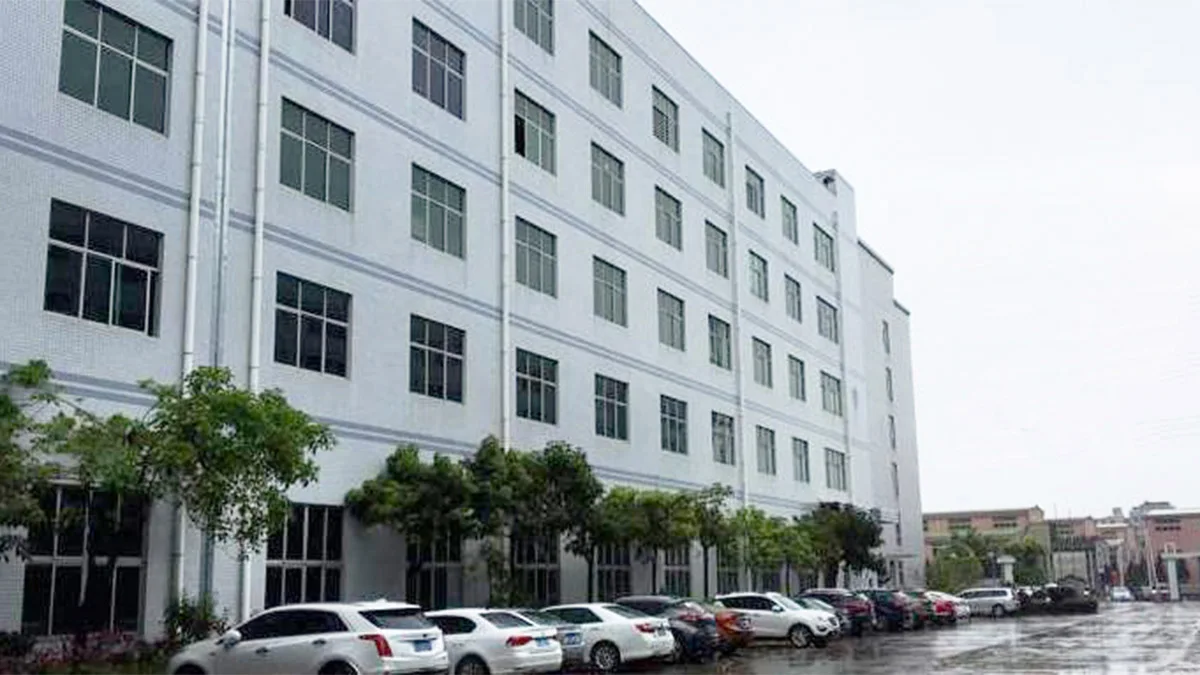
Shenzhen Dowdon Technology Co., Ltd.
- Manufacturer, Trading Company
- Guandong, China
- Lead time3 days
- Avg. response≤ 10h
Main productsPhone & Computer Accessories,Consumer Electronic Products,Security & Protection,Electrical Equipment & Supplies,Lights & Lighting
Main marketsWestern Europe(20.00%), North America(20.00%), Oceania(10.00%), Southern Europe(5.00%), Northern Europe(5.00%), Central America(5.00%), South America(5.00%), Eastern Asia(5.00%), Mid East(5.00%), Eastern Europe(5.00%), Africa(5.00%), Southeast Asia(5.00%), South Asia(3.00%), Domestic Market(2.00%)

Jinggoal International Limited
- Verified by BV
- Manufacturer/Factory
- China Guangdong
- Lead time23 days
- Avg. response≤ 12h
Main productsGift, Pen, Wall Clock, Travel Adapters, Book Wire Binding & Machine, Lock, Table Lamp, LED, Keychain, Alarm
Main marketsSouth America,Eastern Europe,North America,Southeast Asia,Eastern Asia,Oceania,Western Europe,Africa

- Verified by BV
- Manufacturer/Factory
- China Guangdong
- Lead time15 days
- Avg. response≤ 6h
Main productsOutdoor and Indoor Lighting, Bar Lights, Festival Lights, Pet Products, Kid Toys
Main marketsSouth America,Eastern Europe,Mid East,North America,Southeast Asia,Eastern Asia,Oceania,Western Europe,Africa

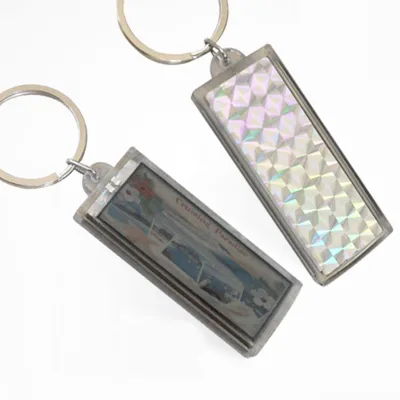
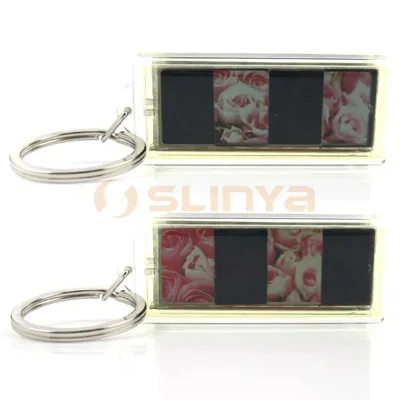
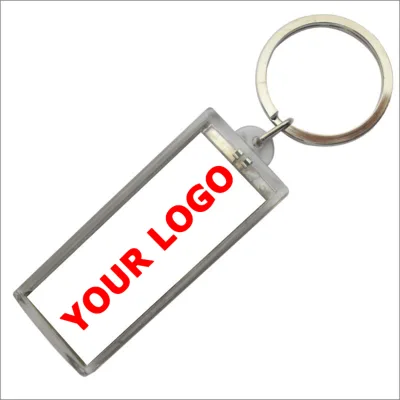
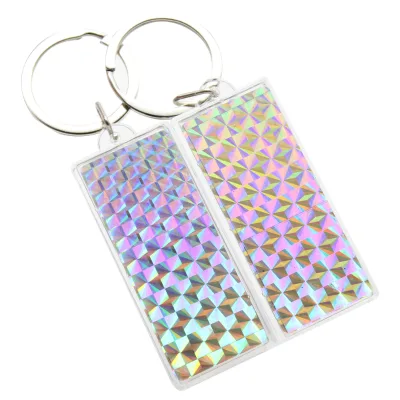
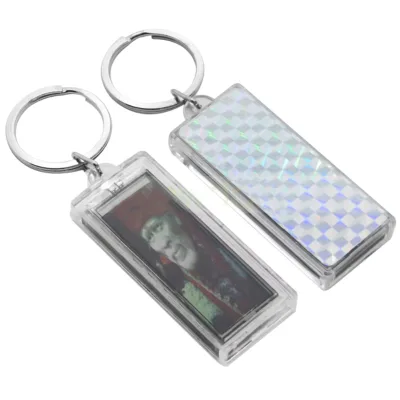
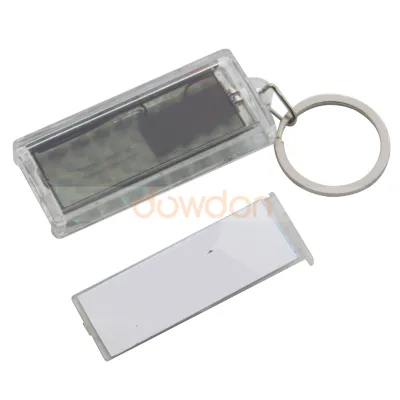
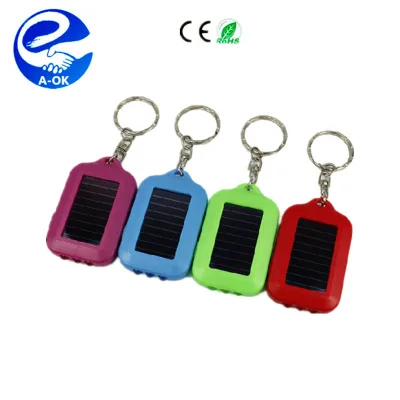
Flashing LCD Solar Keychain with Personalized Logo LCD Flashing Custom Key Ring
$0.40 - $45.00
MOQ: 500 Pieces


$0.45 - $0.70
MOQ: 500 Pieces
Shenzhen Dowdon Technology Co., Ltd.
- Manufacturer, Trading Company, Distributor/Wholesaler
- Lead time旺季: "1 - 100":5,"101 - 1000":7,"1001 - 10000":9,"> 10000":"To be negotiated", 淡季: "1 - 100":5,"101 - 1000":7,"1001 - 10000":9,"> 10000":"To be negotiated"
- Avg. response≤ 13h
Main productsPhone & Computer Accessories,Consumer Electronic Products,Security & Protection,Electrical Supplies,Lights & Lighting

Shenzhen Slinya Electronic Co., Ltd.
- Trading Company
- China Guangdong
- Lead time15 days
- Avg. response≤ 19h
Main productsMobile Phone Accessories, Computer Accessories, Consumer Electronics, Cable & Networking, Lights & Lighting, Security & Protection, Cameras & Photo Accessories, Home & Garden
Main marketsSouth America,Southeast Asia/ Mideast,East Asia(Japan/ South Korea),Domestic,Europe,Australia,North America

- Verified by TUVRHEINLAND
- Trading Company
- China Guangdong
- Lead time15 days
- Avg. response≤ 4h
Main productsBadge, Medal, Key Chain, Key Ring, Coin, Pin, Bottle Opener, Wrist Band, Lanyard, Trophy
Main marketsSoutheast Asia/ Mideast,Europe,North America
Ningbo A-Ok Outdoors Products Co., Ltd.
- Trading Company
- Zhejiang, China
- Lead time25 days
- Avg. response≤ 2h
Main productsHeadlamp,flashlight,Camping lamp,Solar sensor wall lamp,Garden LED wall lamp
Main marketsSouth America(25.00%), North America(25.00%), Domestic Market(20.00%), Eastern Europe(10.00%), Southeast Asia(5.00%)

Fuzhou Whole Line Trading Co., Ltd.
- Verified by BV
- Trading Company,Manufacturer/Factory
- China Fujian
- Lead time23 days
- Avg. response≤ 7h
Main productsCustomized Products, Lanyard Short Strap, Lanyard, Bandana, Pen, Bags, T-Shirt, Pillow Case, Socks, Promotional Gifts
Main marketsSouth America,Eastern Europe,Mid East,North America,Southeast Asia,Eastern Asia,Oceania,Western Europe,Africa

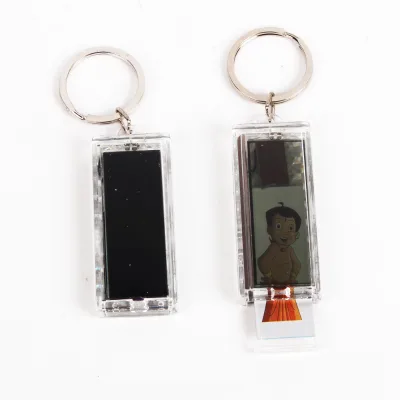
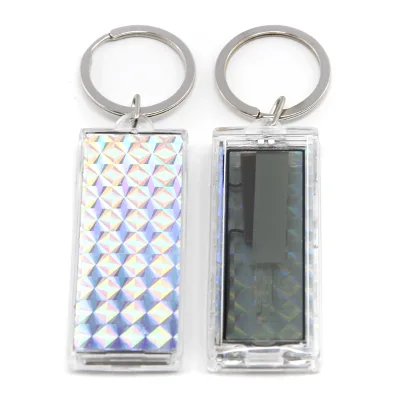
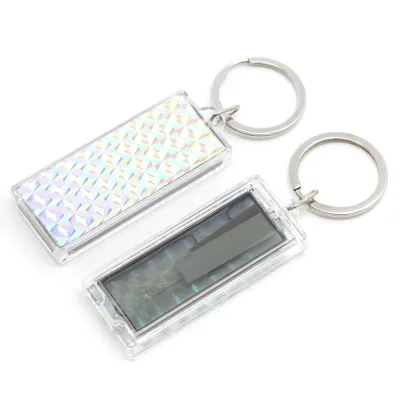
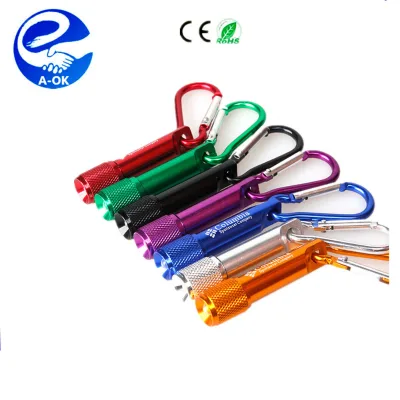
Wholesale Custom Outdoor Emergency Light Tool Solar LED Flashlight Keychain Solar LED keychain
$0.90 - $1.20
MOQ: 500 Pieces


Dongguan AQ PINS&GIFTS CO.,LTD
- Verified by BV
- Trading Company,Manufacturer/Factory
- China Guangdong
- Lead time23 days
- Avg. response≤ 5h
Main productsBadges/Lapel Pins/Coins/Medals, Keychain/Belt Buckle/Tie Bar/Cuff Link, Button/Button Badges/Embroidery & Woven Patches, Lanyard/Ribbon/Dog Leash, Silicone Bracelet/Smart Bracelet/Smart Watch, Bottle Opener/Dog Tag/Divot Tool/Hat Clip, Bag Tag/Bookmark/Paper Clip/Bag Hanger/Charm, Pendent/Trophy/Award/Metal Photo Frame, Soft PVC Wristbands/Keychain/Badge/Luggage Tag, Pen/Coaster/Fridge Magnet/Mini Fan
Main marketsSouth America,Eastern Europe,Mid East,North America,Southeast Asia,Eastern Asia,Oceania,Western Europe,Africa


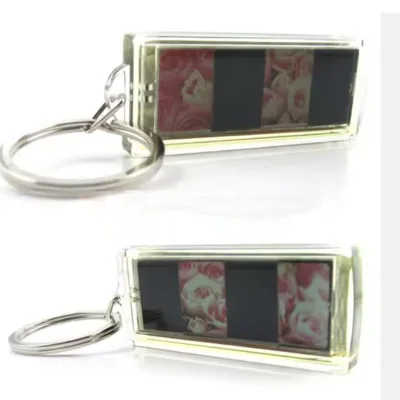
$0.21 - $1.09
MOQ: 100 Pieces






Comprehensive Sourcing Guide
Flashing Solar Keychain Supplier Concentration and Factory Types
Current data indicates supplier locations concentrated in China, specifically within Zhejiang, Fujian, and Guangdong provinces. These regions host a mix of trading companies and manufacturers specializing in promotional gifts and advertising items. The observed product range includes solar keychains, promotional gifts, and various giveaways, suggesting a robust ecosystem for mass-produced marketing materials. Buyers should note that while some suppliers list Guangdong as their origin, others specify Zhejiang or Fujian, indicating distinct manufacturing clusters rather than a single unified hub.
When assessing factory types, the available evidence points to a prevalence of trading companies among the results. These entities often aggregate products from various factories to offer a broader catalog of promotional items like solar keychains and custom gifts. Buyers must distinguish between direct manufacturers and trading intermediaries by examining the company type field. A trading company may offer faster logistics and diverse sourcing, whereas a factory might provide deeper customization capabilities. Verifying the actual production base remains essential, as the listed location may reflect the office rather than the manufacturing floor.
How to Verify Flashing Solar Keychain Suppliers
Verification processes should prioritize checking for third-party audit reports and system certifications. One observed supplier holds a TUVRHEINLAND verification status, which serves as a tangible indicator of operational reliability. Buyers should look for similar external validation marks rather than relying solely on self-declared claims. The absence of system certifications in some profiles, marked as NIL, requires additional due diligence to ensure quality control standards are met before committing to large orders.
Response time is another critical metric for assessing supplier reliability and communication efficiency. Data shows response times varying significantly, with some suppliers responding in approximately one hour while others take over twenty-four hours. A faster response time often correlates with better customer service and more active account management. Buyers should test communication channels early in the process to gauge responsiveness. Consistent delays in replies may signal operational bottlenecks or a lack of dedicated support staff, which could impact order execution and problem resolution during the production cycle.
What to Compare Across Flashing Solar Keychain Suppliers
Comparative analysis should focus on Minimum Order Quantities (MOQ) and lead times to align with procurement needs. Observed MOQs range from 500 pieces to 1000 pieces, depending on the specific product model and customization level. Some suppliers offer lower thresholds for standard items, while others require higher volumes for custom branding. Lead times also vary, with one observed duration of 30 days, which buyers must factor into their supply chain planning. Understanding these thresholds helps in selecting partners that match the scale of the intended campaign.
Product attributes and pricing structures provide further differentiation among potential partners. Prices observed in the data range from very low unit costs to specific fixed rates, though some entries show negative values which require clarification. Buyers should compare material specifications, such as plastic versus zinc alloy, and features like solar cell types or battery capacities. Customization options, including logo printing methods like silk screen or offset printing, also vary. Evaluating these technical details ensures the selected supplier can meet specific design requirements and quality expectations for the final promotional product.
Common Flashing Solar Keychain Sourcing Risks
One significant risk involves discrepancies between product descriptions and actual specifications. Some product attributes list conflicting information, such as runtime durations or battery types that may not match the physical item. For instance, a product might claim a specific runtime while the technical data suggests a shorter duration. Buyers must request physical samples to verify claims regarding solar efficiency, battery life, and durability before finalizing bulk orders. Relying solely on digital descriptions can lead to receiving products that fail to meet the promised performance standards.
Another risk relates to the clarity of commercial terms and hidden costs. While some listings provide clear pricing, others may have ambiguous cost structures or missing details on packaging and shipping. The presence of negative price indicators in some data points suggests potential errors in listing that require immediate clarification. Additionally, the lack of standardized certifications across all profiles means buyers cannot assume compliance with international safety standards without explicit confirmation. Verifying that products meet local regulatory requirements is crucial to avoid customs delays or legal issues in the destination market.
Flashing Solar Keychain Regional Sourcing and Logistics
Sourcing from China offers access to established manufacturing clusters in Zhejiang, Fujian, and Guangdong, each with distinct logistical advantages. These regions benefit from mature supply chains and efficient port infrastructure, facilitating the export of small, lightweight items like solar keychains. Buyers should consider the specific location of the factory when calculating shipping costs and transit times. Proximity to major ports can reduce freight expenses, while inland locations might incur additional handling fees. Understanding the geographic distribution helps in optimizing the overall logistics strategy for the shipment.
Logistics planning must account for the specific packaging requirements and dimensions of the products. Observed packing methods include individual OPP bags and bulk carton configurations, which affect container loading efficiency. Buyers should confirm the exact packing details to ensure optimal space utilization during transit. Furthermore, the origin location influences the lead time for production and shipping. Coordinating with suppliers who have experience in international shipping can mitigate delays. Clear communication regarding packaging standards and shipping instructions is essential to prevent damage and ensure timely delivery to the final destination.
Flashing Solar Keychain Commercial Terms and Order Planning
Commercial terms should be clearly defined regarding payment methods, escrow usage, and delivery schedules. While some suppliers may offer escrow protection, buyers must verify the specific terms before transferring funds. The absence of explicit escrow details in some profiles requires direct negotiation to secure transaction safety. Establishing a clear payment schedule linked to production milestones can protect the buyer's interests. Additionally, understanding the return policy and warranty terms is vital for managing potential quality issues that may arise after the goods are received.
Order planning requires a strategic approach to inventory management and production scheduling. With lead times around 30 days and MOQs starting at 500 units, buyers should plan their campaigns well in advance. Rush orders may incur additional costs or require premium shipping fees. Buyers should also consider the customization lead time, as adding logos or specific designs can extend the production window. Aligning the order timeline with marketing launch dates ensures that the promotional items are available when needed. Careful planning prevents stockouts and maximizes the effectiveness of the promotional campaign.
FAQs
What is the minimum order quantity for solar keychains?
The minimum order quantity is typically 500 pieces for customized OEM designs and 1000 pieces for standard promotional items. Buyers should verify specific requirements with the supplier before placing an order to ensure production readiness.
How long does production take for these items?
Standard lead times are approximately 30 days for manufacturing. This duration allows for material sourcing, assembly, and quality checks. Buyers should confirm exact timelines with the supplier to align with their event schedules.
Are these keychains customizable with a logo?
Yes, customization is available for most models. Options include silk screen printing, offset printing, and flashing logo effects. Buyers can request specific designs to match their brand identity and promotional campaign goals effectively.
What certifications do these products hold?
Products often carry CE and RoHS certifications, ensuring compliance with safety and environmental standards. The supplier itself is verified by TUV Rheinland. Buyers should request current certificates to verify regulatory compliance for their target markets.
Where are these suppliers located?
Suppliers are located in China, specifically in Zhejiang, Fujian, and Guangdong provinces. These regions are known for manufacturing capabilities. Buyers can filter results by location to manage logistics and shipping costs more efficiently.
What is the price range for solar keychains?
Prices vary based on customization and volume. Some standard items start around $0.01 per piece, while customized OEM designs may cost approximately $0.32 to $0.40 per unit. Buyers should request quotes for accurate pricing.
How quickly do suppliers respond to inquiries?
Response times vary, with some suppliers responding within 1.05 hours and others taking around 24.54 hours. Faster response times indicate active sales teams. Buyers should prioritize suppliers with quicker reply rates for efficient communication.