Floating Crankbait Lures Kit Suppliers and Manufacturers
Explore 24 verified suppliers offering floating crankbait lures kits with varying lead times, response speeds, and certifications. Buyers can compare MOQs, customization options, and factory locations in China Shandong to source suitable products. Contact suppliers directly to request samples and confirm pricing details.
Suppliers List
Dongyang Kangle Fishing Tackle Co., Ltd.
- Verified by SGS Group
- Manufacturer, Trading Company
- Lead time35 days
- Avg. response≤ 7h
Main productsFishing Line, Fishing Bait
Main marketsDomestic Market(50%), North America(30%), Western Europe(10%)

Weihai P.F. Outdoor Products Co., Ltd.
- Trading Company
- China Shandong
- Lead time0 days
- Avg. response≤ 10h
Main productsInflatable Paddle Board, Inflatable Boats, Air Tracks, Hard Lures, Soft Lures, Spinner Baits, Frog Lure, Metal Lures, Jigs, Kayak


High Quality Artificial Fishing Crankbaits Hard Lure Crank Lure Crankbait
$1.61 - $1.81
MOQ: 1500 Pieces


High Quality Artificial Fishing Crankbaits Hard Lure 63mm Crank Lure Crankbait
$1.61 - $1.81
MOQ: 1500 Pieces

Custom Crankbaits Wobbler Swimbait Fishing Lures Shallow Crankbait for Perch"
$1.61 - $1.81
MOQ: 1500 Pieces


Weihai Lotus Outdoor Co., Ltd.
- Manufacturer/Factory,Group Corporation
- China Shandong
- Lead time38 days
- Avg. response≤ 25h
Main productsFishing Reel, Fishing Lure, Fishing Tackle, Reel, Rod, Terminal Tackle, Fishing Rigs, Outdoor Products, Fishing Line, Fishing Rod
Main marketsSouth America,Eastern Europe,Mid East,North America,Southeast Asia,Eastern Asia,Oceania,Western Europe,Africa

Zhejiang New Vision I. /E. Co., Ltd.
- Trading Company,Manufacturer/Factory
- China Zhejiang
- Lead time0 days
- Avg. response≤ 25h
Main productsFishing Tackle, Fishing Lure, Fishing Swivel/Snap, Swimbaits, Fishing Hook, Nylon Thread, Swivel/Snap, Prewound Bobbin Thread, Fishing Soft Bait, Fishing Terminal Tackle

Fishing Accessories Crankbait Fishing Lures
MOQ: 300 Pieces

Fishing Tackles New Crank Bait Fishing Lure
MOQ: 300 Pieces

Beautiful Colors Plastic Crank Bait Fishing Lure
MOQ: 300 Pieces

Fishing Tackle Fishing Equipment Fishing Frogs
MOQ: 300 Pieces

Hot Sale Hard Plastic Minnow Crank Fishing Lure
MOQ: 300 Pieces

Fishing Product Hard Plastic Lures for Fishing
MOQ: 300 Pieces

- Trading Company
- China Zhejiang
- Lead time30 days
- Avg. response≤ 6h
Main productsFishing Products, Hand Dryer, Soap Dispenser, Paper Dispenser
Main marketsSouth America,Europe,North America


Soft Skin Frog Floating Topwater Fishing Lure Kit with Propeller Footboards
$0.50 - $0.60
MOQ: 200 Pieces


Weihai Huayue Sports Co., Ltd.
- Combined
- China Shandong
- Lead time45 days
- Avg. response≤ 14h
Main productsFishing Tackle, Fishing Rod, Fishing Combo, Fishing Reel, Fishing Lure, Fishing Tackle Set
Main marketsSouth America,Africa,Southeast Asia/ Mideast,East Asia(Japan/ South Korea),Domestic,Europe,Australia,North America

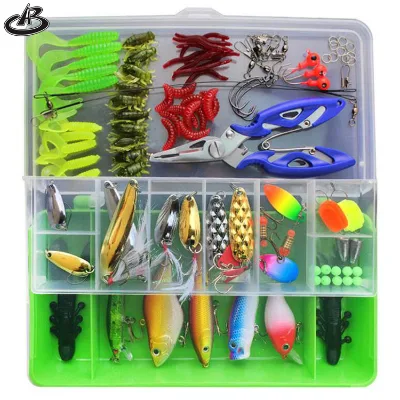
Bass Fishing Lures Kit Including Crankbaits Soft Plastic Worms Topwater Frog Lures Fishing Tackle
$11.80 - $13.50
MOQ: 1000 Pieces


Wei Hai Aquahunting Outdoor Products Co.,Ltd.
- Combined
- China Shandong
- Lead time15 days
- Avg. response≤ 5h
Main productsFishing Gear, Fishing Lure, Fishing Rod, Fishing Reel, Fishing Hook, Fishing Line, Fish Finder, Fishing Accessories, Jigging Lure, Minnow Lure
Main marketsSouth America,Africa,Southeast Asia/ Mideast,East Asia(Japan/ South Korea),Domestic,Europe,Australia,North America


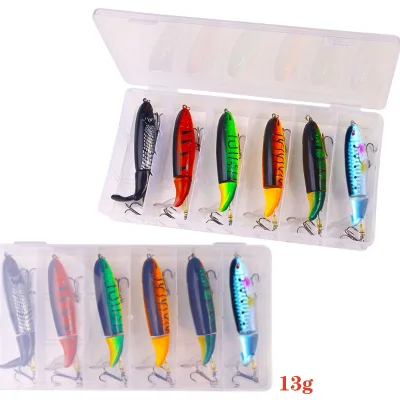
New Style 13G Floating Crankbait Artificial Wobbler for Bass Pike Hard Bait Fishing Lure
$3.50 - $4.00
MOQ: 100 Pieces

Sea Bass Lure Artificial Bait Fishing Tackle Crankbait Swim Hard Bait Crankbait
$0.85 - $0.99
MOQ: 100 Pieces



Weihai Inno Outdoor Products Co., Ltd
- Manufacturer
- Shandong, China
- Lead time0 days
- Avg. response≤ 1h
Main productsfishing lure,fishing rod,fishing hook,fishing reel,fishing accessories
Main marketsSoutheast Asia(15.00%), Eastern Europe(15.00%), Africa(15.00%), North America(15.00%), Eastern Asia(10.00%), Mid East(10.00%), Oceania(10.00%), South America(10.00%)

Shenzhen Dokind Fishing Tackle Co., Ltd.
- Trading Company,Manufacturer/Factory
- China Guangdong
- Lead time150 days
- Avg. response≤ 9h
Main productsFishing Tackle, Fishing Hooks, Hard Lures, Soft Lures, Fishing Accessory, Fishing Rigs, Swivels, Metal Lures, Baits, Fishing Baits
Main marketsSouth America,Eastern Europe,North America,Southeast Asia,Oceania,Western Europe

Weihai Luyu Outdoors Co., Ltd.
- Manufacturer, Trading Company
- Shandong, China
- Lead time0 days
- Avg. response≤ 6h
Main productsfishing rod reelseat,fishing rod guide ring cap,fishing rod Aluminum handle,fishing rod butt Cap&Gimbal,fishing rod winding check
Main marketsEastern Asia(100.00%)
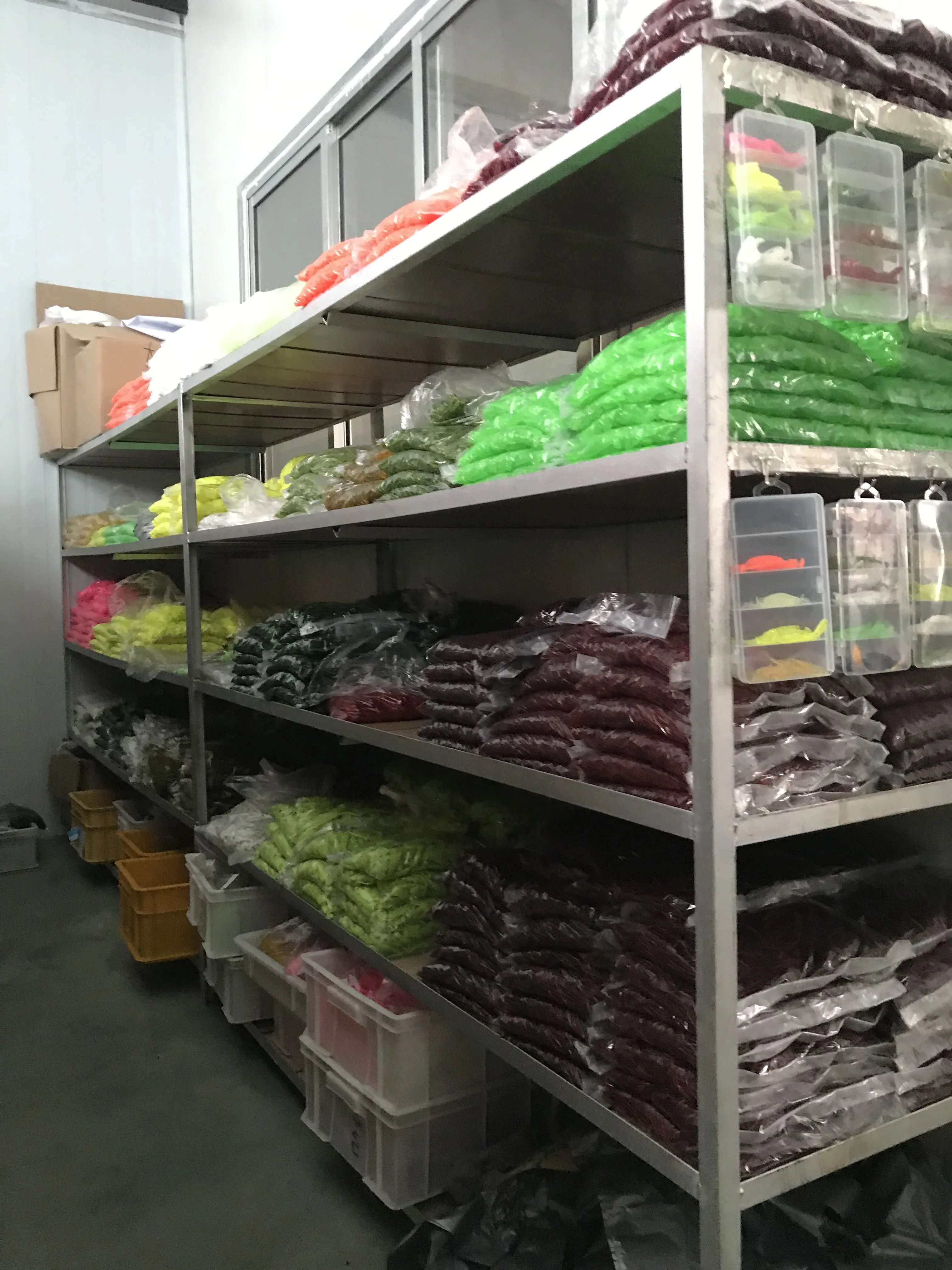
Weihai Black Fox Sports Goods Co., Ltd.
- Manufacturer, Trading Company
- Shand, China
- Lead time30 days
- Avg. response≤ 4h
Main productsFishing Tackle,Fishing Lure,Hard lure,Fishing rods,Fishing tools
Main marketsNorth America(40.00%), Southeast Asia(20.00%), South Asia(10.00%), Northern Europe(10.00%), Western Europe(10.00%), Oceania(10.00%)

- Verified by SGS
- Trading Company
- China Zhejiang
- Lead time15 days
- Avg. response≤ 14h
Main productsTents, BBQ Grill, Folding Table and Chair, Cooler Bag, Outdoor Lamp, Beach Mat, Picnic Blanket, Sleeping Bag, Water Bottle, Hammock
Main marketsEurope,Australia

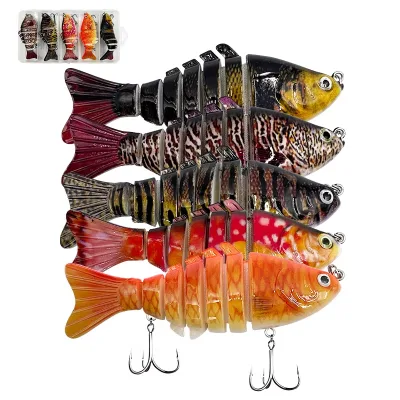
Kit Topwater Hard Baits Minnow Crankbait Pencil Vib Swimbait Bass Fishing Lures
$0.91 - $1.05
MOQ: 1100 Pieces

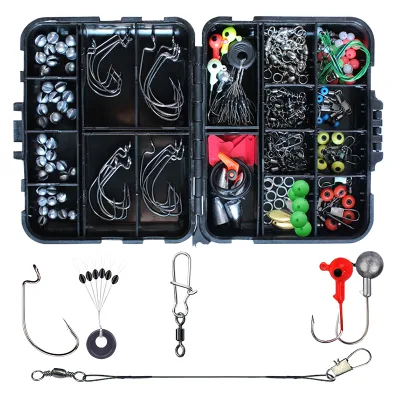
Fishing Lures Baits Tackle Crankbaits Spinnerbaits Plastic Worms Jigs Weight Sinkers
$3.21 - $3.28
MOQ: 300 Pieces

Crankbaits Set Fishing Hard Baits Swimbaits Boat Topwater Minnow Fishing Lures
$0.92 - $1.12
MOQ: 1000 Pieces
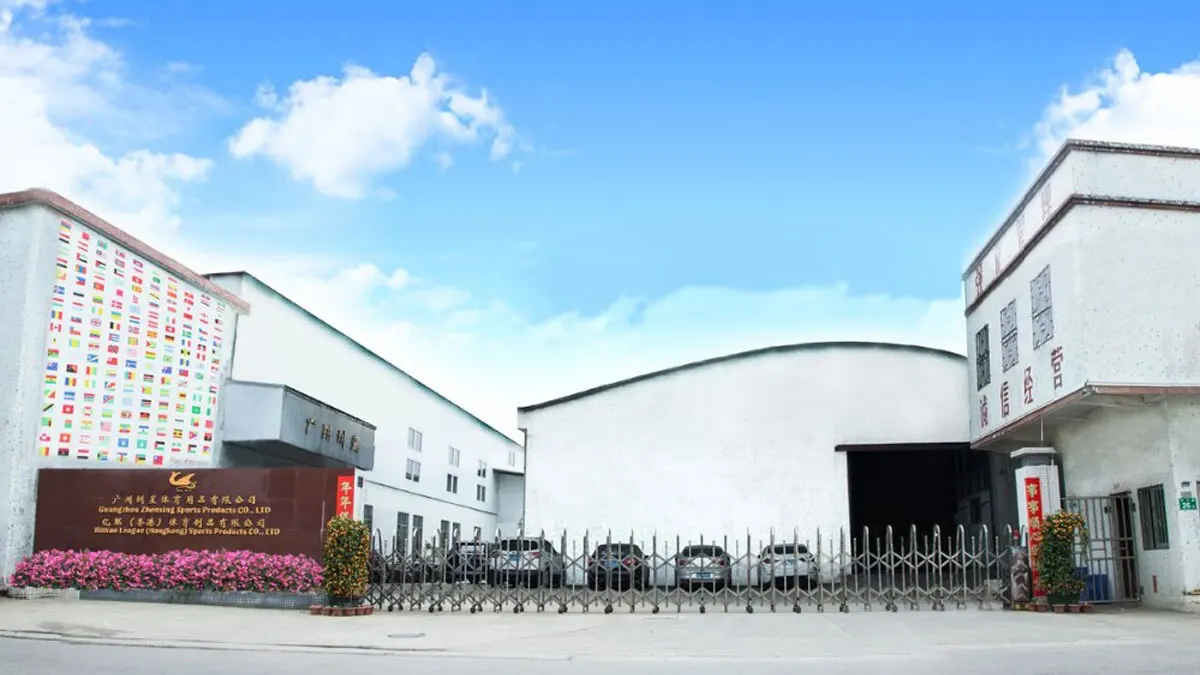
Haitang Technology (guangzhou) Co., Ltd.
- Manufacturer, Trading Company
- Guangdong, China
- Lead time15 days
- Avg. response≤ 2h
Main productsFishing Lure
Main marketsNorth America(30.00%), Eastern Europe(30.00%), Western Europe(10.00%), South America(5.00%), Southern Europe(5.00%), Central America(5.00%), Northern Europe(5.00%), Eastern Asia(4.00%), South Asia(2.00%), Oceania(2.00%), Southeast Asia(2.00%)
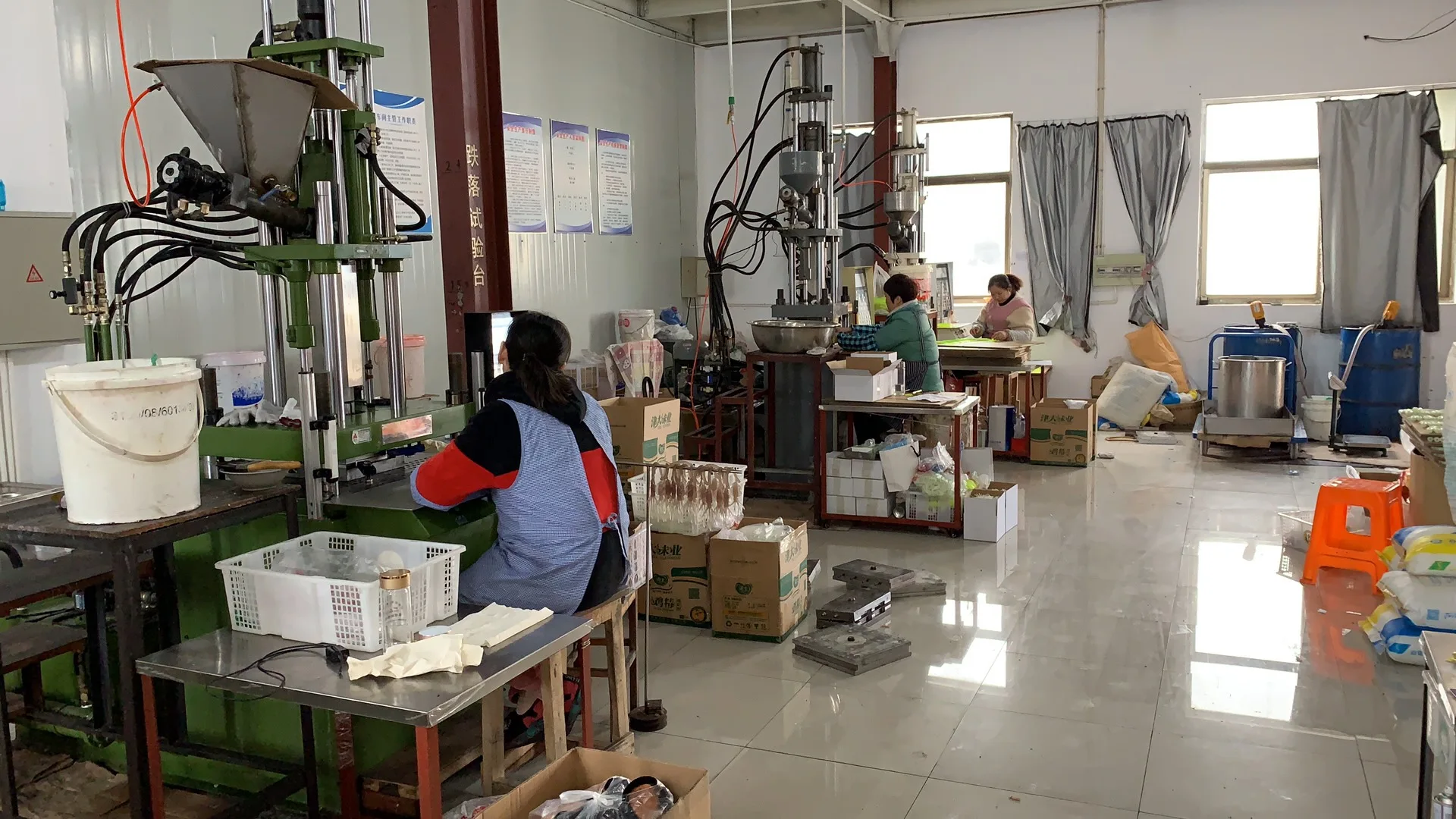
Dongyang Hangxiang Fishing Tackle Limited Company
- Trading Company
- Zhejiang, China
- Lead time30 days
- Avg. response≤ 5h
Main productsfishing,reel,rod,line,lure
Main marketsMid East(40.00%), Southern Europe(5.00%), Northern Europe(5.00%), Central America(5.00%), Domestic Market(5.00%), Eastern Asia(5.00%), South Asia(5.00%), Oceania(5.00%), Africa(5.00%), Southeast Asia(5.00%), Eastern Europe(5.00%), South America(5.00%), North America(4.00%), Western Europe(1.00%)
Dongguan Qiaotou Taiwei Hardware Factory
- Verified by TüVRheinland
- Manufacturer, Trading Company
- Lead time0 days
- Avg. response≤ 3h
Main productsFishing Gear, Fish Lip Gripper, Fishing Knotter, Hardware Accessories
Main marketsDomestic Market(75%), North America(15%), Southeast Asia(5%)

Shanghai BGO Import & Export Co., Ltd.
- Manufacturer/Factory,Group Corporation
- China Shanghai
- Lead time23 days
- Avg. response≤ 17h
Main productsTarpaulin Water Bladder, Aquaculture Tank, Gasoline Fuel Bladder, Dome Tent, PVC Non-Slip Mat, PVC Coated Mesh, Boat Buoy, Tree Watering Bags, Marina Salvage Airbag /Weight Test Bag, Swimming Pool and Pool Cover
Main marketsSouth America,Eastern Europe,Mid East,North America,Southeast Asia,Eastern Asia,Oceania,Western Europe,Africa

6 Colors 5.3cm/9g 6#Hooks 3D Eyes Plastic Painting Bait 0.30m-0.9m Floating Crank Fishing Lure
$0.82 - $1.76
MOQ: 30 Pieces

5 Colors 6cm/7.8g 3D Eyes Plastic Hard Bait Casting Trolling 0.50m-1.5m Floating Crank Fishing Lure
$0.75 - $1.68
MOQ: 30 Pieces

6 Colors 7cm/6.8g 3D Eyes Plastic Hard Bait 0.30m-1.5m Floating Crank Fishing Lure
$0.59 - $1.39
MOQ: 30 Pieces

6 Colors 4.3cm/4.4G 3D Eyes Plastic Hard Bait 0.30m-0.6m Floating Crank Fishing Lure
$0.69 - $1.68
MOQ: 30 Pieces

WEIHAI ONETE OUTDOOR PRODUCTS CO., LTD.
- Verified by BV
- Trading Company
- China Shandong
- Lead time45 days
- Avg. response≤ 11h
Main productsFishing Lures, Fishing Tackle, Fishing Rods, Fishing Reels, Fishing Line, Fly Fishing, Ice Rods, Tackle Box, Fishing Rod Handle, CNC Metal Parts
Main marketsNorth America

Ningbo Rodcore International Co., Ltd.
- Trading Company
- China Zhejiang
- Lead time60 days
- Avg. response≤ 4h
Main productsFly Rod, Fly Reel, Fly Line, Fly Box, Bamboo Fly Rod, Fishing Rod, Fishing Lure, Fishing Reel, Fishing Line, Fishing Hook
Main marketsSouth America,North America
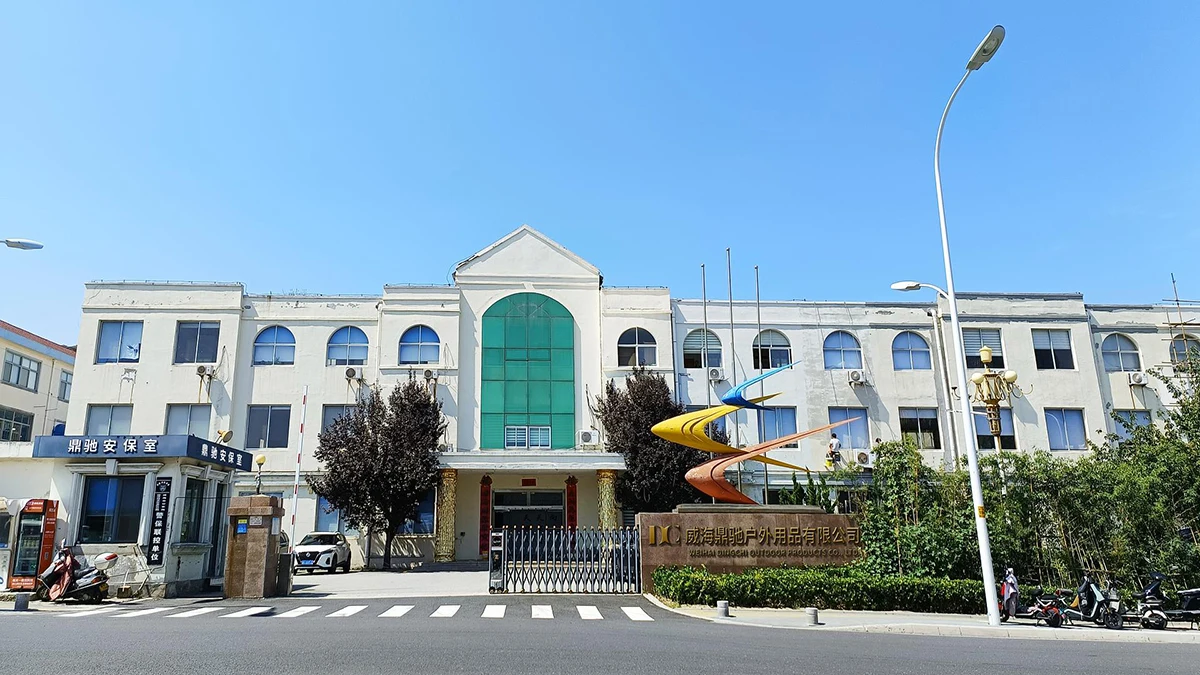
Weihai Dingchi Outdoor Products Co., Ltd.
- Manufacturer, Trading Company
- Shandong, China
- Lead time0 days
- Avg. response≤ 2h
Main productsFishing Lures , Fish Pole, Fishing Reel, Fish Hook, Fishing Tools
Main marketsNorth America(30.00%), Domestic Market(20.00%), Western Europe(10.00%), Southern Europe(10.00%), Northern Europe(10.00%), Eastern Europe(10.00%), Southeast Asia(10.00%)

Shandong Zhoutai Outdoor Products Co., Ltd.
- Verified by SGS
- Trading Company
- China Shandong
- Lead time60 days
- Avg. response≤ 5h
Main productsFishing Rod, Fishing Line, Fishhook, Fish Reel, Fishing Lure
Main marketsSouth America,Southeast Asia/ Mideast,Europe

- Verified by BV
- Manufacturer/Factory
- China Fujian
- Lead time15 days
- Avg. response≤ 25h
Main productsWater Bottle, Kitchen Ware, Shoes, Plastic Product, Bag, Toy
Main marketsSouth America,Eastern Europe,Mid East,North America,Southeast Asia,Eastern Asia,Oceania,Western Europe,Africa

Nanjing Honor Fishing Gear Ltd.
- Verified by TUVRHEINLAND
- Combined
- China Jiangsu
- Lead time30 days
- Avg. response≤ 4h
Main productsFishing Tackle, Fishing Lure, Fishing Reel, Fishing Rod, Fishing Line, Fishing Equipment, Fishing, Fishing Hook, Fishing Bait, Fishing Pole
Main marketsSouth America

Nanjing Yuyue Trading Co., Ltd.
- Trading Company
- Jiangsu, China
- Lead time30 days
- Avg. response≤ 2h
Main productsfishing hooks,fishing lures,fishing rods,fishing reels,Fishing accessories
Main marketsNorth America(30.00%), Eastern Europe(20.00%), South America(20.00%), Western Europe(10.00%), Oceania(10.00%), Northern Europe(5.00%), Mid East(5.00%)
Cixi Outai Fishing Gear Co., Ltd.
- Manufacturer
- Zhejiang, China
- Lead time30 days
- Avg. response≤ 9h
Main productsBearking ABS fishing lure,Bearking Silicone fishing bait,Bearking fishing reels,Bearking fishing rods,Bearking fishing line
Main marketsWestern Europe(25.00%), Central America(20.00%), Mid East(15.00%), North America(15.00%), South Asia(10.00%), Southeast Asia(10.00%), South America(5.00%)
Cranka Crank 32mm Shallow BLACK FLAME 2.7g Crankbait
$2.70 - $3.50
BEARKING Mini Crank 3.2cm 2.7g Bait
$1.89 - $2.40








Comprehensive Sourcing Guide
Floating Crankbait Lures Kit Supplier Concentration and Factory Types
The current supplier landscape for floating crankbait lures kits reveals a mix of manufacturer and trading company profiles, with specific facility types influencing production capabilities. Some entities operate as manufacturers or factory groups, often holding extensive system certifications like ISO 9001, BSCI, and OHSAS 18001, which suggests a structured approach to quality control and safety. These facilities typically handle the full spectrum of production, from sample processing to graphic processing and customized on-demand manufacturing. In contrast, other suppliers function primarily as trading companies, focusing on aggregating products such as inflatable paddle boards, hard lures, and soft lures alongside fishing tackle. This distinction is critical because manufacturers generally offer deeper customization for specific lure models, while trading companies may provide a broader range of finished goods with less direct control over the molding process.
When evaluating supplier concentration, buyers should note that specific location data points to regions like China Shandong for certain listings, though a comprehensive cluster map requires further verification. The presence of diverse main products, ranging from fishing reels to terminal tackle, indicates that some suppliers are generalists in the outdoor and fishing sector rather than specialists in crankbaits alone. Buyers must verify if a supplier's primary focus aligns with their specific needs for floating crankbait kits, as a company listing fishing lines and reels might not possess the specialized tooling for high-precision crankbait molds. The variation in company types means that a single search result page can contain entities with vastly different operational models, requiring careful filtering to identify those with dedicated production lines for artificial hard baits and specific lure types like square bill crankbaits.
How to Verify Floating Crankbait Lures Kit Suppliers
Verification of suppliers for floating crankbait lures kits relies heavily on third-party audit reports and specific credential checks rather than self-declared claims. Some suppliers in the current results display verification status from recognized bodies like SGS Group, which provides a baseline level of confidence regarding their business legitimacy and operational capacity. Buyers should prioritize suppliers who have undergone such external audits, as these reports often validate the existence of the factory and the accuracy of their reported capabilities. It is essential to request the latest audit report to confirm that the facility matches the description provided in the product listing, ensuring that the entity claiming to be a manufacturer actually possesses the necessary machinery for plastic injection molding and lure assembly.
Beyond general verification, buyers must scrutinize specific product attributes and certifications to ensure compliance with safety and quality standards. The current data shows some suppliers holding certifications such as ISO 9001, ISO 14001, and GMP, which are relevant for manufacturing environments but do not guarantee specific lure performance. Buyers should verify if these certifications cover the specific production of fishing lures, as a general factory certification might not address the chemical safety of the ABS materials or the hook quality used in the kits. Additionally, checking for OEM/ODM acceptance is crucial for custom orders, as some suppliers explicitly state they accept customization while others may only offer standard stock items. Confirming the authenticity of these credentials through direct communication or requesting updated documentation is a necessary step before committing to a large order.
What to Compare Across Floating Crankbait Lures Kit Suppliers
Comparing suppliers requires a detailed analysis of key operational metrics such as lead times, minimum order quantities, and response speeds to determine the best fit for specific procurement needs. The data indicates significant variation in lead times, with some suppliers listing a standard 35 days while others specify 50 to 60 days or even negotiate based on order volume. Response times also differ, ranging from 7 hours to over 24 hours, which can impact the speed of communication and problem resolution during the sourcing process. Buyers should create a comparison matrix that weighs these timeframes against their project deadlines, noting that a shorter lead time might come with a higher price point or stricter MOQ requirements.
Minimum order quantities (MOQ) and pricing structures are equally critical factors in the comparison process, as they directly affect the financial viability of the order. Current listings show MOQs ranging from as low as 10 pieces for sample or small batch testing to 300 pieces or more for custom color runs, with some requiring 1500 pieces for specific configurations. Price ranges also vary, with some items listed between $0.23 and $0.30 per unit, while custom or larger models may range from $1.61 to $2.21. Buyers must calculate the total cost of ownership, including shipping and potential tariffs, rather than focusing solely on the unit price. It is also important to compare the specific product attributes, such as material composition (ABS), hook types (Vmc, Bkk, Mustad), and packaging options, as these details define the final product quality and suitability for the target market.
Common Floating Crankbait Lures Kit Sourcing Risks
One of the primary risks in sourcing floating crankbait lures kits is the discrepancy between advertised customization capabilities and actual production capacity. While many suppliers claim to offer OEM/ODM services and custom molds, the reality may involve significant delays or quality compromises if the factory lacks the specific tooling for complex lure designs. Buyers often encounter situations where the initial sample matches the design, but mass production deviates due to material inconsistencies or molding errors. This risk is heightened when dealing with trading companies that may not have direct control over the manufacturing process, leading to a lack of transparency regarding the actual production timeline and quality control measures.
Another significant risk involves the variability in product specifications and the potential for receiving goods that do not meet the intended fishing performance standards. Attributes such as the diving depth, buoyancy, and hook sharpness are critical for the effectiveness of crankbaits, yet these details are often summarized in broad terms like "floating" or "hard lure" without precise technical data. Buyers face the risk of receiving lures with incorrect weights, such as 3.8g versus 16.8g, or dimensions that do not match the ordered model number. Furthermore, the lack of standardized testing for fishing lures means that buyers must rely on the supplier's internal quality checks, which may not be rigorous enough to prevent defects like paint peeling or hook detachment during use.
Floating Crankbait Lures Kit Regional Sourcing and Logistics
Regional sourcing for floating crankbait lures kits is heavily influenced by the location of manufacturing facilities, with specific data points indicating production hubs in regions like China Shandong. This concentration suggests that buyers can expect a high density of suppliers in this area, potentially offering competitive pricing due to established supply chains for raw materials like ABS plastic and metal hooks. However, the logistics of shipping from this region must be carefully planned, as lead times can be extended by 50 to 60 days for custom orders, which includes both production and transit time. Buyers should factor in the distance and shipping methods when calculating the total delivery timeline, especially for time-sensitive inventory replenishment.
Logistics planning also involves understanding the packaging and handling requirements for fragile fishing lures to prevent damage during transit. The current data shows various packaging options, from simple OPP bags to more robust slided blister packs and pet boxes, which can impact the volume and weight of the shipment. Buyers need to verify if the supplier's packaging is sufficient to protect the lures, particularly those with sharp hooks and delicate plastic components, during long-distance shipping. Additionally, the location of the supplier affects the availability of freight forwarders and the cost of insurance, which are critical components of the overall logistics strategy. Buyers should confirm the specific shipping terms, such as FOB or CIF, to ensure they have clear visibility into the costs and responsibilities associated with moving the goods from the factory to their destination.
Floating Crankbait Lures Kit Commercial Terms and Order Planning
Commercial terms for floating crankbait lures kits vary significantly based on the supplier type and the complexity of the order, requiring careful negotiation to align with budget and timeline constraints. Some suppliers offer flexible lead times that can be negotiated, while others adhere to fixed schedules of 35 to 60 days, which must be integrated into the buyer's production or sales calendar. Payment terms and escrow services are also vital considerations, as they provide a layer of security for the buyer's funds until the goods are delivered and verified. Buyers should seek suppliers who offer escrow options or clear payment milestones to mitigate the risk of non-delivery or quality issues, ensuring that financial exposure is minimized throughout the transaction.
Order planning must account for the specific MOQ requirements and the potential need for multiple production runs to meet demand. With MOQs ranging from 10 pieces for testing to 1500 pieces for full customization, buyers need to strategize their initial orders to balance inventory costs with the need for product variety. It is advisable to start with a smaller sample order to verify quality and performance before committing to a larger production run, especially when dealing with custom colors or specific lure models. Buyers should also plan for potential delays by building buffer time into their schedules, as lead times can fluctuate based on raw material availability and factory workload. Clear communication regarding the expected delivery date and the specific product specifications is essential to ensure that the final order meets the buyer's commercial objectives.
FAQs
What is the typical lead time for custom floating crankbait orders?
Manufacturers generally require 50 to 60 days for custom production runs, though some standard items may ship within 35 days. Buyers should confirm specific timelines during negotiation, as rush orders or complex graphic processing requests can extend the delivery window significantly beyond standard estimates.
What is the minimum order quantity for floating crankbait lures?
Minimum order quantities vary significantly by supplier type. Some manufacturers accept orders as low as 10 pieces for standard stock items, while custom OEM orders typically require a minimum of 300 pieces per color. Buyers should verify the specific MOQ requirements before placing bulk orders.
Are floating crankbait lures available with custom branding and packaging?
Yes, many suppliers offer full customization services including OEM and ODM options. Buyers can request custom graphics, specific hook types, and tailored packaging such as blister cards or pet boxes. Sample processing and graphic design support are commonly available to ensure the final product meets exact specifications.
What materials are used to construct floating crankbait lures?
Most floating crankbait lures are constructed from durable ABS plastic to ensure buoyancy and impact resistance. These artificial baits are designed to simulate fish shapes and often feature lifelike 3D eyes. The material choice helps achieve high simulation effects while maintaining the structural integrity needed for various fishing techniques.
What is the price range for wholesale floating crankbait lures?
Unit prices for floating crankbait lures typically range from $0.23 to $2.21 depending on size, complexity, and order volume. Basic models may cost around $0.23, while customized or larger lures can reach up to $2.21. Buyers should request detailed quotes based on their specific quantity and customization needs.
How quickly do suppliers typically respond to sourcing inquiries?
Response times vary among suppliers, with some responding within 7 hours and others taking up to 24 hours. Buyers seeking faster communication should prioritize suppliers with shorter response metrics. Prompt inquiries often yield quicker quotes and better engagement regarding sample availability and production scheduling details.