Saltwater Trolling Fishing Reel Suppliers and Manufacturers
Explore 22 verified options for Saltwater Trolling Fishing Reel suppliers and manufacturers in Jiangsu, China. Compare response times, lead times, and product specifications like bearing counts and drag capacity to find the right partner for your needs; review the available evidence before requesting comparable quotations from suitable candidates.
Suppliers List

Yangzhou Jiuyang Fishing Tackle Co., Ltd.
- Manufacturer, Trading Company
- Jiangsu, China
- Lead time60 days
- Avg. response≤ 2h
Main productsFishing rod,Fishing reel,Fishing Tackle,Fishing rod blank,DIY Fishing Rod
Main marketsNorth America(35.00%), Eastern Asia(20.00%), Western Europe(15.00%), Domestic Market(5.00%), Southern Europe(5.00%), Eastern Europe(5.00%), South America(5.00%), Oceania(5.00%), Southeast Asia(5.00%)
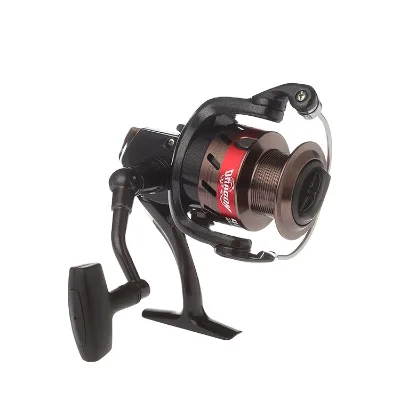
9+1BB Spinning Fishing Reel Metal XS1000-6000 Series Spinning Reel Fishing Tackle
$7.00 - $10.55
MOQ: 500 pieces
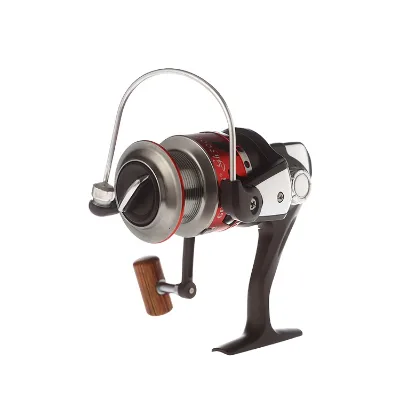
High Quality Fishing Rod Reel Carbon Fiber The Best Graphite Fishing Reel and Cheap
$8.95 - $13.17
MOQ: 500 pieces

- Trading Company
- China Zhejiang
- Lead time30 days
- Avg. response≤ 6h
Main productsFishing Products, Hand Dryer, Soap Dispenser, Paper Dispenser
Main marketsSouth America,Europe,North America


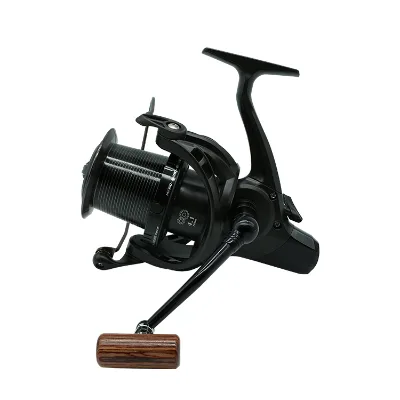
13+1bb Freshwater Saltwater Spinning Fishing Reel High Speed Fishing Reel
$4.80 - $6.40
MOQ: 100 Pieces

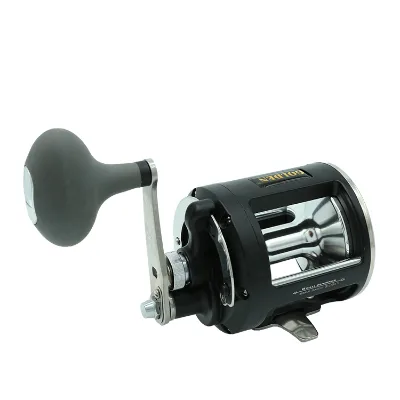
Spinning Fishing Reel Freshwater Saltwater High Speed Right Left Fishing Reel
$20.00 - $24.00
MOQ: 50 Pieces


Nanjing Honor Fishing Gear Ltd.
- Verified by TUVRHEINLAND
- Combined
- China Jiangsu
- Lead time30 days
- Avg. response≤ 4h
Main productsFishing Tackle, Fishing Lure, Fishing Reel, Fishing Rod, Fishing Line, Fishing Equipment, Fishing, Fishing Hook, Fishing Bait, Fishing Pole
Main marketsSouth America


Best Baitcaster Ice Fishing Catfish Rod and Combo Saltwater Spinning Reels
$0.94 - $1.03
MOQ: 100 Pieces

Best Rod and Combo Saltwater Spinning Reels Musky Carp on Sale Fishing Reel
$2.30 - $2.57
MOQ: 120 Pieces

Best Spincast Carp Fishing Reels Catfish Baitcaster Spinning Rod and Reel
$2.30 - $2.57
MOQ: 120 Pieces

Saltwater Rod and Combo Crappie Sougayilang in a Fish Deep Sea Fishing Reels
$13.26 - $16.57
MOQ: 50 Pieces
Suqian Blue Sea Sports Goods Co., Ltd.
- Verified by TüVRheinland
- Trading Company
- Lead time0 days
- Avg. response≤ 5h
Main productsFishing Lure, Fishing Hook, Fishing Rig, Fishing Line, Fishing Accessories
Main marketsNorth America(30%), Western Europe(16%), Eastern Europe(10%)

Weihai Huayue Sports Co., Ltd.
- Combined
- China Shandong
- Lead time45 days
- Avg. response≤ 12h
Main productsFishing Tackle, Fishing Rod, Fishing Combo, Fishing Reel, Fishing Lure, Fishing Tackle Set
Main marketsSouth America,Africa,Southeast Asia/ Mideast,East Asia(Japan/ South Korea),Domestic,Europe,Australia,North America
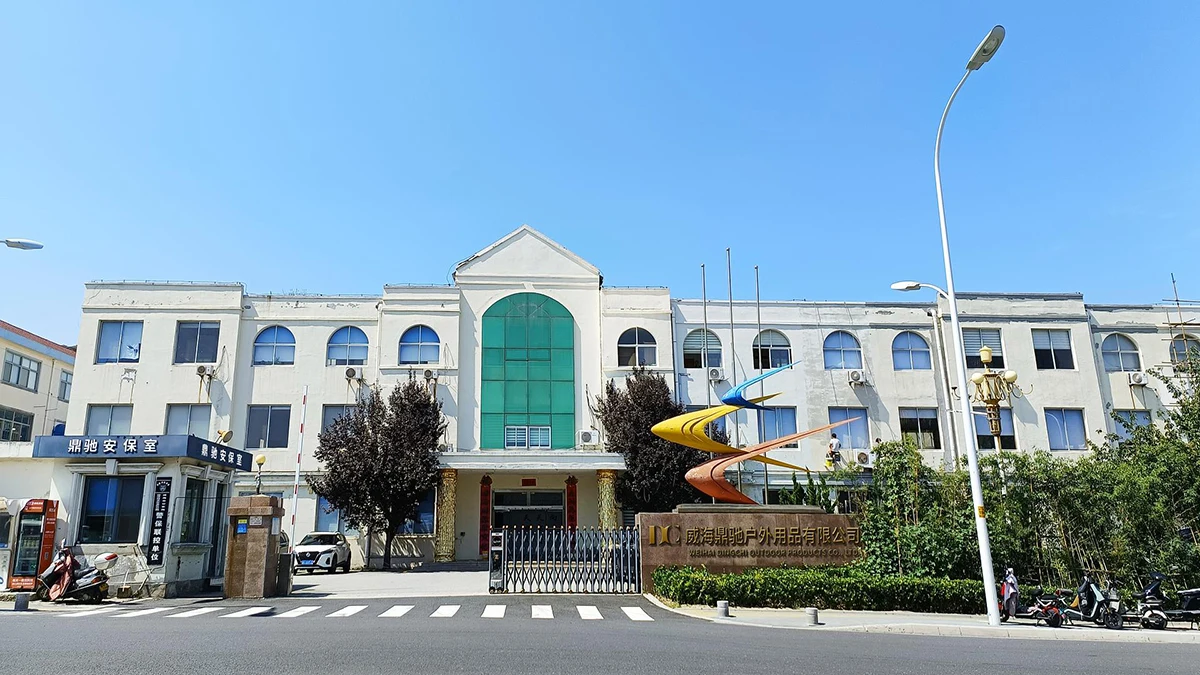
Weihai Dingchi Outdoor Products Co., Ltd.
- Manufacturer, Trading Company
- Shandong, China
- Lead time0 days
- Avg. response≤ 2h
Main productsFishing Lures , Fish Pole, Fishing Reel, Fish Hook, Fishing Tools
Main marketsNorth America(30.00%), Domestic Market(20.00%), Western Europe(10.00%), Southern Europe(10.00%), Northern Europe(10.00%), Eastern Europe(10.00%), Southeast Asia(10.00%)
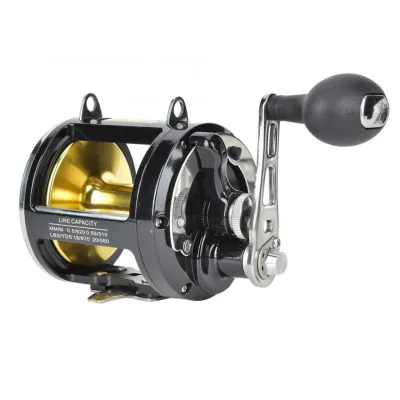
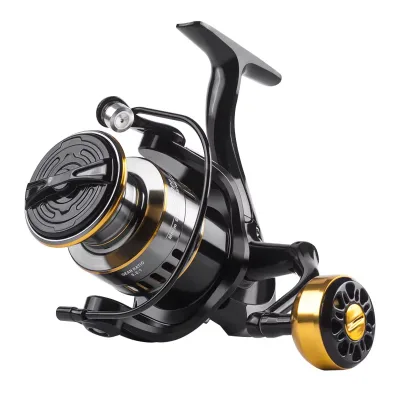
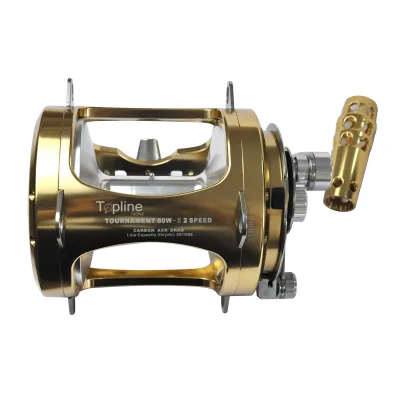
$230.00 - $399.00
MOQ: 10 Minimum
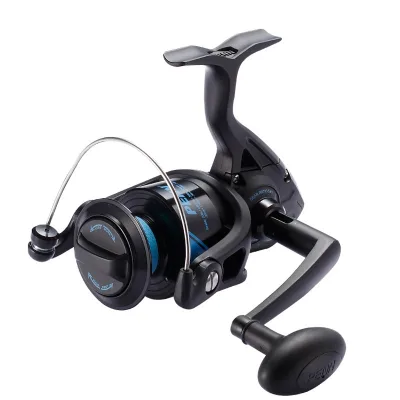
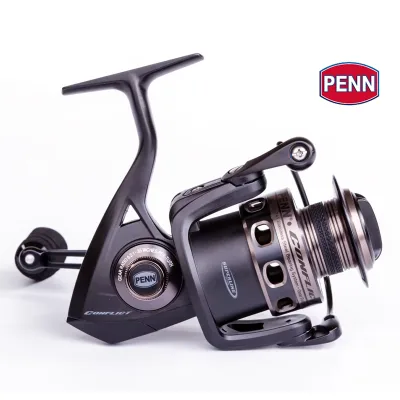
Weihai Yajie Outdoors Co., Ltd.
- Verified by Intertek
- Manufacturer, Trading Company
- Lead time10 days
- Avg. response≤ 2h
Main productsFishing Rod, Fishing Line, Fishing Lure, Fishing Hook, Fishing Accessories
Main marketsNorth America(40%), South America(20%), Southeast Asia(20%)

Shandong Zhoutai Outdoor Products Co., Ltd.
- Verified by SGS
- Trading Company
- China Shandong
- Lead time60 days
- Avg. response≤ 5h
Main productsFishing Rod, Fishing Line, Fishhook, Fish Reel, Fishing Lure
Main marketsSouth America,Southeast Asia/ Mideast,Europe

Waterproof Saltwater Metal Spinning Fishing Reel Sports and Outdoors Fishing Reels
$1.40 - $6.50
MOQ: 200 Pieces


Jiangmen Xinhui Baiyuheng Webbing Co., Ltd.
- Verified by SGS Group
- Manufacturer, Trading Company
- Lead time3 days
- Avg. response≤ 2h
Main productsParacord, Rope, Webbing, Survival Kit, Fire Starter
Main marketsNorth America(73%), Western Europe(10%), Domestic Market(10%)
Hangzhou Baqiandai Import And Export Co., Ltd.
- Verified by Intertek
- Manufacturer, Trading Company
- Lead time7 days
- Avg. response≤ 3h
Main productsFishing Rod, Bait, Fishing Reel, Fishing Line, Fishing Tools
Main marketsNorth America(30%), South America(25%), Southeast Asia(20%)

- Verified by SGS
- Trading Company
- China Zhejiang
- Lead time15 days
- Avg. response≤ 14h
Main productsTents, BBQ Grill, Folding Table and Chair, Cooler Bag, Outdoor Lamp, Beach Mat, Picnic Blanket, Sleeping Bag, Water Bottle, Hammock
Main marketsEurope,Australia

Travel Saltwater Freshwater Portable Telescopic Spinning Reels Fishing Reel Rod
$1.60 - $2.00
MOQ: 500 Pieces

Travel Saltwater Freshwater Telescopic Pole Fishing Spinning Reel Combos Rod
$3.30 - $3.50
MOQ: 300 Pieces

Freshwater Saltwater Spinning Colorful Poratble Light Weight Fishing Combo Reel Rod
$3.30 - $3.50
MOQ: 300 Pieces


Cixi Zhengze Electronic Technology Co., Ltd.
- Manufacturer, Trading Company
- Zhejiang, China
- Lead time21 days
- Avg. response≤ 12h
Main productsFishing Reel, Fishing Rod, Fishing Line
Main marketsSoutheast Asia(60.00%), South America(40.00%)
$10.00 - $12.00
MOQ: 1 packs

Nanjing Yuyue Trading Co., Ltd.
- Trading Company
- Jiangsu, China
- Lead time30 days
- Avg. response≤ 2h
Main productsfishing hooks,fishing lures,fishing rods,fishing reels,Fishing accessories
Main marketsNorth America(30.00%), Eastern Europe(20.00%), South America(20.00%), Western Europe(10.00%), Oceania(10.00%), Northern Europe(5.00%), Mid East(5.00%)
Weihai Guosong Outdoor Products Co., Ltd.
- Trading Company
- Shandong, China
- Lead time0 days
- Avg. response≤ 4h
Main productsFISHING LURE,FISHING REEL,FISHING HOOK,FISHING TOOLS,FISHING ROD
Main marketsNorth America(30.00%), South America(20.00%), Northern Europe(10.00%), Eastern Europe(10.00%), Western Europe(8.00%), Southern Europe(4.00%)
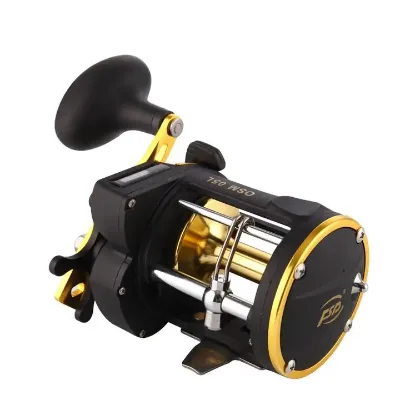
Stainless Steel Spool Sea Fishing Trolling Reel Jigging Reel for Boat Fishing
$23.90 - $29.90
MOQ: 2 pieces
Shenzhen Fulina Technology Co., Ltd.
- Manufacturer, Trading Company
- Guangdong, China
- Lead time10 days
- Avg. response≤ 8h
Main productsAutomatic Car Umbrella,Car Roof Shade,Car Canopy,Car Tent,Car Sun Shade
Main marketsMid East(20.00%), Southeast Asia(20.00%), South America(15.00%), Oceania(10.00%), Central America(10.00%), North America(10.00%), Domestic Market(5.00%), Africa(5.00%), Eastern Europe(5.00%)
Jiangxi Youjia Fishing Tackle Co., Ltd.
- Manufacturer
- Jiangxi, China
- Lead time18 days
- Avg. response≤ 5h
Main productsFishing Line,Fishing lure,Fishing Rod
Main marketsDomestic Market(80.00%), North America(10.00%), Eastern Europe(5.00%), Southeast Asia(5.00%)
Yiwu Byloo Trade And Commerce Firm
- Trading Company
- Zhejiang, China
- Lead time30 days
- Avg. response≤ 5h
Main productsFishing rod,Fishing reel,fishing bait lure,fishing line,fishing bag
Main marketsWestern Europe(11.00%), North America(10.00%), Eastern Europe(10.00%), South America(10.00%), Mid East(9.00%), Northern Europe(9.00%), Central America(9.00%), Southeast Asia(8.00%), Southern Europe(8.00%), South Asia(5.00%), Eastern Asia(4.00%), Domestic Market(4.00%), Africa(2.00%), Oceania(1.00%)
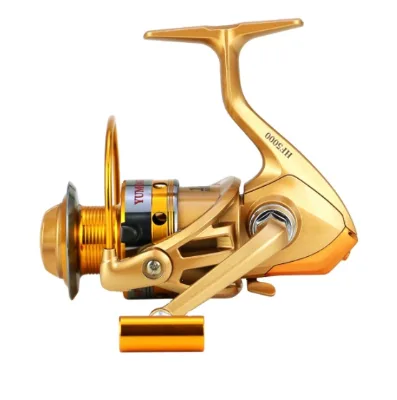
Wholesale Spinning Reel Fishing Spinning Reel Freshwater Carp Sea Fishing Reels for Saltwater
$5.40 - $9.48
MOQ: 100 pieces
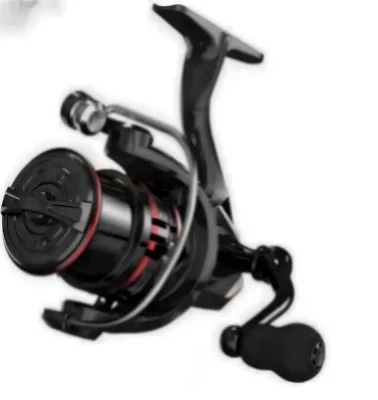
$6.08 - $7.25
MOQ: 10 pieces
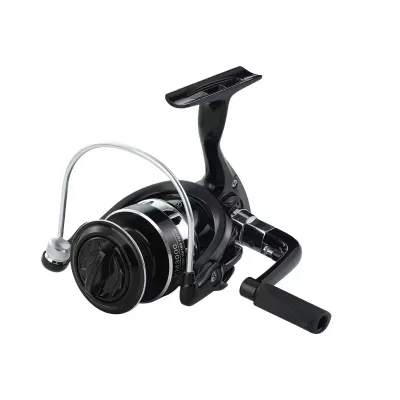
$2.68 - $3.15
MOQ: 10 pieces
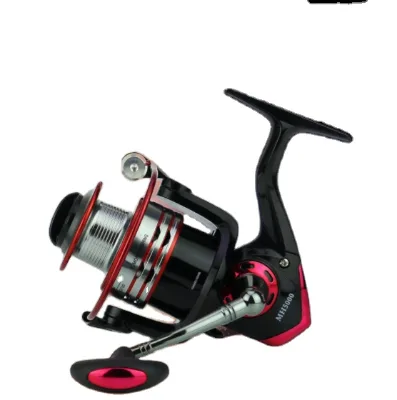
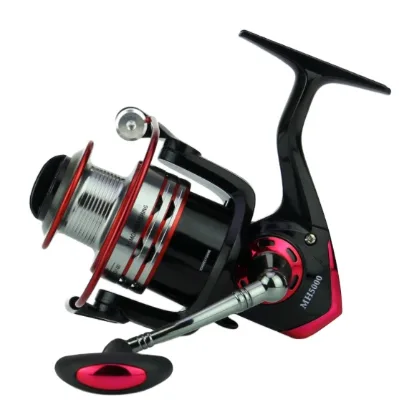
$6.06 - $8.68
MOQ: 100 pieces
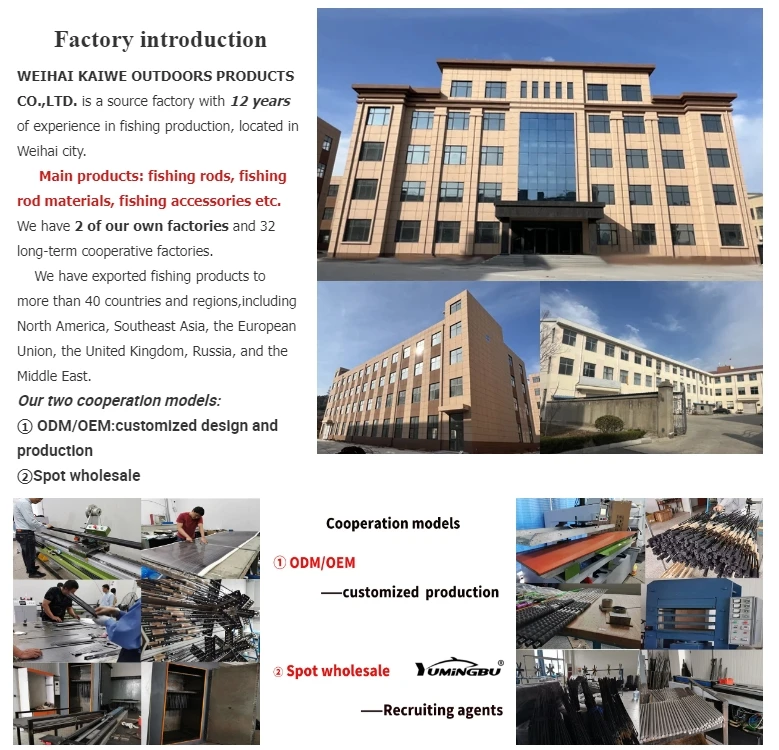
WEIHAI KAIWE OUTDOORS PRODUCTS CO.,LTD.
- Manufacturer, Trading Company
- Shandong, China
- Lead time40 days
- Avg. response≤ 1h
Main productsFishing Rod,Fishing Rod Blank,Surf Rods,Jigging Rods,Boat Rods
Main marketsMid East(20.00%), Eastern Europe(20.00%), North America(20.00%), Northern Europe(10.00%), Western Europe(10.00%), Southeast Asia(10.00%), Oceania(10.00%)

Ningbo Rodcore International Co., Ltd.
- Trading Company
- China Zhejiang
- Lead time60 days
- Avg. response≤ 5h
Main productsFly Rod, Fly Reel, Fly Line, Fly Box, Bamboo Fly Rod, Fishing Rod, Fishing Lure, Fishing Reel, Fishing Line, Fishing Hook
Main marketsSouth America,North America

Weihai Fishingsoul Fishing Tackle Co., Ltd.
- Manufacturer, Trading Company
- Shangdong, China
- Lead time50 days
- Avg. response≤ 7h
Main productsFishing rod,lure,reel,hook,line
Main marketsNorth America(43.53%), Western Europe(22.58%), Oceania(14.21%), Southern Europe(4.73%), Northern Europe(4.57%), Southeast Asia(3.95%), South Asia(2.24%), Eastern Europe(1.30%), South America(1.20%), Africa(0.96%), Central America(0.73%)
Weihai AGITEK Fishing Co., Ltd.
- Verified by TüVRheinland
- Manufacturer, Trading Company
- ShanDong, China
- Lead time0 days
- Avg. response≤ 1h
Main productsFinishing Lures, Fishing Rods, Fishing Landing Nets, Fishing Reels, Fishing Toolings
Main marketsNorth America(20%), South America(15%), Eastern Asia(15%)
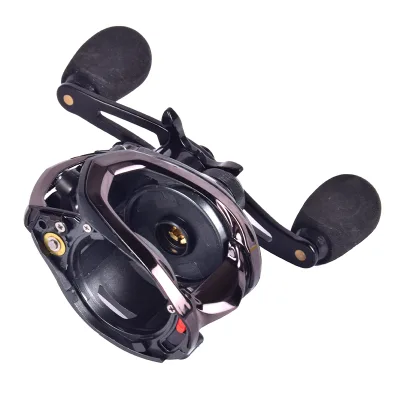
$17.49 - $19.54
MOQ: 100 pieces
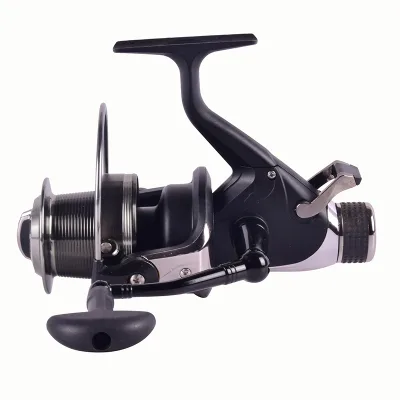
$10.83 - $11.92
MOQ: 50 pieces
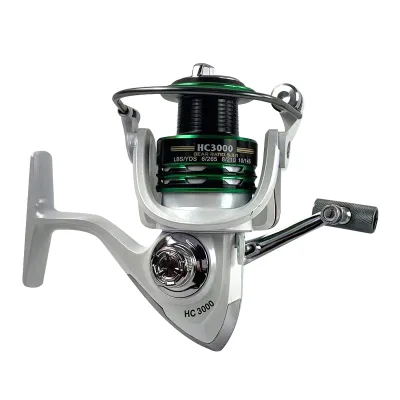
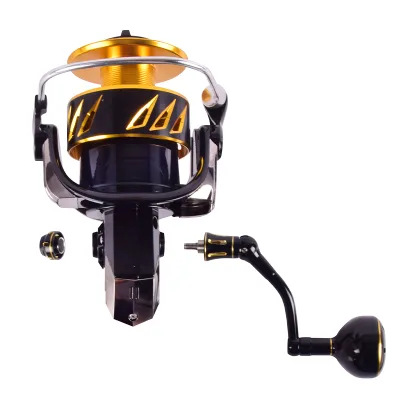
New Fishing Spinning Reel Carp New Upgrade Foldable Handle 8000 Series Spool Carp Fishing Reels
$80.32 - $87.02
MOQ: 100 pieces
Hangzhou Ecooda E-Commerce Co., Ltd.
- Trading Company
- Hangzhou, China
- Lead time0 days
- Avg. response≤ 4h
Main productsOEM Producks,Fishing Reels,Fishing Lure,Reels/Spooler,Fishing Rods
Main marketsDomestic Market(80.00%), North America(15.00%), South America(5.00%)
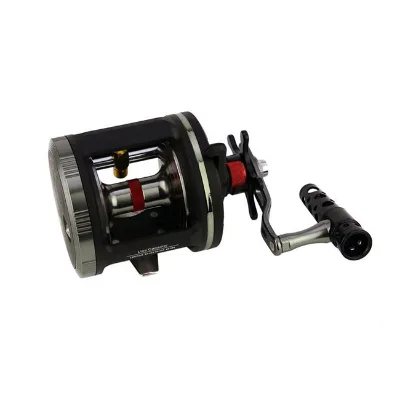
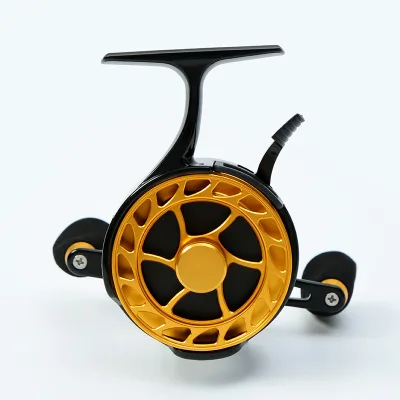
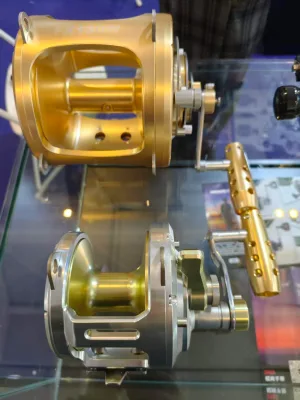
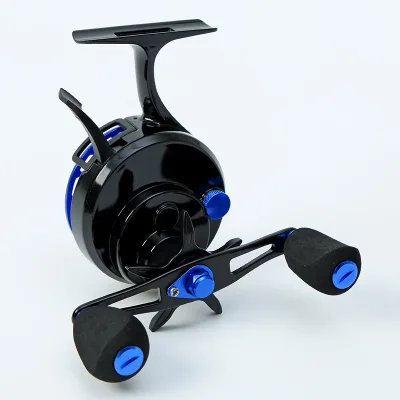


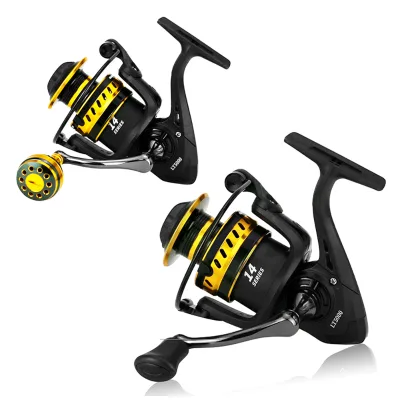
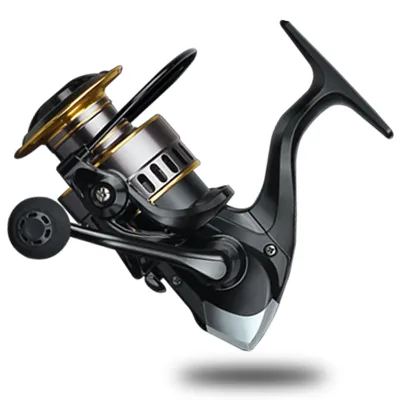
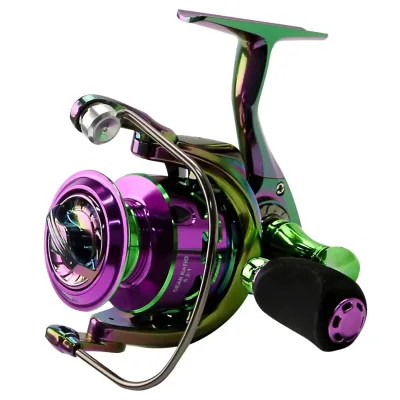
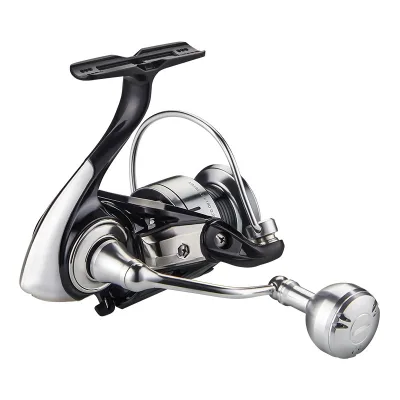
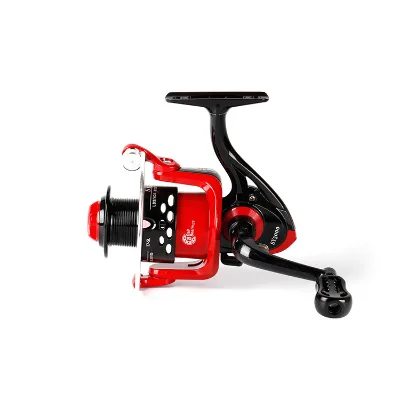
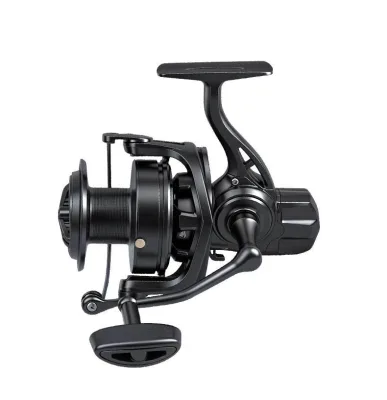
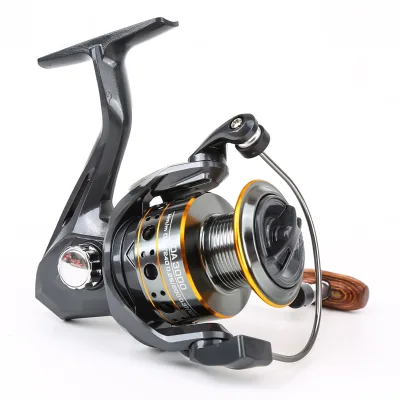
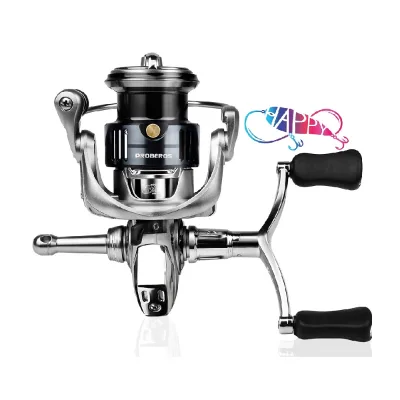
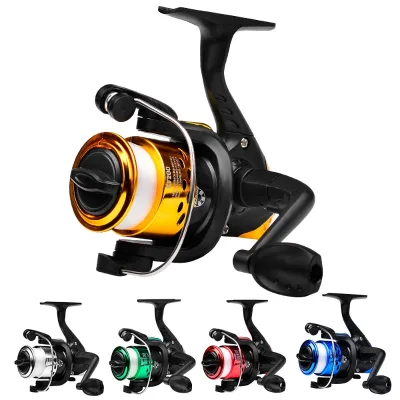
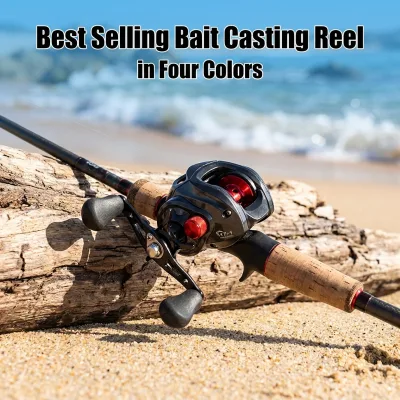
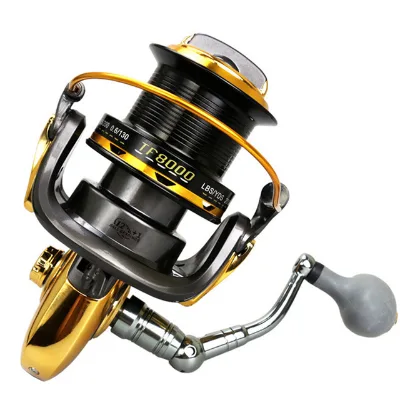
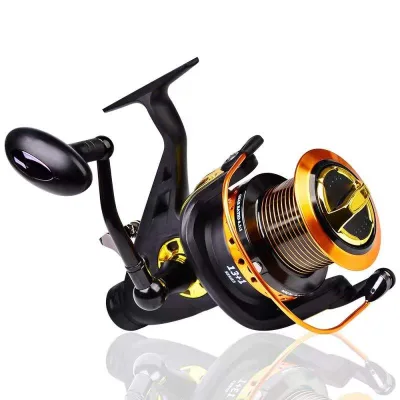
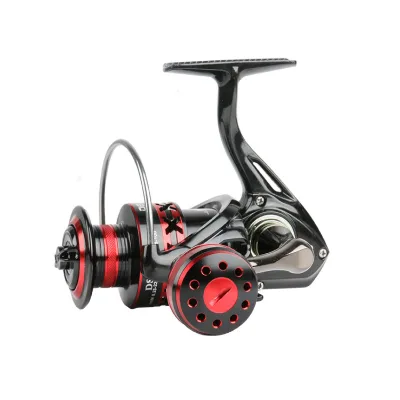
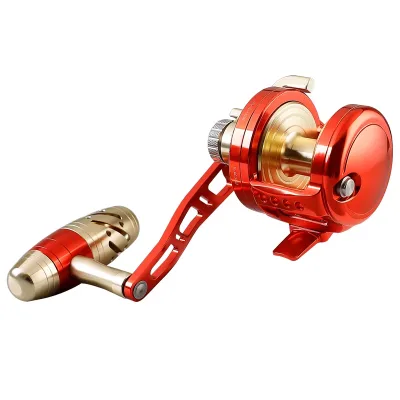
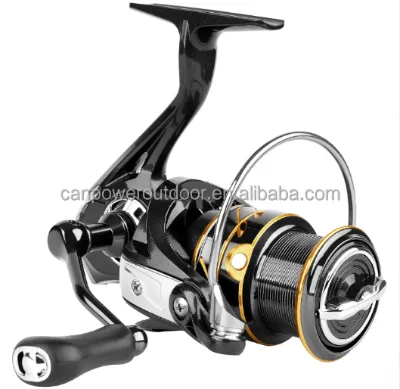
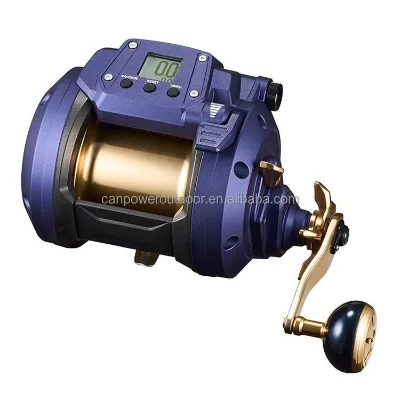


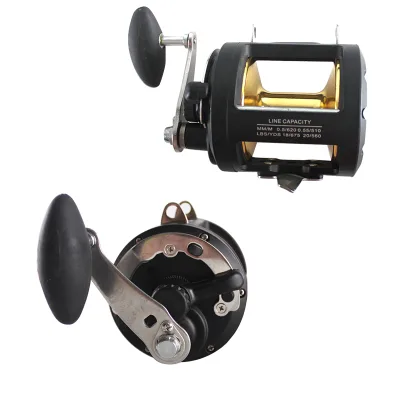
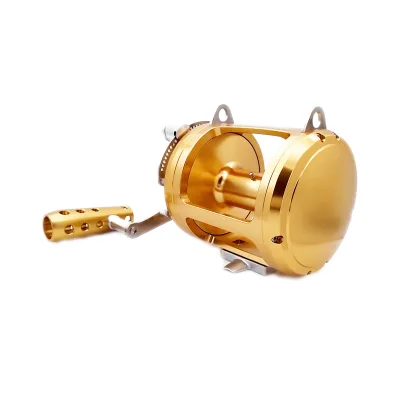
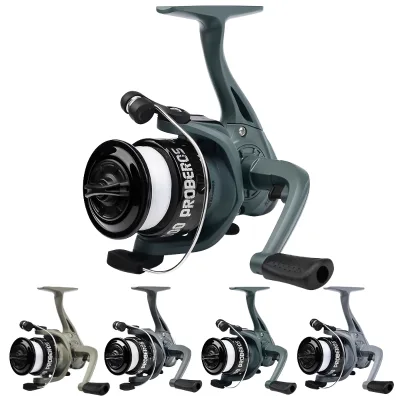
Comprehensive Sourcing Guide
Saltwater Trolling Fishing Reel Supplier Concentration and Factory Types
When you begin sourcing a Saltwater Trolling Fishing Reel, the first structural question is where the manufacturing base actually sits. Some of the suppliers visible in current results are registered in Jiangsu, China, which gives you at least one confirmed coastal province associated with this product line. Coastal proximity matters in this category because reels for saltwater trolling are produced alongside spinning reels, fishing rods, rod blanks and general fishing tackle, so cluster identification should follow suppliers that list fishing tackle as their main products rather than general hardware. Where no location is displayed for a given supplier, do not assume one; instead, ask the supplier directly for the factory address and cross-check it against the registered business location before proceeding.
The second structural question is what kind of company you are dealing with. Current results show company types of both Manufacturer and Trading Company, meaning you must determine whether the entity quoting you controls production or resells another factory's output. Manufacturers in this category often cover a broad reel portfolio — spinning reels, trolling reels, baitcasting and water drop wheels — under one production program, which is a signal of genuine tooling. Trading companies can still be useful for consolidating mixed tackle orders, but you should verify their underlying factory, the location of that factory, and who performs quality inspection before the goods ship.
How to Verify Saltwater Trolling Fishing Reel Suppliers
Verification starts with separating displayed facts from unverified claims. Some suppliers in this category display a response time — one shows a response time of 2 — and this is worth checking yourself: send an inquiry about a specific trolling reel model and measure how long a substantive reply takes. If a supplier advertises a fast response but answers a detailed technical question slowly or vaguely, treat the displayed metric as unreliable. Where no response time, establishment year or credential is displayed, ask for the founding year, business license and export history in writing, and never fill the gap with an assumed value.
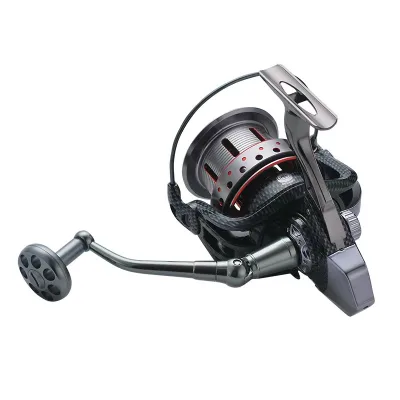
Product-level verification is equally important. Current listings describe reels with high-strength graphite frames and high-strength aluminum frames, bearings ranging from 0BB up to 9+1BB, gear ratios from roughly 2.8:1 to 5.4:1, and maximum drag figures up to 15kg on specific models. Ask the supplier to confirm which frame material, bearing count and drag specification apply to the exact SKU you are quoting, because some listings list multiple variants. Request that specifications be written into the proforma invoice. For saltwater use, ask what corrosion protection is applied to bearings and hardware — the listings confirm freshwater and saltwater suitability as a claimed attribute, but the treatment process is not documented, so it must be verified with the supplier, ideally with samples in hand.
What to Compare Across Saltwater Trolling Fishing Reel Suppliers
Build a comparison sheet from the attributes actually displayed, and mark every missing field as "to verify" rather than guessing. The most useful displayed dimensions here are lead time, MOQ, response speed, location, company type and main products. One supplier in the current results shows a lead time of 60, so ask every supplier to quote production time for your exact quantity and reel configuration — a trolling reel with an aluminum frame and large spool capacity may take longer than a small graphite spinning reel. MOQ is another visible field: one listing shows an MOQ of 500 pieces, which is a realistic benchmark for this category, but you should not assume every supplier matches it.
Compare product breadth as a proxy for capability. The listings show suppliers whose main products span fishing rods, reels, tackle and DIY rod blanks, and whose reel lines cover spinning, trolling, baitcasting and sea fishing types with line capacities from 100 up to 12000 series. A supplier that produces the whole range is more likely to handle a trolling reel properly. Also compare packaging details — listings mention multi-color printed boxes per reel — and supply ability, where one listing states 50000 pieces per month. Where a supplier displays none of these fields, your comparison sheet simply records the gap and moves the burden of proof onto them.
Common Saltwater Trolling Fishing Reel Sourcing Risks
The biggest risk in this category is specification drift. Listings show overlapping attribute sets — for example, one product lists a bearing quantity of "8BB" in one field and "No Bearing" in another, and another lists a spool capacity range of 5000 through 12000 series. When a supplier's own data contains contradictions, the risk of receiving something different from what you approved is real. Insist on a signed specification sheet covering gear ratio, drag, bearing count, spool capacity, frame material and use mode (one listing specifies right-hand use only), and approve a golden sample before mass production.
The second cluster of risks concerns saltwater durability and order terms. Trolling reels work under heavy drag loads — listings show drag ratings of 7.5kg to 15kg — so bearings, drag washers and anodizing must survive sustained saltwater exposure; listings confirm "freshwater, saltwater" as a claim, not as a test result, so arrange your own salt-spray or soak testing. On the commercial side, a low quoted price with an unusually high MOQ, or a short quoted lead time that conflicts with a stated production capacity, are both warning signs. Also watch for companies that describe themselves as both Manufacturer and Trading Company without clarifying which role applies to your order, since this affects accountability if quality problems appear after shipment.
Saltwater Trolling Fishing Reel Regional Sourcing and Logistics
Regional assessment should rest on confirmed data. Jiangsu, China is supplied as a location fact in the current results, so you can treat it as a confirmed sourcing province for this category, alongside a stated port of dispatch of Shanghai on one listing — Shanghai is a natural export gateway for Jiangsu-based production. Where a supplier displays no location, request the address and check the distance to the nearest major seaport, because reel consignments move most economically by sea and inland drayage adds cost and time. Avoid assuming that any supplier without a displayed location is in a known cluster; ask, document and verify.
Logistics planning should be built around the confirmed lead-time and packaging facts. A lead time of 60 is displayed for one supplier in this category, so use 60 days as a reference point when planning seasonal stock, then confirm per order. Packaging is described as a multi-color printed box for each reel, which affects carton dimensions and container utilization — ask for single gross weight and single volume, fields that appear on some listings but are incomplete (one shows 0.0 kg), and request a real packed carton specification. Confirm whether the supplier ships FOB from the stated port or offers other incoterms, and whether mixed reel models can be consolidated into one shipment without breaking the printed-box packaging.
Saltwater Trolling Fishing Reel Commercial Terms and Order Planning
Order planning in this category should anchor on the commercial fields that suppliers actually display. An MOQ of 500 pieces appears on a current listing, and a lead time of 60 appears as well, so a first order of one to a few SKUs at that MOQ level with a roughly two-month production window is a defensible planning baseline. Confirm whether the quoted price is per piece for a specific model — price ranges are displayed on some listings, such as approximately 7.0 to 10.5 for one spinning reel series — and clarify which configuration, bearing count and packaging that price includes before comparing quotations.
Structure the payment and delivery terms to match the risks already identified. Typical practice is a deposit with balance before shipment; agree inspection rights before the balance is paid, and define acceptance criteria around the specification sheet — gear ratio, drag, bearing quantity, spool capacity and printed-box packaging. Confirm supply capability in writing: one listing states a supply ability of 50000 pieces per month, which you should verify against your reorder schedule rather than taking at face value. Finally, ask what happens on reorders of an approved model: whether tooling is retained, whether lead time shortens after the first 60-day cycle, and whether color or handle variants require a new MOQ. Get every answer in writing before the deposit moves.
FAQs
What Saltwater Trolling Fishing Reel specifications suit deep-sea fishing?
For deep-sea trolling, choose reels with high-strength aluminum frames, saltwater-capable bearings, and line capacities in the 5000 to 9000 series. Gear ratios around 3.2:1 to 4.1:1 provide the cranking power needed for fighting large fish. Confirm drag strength, spool capacity, and corrosion-resistant finishes before placing an order.
What is the typical minimum order quantity for trolling reels?
Many listed fishing reels carry a minimum order quantity of 500 pieces per model. Smaller buyers may need to mix models or negotiate lower quantities directly with suppliers. Always confirm the MOQ per color, size, and configuration in writing, since packaging options and OEM customization can affect the final order requirement.
How long does production and delivery of trolling reels take?
Lead times around 60 days are common for fishing reel orders, covering production before shipment from ports such as Shanghai. Actual timing depends on order volume, customization level, and supplier production schedules. Ask suppliers to confirm current lead time for your quantity and request a production schedule with key milestones before paying a deposit.
How much do saltwater trolling fishing reels cost in bulk?
Listed spinning and trolling reel prices range roughly from 6.99 to 13.17 dollars per unit depending on model, bearings, and materials. Graphite-frame reels sit at the lower end, while aluminum-frame trolling models cost more. Request quotations for your exact specification and volume, and confirm whether packaging and OEM branding are included in the price.
Should I choose graphite or aluminum frames for trolling reels?
Both materials appear in current catalogs, so the choice depends on your target market. High-strength graphite keeps reels light and affordable for freshwater and light saltwater use, while high-strength aluminum better suits heavy trolling and deep-water applications. Consider matching frame material to the fishing positions and drag loads your customers expect.
Can suppliers provide OEM branding on fishing reels?
OEM offerings appear in listed products, including saltwater deep-water spool trolling reels, with packaging options such as multi-color printed boxes for each reel. Confirm the supplier supports your logo, color scheme, and box design before ordering. Ask about OEM minimum quantities, artwork requirements, sample approval steps, and any added cost per unit.
What bearing configurations are available on these reels?
Catalog data shows bearing configurations ranging from 0BB up to 9+1BB, with common options including 2+1, 5+1, 6BB, and 8BB. More bearings generally mean smoother retrieves and higher prices. Match the bearing count to your market segment, and verify whether the specification refers to stainless steel bearings suitable for saltwater exposure.