Nylon Ocean Fishing Line Suppliers and Manufacturers
Explore 17 verified options for Nylon Ocean Fishing Line from Jiangsu and Zhejiang factories. Compare ISO certifications, lead times, and pricing to find the right partner. Request samples to verify quality before placing orders; review the available evidence before requesting comparable quotations from suitable candidates.
Suppliers List

Nantong Ntec Monofilament Technology Co., Ltd.
- Combined
- China Jiangsu
- Lead time30 days
- Avg. response≤ 5h
Main productsTrimmer Line Polyester Line Fish Line
Main marketsSouth America,Africa,Others(foreignTradeCapacity.exportBusinessCapacityMarketOther),Southeast Asia/ Mideast,East Asia(Japan/ South Korea),Domestic,Europe,Australia,North America
Dongyang Kangle Fishing Tackle Co., Ltd.
- Manufacturer, Trading Company
- Zhejiang, China
- Lead time35 days
- Avg. response≤ 6h
Main productsFishing Line
Main marketsNorth America(25.00%), Eastern Europe(20.00%), Western Europe(15.00%), Domestic Market(10.00%), Oceania(10.00%), Southeast Asia(10.00%), Eastern Asia(5.00%), Africa(5.00%)
$1.19

QINGDAO BRILLIANT PLASTIC CO., LTD.
- Manufacturer/Factory
- China Shandong
- Lead time0 days
- Avg. response≤ 11h
Main productsRope, Webbing, Twine, Tape, Belt, Hardware, Tools, Accessory, Strap, Thread
Main marketsSouth America,Eastern Europe,Mid East,North America,Western Europe,Africa

Dongyang Shanye Fishing Tackle Co., Ltd.
- Combined
- China Zhejiang
- Lead time15 days
- Avg. response≤ 3h
Main productsFishing Line, Fishing Tackle, Fishing Tool, PE Fishing Line, Nylon Fishin Gline, Fluorocarbon Line, Kate Line, Fishing Equipment, Braid Line
Main marketsSouth America,Africa,Southeast Asia/ Mideast,East Asia(Japan/ South Korea),Domestic,Europe,Australia,North America

Vekstar Textile (Shanghai) Co., Ltd.
- Trading Company,Manufacturer/Factory
- China Shanghai
- Lead time23 days
- Avg. response≤ 18h
Main productsNylon Yarn, Monofilament Yarn, DTY Yarn, Twisted Yarn, High Tenacity Yarn, FDY Yarn, Yarn
Main marketsSouth America,Eastern Europe,Mid East,North America,Southeast Asia,Eastern Asia,Oceania,Western Europe,Africa

Zhanjiang Zhum Heng Fishing Net Ltd.
- Verified by TUVRHEINLAND
- Combined
- China Guangdong
- Lead time30 days
- Avg. response≤ 17h
Main productsFishing Twine, Fishing Net, Fishing Rope, Fishing Cage, Fishing Hook
Main marketsAfrica

Colorful Fishing Line Nylon Fishing Line 500m Monofilament Fishing Line
$2.00 - $3.00
MOQ: 1000 Pieces


High Strength Nylon Monofilament Fish Line in Spool Monofilament Nylon/Fiber Fishing Line
$2.00 - $3.00
MOQ: 1000 Pieces


Rizhao Sunnyu Industry Co., Ltd.
- Combined
- China Shandong
- Lead time30 days
- Avg. response≤ 4h
Main productsPE Rope, Braided Rope, PP Rope, Nylon Twine, PP Twine, Hollow Braided Rope, Cargo Net, Cotton Rope, PE Net, Fishing Line
Main marketsSouth America,Africa,Southeast Asia/ Mideast,East Asia(Japan/ South Korea),Europe,Australia,North America

Nantong Ntec Monofilament Technology Co., Ltd
- Verified by SGS
- Manufacturer/Factory
- China Jiangsu
- Lead time23 days
- Avg. response≤ 2h
Main productsPolyester Monofilament Yarn, Nylon Monofilament Yarn, HDPE/LLDPE Monofilament Yarn, Polypropylene Monofilament Yarn, Nylon Trimmer Line, Fishing Line, Polyester Wire, Polyester Zipper Yarn, Nylon Sewing Thread, Tennis String
Main marketsSouth America,Eastern Europe,Mid East,North America,Eastern Asia,Oceania,Western Europe,Africa


Spool 1kg Fishing Line – Nylon Monofilament, Soft, Sensitive, Strong Knot Strength
$2.88 - $3.68
MOQ: 1000 Pieces

- Trading Company,Manufacturer/Factory
- China Shandong
- Lead time60 days
- Avg. response≤ 22h
Main productsNet, Fishing Net, Float, Rope, Hook, Batting Cage Net, Lead Rope, Gill Net, Twine, Golf Net
Main marketsSouth America,Eastern Europe,Mid East,North America,Southeast Asia,Eastern Asia,Oceania,Western Europe,Africa

Jiangmen Haohai Fishing Tackle Company
- Combined
- China Guangdong
- Lead time30 days
- Avg. response≤ 3h
Main productsFishing, Fishing Line, PE Fishing Line, Braided Fishing Line, Fishing Tool, Fishing Equipment, Nylon Fishing Line, Monofilament Fishing Line, Fishing Tackle
Main marketsSoutheast Asia/ Mideast,Europe,North America

Nylon Fishing Line 100m Monofilament Fishing Line Nylon Fishing Lure Fishing Tackle
$0.66 - $0.68
MOQ: 100 Pieces


Nylon Fishing Line 100m Monofilament Fishing Line Nylon Sea Fishing Accessories Fishing Net
$0.52 - $0.62
MOQ: 100 Pieces


Customized Fishing Line OEM Nylon Fishing Line Good Quality Monofilament Fishing Line
$0.66 - $0.68
MOQ: 100 Pieces

Chaohu City Qiangli Fishery Co., Ltd.
- Manufacturer/Factory
- China Anhui
- Lead time0 days
- Avg. response≤ 25h
Main productsFishing Net, Fishing Nets, Nets Fishing, Nylon Monofilament Nets, Nylon Nets, Nylon Multifilament Nets

Shandong Zhoutai Outdoor Products Co., Ltd.
- Verified by SGS
- Trading Company
- China Shandong
- Lead time60 days
- Avg. response≤ 5h
Main productsFishing Rod, Fishing Line, Fishhook, Fish Reel, Fishing Lure
Main marketsSouth America,Southeast Asia/ Mideast,Europe


High Strength Nylon Durable Floating Monofilament Fishing Line Rock Fishing Line
$2.00 - $2.18
MOQ: 500 Pieces


Nylon Line Main Recreational Fishing Tackle 150 Meters Long Throw Fishing Line
$0.65 - $1.00
MOQ: 200 Pieces

Dongyang Shanye Fishing Tackle Co., Ltd.
- Manufacturer, Trading Company
- Zhejiang, China
- Lead time15 days
- Avg. response≤ 1h
Main productsFishing Tackle,Braided Line,Fluorocarbon Line,Monofilament Line,UHMW Kite Line
Main marketsNorth America(18.00%), Western Europe(13.00%), Southern Europe(13.00%), Domestic Market(10.00%), Oceania(10.00%), Eastern Europe(8.00%), Northern Europe(7.00%), South America(7.00%), Southeast Asia(5.00%), Mid East(4.00%), South Asia(2.00%), Central America(1.50%), Africa(1.00%), Eastern Asia(0.50%)

Shandong Jinyu Trading Co., Ltd.
- Verified by BV
- Combined
- China Shandong
- Lead time15 days
- Avg. response≤ 5h
Main marketsSoutheast Asia/ Mideast
Dongyang Belerya Fishing Equipment Co., Ltd.
- Trading Company
- Zhejiang, China
- Lead time7 days
- Avg. response≤ 13h
Main productsFishing Line, Fishing Rod, Fishing Reel, Fishing Hook
Main marketsNorth America(26.00%), Eastern Asia(10.00%), South America(10.00%), Western Europe(10.00%), Southeast Asia(10.00%), Domestic Market(6.00%), Southern Europe(5.00%), Eastern Europe(5.00%), Mid East(5.00%), Oceania(3.00%), Central America(3.00%), Northern Europe(3.00%), Africa(3.00%), South Asia(1.00%)

Shandong Rope Technology Co., Ltd.
- Combined
- China Shandong
- Lead time30 days
- Avg. response≤ 9h
Main productsRope
Main marketsSoutheast Asia/ Mideast,Europe,North America

Ningbo Rodcore International Co., Ltd.
- Trading Company
- China Zhejiang
- Lead time60 days
- Avg. response≤ 6h
Main productsFly Rod, Fly Reel, Fly Line, Fly Box, Bamboo Fly Rod, Fishing Rod, Fishing Lure, Fishing Reel, Fishing Line, Fishing Hook
Main marketsSouth America,North America




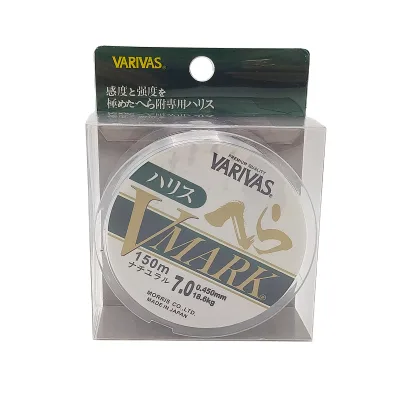
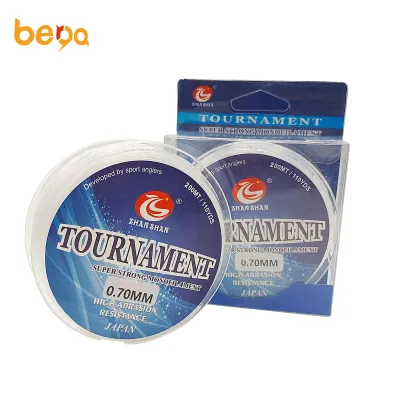
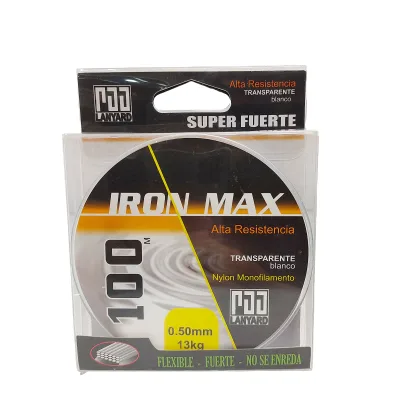


Comprehensive Sourcing Guide
Nylon Ocean Fishing Line Supplier Concentration and Factory Types
Current data indicates a concentration of manufacturers and trading companies within China, specifically in the Jiangsu and Zhejiang provinces. These regions host facilities capable of producing nylon monofilament lines, trimmer lines, and various fishing tackle accessories. The supplier base includes combined entities that function as both manufacturers and trading companies, offering a mix of direct factory output and broader sourcing capabilities. Some facilities in Jiangsu explicitly list their origin as Jiangsu, China, while others in Zhejiang provide similar manufacturing services. This geographic clustering suggests a mature supply chain ecosystem where raw material access and specialized production equipment are readily available for nylon-based fishing products.
When evaluating the factory types, buyers should look for suppliers that explicitly state their company type as a manufacturer, trading company, or a combined entity. The available evidence shows suppliers offering OEM and ODM services, indicating they can customize products for specific brand requirements. Some facilities highlight their ability to produce their own brands alongside contract manufacturing. It is crucial to verify if a supplier's primary focus is on nylon fishing lines or if they are a general trading company with a diverse product range. Understanding whether the entity is a direct producer or a middleman helps in assessing the potential for price negotiation and quality control depth.
How to Verify Nylon Ocean Fishing Line Suppliers
Verification begins with checking for recognized system certifications such as ISO9001:2015 and ISO14001:2015, which indicate adherence to quality and environmental management standards. While not every supplier in the current results displays these specific certificates, their presence is a strong indicator of a structured manufacturing process. Buyers should request valid documentation for these certifications rather than relying on self-declared claims on a product page. Additionally, verifying the supplier's response time is a practical method to gauge operational efficiency. Data shows response times varying, with some suppliers responding within approximately four hours, while others may take longer, affecting the speed of communication during the sourcing process.
Beyond certifications and response metrics, buyers must confirm the physical location and production capacity of the supplier. Evidence points to specific origins like Jiangsu and Zhejiang, which should be cross-referenced with the supplier's business license or factory audit reports. It is essential to distinguish between a supplier claiming to be a manufacturer and one that is merely a trading company. Buyers should ask for proof of the production line, such as photos or videos of the nylon extrusion process, to ensure the claimed manufacturing capability exists. If a supplier cannot provide clear evidence of their location or production setup, they should be treated with caution regardless of their product catalog size.
What to Compare Across Nylon Ocean Fishing Line Suppliers
When comparing suppliers, lead time is a critical dimension that varies significantly across the market. Available data shows lead times ranging from 30 days to 35 days for standard orders, which impacts inventory planning and delivery schedules. Buyers must align their order timelines with these specific lead times to avoid stockouts. Another vital comparison point is the Minimum Order Quantity (MOQ), which can range from as low as 10 units to as high as 500 units depending on the product specification and supplier policy. Understanding these thresholds helps buyers determine if a supplier can accommodate their specific order volume without requiring excessive capital investment.
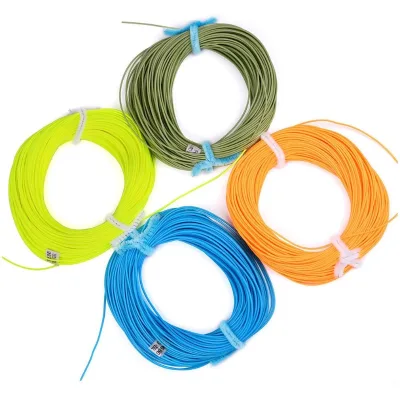
Price and customization options are also key factors in the comparison process. Product listings show price ranges that can vary from under one dollar to over five dollars per unit, depending on the material, diameter, and packaging. Some suppliers offer multi-color options and custom branding, while others provide standard configurations. Buyers should compare the price per unit against the MOQ and the specific customization capabilities offered. Additionally, the response time of the supplier, which can be as fast as 4.41 hours or slower, should be factored into the decision-making process. A faster response time often correlates with better communication and quicker resolution of issues during the order fulfillment cycle.
Common Nylon Ocean Fishing Line Sourcing Risks
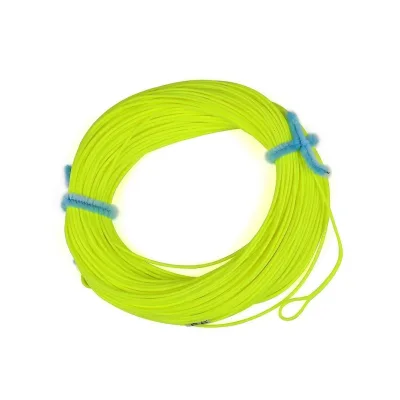
One significant risk involves the discrepancy between claimed product attributes and actual specifications. While some listings specify materials like nylon or polyamide, others may list PE (Polyethylene) despite the search for nylon products. This inconsistency can lead to receiving lines with different tensile strength or buoyancy characteristics than intended. Buyers must carefully review the product attributes, such as buoyancy characteristics (sink line vs. floating line) and shape (level), to ensure they match the requirements for ocean fishing. Relying solely on the product title without verifying the detailed attribute list can result in purchasing the wrong type of line for specific fishing conditions.
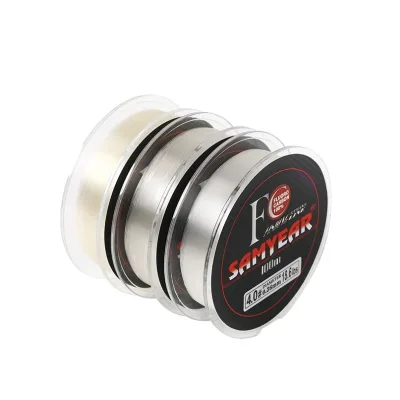
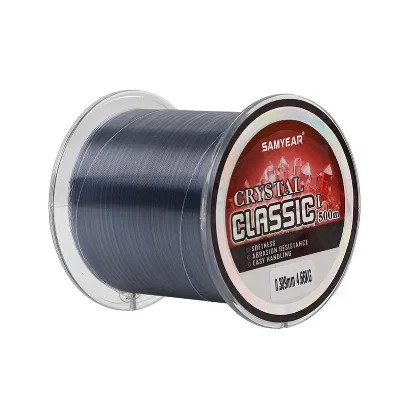
Another risk is the variability in packaging and shipping details, which can affect the condition of the product upon arrival. Some suppliers offer packaging in rolls or spools, while others use cartons or shrink wrap. Inconsistent packaging standards can lead to tangling or damage during transit. Furthermore, the lack of standardized testing results for tensile strength or abrasion resistance in the provided data means buyers cannot assume all products meet a specific performance standard. Without verified test reports, there is a risk of receiving lines that break under load or degrade quickly in saltwater environments. Buyers should explicitly request test data before placing large orders to mitigate this risk.
Nylon Ocean Fishing Line Regional Sourcing and Logistics
Sourcing from the identified regions in China, specifically Jiangsu and Zhejiang, offers access to a dense network of suppliers specializing in fishing tackle. These regions are known for their manufacturing infrastructure, which supports the production of nylon lines and related accessories. However, logistics from these inland or coastal provinces to international destinations require careful planning. Suppliers in these areas often list ports like Ningbo or Shanghai as their dispatch points, which are major hubs for international shipping. Buyers should verify the specific port of dispatch for each supplier to estimate transit times accurately and calculate freight costs effectively.
Logistics planning must also account for the specific packaging requirements of the supplier. Some products are packed in rolls or spools, while others are boxed in cartons. The choice of packaging affects how the goods are loaded into containers and can influence the total shipping volume. Buyers should confirm if the supplier offers consolidated shipping or if they require individual shipments for different SKUs. Additionally, the lead time of 30 to 35 days must be added to the transit time to determine the total time from order placement to delivery. Understanding these logistical nuances helps in creating a realistic timeline for product availability and managing customer expectations.
Nylon Ocean Fishing Line Commercial Terms and Order Planning
Commercial terms regarding payment and order planning are essential for a successful transaction. While specific payment terms are not detailed in the current data, buyers should expect to negotiate based on the order volume and the supplier's trust level. The Minimum Order Quantity (MOQ) varies widely, from 10 units to 500 units, which directly influences the initial investment required. Buyers should plan their orders to meet these MOQs efficiently, potentially combining different product variations to reach the threshold without overstocking. Understanding the price range, which spans from approximately $0.30 to $5.00, helps in budgeting for the total cost of goods sold.
Order planning should also consider the customization capabilities offered by the supplier. Many suppliers indicate that customization is available, allowing for specific colors, diameters, and branding. However, custom orders often come with higher MOQs and longer lead times compared to standard stock items. Buyers should factor in the time required for sample approval and production setup when planning their order schedule. Additionally, the response time of the supplier, which can range from a few hours to several days, impacts the speed of the customization process. Efficient communication and clear specification of requirements are vital to ensuring the final product meets the buyer's expectations for ocean fishing applications.
FAQs
What is the typical lead time for Nylon Ocean Fishing Line?
Lead times for Nylon Ocean Fishing Line typically range from 30 to 35 days depending on the supplier. This duration covers production and preparation for shipment. Buyers should confirm specific timelines during the inquiry phase to align with their inventory planning and seasonal demand peaks.
What is the minimum order quantity for bulk nylon fishing line?
Minimum order quantities vary significantly, with some suppliers accepting as few as 10 units while others require 500 or more. The specific MOQ depends on the product configuration and packaging type. Buyers should verify the exact threshold for their desired line diameter and length to ensure cost efficiency.
What certifications do nylon fishing line suppliers typically hold?
Many suppliers in this sector hold ISO9001:2015 and ISO14001:2015 certifications, indicating adherence to quality and environmental management standards. These credentials help ensure consistent product quality and responsible manufacturing practices. Buyers should request current certificates to verify compliance with their own regulatory requirements.
What are the common packaging options for nylon fishing line?
Nylon fishing line is commonly packaged in rolls, spools, or cartons to suit different retail and wholesale needs. Some suppliers offer shrink wrap or custom packaging with specific branding. Selecting the right packaging format is essential for maintaining line integrity during transport and meeting end-user presentation standards.
What line strengths are available for ocean fishing applications?
Suppliers offer a wide range of line strengths, including 30lb, 50lb, and 80lb options suitable for various ocean fishing scenarios. The specific strength required depends on the target species and fishing method. Buyers should specify their technical requirements to ensure the line meets the necessary breaking strength standards.
Can suppliers provide custom branding for nylon fishing line?
Most suppliers offer customization options, including OEM and ODM services, allowing buyers to apply their own brand labels and packaging. This flexibility supports private label strategies and market differentiation. Buyers should discuss specific branding requirements and associated costs with the supplier before finalizing the order.
What is the average response time from fishing line suppliers?
Response times from suppliers in this category generally range from 4.41 to 6 hours. This metric reflects the speed at which suppliers acknowledge inquiries and provide initial quotes. Faster response times can accelerate the sourcing process and help buyers make timely decisions in competitive markets.