Folding Nylon Crab Trap Suppliers and Manufacturers
Explore 21 verified Folding Nylon Crab Trap suppliers and manufacturers offering products with ISO 9001 certification and OEM capabilities. Compare response times, lead times, and MOQs to find the right partner for your aquaculture needs; review the available evidence before requesting comparable quotations from suitable candidates.
Suppliers List

Qingdao Sinher Commercial Co., Ltd.
- Verified by BV
- Trading Company,Manufacturer/Factory
- China Shandong
- Lead time45 days
- Avg. response≤ 5h
Main productsFishing Float, Crab Trap, Prawn Creel, Landing Net, Shrimp Trap, Lobster Pot, Crayfish Trap, Fishing Net, Fishing Rope, Fishing Twine
Main marketsSouth America,Eastern Europe,Mid East,North America,Southeast Asia,Eastern Asia,Oceania,Western Europe,Africa
Hebei Aining Import And Export Trading Co., Ltd.
- Verified by TüVRheinland
- Trading Company
- Lead time20 days
- Avg. response≤ 2h
Main productsMesh Bag, Shade Net, Welding Electrode, Weed Control Mat, Insect Net
Main marketsSouth America(15%), Mid East(15%), North America(10%)
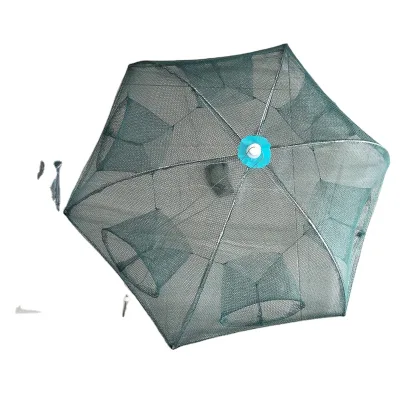
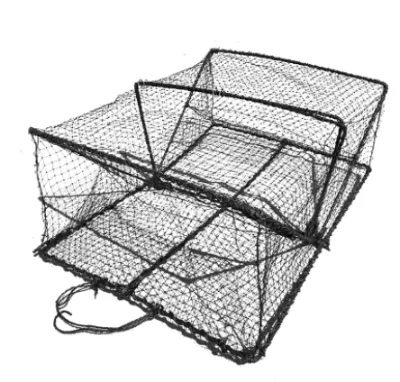
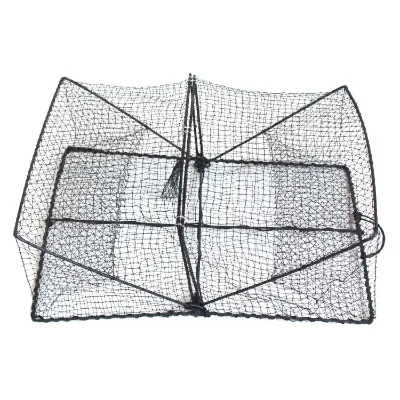
$11.80 - $15.50
MOQ: 10 pieces
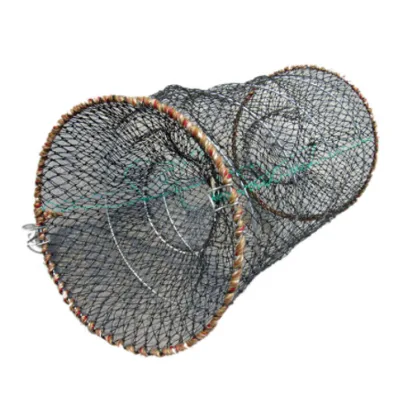
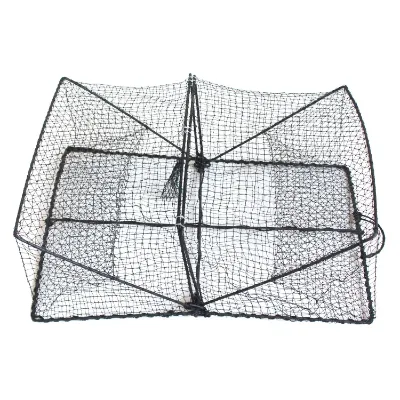
PE Material Strong Quality Large Capacity and Heavy Duty Folding Crab Trap for Fishing Trap Crab
$10.90 - $15.50
MOQ: 10 pieces
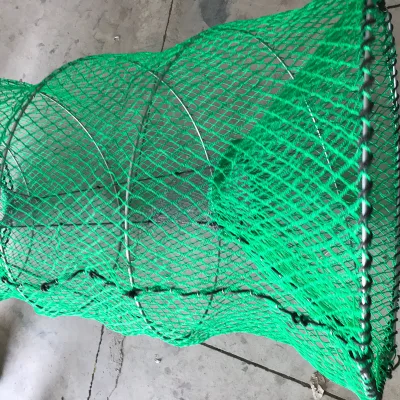
Agrok Netting Cooperative (wudi)
- Verified by SGS Group
- Manufacturer, Trading Company
- Lead time10 days
- Avg. response≤ 5h
Main productsFishing Net, Cast Net, Gill Net, Fishing Float, Fishing Line
Main marketsDomestic Market(40%), North America(25%), Western Europe(10%)
Binzhou Genghai Net Industry Co., Ltd.
- Verified by TüVRheinland
- Manufacturer, Trading Company
- Lead time0 days
- Avg. response≤ 2h
Main productsCrab Traps, Fishing Nets, Fish Cages, Cast Nets, Shrimp Cages
Main marketsNorth America(35%), Western Europe(20%), Eastern Asia(15%)

Nuodawei Fishing Tackle Co., Ltd.
- Trading Company
- China Shandong
- Lead time0 days
- Avg. response≤ 3h
Main productsFishing Net, Fish Trap Crab Trap, Float; Floating, Plant Support Netting

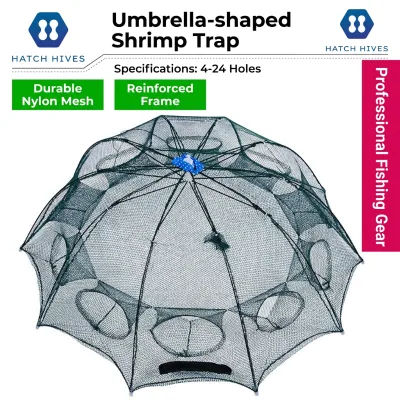
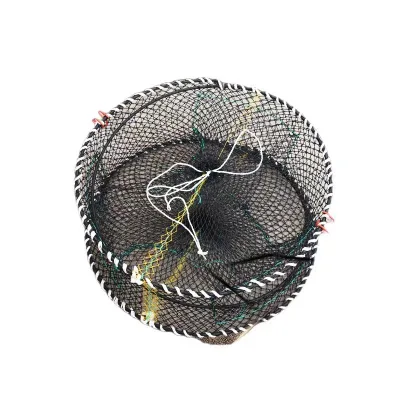
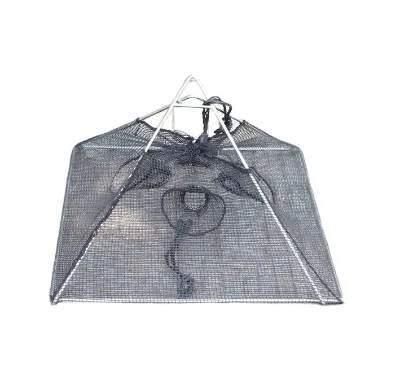
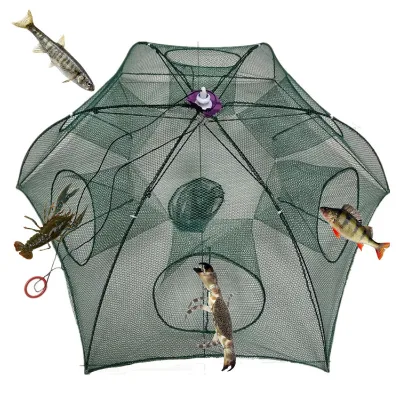
Saltwater Proof Umbrella Crab Cage Nylon Fold Trap for Sea Shrimp Crab Catching
$1.50 - $2.00
MOQ: 100 Pieces


Guangzhou Xinghua Aquatic Technology Co., Ltd.
- Manufacturer, Trading Company
- Guangdong, China
- Lead time30 days
- Avg. response≤ 5h
Main productsAquaculture Aeration Machinery,Pond filter machine,Water pump,RAS System,Fish Pond
Main marketsSoutheast Asia(40.00%), South America(20.00%), Domestic Market(10.00%), South Asia(10.00%), Eastern Asia(10.00%), Mid East(10.00%)
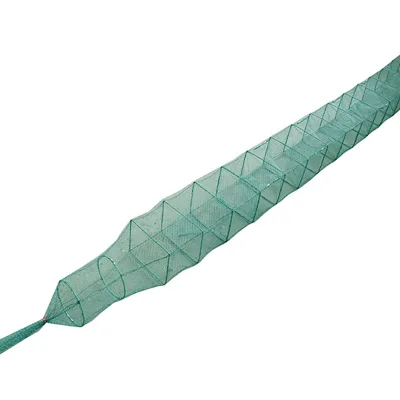
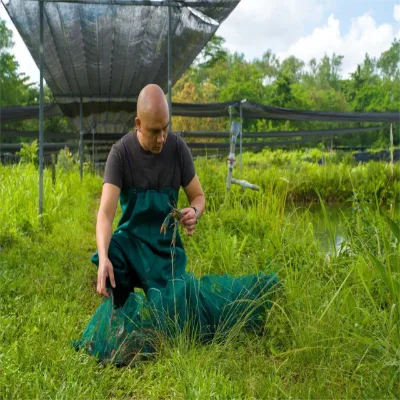
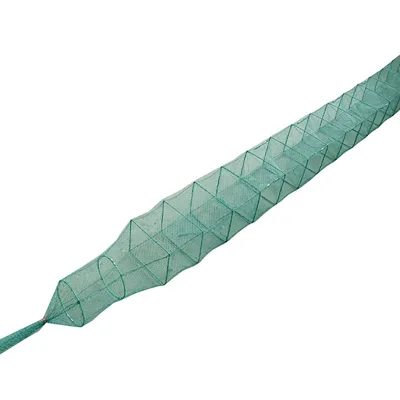
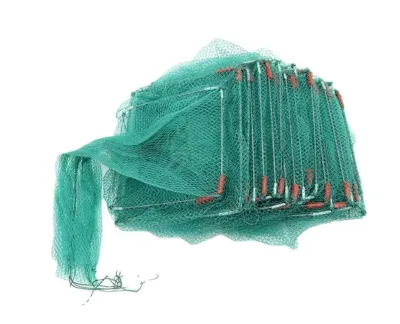
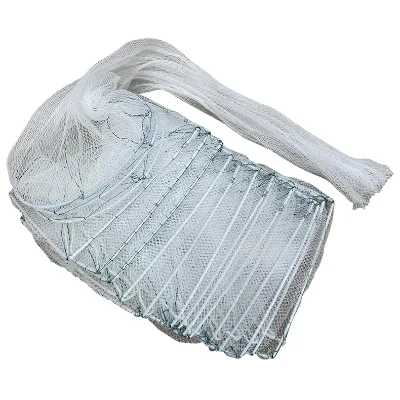
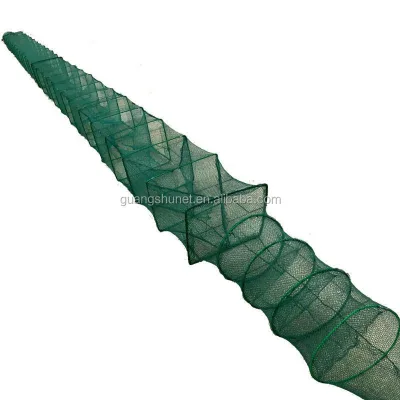
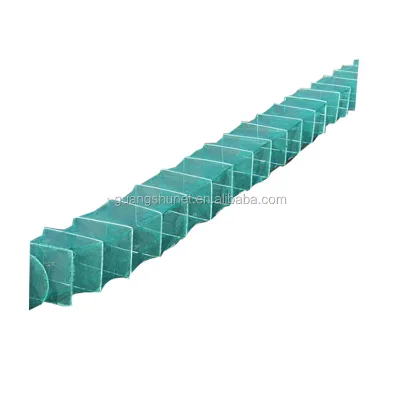
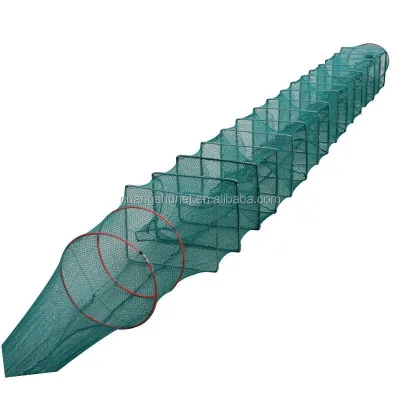
Piciculture Shrimp Fish Farming Long Train Folding Nylon Crab Trap for Aquatic Organism Harvesting
$9.80 - $11.40
MOQ: 1 pieces
Binzhou Jinpeng Plastic Products Co., Ltd.
- Verified by SGS Group
- Trading Company
- Lead time25 days
- Avg. response≤ 1h
Main productsFishing Nets, Agricultural Nets, Sports Nets
Main marketsWestern Europe(40%), North America(30%), Mid East(30%)
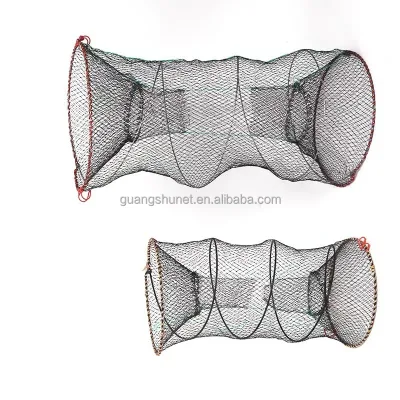
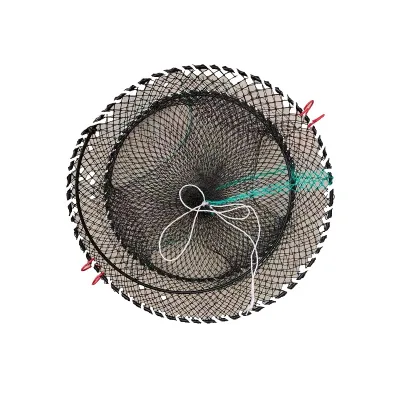
Pvc-coated Steel Wire Crab Trap Folding Plastic Green Crab Lobster Trap Aquaculture Trap
$2.00 - $8.00
MOQ: 10 pieces

Binzhou Dongfang Motai Trading Co., Ltd.
- Manufacturer, Trading Company
- Shandong, China
- Lead time5 days
- Avg. response≤ 2h
Main productsFishing Net,Fishing Tackle,Cast Net,Trap,Fishing Products
Main marketsDomestic Market(40.00%), North America(30.00%), Oceania(10.00%), Central America(9.00%), South America(5.00%), Africa(3.00%), Southeast Asia(1.00%), Eastern Asia(1.00%), Western Europe(1.00%)
$25.92 - $36.29
MOQ: 1 pieces
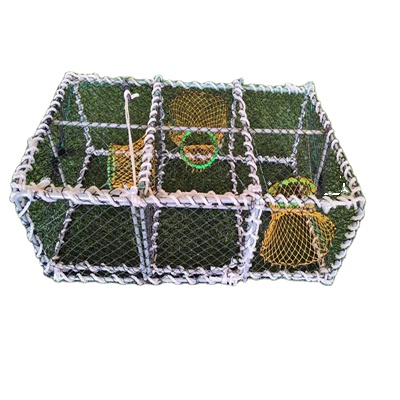
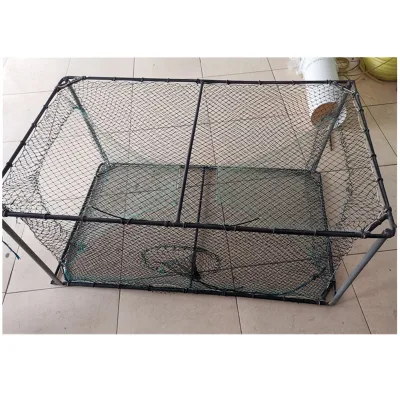
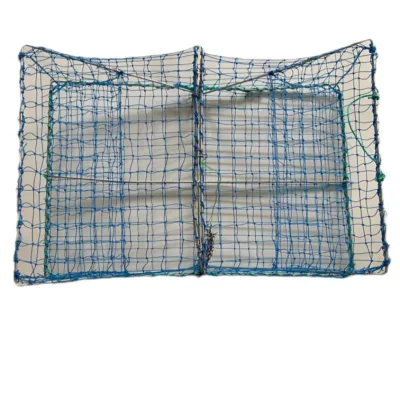
New Foldable Fishing Crab Trap, Crab Net
$24.00 - $29.00
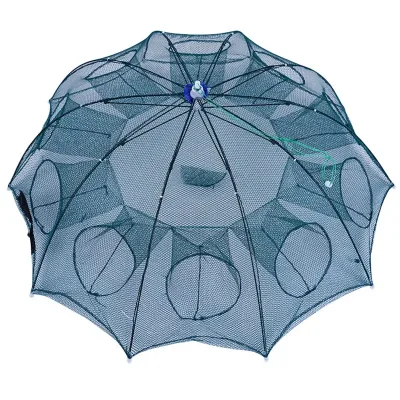
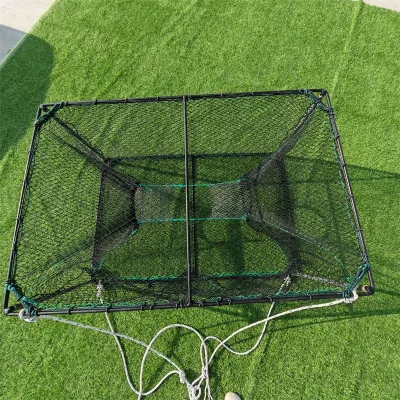
Porous High-efficiency Fishnet Crab Pot Crab Catcher
$9.90 - $12.00
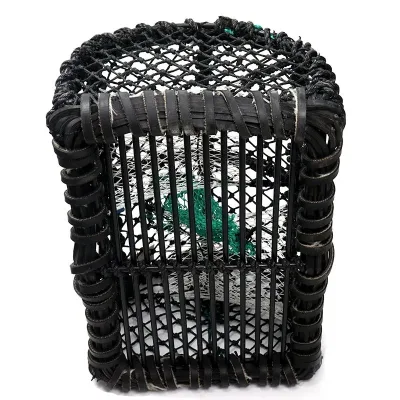
Qingdao Datao Fishing Tackle Co., Ltd.
- Verified by SGS Group
- Manufacturer, Trading Company
- Lead time30 days
- Avg. response≤ 7h
Main productsCrab Trap&Net, Lobster Trap&Net, Landing Net, Fishing Float, Accessory
Main marketsNorth America(40%), Northern Europe(30%), Oceania(10%)

Shandong Sunrise Plastics Co., Ltd.
- Verified by TUVRHEINLAND
- Trading Company,Manufacturer/Factory,Group Corporation
- China Shandong
- Lead time45 days
- Avg. response≤ 4h
Main productsTwisted PP Rope, PE Rope, PP Multifilament Rope, Nylon Rope, Marine Rope, Hanging Rope, PE Fishing Twine, Nylon Twine, Fishing Nets, Safety Nets
Main marketsSouth America,Eastern Europe,Mid East,North America,Southeast Asia,Western Europe,Africa


Manufacturers Polyethylene Fish Cage Folded Fishing Trap for Shrimps Crabs
$1.50 - $2.00
MOQ: 1000 Pieces
Wuchuan Honghai Fishing Rope & Net Manufacturing Co., Ltd.
- Manufacturer, Trading Company
- Guangdong, China
- Lead time30 days
- Avg. response≤ 15h
Main productsPE fishing net,agriculture trap,PE rope,lobster trap,shrimp trap
Main marketsSoutheast Asia(50.00%), Northern Europe(15.00%), Eastern Asia(10.00%), Africa(6.00%), Southern Europe(5.00%), Eastern Europe(5.00%), Western Europe(5.00%), South Asia(4.00%)
- Trading Company
- Shandong, China
- Lead time10 days
- Avg. response≤ 4h
Main productsAquaculture trap,Fishing net,Fishing line,Fishing float,Cast net
Main marketsNorth America(50.00%), Western Europe(20.00%), Southeast Asia(20.00%), Northern Europe(5.00%), Mid East(5.00%)

- Verified by BV
- Trading Company,Manufacturer/Factory
- China Shandong
- Lead time45 days
- Avg. response≤ 8h
Main productsFishing Tackle, Fishing Nets, Fishing Floats, Fishing Rope, Lobster Creels, Crab Pots, Clam Gun, Yabby Nets, Crab Traps, Fishing Snaps
Main marketsSouth America,Eastern Europe,Mid East,North America,Southeast Asia,Eastern Asia,Oceania,Western Europe,Africa

Hebei Orangeton Import & Export Co., Ltd.
- Verified by SGS
- Combined
- China Hebei
- Lead time15 days
- Avg. response≤ 9h
Main productsNet
Main marketsNorth America
Anping Dingtai Wiremsh Products Co., Ltd.
- Manufacturer, Trading Company
- Hebei, China
- Lead time0 days
- Avg. response≤ 2h
Main productsSports net, safety net, plastic net, insect net, hail net, fishing net, window screen, filter net, car net
Main marketsNorth America(40.00%), Eastern Europe(15.00%), Southeast Asia(10.00%), Domestic Market(8.00%), South Asia(5.00%), Western Europe(5.00%), Oceania(3.00%), South America(2.00%), Mid East(2.00%)
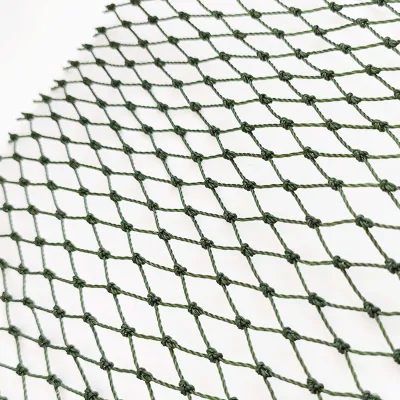
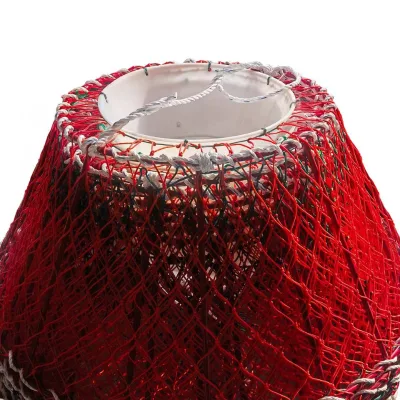
Heavy Duty Crab Traps Portable Collapsible Trap for Crabs Bait Lobster Crawfish Shrimp Fish Net
$2.03 - $12.20
MOQ: 100 square

- Trading Company,Manufacturer/Factory
- China Shandong
- Lead time60 days
- Avg. response≤ 23h
Main productsNet, Fishing Net, Float, Rope, Hook, Batting Cage Net, Lead Rope, Gill Net, Twine, Golf Net
Main marketsSouth America,Eastern Europe,Mid East,North America,Southeast Asia,Eastern Asia,Oceania,Western Europe,Africa

MOQ: 1000 Pieces

Trap Cage Crab Cage Wire Fishing Net Cage
MOQ: 1000 Pieces

Quality Crab Cage Trap Cage Fish Net
MOQ: 500 Pieces

Fish Quality Crab Cage Trap Cage
MOQ: 500 Pieces

MOQ: 500 Pieces

High Quality Crab Cage Trap Cage
MOQ: 1000 Pieces
- Trading Company
- Hebei, China
- Lead time25 days
- Avg. response≤ 3h
Main productsSun Shade Net,Blue Nylon Net,BOP Chicken Net,Weed Control Mat,Welded Wire Mesh
Main marketsSoutheast Asia(27.00%), Mid East(20.00%), Africa(10.00%), South Asia(10.00%), South America(10.00%), Southern Europe(5.00%), North America(5.00%), Domestic Market(5.00%), Eastern Europe(5.00%), Northern Europe(2.00%), Western Europe(1.00%)
$1.08 - $3.28
MOQ: 20 pieces

Shandong Rope Technology Co., Ltd.
- Combined
- China Shandong
- Lead time30 days
- Avg. response≤ 9h
Main productsRope
Main marketsSoutheast Asia/ Mideast,Europe,North America
FOSHAN WISEHOLD IMPORT AND EXPORT CO., LTD.
- Manufacturer
- Guangdong, China
- Lead time0 days
- Avg. response≤ 2h
Main productsAquaculture Tank,Pond liner,Agriculture Film,Plastic Nets,Agricultural Equipment
Main marketsAfrica(50.00%), Southeast Asia(50.00%)
Shantou Yonghui Fishing Tackle Industry Co., Ltd.
- Manufacturer
- Guangdong, China
- Lead time30 days
- Avg. response≤ 20h
Main productsfishing nets,fishing twines,ropes,traps,fishing tackles
Main marketsAfrica(17.50%), Northern Europe(15.00%), Southeast Asia(15.00%), South America(10.00%), Mid East(8.00%), Eastern Europe(5.00%), South Asia(5.00%), Southern Europe(5.00%), North America(4.50%), Eastern Asia(4.00%), Central America(4.00%), Oceania(3.00%), Domestic Market(2.00%), Western Europe(2.00%)

- Verified by TUVRHEINLAND
- Trading Company
- China Guangdong
- Lead time15 days
- Avg. response≤ 2h
Main productsHydroponics System, Nft Channel System
Main marketsSoutheast Asia/ Mideast


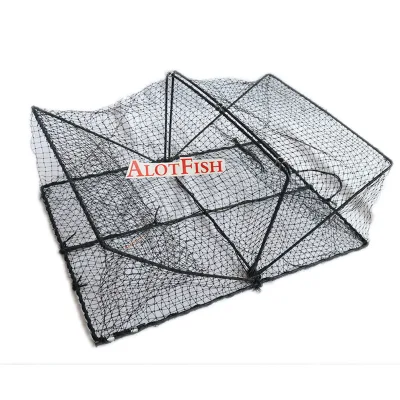
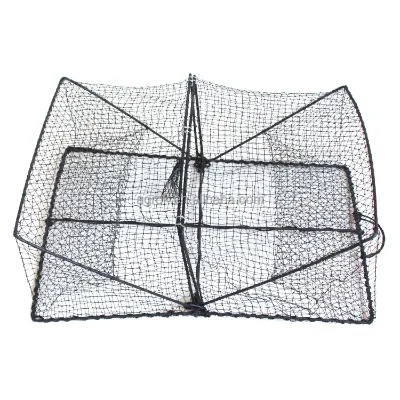
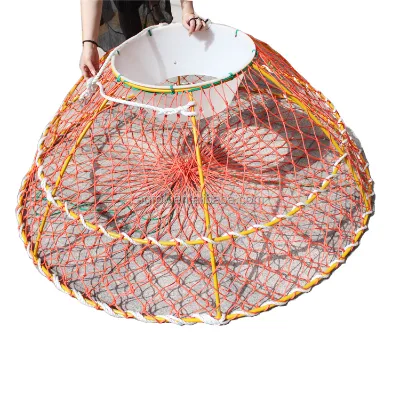
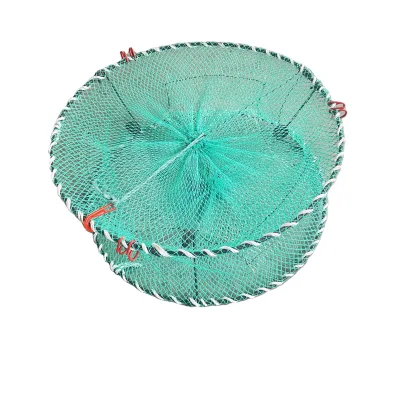




Comprehensive Sourcing Guide
Folding Nylon Crab Trap Supplier Concentration and Factory Types
Current data indicates a concentration of suppliers in China, specifically within the Shandong province, where manufacturers and trading companies operate together to produce fishing equipment. These entities often list main products that include various traps, nets, and ropes, suggesting a specialized cluster for aquaculture gear. Some suppliers in this region are verified by third-party agencies like BV, which adds a layer of credibility to their operational status. The presence of ISO 9001 certification among these factories confirms that quality management systems are in place for their production lines. Buyers should note that while some suppliers are purely trading companies, others function as manufacturers with direct factory control, which can influence pricing and customization capabilities.
When evaluating the factory types, it is essential to distinguish between pure trading entities and those with manufacturing capacity. The observed data shows a mix of company types, with some offering OEM services and others focusing on sample processing or graphic customization. This distinction is critical because a manufacturer may offer more flexibility in modifying trap dimensions or net materials, whereas a trading company might provide a broader range of products from different sources. Buyers must verify the actual production capability by checking if the supplier lists specific making processes like knotting or frame construction details. Understanding whether the supplier is a factory or a trader helps in predicting lead times and the ability to handle complex customization requests for folding nylon traps.
How to Verify Folding Nylon Crab Trap Suppliers
Verification of suppliers requires checking specific credentials and third-party audit results to ensure legitimacy. The available data highlights that some suppliers hold BV verification status, while others are certified by TüVRheinland, indicating different levels of external scrutiny. Buyers should prioritize suppliers who display these verification badges, as they suggest a commitment to meeting international standards. Additionally, the presence of ISO 9001 system certification is a strong indicator that the supplier adheres to consistent quality control protocols. It is important to confirm that these certifications are current and relevant to the specific production of aquaculture equipment rather than generic business licenses.
Beyond certifications, buyers must assess the response time and communication reliability of potential partners. The observed response times vary, with some suppliers showing a metric of 4.20 and others indicating a faster 2-unit response. A quicker response time often correlates with better customer service and more efficient order processing, which is vital for time-sensitive fishing gear orders. Buyers should also look for evidence of established operational history, such as suppliers mentioning 18 years of factory experience. This longevity can be a proxy for stability and reliability in the market. Always request proof of these claims directly from the supplier to avoid relying on outdated or unverified profile information.
What to Compare Across Folding Nylon Crab Trap Suppliers
Comparing suppliers requires a detailed analysis of key operational metrics such as lead time, minimum order quantity, and pricing structures. The data reveals significant variation in lead times, ranging from 20 days to 45 days, which directly impacts inventory planning and delivery schedules. Buyers must align their order timelines with these specific lead times to avoid production delays. Similarly, minimum order quantities differ widely, with some suppliers requiring 500 units while others accept orders as low as 20 pieces. This flexibility is crucial for small businesses or those testing new product lines before committing to large volumes. Pricing also varies, with ranges observed from $1.00 to $7.00 depending on the specific model and material specifications.
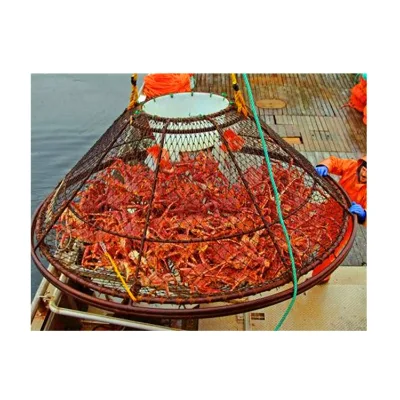
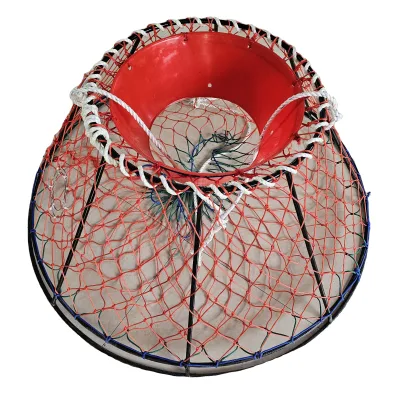
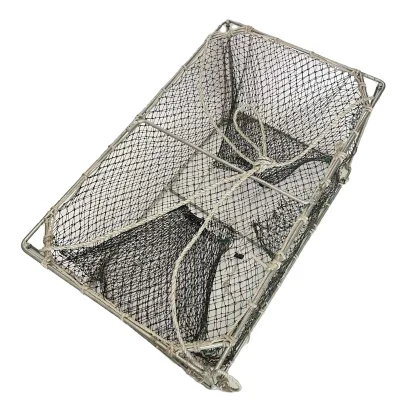
In addition to logistics and cost, buyers should compare product attributes and customization options. The observed products include variations in mesh size, frame material, and net type, such as PE net or nylon. Some suppliers offer customization for mesh size and frame coating, while others provide standard rectangular or umbrella-shaped traps. It is vital to verify if the supplier can accommodate specific requirements like knotting processes or specific denier counts for the netting. Comparing the main products list of each supplier helps identify those with a broader range of related items, which might simplify sourcing for other fishing gear. Ensuring that the product specifications match the intended use, such as catching crabs or lobsters, is essential for functional success.
Common Folding Nylon Crab Trap Sourcing Risks
One significant risk in sourcing folding nylon crab traps is the inconsistency in product specifications and material quality. While some products are described with precise details like 1.2cm mesh size and plastic-coated frames, others may lack clear definitions for critical components. Buyers face the risk of receiving traps that do not meet the required durability standards if the frame material, such as galvanized steel versus plastic, is not clearly defined in the contract. The variation in net materials, including PE net and nylon, also presents a challenge in ensuring the traps perform effectively in different water conditions. Without clear verification of these material properties, the final product may fail during actual fishing operations.
Another major risk involves the reliability of delivery and the accuracy of the stated lead times. The observed lead times range from 20 to 45 days, but these figures can fluctuate based on raw material availability or production bottlenecks. If a supplier underestimates the time required for knotting or assembly, the buyer may face stockouts during peak fishing seasons. Furthermore, the minimum order quantity requirements can lead to excess inventory if the supplier cannot fulfill partial orders or if the market demand shifts unexpectedly. Buyers must also be cautious of suppliers who claim to offer free samples but may have hidden costs or delays in the shipping process. Clear communication regarding these potential delays is necessary to mitigate supply chain disruptions.
Folding Nylon Crab Trap Regional Sourcing and Logistics
Sourcing from China, particularly from the Shandong and Hebei provinces, offers access to a dense network of manufacturers specializing in aquaculture equipment. The data confirms that products originate from these regions, with specific mentions of Qingdao, Shanghai, and Tianjin as potential shipping ports. Buyers should leverage these established logistics hubs to streamline the shipping process and reduce freight costs. The concentration of suppliers in these areas often leads to competitive pricing and faster access to raw materials like nylon and steel. However, buyers must verify the specific port of origin for each order, as shipping times and costs can vary significantly depending on the final destination.
Logistics planning must also account for the packaging and dimensions of the folding traps. The observed product attributes indicate that traps are often packed in cartons with specific dimensions, such as 60x45x20cm or 75x50x5cm. These dimensions affect how many units can be loaded into a container, directly influencing the overall shipping cost per unit. Buyers should calculate the volume and weight of the cargo to optimize container utilization. Additionally, the folding nature of the traps allows for efficient packing, but the buyer must ensure that the packaging is robust enough to prevent damage during transit. Coordinating with the supplier on packing requirements, such as using specific carton types or protective materials, is essential to maintain product integrity upon arrival.
Folding Nylon Crab Trap Commercial Terms and Order Planning
Commercial terms for folding nylon crab traps vary significantly based on the supplier's capacity and the order volume. The data shows that some suppliers offer customization services, while others focus on standard models with fixed specifications. Buyers need to clarify whether the supplier can handle OEM requests or if they are limited to existing stock. The minimum order quantities observed range from 20 to 500 units, which dictates the financial commitment required to initiate an order. For smaller orders, buyers might need to negotiate higher unit prices or accept a higher MOQ to secure better rates. Understanding these terms early in the negotiation process helps in budgeting and financial planning for the procurement cycle.
Order planning should also consider the sample availability and testing protocols before full-scale production. Some suppliers provide free samples, while others charge for samples or require a deposit. Buyers should request samples to verify the quality of the knotting, the strength of the frame, and the overall durability of the trap. Once the sample is approved, the buyer must confirm the final production timeline and ensure that the lead time aligns with their sales schedule. It is also important to discuss payment terms and escrow options to protect the investment. Clear agreements on these commercial terms prevent misunderstandings and ensure a smooth transaction from order placement to final delivery.
FAQs
What is the price range for folding nylon crab traps?
Prices for these traps typically range from $1.00 to $7.00 per unit depending on specifications. Some suppliers offer fixed pricing around $2.90 for specific models. Buyers should verify exact costs based on material thickness, frame type, and order volume to ensure accurate budgeting for their procurement needs.
What is the minimum order quantity for these traps?
Minimum order quantities vary significantly by supplier and product type. Some manufacturers require a minimum of 500 units for standard rectangular traps, while others accept orders as low as 20 pieces for specialized nylon models. Buyers must check specific supplier listings to confirm the applicable MOQ for their desired quantity.
How long does production take for these traps?
Lead times generally range from 20 to 45 days depending on the supplier and order size. Some factories with established capabilities can produce orders in 20 days, while others may require up to 45 days. Buyers should confirm specific production schedules with suppliers before placing orders to align with their delivery requirements.
Are these traps customizable for specific mesh sizes?
Yes, customization is available for many folding crab traps. Suppliers offer options for mesh sizes such as 1.2cm and frame materials like galvanized steel or plastic coating. Buyers can request specific dimensions, colors, or netting styles to meet their particular fishing or aquaculture requirements by contacting suppliers directly.
What certifications do these suppliers hold?
Some suppliers hold ISO 9001 system certification, indicating adherence to quality management standards. Others are verified by third-party inspection agencies like BV or TÜV Rheinland. Buyers should verify specific certifications and verification statuses with individual suppliers to ensure compliance with their quality assurance protocols and regulatory requirements.
Where are these traps manufactured?
These traps are primarily manufactured in China, with specific production hubs in Shandong and Hebei provinces. Buyers can source products from various regions within China, each offering different logistical advantages. Confirming the exact place of origin with suppliers helps in calculating shipping costs and lead times accurately.
What materials are used in these traps?
Common materials include PE net, nylon, and galvanized steel frames. Some models use plastic-coated frames for durability. The nets are often knotted monofilament or multi-ply nylon. Buyers should specify their preferred material composition to ensure the traps meet their durability and environmental requirements for specific fishing applications.