Floating Freshwater Fishing Hook Suppliers and Manufacturers
Compare 22 verified suppliers offering Floating Freshwater Fishing Hook options with varying lead times, response speeds, and certifications. Review product attributes like corrosion resistance and customization availability before contacting factories in China Zhejiang or Shandong for quotes; review the available evidence before requesting comparable quotations from suitable candidates.
Suppliers List

- Verified by SGS
- Trading Company
- China Zhejiang
- Lead time15 days
- Avg. response≤ 15h
Main productsTents, BBQ Grill, Folding Table and Chair, Cooler Bag, Outdoor Lamp, Beach Mat, Picnic Blanket, Sleeping Bag, Water Bottle, Hammock
Main marketsEurope,Australia


Steel Alloy Fishing Lip Gripper Saltwater Resistant Gear New Designed Hooks
$0.04 - $0.05
MOQ: 20000 Pieces


Weihai Lotus Outdoor Co., Ltd.
- Manufacturer/Factory,Group Corporation
- China Shandong
- Lead time38 days
- Avg. response≤ 25h
Main productsFishing Reel, Fishing Lure, Fishing Tackle, Reel, Rod, Terminal Tackle, Fishing Rigs, Outdoor Products, Fishing Line, Fishing Rod
Main marketsSouth America,Eastern Europe,Mid East,North America,Southeast Asia,Eastern Asia,Oceania,Western Europe,Africa


High Carbon Steel Pike Hook, Salt Water Hook, Fishing Hook, Fishing, Fishing Lure Hooks
$0.13 - $6.50
MOQ: 50 Bags

Swimbait Jig Head/Weighted Hooks for Saltwater and Freshwater/Realistic Fish Head (5 Pack)
$0.15 - $3.75
MOQ: 100 Bags

$0.20 - $22.00
MOQ: 30 Bags


Ningbo Rodcore International Co., Ltd.
- Trading Company
- China Zhejiang
- Lead time60 days
- Avg. response≤ 4h
Main productsFly Rod, Fly Reel, Fly Line, Fly Box, Bamboo Fly Rod, Fishing Rod, Fishing Lure, Fishing Reel, Fishing Line, Fishing Hook
Main marketsSouth America,North America

Ningbo Hysun Commercial Fishing Tackle Co., Ltd.
- Manufacturer
- Zhejiang, China
- Lead time10 days
- Avg. response≤ 3h
Main productsFishing Hooks,Fishing Line,Snap with BL Swivel,Fishing Swivels,Deep Drop Rigs
Main marketsNorth America(30.00%), Oceania(20.00%), South America(10.00%), Domestic Market(10.00%), Africa(10.00%), Northern Europe(7.00%), Mid East(5.00%), Southeast Asia(5.00%), Eastern Asia(3.00%)
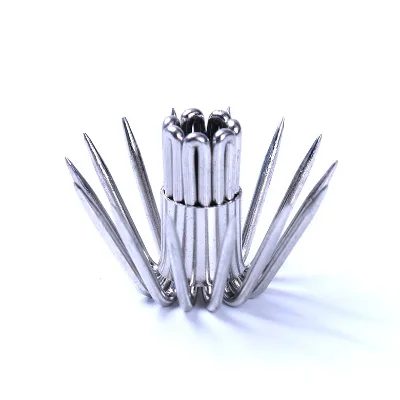
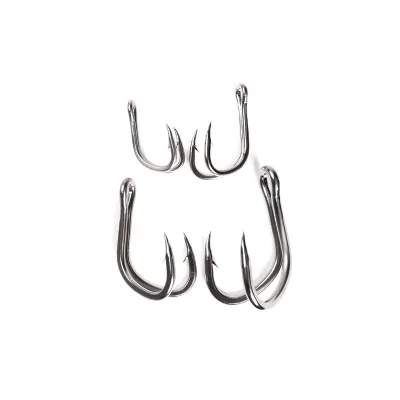
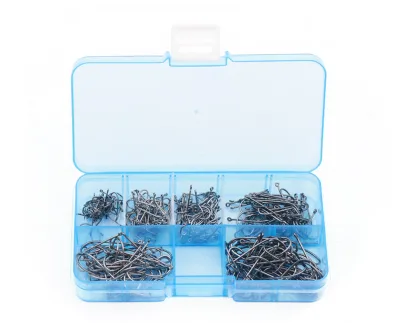
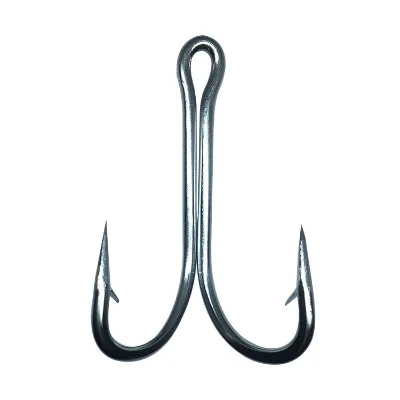
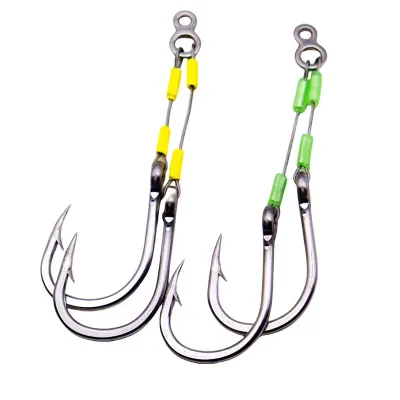
50/100 Pcs Fishing Double Hooks Stainless Steel Sea Fishing Hook Barb Hook
$0.87 - $0.97
MOQ: 1000 pieces

Shandong Zhoutai Outdoor Products Co., Ltd.
- Verified by SGS
- Trading Company
- China Shandong
- Lead time60 days
- Avg. response≤ 5h
Main productsFishing Rod, Fishing Line, Fishhook, Fish Reel, Fishing Lure
Main marketsSouth America,Southeast Asia/ Mideast,Europe

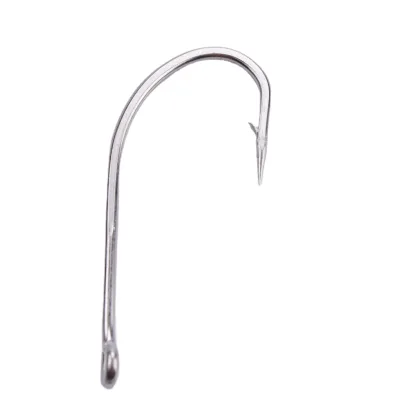
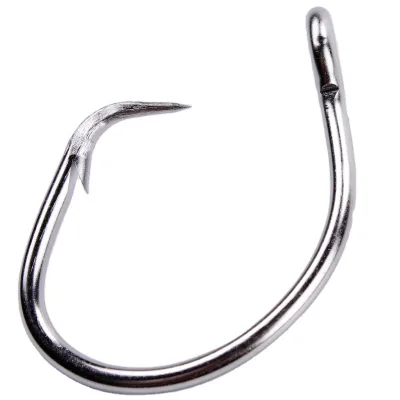
Environmental Hook Tuna Shark Large Hook Sea Fishing Stainless Steel Fish Hooks
$0.01 - $0.04
MOQ: 1000 Pieces


Barb Fish Hook with Holes Rings with Circles Sea Fishing Freshwater Wholesale
$0.01 - $0.01
MOQ: 1000 Pieces


Nanjing Suleho Imp.& Exp.Co., Ltd.
- Trading Company
- China Jiangsu
- Lead time23 days
- Avg. response≤ 12h
Main productsFishing Tackle, Nylon Monofilament, Braided Line, Fishing Lure, Fishing Rods, Fishing Reels, Fishing Boxes, Fishing Hooks, Fishing Swivels, Fishing Floats
Main marketsSouth America,Africa,Southeast Asia/ Mideast,Europe,North America


Customized Size Nickel Plated Carbon Steel Saltwater Carp Fishing Hooks
$0.01 - $0.02
MOQ: 50000 Pieces

- Trading Company
- China Zhejiang
- Lead time30 days
- Avg. response≤ 6h
Main productsFishing Products, Hand Dryer, Soap Dispenser, Paper Dispenser
Main marketsSouth America,Europe,North America

Soft Plastic Worm Hooks Bass Hooks Swimbait Hooks for Saltwater Freshwater Fishing
$0.03 - $0.03
MOQ: 2000 Pieces


Suqian Blue Sea Sports Goods Co., Ltd.
- Verified by TüVRheinland
- Trading Company
- Lead time0 days
- Avg. response≤ 5h
Main productsFishing Lure, Fishing Hook, Fishing Rig, Fishing Line, Fishing Accessories
Main marketsNorth America(30%), Western Europe(16%), Eastern Europe(10%)
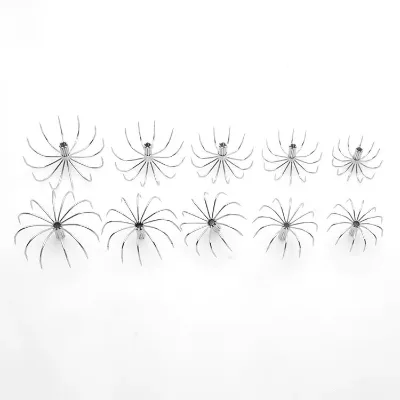
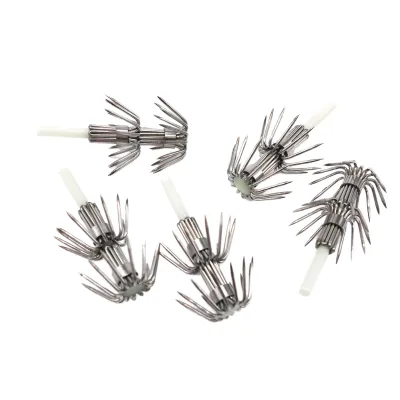
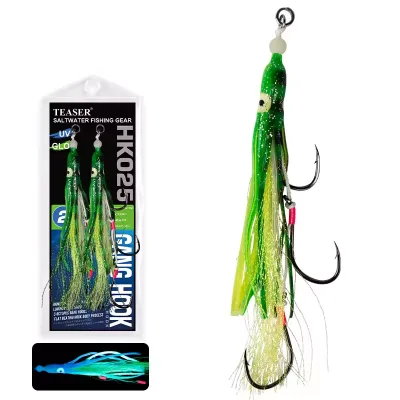
Hot Sale 15mm-45mm Squid Hook Accessories Stainless Steel Umbrella Hook
$0.12 - $0.19
MOQ: 1000 Minimum
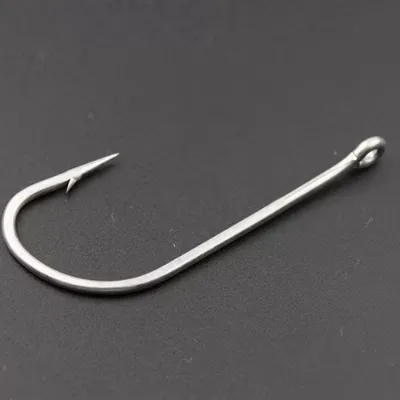
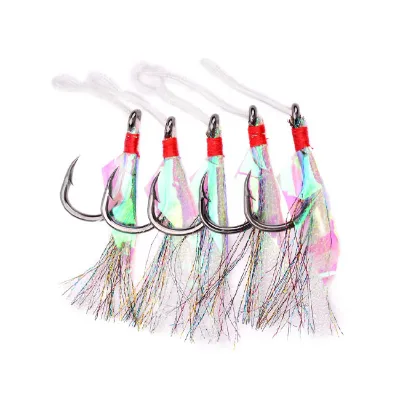
Hot Sales 5pcs/bag Cheap Price Fishing Tackle Single Fishing Hook With Feather
$1.22 - $1.71
MOQ: 100 Minimum
Jiangxi Kona Industry Co., Ltd.
- Trading Company
- Jiangxi, China
- Lead time90 days
- Avg. response≤ 4h
Main productsfishing hook,fishing accessories,sabiki rig
Main marketsWestern Europe(12.50%), Eastern Asia(12.50%), Mid East(12.50%), Africa(12.50%), Southeast Asia(12.50%), Eastern Europe(12.50%), South America(12.50%), North America(12.50%)

- Trading Company,Manufacturer/Factory
- China Shandong
- Lead time60 days
- Avg. response≤ 23h
Main productsNet, Fishing Net, Float, Rope, Hook, Batting Cage Net, Lead Rope, Gill Net, Twine, Golf Net
Main marketsSouth America,Eastern Europe,Mid East,North America,Southeast Asia,Eastern Asia,Oceania,Western Europe,Africa


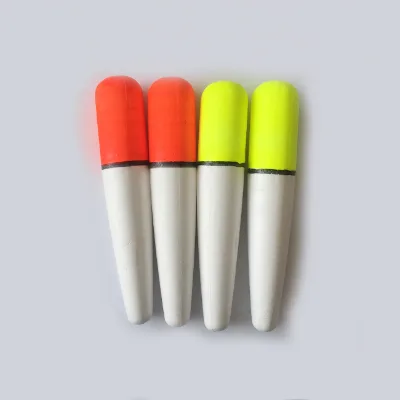
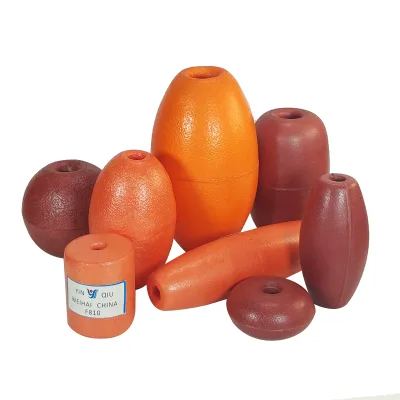
PVC Fishing Floats Fishing Tool Fishing Boat
MOQ: 5000 Pieces

High Quality Fishing Float (SL-5)
MOQ: 1000 Pieces
Lianyungang Fine Fishing Tackle Co., Ltd.
- Trading Company
- Jiangsu, China
- Lead time30 days
- Avg. response≤ 6h
Main productsPlastic Lure,Fishing Hooks,Fishing Swivel,Jigging Lure,Lure Making Parts
Main marketsNorth America(40.00%), Oceania(20.00%), Western Europe(20.00%), South America(5.00%), Eastern Asia(5.00%), Mid East(5.00%), Southeast Asia(5.00%)
- Trading Company
- Anhui, China
- Lead time30 days
- Avg. response≤ 3h
Main productsArtificial Lures,Carbon Rod,Spinning Casting Reel,Fishing Net,Carp Fishing
Main marketsWestern Europe(20.00%), North America(20.00%), Eastern Europe(15.00%), Southern Europe(10.00%), South Asia(5.00%), Southeast Asia(5.00%), Northern Europe(5.00%), South America(5.00%), Eastern Asia(5.00%), Mid East(5.00%), Oceania(5.00%)
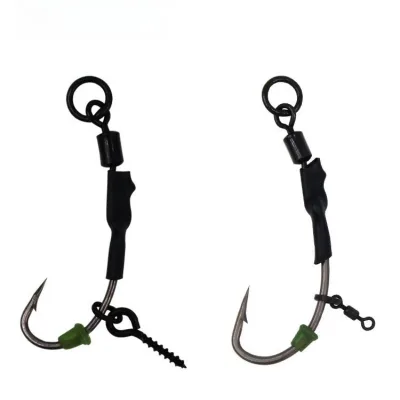
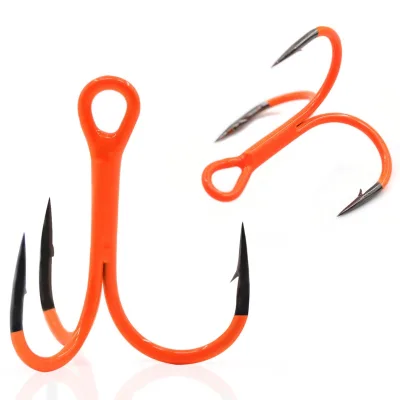
$2.23 - $4.05
MOQ: 2 Minimum
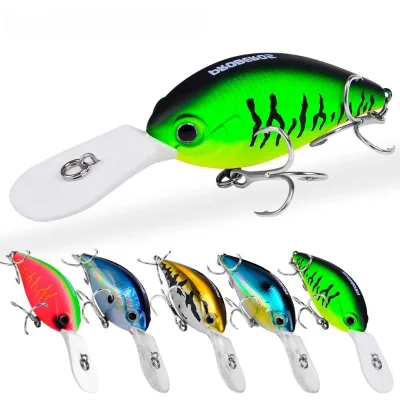
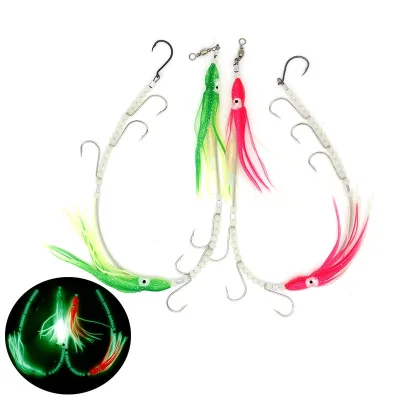

- Verified by BV
- Trading Company,Manufacturer/Factory
- China Shandong
- Lead time45 days
- Avg. response≤ 8h
Main productsFishing Tackle, Fishing Nets, Fishing Floats, Fishing Rope, Lobster Creels, Crab Pots, Clam Gun, Yabby Nets, Crab Traps, Fishing Snaps
Main marketsSouth America,Eastern Europe,Mid East,North America,Southeast Asia,Eastern Asia,Oceania,Western Europe,Africa

Qingdao Sinher Commercial Co., Ltd.
- Verified by BV
- Trading Company,Manufacturer/Factory
- China Shandong
- Lead time45 days
- Avg. response≤ 5h
Main productsFishing Float, Crab Trap, Prawn Creel, Landing Net, Shrimp Trap, Lobster Pot, Crayfish Trap, Fishing Net, Fishing Rope, Fishing Twine
Main marketsSouth America,Eastern Europe,Mid East,North America,Southeast Asia,Eastern Asia,Oceania,Western Europe,Africa
Weihai Xingli Fishing Tackle Co., Ltd.
- Manufacturer, Trading Company
- Shandong, China
- Lead time20 days
- Avg. response≤ 2h
Main productsfishing lures,Fishing tackles,fishing rods,fishing reel,accessories
Main marketsSoutheast Asia(20.00%), Oceania(15.00%), North America(10.00%), Eastern Europe(10.00%), South Asia(5.00%), Southern Europe(5.00%), Northern Europe(5.00%), Central America(5.00%), Western Europe(5.00%), Eastern Asia(5.00%), Mid East(5.00%), South America(5.00%), Africa(5.00%)
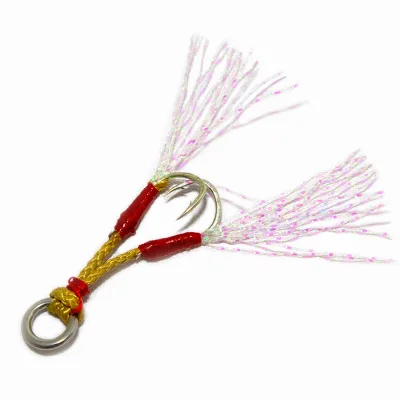
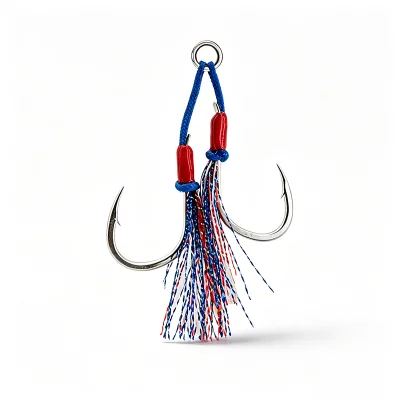
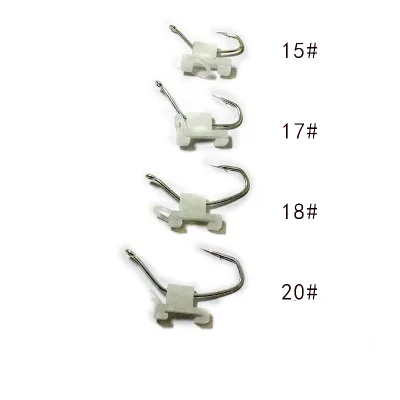
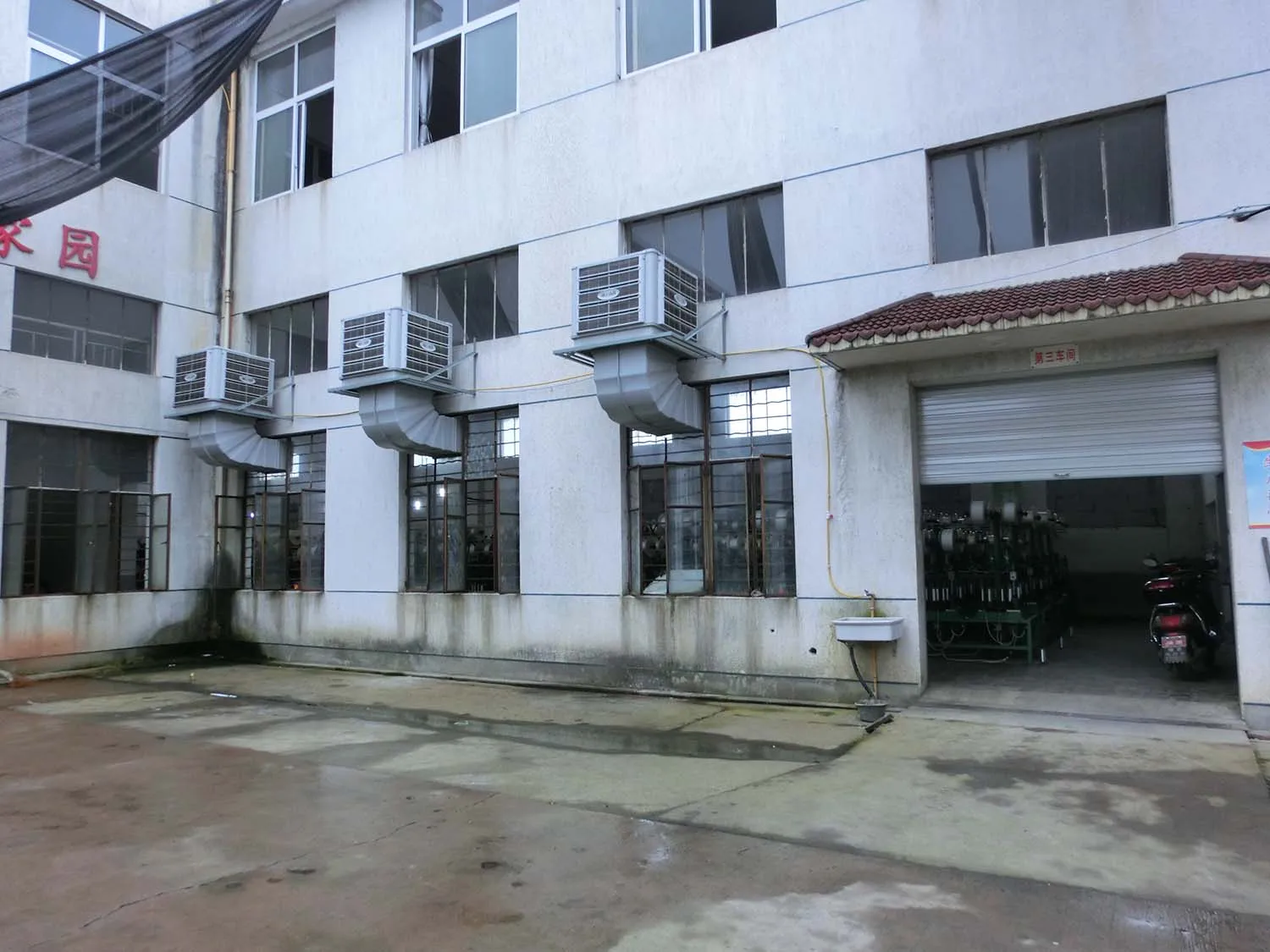
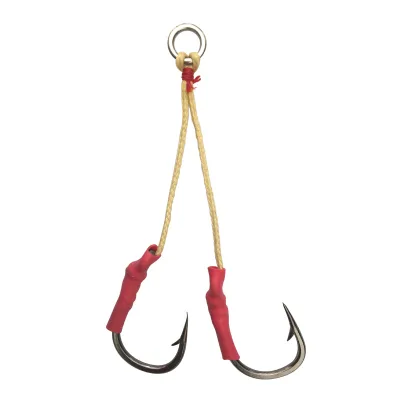
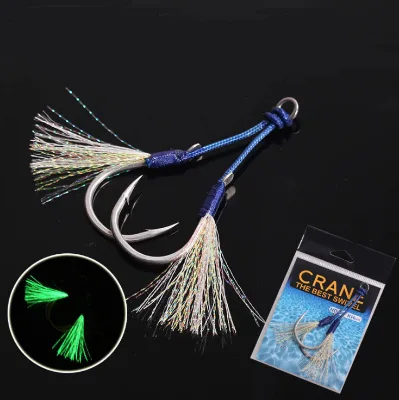
Shore Jigging Assist Hook Slow Feather Fishhooks with Kvelar Fiber Rope
$0.21 - $0.51
MOQ: 1000 Minimum
Shenzhen Times Fishing Tackle Co., Ltd.
- Manufacturer
- Guangdong, China
- Lead time15 days
- Avg. response≤ 5h
Main productsPE braided fishing line,Carbon fishing line,Nylon fishing line,biodegradable fishing line,sinking PE fishing line
Main marketsEastern Europe(33.00%), North America(33.00%), South America(11.00%), Southern Europe(5.00%), Africa(5.00%), Oceania(3.00%), Eastern Asia(3.00%), Mid East(3.00%), Western Europe(2.00%), Northern Europe(2.00%)
Hangzhou Baqiandai Import And Export Co., Ltd.
- Verified by Intertek
- Manufacturer, Trading Company
- Lead time7 days
- Avg. response≤ 3h
Main productsFishing Rod, Bait, Fishing Reel, Fishing Line, Fishing Tools
Main marketsNorth America(30%), South America(25%), Southeast Asia(20%)
DONGYANG JIASITON FISHING TACKIE CO., LTD.
- Verified by Intertek
- Manufacturer, Trading Company
- Lead time7 days
- Avg. response≤ 3h
Main productsPE Braided Line, Nylon Line, Carbon Line
Main marketsNorth America(20%), Southeast Asia(20%), Eastern Asia(20%)
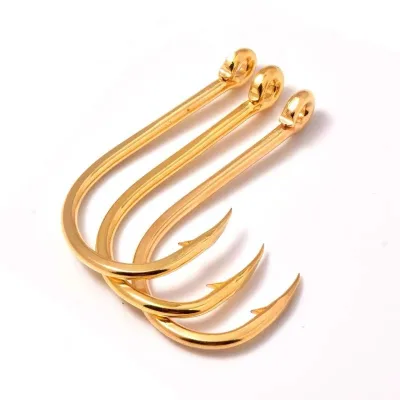
$0.07 - $0.10
MOQ: 500 pieces
Qingdao Tiyang Outdoor Products Co.,ltd.
- Trading Company
- Shandong, China
- Lead time10 days
- Avg. response≤ 8h
Main productsFishing Rod,Fishing Reel,Fishing Lures,Fishing Line,Fishing Accessories
Main marketsNorth America(50.00%), Mid East(20.00%), South Asia(10.00%), Central America(10.00%), Southeast Asia(10.00%)
Weihai Inno Outdoor Products Co., Ltd
- Manufacturer
- Shandong, China
- Lead time0 days
- Avg. response≤ 1h
Main productsfishing lure,fishing rod,fishing hook,fishing reel,fishing accessories
Main marketsSoutheast Asia(15.00%), Eastern Europe(15.00%), Africa(15.00%), North America(15.00%), Eastern Asia(10.00%), Mid East(10.00%), Oceania(10.00%), South America(10.00%)
Nanjing Jianyu Trading Co., Ltd.
- Trading Company
- Jiangsu, China
- Lead time30 days
- Avg. response≤ 2h
Main productsfishing lure,fishing hook,fishing swivels,fishing line,fishing rod
Main marketsNorth America(30.00%), Eastern Europe(20.00%), South America(20.00%), Western Europe(10.00%), Oceania(10.00%), Northern Europe(5.00%), Mid East(5.00%)
Weihai Dingchi Outdoor Products Co., Ltd.
- Manufacturer, Trading Company
- Shandong, China
- Lead time0 days
- Avg. response≤ 2h
Main productsFishing Lures , Fish Pole, Fishing Reel, Fish Hook, Fishing Tools
Main marketsNorth America(30.00%), Domestic Market(20.00%), Western Europe(10.00%), Southern Europe(10.00%), Northern Europe(10.00%), Eastern Europe(10.00%), Southeast Asia(10.00%)
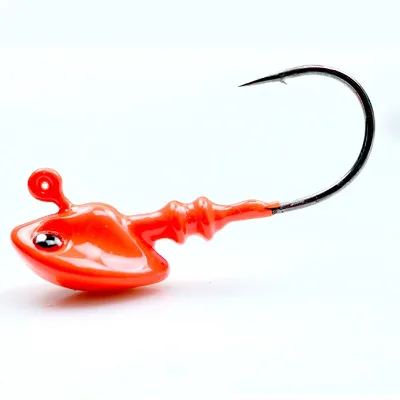
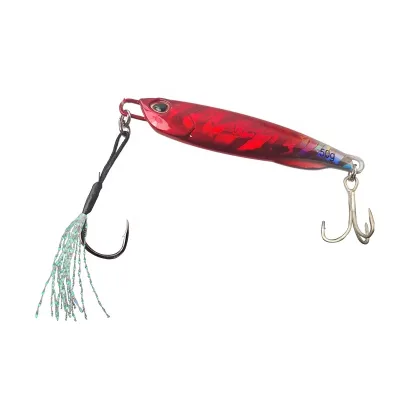
New Various Specifications 10g 15g 20g 30g 40g 50g 60g Jigs for Sea Water Fishing
$1.20 - $1.50
MOQ: 100 pieces




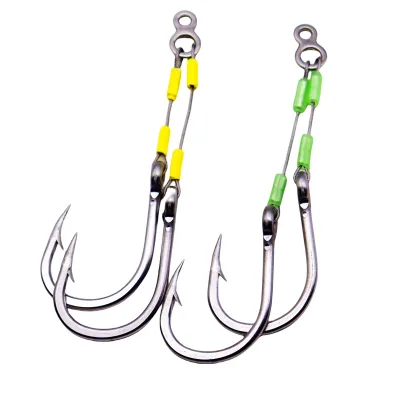
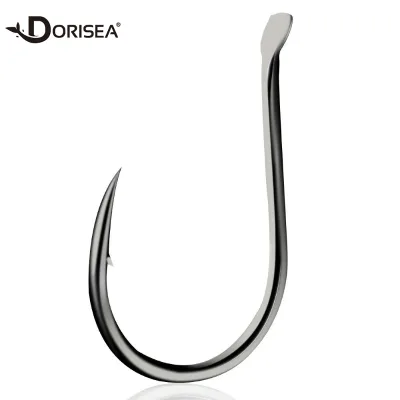
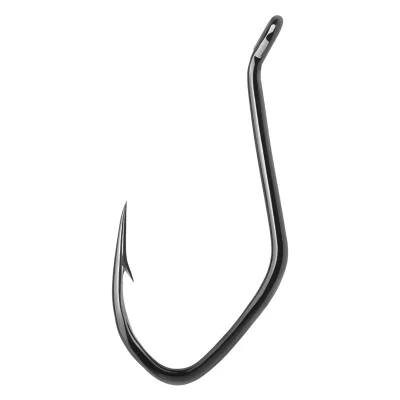
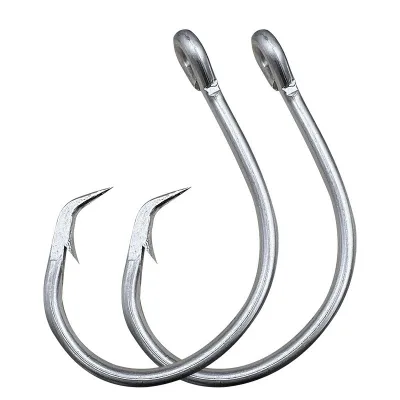
Comprehensive Sourcing Guide
Floating Freshwater Fishing Hook Supplier Concentration and Factory Types
The current supplier landscape for floating freshwater fishing hooks reveals a distinct split between trading companies and manufacturing entities, primarily concentrated in specific Chinese provinces. Data indicates a significant presence of trading companies located in Zhejiang, which often aggregate products like tents, coolers, and various outdoor gear alongside fishing tackle. These entities typically serve as intermediaries, offering a broad catalog that includes folding tables, beach mats, and sleeping bags in addition to fishing hooks. In contrast, manufacturer and factory groups are identified in Shandong, specifically in regions like Weihai, where the focus is heavily on specialized production of fishing reels, lures, and terminal tackle. This geographic separation suggests that buyers seeking direct factory relationships for hooks should prioritize suppliers in Shandong, while those needing a wider range of outdoor equipment might find trading companies in Zhejiang more suitable for consolidated sourcing.
When evaluating the factory types, it is crucial to distinguish between the operational models evident in the search results. The Zhejiang-based suppliers are classified as trading companies, which implies they may not own the production lines for the hooks they sell but rather source them from various manufacturers. Conversely, the Shandong-based entities are listed as manufacturers or group corporations, holding certifications such as ISO 9001 and BSCI, which suggests direct control over the production process. These manufacturers often possess ODM and OEM capabilities, allowing for customization of hook designs and packaging. Buyers must verify if a supplier is a direct factory or a trader by checking their company type designation, as this impacts the ability to negotiate custom specifications and the transparency of the supply chain. The presence of specific product models like ZHZ-0406 or HY-8961 further indicates the specific output capabilities of these different entity types.
How to Verify Floating Freshwater Fishing Hook Suppliers
Verification of suppliers for floating freshwater fishing hooks requires a rigorous check of their stated credentials and operational history. The search results highlight that some suppliers hold SGS verification status, which serves as a third-party validation of their business legitimacy. Additionally, manufacturers in the Shandong cluster display a robust array of system certifications, including ISO 9001, ISO 14001, and OHSAS 18001, indicating adherence to international quality and safety management standards. Buyers should not assume all suppliers possess these credentials; instead, they must request specific certification documents to confirm that the factory meets the required compliance levels for their market. The presence of these certifications is a strong indicator of a supplier's commitment to quality control and environmental responsibility, which is essential for long-term partnerships in the fishing tackle industry.
Beyond certifications, buyers must assess the responsiveness and reliability of the supplier through their communication metrics. The data shows response times varying significantly, with some suppliers averaging around 14 hours while others take over 24 hours to reply. A faster response time often correlates with better customer service and a more active sales team, which is critical when resolving issues regarding product specifications or order status. Furthermore, the verification of product attributes is essential; for instance, confirming that a hook has high corrosion resistance and is made from high carbon steel as claimed. Buyers should ask for detailed product attributes such as the specific model number, packing details, and material composition to ensure the floating freshwater fishing hooks meet their technical requirements. Relying solely on marketing claims without verifying these specific data points can lead to significant discrepancies in the final product quality.
What to Compare Across Floating Freshwater Fishing Hook Suppliers
When comparing suppliers, the primary dimensions to evaluate include lead times, minimum order quantities (MOQ), and pricing structures, as these vary widely across the available options. The observed data indicates lead times ranging from 15 days to 38 days, depending on the supplier's location and production capacity. Suppliers in Zhejiang may offer shorter lead times for certain items, while those in Shandong might require up to 38 days due to the complexity of their manufacturing processes. Similarly, MOQs differ substantially, with some suppliers requiring orders as low as 50 pieces, while others mandate volumes of 20,000 or even 25,000 units. Buyers must align these constraints with their inventory needs and budget, ensuring they can meet the minimum thresholds without overstocking. Understanding these logistical parameters is vital for planning production schedules and managing cash flow effectively.
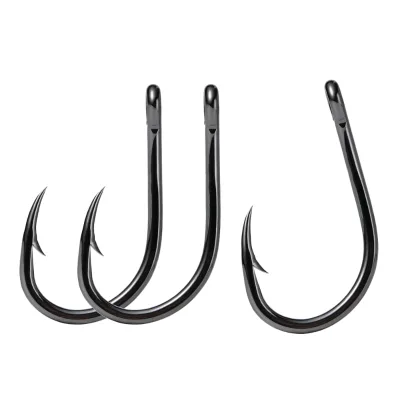
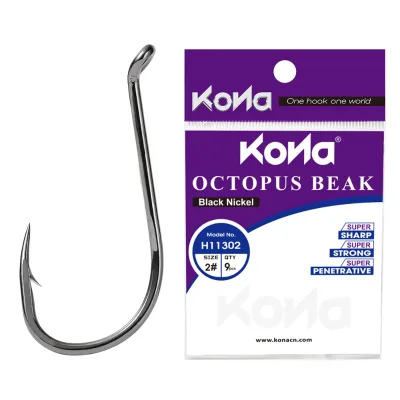
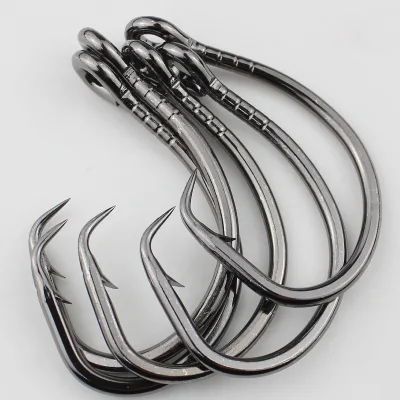
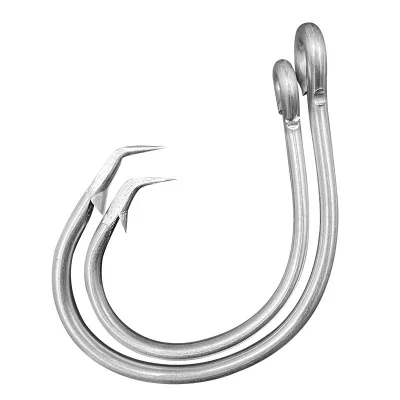
Pricing and product customization capabilities are also critical factors in the comparison process. The price range for floating freshwater fishing hooks can vary from as low as $0.03 to over $6.50 per unit, depending on the material, design complexity, and order volume. Some suppliers offer high-performance hooks with sharpness and durability features at competitive rates, while others charge a premium for specialized designs like long-shanked octopus hooks. Additionally, the availability of customization services, such as custom branding or specific hook shapes, should be verified. While many suppliers list customization as available, the extent of this service and any associated costs must be clarified. Buyers should also compare the main products offered by each supplier to ensure they can source complementary items like fishing reels or lures from the same vendor, potentially simplifying the procurement process and reducing shipping costs.
Common Floating Freshwater Fishing Hook Sourcing Risks
One of the primary risks in sourcing floating freshwater fishing hooks is the potential mismatch between product specifications and actual delivery. The search results show that while many suppliers claim high corrosion resistance and high quality, the specific attributes like hook barb size or material composition can vary significantly between models. For example, some hooks are described as having a large barb and being made of high carbon steel, while others may have different shapes or colors. If a buyer does not meticulously verify the product attributes against their requirements, they may receive hooks that are unsuitable for their intended fishing conditions. This risk is compounded by the fact that some suppliers are trading companies, which may introduce an additional layer of communication where specifications can be misinterpreted or lost before reaching the actual manufacturer.
Another significant risk involves the reliability of lead times and the consistency of production capacity. The data reveals lead times that can extend up to 38 days, which may be insufficient for buyers with tight delivery schedules or seasonal demand peaks. If a supplier fails to meet the quoted lead time, it can disrupt the entire supply chain, leading to stockouts and lost sales opportunities. Furthermore, the variation in MOQs poses a financial risk; ordering large quantities to meet high MOQs can tie up capital and increase inventory holding costs if the product does not sell as expected. Buyers must also be cautious of suppliers who do not provide clear evidence of their production capabilities or who lack the necessary certifications to guarantee product safety and quality. Without proper due diligence, these risks can result in financial losses and damage to the buyer's brand reputation.
Floating Freshwater Fishing Hook Regional Sourcing and Logistics
Regional sourcing strategies for floating freshwater fishing hooks are heavily influenced by the geographic concentration of suppliers in China. The search results indicate a clear division between suppliers in Zhejiang and those in Shandong, each offering distinct advantages based on their location and specialization. Zhejiang-based trading companies often provide a broader range of outdoor products, which can be beneficial for buyers looking to consolidate orders for tents, coolers, and fishing gear. However, for specialized fishing hooks, the manufacturers in Shandong, particularly in Weihai, offer a more focused production environment with direct access to raw materials and specialized machinery. Buyers should consider the logistics implications of sourcing from these regions, as shipping times and costs may vary depending on the port of origin and the specific destination.
Logistics planning must also account for the packaging and shipping standards of the suppliers. The data shows that products are often packed in paper boxes or bags, with specific dimensions provided for each model. For instance, some hooks are packed in bags of 200 pieces, while others come in boxes with precise weight and size specifications. Buyers need to ensure that the packaging is robust enough to protect the hooks during transit, especially given the sharp nature of the product. Additionally, the origin of the product, such as Weihai China, should be verified to confirm the authenticity of the manufacturing location. Understanding the regional logistics network is crucial for optimizing shipping routes and minimizing delays. Buyers should work closely with their suppliers to determine the most efficient shipping methods and to ensure that all necessary documentation is prepared correctly to avoid customs issues.
Floating Freshwater Fishing Hook Commercial Terms and Order Planning
Commercial terms for floating freshwater fishing hooks vary significantly based on the supplier's location and the specific product model. The observed data indicates that prices can range from $0.03 to $6.50 per unit, with minimum order quantities (MOQs) ranging from 50 to 25,000 pieces. Buyers must carefully review these terms to ensure they align with their budget and inventory strategy. Some suppliers offer flexible pricing tiers based on order volume, while others maintain fixed prices regardless of quantity. It is essential to negotiate clear payment terms, such as the use of escrow services, to protect against non-delivery or quality issues. Additionally, buyers should confirm the lead times, which can range from 15 to 38 days, to ensure they can meet their delivery deadlines. Understanding these commercial terms is critical for effective order planning and risk management.
Order planning for floating freshwater fishing hooks requires a strategic approach to manage inventory and production schedules. Buyers should consider the customization options available, such as specific hook shapes or packaging designs, and factor these into their production timeline. The data shows that many suppliers offer customization, but the lead time for custom orders may be longer than for standard products. Buyers must also account for the response times of suppliers, which can vary from 14 to 24 hours, to ensure timely communication and issue resolution. By planning orders well in advance and maintaining open lines of communication with suppliers, buyers can mitigate the risks of delays and quality issues. It is also advisable to establish a long-term relationship with a reliable supplier to secure better pricing and priority production slots, ensuring a steady supply of high-quality floating freshwater fishing hooks for their business.
FAQs
What is the typical lead time for fishing hooks?
Lead times vary by supplier, with some offering 15 days and others requiring up to 38 days. Buyers should verify specific timelines based on order volume and customization needs before confirming production schedules.
Are customization options available for these hooks?
Yes, customization is available for many fishing hook models listed. Suppliers indicate that custom designs can be accommodated, allowing buyers to request specific sizes, materials, or packaging to match their brand requirements.
What is the minimum order quantity for fishing hooks?
Minimum order quantities range from 50 units to 25,000 units depending on the specific product model. Bulk orders often have lower per-unit costs, while smaller trials may require higher minimums to qualify for pricing.
Where are these fishing hook suppliers located?
Suppliers are primarily located in China, specifically in Zhejiang and Shandong provinces. These regions are known for manufacturing fishing tackle, offering a wide variety of hooks for both freshwater and saltwater applications.
Do suppliers hold certifications for their products?
Some suppliers hold certifications such as ISO 9001, ISO 14001, and BSCI. Verification status like SGS is also available for certain companies, ensuring quality standards are met for international trade and safety compliance.
What is the price range for fishing hooks?
Prices typically range from $0.03 to $6.50 per unit depending on the hook type and material. High carbon steel hooks and specialized designs often command higher prices compared to standard freshwater options.
How quickly do suppliers respond to inquiries?
Response times vary, with some suppliers replying within 14 hours and others taking up to 24 hours. Buyers should expect delays during peak seasons and should follow up if no response is received within the stated timeframe.