Flood and Drain Hydroponics Table Suppliers and Manufacturers
Compare 28 verified suppliers of Flood and Drain Hydroponics Table systems based on location, lead time, and response time. Review product specifications like tray material and dimensions before contacting vendors for quotes; review the available evidence before requesting comparable quotations from suitable candidates.
Updated
Suppliers List

- Verified by TUVRHEINLAND
- Trading Company
- China Guangdong
- Lead time15 days
- Avg. response≤ 2h
Main productsHydroponics System, Nft Channel System
Main marketsSoutheast Asia/ Mideast


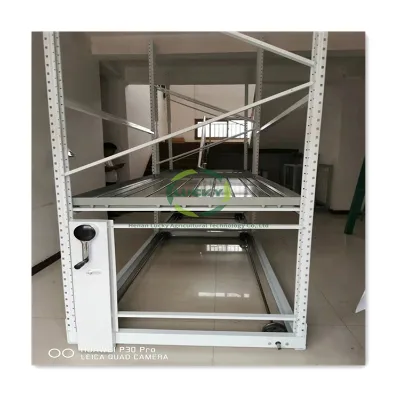
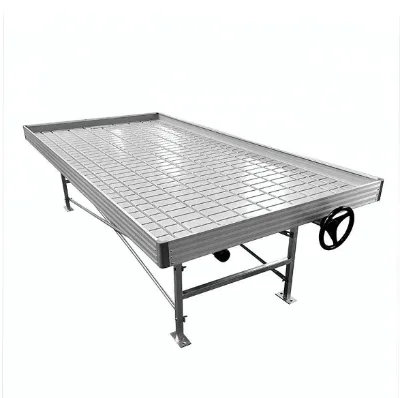
Easy to Clean Ebb and Flow Rolling Benches Hydroponic Flood Tables and Trays
$199.00 - $285.00
MOQ: 5 Pieces

$99.00 - $149.00
MOQ: 50 pieces

Greenhouse Water Tray Ebb and Flood Hydroponic Trays Flood and Drain Table Seedbed Rolling Bench
$120.00 - $180.00
MOQ: 50 pieces
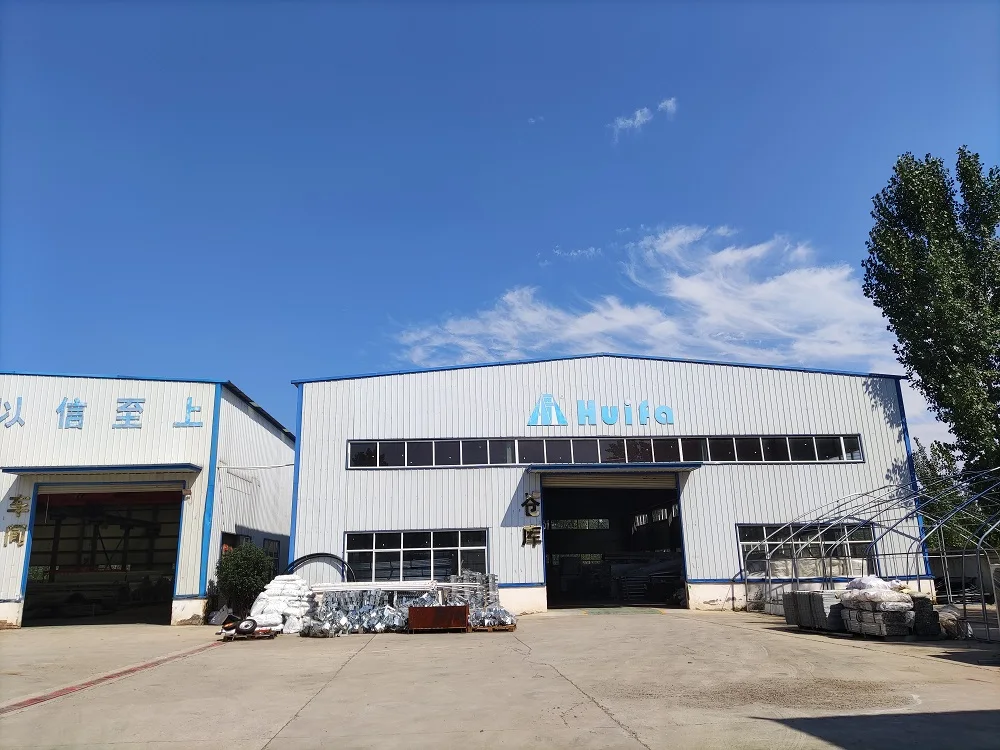
Henan Sino Agri Machinery Co., Ltd.
- Manufacturer, Trading Company
- Henan, China
- Lead time10 days
- Avg. response≤ 6h
Main productsVegetable Greenhouse,Hemp Greenhouse,Grow Rack,Rolling Bench,Planting Facilities
Main marketsAfrica(20.00%), South America(20.00%), North America(20.00%), Eastern Asia(10.00%), Southeast Asia(10.00%), Central America(5.00%), Western Europe(5.00%), Oceania(5.00%), Mid East(5.00%)
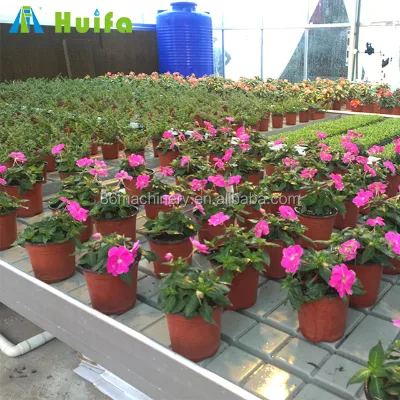
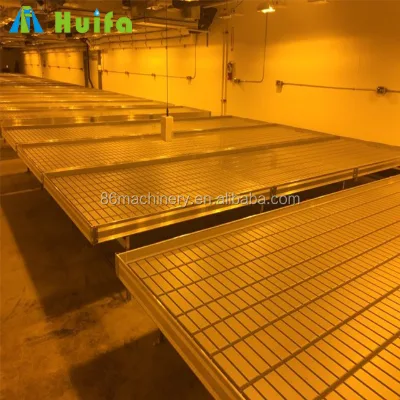
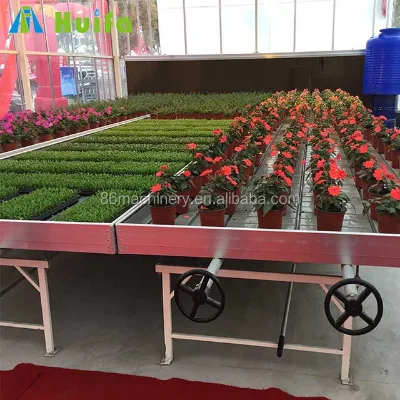
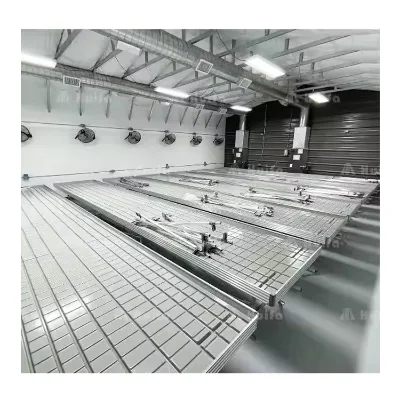
China Factory Customized Black White Abs Plastic 4x4 4x6 Feet Hydroponic Flood Tables and Grow Tray
$44.0592 - $54.5497
MOQ: 60 square
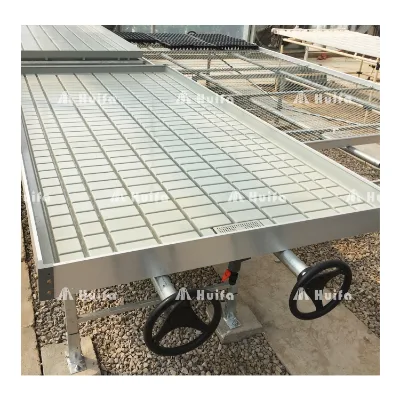
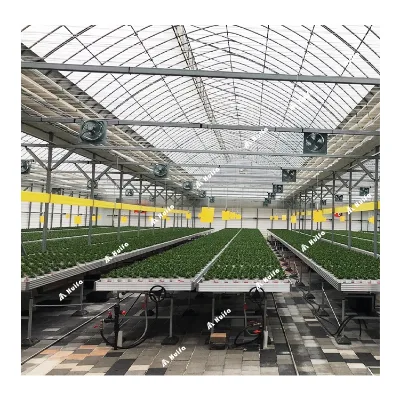
Henan Lucky Agricultural Technology Co., Ltd.
- Trading Company
- Henan, China
- Lead time0 days
- Avg. response≤ 2h
Main productsRolling Bench, Vertical Grow Rack, Greenhouse, Container Planting, Hydroponic System
Main marketsNorth America(40.00%), Central America(10.00%), Northern Europe(10.00%), Africa(10.00%), Eastern Europe(10.00%), South America(10.00%), Southern Europe(5.00%), Western Europe(5.00%)
Shanghai Dehuan Industry Co., Ltd.
- Trading Company
- Lead time旺季: "1 - 10000":31,"> 10000":"To be negotiated", 淡季: "1 - 10000":31,"> 10000":"To be negotiated"
- Avg. response≤ 3h
Main productsHydroponic Fodder System, Ebb And Flow Table, NFT Hydroponic System, Plastic Plant Pots, Dutch Bucket
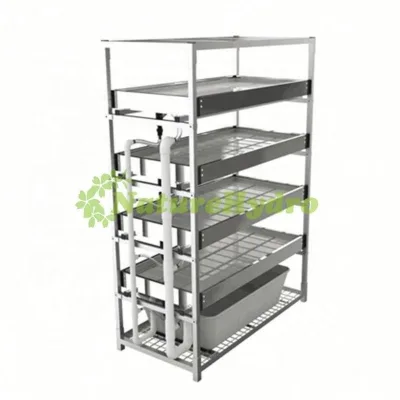
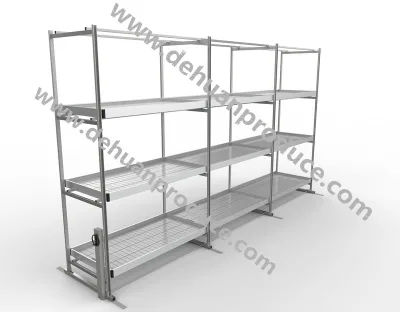
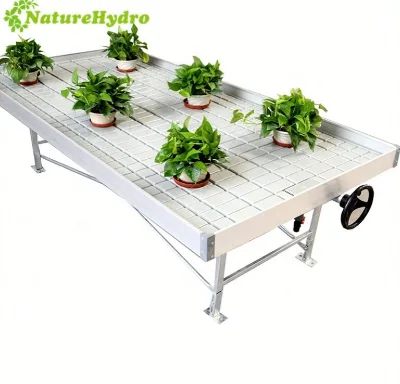
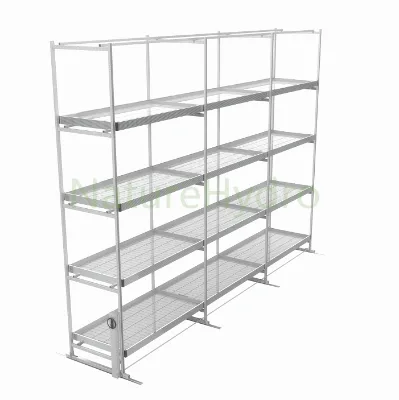
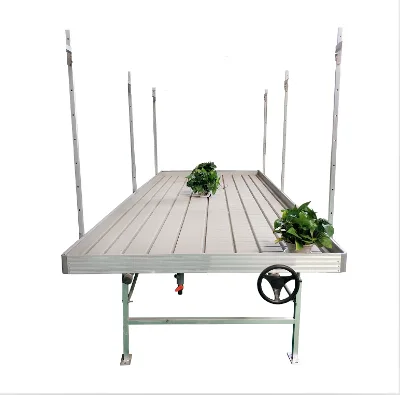
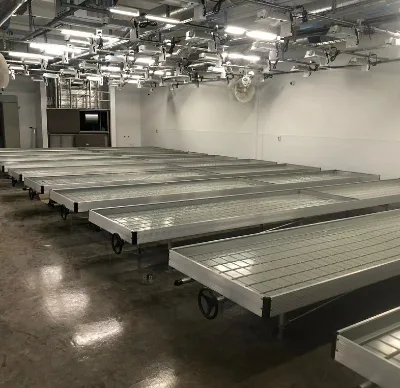
2 Tiers Hydroponic Flood Table Ebb and Flow Trays
$9.00 - $29.00
Hangzhou Kunda Technology Co., Ltd.
- Manufacturer, Trading Company
- Zhejiang, China
- Lead time20 days
- Avg. response≤ 5h
Main productsGlue Traps,Mouse Traps,Pest Repeller,household cleaning,Gardening Products
Main marketsNorth America(25.00%), Mid East(20.00%), South America(15.00%), Southern Europe(10.00%), Western Europe(10.00%), Eastern Europe(10.00%), Central America(5.00%)

Shouguang Greentime Agriculture Technology Co., Ltd.
- Verified by BV
- Trading Company,Manufacturer/Factory
- China Shandong
- Lead time23 days
- Avg. response≤ 6h
Main productsGlass Greenhouse, Greenhouse, Film Greenhouse, Polycarbonate Greenhouse, Tunnel Greenhouse, Light Deprivation Greenhouse, Agriculture Greenhouse, Multi-Span Greenhouse, Rolling Bench, Warehouse
Main marketsSouth America,Eastern Europe,Mid East,North America,Southeast Asia,Eastern Asia,Oceania,Western Europe,Africa

Hydroponic Ebb and Flow Growing Tables and Growing Flood Drain Tray
$25.00 - $45.00
MOQ: 500 Square Meters

Rolling Benches Hydroponics Growing Tables with Flood Trays Ebb and Flow Growing System
$16.00 - $42.00
MOQ: 10 Square Meters

Ebb and Flow Rolling Tables Growing Greenhouses Hydroponic Flood ABS Tray
$16.00 - $42.00
MOQ: 10 Square Meters

Hydroponics System Greenhouse Ebb and Flow Adjustable Flood Rolling Tray Tables
$25.00 - $45.00
MOQ: 500 Square Meters


Hot Sale Ebb and Flow Benches Hydroponics System Flood Tables Used
$16.00 - $42.00
MOQ: 10 Square Meters

- Manufacturer
- China Guangdong
- Lead time23 days
- Avg. response≤ 3h
Main productsPVC Trunking, PVC Pipe, PVC Fittings, Gi Box, Street Light, Flood Light, Light Fitting, AAC Cable, Metal Box, PPR Pipe
Main marketsAfrica,Southeast Asia/ Mideast,Australia


ABS Flood Tray Moveable Agriculture Hydroponic Growing Tables Ebb and Flow Bench
$268.00
MOQ: 10 Pieces


Shenzhen Mego Electronics Co., Ltd.
- Manufacturer, Trading Company, Distributor/Wholesaler
- Guangdong, China
- Lead time0 days
- Avg. response≤ 3h
Main productsFlood Tables,Grow Trays,Grow Pot,Drip Irrigation Parts,LED Grow Light
Main marketsNorth America(75.00%), Africa(10.00%), Western Europe(5.00%), Eastern Asia(5.00%), Eastern Europe(5.00%)

Henan Dorisun Agricultural Technology Co, . Ltd
- Verified by TUVRHEINLAND
- Trading Company
- China Henan
- Lead time15 days
- Avg. response≤ 3h
Main productsGreenhouse, Rolling Bench, Vertical Grow Rack, Multi Span Greenhouse, Single Span Greenhouse, Blackout Greenhouse, Hydroponic System, Nft Channel System, Container Farm Greenhouse, Plastic Film Greenhouse
Main marketsNorth America

4X8 Flood and Drain Table Hydroponic System Rolling Table for Plant Grow
$15.00 - $29.50
MOQ: 120 Square Meters

$80.00 - $95.00
MOQ: 30 Square Meters

Flood and Drain Tray Hydroponics Stainless Steel Drain 2X4 4X6 Flood Grow Table Rolling
$15.00 - $29.50
MOQ: 120 Square Meters

- Verified by BV
- Trading Company
- China Guangdong
- Lead time30 days
- Avg. response≤ 3h
Main productsHydroponic System, Hydroponic Sponge, Nft Channel, Strawberry Gutter/Tower, Raised Garden Bed, Dutch Bucket, Plastic Net Pot, Substrate, Vegetable Mould, Greenhouse
Main marketsSouth America,Africa,Southeast Asia/ Mideast,East Asia(Japan/ South Korea),Europe,Australia,North America


Greenhouse Deep Water Culture Hydroponic Used Flood Table Dwc Ebb Growing Tray
$228.00 - $268.00
MOQ: 1 Sets
Henan Wisemax Agricultural Technology Co., Ltd.
- Trading Company
- Henan, China
- Lead time15 days
- Avg. response≤ 7h
Main productsRolling Bench,Agricultural Greenhouse,Light Deprivation Greenhouse,Single Span Greenhouse,Multi Span Greenhouse
Main marketsSouth America(30.00%), Eastern Europe(20.00%), Northern Europe(10.00%), North America(10.00%), Western Europe(10.00%), Southern Europe(8.00%), Eastern Asia(6.00%), Africa(3.00%), South Asia(2.00%), Southeast Asia(1.00%)
Ningbo Loyalshine Optoelectronics Co., Ltd.
- Verified by SGS Group
- Manufacturer, Trading Company
- Lead time30 days
- Avg. response≤ 3h
Main productsLED Grow Light, Grow Tent, Grow Rack
Main marketsSoutheast Asia(25%), Domestic Market(25%), South America(10%)
- Verified by SGS Group
- Manufacturer, Trading Company
- Lead time25 days
- Avg. response≤ 2h
Main productsHydroponic NFT Channel, Hydroponic Dutch Bucket, Strawberry Gutter, Plastic Net Pot, Growing Media Rockwool
Main marketsMid East(30%), North America(10%), Africa(10%)
Hydroblue Technology (Shanghai) Co., Ltd.
- Trading Company
- shanghai, China
- Lead time0 days
- Avg. response≤ 2h
Main productsContainer hydroponics planter,Greenhouse hydroponics system(OEM),Greenhouse Tidal system,Home&Garden hydroponics,Greenhouse components
Main marketsSouthern Europe(14.00%), Northern Europe(14.00%), Central America(14.00%), Western Europe(14.00%), Eastern Europe(14.00%), South America(14.00%), North America(14.00%)
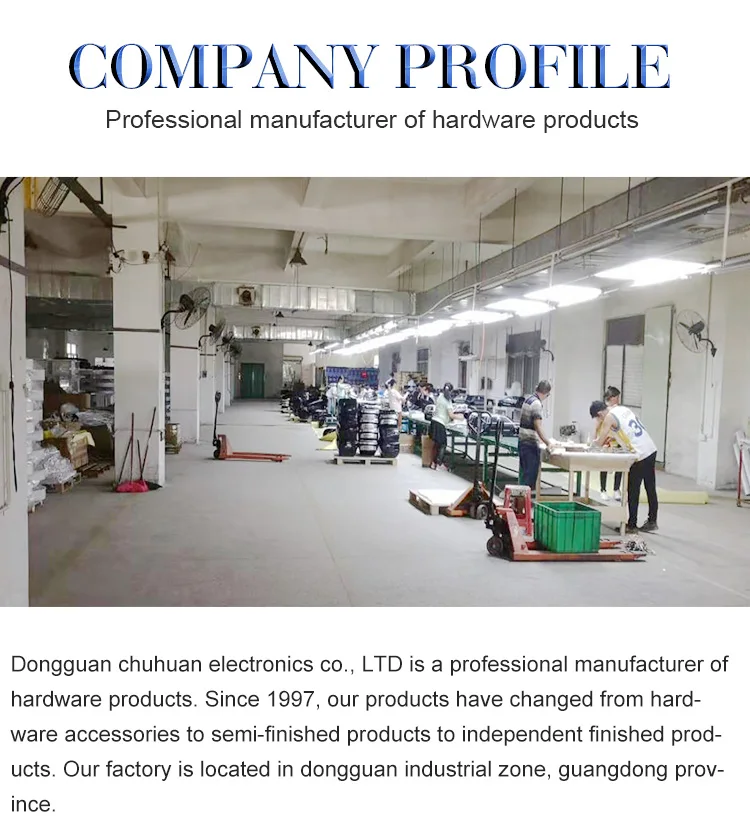
Dongguan Chuhuan Electronics Hardware Co., Ltd.
- Manufacturer, Trading Company
- Guangdong, China
- Lead time20 days
- Avg. response≤ 7h
Main productsStorage Rack,Display Stand,Kitchen Accessories,Hardware Accessories,Metal Stamping Parts
Main marketsNorth America(23.00%), Western Europe(13.00%), Domestic Market(10.00%), Northern Europe(10.00%), Southern Europe(9.00%), Eastern Europe(8.00%), Central America(7.00%), South America(6.00%), South Asia(6.00%), Southeast Asia(2.00%), Eastern Asia(2.00%), Mid East(2.00%), Africa(1.00%), Oceania(1.00%)

Henan Yutuo Agricultural Technology Co., Ltd
- Verified by CTI
- Trading Company
- China Henan
- Lead time60 days
- Avg. response≤ 10h
Main productsGlass Greenhouse, Film Greenhouse, Agricultural Greenhouse, Venlo Greenhouse, Multi-Span Greenhouse, Photovoltaic Greenhouse, Tunnel Greenhouse, Sawtooth Greenhouse, PC Greenhouse, Blackout Greenhouse
Main marketsSouth America

Detachable Seedbed Planting Table Aquaponics Flood Table Automatic Ebb and Flow System
$10.00 - $20.00
MOQ: 100 Square Meters

Hydroponic Flood Tables and Tidal Discs Seedbed Pans Flood and Drainage Pans
$10.00 - $20.00
MOQ: 100 Square Meters

Xiamen Heseng Agricultural Technology Co.,Ltd
- Trading Company
- China Fujian
- Lead time30 days
- Avg. response≤ 5h
Main productsGreenhouse, Hydroponics, Green House, Blackout System, Irrigation, Growing Rack, Glass House, Hot House, Clod House, Growing Bench
Main marketsSouth America,Africa,Southeast Asia/ Mideast,Europe,Australia,North America

Agricultural Greenhouses Hydroponic Grow Tables 4X8 Flood Table Ebb and Flow System
$10.00 - $30.00
MOQ: 300 Square Meters

4X8FT ABS Flood Table Plastic Hydroponics System Nursery Agriculture
$10.00 - $30.00
MOQ: 300 Square Meters
Shenzhen Ameixin Plastic Co., Ltd.
- Verified by SGS Group
- Manufacturer, Trading Company
- Lead time35 days
- Avg. response≤ 3h
Main productsVacuum Forming Product, Plastic Cover, Plastic Tray, Plastic Display
Main marketsNorth America(25%), Domestic Market(16%), Africa(15%)
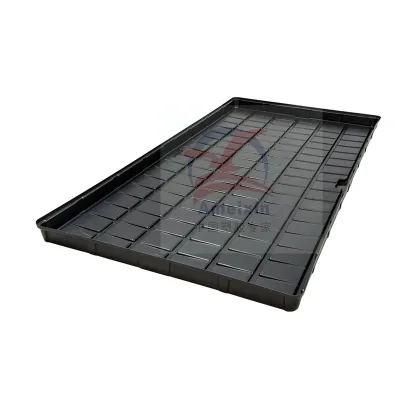
Hydroponic Rolling Bench Grow Table 4x8 Flood Table for Plant Growing
$30.7809 - $57.4588
MOQ: 200 units
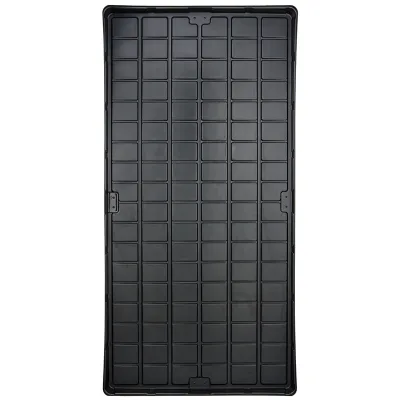
$65.00 - $75.00
MOQ: 200 units
Zhengzhou Lyine Agriculture Technology Co.,Ltd
- Verified by SGS Group
- Manufacturer, Trading Company
- Lead time7 days
- Avg. response≤ 3h
Main productsHydroponic Growing System, Container Farming, Fodder Solution, Tower Garden, Microgreen System
Main marketsNorth America(20%), Mid East(20%), Domestic Market(20%)
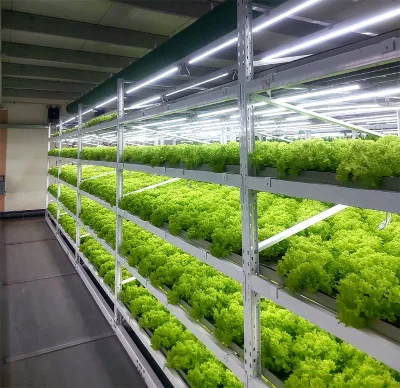
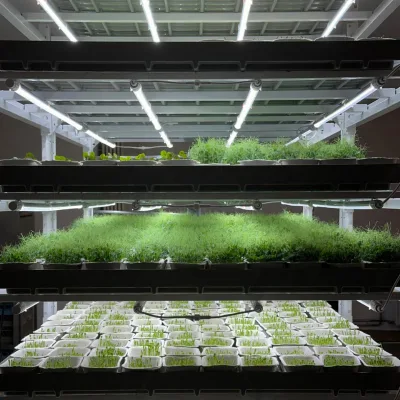
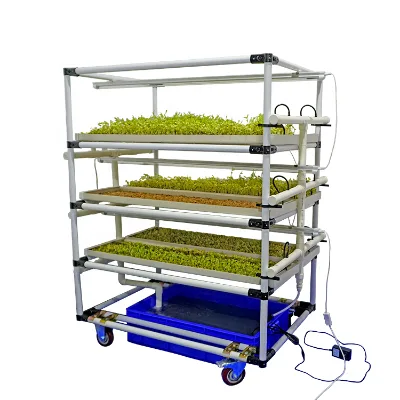
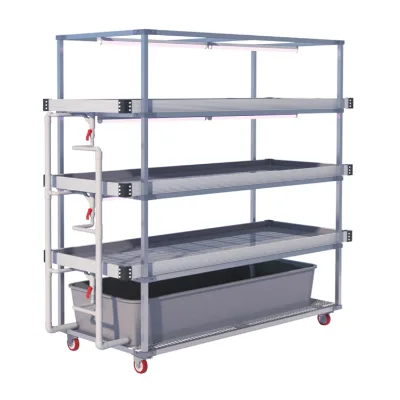
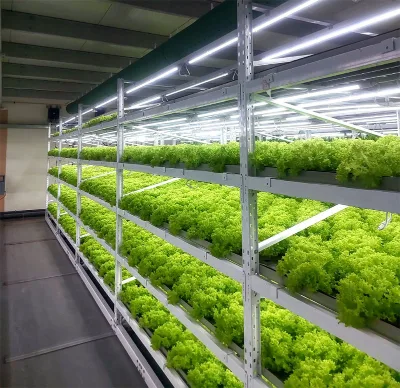
For Automatic Aquaponic/Aeroponic Plant Tables Rolling Benches Grow Trays Racks with Pump & Engine
$46.1714 - $56.4327
MOQ: 50 cubic
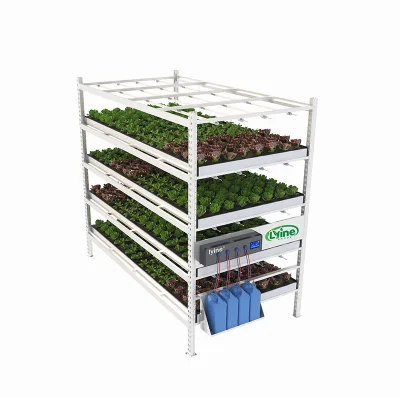
Hot Sale 4X8 5X10 Commercial Growing Movable Flood Tray Ebb and Flood Table Automatic Rolling Bench
$45.00 - $55.00
MOQ: 50 cubic

Shandong Sinok Agriculture Technology Co., Ltd.
- Verified by SGS
- Combined
- China Shandong
- Lead time23 days
- Avg. response≤ 5h
Main productsGreenhouse, Green House, Mult Span Greenhouse, Film Greenhouse, Glass Greenhouse, Hydroponic System, PC Sheet Greenhouse, Polycarbonate Greenhouse, Plastic Greenhouse, Agriculture Greenhouse
Main marketsSouth America,Africa,Others(foreignTradeCapacity.exportBusinessCapacityMarketOther),Europe,Australia,North America


Greenhouse Ebb and Flow Tray Hydroponics Movable Rolling Bench Flood Table Seedbed
$30.00 - $300.00
MOQ: 1 Sets

$30.00 - $300.00
MOQ: 1 Sets
Thump Agri and Horti Tech (Shanghai) Co., Ltd.
- Trading Company
- Shanghai, China
- Lead time20 days
- Avg. response≤ 2h
Main productsplastic plant pot,dutch bucket,ebb and flow,duct fans,Trim tray
Main marketsEastern Europe(19.00%), North America(18.00%), South America(15.00%), Southeast Asia(10.00%), Central America(9.00%), Northern Europe(6.00%), Western Europe(5.00%), Southern Europe(5.00%), South Asia(4.00%), Eastern Asia(3.00%), Africa(2.00%), Mid East(2.00%), Oceania(2.00%)
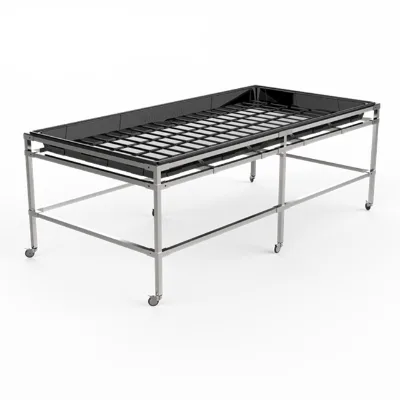
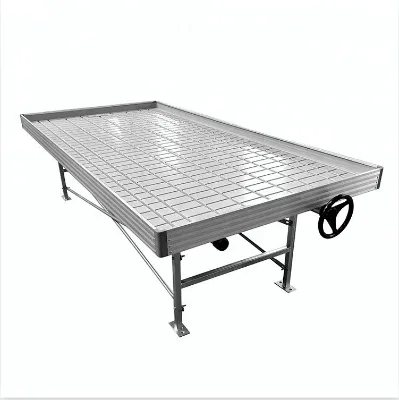
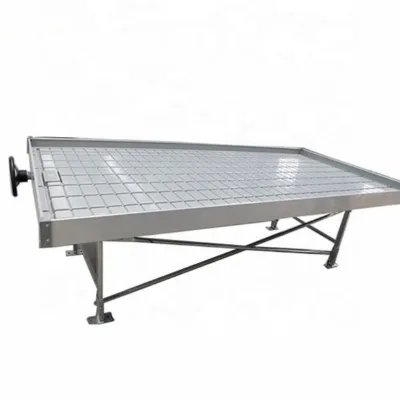
New Product 4X8 Flood & Drain Table Stand Hydroponic
$25.00 - $39.00
Anyang Bainer Agricultural Technology Co., Ltd.
- Verified by Intertek
- Trading Company
- Lead time7 days
- Avg. response≤ 2h
Main productsGreen House, Hydroponic Planting System, Seedbed, Irrigation system
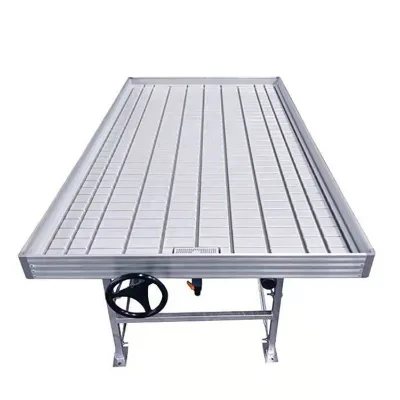
$29.8372 - $60.702
MOQ: 10 square
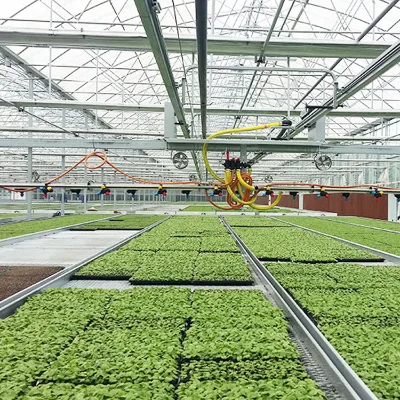
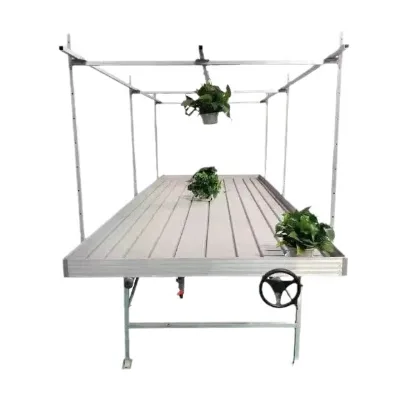
Custom Large Vertical Greenhouse Grow Rack System with Flood Tables and Tidal Rolling Tables
$29.8372 - $60.702
MOQ: 10 square
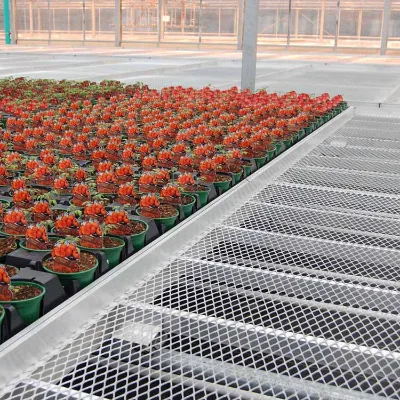
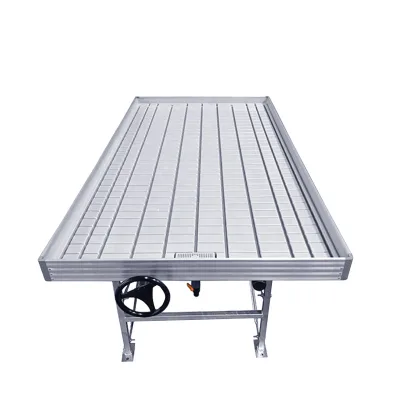
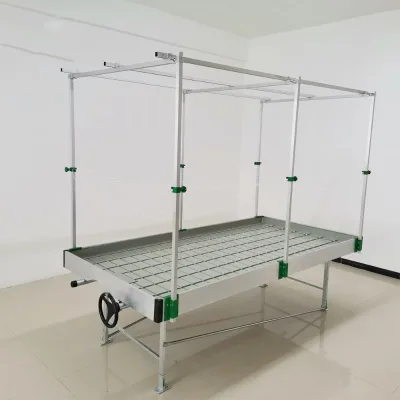
Chongqing Maxpower Machinery Co., Ltd.
- Manufacturer, Trading Company
- Lead time旺季: "1 - 5000":20,"> 5000":"To be negotiated", 淡季: "1 - 5000":20,"> 5000":"To be negotiated"
- Avg. response≤ 5h
Main productsGreenhouse,Film Rolling System,Shading&Ventilation System,Drive System,Cooling&Heating System
Wenzhou Hengxiong Electric Co., Ltd.
- Manufacturer, Trading Company
- Zhejiang, China
- Lead time20 days
- Avg. response≤ 5h
Main productsgrow Light fixture,Electronic ballast,Inline fan,Plastic tray,CO2 Generator
Main marketsNorth America(50.00%), Domestic Market(18.00%), Oceania(5.00%), Southern Europe(5.00%), Northern Europe(5.00%), Western Europe(5.00%), Eastern Europe(5.00%), South America(1.00%), Mid East(1.00%), South Asia(1.00%), Africa(1.00%), Central America(1.00%), Southeast Asia(1.00%), Eastern Asia(1.00%)
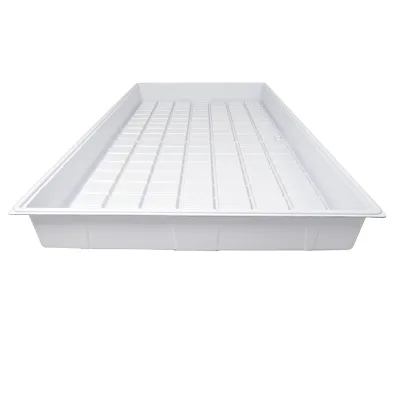
$45.30 - $46.70
MOQ: 100 pieces
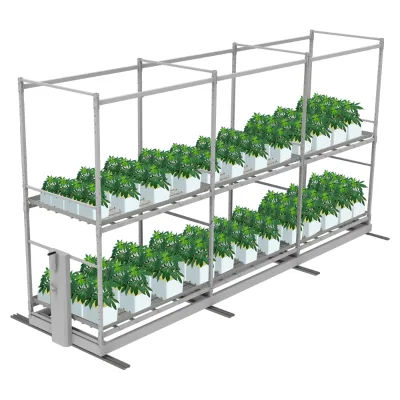
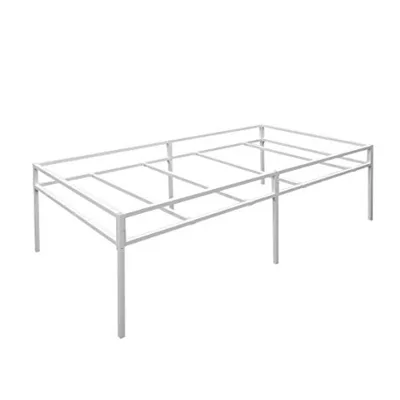
Hebei Zhaokuo Intelligent Greenhouse Facility Engineering Co., Ltd.
- Manufacturer, Trading Company
- Hebei, China
- Lead time7 days
- Avg. response≤ 3h
Main productsEbb and Flow Rolling Benches,Greenhouse Rolling Bench,Hydroponic Systems,Expanded mesh greenhouse bench,Wire greenhouse bench
Main marketsSouth Asia(20.00%), Central America(20.00%), Southeast Asia(20.00%), South America(20.00%), North America(20.00%)
Hebei Chenchao Wire Mesh Co., Ltd.
- Verified by SGS Group
- Manufacturer, Trading Company
- Lead time15 days
- Avg. response≤ 5h
Main productsGreenhouse Bench, Plant Tray, Hydroponic System, Mushroom Shelf, Plant Growing Trough
Main marketsDomestic Market(67%), North America(18%), Southeast Asia(5%)
Hangzhou Triumph Imp And Exp Co., Ltd.
- Verified by TüVRheinland
- Manufacturer, Trading Company
- Lead time30 days
- Avg. response≤ 2h
Main productsCarbon Filter, Duct Fan, Grow Light, Grow Rack, Grow Tent
Main marketsNorth America(33%), Southern Europe(25%), Western Europe(24%)
Huizhou Maspower Geosynthetics Co., Ltd.
- Manufacturer, Trading Company
- Guangdong, China
- Lead time10 days
- Avg. response≤ 2h
Main productsAir Pots,Rolling benches,Grow Rack,Landscape edging,Geomembrane
Main marketsDomestic Market(30.00%), North America(10.00%), South Asia(10.00%), Western Europe(10.00%), Africa(10.00%), Southeast Asia(10.00%), Eastern Europe(10.00%), South America(10.00%)
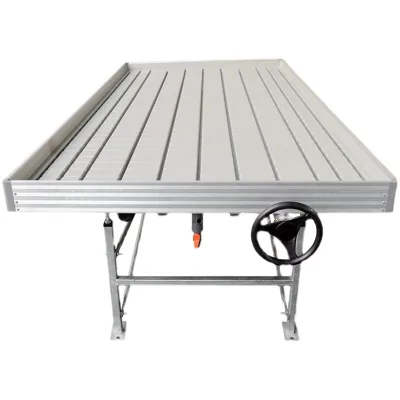
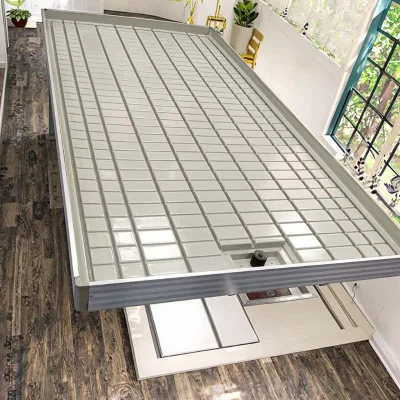
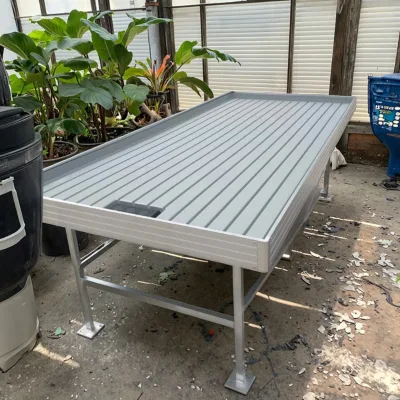
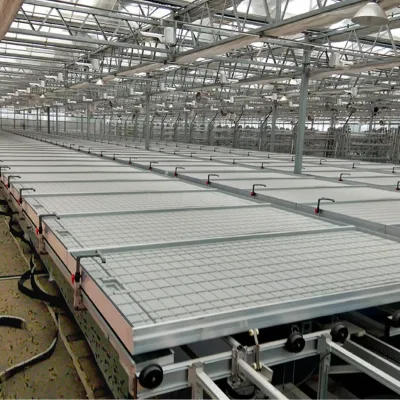
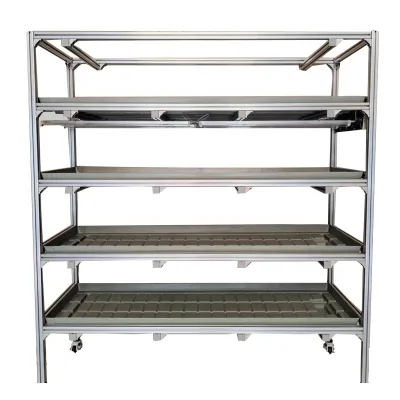
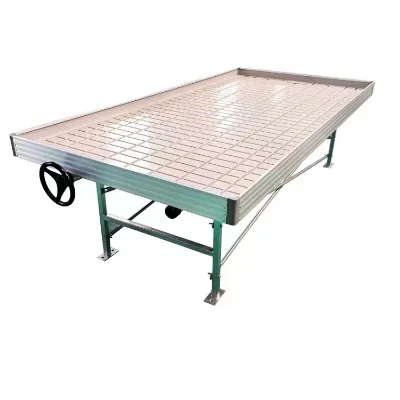
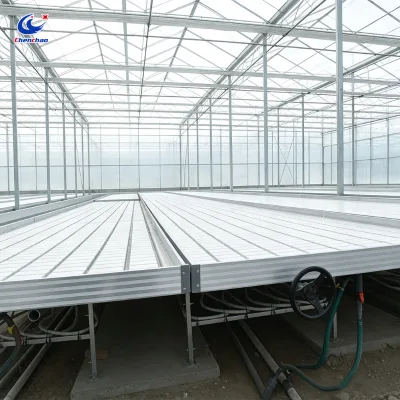
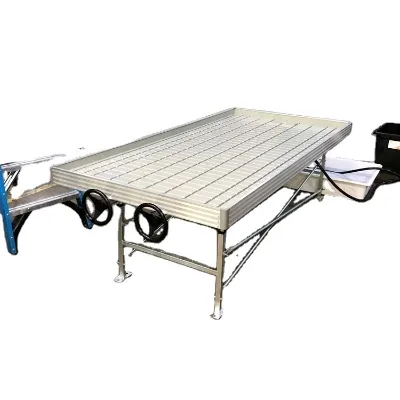
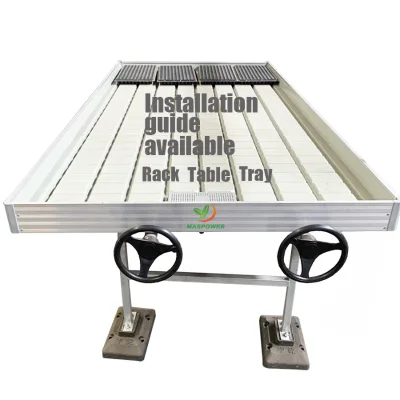
Comprehensive Sourcing Guide
Flood and Drain Hydroponics Table Supplier Concentration and Factory Types
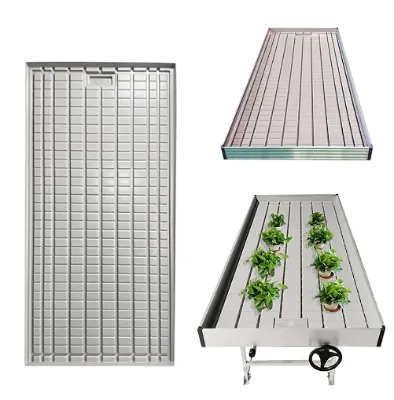
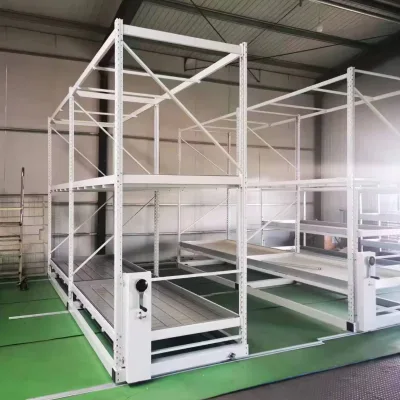
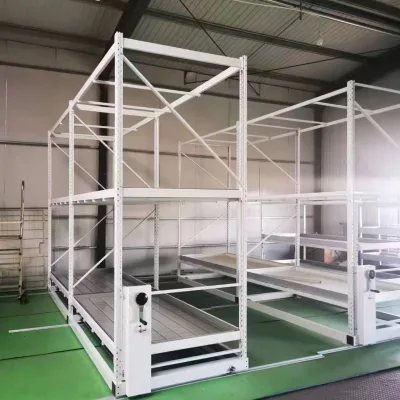
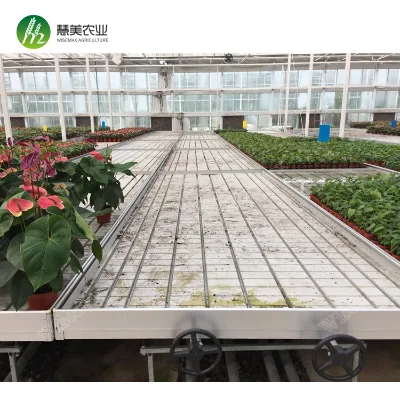
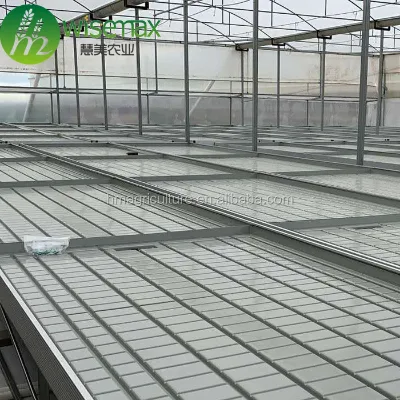
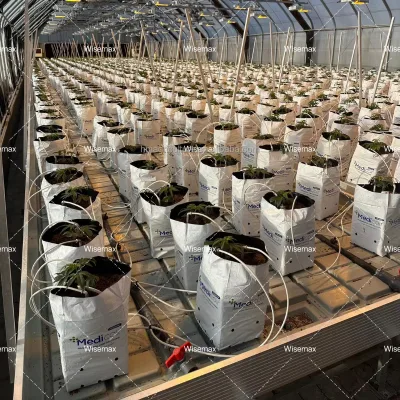
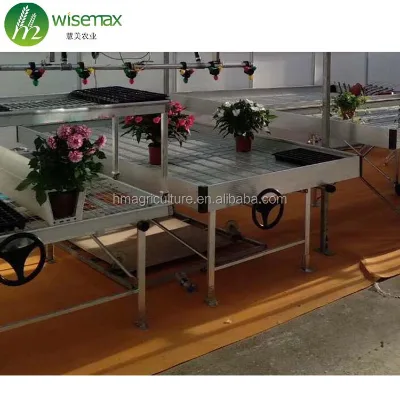
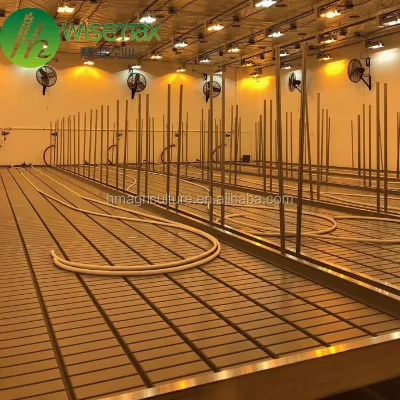
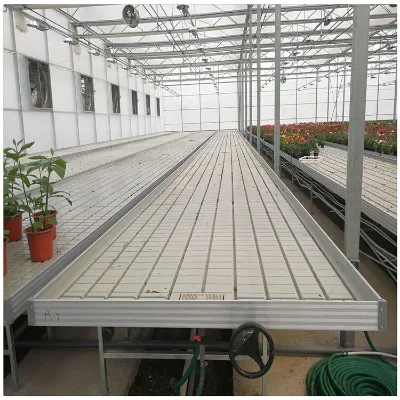
The current supplier landscape for flood and drain hydroponics tables reveals a distinct geographic concentration in China, specifically within the Guangdong and Henan provinces. These regions serve as primary manufacturing hubs for agricultural equipment, including the specialized rolling benches and ebb and flow systems required for modern vertical farming. Suppliers located in Guangdong often emphasize their capability to produce complex, multi-layered systems with customized dimensions, leveraging the region’s robust supply chain for plastics and metals. Meanwhile, manufacturers in Henan focus on large-scale production of standard rolling flood tables, highlighting their ability to supply high volumes for extensive greenhouse operations. This geographic clustering allows buyers to source from established industrial zones where the infrastructure supports both the fabrication of steel frames and the molding of ABS plastic trays. Understanding these regional strengths helps in identifying suppliers who are likely to have optimized production lines for specific table configurations, whether they are single-layer units or multi-tiered vertical systems.
Within these manufacturing clusters, the supplier types vary between pure manufacturers and trading companies, each offering different advantages for procurement. Some entities operate strictly as manufacturers, controlling the entire production process from raw material sourcing to final assembly, which can provide greater transparency into quality control and lead times. Others function as trading companies, aggregating products from multiple factories to offer a broader catalog of hydroponic systems, including NFT channels and vertical towers alongside the flood and drain tables. This distinction is critical for buyers assessing their supply chain needs, as trading companies may offer more flexible order quantities and diverse product combinations, while manufacturers might provide better pricing for large, standardized orders. The presence of both types in the search results indicates a mature market where buyers can choose based on their preference for direct factory engagement or the convenience of a consolidated supplier interface.
How to Verify Flood and Drain Hydroponics Table Suppliers
Verifying the credibility of suppliers requires a multi-layered approach that goes beyond basic company profiles, focusing on third-party validations and operational transparency. Buyers should prioritize suppliers who have undergone rigorous verification processes, such as those conducted by TÜV Rheinland, which provides an independent assessment of the company’s business capabilities and manufacturing facilities. This level of verification offers a higher degree of confidence compared to self-declared claims, ensuring that the supplier has the actual infrastructure to produce flood and drain tables at the stated capacity. Additionally, examining the supplier’s main products and company type helps in understanding their core competencies; a manufacturer specializing in vegetable greenhouses and rolling benches is likely more reliable for structural integrity than a general trading company with a broad but shallow inventory. Cross-referencing these details with the supplier’s response time and historical performance data can further indicate their reliability and professionalism in handling international inquiries.
Beyond verification badges, buyers must scrutinize the technical specifications and certifications associated with the products to ensure compliance with international standards. For instance, checking if the ABS plastic trays used in the tables hold RoHS certification is essential for ensuring environmental safety and material quality, particularly for operations targeting organic or regulated markets. The presence of specific product attributes, such as the use of hot-dipped galvanized steel pipes for table racks, indicates a commitment to durability and corrosion resistance, which are critical for the humid environment of hydroponic systems. Buyers should also verify the supplier’s ability to provide customization options, as many operations require specific dimensions for their greenhouse layouts. Requesting detailed product data sheets and asking for references from previous international clients can provide additional assurance of the supplier’s capability to deliver consistent quality. This due diligence process helps mitigate the risk of partnering with suppliers who may lack the necessary technical expertise or quality control measures.
What to Compare Across Flood and Drain Hydroponics Table Suppliers
When evaluating multiple suppliers, buyers should systematically compare key operational metrics such as lead times, minimum order quantities, and response speeds to determine the best fit for their project timeline. Lead times can vary significantly, with some suppliers offering production periods of 15 days for standard items, while others may require 20 to 30 days for customized multi-layer systems. Understanding these variations is crucial for planning installation schedules, especially for large-scale greenhouse projects where delays can impact overall profitability. Similarly, minimum order quantities (MOQs) range from small batches of five sets for specialized rolling benches to larger quantities for standard trays, allowing buyers to align their orders with their budget and storage capacity. Response times, measured in hours, also serve as an indicator of supplier efficiency; faster responses often correlate with better customer service and quicker resolution of technical queries, which is vital during the procurement phase.
In addition to operational metrics, buyers should compare the technical specifications and material quality of the flood and drain tables offered by different suppliers. Key factors include the thickness of the plastic trays, the type of steel used for the frame, and the availability of customization options for length and width. Some suppliers offer tables with a tray thickness of 3mm, while others may provide thicker options for enhanced durability. The width of the tables, ranging from 0.71m to 1.78m, should be matched to the specific needs of the crop and the greenhouse layout. Furthermore, comparing the packing methods, such as wooden trays versus bulk packaging, can impact shipping costs and product protection during transit. Buyers should also consider the supplier’s ability to provide additional components, such as trellis poles or automatic water circulation systems, which can simplify the sourcing process. By carefully analyzing these details, buyers can select a supplier that offers the best balance of quality, cost, and service for their hydroponic operation.
Common Flood and Drain Hydroponics Table Sourcing Risks
One of the primary risks in sourcing flood and drain hydroponics tables is the potential for quality inconsistencies in the materials used, particularly the plastic trays and steel frames. Buyers may encounter suppliers who use lower-grade ABS plastic that is prone to cracking or warping under the stress of frequent flooding and draining cycles. Similarly, the steel frames may not be adequately galvanized, leading to rust and structural failure in the humid greenhouse environment. These quality issues can result in costly replacements and downtime for the hydroponic system, impacting crop yield and overall profitability. To mitigate this risk, buyers should request samples or detailed material certifications before placing large orders, ensuring that the products meet the required durability standards. Additionally, conducting factory audits or hiring third-party inspection services can provide valuable insights into the supplier’s quality control processes and manufacturing capabilities.
Another significant risk is the mismatch between the supplier’s stated capabilities and their actual production capacity, which can lead to delays in delivery and project disruptions. Some suppliers may overpromise on lead times or customization options, only to fall short when the order is placed. This is particularly common with trading companies that may not have direct control over the manufacturing process. Buyers should verify the supplier’s production capacity by reviewing their supply ability data, such as the number of sets they can produce per month. Clear communication regarding customization requirements and delivery schedules is essential to avoid misunderstandings. Furthermore, buyers should be cautious of suppliers who do not provide transparent pricing or hidden costs, such as high shipping fees or customs duties. Establishing a clear contract with defined terms and penalties for non-performance can help protect the buyer’s interests and ensure a smoother procurement process.
Flood and Drain Hydroponics Table Regional Sourcing and Logistics
Sourcing flood and drain hydroponics tables from China involves navigating complex logistics and shipping considerations, particularly given the bulky nature of the products. Suppliers in Guangdong and Henan typically dispatch goods from major ports such as Shanghai or Qingdao, which offer extensive global shipping networks. The packing method, whether in wooden trays or bulk packages, significantly impacts the volume and weight of the shipment, affecting freight costs. For instance, packing 650-800 square meters into a 20ft container or 1555-1800 square meters into a 40ft container requires careful planning to maximize space utilization. Buyers should work closely with their suppliers to optimize packing configurations and select the most cost-effective shipping routes. Additionally, understanding the port of dispatch and the supplier’s experience with international logistics can help in anticipating potential delays or complications during transit.
Logistics planning also involves considering the installation requirements and on-site handling of the flood and drain tables. The tables are often delivered in disassembled form to save space, requiring assembly upon arrival. Buyers should ensure that their local team has the necessary skills and tools to assemble the steel frames and install the plastic trays. Providing clear assembly instructions and technical support from the supplier can facilitate a smooth installation process. Furthermore, buyers should account for the weight and dimensions of the tables when planning warehouse storage and transportation within the greenhouse facility. Coordinating with local logistics providers to handle the final delivery and installation can help in managing risks associated with damage or loss during transit. By carefully planning the logistics and installation phases, buyers can ensure that their hydroponic system is set up efficiently and operates smoothly from day one.
Flood and Drain Hydroponics Table Commercial Terms and Order Planning
Commercial terms for flood and drain hydroponics tables vary based on the supplier’s pricing structure and the buyer’s order volume. Prices for these systems can range from approximately $99 to $285 per unit, depending on the complexity, materials, and customization options. Buyers should request detailed quotations that break down the costs of the table frames, plastic trays, and any additional components, such as water circulation systems or trellis poles. Understanding the pricing structure helps in budgeting accurately and comparing offers from different suppliers. Additionally, buyers should negotiate payment terms that align with their cash flow, such as using escrow services to secure the transaction until the goods are received and inspected. Clear communication regarding payment methods, currency, and taxes is essential to avoid financial disputes and ensure a smooth transaction.
Order planning involves aligning the procurement schedule with the project timeline, considering factors such as production lead times, shipping duration, and installation requirements. Buyers should place orders well in advance to account for potential delays in production or shipping, especially for customized items that may have longer lead times. Establishing a clear communication channel with the supplier for regular updates on production progress can help in managing expectations and addressing any issues promptly. Furthermore, buyers should plan for the installation phase by ensuring that the greenhouse infrastructure is ready to receive the tables. Coordinating with the supplier for technical support during installation can help in resolving any on-site challenges and ensuring the system is set up correctly. By carefully planning the commercial and logistical aspects of the order, buyers can minimize risks and ensure a successful procurement experience.
FAQs
What is the typical MOQ for flood and drain hydroponics tables?
MOQs vary by design, with listings ranging from 5 sets for multi-layer ebb and flow tables to 50 units for standard trays. Smaller MOQs often apply to configurable rolling benches, while fixed-size trays ship in bulk. Confirm the MOQ for your chosen size and any customization before ordering, since custom lengths may carry different minimums.
How long does production and delivery usually take?
Lead times on current listings range from about 10 to 15 days, while customized multi-layer tables may need 20 to 30 days of production time. Shipping time from Guangdong or Henan ports adds to this. Ask the supplier to confirm production time for your exact size, quantity, and customization requirements before placing the order.
What materials are used for the trays and table frames?
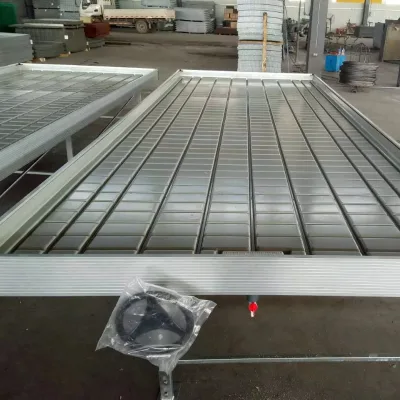
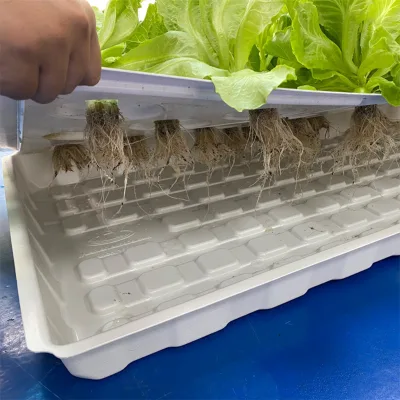
Tray tops are commonly ABS or PVC plastic, typically around 3mm thick, while table racks use hot-dipped galvanized steel pipes or aluminum frames. ABS trays are easy to clean, and galvanized steel resists corrosion in humid grow rooms. Verify tray thickness, material grade, and frame finish to match your watering frequency and load requirements.
What sizes are available for flood and drain tables?
Standard widths include 0.71m, 0.914m, 1.22m, 1.53m, 1.7m, and 1.78m, with standard tray sizes like 1.22 by 2.44 meters. Lengths can usually be customized to fit your grow room. Rolling benches often support widths of 1.22m or 1.53m and lengths of 1.69m or 2.44m. Request drawings to confirm dimensions against your layout.
Where are these flood and drain tables manufactured?
Listings on this page come from suppliers in Guangdong and Henan, China. Guangdong suppliers focus on hydroponics systems and NFT channels, while Henan suppliers list vegetable and hemp greenhouses, grow racks, and rolling benches. Port of dispatch for some Henan products is Shanghai or Qingdao. Confirm the origin and shipping port for your specific order.
Can flood and drain tables be customized for my grow room?
Yes, customization is widely offered, including custom lengths, multi-layer configurations, and support for standard or bespoke sizes. Some suppliers list customization as explicitly available on their greenhouse and bench products. Provide your room dimensions, plant type, and desired layer count, then request a specification sheet and quotation reflecting the customized configuration before committing.
How fast do suppliers typically respond to inquiries?
Response times on current supplier profiles range from under two hours to around six hours. Faster responders tend to be trading companies handling hydroponics equipment daily. Send a detailed inquiry covering size, quantity, and customization to get an accurate quote quickly, and test responsiveness during early discussions before committing to a larger order.
What certifications or quality checks should I look for?
At least one listed tray carries an RoHS certificate, and one supplier holds TUVRHEINLAND verification. RoHS indicates restricted-substance compliance for plastic components. Beyond listed credentials, ask for material test reports for tray thickness and load capacity, confirm inspection options before shipment, and verify any certificate directly with the issuing body rather than relying on screenshots.