floor-length embroidered kaftan Suppliers and Manufacturers
Source 16 floor-length embroidered kaftan suppliers from Zhejiang and Guangdong. Compare response times, lead times, MOQs, and certifications to find the right partner. Request samples today to verify quality and fit for your specific needs; review the available evidence before requesting comparable quotations from suitable candidates.
Updated
Suppliers List
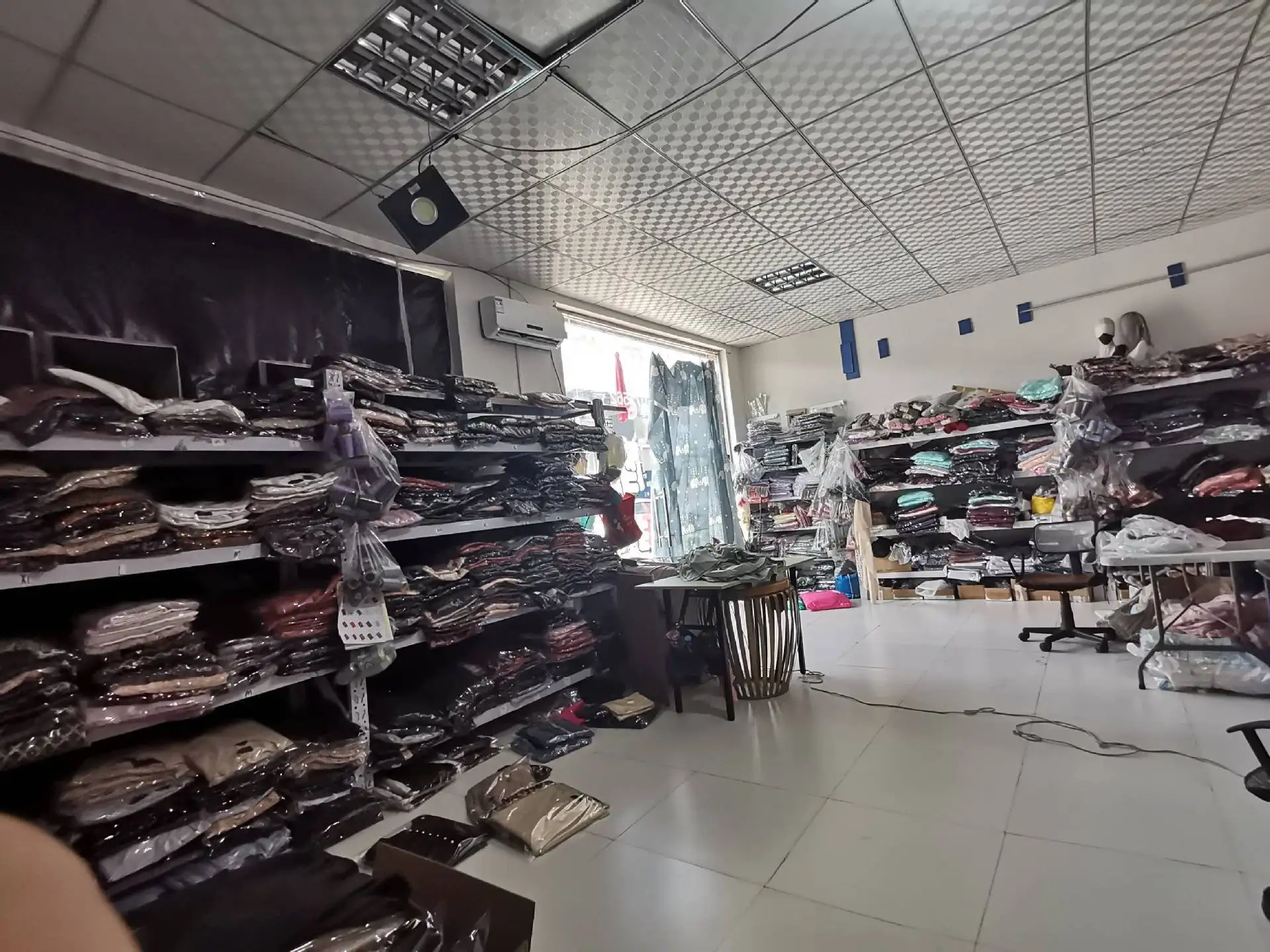
- Trading Company
- Zhejiang, China
- Lead time7 days
- Avg. response≤ 1h
Main productsFeishun Abaya,Feishun jalabiya,Hijab,Khimar,Kaftan
Main marketsNorth America(50.00%), Western Europe(29.00%), Northern Europe(5.00%), Africa(5.00%), Mid East(2.00%), Domestic Market(1.00%), South Asia(1.00%), Southern Europe(1.00%), Central America(1.00%), Southeast Asia(1.00%), South America(1.00%), Eastern Asia(1.00%), Eastern Europe(1.00%), Oceania(1.00%)

Guangzhou Qiaoxia Fashion Firm
- Trading Company
- Guangdong, China
- Lead time8 days
- Avg. response≤ 17h
Main productsCotton Dresses,Abaya,Lady Dresses,Tops,Woman Skirt
Main marketsAfrica(90.00%), North America(10.00%)
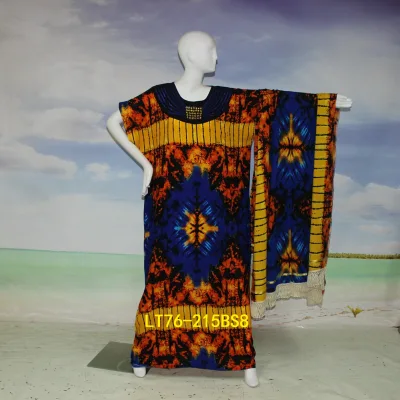
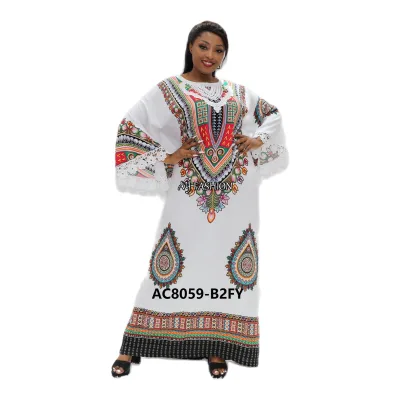
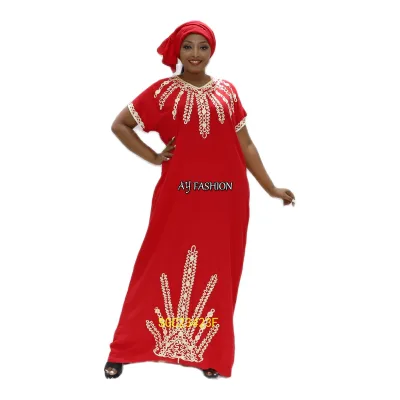
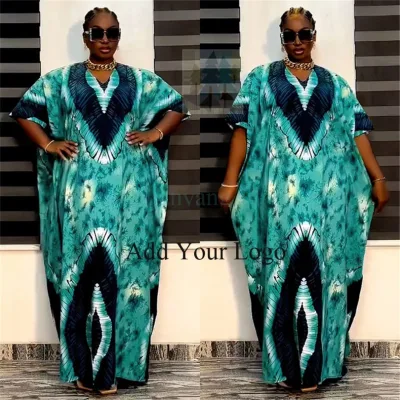
African Dresses Kaftan Dress Plus Size Rayon Studied Kaftan Women Caftan
$7.6775 - $10.7906
MOQ: 300 Minimum
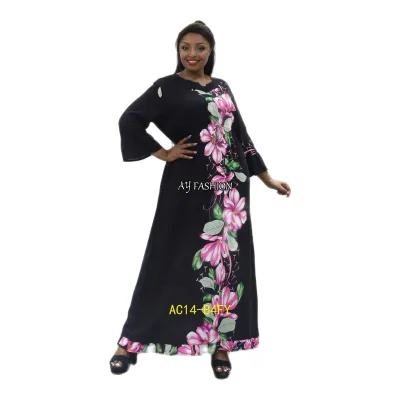
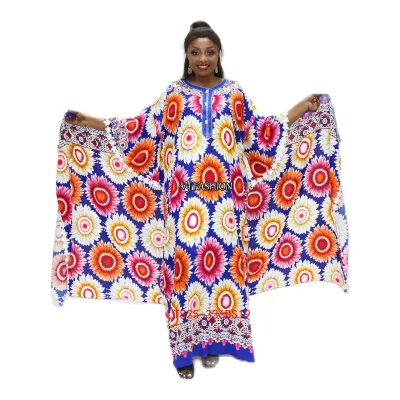
Muslimah Dress Kaftan Dress Breathable Casual Dresses Caftan Marocain Mariag Kaftan
$6.9519 - $10.0636
MOQ: 300 Minimum

Guangzhou Vegas Technological Innovation Co., Ltd.
- Manufacturer, Trading Company, Distributor/Wholesaler
- Guangdong, China
- Lead time25 days
- Avg. response≤ 2h
Main productsDresses,Pants,wedding dress,Jackets,suits
Main marketsNorth America(34.00%), South America(26.00%), Western Europe(20.00%), Africa(20.00%)
Dongguan Yilixin Garment Co., Ltd.
- Verified by Intertek
- Manufacturer, Trading Company
- Lead time15 days
- Avg. response≤ 4h
Main productsMuslim Dress, Islamic Clothing, Women Clothing, Robe, Scarf
Main marketsSoutheast Asia(35%), Mid East(25%), North America(15%)

AY COLLECTION FASHION CO., LTD.
- Verified by CTI
- Manufacturer/Factory
- China Guangdong
- Lead time15 days
- Avg. response≤ 14h
Main productsAfrica Kaftan, Women Dress, Lady Dress, Muslim Abaya, Kaftan, Boubou, Embroidery Kaftan, Abaya, Dera, Women Clothing
Main marketsSouth America,Eastern Europe,Mid East,North America,Western Europe,Africa

Ethnic Clothing Abaya Kaftan Love Sahara A-Line Dress Chemise-Pour-Homme-Africain Caftan
$5.37 - $7.19
MOQ: 300 Pieces


Muslim Women Dress Habits Islamiques Kaftan Ay Fashion Kt1436-561fy Congo Fashion Kaftan
$4.89 - $6.72
MOQ: 300 Pieces

Muslim Women Dress Muslim Products Ay Fashion AC8895-A58fy Togo Kaftan Kaftan
$5.35 - $6.12
MOQ: 300 Pieces


Shantou Feifan Curtain Accessories Co., Ltd.
- Verified by SGS
- Combined
- China Guangdong
- Lead time30 days
- Avg. response≤ 2h
Main productsCurtain Tassels, Curtain Tieback, Trimming Fringes, Solar Energy, Curtain Eyelet, Roller Blind, Honeycomb Shutter, Zebra Blinds, Venitian Blinds, Muslim Dresses
Main marketsDomestic

Elegant Embroidery Flower Abaya Women Muslim Prom Dresses Turkish Robe Muslim Girls Muslim Kaftan
$12.99 - $17.99
MOQ: 1 Pieces

Rayon Woven Muslim Women Kaftan Abaya Dresses Short Sleeves Beaded Moroccan Wedding Dress
$12.99 - $16.99
MOQ: 1 Pieces



Dongguan Manxun Clothing Co., Ltd.
- Manufacturer
- Guangdong, China
- Lead time20 days
- Avg. response≤ 6h
Main productsMuslim women abaya,Muslim cardigan&kimono,Muslim men clothing,Muslim tops,Baju kurung
Main marketsSoutheast Asia(37.00%), North America(21.00%), Mid East(15.00%), Africa(12.00%), South America(8.00%), South Asia(5.00%), Western Europe(2.00%)

Hangzhou Weimei Garments Co., Ltd.
- Verified by BV
- Manufacturer/Factory
- China Zhejiang
- Lead time15 days
- Avg. response≤ 9h
Main productsAbaya, Mens' Thobes, Muslim Kidswear, Muslim Swimwear/Burkini, Hijabs/Muslim Scarfs, Prayer Mats, Muslim Wedding Dress
Main marketsSouth America,Eastern Europe,Mid East,North America,Southeast Asia,Eastern Asia,Oceania,Western Europe,Africa

Islamic Clothing Casual Muslim Abaya Women Sportswear Hoodie Dress Ramanda Kaftan
$16.00 - $18.00
MOQ: 1 Pieces


$10.00 - $13.00
MOQ: 10 Pieces

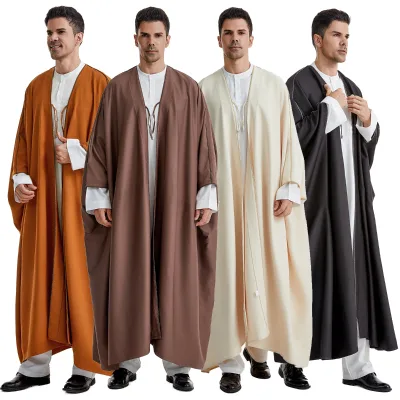
Islamic Mens Clothing Kaftan Maxi-Muslim Male Shirt Long Sleeve Abaya Dubai Thobe
$4.00 - $6.00
MOQ: 1 Pieces


Dongguan Tinglu Apparel Co., Ltd.
- Verified by SGS
- Combined
- China Guangdong
- Lead time15 days
- Avg. response≤ 1h
Main productsClothes, Clothing
Main marketsDomestic


Navy Blue Chiffon Beaded Embroidery Abaya, Lantern Long Sleeve Muslim Evening Gown for Party
$19.58 - $21.58
MOQ: 50 Pieces

Plus Size Embroidered Abaya for Women, Long Loose Islamic Garment for Middle East
$20.46 - $22.46
MOQ: 50 Pieces

$27.30 - $29.30
MOQ: 50 Pieces


Taizhou Glory Import & Export Co., Ltd.
- Trading Company
- Jiangsu, China
- Lead time10 days
- Avg. response≤ 10h
Main productslingeries,pajamas,corsets,beach wear,islamic clothes
Main marketsNorth America(30.00%), South America(15.00%), Southeast Asia(10.00%), Northern Europe(5.00%), Central America(5.00%), Western Europe(5.00%), Eastern Asia(5.00%), Southern Europe(5.00%), Oceania(5.00%), Africa(5.00%), Eastern Europe(5.00%), South Asia(3.00%), Mid East(2.00%)
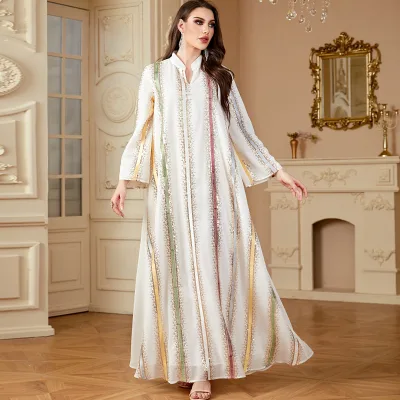
Elegant Ethnic Design Long Abaya Embroidery Ramadan Kaften Chiffon Muslim Dress
$17.50 - $18.38
MOQ: 2 pieces
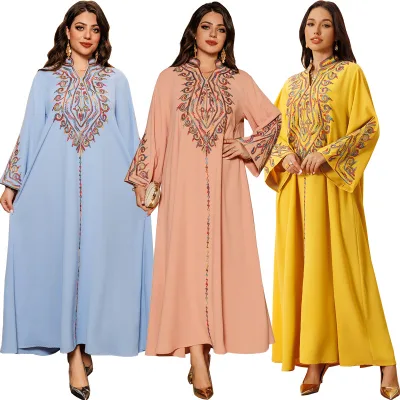
Turkish Embroidered Muslim Kaftan Women Muslim Dress Ethnic Islamic Robe
$15.9025 - $17.2234
MOQ: 2 pieces
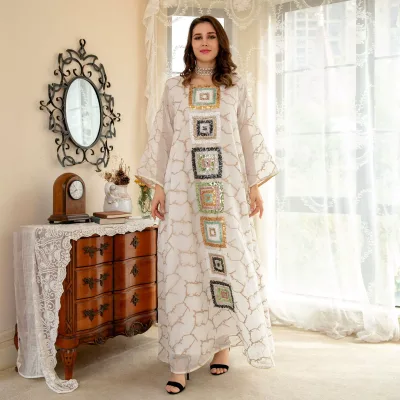
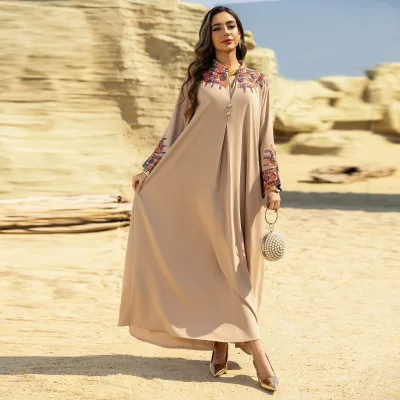
Middle East Luxury Arabic Ladies Kaften Elegant Muslim Long Dress
$14.2958 - $16.1688

Jiuya Huitong (Qingdao) International Trade Co., Ltd.
- Verified by SGS
- Trading Company,Manufacturer/Factory
- China Shandong
- Lead time90 days
- Avg. response≤ 5h
Main productsClothes, Abaya, Camping Tent, Camping Furniture, Solar Light
Main marketsSouth America,Eastern Europe,Mid East,North America,Southeast Asia,Eastern Asia,Oceania,Western Europe,Africa


Middle East Abaya Dubai Kaftan Black Abaya with Beaded Jalabiya Plus Size
$12.00 - $20.00
MOQ: 500 Pieces


Casual Dresses Islamic Clothing Abaya Women Muslim Dress Satin Fabric Kaftan Abaya
$15.00 - $20.00
MOQ: 500 Pieces

Guangzhou Chiyi Industrial Co., Ltd.
- Manufacturer, Trading Company
- Lead time旺季: "1 - 5000":35,"> 5000":"To be negotiated", 淡季: "1 - 5000":35,"> 5000":"To be negotiated"
- Avg. response≤ 4h
Main productsSwimwear, Board Shorts, Beach Dress, Fitness and Yoga Wear, Rash Guard
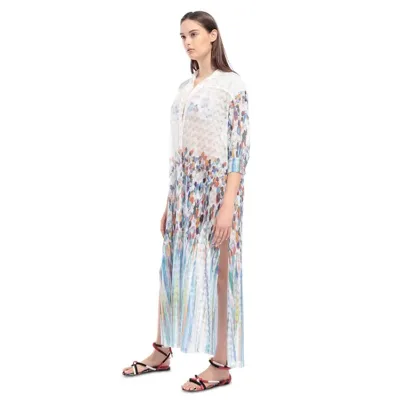
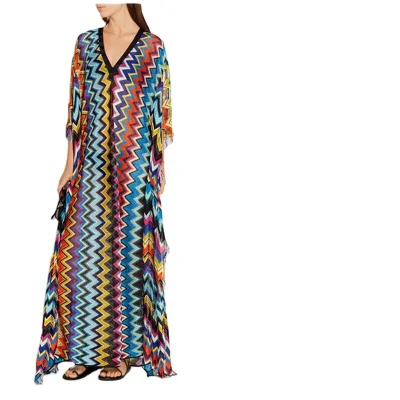
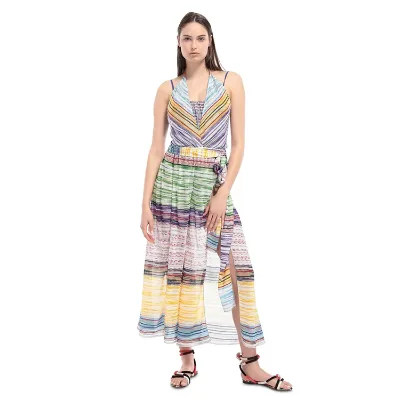
Custom Make Beach Wear Cover up Summer Dresses Beach Kaftan Cover up With China Style
$10.00 - $16.00
MOQ: 50

Dongguan Luowanteleidiya Garment Co., Ltd.
- Manufacturer, Trading Company
- Guangdong, China
- Lead time7 days
- Avg. response≤ 3h
Main productsMuslim Swimsuit,Muslim Sportswear,Bathing Suit,Burkini,Plus Size Swimwear
Main marketsMid East(25.00%), North America(18.00%), Southeast Asia(12.00%), Southern Europe(10.00%), Western Europe(9.00%), Eastern Europe(8.00%), South Asia(7.00%), Northern Europe(6.00%), Oceania(5.00%)
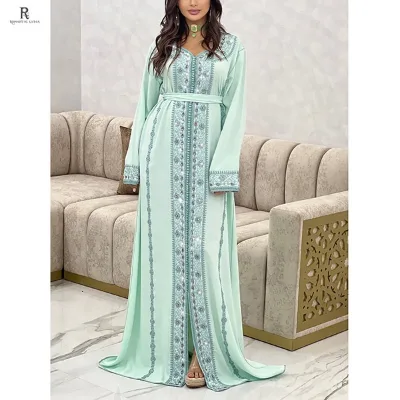
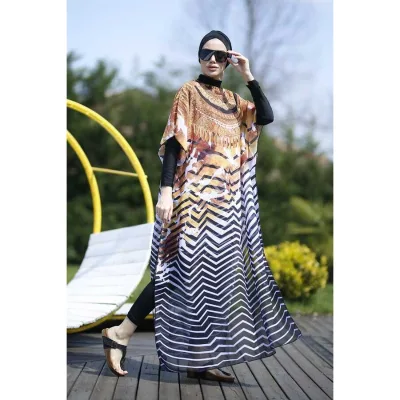
Kaftan Manufacturer OEM Islamic Muslim Beach Cover up Printed Chiffon Kaftan Beachwear for Women
$15.90 - $19.90
MOQ: 50 sets

Yuanyang Jiayun Department Store Co., Ltd.
- Trading Company
- Henan, China
- Lead time0 days
- Avg. response≤ 3h
Main productsWomen clothes,Bag,Shoes,Human hair,Eyelashes
Main marketsNorth America(70.00%), Africa(10.00%), Southeast Asia(5.00%)

Yiwu Yourun Arts And Crafts Co., Ltd.
- Manufacturer, Trading Company
- Zhejiang, China
- Lead time30 days
- Avg. response≤ 3h
Main productsScarves,Abaya&Hijab,Bags&Wallets,Caps&Hats,Fashion accessories
Main marketsNorth America(50.00%), Western Europe(20.00%), Domestic Market(10.00%), South America(10.00%), Eastern Europe(10.00%)

Xiamen Crownway Apparel Co., Ltd.
- Verified by TUVRHEINLAND
- Trading Company
- China Fujian
- Lead time30 days
- Avg. response≤ 5h
Main productsOutdoor/Ski/Waterproof/Down Jackets, Hiking/ Camping/Waterproof/Ski Pants, Yoga/Gym/Fitness Wear, Active Pants&Shorts, Hoody&Sweatshirt, Beachwear, Underwear, Cycling Wear/Running Wear, Equestrian Clothing/Breeches, Safety/Security Workwear
Main marketsSoutheast Asia/ Mideast,Europe,North America

Men's Muslim Clothes Durable Kaftan Robe Dubai Long Gown Ethnic Clothes Soft Robe
$11.80 - $15.80
MOQ: 2 Pieces

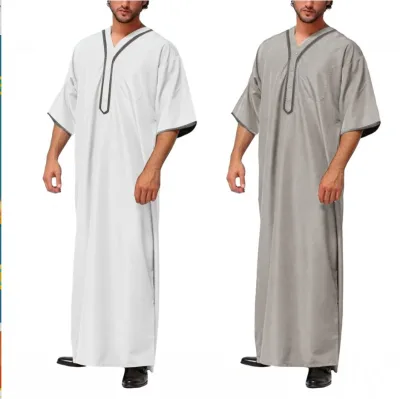
Men′ S V-Neck Short Sleeve Robe Side Split Kaftan Cotton Long Gown Thobe S-3XL
$10.00 - $15.00
MOQ: 300 Pieces

Men's V-Neck Linen Robe Short Sleeve Kaftan Thobe Long Gown Casual Shirt Thobe
$5.90 - $9.50
MOQ: 2 Pieces
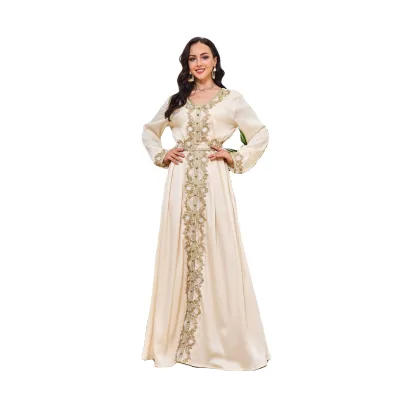
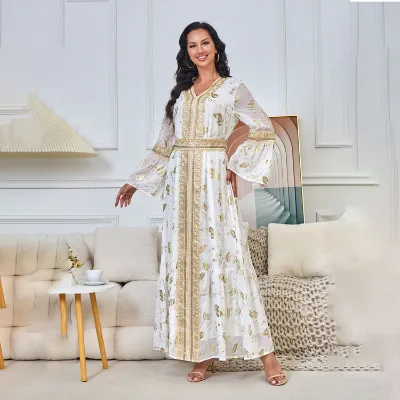
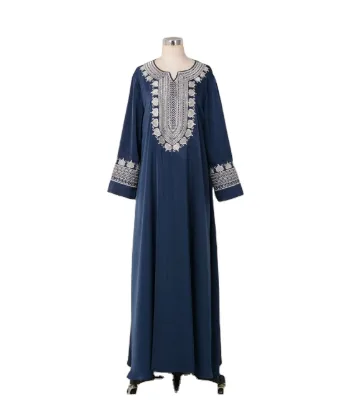
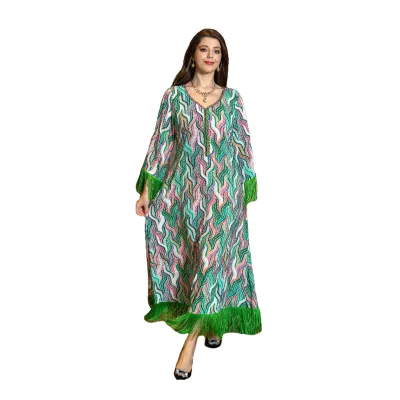
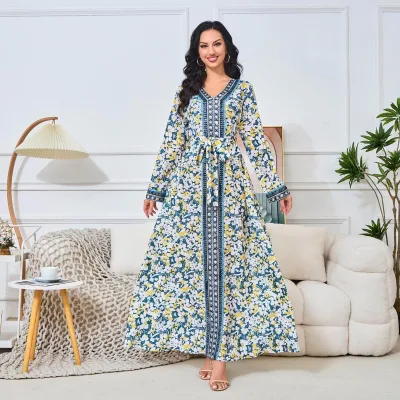
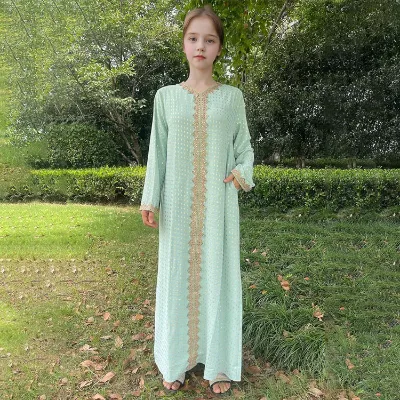
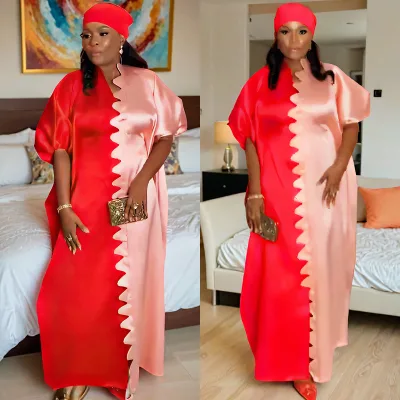
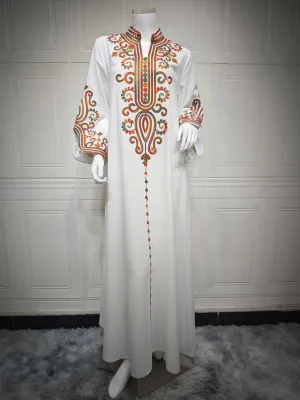

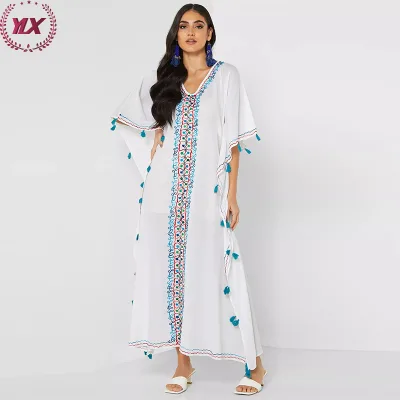
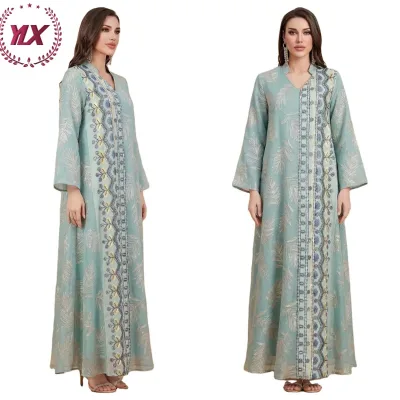
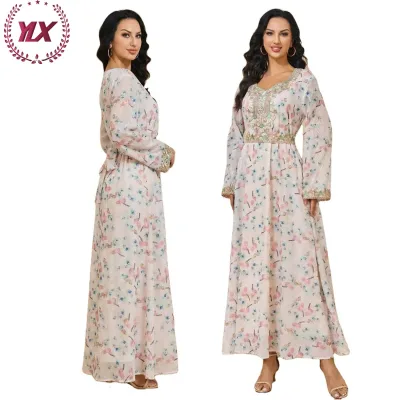
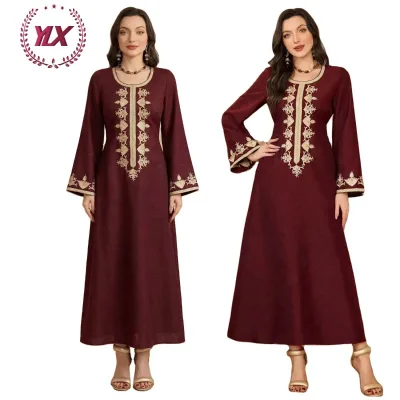
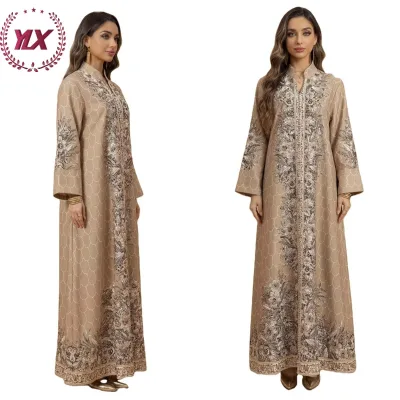
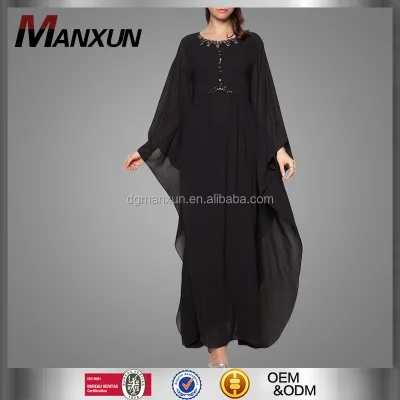
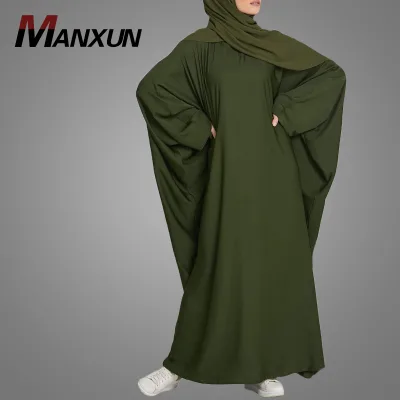
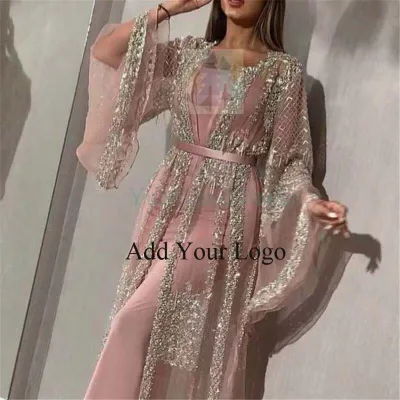
Comprehensive Sourcing Guide
Floor-Length Embroidered Kaftan Supplier Concentration and Factory Types
Suppliers of the floor-length embroidered kaftan on current results are concentrated in China, with supplier records showing Zhejiang and product records showing Guangdong as places of origin. This matters because the two roles differ: a Zhejiang-based trading company typically aggregates styles, negotiates freight and consolidates orders, while Guangdong-origin listings suggest the garments themselves are cut and finished in southern China's apparel belt. Buyers should not assume the listed company location equals the production location, so the first screening step is to ask each supplier where the embroidery, dyeing and finishing actually happen and whether that facility is their own or a partner workshop.
Beyond location, the supplier type label is a key filter. On this page at least one supplier is explicitly labeled a trading company, and its main products — abaya, jalabiya, hijab, khimar and kaftan — indicate a specialist in modest Islamic apparel rather than a generalist. Specialist suppliers usually carry a deeper range of occasions such as prayer wear, wedding, Eid and Ramadan styles, while generalist apparel factories may treat kaftans as a sideline. To identify clusters beyond what is displayed, request factory photos with timestamps, business licenses showing the registered address, and a breakdown of in-house versus outsourced processes. Ask whether embroidery is machine-multi-head or handmade, since the product records on this page describe handmade technic, and that distinction drives both price and capacity planning.
How to Verify Floor-Length Embroidered Kaftan Suppliers
Verification starts with documents, not conversations. Ask for a business license and cross-check the registered entity name, establishment year and address against the profile. Where a supplier displays an establishment year, confirm it and ask whether the kaftan line existed from the start or was added recently — a long-established general garment maker may still have limited kaftan-specific experience. For the floor-length embroidered kaftan specifically, request sample photographs of prior production batches, not just catalog renders, because embroidery density, thread tension and hem finishing are hard to judge from staged imagery.
Second, verify product claims against a physical sample. One listing on this page advertises CE/ROHS/REACH certifications on an apparel item; treat any certification claim as something to confirm in writing, since these marks are not automatically relevant to garments and you should ask exactly which certificate applies to the kaftan itself. Order a paid pre-production sample in your target fabric — polyester appears in several records, one kaftan lists polyester cotton — and inspect stitch count, colorfastness and the V-neck or round-neck construction shown in the records. Third, test transactional reliability: check response time claims by messaging during both Chinese and your own business hours, ask whether Trade Assurance or escrow-style protection is offered, and confirm the supplier will accept third-party inspection before shipment. A supplier that resists inspection or refuses written confirmation of MOQ and lead time is telling you something regardless of how polished the listing looks.
What to Compare Across Floor-Length Embroidered Kaftan Suppliers
Build a comparison matrix using the attributes suppliers actually display, and record gaps as gaps rather than assumptions. On this page, comparable dimensions include lead time (one supplier lists 7 days), response time (one lists a 1-hour figure), MOQ (listings here range from 1 piece to 1 piece per style), supplier type (trading company versus factory), location (Zhejiang versus Guangdong origin), and main product lines. Note that one published 7-day lead time and one-hour response do not transfer across the board; capture each supplier's own figures and refresh them, because search listings change frequently.
Then compare product-level data, which reveals capability better than company-level labels. Across the kaftan records here you can compare: price bands (roughly mid-teens to mid-twenties US dollars per piece on current listings), size ranges (S through 2XL or 5XL variants), fabric (polyester versus polyester cotton), dress length (floor length, maxi, ankle length), neckline and sleeve construction, embroidery versus digital print or heat-transfer decoration, available quantity in stock, packaging format (1 piece per opp bag), and whether OEM/ODM or logo customization is accepted. Also compare shipping options — several listings advertise express couriers, sea and air freight, and one mentions worldwide DDP — and payment channels such as Trade Assurance, PayPal, Western Union and TT. Weight each factor by your order profile: a boutique testing designs cares about 1-piece MOQ and in-stock supply, while a reseller cares about DDP shipping and consistent color across sizes.
Common Floor-Length Embroidered Kaftan Sourcing Risks
The first risk cluster is specification drift. Embroidery is the defining feature of this category, yet some listings in the results mix decoration methods — embroidery, handmade technic, heat-transfer printing, digital print — within one supplier's range. If you do not pin down the technic per SKU in a signed specification sheet, a supplier may substitute a cheaper print for embroidery on a re-order. Related risks include color variation between the apricot, dark blue, green and white colorways shown in the records, and hem or flare shape differences that only appear at floor length. Always photograph and measure the approved sample and reference it by model number, such as the MT-prefixed codes visible in the listings.
The second cluster is stock-versus-production confusion. Several listings are marked as in-stock items with large available quantities, which supports small trial orders, but in-stock models change quickly and sizes sell out asymmetrically — you may get 100 units of S and 10 of 2XL. Confirm that replenishment of an in-stock style is possible before building a business on it. Third, compliance risk: certification claims on apparel should be verified per garment, and if you sell into markets with textile labeling laws, ask whether the supplier can produce compliant care labels and origin labels. Finally, watch payment and dispute exposure — check whether the transaction is covered by an escrow-style mechanism, and be cautious with direct wire transfers to accounts that do not match the licensed entity name.
Floor-Length Embroidered Kaftan Regional Sourcing and Logistics
Because the verified locations here are Chinese — Zhejiang for the trading company profile and Guangdong for the product origins — logistics planning centers on southern and eastern China's export infrastructure. Guangdong-origin goods benefit from proximity to major container ports and air hubs, which supports the shipping modes listed on this page: FedEx, DHL, EMS, UPS, SF, sea freight, air freight and, on one listing, worldwide DDP. Zhejiang-based traders often consolidate goods from multiple Guangdong or local workshops before export, so ask which warehouse your goods ship from and who books the freight, because that determines who is liable in transit.
For small trial orders — and this category supports them, with single-piece MOQs and package sizes around 30 by 30 by 3 centimeters per unit and gross weights from roughly half a kilo to one kilo — express courier is usually the fastest route and aligns with the 7-day sample lead time one supplier supports. For repeat volume, compare sea freight against air freight using your landed cost per unit, and evaluate DDP if you lack import experience, since the supplier then handles duties to your door. Plan around the seasonal demand curve visible in the product records — Ramadan, Eid, weddings and winter festive occasions concentrate orders — and place production bookings early, because embroidery capacity tightens before these peaks regardless of which region you source from. Confirm needle detection is performed; one listing claims it, and it matters for modest-wear buyers.
Floor-Length Embroidered Kaftan Commercial Terms and Order Planning
Commercial terms for this category are unusually buyer-friendly at the trial stage. The listings here show 1-piece MOQs, in-stock supply, and price bands from roughly the mid-teens to mid-twenties US dollars, with sample orders supported on a 7-day lead time by one supplier. Use this to structure a staged plan: a first order of one to five units across colors and sizes to test quality, a second order of a few dozen to test size-curve consistency, and only then a negotiated volume order where you push on price, exclusivity and custom embroidery. Accepted payment channels in the records include Trade Assurance, PayPal, Western Union and TT; prefer escrow-style protection for early transactions and reserve TT for suppliers you have inspected.
When negotiating volume terms, convert the displayed attributes into contract clauses. A 7-day lead time on samples does not guarantee production lead time — ask for a written per-SKU production schedule with a penalty or remedy for delay. Confirm in writing whether OEM/ODM and logo application remain available at your volume, since customization acceptance is often volume-dependent. Specify packaging (1 piece per opp bag is the listed norm), carton markings, and inspection before balance payment. Finally, ask about return or after-sales policies — one listing advertises no-reason returns, but that rarely applies to bulk orders — and define defect-rate thresholds, replacement procedures, and who bears freight for rejected goods before you confirm any repeat order.
Word count check: Section 1: ~230 | Section 2: ~230 | Section 3: ~230 | Section 4: ~230 | Section 5: ~230 | Section 6: ~230 — total ≈ 1390 words, within the 1350–1450 range.
FAQs
What is the minimum order quantity for embroidered kaftans?
The minimum order quantity is one piece, allowing buyers to test quality before committing to larger volumes. This low threshold supports small businesses and individual resellers who need flexibility. Suppliers offer in-stock items ready for immediate dispatch, ensuring quick fulfillment without long waiting periods for production batches.
How long does it take to receive an order?
The standard lead time is seven days for production and preparation. Buyers can also request sample orders with a seven-day turnaround to verify quality. Shipping methods include DHL, FedEx, and UPS, which vary in transit time. Fast response times ensure quick communication regarding order status and shipping updates.
What materials are used in these floor-length kaftans?
Most kaftans are made from polyester fabric, offering durability and ease of care. Some variations use polyester cotton blends for added comfort. The materials are selected for breathability and suitability across all seasons. Features include anti-pilling and anti-shrink properties, ensuring the garments maintain their shape and appearance after repeated washing and wear.
Are these kaftans suitable for prayer and daily wear?
Yes, the designs are explicitly intended for prayer, daily wear, and various occasions. They feature modest cuts with long sleeves and floor-length hems. The styles are elegant and breathable, making them ideal for religious events like Ramadan and Eid. They are also suitable for parties, weddings, and beach outings due to their versatile aesthetic.
What payment methods are accepted for these orders?
Suppliers accept multiple secure payment methods including Trade Assurance, PayPal, Western Union, and Telegraphic Transfer. Trade Assurance provides buyer protection for the transaction. These options ensure flexibility for international buyers. The platform supports various currencies and payment flows, making it easy to complete purchases regardless of the buyer's location or banking preferences.
Can I get custom logos or OEM services?
Yes, suppliers accept OEM and ODM services for custom branding. Buyers can request specific logos or designs to be added to the garments. This service allows businesses to create unique product lines. The customization options extend to packaging and labeling, ensuring the final product aligns with the buyer's brand identity and market requirements.