Flying Doll Suppliers and Manufacturers in China
Compare 27 verified Flying Doll suppliers in Guangdong China by response time, lead time, and certifications. Review product attributes like EN71 standards and customization options before requesting samples to ensure quality and fit for your specific needs; review the available evidence before requesting comparable quotations from suitable candidates.
Suppliers List

Shantou Kaixin Trading Co., Ltd
- Verified by BV
- Manufacturer
- China Guangdong
- Lead time23 days
- Avg. response≤ 7h
Main productsToy, Educational Toy, Remote Control Toy, Pretend Play Toy Set, Summer Toy, Vehicle Toy, Doll, Promotion Toy, Baby Toy, Game Toy

Shantou Chenghai Xaqi Toys Industrial Co., Limited
- Verified by BV
- Combined
- China Guangdong
- Lead time23 days
- Avg. response≤ 4h
Main productsRemote Control Car, Educational Toy, Sport Toy, Pretend Play Toys, Remote Contro Toy, Baby Toy, Summer Toy, B/O Toy
Main marketsSoutheast Asia/ Mideast,Domestic,Europe
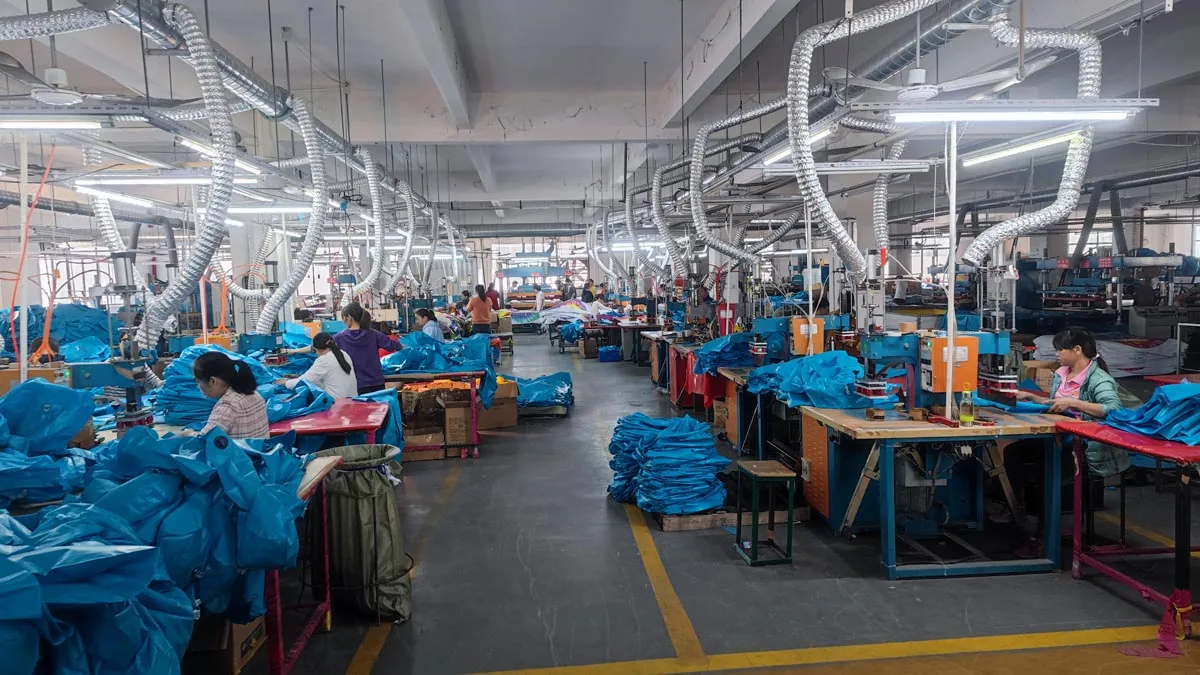
Shenzhen Beile Inflatables Co., Limited
- Manufacturer, Trading Company, Agent
- GuangDong province, China
- Lead time15 days
- Avg. response≤ 4h
Main productsInflatable ball,Inflatable cartoon,Inflatable bouncer,Inflatable slide,Inflatable tent
Main marketsNorth America(30.00%), Mid East(20.00%), Eastern Europe(10.00%), Eastern Asia(5.00%), South America(5.00%), Oceania(5.00%), Africa(5.00%), Southeast Asia(5.00%), Northern Europe(3.00%), South Asia(3.00%), Southern Europe(3.00%), Domestic Market(2.00%), Central America(2.00%), Western Europe(2.00%)
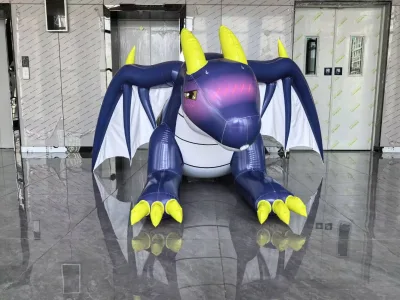
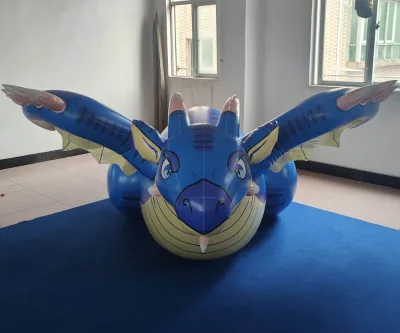
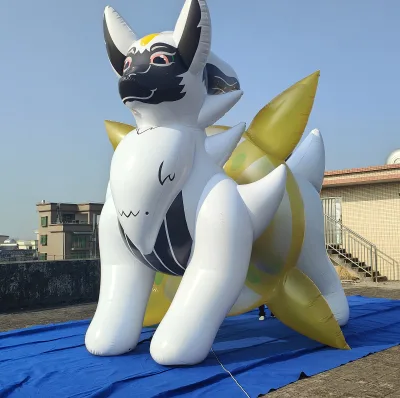
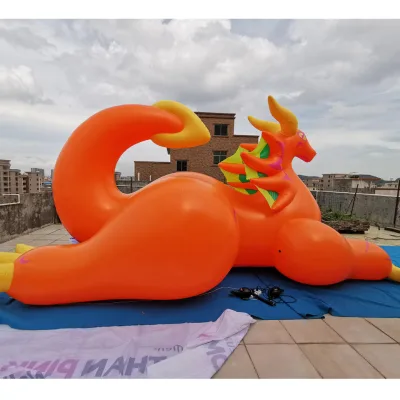
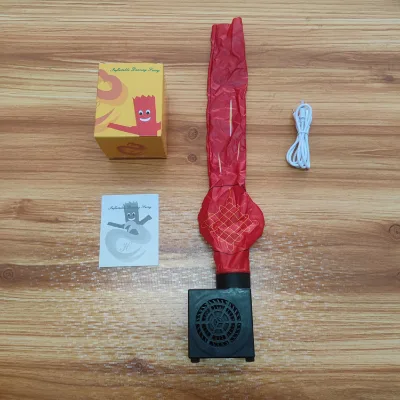
BeiLe Customized PVC Animal Inflatable Doll,Cartoon Promotions Inflatable Doll
$795.00 - $1699.00
MOQ: 1 Minimum

- Verified by TUVRHEINLAND
- Trading Company
- China Zhejiang
- Lead time15 days
- Avg. response≤ 12h
Main productsWooden Toy, Outdoor Product, Kitchen Item, Personal Care Tool, Painting Set, Disk Rack, Yoga, Garden
Main marketsSouth America,Europe,North America


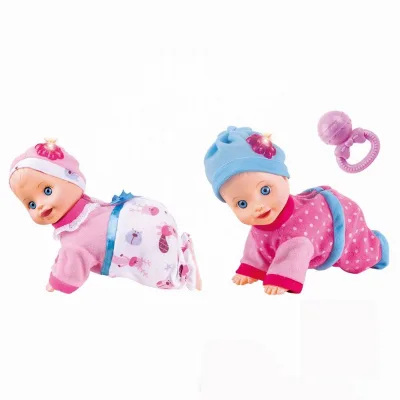
Electric 10 Inch Fashion Baby Interactive Doll Singing Dancing Cute Crawling Doll
$2.90 - $3.36
MOQ: 10 Pieces


Jinming Toys & Crafts Imp. & Exp. Co., Ltd.
- Trading Company
- Guangdong, China
- Lead time15 days
- Avg. response≤ 7h
Main productsEducational Toys,Learning Machine,Musical Instrument,Pretend Play & Preschool,R/C Toy
Main marketsSoutheast Asia(25.00%), North America(22.00%), South America(18.00%), Mid East(8.00%), Western Europe(8.00%), Eastern Asia(8.00%), Eastern Europe(6.00%), Africa(5.00%)
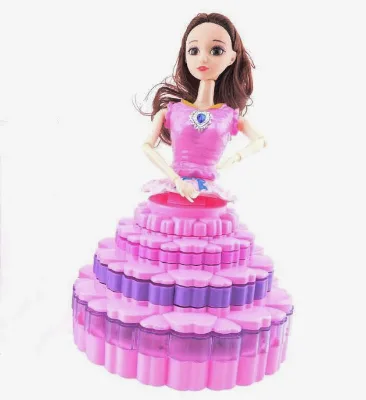
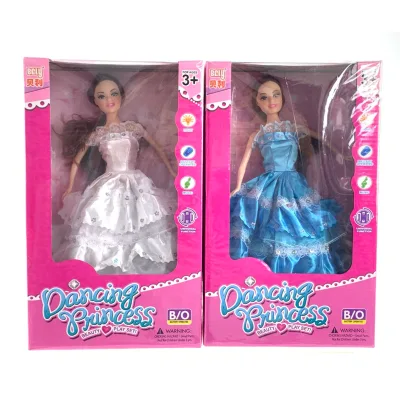
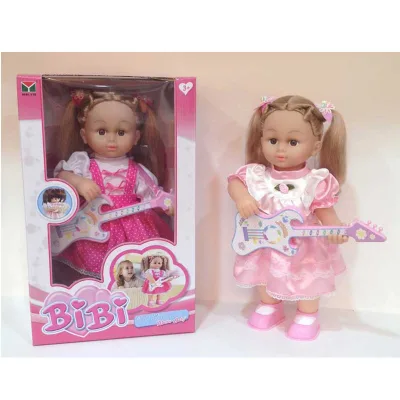
Jinming Musical Baby Walking Doll Toy Electronic Beauty Girl Dancing Doll with Light
$3.33 - $3.94
MOQ: 144 pieces
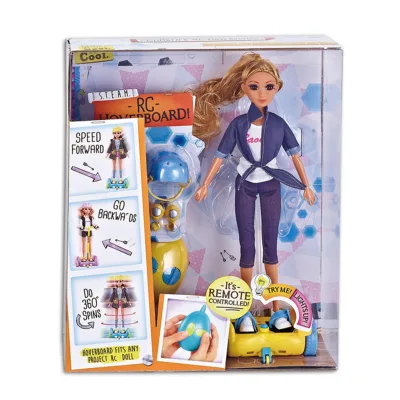
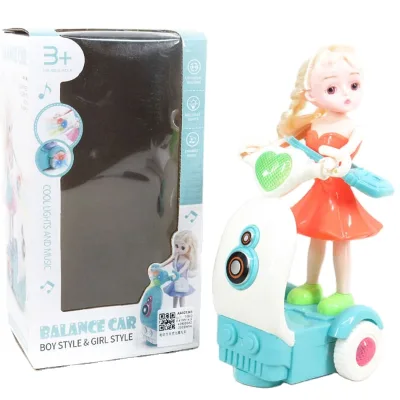
Jinming Remote Control Doll on Balancing Car and R/C Balancing Car Toy with Stunt Doll
$9.00 - $10.60
MOQ: 72 units
Yiwu Jingxin Toys Co., Limited
- Verified by TüVRheinland
- Manufacturer, Trading Company
- Lead time15 days
- Avg. response≤ 4h
Main productsPlastic Toys
Main marketsSouth America(40%), North America(25%), Eastern Europe(15%)
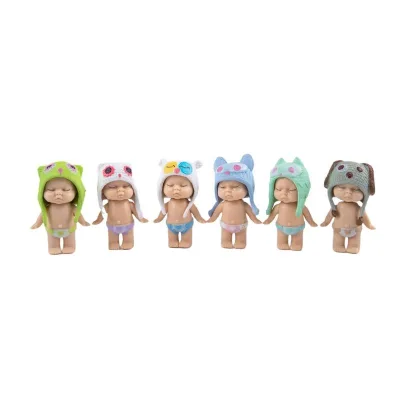
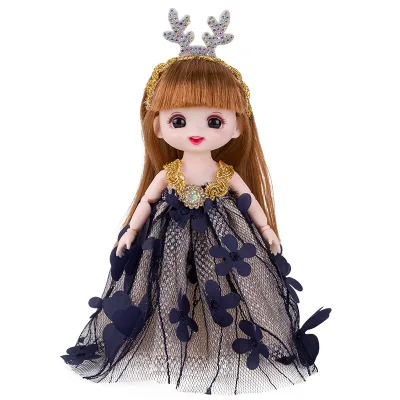
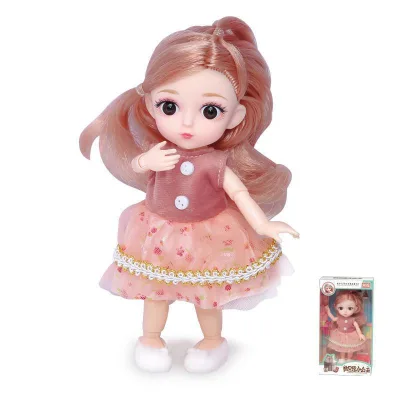
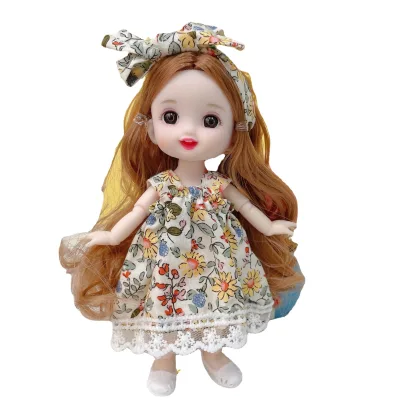
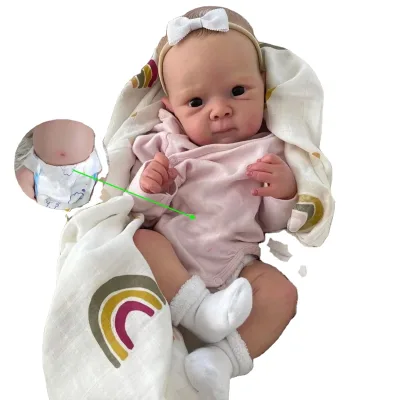
$16.48 - $21.62
MOQ: 2 pieces

- Combined
- China Guangdong
- Lead time23 days
- Avg. response≤ 3h
Main productsPromotion Gift, Toy, Flashing Item, Free Gift, Business Gift, Novelty
Main marketsAfrica,Europe,North America
Shenzhen Dongyuan Plastic & Metal Products Manufacturer
- Verified by SGS Group
- Manufacturer, Trading Company
- Lead time35 days
- Avg. response≤ 3h
Main productsAction Figure, Bath Toys, Bath Thermometer, Plastic Doll, Plastic Keychain
Main marketsNorth America(25%), Western Europe(15%), Oceania(10%)
Everwin Toys Industry Co., Ltd.
- Verified by TUVRHEINLAND
- Trading Company,Manufacturer/Factory
- China Guangdong
- Lead time0 days
- Avg. response≤ 4h
Main productsPlastic Toy, Kids Gift, Toys Jewelry, Toys Gift, Promotion Gift, Kids Toys, Children Toys, Jewelry Sets, Stationery


Plastic Toy Plastic Mini Dolls Toys Action Figure Cake Decoration Display
$0.45 - $0.75
MOQ: 100 Pieces
Shantou Xinxin Technology Co., Ltd
- Verified by CTI
- Trading Company
- China Guangdong
- Lead time15 days
- Avg. response≤ 3h
Main productsToys, RC Toys, Children's Cosmetics, Drone, Remote Control Toy, Plasticene, Superlight Clay, Electrical Toys, Remote-Control-Toys, Toy
Main marketsSouth America,Southeast Asia/ Mideast,Europe,North America
Shantou City Chenghai District Wo Er Fa Toys Factory
- Verified by TUVRHEINLAND
- Combined
- China Guangdong
- Lead time30 days
- Avg. response≤ 4h
Main productsToys, Doll
Main marketsDomestic
Shantou Huayuan Trading Company Limited
- Trading Company
- Guangdong, China
- Lead time5 days
- Avg. response≤ 6h
Main productsPlastic Toys,Baby Toys,Educuation Toys,Outdoor Toys,Die Cast Toys
Main marketsEastern Europe(17.00%), Oceania(13.00%), Mid East(12.00%), North America(9.00%), South Asia(8.00%), Domestic Market(6.00%), Africa(5.00%), Northern Europe(5.00%), South America(5.00%), Western Europe(4.00%), Eastern Asia(4.00%), Southern Europe(4.00%), Southeast Asia(4.00%), Central America(4.00%)
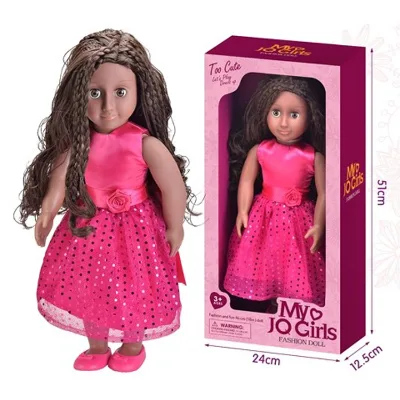
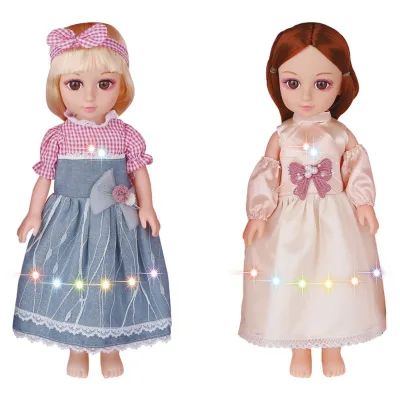
Hot Selling Fashion Girl Toy Silicone White Princess Dolls with 4 Styles
$5.49 - $5.99
MOQ: 120 pieces
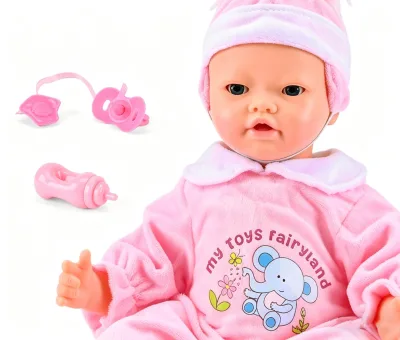

Lianyungang Hongwen Toys Co., Ltd.
- Verified by SGS
- Combined
- China Jiangsu
- Lead time23 days
- Avg. response≤ 6h
Main productsCustom Plush Backpack, Stuffed Toy, Custom Plush Pillow, Custom Plush Doll, Custom Plush Toy, Custom Hold-All, Plush Pillow, Animal Plush, Stuffed Plush Toys, Plush Toy Animals
Main marketsAfrica,Southeast Asia/ Mideast,East Asia(Japan/ South Korea),Domestic,Europe,Australia,North America
Guangzhou Baolilong Toys Trading Co., Limited
- Trading Company
- Guangdong, China
- Lead time45 days
- Avg. response≤ 7h
Main productspromotion toys,dollar chain shop toys,OEM and ODM,candy toy,capsule toy
Main marketsNorthern Europe(35.00%), Mid East(25.00%), Eastern Europe(25.00%), South Asia(10.00%), South America(5.00%)
Shantou Believe-Fly Science And Educational Co., Ltd.
- Manufacturer, Trading Company
- Lead time旺季: "1 - 10000":30,"> 10000":"To be negotiated", 淡季: "1 - 10000":30,"> 10000":"To be negotiated"
- Avg. response≤ 5h
Main productsRC Toy,Candy toy,Promotional toy,Educational toy,Animal toy

Yangzhou Lucky Bear Craft & Gifts Co., Ltd.
- Verified by TUVRHEINLAND
- Trading Company
- China Jiangsu
- Lead time30 days
- Avg. response≤ 2h
Main productsTeddy Bear, Plush Toy, Stuffed Animal, Toy Shoes, Baby Toy, Rocking Horse, Unstuffed Animal Skin, Indoor Slippers, Snow Boots, Promotional Toys
Main marketsEurope,North America

Shantou Nanhuang Toys Co., Ltd.
- Verified by TUVRHEINLAND
- Trading Company
- China Guangdong
- Lead time15 days
- Avg. response≤ 5h
Main productsToys
Main marketsSoutheast Asia/ Mideast,Europe

Guangdong qunlong technology co., ltd
- Manufacturer
- China Guangdong
- Lead time15 days
- Avg. response≤ 1h
Main productsOEM/Design Toys, Plastic Products
Main marketsDomestic
Xiamen Hengji Hengxin Trading Co., Ltd.
- Trading Company
- Fujian, China
- Lead time20 days
- Avg. response≤ 3h
Main productsRemote Control Toys,Educational Toys,Baby Toys,Outdoor Toys,rc planes
Main marketsSouth America(70.00%), Mid East(20.00%), North America(5.00%), Africa(3.00%), Northern Europe(1.00%), Eastern Europe(1.00%)
SHANTOU JUN FENG RONG TOYS CO., LTD.
- Manufacturer, Trading Company
- Guangdong, China
- Lead time15 days
- Avg. response≤ 2h
Main productsParty Favor Toys,Educational Toys,Baby Toys,Sport Toys,Doll Toys
Main marketsCentral America(37.00%), Northern Europe(20.00%), Southern Europe(15.00%), Western Europe(6.00%), North America(5.00%), South America(5.00%), Africa(4.00%), Eastern Europe(3.00%), Oceania(2.00%), South Asia(2.00%), Southeast Asia(1.00%)

Taizhou Yosi Life Product Co., Ltd.
- Verified by TUVRHEINLAND
- Combined
- China Zhejiang
- Lead time30 days
- Avg. response≤ 22h
Main productsBaby Doll, Reborn Baby Doll, American Girl Doll, Baby Doll Clothes, Baby Doll Shoes, Baby Doll Eyes, Children Gifts, Silicone Dolls, Silicone Baby Dolls, Bonecas Reborn
Main marketsSouth America,Europe

$13.00 - $17.00
MOQ: 100 Pieces

Hot Selling Silicone Dolls New Design Reborn Monkey Dolls Reborn Baby Dolls
$20.00 - $27.00
MOQ: 100 Pieces

Huizhou Shenghui Plastic Product Co., Ltd
- Verified by SGS
- Trading Company
- China Guangdong
- Lead time30 days
- Avg. response≤ 3h
Main productsCustomized Plastic Figure, Plastic Toy, Plastic Figure
Main marketsSoutheast Asia/ Mideast

Dongguan Jiehao Technology Co., Ltd.
- Verified by CTI
- Manufacturer/Factory
- China Guangdong
- Lead time90 days
- Avg. response≤ 4h
Main productsPlastic Toys, Vinyl Toys, Silicon Toys, Educational Toys, Intelligent Toy, Toys, Plastic Doll, Soft PVC Toys, 2D Soft PVC Keychain Toys, Blowing Toys
Main marketsSouth America,Eastern Europe,Mid East,North America,Southeast Asia,Eastern Asia,Oceania,Western Europe,Africa
Guangzhou Hongyi Toy Manufacturing Co., Ltd.
- Manufacturer, Trading Company, Distributor/Wholesaler
- Lead time旺季: "1 - 30":15,"> 30":"To be negotiated", 淡季: "1 - 30":15,"> 30":"To be negotiated"
- Avg. response≤ 4h
Main productsinflatable balloon,inflatable lighting,inflatable tent,Inflatable arches,Inflatable modeling
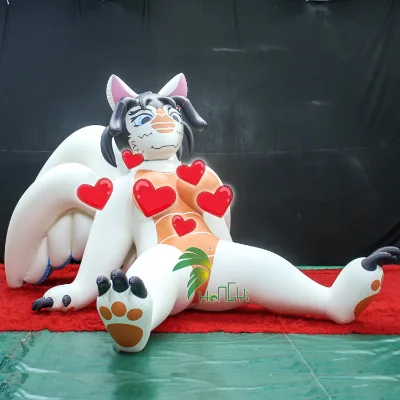
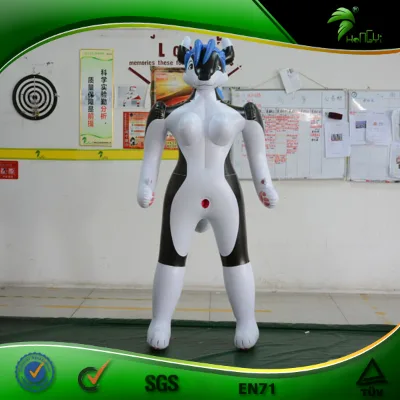
Customized Inflatable Cat Doll with Sitting Position, Air Animal Toy for Fun
$458.94 - $662.91
MOQ: 1 Minimum

Dongguan gangtian polymer materials Co.Ltd.
- Manufacturer
- China Guangdong
- Lead time15 days
- Avg. response≤ 7h
Main productsRTV 2 Mold Making Silicone Rubber, Liquid Silicone Rubber, Htv Silicone Rubber, Silicone Oil & Silicone Ink, Silicone Pigment/Paste, Electronic Potting Compound, Life Casting Silicone Rubber
Main marketsSouth America,Southeast Asia/ Mideast,Europe,North America
- Verified by TUVRHEINLAND
- Trading Company
- China Jiangsu
- Lead time30 days
- Avg. response≤ 2h
Main productsPet Products, Pet Food, Pet House, Pet Plush Toy, Pet Clothes, Pet Collar, Cat Litter, Pet Leash, Pet Harness
Main marketsNorth America


Christmas Doll Long-Legged Elf Doll Plush Toys Children's Gift Christmas Decoration
$0.80 - $5.99
MOQ: 1000 Pieces

- Combined
- China Guangdong
- Lead time45 days
- Avg. response≤ 1h
Main productsResin Craft, Baby Doll, Christmas Tree, Christmas Wreath, Christmas Garland, Christmas Decoration, Artificial Flower, Artificial Plant, Artificial Tree, Christmas Ornaments
Main marketsSouth America,Europe,North America


Christmas Decoration Santa Claus Gift Toys Santa Claus Doll Xmas Fabric Dolls
$0.10 - $2.00
MOQ: 1 Pieces


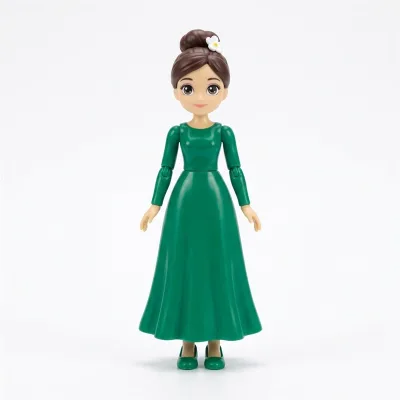


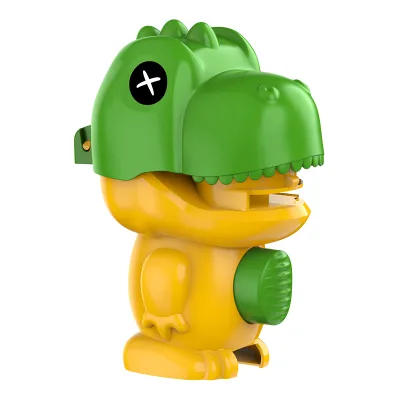
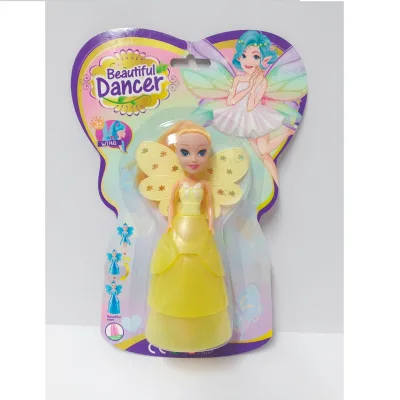
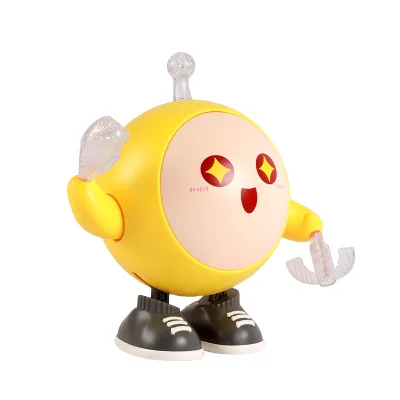
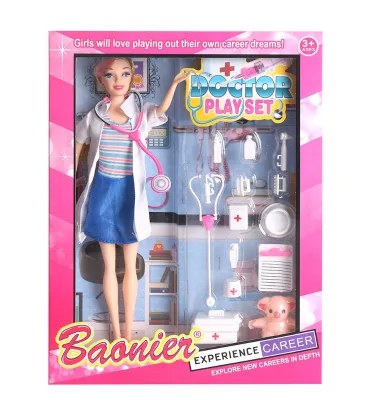
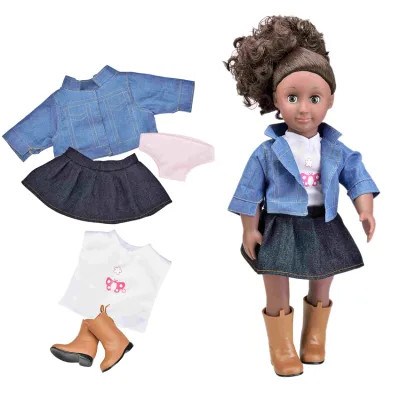
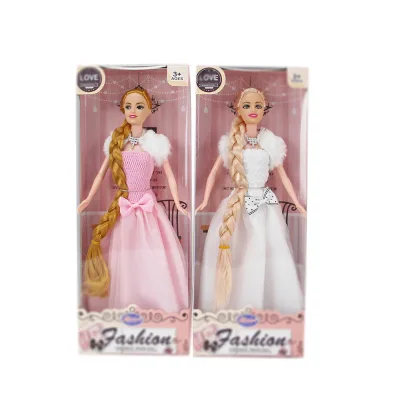


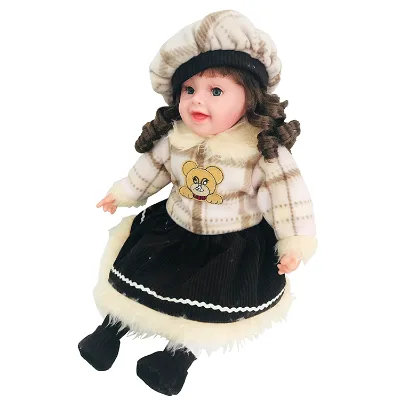
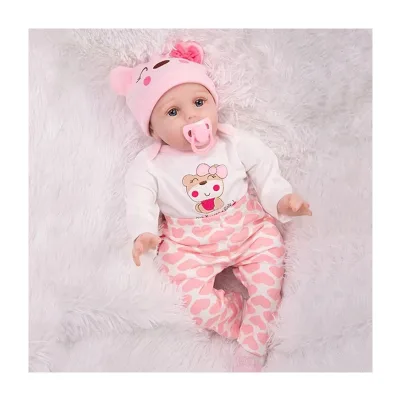
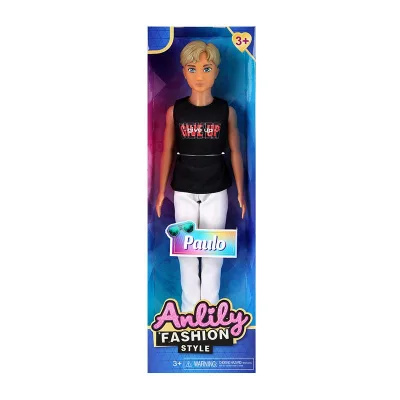
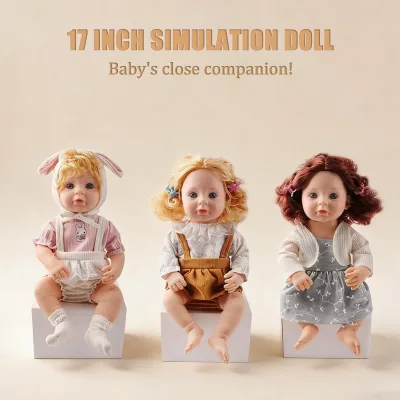
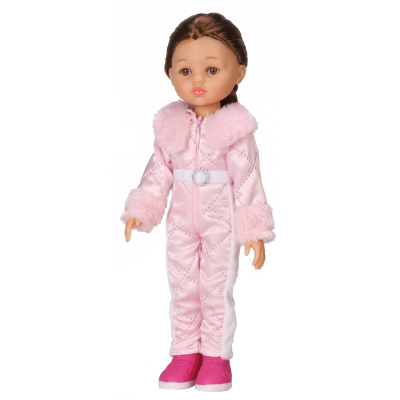


Comprehensive Sourcing Guide
Flying Doll Supplier Concentration and Factory Types
When buyers search for Flying Doll suppliers on B2B platforms, the first thing to notice is where the results cluster geographically. In the current supplier results, the location data points to Guangdong, China, which is consistent with the broader toy manufacturing ecosystem there. Product origin fields on individual listings also reference Guangdong, China and Shantou as a loading port, which reinforces that this is an active production area for this category. That said, you should not assume every supplier on a results page is located in the same province; always open each profile and confirm the registered address, because trading companies sometimes list a factory region while operating from a different city.
The supplier type field in these results identifies the companies as manufacturers, and their main product lines include toys, educational toys, remote control toys, pretend play sets, vehicle toys, dolls, baby toys and promotion toys. This breadth matters: a factory whose catalog already covers dolls and motorized toys is more likely to have the light, sound and rotor assembly capabilities a Flying Doll requires. Capacity fields also show ODM and OEM service availability, which is relevant if you plan custom molds, packaging or branding. As you screen results, separate genuine manufacturers from resellers by checking whether the profile lists production equipment, in-house tooling or an ODM/OEM designation, and by asking whether the flying mechanism is produced internally or purchased from a sub-supplier and assembled.
How to Verify Flying Doll Suppliers
Verification starts with the credentials a supplier displays, then moves to what you can independently confirm. In the current results, the verification field shows BV, meaning the supplier profile has passed a Bureau Veritas audit check on the platform. Treat this as a screening signal rather than a guarantee of product quality; a BV-verified profile tells you the company exists and was inspected at a point in time, but it does not certify the Flying Doll itself. Beyond displayed verification, request the business license, confirm the registered scope covers toy manufacturing or export, and match the license name to the bank account you would pay.
Product-level evidence is the second pillar of verification. The listings in these results display specific standards such as EN71, EN62115 and EN60825, and one vinyl doll listing references EN71, 8P, RoHS, CD, PAHs, AZO and HR4040. Ask each supplier for the actual test certificates behind those claims, issued within the last one to two years, in the name of the manufacturing entity, and covering the specific model number you intend to order. Because flying dolls contain lithium batteries, motors and rotating parts, also ask for battery test documentation such as UN38.3 for air freight and drop or mechanical safety reports for the flying assembly. Finally, request a physical sample before committing; several listings state samples are available with sample times of roughly four to seven days, which gives you a fast, low-cost way to confirm build quality matches the listing.
What to Compare Across Flying Doll Suppliers
Build a comparison grid using the attributes suppliers actually display, and record blanks rather than guessing. Useful dimensions from the current results include location, supplier type, verification status, response time, lead time, ODM/OEM capacity, main products and establishment year where shown. Response time matters operationally: one profile in these results shows a response time of about six hours, which is fast enough to support sample iteration. Lead time is a second hard number, with one listing showing roughly 23 days; compare quoted lead times across suppliers against your launch calendar, remembering flying dolls often need extra time for battery and electronic component procurement.
Commercial attributes deserve equal weight. MOQs in the current listings vary widely, from 36 pieces on a vinyl doll, to 200 and 216 pieces on an action figure and a flying fairy doll, to 288 and 720 pieces on a dress-up doll and a mini reborn doll. A low MOQ is useful for market testing but often comes with a higher unit price; compare price bands alongside MOQ, noting ranges such as the flying fairy doll at a stated price range versus lower-priced mini figures. Also compare customization availability, sample availability and sample lead time, packaging formats such as window boxes or color boxes, and product size ranges. Do not assume every supplier displays every attribute; where a field is missing, ask directly and record the answer, because unlisted terms are exactly where misunderstandings occur later.
Common Flying Doll Sourcing Risks
The most category-specific risk is the flying mechanism itself. Flying dolls combine a light, a speaker, a rechargeable battery and a propeller or rotor assembly, so failure modes include short flight time, unstable hovering, motor burnout and battery swelling. Listing data shows flying times quoted in minutes and charging times under an hour; verify these claims with your own stopwatch tests on samples, testing multiple units rather than one, since motor quality varies between production runs. Non-washable construction, noted in some listing attributes, is another practical issue: confirm with the supplier how the product should be cleaned and communicate that to your retail customers to avoid complaints.
Compliance and shipment risks follow. Battery-powered toys face airline restrictions, and lithium batteries typically require separate documentation for air freight, so confirm which shipping modes the supplier supports; some listings state sea, air and express options. Standards claims also need validation: certificates named in listings should be checked for validity, scope and issuing body, and a certificate held by a trading company rather than the factory is weaker protection. Other common risks include mismatch between sample and bulk production, especially for electronic components; packaging errors on window boxes; and color or material substitutions on vinyl or plastic parts. Mitigate these with a golden sample kept on both sides, clear specifications for battery capacity and materials, a defined inspection checkpoint before shipment, and payment terms that keep a meaningful balance until goods pass inspection or escrow.
Flying Doll Regional Sourcing and Logistics
The location evidence in these results points to Guangdong, and one listing names Shantou as the loading port, which is consistent with how toy exports move through southern China. For planning purposes, this matters because consolidation options, freight forwarder familiarity with toy and battery shipments, and port frequency all tend to be stronger in established export regions. When a results page does not show location data for some suppliers, identify clusters yourself: check the registered address on the business license, ask which port goods would ship from, and ask how far the factory is from that port, since long inland legs add cost and time.
Logistics planning for flying dolls has two category-specific wrinkles. First, the lithium battery inside the doll affects which shipping modes are practical; listings in these results state sea, air and express options, but battery-powered goods often need declarations, and some air carriers restrict or surcharge them, so confirm documentation with your forwarder before promising delivery dates to customers. Second, packaging formats such as window boxes add cube to the shipment; ask for carton dimensions and pieces per carton so you can calculate container utilization accurately. A stated lead time of around 23 days is a production estimate only; add battery procurement time, quality inspection, booking and port cut-off times. For smaller test orders, check whether partial shipment is allowed, since some listings state it is, which can let you launch with an initial batch while the balance is in production.
Flying Doll Commercial Terms and Order Planning
Commercial terms should be captured in writing before any deposit. The listings in these results show payment terms such as T/T, and some state samples are available with a sample time of roughly four to seven days, so structure your order sequence as: sample approval, then a trial order near the MOQ, then scale-up. MOQs displayed range from 36 to 720 pieces depending on the product, which gives you flexibility to match order size to demand risk; remember that MOQ may differ for customized versions versus catalog items, so confirm the customized MOQ separately. Price ranges shown, such as the flying fairy doll spanning a stated band, usually reflect quantity tiers, packaging or configuration differences, so ask what drives the low and high ends.
Order planning should account for the full timeline: production lead times around the low twenties of days, plus sample time, plus shipping. Use escrow or platform-protected payment where available, since dispute resolution is far easier before funds leave the platform. Negotiate a quality tolerance in the contract covering flight time, charging time, sound volume and cosmetic defects, and specify the packaging format, such as a window box, with dieline artwork approved before mass production. Finally, plan reorders early: electronic components and batteries have their own procurement cycles, so a supplier whose quoted lead time looks attractive on paper may still slip if a component is out of stock, making a standing forecast the simplest way to protect your schedule.
Word count check: sections ≈ 233, 231, 233, 228, 233, 233 ≈ 1391 total. Within range.
FAQs
What is the lead time for Flying Doll orders?
The standard lead time for these flying dolls is 23 days from order confirmation. This duration applies to bulk manufacturing runs in Guangdong, China. Buyers should account for this timeline when planning inventory replenishment or seasonal launches to ensure timely delivery.
What are the minimum order quantities for flying dolls?
Minimum order quantities vary by specific model, ranging from 36 pieces for vinyl dolls to 720 pieces for mini baby dolls. Some fashion sets require 288 units, while others start at 216 units. Buyers must check the specific product page to confirm the exact MOQ before placing an order.
Do flying dolls come with safety certifications?
Yes, many flying dolls carry certifications such as EN71, EN62115, and EN60825. Some models also include RoHS and PAHs compliance. These standards ensure the toys meet international safety requirements for children, making them suitable for export markets that demand strict quality control and material safety.
Are samples available for Flying Doll products?
Samples are available for most Flying Doll models to help buyers evaluate quality before bulk purchasing. The sample lead time typically ranges from 4 to 7 days. Buyers can request these samples to verify features like light, music, and flight duration before committing to larger production orders.
What is the price range for flying dolls?
Prices for flying dolls generally range from 1.35 to 11.00 USD per unit depending on the model and features. Basic vinyl dolls start around 1.35 USD, while complex flying fairy dolls with light and music can cost up to 11.00 USD. Bulk orders often influence the final unit price significantly.
Where are these flying dolls manufactured?
These flying dolls are manufactured in Guangdong, China, a major hub for toy production. The products originate from verified manufacturers in this region who specialize in educational and remote control toys. Buyers can expect consistent quality and efficient logistics from this established manufacturing base.
Can flying dolls be customized for branding?
Customization is available for many Flying Doll models, including logo printing and packaging options. Manufacturers offer OEM and ODM services to tailor products to specific brand needs. Buyers can request custom features like specific colors or packaging styles to align with their marketing strategy and target audience.