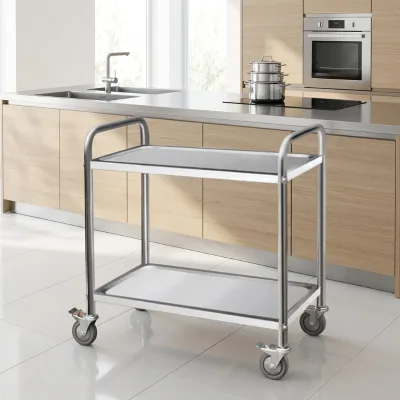
Foldable Steel Food Trolley Cart Suppliers and Manufacturers
Source 28 verified suppliers for Foldable Steel Food Trolley Cart options. Compare dimensions, lead times, and certifications from Guangdong and Shanghai factories. Request quotes to evaluate pricing and customization capabilities; review the available evidence before requesting comparable quotations from suitable candidates.
Updated
Suppliers List

Jiangmen Goodman Cleaning Supplies Co., Ltd.
- Verified by TUVRHEINLAND
- Combined
- China Guangdong
- Lead time15 days
- Avg. response≤ 9h
Main productsFood Pan, Food Basket Tray, Storage Box, Cleaning Bucket, Trash Can
Main marketsEurope,North America

Commercial Food Trolley Restaurant Trolley Plastic Utility Cart Food Cart
$23.62 - $27.66
MOQ: 100 pieces

Three Shelves Food Trolley Restaurant Food Trolley Cart Hotel Room Plastic Utility Cart
$29.37 - $35.51
MOQ: 100 pieces

2 Tier Food Trolley Cart for Hotel Restaurant Equipment Food Trolley Restaurant Service Cart
$21.18 - $32.50
MOQ: 100 pieces

Hotel Stainless Steel Trolley Restaurant Kitchen Utility Cart Equipment Serviing Cart Food Trolley
$27.50 - $29.63
MOQ: 100 pieces

Shanghai Jingyao Industrial Co., Ltd.
- Verified by BV
- Manufacturer/Factory
- China Shanghai
- Lead time15 days
- Avg. response≤ 4h
Main productsFood Truck/Cart/Car/Trailer/Van/Caravan/Trolley, Bakery Equipment, Bakery Oven Machine, Rotary Oven, Ice Flake Machine, Ice Cube Machine, Ice Block Machine, Ice Tube Machine, Ice Evaporator, Ice Machine
Main marketsSouth America,Eastern Europe,Mid East,North America,Southeast Asia,Eastern Asia,Oceania,Western Europe,Africa

Shandong Auroras Kitchen Equipment Co., Ltd
- Verified by TUVRHEINLAND
- Trading Company
- China Shandong
- Lead time15 days
- Avg. response≤ 5h
Main productsCake Showcase, Freezer, Kitchen Equipment, Kitchen Workbench
Main marketsSouth America,Southeast Asia/ Mideast,Europe

Commercial Hotel Service Stainless Steel Strong Folding Trolley Cart Food Cart
$130.00 - $150.00
MOQ: 1 pieces


Stainless Steel Hotel Restaurant Delivery Dining Service Trolleys Mobile Food Kitchen Cart
$18.00 - $25.00
MOQ: 1 pieces
Jiangmen Huazhimei Kitchenware Co., Ltd.
- Verified by Intertek
- Manufacturer, Trading Company
- Lead time30 days
- Avg. response≤ 3h
Main productsFood Storage Box, Insulated Food Carrier, Drink Dispensers, Cleaning Bucket, Serving Trolley
Main marketsNorth America(30%), Northern Europe(20%), South America(10%)
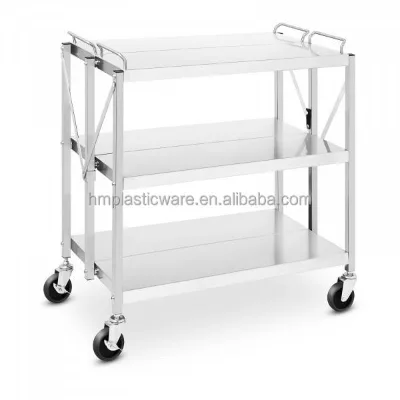
$68.00 - $78.00
MOQ: 30 Minimum
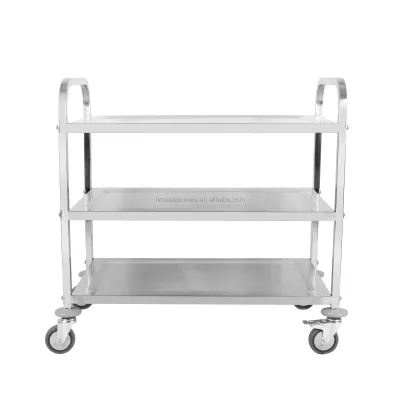
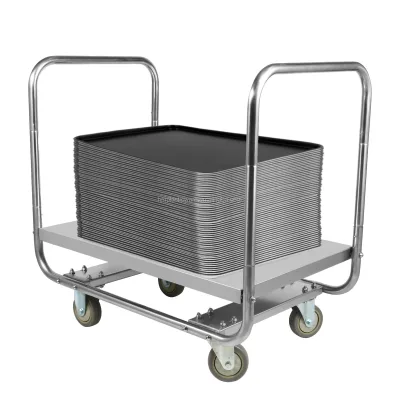
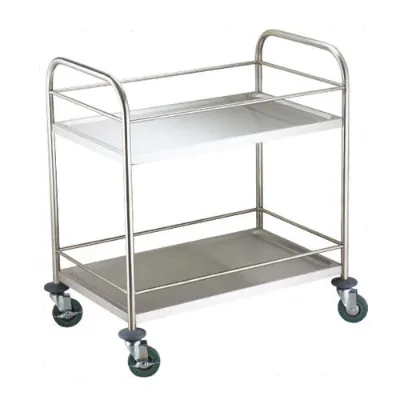
Stainless Steel Serving Trolley Four Tier Food Service Cart With Wheels
$36.00 - $60.00
MOQ: 20 Minimum

Shangdong Boxing Changtai Environmental Protection Technology Co., Ltd.
- Verified by CTI
- Combined
- China Shandong
- Lead time15 days
- Avg. response≤ 3h
Main marketsSouth America,Southeast Asia/ Mideast,Domestic,Europe,North America


Kitchen Food Cart Stainless Steel Trolley Hotel Banquet Stainless Steel Trolley
$39.00 - $99.00
MOQ: 1 Pieces

Accept Customization Foldable Food Cart Commercial Quality Stainless Steel Trolley
$40.00 - $55.00
MOQ: 2 Pieces

Carton/Plywood Strip/Plywood Box Square Food Cart Foldable Stainless Steel Trolley
$35.30 - $200.60
MOQ: 1 Pieces

Good Service Stainless Steel Foldable Kitchen Utility Cart Baking Tool Shopping Trolley
$40.00 - $55.00
MOQ: 2 Pieces

Commercial Restaurant Supplies Food Trolley Kitchen Stainless Steel Dining Cart
$39.00 - $99.00
MOQ: 1 Pieces

Shandong Wilk Kitchen Equipment Co., Ltd
- Verified by SGS
- Trading Company
- China Shandong
- Lead time15 days
- Avg. response≤ 2h
Main productsStainless Steel Work Table, Stainless Steel Sink, Commercial Rice Steamer, Drink Display Frrezer, Deep Freezer, Four/Six Door Refrigerator, Commercial Oven, Egg/Dough Mixer, Electric/Gas Deep Fryer, Electric/Gas Griddle
Main marketsSoutheast Asia/ Mideast

Stainless Steel Restaurant Folding Trolley Hand Truck/Cart Platform Food Trolley
$35.00 - $75.00
MOQ: 5 Sets


Stainless Steel Restaurant Folding Trolley Hand Truck/Cart Platform Trolley
$35.00 - $75.00
MOQ: 5 Sets

Stainless Steel Restaurant Folding Trolley Hand Truck Caster Wheel Platform Food Trolley
$35.00 - $75.00
MOQ: 5 Sets
Foshan XY Best Industrial Co., Ltd.
- Verified by TüVRheinland
- Manufacturer, Trading Company
- Guangdong, China
- Lead time45 days
- Avg. response≤ 2h
Main productsRestaurant Machine, Restaurant Furniture, Hotel Furniture, Outdoor Furniture, Metal Products
Main marketsAfrica(20%), South America(10%), Southeast Asia(10%)
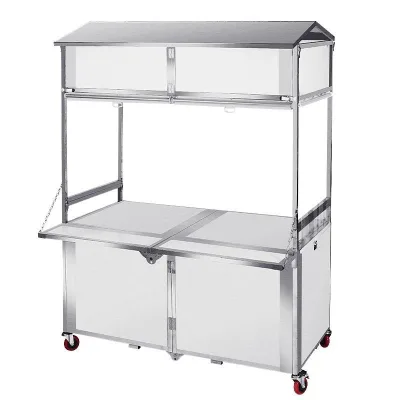
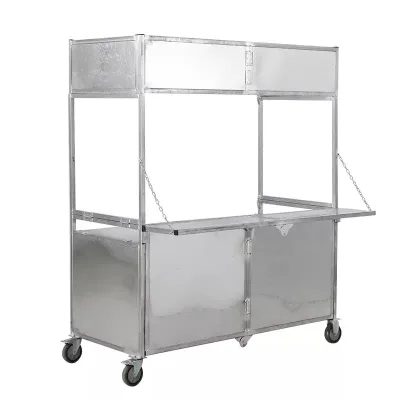
XY Best Portable stainless steel folding food stall collapsible food cart
$235.00 - $343.00
MOQ: 10 Minimum
Jiangmen City Lijing Stainless Steel Products Co., Ltd.
- Manufacturer
- Guangdong, China
- Lead time45 days
- Avg. response≤ 8h
Main productsSauce Pan,Stock Pot,Frying Pan,GN Pan
Main marketsDomestic Market(30.00%), Northern Europe(25.00%), Eastern Europe(10.00%), North America(2.00%), Western Europe(2.00%), South America(2.00%), Southeast Asia(1.00%), South Asia(1.00%), Central America(1.00%), Eastern Asia(1.00%), Africa(1.00%)
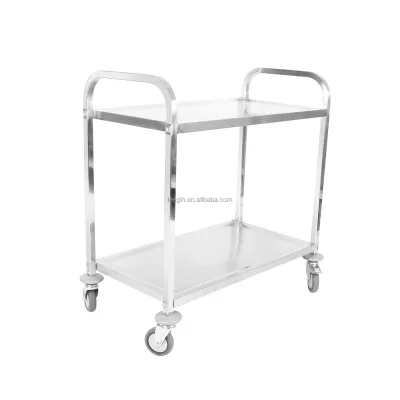
2 Tier Serving Trolley Stainless Steel Kitchen Trolley Serving Trolley Cart
$25.6175 - $35.8636
MOQ: 10 Minimum
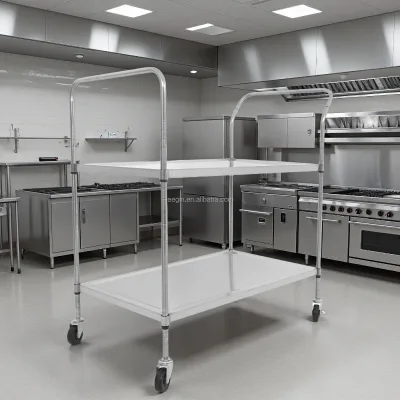
Height-adjustable Commercial Stainless Steel Dining Serving Trolley Carts
$21.00 - $32.00
MOQ: 10 Minimum

Nanjing Toutru Trading Co., Ltd.
- Trading Company,Manufacturer/Factory
- China Jiangsu
- Lead time45 days
- Avg. response≤ 18h
Main productsHand Tool
Main marketsSouth America,Eastern Europe,Western Europe,Africa
Jiangmen Jingyu Hardware & Equipment Co., Ltd.
- Verified by Intertek
- Manufacturer, Trading Company
- Lead time30 days
- Avg. response≤ 4h
Main productsStainless Steel Work Table, Stainless Steel Multi-Layer Shelf, Commercial Kitchen Prep Table With Drawer, Stainless Steel Sink Table, Catering Equipment
Main marketsDomestic Market(40%), North America(20%), Western Europe(15%)
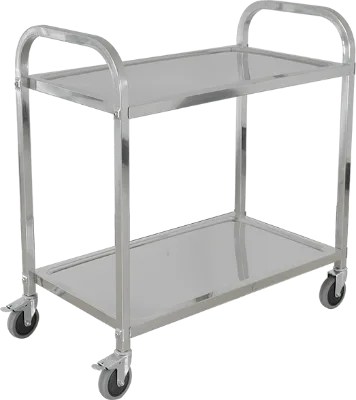
OEM Utility Cart Kitchen Trolley Serving Cart with Wheels Stainless Steel Food Trolley
$24.1335 - $25.4978
MOQ: 50 sets
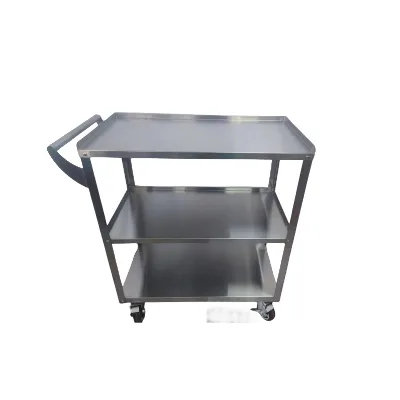
Welded Three-layer Stainless Steel Food Trolley Cart for Food Delivery
$40.9874 - $46.1097
MOQ: 1 Minimum
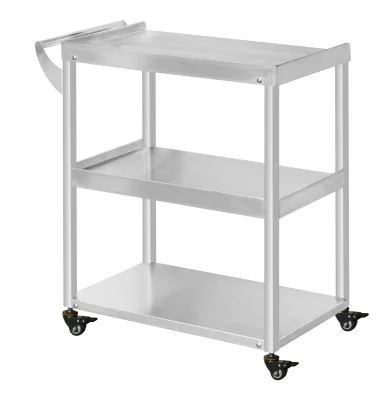
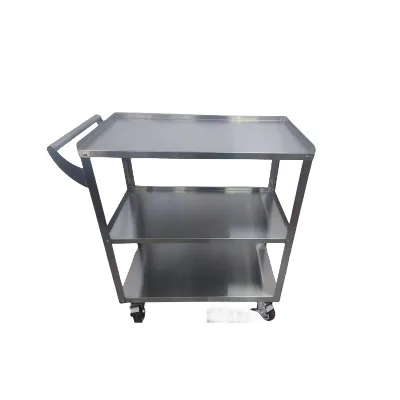
High Quality Food Grade Heavy Duty Stainless Steel 3 Tiers Food Trolley for Hospital
$15.3699 - $35.8636
MOQ: 10 Minimum
ZheJiang Yinghong Metalworks Co., Ltd.
- Verified by SGS Group
- Manufacturer, Trading Company
- Lead time30 days
Main productsMaterial Handling Equipment, Foodservice Equipment, Locker, Storage Cabinet, Caster
Main marketsDomestic Market(100%)

Zhengzhou Longshengxi Trading Co., Ltd.
- Trading Company
- Henan, China
- Lead time10 days
- Avg. response≤ 1h
Main productsice cream freezer,popsicle ice cream machine,supermarket refrigerator,upright display chiller,meat&deli showcase
Main marketsNorth America(16.19%), Northern Europe(14.94%), Eastern Asia(12.11%), South America(11.52%), Southeast Asia(10.92%), Oceania(9.35%), Africa(9.35%), South Asia(8.55%), Mid East(5.93%), Central America(1.14%)
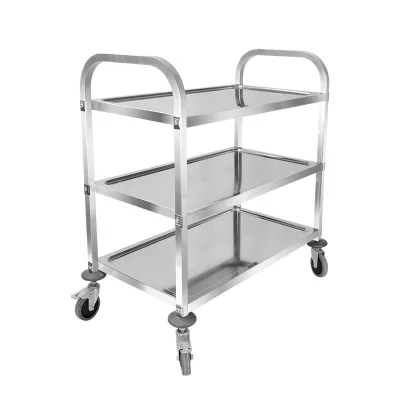
Lightweight Stainless Steel Folding Serving Trolley Food Service Cart With Wheels
$60.00 - $80.00
MOQ: 1 pieces
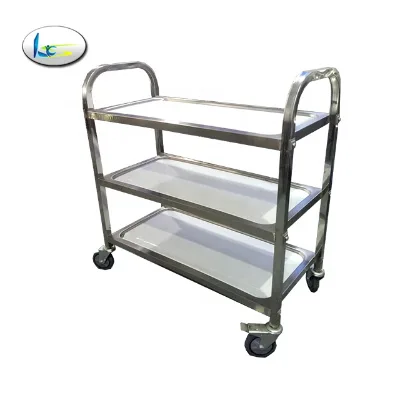

- Trading Company,Manufacturer/Factory
- China Guangdong
- Lead time45 days
- Avg. response≤ 7h
Main productsStainless Steel Trolley, Mobile Trolley, Flatform Trolley, Bakery Trolley, Trash Bag Holder, Insulated Container, Stock Pot, Worktable, Kitchen Sink, Buffet
Main marketsSouth America,Eastern Europe,Mid East,North America,Southeast Asia,Eastern Asia,Oceania,Western Europe,Africa
- Manufacturer, Trading Company
- Shandong, China
- Lead time15 days
- Avg. response≤ 1h
Main productsCustomized 316 stainless steel products,Stainless Steel Commercial Kitchen Equipment,Tool Cabinet,Work Station,Garage Storage Equipment
Main marketsNorth America(30.00%), South America(20.00%), Western Europe(10.00%), Eastern Asia(10.00%), Mid East(10.00%), Oceania(10.00%), Eastern Europe(10.00%)
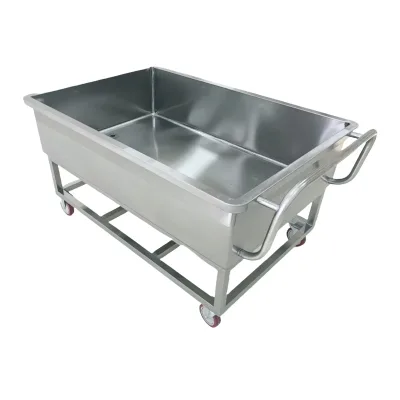
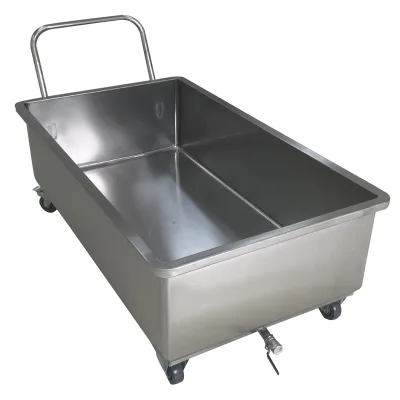
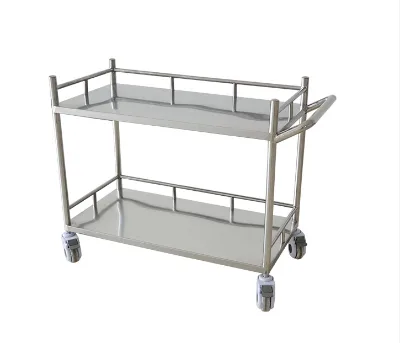
$49.00 - $59.00
MOQ: 10 pieces
Foshan Nanhai Xiaotang Baonan Kitchen Equipment Factory
- Manufacturer, Trading Company
- Lead time旺季: "1 - 100":30,"> 100":"To be negotiated", 淡季: "1 - 100":30,"> 100":"To be negotiated"
- Avg. response≤ 3h
Main productsCharcoal Barbecue Oven, Commercial Refrigerator, Pizza Oven, Worktable
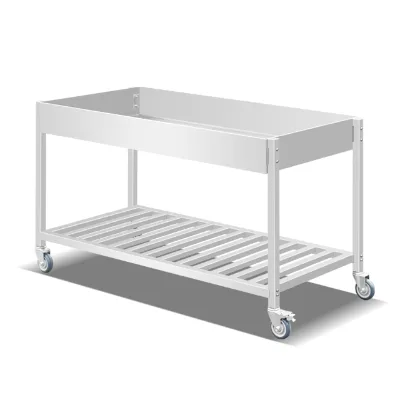
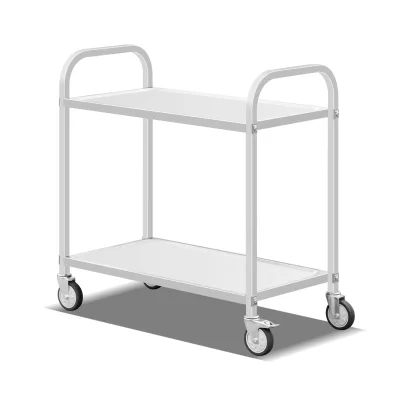
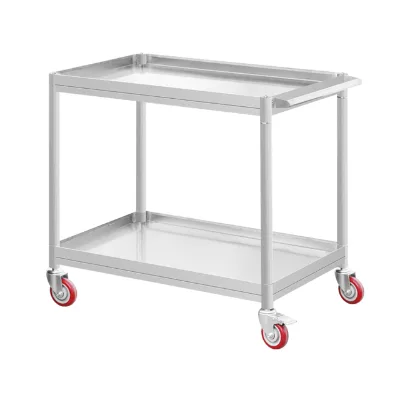
$110.00 - $114.00
MOQ: 10 pieces
Shandong Xiangming Import And Export Co., Ltd.
- Verified by Intertek
- Manufacturer, Trading Company
- Lead time14 days
- Avg. response≤ 1h
Main productsChest Freezer, Ice Cream Freezer, Island Freezer, Commercial Kitchen Equipment, Display Cabinet
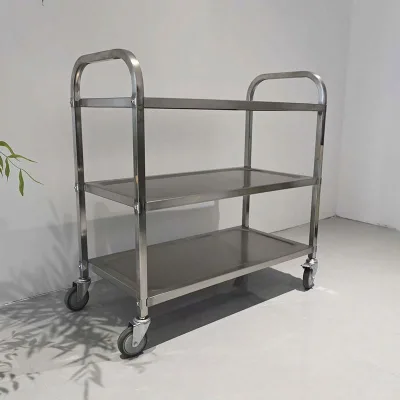
$28.00 - $47.00
MOQ: 2 pieces

Dongguan Simply Metal Products Co., Ltd.
- Trading Company
- China Guangdong
- Lead time23 days
- Avg. response≤ 7h
Main productsWire Shelving, Wire Shelving Units, Shelving, Shelf, Wire Wall Shelf, Wire Rack Shelving, Wire Storage Racks, Wire Racks, Metal Wire Shelving, Wire Storage Shelves
Main marketsSouth America,Africa,Southeast Asia/ Mideast,Europe,Australia,North America

Shandong Shenglang Kitchen Co., Ltd.
- Verified by TUVRHEINLAND
- Combined
- China Shandong
- Lead time15 days
- Avg. response≤ 3h
Main marketsSoutheast Asia/ Mideast


Premium Stainless Steel Food Cart with Adjustable Shelves for Easy Storage
$39.00 - $50.00
MOQ: 50 Pieces
Yongkang Foho Sport And Leisure Co., Ltd.
- Verified by Intertek
- Manufacturer, Trading Company
- Lead time10 days
- Avg. response≤ 3h
Main productsShoe Rack, Wardrobe, Bathroom Rack, Garment Rack, Rolling Cart
Main marketsSouth America(28%), Southern Europe(25%), Western Europe(17%)
- Trading Company
- Hong Kong S.A.R.
- Lead time30 days
- Avg. response≤ 4h
Main productsChafing Dish, GN Pan, Lunch Box, Stock Pot, Service Trolley
Main marketsEastern Europe(50.00%), North America(30.00%), South America(20.00%)
Dongguan Gaoya Kitchenware Co., Ltd.
- Verified by TüVRheinland
- Manufacturer, Trading Company
- Lead time30 days
- Avg. response≤ 2h
Main productsStainless Steel Work Table, Stainless Steel Working Cabinet, Stainless Steel Sink, Stainless Steel Shelving, Stainless Steel Trolley
Main marketsDomestic Market(38%), Western Europe(35%), North America(15%)
Jiangmen Daosheng Stainless Steel Products Co., Ltd.
- Verified by Intertek
- Manufacturer, Trading Company
- Guangdong, China
- Lead time30 days
- Avg. response≤ 2h
Main productsStainless Steel Stock Pot, Stainless Steel Frying Pan, Stainless Steel Work Table, GN PAN, Stainless Steel Rack Trolley
Main marketsNorth America(40%), Eastern Europe(35%), Southeast Asia(15%)

Suzhou Thriving Medical Equipment Corp.
- Verified by SGS
- Trading Company,Manufacturer/Factory
- China Jiangsu
- Lead time23 days
- Avg. response≤ 9h
Main productsHospital Bed, Medical Equipment, Autoclave, Stretcher, Bed Head Unit, Electric Bed, Funeral Products, Ultrasound Scanner, Nurse Call System, Operating Light
Main marketsSouth America,Eastern Europe,Mid East,North America,Southeast Asia,Eastern Asia,Oceania,Western Europe,Africa

Shandong Boxing Wangquan Commercial Kitchenware Co., Ltd.
- Verified by SGS
- Combined
- China Shandong
- Lead time15 days
- Avg. response≤ 2h
Main productsStainless Steel Sink, Stainless Steel Table, Shelf, Stainless Steel Cabinet / Locker, Stainless Steel Cart and Trolley, Stinless Steel Tableware / Utensils
Main marketsDomestic
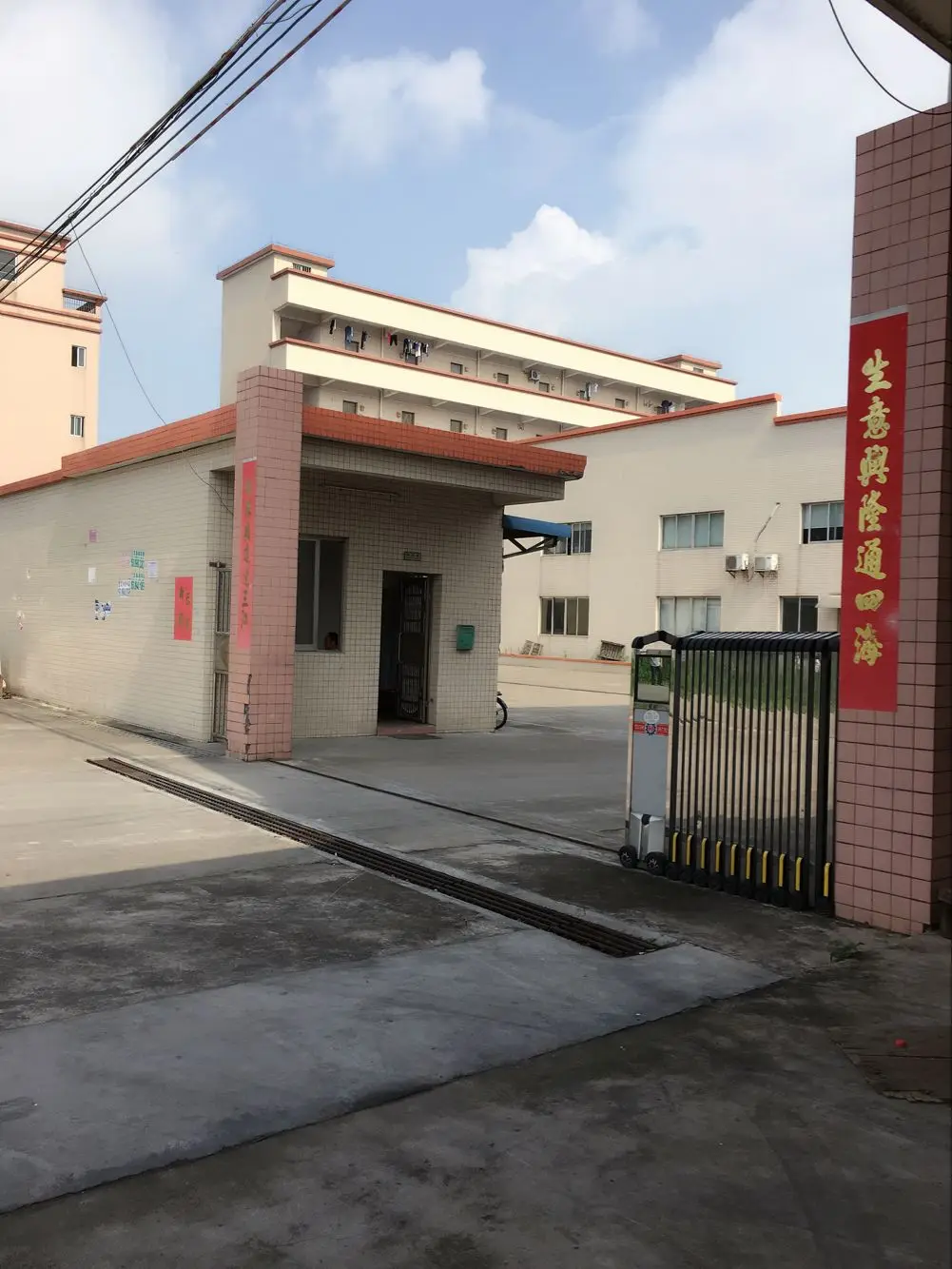
Jiangmen Junerte Stainless Steel Kitchenware Co., Ltd.
- Manufacturer, Trading Company
- Guangdong, China
- Lead time90 days
- Avg. response≤ 10h
Main productsStainless Steel Stockpot,Stainless Steel Insulated Barrel,Stainless Steel Utility Cart,Stainless Steel Bakery Trolley,Stainless Steel Steamer
Main marketsNorth America(30.00%), Western Europe(20.00%), Eastern Europe(20.00%), Southern Europe(15.00%), Northern Europe(15.00%)
Jiangmen Xinxin Houseware Co., Ltd.
- Verified by SGS Group
- Trading Company
- Lead time30 days
- Avg. response≤ 3h
Main productsLunch Box, Chafing Dish, GN Pan, Stock Pot, Utility Trolley
Main marketsNorth America(35%), Western Europe(30%), Southeast Asia(10%)

Henan Welly Machinery Equipment Co., Ltd.
- Verified by SGS
- Trading Company,Manufacturer/Factory
- China Henan
- Lead time15 days
- Avg. response≤ 3h
Main productsFood Processing Machinery, Meat Processing Machinery, Vegetable and Fruits Processing Machinery, Snack Machinery, French Fries Production Line, Frying Machine, Meat Tumbler Machine, Potato Chips Machine, Patty Maker Hamburger Patty Machine, Vegetable Washing Machine
Main marketsSouth America,Eastern Europe,Mid East,North America,Southeast Asia,Eastern Asia,Oceania,Western Europe,Africa

$290.00 - $320.00
MOQ: 10 Pieces

Eco-Friendly Stainless Steel Utility Cart Steel Trolley for Kitchen Stainless Cart
$290.00 - $320.00
MOQ: 10 Pieces

$290.00 - $320.00
MOQ: 10 Pieces

High Output Stainless Steel Food Trolley Stainless Food Cart Stainless Steel Bins for Kitchen
$290.00 - $320.00
MOQ: 10 Pieces
Luoyang Fukaixiang Furniture Co., Ltd.
- Manufacturer, Trading Company
- Henan, China
- Lead time20 days
- Avg. response≤ 1h
Main productsSteel Office Furniture,home furniture,File cabinet,Steel locker,Storage cabinet
Main marketsDomestic Market(80.00%), Africa(15.00%), Southeast Asia(3.00%), Mid East(2.00%)
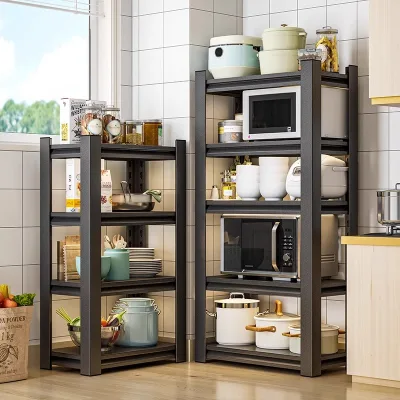
Sturdy Steel Kitchen Cart with Tiered Shelf Structure for Tableware Storage
$5.613 - $7.1344
MOQ: 30 pieces






Comprehensive Sourcing Guide
Foldable Steel Food Trolley Cart Supplier Concentration and Factory Types
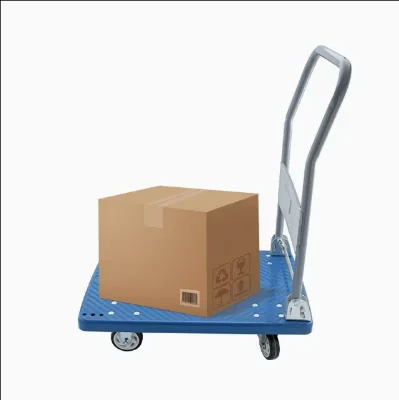
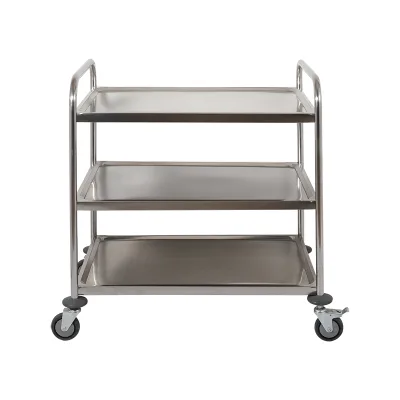
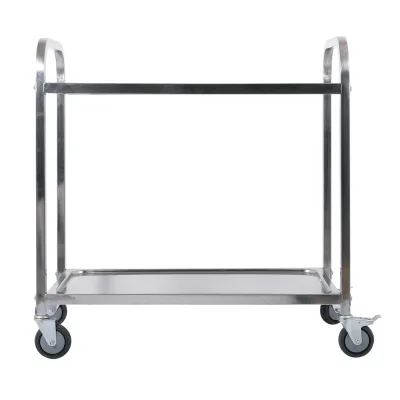
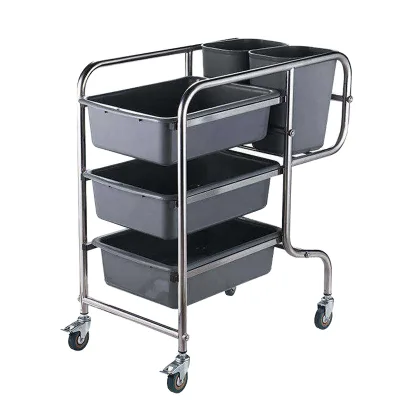
The current supplier landscape for foldable steel food trolley carts reveals a distinct concentration of manufacturing capabilities within specific Chinese industrial hubs, particularly Guangdong and Shanghai. Suppliers located in Guangdong often specialize in combined trading and manufacturing models, offering a blend of direct factory access and broader product portfolios that may include plastic utility carts alongside steel options. This region is known for its robust supply chain infrastructure, which supports the production of various commercial equipment, including restaurant trolleys and storage solutions. In contrast, suppliers based in Shanghai frequently operate as dedicated manufacturers or factories with extensive certification portfolios, such as ISO 9001 and BSCI, indicating a focus on standardized quality management systems. These Shanghai-based entities often highlight their ability to handle OEM and ODM projects, suggesting a higher degree of customization capability for steel structures. The presence of both combined companies and pure manufacturers provides buyers with a spectrum of sourcing options, ranging from agile trading partners to established production facilities with rigorous internal controls.
Understanding the distinction between these factory types is crucial for aligning procurement strategies with business needs. Combined companies may offer faster access to a wider variety of materials, including plastic and stainless steel variants, but might lack the deep specialized tooling for complex foldable steel mechanisms. Conversely, dedicated manufacturers in Shanghai often possess the specific engineering expertise required for durable steel fabrication, ensuring that the foldable components meet rigorous durability standards. Buyers should evaluate whether their priority lies in the breadth of product offerings or the depth of manufacturing specialization. The verification status of these suppliers, such as TÜV Rheinland or Bureau Veritas certifications, serves as an additional layer of assurance regarding their operational legitimacy. By recognizing these structural differences in the supplier base, buyers can more effectively target partners who possess the specific industrial capacity required for high-volume or highly customized foldable steel trolley orders, ensuring that the chosen supplier’s operational model matches the project’s scale and complexity requirements.
How to Verify Foldable Steel Food Trolley Cart Suppliers
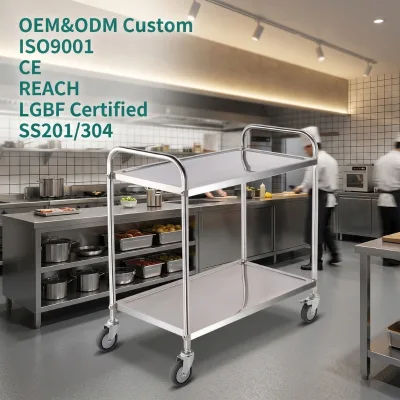
Verifying the authenticity and capability of suppliers requires a multi-layered approach that goes beyond basic profile reviews. Buyers should prioritize suppliers who hold third-party verification badges from recognized entities like TÜV Rheinland or Bureau Veritas, as these indicate that an independent auditor has inspected the facility’s operations and compliance standards. For foldable steel trolleys, it is essential to confirm that the supplier’s stated manufacturing capabilities align with their physical production environment. This involves checking for specific certifications relevant to metal fabrication and commercial equipment, such as ISO 9001 for quality management or BSCI for social compliance, which are prominently displayed by some Shanghai-based manufacturers. These certifications are not merely decorative; they represent adherence to international standards that directly impact the structural integrity and ethical production of the steel carts. Buyers must also scrutinize the supplier’s response time metrics, as a rapid response often correlates with a more organized and responsive supply chain, which is critical when dealing with custom steel specifications.
In addition to certifications and response metrics, buyers should request detailed product evidence that specifically addresses the foldable mechanism and steel grade. Since general product listings may include plastic or stainless steel items, it is vital to isolate data points that confirm the availability of foldable steel models. Buyers should ask for technical drawings or material test reports that specify the steel thickness and the durability of the folding joints. The presence of OEM and ODM capabilities, as noted by some suppliers, suggests that the factory has the engineering resources to modify designs, but buyers must verify if these capabilities extend to structural steel modifications. Furthermore, checking the supplier’s main product list can provide insight into their core competency; a supplier whose primary focus is bakery equipment or ice machines may have less specialized expertise in trolley fabrication compared to those listing restaurant equipment as a core category. By cross-referencing verification badges, response speeds, and specific product evidence, buyers can construct a reliable profile of each supplier’s true capacity to deliver high-quality foldable steel food trolleys.
What to Compare Across Foldable Steel Food Trolley Cart Suppliers
When evaluating multiple suppliers, buyers must systematically compare key operational metrics to identify the most suitable partner for their specific requirements. Lead time is a critical differentiator, with some suppliers indicating a standard production window of around 15 days, which allows for better inventory planning and faster market entry. However, buyers should also consider the minimum order quantity (MOQ) constraints, which can vary significantly; some suppliers may require a minimum of 100 pieces, while others might have different thresholds for custom steel orders. Price ranges also offer valuable comparative data, with costs fluctuating based on material specifications and order volume. For instance, plastic utility carts may range from approximately $21 to $35, while stainless steel options might command a premium due to material costs. Buyers should request detailed quotes for foldable steel models to understand the true cost structure, including any additional fees for custom logo printing or specialized packaging.
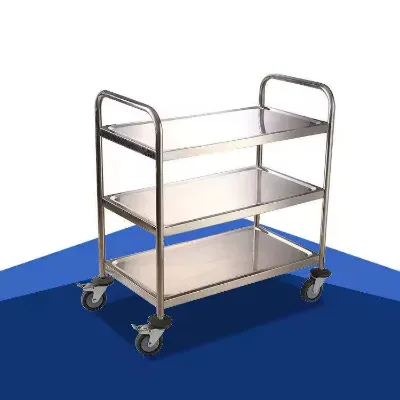
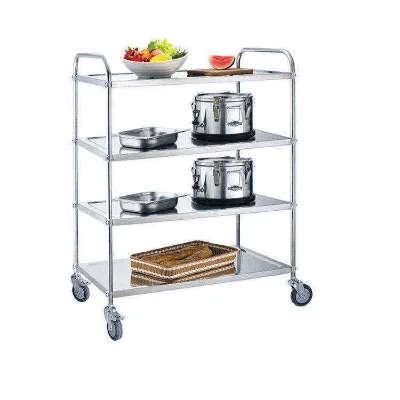
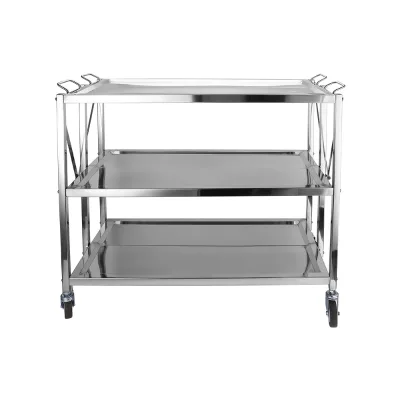
Beyond price and quantity, buyers should assess the customization options and structural features offered by each supplier. The availability of customization, such as logo printing or specific dimension adjustments, is a key value-add for brands looking to differentiate their products. Buyers should compare the structural details of the trolleys, such as the number of layers, wheel configuration, and armrest design, to ensure they meet their operational needs. Some suppliers offer modern styles with rectangular shapes and specific dimensions like 81x43.5x91cm, while others may provide larger variants. It is also important to compare the packing specifications, as efficient packaging can reduce shipping costs and minimize damage during transit. By creating a comparison matrix that includes lead time, MOQ, price, customization capabilities, and structural details, buyers can objectively rank suppliers and select the one that offers the best balance of cost, quality, and service for their Foldable Steel Food Trolley Cart procurement.
Common Foldable Steel Food Trolley Cart Sourcing Risks
Sourcing foldable steel food trolley carts involves several inherent risks that buyers must proactively manage to ensure a successful procurement outcome. One significant risk is the discrepancy between advertised specifications and the actual product received, particularly regarding the steel grade and foldability mechanism. Suppliers may list general stainless steel or plastic carts, but the specific foldable steel model might have different durability characteristics or weight capacities. Buyers must verify that the steel used is corrosion-resistant and suitable for commercial kitchen environments, as inferior materials can lead to premature failure and safety hazards. Another risk is the variability in manufacturing quality, especially when dealing with combined trading companies that may outsource production to third-party factories. This lack of direct control can result in inconsistencies in welding quality, wheel stability, and overall structural integrity. Buyers should mitigate this risk by requesting pre-shipment inspections or third-party quality assurance reports to verify that the products meet the agreed-upon standards.
Additionally, buyers face risks related to supply chain disruptions and communication barriers. Delays in production can occur due to material shortages or factory capacity constraints, impacting the buyer’s ability to meet market demand. Clear communication is essential to ensure that all customization requirements, such as logo placement and packaging specifications, are accurately understood and executed. Miscommunication can lead to costly rework or rejected shipments. Furthermore, the lack of standardized testing for foldable mechanisms in some regions can pose a safety risk if the joints fail under load. Buyers should inquire about the testing protocols used by the supplier to ensure the trolleys can withstand repeated folding and unfolding cycles. By identifying these potential risks early in the sourcing process, buyers can implement appropriate safeguards, such as strict quality control clauses in contracts and regular communication checkpoints, to minimize the impact of these challenges and ensure a smooth procurement experience.
Foldable Steel Food Trolley Cart Regional Sourcing and Logistics
The geographic location of suppliers significantly influences logistics costs, lead times, and overall supply chain efficiency for foldable steel food trolley carts. Suppliers based in Guangdong, China, benefit from a mature manufacturing ecosystem and proximity to major shipping ports, which can facilitate faster export processes and competitive freight rates. This region’s concentration of combined companies and manufacturers allows for efficient consolidation of orders, reducing the complexity of managing multiple suppliers. In contrast, suppliers in Shanghai offer access to a different logistical network, potentially providing advantages for buyers targeting European or North American markets due to the city’s extensive international shipping connections. Buyers should consider the specific shipping requirements of foldable steel trolleys, which may require specialized packaging to prevent damage during transit. The packing specifications, such as carton dimensions and weight, play a crucial role in determining shipping costs and container utilization.
Logistics planning must also account for the potential need for custom packaging or labeling, which can add complexity to the shipping process. Buyers should work closely with their chosen supplier to optimize packaging designs that maximize container space while protecting the products. Additionally, understanding the import regulations and duties associated with steel products in the destination country is essential for accurate cost forecasting. Buyers should verify if the supplier can provide necessary documentation, such as certificates of origin and material safety data sheets, to facilitate smooth customs clearance. By carefully evaluating the logistical advantages of different supplier locations and planning for the specific shipping requirements of foldable steel trolleys, buyers can minimize transit times and costs, ensuring that their inventory is replenished efficiently and reliably.
Foldable Steel Food Trolley Cart Commercial Terms and Order Planning
Effective order planning for foldable steel food trolley carts requires a thorough understanding of commercial terms and payment structures to protect the buyer’s interests. Buyers should negotiate clear payment terms, such as using escrow services or letters of credit, to ensure that funds are released only upon satisfactory delivery and inspection of the goods. This is particularly important when dealing with custom orders, where the risk of non-conformance is higher. Buyers must also establish clear timelines for production and delivery, aligning them with their sales cycles and inventory needs. It is advisable to include penalty clauses for delays in the contract to incentivize the supplier to meet agreed-upon lead times. Additionally, buyers should clarify the warranty terms and after-sales support policies, ensuring that any defects or issues with the foldable mechanisms are addressed promptly.
Furthermore, buyers should plan for potential volume discounts and long-term partnership opportunities to optimize costs. By committing to larger order quantities or recurring purchases, buyers may be able to secure better pricing and priority production slots. It is also important to consider the total cost of ownership, including maintenance and replacement parts, when evaluating supplier offers. Buyers should inquire about the availability of spare parts, such as wheels and handles, to extend the lifespan of the trolleys. By carefully structuring commercial terms and planning for long-term supply chain stability, buyers can build a resilient sourcing strategy that supports their business growth and ensures a consistent supply of high-quality foldable steel food trolley carts.
FAQs
What is the price range for plastic utility food carts?
Plastic utility food carts typically range from $21.18 to $35.51 per unit. Prices vary based on the number of layers, with two-tier models starting lower than three-tier options. Buyers should verify specific model costs, as stainless steel variants may differ significantly from standard plastic constructions in this category.
What is the minimum order quantity for these carts?
The minimum order quantity is generally 100 pieces for standard plastic utility carts. This threshold applies to common models like the Gq-Tr3005 and similar rectangular designs. Buyers seeking smaller quantities should contact suppliers directly, as bulk discounts and production efficiency often drive this specific MOQ requirement for factory-direct orders.
How long does production take for food trolley orders?
Standard production lead times are approximately 15 days for most orders. This timeframe applies to typical plastic and stainless steel utility carts manufactured in China. Expedited shipping options may reduce transit time, but manufacturing duration remains consistent. Buyers should confirm exact dates with suppliers to account for seasonal demand fluctuations.
Are customization and logo printing available for these carts?
Customization is available for most models, including logo printing and color adjustments. Suppliers accept requests for branded utility carts, allowing businesses to maintain consistent visual identity. Buyers should specify design requirements early in the inquiry process to ensure compatibility with manufacturing capabilities and avoid delays in the production schedule.
What certifications do these food trolley suppliers hold?
Suppliers hold various certifications including ISO 9001, ISO 14001, BSCI, and CE. Verification services like TÜV Rheinland and Bureau Veritas also validate supplier credentials. Buyers should request specific certification documents relevant to their market regulations, as standards vary between regions and product types like food trucks versus simple utility carts.
Where are these food trolley manufacturers located?
Manufacturers are primarily located in Guangdong and Shanghai, China. These regions offer robust supply chains for both plastic and stainless steel food service equipment. Buyers can expect efficient logistics from these hubs, though shipping costs and times will vary based on the final destination and the specific supplier's export capabilities.