Source Blue Plastic Disc Top Cap for Bottles, Alcohol, and Household Use
Find and compare 30 listings for Blue Plastic Disc Top Cap solutions tailored for bottles, alcohol disinfectant, and household appliances. Review specifications like 24/400 and 24/410 standards, PP and aluminum-plastic materials, and customization options from Ningbo and Yuyao suppliers.
Updated
Key considerations
Products List


$0.061 - $0.065
MOQ: 10000 Pieces


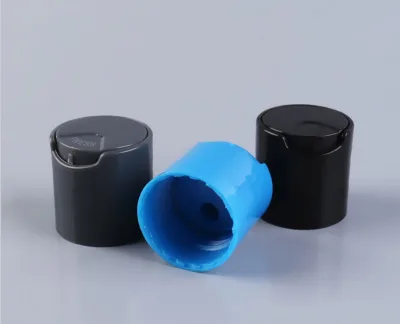
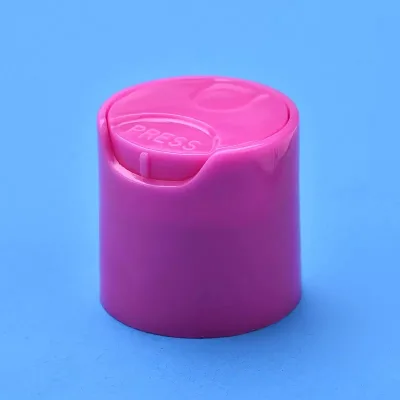
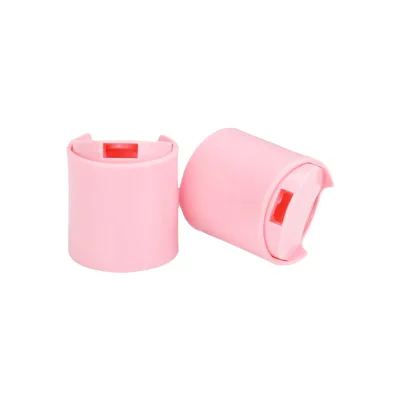
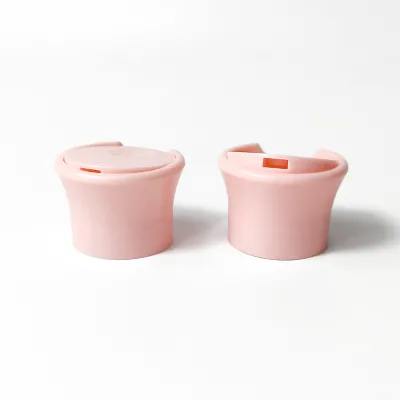
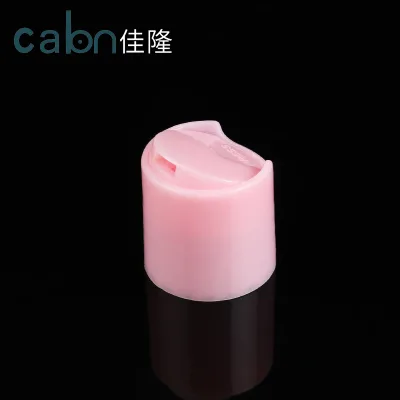
Customized Plastic Screw Disc Cap 24/410 pink Disc Top Cap for Liquid Bottle
$0.031 - $0.0516
MOQ: 2000 pieces

Comprehensive Sourcing Guide
Blue Plastic Disc Top Cap Sourcing Guide
Procuring blue plastic disc top caps requires a disciplined approach to material verification and dimensional accuracy, as these components serve as critical seals for various liquid and semi-liquid products. Buyers must prioritize suppliers who demonstrate consistent quality in polypropylene (PP) or similar plastic materials, ensuring that the caps provide reliable closure performance without compromising the integrity of the container. The visual appeal of the blue color is often a branding requirement, so confirming color consistency across production batches is essential for maintaining brand identity in the final packaged goods.
This guide focuses on the technical and commercial aspects of sourcing these specific closures, drawing from observed market data and standard industry practices. It addresses the key decision points for procurement professionals, including material selection, thread compatibility, and production timelines. By understanding the nuances of disc top cap manufacturing, buyers can mitigate risks associated with supply chain disruptions and ensure that the selected components meet both functional and aesthetic requirements for their specific packaging applications.
Product Scope and Observed Listing Signals
The observed market for plastic disc top caps reveals a diverse range of specifications, with materials primarily consisting of plastic and polypropylene (PP) variants. Listings indicate that customization is widely available, allowing buyers to tailor the cap’s appearance and functionality to specific brand needs. The application scope extends to various bottle types, including those used for household appliances and alcohol disinfectants, suggesting a broad utility across different industrial sectors. Buyers should note that while the core material is plastic, the specific grade and formulation can vary significantly between suppliers, impacting both cost and performance.
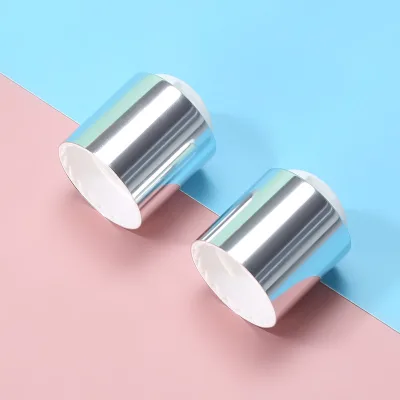
Observed product models such as CAP-04 and CAP-02 highlight the importance of verifying specific designations when sourcing. These models often correspond to distinct thread standards, such as 24/400 or 24/410, which must match the bottle neck precisely to ensure a secure seal. Additionally, some listings mention aluminum-plastic composite materials, indicating that not all disc top caps are purely plastic. Buyers must carefully review product descriptions to confirm that the material composition aligns with their regulatory and functional requirements, avoiding assumptions based solely on the general category of "plastic disc top cap."
Technical Specifications to Verify
Dimensional accuracy is paramount when sourcing disc top caps, as even minor deviations can lead to leakage or improper sealing. Buyers should verify the thread standard, such as 24/400 or 24/410, against their bottle specifications to ensure compatibility. The cap model number, often provided by suppliers, serves as a critical reference for these dimensions. It is essential to request detailed technical drawings or samples to confirm that the cap’s internal structure, including the disc and seal, meets the required pressure and torque specifications for the intended application.
Color consistency is another critical technical aspect, especially for branded products where the blue hue must match specific Pantone codes or internal standards. Suppliers should provide evidence of color control processes, such as master batch verification, to ensure uniformity across large production runs. Additionally, buyers should inquire about the cap’s resistance to environmental factors, such as UV exposure or chemical interaction with the product contents. While specific test results may not be publicly listed, requesting material safety data sheets (MSDS) or compatibility reports can help assess the cap’s suitability for long-term storage and use.
Compliance and Safety Documentation
Regulatory compliance is a non-negotiable aspect of sourcing packaging components, particularly for products intended for household or personal care use. Buyers must ensure that the plastic materials used in the disc top caps comply with relevant food contact or cosmetic regulations, depending on the application. Although specific certifications like ISO 9001 may be mentioned in background contexts, buyers should verify the actual certification status of the supplier and the specific products they intend to purchase. This verification process helps mitigate legal risks and ensures that the components meet international safety standards.
Documentation such as SGS reports or other third-party testing certificates can provide additional assurance of product quality and safety. Buyers should request these documents to confirm that the caps have been tested for heavy metal content, migration limits, and other relevant parameters. It is also important to verify that the supplier adheres to good manufacturing practices (GMP) and maintains a robust quality management system. By prioritizing suppliers with comprehensive compliance documentation, buyers can protect their brand reputation and ensure that their products meet the stringent requirements of global markets.
Cost Drivers and Commercial Terms
The cost of blue plastic disc top caps is influenced by several factors, including raw material prices, production volume, and customization requirements. Observed price ranges in the market vary significantly, reflecting differences in material quality, design complexity, and order quantity. Buyers should consider the minimum order quantity (MOQ) requirements, which can range from small batches for sampling to large volumes for mass production. Understanding these MOQs helps in planning inventory levels and managing cash flow effectively, as larger orders often result in lower per-unit costs.
Lead times are another critical commercial term that impacts procurement planning. Typical production times can range from a few weeks to over a month, depending on the order size and supplier capacity. Buyers should negotiate clear lead time commitments and include penalties for delays in their contracts to mitigate supply chain risks. Additionally, payment terms, such as deposits and balance payments, should be aligned with industry standards to ensure financial security. By carefully evaluating these commercial terms, buyers can optimize their procurement strategy and maintain a stable supply of high-quality disc top caps.
Supplier Qualification and Quality Control
Selecting a reliable supplier is crucial for ensuring consistent quality and timely delivery of blue plastic disc top caps. Buyers should conduct thorough due diligence on potential suppliers, verifying their manufacturing capabilities, quality control processes, and track record. Suppliers with a high daily production capacity, such as 50,000 pieces, may offer better scalability and reliability for large orders. It is also important to assess their ability to handle customization requests, including color matching and design modifications, without compromising quality or increasing lead times.
Quality control measures should be integrated into the procurement process, starting with sample approval before mass production begins. Buyers should request pre-production samples to verify dimensions, color, and functionality, ensuring that they meet the specified requirements. During production, regular quality inspections, such as in-process checks and final random inspections, can help identify and address defects early. Establishing a clear communication channel with the supplier for quality feedback and issue resolution is essential for maintaining high standards and fostering a collaborative partnership.
Long-Term Procurement Checks
Sustaining a successful procurement relationship with disc top cap suppliers requires ongoing monitoring and evaluation. Buyers should regularly review supplier performance metrics, such as on-time delivery rates, defect rates, and responsiveness to issues. This continuous assessment helps identify potential risks and areas for improvement, allowing for proactive management of the supply chain. Additionally, staying informed about market trends and technological advancements in packaging materials can help buyers make informed decisions about future sourcing strategies and potential supplier changes.
Regular audits and site visits, if feasible, can provide valuable insights into the supplier’s operational practices and quality control systems. These visits help build trust and strengthen the partnership, ensuring that both parties are aligned on quality and delivery expectations. Buyers should also maintain a diversified supplier base to mitigate risks associated with single-source dependencies. By implementing robust long-term procurement checks, buyers can ensure a stable, cost-effective, and high-quality supply of blue plastic disc top caps, supporting their overall business objectives and customer satisfaction.
FAQs
What materials are used for blue plastic disc top caps?
Blue plastic disc top caps are typically manufactured from polypropylene (PP) or aluminum-plastic composites. These materials ensure durability and chemical resistance for various bottle applications. The caps are designed to fit standard neck finishes, providing a secure seal for household and industrial products while maintaining structural integrity during transport and storage.
Can I customize the color of plastic disc top caps?
Yes, customization is available for plastic disc top caps. Manufacturers offer any color options to match your brand identity or product requirements. This flexibility allows for distinct packaging aesthetics. Buyers can specify exact color codes during the ordering process to ensure consistency across large production runs and maintain brand recognition in the market.
What is the typical lead time for production?
The typical production lead time ranges from 20 to 30 days after receiving the deposit. Sample preparation usually takes 4 to 6 days. These timelines depend on order volume and customization complexity. Buyers should plan their procurement schedules accordingly to ensure timely delivery for their packaging needs and avoid supply chain disruptions.
What specifications are available for plastic disc top caps?
Available specifications include neck finishes such as 24/400, 24/410, and 20/415. Models like CAP-04, CAP-02, and UB902A series are common. These standards ensure compatibility with various bottle types. Buyers can select the appropriate finish based on their bottle design to guarantee a tight seal and optimal performance for their specific packaging application.
What is the minimum order quantity for these caps?
The minimum order quantity varies by supplier and product model. Some suppliers require an MOQ of 10,000 pieces, while others may accept orders starting from 5 pieces for samples. Bulk orders often have higher thresholds. Buyers should confirm the specific MOQ with their chosen manufacturer to align with their procurement volume and budget constraints.
How are plastic disc top caps packaged for shipment?
Plastic disc top caps are typically packed in cartons with specific dimensions. Common packing sizes include 55x38x38cm containing 2,500 pieces per carton. Some suppliers use bulk packing with plastic bags inside cartons. This standardized packaging ensures efficient storage and transportation while protecting the caps from damage during international shipping and handling processes.