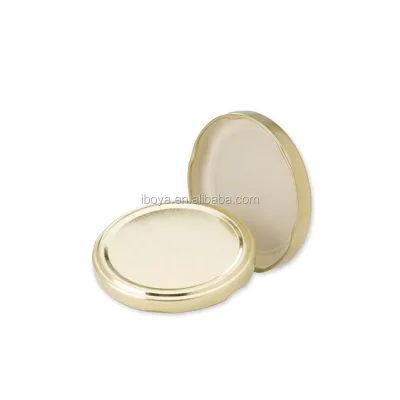
Source Food Grade Metal Twist-Off Cap for Jars
Find 30 food grade metal twist-off cap options for glass jar packing, beverage sealing, and spread storage. Compare 40.9mm to 65.45mm diameters, 4-lug designs, and BRC/ISO9001 certified suppliers from China with MOQs starting at 10,000 pieces.
Updated
Key considerations
Products List

Customized 43# Metal Twist off Cap for Food Grade Glass Jar Packaging
$0.017 - $0.021
MOQ: 100000 Pieces


53# Food Grade Metal Twisted Metal Jar Cap Food Food Metal Can Packaging
$0.026 - $0.038
MOQ: 100000 Pieces

Mass Production Capability 38# Twist-off Cap for Food Grade Glass Jar Packing
$0.0165 - $0.05
MOQ: 50000 Pieces

Best Selling Food Grade 63# Metal Twist off Cap for Glass Jar Packing
$0.035 - $0.04
MOQ: 100000 Pieces

Hot Selling Food Grade Standard 66# Twist off Cap for Wholesale Food Packaging
$0.033 - $0.042
MOQ: 100000 Pieces
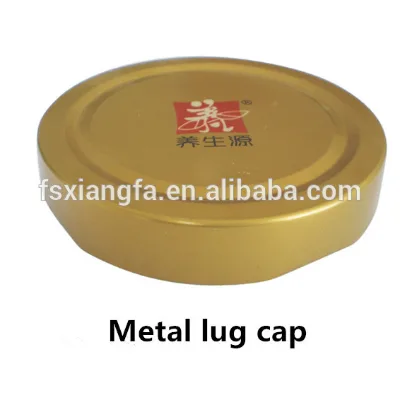
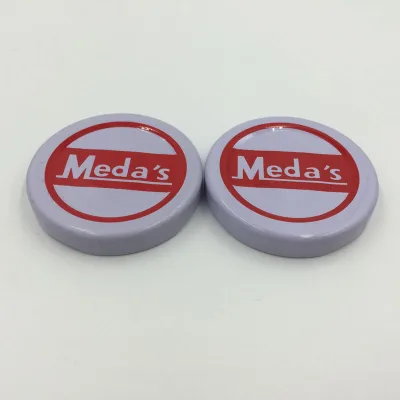


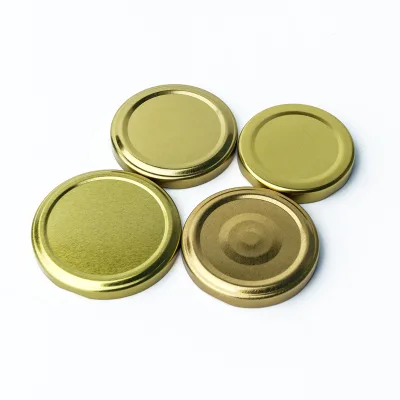
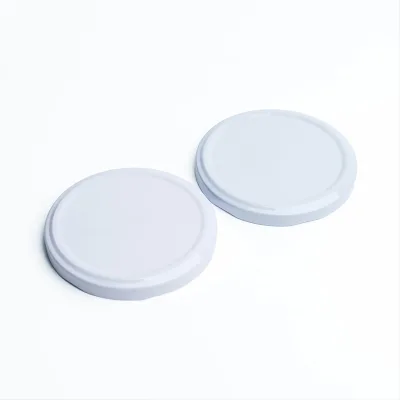
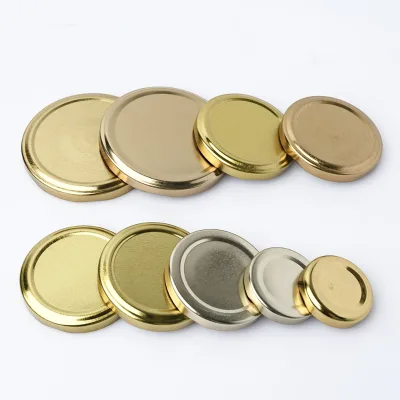
Food Grade Standard High Quality Twist off Cap Lug Cap with Customized Logo
$0.021 - $0.063
MOQ: 10000 Minimum
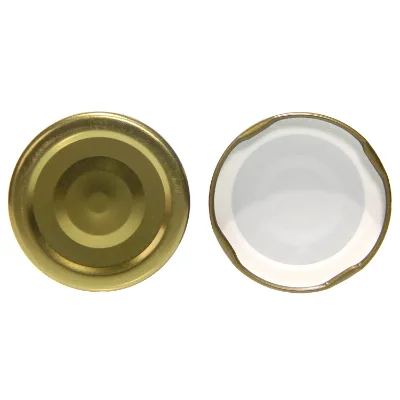
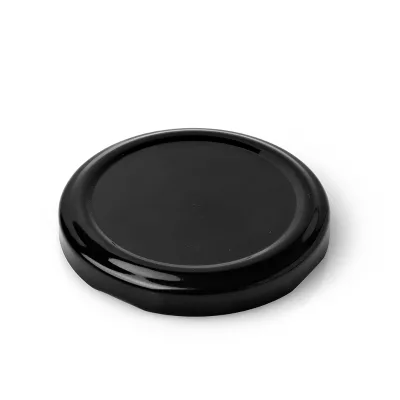
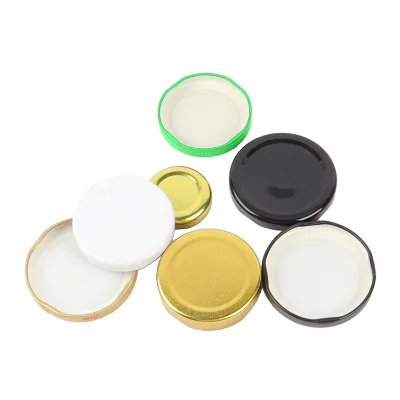


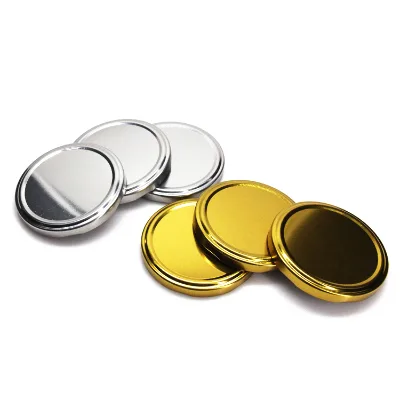
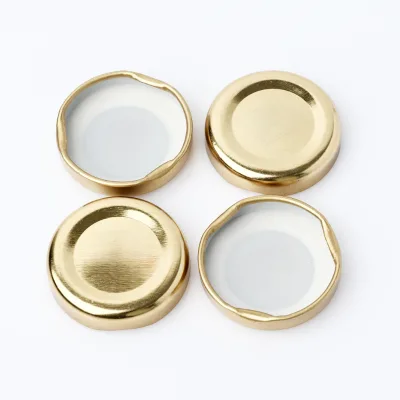
Factory Direct Supply Gold Series 43mm-82mm Twist Off Cap for Beverage Glass Bottles
$0.0103 - $0.031
MOQ: 50000 pieces
Comprehensive Sourcing Guide
Food Grade Metal Twist-Off Cap Sourcing Guide
Sourcing food-grade metal twist-off caps requires a disciplined approach to material verification and dimensional precision. Buyers must prioritize suppliers who explicitly confirm the use of aluminum or tinplate, as these materials ensure the necessary barrier properties for preserving product integrity. The observed market signals indicate a strong focus on round-shaped closures designed specifically for glass jar applications, ranging from spreads and jams to pickles and mayonnaise. Understanding these specific usage contexts helps in selecting the correct liner and sealing mechanism to prevent spoilage or leakage during transit and storage.
Procurement teams should also evaluate the customization capabilities of potential vendors, as off-the-shelf solutions may not align with unique brand requirements. The available data suggests that common color printing and customized designs are standard offerings, allowing for distinct shelf presence. However, buyers must verify that any customizations, including offset printing or specific color matches, do not compromise the food-grade safety of the inner lining. Ensuring that the supplier accepts custom orders while maintaining strict quality controls is essential for achieving both aesthetic appeal and functional reliability in the final packaged product.
Product Scope and Observed Listing Signals
The current market landscape for metal twist-off caps reveals a diverse range of models, primarily identified by numerical standards such as 43#, 53#, 63#, and 66#. These designations correspond to specific diameter measurements, with observed sizes including 40.9mm, 52.4mm, 62.55mm, and 65.45mm, indicating compatibility with various jar neck finishes. Buyers should carefully match their existing glass jar inventory with these precise specifications to ensure a secure fit. The presence of lug counts, such as four lugs, further defines the mechanical engagement between the cap and the jar thread, which is critical for proper opening torque and seal integrity.
In addition to standard screw caps, the scope includes specialized twist-off caps with distinct dimensional standards, such as an inner diameter of 38mm and an outer diameter of 41.8mm. These variations cater to different packaging needs, including beverage applications and general glass jar packing. The observed price range of 0.01 to 0.1 USD suggests a highly competitive market where volume plays a significant role in pricing. Buyers should note that minimum order quantities typically start at 10,000 pieces, scaling up to 100,000 pieces for certain customized or premium specifications, which impacts initial procurement planning and inventory management strategies.
Technical Specifications to Verify
Dimensional accuracy is paramount when verifying technical specifications for metal twist-off caps. Buyers must confirm the exact diameter and thickness of the caps, with observed thickness ranges falling between 0.16mm and 0.18mm. These physical attributes directly influence the cap's durability and its ability to maintain a hermetic seal under varying temperature conditions. It is crucial to request detailed technical drawings or samples that match the specific model number, such as 43# or 66#, to ensure compatibility with high-speed filling lines. Any deviation in diameter or lug configuration can lead to sealing failures or machine jams during production.
Material composition and surface treatment are equally critical factors that require verification. The caps are typically manufactured from aluminum or tinplate, materials chosen for their corrosion resistance and formability. Buyers should inquire about the specific alloy grades and any internal coatings applied to prevent interaction between the metal and acidic food products. Additionally, the printing process, whether common color or customized offset printing, must be evaluated for adhesion and safety. Ensuring that the printing inks are food-safe and do not flake off during handling is essential for maintaining product quality and regulatory compliance throughout the supply chain.
Compliance and Safety Documentation
Regulatory compliance is non-negotiable when sourcing food-grade packaging components. Buyers must request comprehensive certification documents from suppliers, with observed credentials including BRC, ISO9001, and SGS. These certifications indicate that the manufacturer adheres to recognized quality management systems and food safety standards. It is vital to verify the validity and scope of these certificates to ensure they cover the specific production of metal caps for food contact applications. Without proper documentation, there is a significant risk of non-compliance with international food safety regulations, which can lead to product recalls or legal liabilities.
Beyond general certifications, buyers should seek specific migration test results and material safety data sheets for the caps and their liners. These documents provide evidence that the materials do not leach harmful substances into the food product under normal use conditions. Suppliers should be able to demonstrate that their production processes, often located in regions like Fujian or Guangdong in China, maintain strict hygiene and contamination controls. Verifying the origin of raw materials and the traceability of each production batch further enhances confidence in the safety and quality of the final packaging solution.
Cost Drivers and Commercial Terms
Several factors influence the total cost of ownership for metal twist-off caps, with volume and customization being primary drivers. The observed minimum order quantities of 10,000 to 100,000 pieces suggest that economies of scale significantly impact unit pricing. Buyers should negotiate based on their projected annual consumption to secure favorable rates, keeping in mind that customized colors, printing, or unique dimensions may incur additional setup fees. Understanding the supply ability, such as 500,000 boxes per month, helps in assessing whether a supplier can meet peak demand without compromising quality or incurring rush charges.
Commercial terms also play a crucial role in procurement planning. Lead times of approximately 30 days are typical, requiring accurate forecasting to avoid stockouts. Payment terms, such as a 30-day period, should be clearly defined in contracts to manage cash flow effectively. Additionally, buyers should consider logistics costs, as the port of dispatch, often Guangzhou, affects shipping expenses and delivery schedules. Packaging details, including plastic bags and cartons, must be specified to prevent damage during transit. A comprehensive understanding of these commercial elements ensures a stable and cost-effective supply chain.
Supplier Qualification and Quality Control
Evaluating supplier qualifications involves assessing their production capacity and quality control infrastructure. Buyers should verify the number of producing lines, with observed data indicating five lines, which reflects the manufacturer's ability to handle large orders consistently. It is important to conduct on-site audits or request third-party inspection reports to confirm that the facility maintains rigorous quality standards. Suppliers offering design and OEM services demonstrate flexibility, but buyers must ensure that these services are backed by robust engineering support to translate custom requirements into manufacturable products without defects.
Quality control processes should include incoming material inspections, in-process monitoring, and final product testing. Buyers should inquire about the specific tests conducted to ensure features like non-spill performance and seal integrity. The ability to accept custom orders is a positive indicator, but it must be accompanied by a clear protocol for managing variations in production. Establishing a partnership with a supplier who prioritizes transparency and continuous improvement ensures that the metal twist-off caps meet the required specifications for diameter, thickness, and appearance, thereby reducing the risk of quality issues in the final packaged goods.
Long-Term Procurement Checks
Sustainable procurement practices require ongoing monitoring of supplier performance and market trends. Buyers should regularly review key performance indicators such as delivery reliability, defect rates, and responsiveness to issues. Maintaining a diversified supplier base can mitigate risks associated with single-source dependencies, especially given the geographic concentration of suppliers in China. Regular communication with suppliers about upcoming product launches or regulatory changes ensures that the packaging solutions remain compliant and competitive. This proactive approach helps in adapting to shifts in consumer preferences or industry standards without disrupting the supply chain.
Additionally, buyers should periodically reassess the cost structure and explore opportunities for optimization. This may involve consolidating orders to leverage volume discounts or evaluating alternative materials that offer similar performance at a lower cost. Staying informed about advancements in printing technologies or liner materials can lead to improvements in product quality and shelf life. By maintaining a strategic focus on long-term relationships and continuous improvement, procurement teams can secure a reliable supply of high-quality metal twist-off caps that support their brand's reputation and operational efficiency.
FAQs
What materials are used for these metal twist-off caps?
These caps are manufactured from aluminum or tinplate materials. This ensures durability and suitability for food-grade applications. The metal construction provides a secure seal for various jar types. Buyers can rely on these materials for long-term storage needs. The choice between aluminum and tinplate depends on specific product requirements.
Which certifications do these caps meet for safety?
The caps hold BRC, ISO9001, and SGS certifications. These standards verify quality and safety for food packaging. Buyers can trust the manufacturing process meets international requirements. The certifications ensure the product is safe for direct food contact. This compliance is essential for global trade and regulatory adherence.
Can I customize the color and printing on the caps?
Yes, customization is available for both color and printing. Buyers can choose white, yellow, or other customized colors. Printing options include common colors or fully customized designs. This allows for brand-specific packaging solutions. Custom orders are accepted to meet unique marketing needs.
What is the minimum order quantity for these caps?
The minimum order quantity is 100,000 pieces. This standard MOQ applies to most customization requests. Buyers should plan their procurement accordingly. Bulk orders help achieve better pricing efficiency. The high volume ensures consistent production quality and supply stability.
How long is the lead time for production?
The production lead time is typically 30 days. This duration covers manufacturing and quality control processes. Buyers should account for this timeline in their supply chain planning. The lead time ensures thorough inspection before dispatch. Early ordering helps maintain consistent inventory levels for packaging needs.
What sizes are available for these twist-off caps?
Available models include 43#, 53#, 63#, and 66#. Diameters range from 40.9mm to 65.45mm. These sizes fit various glass jar standards. Buyers can select the model matching their jar dimensions. Customized sizes are also available upon request for specific applications.