Food Grade Wild Yam Flour Suppliers and Manufacturers
Source Food Grade Wild Yam Flour from 13 verified suppliers in China. Compare response times, certifications, and lead times to find the right partner. Contact suppliers directly to request samples and pricing details; review the available evidence before requesting comparable quotations from suitable candidates.
Suppliers List

Jinan Gogo International Trade Co., Ltd.
- Verified by TUVRHEINLAND
- Trading Company
- China Shandong
- Lead time15 days
- Avg. response≤ 8h
Main productsGarlic, Ginger, Onion, Pear, Carrot, Peanut, Potato, Dehydrated and Frozen Vegetables, Fresh Apple, Pumpkin Seeds
Main marketsSouth America,Africa,Southeast Asia/ Mideast,East Asia(Japan/ South Korea),Europe,Australia

Xi'an Tian Guangyuan Biotech Co., Ltd.
- Verified by BV
- Manufacturer/Factory
- China Shaanxi
- Lead time15 days
- Avg. response≤ 3h
Main productsMelatonin Supplement, Ivermectin Tablets, Coenzyme Q10 Capsules, Alpha Lipoic Acid, Nad+Resveratrol Capsules, Minoxidil Liquid Solution, Tudca Capsules, Turmectin Curcumin Capsules, Shilajit Gummies, Pumpkin Oil Seed Softgel
Main marketsSouth America,Eastern Europe,Mid East,North America,Southeast Asia,Eastern Asia,Oceania,Western Europe,Africa

- Verified by TUVRHEINLAND
- Combined
- China Shandong
- Lead time15 days
- Avg. response≤ 14h
Main productsSoy Protein Isolate, Soy Fiber, Soy Oils, Isolated Soy Protein
Main marketsDomestic

- Trading Company,Manufacturer/Factory
- China Liaoning
- Lead time15 days
- Avg. response≤ 1h
Main productsSoya Lecithin, Calcium Propionate, Propylene Glycol, Propylene Carbonate, Maltitol, Citric Acid, Gel Wax, Sapp/SHMP/Tspp/STPP/Tkpp, Vitamins
Main marketsSouth America,Eastern Europe,Mid East,North America,Southeast Asia,Eastern Asia,Oceania,Western Europe,Africa

Hebei Jietou Chemical Technology Co., Ltd.
- Verified by SGS
- Trading Company
- China Hebei
- Lead time15 days
- Avg. response≤ 6h
Main productsChemical Products
Main marketsSoutheast Asia/ Mideast

Guanxian Xinrui Industrial Co., Ltd.
- Combined
- China Shandong
- Lead time15 days
- Avg. response≤ 22h
Main productsWheat Gluten, Food Ingredient, Vital Wheat Gluten, Protein, Wheat Protein
Main marketsSouth America,Africa,Southeast Asia/ Mideast,East Asia(Japan/ South Korea),Domestic,Australia

Chuzhou Runtai Halal Food Co., Ltd
- Verified by SGS
- Combined
- China Anhui
- Lead time15 days
- Avg. response≤ 1h
Main productsPanko Breadcrumbs, Tempura Flour, Fried Chicken Powder, Solid Seasoning, Fried Chicken Marinade
Main marketsDomestic,Europe


Wheat Flour Customized Bag Fish Shrimp Halal China Tempura Powder Tempura Flour
$11.40 - $11.50
Moq: 3000
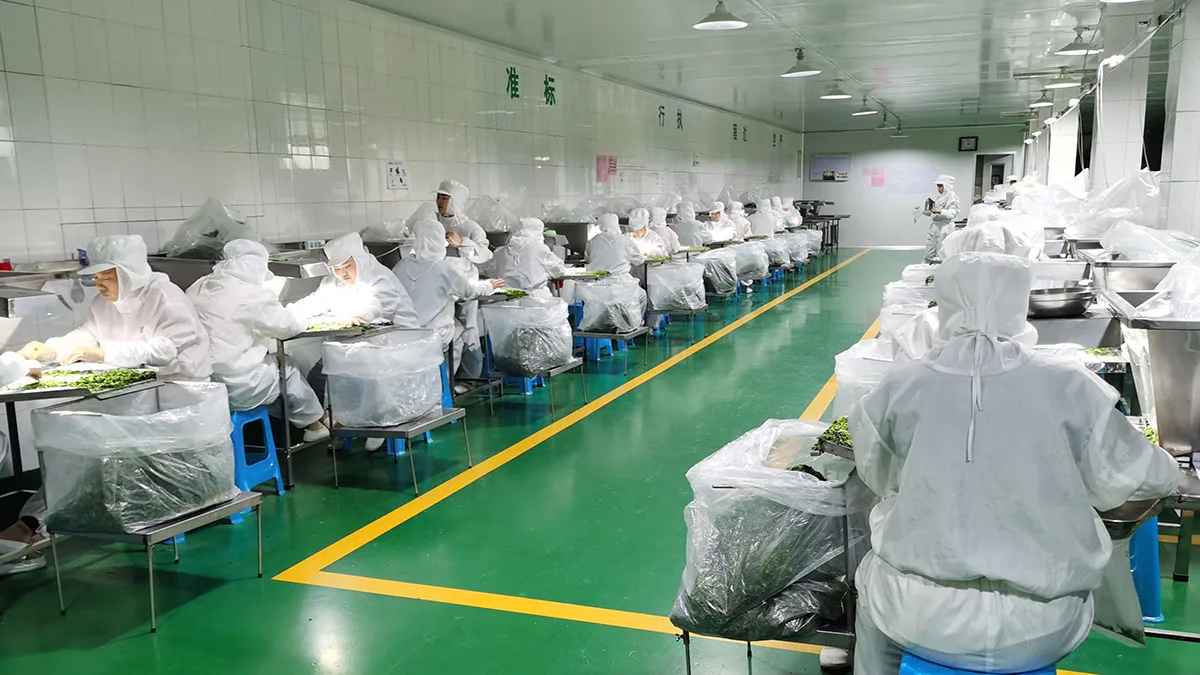
- Manufacturer, Trading Company
- Henan, China
- Lead time25 days
- Avg. response≤ 4h
Main productsGarlic Powder Wholesale,Ginger Powder Wholesale,Bulk Dried Vegetable
Main marketsSoutheast Asia(20.0%), North America(15.0%)

- Trading Company
- China Beijing
- Lead time30 days
- Avg. response≤ 10h
Main productsNoodles, Wasabi, Sushi Nori, Vinegar, Sushi, Shirataki, Soy Sauce, Sushi Ginger, Miso, Sashimi Sauce
Main marketsSoutheast Asia/ Mideast,Europe

Safevit Nutrition Technology (guangzhou)Co., Ltd.
- Verified by SGS
- Combined
- China Guangdong
- Lead time15 days
- Avg. response≤ 5h
Main productsVitamin Premix, Micronutrient Premix, Nutritional Ingredients, Vitamin B Nutrients, Energy Drink Nutrients, Complex Nutrient, Lactic Acid Bacteria Solid Beverage
Main marketsSoutheast Asia/ Mideast,Domestic

HEBEI PINGLE GRAIN TECHNOLOGY INTELLIGENT EQUIPMENT CO., LTD.
- Combined
- China Hebei
- Lead time90 days
- Avg. response≤ 1h
Main productsMaize Milling Equipment, Wheat Flour Milling Plant, Maize Flour Milling Plant
Main marketsAfrica,Domestic

Baoding Faithful Industry Co., Ltd.
- Verified by TUVRHEINLAND
- Trading Company
- China Hebei
- Lead time15 days
- Avg. response≤ 4h
Main productsCollagen Powder, Pullulan Powder, Hyaluronic Acid Powder, Erythritol, Pepsin, Olive Leaf Extract, Plant Extract, Food Additives
Main marketsSoutheast Asia/ Mideast,East Asia(Japan/ South Korea),Europe,North America

Hebei Africa Machinery Co., Ltd.
- Trading Company,Manufacturer/Factory
- China Hebei
- Lead time0 days
- Avg. response≤ 12h
Main productsFlour Mill, Flour Milling Machine, Wheat Processing Machine, Flour Grinder, Roller Mill, Silo, Flour Cylinder Mill, Wheat Milling Machine, Flour Grinding Machine, Flour Machine
Main marketsSouth America,Eastern Europe,Mid East,North America,Southeast Asia,Africa




Comprehensive Sourcing Guide
Food Grade Wild Yam Flour Supplier Concentration and Factory Types
Current data indicates a concentration of suppliers in China, specifically within the Shandong province, where trading companies and manufacturers offer fresh yams and related vegetable products. These entities often list main products including garlic, ginger, onions, and various dehydrated or frozen vegetables alongside fresh yams. Some suppliers in this region operate as trading companies, while others function as manufacturers or factories capable of processing raw agricultural goods into finished forms. The presence of Shandong-based operations suggests a regional cluster for fresh vegetable sourcing, though specific factory locations for processed flour require direct verification. Buyers should note that while fresh yam origins are documented in Shandong, the specific manufacturing sites for flour extraction may vary or require further inquiry to confirm if the facility handles the full processing chain from farm to powder.
In contrast, other supplier results point to manufacturers located in Shaanxi, particularly in Xi'an, focusing on plant extracts and health care products. These facilities often hold certifications like ISO 9001 and HACCP, indicating a capacity for producing standardized extracts and powders. The main product lists for these Shaanxi-based entities include supplements and extracts, suggesting a specialized focus on processed health ingredients rather than bulk fresh produce. When evaluating factory types, buyers must distinguish between trading companies that aggregate fresh goods and manufacturers that perform extraction and processing. The distinction is critical because a trading company may source fresh yams from Shandong but rely on third-party processors for the final flour product, whereas a manufacturer in Shaanxi might control the entire extraction process. Verification of the specific production line for flour is necessary to ensure quality control aligns with food grade requirements.
How to Verify Food Grade Wild Yam Flour Suppliers
Verification of supplier credentials is essential when sourcing Food Grade Wild Yam Flour, as the market includes both trading companies and manufacturers with varying levels of direct production capability. Buyers should prioritize suppliers displaying third-party verification badges such as TÜV Rheinland or Bureau Veritas (BV), which indicate a baseline level of audit and compliance. For instance, some suppliers in the current results have been verified by TÜV Rheinland, while others in the Shaanxi region hold BV verification. These badges serve as initial indicators of operational legitimacy but do not guarantee specific product quality for every item listed. Buyers must cross-reference these verification statuses with the specific product details to ensure the verified entity actually produces the wild yam flour in question, rather than merely trading in related agricultural commodities.
Beyond general verification, buyers should request specific documentation regarding the product's origin and processing standards. Evidence from current results shows that some products list origins like Shandong or Xi'an, with attributes such as "exporting standard" or specific grade classifications like Grade A, B, and C. For processed items like yam extract powder, suppliers may provide details on assay methods, such as UV or HPLC, and content percentages, which are crucial for food grade applications. Buyers should verify if the supplier offers customization options and if their packing standards meet international requirements. It is also important to confirm the supplier's ability to provide certificates of analysis (COA) that match the specific batch of wild yam flour. Without these specific documents, the verification badge alone is insufficient to confirm the product meets the rigorous safety and quality standards required for food grade ingredients.
What to Compare Across Food Grade Wild Yam Flour Suppliers
When comparing potential suppliers, buyers should evaluate key operational metrics such as response time, lead time, and minimum order quantities (MOQ) to determine logistical feasibility. Current data reveals significant variation in response times, with some suppliers responding in under three hours while others take over ten hours. Lead times also differ, with some suppliers indicating a standard 15-day window for delivery. These metrics directly impact inventory planning and supply chain reliability. Buyers must compare these figures against their own production schedules to ensure the supplier can meet demand without causing delays. Additionally, MOQs vary widely, ranging from small quantities like 10 grams for extract powders to larger bulk requirements of 20 kilograms or more for fresh vegetable products. Understanding these thresholds is vital for determining whether a supplier can accommodate the buyer's order size without imposing excessive financial burdens.
Another critical comparison point involves the product specifications and certification standards offered by each supplier. Some suppliers list specific product models, such as diameters for fresh yams or extraction ratios for powders, while others provide detailed attributes like color, form, and storage methods. For Food Grade Wild Yam Flour, the presence of certifications like ISO 9001 or HACCP is a significant differentiator, particularly for manufacturers in the Shaanxi region. Buyers should also compare the main product portfolios to ensure the supplier has a diverse range of related items, which often indicates a robust supply chain. However, buyers must be cautious not to assume all suppliers offer every attribute; for example, not all fresh yam suppliers may offer organic certification or specific extraction grades. A thorough comparison requires matching the specific technical requirements of the wild yam flour against the detailed product evidence provided by each potential vendor.
Common Food Grade Wild Yam Flour Sourcing Risks
One significant risk in sourcing wild yam flour is the potential mismatch between the supplier's primary product focus and the specific ingredient required. Many suppliers in the current results specialize in fresh vegetables like garlic, ginger, and onions, or in general health supplements, rather than dedicated wild yam flour production. This diversification can lead to inconsistencies in quality control or processing expertise specific to yam extraction. Buyers must verify that the supplier's main product line includes the specific form of wild yam flour needed, rather than assuming a general vegetable supplier can provide a specialized food grade ingredient. The risk is heightened when trading companies are involved, as they may source from multiple factories, making it difficult to trace the exact origin and processing conditions of the final product.
Another risk involves the variability in product standards and the lack of uniform certification across different suppliers. While some suppliers list specific standards like "exporting standard" or "Grade A," others may provide vague descriptions or lack detailed quality parameters. The absence of clear information on extraction ratios, purity levels, or specific food safety certifications can lead to receiving a product that does not meet regulatory requirements. Additionally, the presence of attributes like "Organic Ginger: No" in some product listings highlights the need for buyers to scrutinize every attribute to ensure the product is truly organic or meets specific dietary claims if required. Buyers should also be wary of suppliers who do not clearly state their storage methods or shelf life, as these factors are critical for maintaining the integrity of food grade ingredients during transit and storage.
Food Grade Wild Yam Flour Regional Sourcing and Logistics
Regional sourcing plays a pivotal role in the logistics and cost structure of wild yam flour procurement, with current data highlighting key hubs in Shandong and Shaanxi provinces. Shandong-based suppliers often focus on fresh agricultural products, including various vegetables and fruits, which may serve as the raw material source for flour production. The proximity of these suppliers to major ports in eastern China can facilitate efficient export logistics, potentially reducing lead times for international buyers. However, buyers must confirm if the specific flour processing occurs within this region or if the raw materials are shipped to other locations for manufacturing. The logistical advantage of Shandong lies in its established infrastructure for fresh produce, but the added step of processing may introduce complexity if the facility is not co-located with the raw material source.
In contrast, suppliers in Shaanxi, particularly those in Xi'an, offer a different logistical profile focused on processed extracts and health care products. These manufacturers often hold certifications like ISO 9001 and HACCP, suggesting a mature infrastructure for handling processed food ingredients. The inland location of Shaanxi may result in different shipping routes and transit times compared to coastal Shandong, potentially affecting overall delivery schedules. Buyers should evaluate the trade-off between the specialized processing capabilities of Shaanxi manufacturers and the fresh produce logistics of Shandong. Additionally, the specific packing requirements, such as foil bags or drums, and storage conditions like "cool dry place" or "light proof" must be considered when planning logistics. Ensuring that the packaging is suitable for long-distance transport and maintains product integrity is essential, regardless of the regional origin of the supplier.
Food Grade Wild Yam Flour Commercial Terms and Order Planning
Commercial terms and order planning are critical components of a successful sourcing strategy for Food Grade Wild Yam Flour, requiring careful attention to pricing, payment security, and delivery schedules. Current data shows price ranges that vary significantly depending on the product form, with some extract powders listed between $3.00 and $10.00 per unit, while other products may have different pricing structures. Buyers should verify the exact price per unit and understand what is included in the cost, such as packaging, shipping, and taxes. The use of escrow services or secure payment methods is highly recommended to protect against fraud and ensure that funds are only released upon satisfactory delivery. Buyers must also clarify the payment terms, such as deposit requirements and balance due dates, to avoid cash flow disruptions.
Order planning must account for the minimum order quantities (MOQ) and lead times provided by suppliers, which can vary widely. Some suppliers offer low MOQs, such as 10 grams or 1 kilogram, suitable for testing or small-scale production, while others require bulk orders of 20 kilograms or more. Lead times, ranging from 15 days to potentially longer periods, must be factored into the production schedule to prevent stockouts. Buyers should also consider the customization options available, such as specific packing requirements or product models, and ensure these align with their operational needs. Planning for potential delays due to customs, logistics, or production bottlenecks is essential. By thoroughly understanding the commercial terms and aligning them with realistic order planning, buyers can mitigate risks and ensure a smooth procurement process for Food Grade Wild Yam Flour.
FAQs
What is the price range for Food Grade Wild Yam Flour?
Wild yam extract powder prices typically range from $3.00 to $50.00 per unit depending on the grade and concentration. Standard feed-grade extracts start at lower price points, while health care and food-grade powders with higher assay standards command premium rates. Buyers should verify specific pricing based on order volume and packaging requirements.
What is the minimum order quantity for yam extract products?
Minimum order quantities vary significantly by product type. Feed-grade yam extract powder may have a minimum order of just 10 grams, while health care grade powders often require a minimum of 1 kilogram. Fresh vegetable yam products generally have higher minimums, such as 20 or 25 kilograms, depending on the supplier and packaging.
Where are yam extract manufacturers located?
Yam extract manufacturers are primarily located in China, specifically in the Shandong and Shaanxi provinces. Shandong suppliers often focus on fresh vegetables and agricultural products, while Shaanxi-based facilities specialize in plant extracts and supplements. Buyers can source from both trading companies and direct manufacturers in these regions.
What certifications do yam extract suppliers hold?
Suppliers offering yam extract products typically hold ISO 9001 and HACCP certifications. Some manufacturers also possess ISO certification for their extraction processes. Verification services like TÜV Rheinland and Bureau Veritas may also be used to validate supplier credentials and product quality standards for international buyers.
How fast do yam suppliers respond to inquiries?
Response times for yam suppliers vary, with some manufacturers responding within approximately 2.64 hours. Other suppliers, particularly trading companies, may take longer, with response times around 7.80 or 13.47 hours. Buyers seeking rapid communication should prioritize manufacturers with faster response metrics when evaluating potential partners.
Can yam extract be customized for specific applications?
Yes, customization is available for many yam extract products. Suppliers offer options for different grades, such as feed, health care, or food applications. Packaging can be tailored to buyer requirements, including foil bags or drums. Buyers should specify their desired assay methods, such as UV or HPLC, and specific concentration levels during inquiry.