Food Grade Silicone Mat and Bowl Set Suppliers and Manufacturers
Source 20 verified suppliers for Food Grade Silicone Mat and Bowl Set products. Compare key dimensions including FDA and LFGB certifications, lead times, and MOQs. Review detailed product attributes and pricing to identify suitable partners for your procurement needs; review the available evidence before requesting comparable quotations from suitable candidates.
Suppliers List

YONGKANG HOMESHINE SILICONE PRODUCTS CO., LTD.
- Combined
- China Zhejiang
- Lead time23 days
- Avg. response≤ 25h
Main productsGlass Lid
Main marketsSouth America,East Asia(Japan/ South Korea),Domestic,Europe,North America


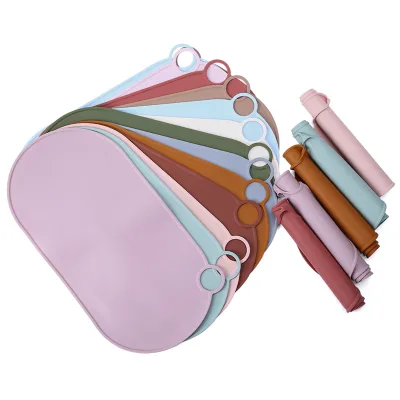
Non-Slip Non-Toxic Waterproof Heat Resistant 100% Food Grade Silicone Dinning Mat
$2.36 - $2.95
MOQ: 3000 Pieces

Heat Resistant Food Grade Multifunctional Microwave Silicone Collapsible Bowl
$1.70 - $1.80
MOQ: 1000 Pieces


Xiamen Newtop Material Company
- Verified by TUVRHEINLAND
- Combined
- China Fujian
- Lead time15 days
- Avg. response≤ 2h
Main productsSilicone Pet Prodcuts, Silicone Housewares Product, Silicone Baby Product, Silicone Parts, Silicone Cap, Silicone Breast Pump, Slow Feeder, Silicone Pet Mat, Silicone Gasket, Silicone Hose
Main marketsEurope,North America
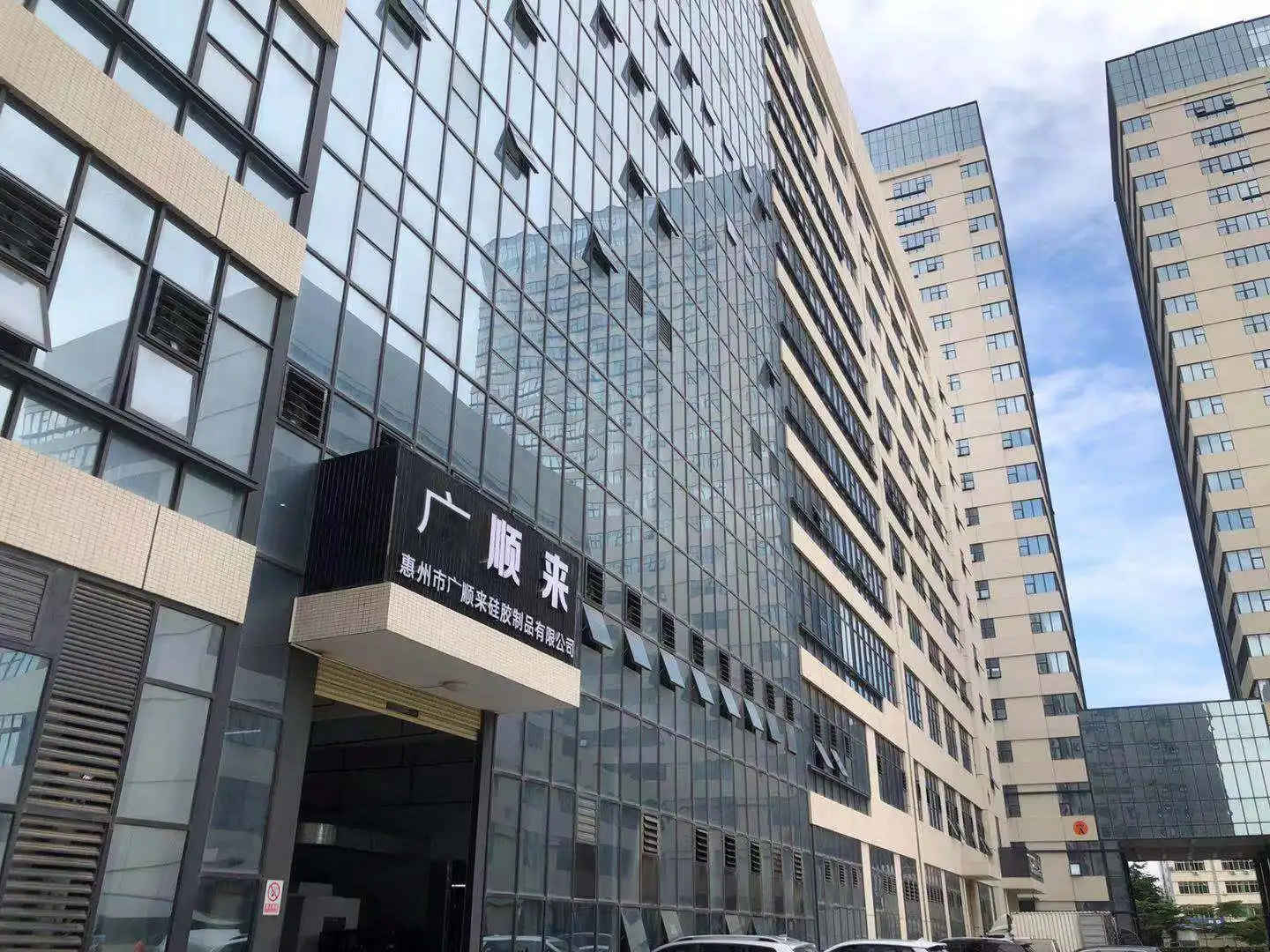
Huizhou Guangshunlai Industrial Co., Ltd.
- Trading Company
- Guangdong, China
- Lead time0 days
- Avg. response≤ 3h
Main productssilicone washing gloves,silicone cake mold,silicone ice cube tray,silicone bakeware,silicone kitchen accessories
Main marketsNorthern Europe(30.00%), North America(30.00%), Western Europe(10.00%), South America(5.00%), Eastern Europe(5.00%)

Zhongshan Mingxin Silicone Manufactory
- Verified by SGS
- Combined
- China Guangdong
- Lead time15 days
- Avg. response≤ 6h
Main productsSilicone Kitchenware, Silicone Keypaid, Silicone Bracelet, Silicone Wristband, Silicone Ashtray, Silicone Tube, Silicone Watch, Silicone Rubber, Silicone Sex Doll, Silicone Mold
Main marketsEurope,North America


Customized Silicone Pot Cup Bowl Coaster Placemat Kitchenware Promotion Gift
$1.05 - $1.35
MOQ: 1000 Pieces


Xiamen Flying Silicone Rubber Co., Ltd.
- Verified by TUVRHEINLAND
- Trading Company,Manufacturer/Factory
- China Fujian
- Lead time23 days
- Avg. response≤ 12h
Main productsSilicone Rubber Auto Parts, Silicone Rubber Keypad, Silicone Rubber Gasket, Silicone Rubber O-Ring, Silicone Rubber Valve, Silicone Rubber Kitchenware, Plastic Injection Parts, Silicone Rubber Gifts, Silicone Medical Accessories, LSR Baby Care
Main marketsSouth America,Eastern Europe,North America,Southeast Asia,Western Europe

Shenzhen Guangyufeng Rubber Co., Ltd.
- Verified by SGS
- Trading Company,Manufacturer/Factory
- China Guangdong
- Lead time23 days
- Avg. response≤ 3h
Main productsSilicone Product, Silicone Rubber Product, Baby Product, Silicone Tube, Silicone Rubber Roller, Silicone Sex Toy, Silicone Mold, Silicone Kitchenware, Silicone Case, Silicone Strap
Main marketsSouth America,Eastern Europe,Mid East,North America,Southeast Asia,Eastern Asia,Oceania,Western Europe,Africa

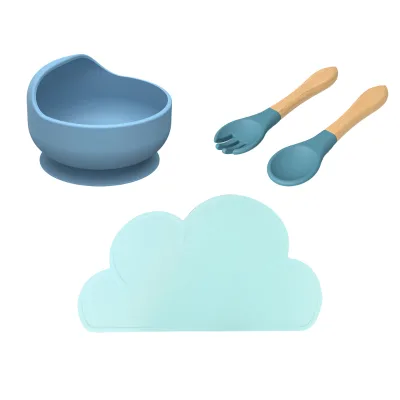
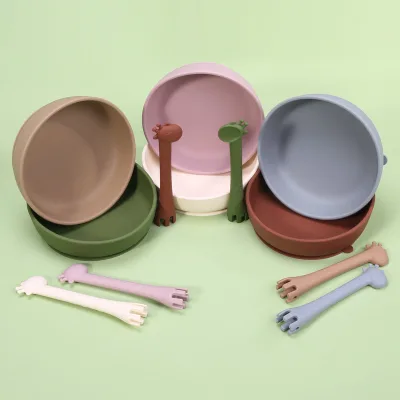
Silicone Snail Bowl Children's Fork and Spoon Tableware Set, Baby Complementary Food Suction Bowl
$1.50 - $8.00
MOQ: 200 Pieces


Wholesale Baby Eating Food Plates and Bowls Set Silicone Feeding Set for Baby
$0.50 - $8.30
MOQ: 50 Pieces


Cross-Border Exclusive Baby Silicone Snail Bowl, Children's Fork and Spoon Bowl Set
$2.30 - $3.20
MOQ: 50 Pieces
Xiamen Hands Chain Silicone Co., Ltd.
- Verified by TüVRheinland
- Manufacturer, Trading Company
- Lead time20 days
- Avg. response≤ 2h
Main productsSilicone Products
Main marketsNorth America(25%), Eastern Europe(25%), South America(15%)

Zhongshan Xinyuan Silicone Rubber Co. Ltd
- Verified by TUVRHEINLAND
- Combined
- China Guangdong
- Lead time15 days
- Avg. response≤ 2h
Main productsSilicone Mold, Silicone Ice Cube Tray, Silicone Wristband, Silicone Tea Infuser, Silicone Bakeware, Silicone Keychain, Silicone Cup Coaster, Silicone Bag
Main marketsSouth America,Southeast Asia/ Mideast,Domestic,Europe,North America


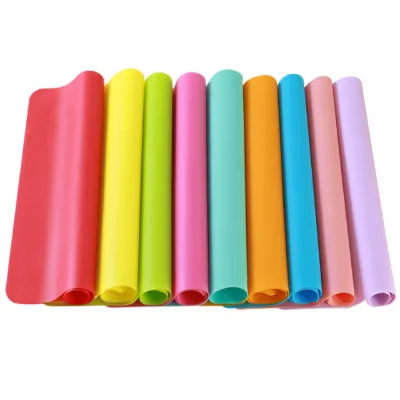
Silicone Place Mat Design Your Own Heat-Resistant Non-Slip Washable Table Mats/Bowl Mat
$1.20 - $1.80
MOQ: 100 Pieces


Milesun Rubber & Plastic Technology Co., Ltd.
- Verified by CTI
- Manufacturer/Factory
- China Guangdong
- Lead time23 days
- Avg. response≤ 12h
Main productsRubber Components, Rubber Damper/Shock Absorber/Sheet, Rubber-Metal Components, Sealing Ring, Home Appliance Rubber and Metal Components, Power Tool Rubber and Metal Components, Auto Rubber and Metal Components, Sanitary Rubber and Metal Components, Kitchen Ware / Daily Use Rubber Products, Food Grade Rubber Products/Toy
Main marketsSouth America,Eastern Europe,Mid East,North America,Southeast Asia,Eastern Asia,Oceania,Western Europe,Africa
Dongguan JR Silicone Products Co., Ltd.
- Verified by SGS Group
- Manufacturer, Trading Company
- Lead time15 days
- Avg. response≤ 3h
Main productsSilicone Products , Rubber Products , Rubber Molds , Gaskets Seals
Main marketsDomestic Market(30%), North America(21%), Oceania(10%)

Jinjiang Naike Eco Technology Co., Ltd.
- Verified by SGS
- Trading Company
- China Fujian
- Lead time30 days
- Avg. response≤ 2h
Main productsKeychain, Promotional Gifts, Shoes Charm, Straw Toppers, Pencil Toppers, Christmas Decoration, Party Decoration, Toy, Metal Craft, Silicone Products
Main marketsEurope,North America

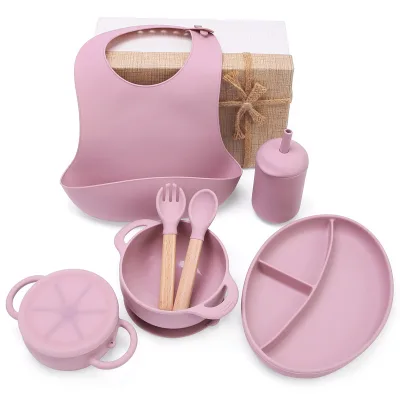
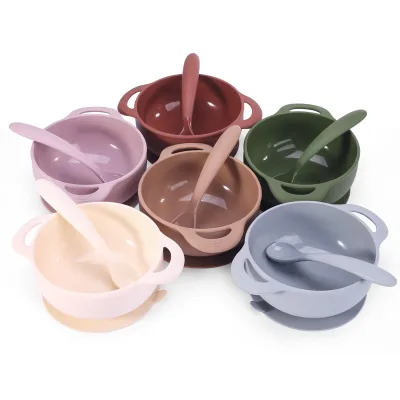
High Quality Custom Strong Suction Bowl Spoon Set Food Grade Silicone Baby Feeding Bowl Set
$2.02 - $2.12
MOQ: 300 Pieces

Naike BPA Free Food Grade Silicone Tableware Waterproof Bib Plate Bowl Set
$4.41 - $4.50
MOQ: 100 Pieces
Chuzhou Jincheng Home Decoration Manufactory
- Manufacturer, Trading Company
- Lead time旺季: "1 - 300":35,"301 - 2000":45,"> 2000":"To be negotiated", 淡季: "1 - 300":35,"301 - 2000":45,"> 2000":"To be negotiated"
- Avg. response≤ 4h
Main productsStorage Tray, Metal Trunk, Jewelry Box, Desktop Organizer, Decorative Mirror
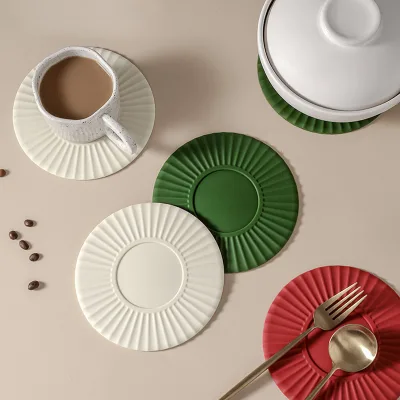
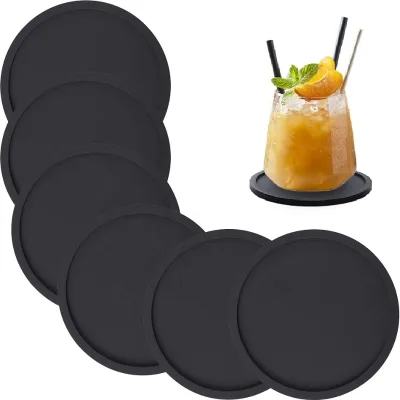
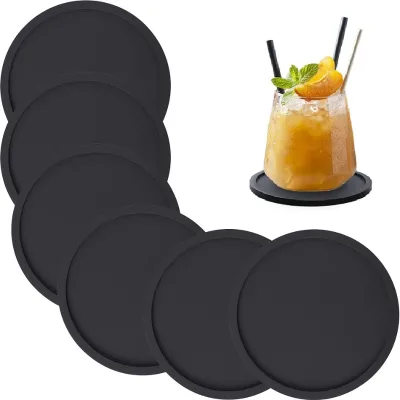
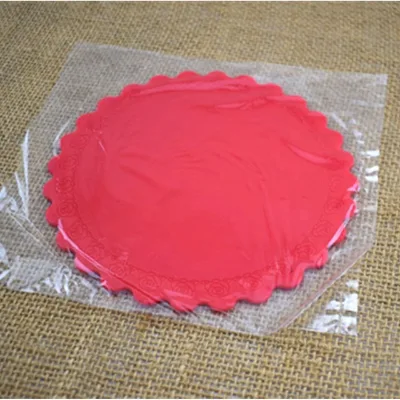
Silicone Round Insulation Placemat Home Dining Mat Bowl Mat Heat Resistant Silicone Placemats
$0.90 - $1.20
MOQ: 300 pieces
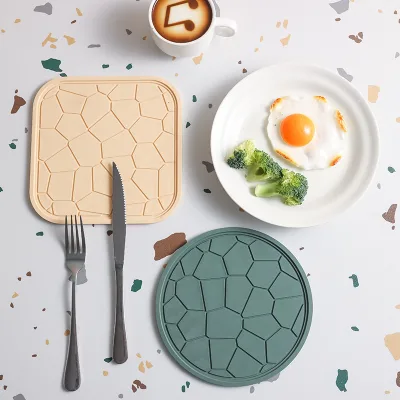
Household Table Mat Bowl Pot Mat Waterproof, Non-slip and Heat-resistant Silicone Pan Insulation Mat
$0.57 - $0.70
MOQ: 500 pieces

$0.62 - $0.93
MOQ: 300 pieces

- Verified by TUVRHEINLAND
- Combined
- China Guangdong
- Lead time15 days
- Avg. response≤ 4h
Main productsPhone Case, Sex Toy, Silicone Kitchenwares, Sex Doll, Silicone Electronic Accessories, Keychain, Bracelets, Silicone Necklace, Silicone Cup Mat, Silicone Ashtray
Main marketsSoutheast Asia/ Mideast,East Asia(Japan/ South Korea),Europe,North America

Qingdao ShengHong Rubber and Plastic Co., Ltd
- Verified by TUVRHEINLAND
- Trading Company
- China Shandong
- Lead time15 days
- Avg. response≤ 6h
Main productsOil Sealing, Damping and Buffering, Flexible Fittings for Fluid Pipelines, Protective Seals, Sealing Strip, Metal Stamped Products, Framework Oil Seals, Stamping, Rubber Product, Rubber Seal
Main marketsEurope
Shenzhen Kean Silicone Product Co., Ltd.
- Manufacturer, Trading Company
- Lead time旺季: "1 - 500":7,"501 - 1000":15,"1001 - 5000":30,"> 5000":"To be negotiated", 淡季: "1 - 500":7,"501 - 1000":15,"1001 - 5000":30,"> 5000":"To be negotiated"
- Avg. response≤ 2h
Main productsDog Water Bottle, Collapsible Water Bottle, Baby Feeding Set, Food Storage Bag, Travel Bottle

Xiamen Neway Rubber & Plastic Products Co., Ltd.
- Verified by BV
- Combined
- China Fujian
- Lead time15 days
- Avg. response≤ 3h
Main productsPlastic Injection Molding, Plastic Parts, Silicone Rubber Parts, Gasket Seals, Rubber Grommet, Mould, O Ring, Extrusion Strip, Metal Parts, Suction Cup
Main marketsSouth America,Africa,Southeast Asia/ Mideast,East Asia(Japan/ South Korea),Europe,Australia,North America

- Verified by SGS
- Trading Company,Manufacturer/Factory,Other
- China Zhejiang
- Lead time38 days
- Avg. response≤ 18h
Main productsBath Mat, Cushion, Wooden Toys, Fitness Equipment, Cosmetic Bag, Luggage, Festival Products, Gym Items, Face Mask, Paracord Bracelet
Main marketsSouth America,Eastern Europe,Mid East,North America,Southeast Asia,Eastern Asia,Oceania,Western Europe,Africa

Yangjiang C&B Consumer Product Limited
- Verified by CTI
- Trading Company
- China Guangdong
- Lead time15 days
- Avg. response≤ 6h
Main productsBarbecue Tongs, Grilling Brushes, Outdoor Shovel, Grilling Tools, Kitchen Ware, Outdoor Products, Pizza Tools, Knife Set
Main marketsSouth America,Africa,Southeast Asia/ Mideast,Europe,Australia,North America
Dongguan Guibaoquan Rubber Technology Co., Ltd.
- Verified by TUVRHEINLAND
- Combined
- China Guangdong
- Lead time15 days
- Avg. response≤ 2h
Main marketsDomestic


Wholesale Thickened Silicone Kneading Mat with White and Black for Dough with Bulk Price
$0.79 - $3.00
MOQ: 500 Pieces
Shenzhen Kean Silicone Product Co., Ltd.
- Manufacturer, Trading Company
- Lead time旺季: "1 - 1000":10,"1001 - 5000":20,"5001 - 10000":30,"> 10000":"To be negotiated", 淡季: "1 - 1000":10,"1001 - 5000":20,"5001 - 10000":30,"> 10000":"To be negotiated"
- Avg. response≤ 2h
Main productsDog Water Bottle, Collapsible Water Bottle, Baby Feeding Set, Silicone Makeup Tools, Travel Bottle










Comprehensive Sourcing Guide
Food Grade Silicone Mat and Bowl Set Supplier Concentration and Factory Types
Current data indicates that suppliers for food grade silicone mats and bowl sets are concentrated in specific Chinese provinces, with Zhejiang and Fujian emerging as primary manufacturing hubs. Fact sheets show Zhejiang-based entities offering combined company types that handle both glass lids and silicone kitchenware, while Fujian suppliers specialize in a broader range of silicone products including pet feeders and baby items. These regions host factories capable of Own Brand, ODM, and OEM services, suggesting a mature ecosystem for custom silicone production. Buyers should verify if a supplier's listed location matches their actual factory address, as some trading companies may list a different province than their production base.
When assessing factory types, the distinction between pure manufacturers and combined trading entities is critical for this category. The observed supplier profiles include "Combined" company types that manage both product lines and service capabilities, which can streamline communication but may introduce layers between the buyer and the production floor. Some suppliers explicitly state their capacity for ODM and OEM work, indicating they can adapt designs for specific market needs. However, not all suppliers display a clear establishment year or specific factory certifications in their public profiles. Buyers must confirm whether the entity they are engaging is the actual manufacturer or a middleman by requesting proof of facility ownership or direct factory audit reports before committing to large orders.
How to Verify Food Grade Silicone Mat and Bowl Set Suppliers
Verification of food grade silicone suppliers requires a rigorous check of certification documents and product attributes to ensure safety compliance. Available product evidence lists FDA and LFGB certifications for various silicone mats and bowls, which are essential for food contact applications. Some suppliers also display ISO certification alongside FDA, particularly for pet feeding products, indicating a broader quality management system. Buyers should not rely solely on the presence of these keywords in product descriptions but must request valid, up-to-date certificates from the supplier. It is also necessary to verify that the specific product model being ordered matches the certified batch, as certifications can sometimes be generic to the factory rather than specific to every SKU.
Beyond certifications, response time and verification status serve as key indicators of supplier reliability and operational maturity. Data shows response times varying significantly, with some suppliers responding within 1.13 hours while others take over 24 hours. A faster response time often correlates with a more active sales team and better communication channels, which is vital for resolving quality issues quickly. Additionally, some suppliers display verification badges from recognized bodies like TÜV Rheinland, which adds a layer of third-party validation to their business credentials. Buyers should prioritize suppliers with verified status and rapid response capabilities, as these factors reduce the risk of miscommunication and delays during the sourcing process.
What to Compare Across Food Grade Silicone Mat and Bowl Set Suppliers
Comparing suppliers requires a detailed analysis of lead times, minimum order quantities, and pricing structures to ensure alignment with business needs. Lead times for silicone products in the observed data range from 15 days to 23 days, reflecting differences in production capacity and current order backlogs. Minimum order quantities (MOQ) also vary, with some suppliers requiring 1500 pieces for standard baking mats while others accept orders as low as 100 pieces for specialized pet bowls. Buyers must calculate the total cost of ownership, including the impact of higher MOQs on inventory holding costs, rather than focusing solely on the unit price.
Pricing and customization options are equally critical when evaluating potential partners. Unit prices for silicone mats and bowls can range from approximately $0.38 to $4.30 depending on size, weight, and complexity. Larger, heavier items like 59x40cm mats command higher prices than smaller, lighter bowls. Customization availability is another key differentiator, with most suppliers offering logo printing and custom packaging, but the extent of design flexibility varies. Buyers should compare the specific customization terms, such as whether sample support is offered and if there are additional fees for mold development. A comprehensive comparison matrix should include these variables to identify the most cost-effective and flexible supplier for the specific project requirements.
Common Food Grade Silicone Mat and Bowl Set Sourcing Risks
One significant risk in sourcing silicone mats and bowls is the discrepancy between claimed certifications and actual product safety. While many product listings explicitly state FDA and LFGB compliance, there is a risk that the actual goods may not meet these standards if the supplier lacks rigorous quality control. Buyers must be wary of suppliers who list certifications without providing verifiable documentation or who use generic terms like "food grade" without specifying the standard. This risk is particularly acute when dealing with suppliers who have a "Combined" company type, as they may source from multiple factories with varying quality levels.
Another major risk involves the reliability of lead times and the potential for production delays. Observed lead times of 15 to 23 days can be extended by unforeseen circumstances such as raw material shortages or factory shutdowns. Suppliers with longer response times, such as those taking over 24 hours to reply, may indicate a lack of dedicated support staff, which can exacerbate delays when issues arise. Furthermore, the lack of a clear establishment year for some suppliers makes it difficult to assess their long-term stability and track record. Buyers should mitigate these risks by establishing clear contractual penalties for delays and requesting regular production updates to monitor progress against the agreed timeline.
Food Grade Silicone Mat and Bowl Set Regional Sourcing and Logistics
Regional sourcing strategies must account for the specific logistics advantages offered by manufacturing clusters in Zhejiang and Fujian. Suppliers in these regions benefit from established supply chains for silicone raw materials and mature logistics networks that facilitate efficient shipping. Zhejiang-based suppliers often handle diverse product lines, including glass lids and silicone bakeware, which can simplify the consolidation of orders. Fujian suppliers, known for their focus on pet and baby products, may offer specialized packaging solutions tailored to these niches. Buyers should evaluate the proximity of the factory to major ports to minimize inland transportation costs and reduce the overall carbon footprint of the shipment.
Logistics planning also requires careful consideration of shipping terms and packaging standards. Product evidence indicates that suppliers typically use PVC Pet or OPP bags for packaging, which must be robust enough to protect the silicone items during transit. Shipping terms vary, with options including EXW, FOB, and DDP, each carrying different responsibilities for the buyer regarding customs clearance and insurance. Buyers should verify the supplier's experience with international shipping to ensure they can handle the specific requirements of the destination market. Additionally, the weight and dimensions of the products, such as the 471g weight of larger mats, will significantly impact freight costs, making accurate dimension and weight data essential for budgeting.
Food Grade Silicone Mat and Bowl Set Commercial Terms and Order Planning
Commercial terms for food grade silicone mats and bowls often include specific requirements for payment, customization, and sample approval. Most suppliers accept OEM and ODM orders, but the terms for custom logo printing and packaging design can vary. Buyers should clarify the cost structure for samples, as some suppliers support sample requests while others may charge for them. It is also crucial to confirm the payment terms, such as the percentage required upfront and the balance upon shipment, to manage cash flow effectively. Understanding these terms early in the negotiation process helps prevent misunderstandings and ensures a smooth transaction.
Order planning must align with the supplier's production capacity and lead time capabilities to avoid stockouts or overstocking. With MOQs ranging from 100 to 3000 pieces, buyers need to balance their inventory needs with the supplier's minimum requirements. For smaller orders, buyers may need to consolidate products from different suppliers or negotiate a lower MOQ, which could affect the unit price. Lead times of 15 to 23 days should be factored into the production schedule, allowing buffer time for quality inspections and potential delays. Buyers should also consider the customization lead time, as adding custom logos or packaging may extend the overall production timeline. Careful planning ensures that the supply chain remains efficient and responsive to market demands.
FAQs
What certifications do food grade silicone mats have?
The silicone mats listed carry FDA and LFGB certifications, confirming they meet strict safety standards for food contact. These approvals ensure the material is non-toxic and safe for repeated use in baking and cooking applications without leaching harmful substances into food.
What is the minimum order quantity for silicone mats?
Most silicone baking mats require a minimum order quantity of 1500 pieces. Some specific models, such as dining mats, may require 3000 pieces. Buyers should verify the exact MOQ for their chosen product model before placing a bulk order to ensure compliance.
How long does it take to produce silicone mats?
Production lead times for these silicone mats typically range from 15 to 23 days. This timeframe allows for manufacturing and quality checks. Buyers should confirm the exact lead time with the supplier, as it may vary based on order volume and customization needs.
Can I customize the logo on silicone mats?
Yes, customization is available for most silicone mat products. Suppliers accept custom logos and packaging options to meet brand requirements. Buyers can request samples to verify the quality of the customization before committing to a larger production run for their specific design needs.
What is the price range for silicone baking mats?
Prices for silicone baking mats generally range from $0.38 to $3.50 per piece. The cost depends on the product size, weight, and specific features. Larger mats or specialized designs like collapsible bowls may be priced higher than standard small baking mats.
Where are these silicone mat suppliers located?
The primary suppliers for these silicone mats are located in China, specifically in the Zhejiang and Fujian provinces. These regions are known for their manufacturing capabilities in silicone kitchenware and pet products, offering a wide variety of options for international buyers.
Do suppliers offer OEM and ODM services?
Yes, many suppliers offer both OEM and ODM services for silicone products. This allows buyers to create custom designs or use existing supplier designs with their branding. Buyers should discuss their specific requirements with the supplier to ensure the service meets their business needs.