Food Grade Silicone Rubber Bracelet Suppliers and Manufacturers
Explore 16 verified suppliers offering Food Grade Silicone Rubber Bracelet options with ODM and OEM capabilities. Compare response times, lead times, MOQs, and certifications like ISO9001:2015 and SGS to select the right partner for your needs; review the available evidence before requesting comparable quotations from suitable candidates.
Suppliers List

- Verified by TUVRHEINLAND
- Combined
- China Guangdong
- Lead time15 days
- Avg. response≤ 4h
Main productsPatches, Badges, Woven Labels, Hang Tag, Lanyard, Gift Pouch, Promotional Caps, Promotonal Bracelet, Keychain, Bracelet
Main marketsSoutheast Asia/ Mideast,East Asia(Japan/ South Korea),North America

Zhongshan Xinyuan Silicone Rubber Co. Ltd
- Verified by TUVRHEINLAND
- Combined
- China Guangdong
- Lead time15 days
- Avg. response≤ 2h
Main productsSilicone Mold, Silicone Ice Cube Tray, Silicone Wristband, Silicone Tea Infuser, Silicone Bakeware, Silicone Keychain, Silicone Cup Coaster, Silicone Bag
Main marketsSouth America,Southeast Asia/ Mideast,Domestic,Europe,North America


Custom Printed Silicone Slap Wristband Promotional OEM Silicon Bracelet
$0.06 - $0.40
MOQ: 1000 Pieces


Wenzhou Guda Technology Co., Ltd.
- Verified by BV
- Combined
- China Zhejiang
- Lead time30 days
- Avg. response≤ 5h
Main marketsEurope

Fashionable Waterproof Rubber Sports Wristband Durable Silicone Fitness Bracelet
$0.04 - $0.10
MOQ: 500 Pieces

Fashionable Silicone Rubber Wristband Elastic Colourfor Cute Bracelet for Sports
$0.04 - $0.10
MOQ: 500 Pieces

Printed Customize Logo Silicone Bracelet Rubber Wristband Hot Sale Wrist Bands
$0.04 - $0.10
MOQ: 500 Pieces

2024 Hot Sales Customized Environmental Bracelet Soft Silicone Rubber Wristband
$0.04 - $0.10
MOQ: 500 Pieces

Trendy and Fashionable Rubber Band for Youth and Teens Silicone Wristband
$0.10 - $0.40
MOQ: 500 Pieces

Waterproof Rubber Silicone Wristbands Factory Price Custom Design High-Quality
$0.10 - $0.40
MOQ: 500 Pieces

Dongguan FengSuer Textile Co., Ltd
- Verified by TUVRHEINLAND
- Trading Company
- China Guangdong
- Lead time23 days
- Avg. response≤ 3h
Main productsWoven Patches, Woven Labels, Embroidery Patch, Keychians, Hantags, Printing Labels, Printing Patches, Woven Tape, Ribbon
Main marketsEurope


Print Rubber Wrist Band Sports Bracelet Strap Silicone Promotional Wristband
$0.10 - $1.00
MOQ: 50 Pieces
Dongguan Guangzhihong Silicone Products Co., Ltd.
- Manufacturer, Trading Company
- Guangdong, China
- Lead time0 days
- Avg. response≤ 8h
Main productsSilicone,Rubber,Plastic,Metal
Main marketsEastern Europe(20.0%), Domestic Market(20.0%), North America(20.0%), Western Europe(16.0%), Central America(10.0%), Northern Europe(5.0%), Mid East(5.0%), Southeast Asia(2.0%), Oceania(2.0%)
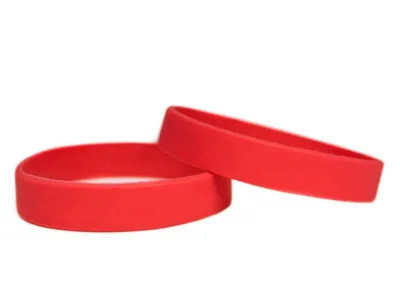
Customized Eco-friendly Rubber Sports Bracelet Basketball Silicone Wristbands with Difference Size
$0.09 - $0.12
MOQ: 1000 pieces
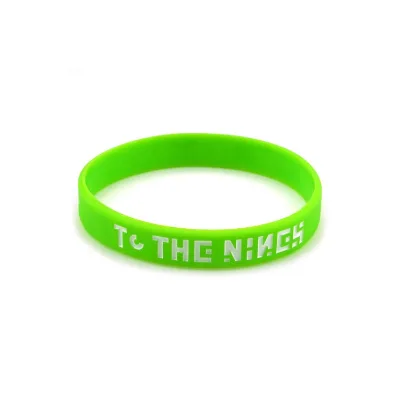
Customized Silicone Wristbands with Difference Size
$0.09 - $0.12

Zhongshan Artigifts Premium Metal & Plastic Co., Ltd.
- Verified by BV
- Combined
- China Guangdong
- Lead time15 days
- Avg. response≤ 3h
Main productsPin, Key Chain, Label, Coin, Lanyard, Purse Hanger, PVC Key Holder, Button Badge, Trolley Coin, Medal
Main marketsSouth America,Africa,Others(foreignTradeCapacity.exportBusinessCapacityMarketOther),Southeast Asia/ Mideast,East Asia(Japan/ South Korea),Europe,Australia,North America


Custom Sports PVC Silicon Rubber Bracelet Wristband for Promotional Gift
$0.20 - $0.80
MOQ: 500 Pieces

- Verified by TUVRHEINLAND
- Manufacturer/Factory
- China Zhejiang
- Lead time15 days
- Avg. response≤ 9h
Main productsNeodymium Magnet, Ferrite Magnet, Rubber Magnet, AlNiCo Magnet, Fridget Magnet, Keyring, Keychain, Magnet Sticker, Wood Magnet, Magnet Toy
Main marketsSouth America,Mid East,North America,Eastern Asia,Western Europe
Zhongshan Mingya Crafts Co., Ltd.
- Verified by SGS
- Trading Company,Manufacturer/Factory
- China Guangdong
- Lead time15 days
- Avg. response≤ 5h
Main productsChallenge Coin, Medal, Lapel Pin, Keychain, Cufflinks Tie Clip, Fridge Magnet
Main marketsSouth America,Eastern Europe,Mid East,North America,Southeast Asia,Eastern Asia,Oceania,Western Europe,Africa


Factory Production Rubber Silicone Bracelet Sport Customized Silicone Wristband
$0.07 - $0.07
MOQ: 100 Pieces

Cheap Price Factory Price Silicone Bracelet Rubber Bracelet Silicone Wristband
$0.07 - $0.07
MOQ: 100 Pieces

Ningbo Anklun Imp. & Exp. Co., Ltd.
- Verified by SGS
- Trading Company
- China Zhejiang
- Lead time30 days
- Avg. response≤ 3h
Main productsBags and Suitcase, LED Lights and LED Torches, Umbrellas, Toys and Inflatable Items, Stationeries and Gifts, Keychains and Bottle Openers, Kitchenwares&Dishwares, Tools, Daily Necessities General Merchandises, Promotional Items Gifts and Goods
Main marketsEurope

Silicone Rubber Colorful Fashion Sports Kids Promotion Advertising Gift Wristband Bracelet
$0.10 - $0.20
MOQ: 3000 Pieces


$0.10 - $0.20
MOQ: 3000 Pieces

Hot Selling Silicone Rubber Fashion Sports Kids Promotion Advertising Wristband Bracelet
$0.10 - $0.20
MOQ: 3000 Pieces

$0.10 - $0.20
MOQ: 3000 Pieces

Hot Selling Silicone Sports Kids Promotion Advertising Gift Wristband Bracelet
$0.10 - $0.20
MOQ: 3000 Pieces

Quanzhou Changyi Crafts Gifts Limited
- Verified by TUVRHEINLAND
- Manufacturer/Factory
- China Fujian
- Lead time23 days
- Avg. response≤ 6h
Main productsBallpoint Pen, Silicone Bracelet, Name Card Holder, Luggage Tag, Gift Set, Mobile Phone Accessory, Passport Cover, Ceramic Coaster, Gift Bag, Gift Box
Main marketsSouth America,Mid East,North America,Southeast Asia,Eastern Asia,Oceania,Western Europe,Africa

Silicone Rubber Wristband Hot Selling Personalized Custom Silicone Bracelet
$0.09 - $0.16
MOQ: 100 Pieces

High Quality Popular Rubber Wrist Band Event Promotional Silicone Bracelet
$0.09 - $0.16
MOQ: 100 Pieces
Guangzhou Mangou Arts and Crafts Co., Ltd.
- Verified by SGS
- Manufacturer/Factory
- China Guangdong
- Lead time15 days
- Avg. response≤ 4h
Main productsLanyards, Rubber Keychains / Soft PVC Keyring, Mouse Pads, Canvas Bags, Silicone Bracelets / Fabric Bracelets, Advertising Flags, Drawstring Bags, Car Paper Air Freshener, Caps / Hats, Ballpoint Pens
Main marketsSouth America,Eastern Europe,Mid East,North America,Southeast Asia,Eastern Asia,Oceania,Western Europe,Africa

$0.06 - $0.23
MOQ: 100 Pieces

High Quality Customized Personalized Silicone Rubber Bracelets Wristbands for Events
$0.06 - $0.23
MOQ: 100 Pieces

- Verified by TUVRHEINLAND
- Trading Company
- China Zhejiang
- Lead time15 days
- Avg. response≤ 3h
Main productsLanyard, Promotional Gift, Baseball Cap, Bags, T-Shirt, Ceramic Mug, Sport Water Bottle, PU Toys
Main marketsEurope,Australia,North America

Zhongshan Xinyuan Silicone Rubber Co., Ltd.
- Verified by TUVRHEINLAND
- Combined
- China Guangdong
- Lead time15 days
- Avg. response≤ 1h
Main productsEmbroidery Patch, PVC Keychain, Pin Badge, Medal, Lanyard, Challenge Coin, Paper Air Freshener, Coffee Maker, Luggage Tag, Coffee Maker/Grinder
Main marketsSouth America,Southeast Asia/ Mideast,Domestic,Europe,North America

Zhongshan Keychain Gifts & Crafts Co., Ltd.
- Combined
- China Guangdong
- Lead time15 days
- Avg. response≤ 5h
Main productsKey Ring, Key Chain, Metal Key Chain, Bag Hanger, Compact Mirror, Medal, Key Chain with Bottle Opener, Promotional Gift, Souvenir, Badge
Main marketsSouth America,Europe,Australia,North America


Custom Debossed Logo Silicone Bracelets Blue and Pink Rubber Wristband Wholesale
$0.05 - $0.19
MOQ: 300 Pieces
- Verified by TUVRHEINLAND
- Trading Company,Manufacturer/Factory
- China Shandong
- Lead time15 days
- Avg. response≤ 3h
Main productsRFID Card, RFID Tag, RFID Label, RFID Inlay, RFID Wristband, UHF Reader, RFID Tunnel Reader, RFID Handheld Reader, RFID Antennas, RFID Printer
Main marketsSouth America,Eastern Europe,Mid East,North America,Southeast Asia,Eastern Asia,Oceania,Western Europe,Africa

New Design Silicon Bracelet Popular Sports Basketball Plastic Rubber Wrist Band
$0.30 - $0.50
MOQ: 500 Pieces


Jinjiang Jiaxing Supply Management Co., Ltd.
- Verified by TUVRHEINLAND
- Trading Company
- China Fujian
- Lead time30 days
- Avg. response≤ 1h
Main productsEVA Clogs, Flip Flop, Shoe Charms, Shopping Bags, Wristbands, Gifts, Promotional Gifts, Slipper, Sport Cap, Ball
Main marketsNorth America


Comprehensive Sourcing Guide
Food Grade Silicone Rubber Bracelet Supplier Concentration and Factory Types
Suppliers of food grade silicone rubber bracelets in this category are concentrated in Guangdong, China, with product-origin records pointing specifically to Dongguan, a city long associated with silicone molding and promotional gift production. Buyers should treat Guangdong as the primary sourcing region supported by the listed evidence, since main-product lines from these suppliers include wristbands alongside patches, woven labels, lanyards, keychains, and other gift items. This mix signals factories that serve the promotional products trade broadly rather than producing bracelets alone, which can be an advantage for buyers bundling multiple branded accessories in one order.
Supplier types fall into two broad groups on this page. One is a combined company type offering ODM, OEM, and own-brand capacity, listing silicone wristbands among a wide gift and crafts catalog. The other specializes more narrowly in silicone products — molds, ice cube trays, tea infusers, bakeware, keychains, and wristbands — with ODM and own-brand capability and an ISO9001:2015 certificate on record. The specialist's adjacent bakeware and kitchenware lines are relevant for food grade inquiries because they indicate experience with silicone grades intended for food contact. When evaluating either type, ask which factory actually molds the bracelets, whether the food grade compound is compounded in-house or purchased, and what documentation accompanies the material. A combined trading-style supplier may broker production, so confirming the manufacturing entity early prevents misalignment later.
How to Verify Food Grade Silicone Rubber Bracelet Suppliers
Verification should start with the credentials actually displayed. One supplier on this page carries TÜV Rheinland verification, which is a meaningful third-party trust signal, while another holds an ISO9001:2015 system certification — evidence of a quality management system rather than product-level food safety. Neither credential alone proves the silicone is food grade, so buyers should request material declarations and food contact test reports for the specific compound used, and independently confirm any food safety claims with laboratory testing against the regulations of the destination market. One product listing references SGS as a standard, but buyers should verify what that refers to and obtain the underlying report.
Beyond certificates, use operational evidence. Product attributes on this page state customization is available, materials are silicone, sizes are 202×12×2mm for adults and 180×12×2mm for children, and sample time is 5–7 days, with production quoted at 15–25 days for one supplier and 10–15 days for another. Ask each candidate to confirm these figures in writing for your design. Request a pre-production sample in the actual food grade compound, not a stock sample in standard silicone, since colorants and curing agents differ. Check that the stated production origin — Dongguan, Guangdong in one record, Guangdong or China Mainland in others — matches where your goods will ship from. Finally, ask for the factory's business license scope and whether the entity you are contracting with is the manufacturer or an intermediary.
What to Compare Across Food Grade Silicone Rubber Bracelet Suppliers
Compare suppliers using the dimensions visible in the listings. MOQ diverges sharply: one supplier's wristband listings show an MOQ of 1000 pieces, while another advertises 100 pieces for custom logo wristbands and even lists "no limited" MOQ on a slap-band product. A low MOQ can be attractive for trial orders but sometimes correlates with higher unit prices, and one listed product price range runs from 0.05 to 0.15 while another spans 0.085 to 3.00 — a reminder that quotes vary by style, tooling, and finish. Response time is another differentiator on the page, with recorded figures of 3.14 and 1.38; faster response often predicts smoother communication during tooling and production.
Lead time and capacity matter equally. Production is quoted at 15–25 days by one supplier and 10–15 days by another, and sample timing ranges from 5–7 days to 8–10 days depending on the listing. Capacity labels show one supplier offering ODM, OEM, and own brand, while the other offers ODM and own brand. Location and verification also belong in the comparison: both suppliers are Guangdong-based, but only one shows a TÜV Rheinland verification and only one shows an ISO9001:2015 certificate, so do not assume every supplier displays the same credentials. Main-product breadth differs too — one spans broad promotional gifts, the other focuses on silicone housewares and wristbands. Build a side-by-side matrix of these recorded attributes, then fill gaps by asking suppliers directly for anything not shown.
Common Food Grade Silicone Rubber Bracelet Sourcing Risks
The most significant risk is grade substitution. Standard silicone wristbands are widely produced in Guangdong, and a supplier accustomed to promotional-grade material may quote quickly and then mold food grade bracelets from an unsuitable compound. Insist that the food grade designation appears on the purchase order, that the compound is specified by grade, and that colorants are food-safe as well. A related risk is certification confusion: an ISO9001:2015 certificate describes the factory's management system, and a TÜV Rheinland verification describes platform verification — neither is a food contact approval for your product. Do not accept either as proof of food grade compliance.
Timing and quantity risks are also visible in the data. Sample time is quoted at 5–7 days in most listings but 8–10 days for one debossed or printed product, and production ranges from 10–15 to 15–25 days; if your launch depends on a fixed date, build buffer into both stages. MOQ gaps create another trap: a supplier advertising "no limited" MOQ or free shipping on small orders may not maintain food grade tooling for those runs. Price spreads — from roughly 0.05–0.15 up to 3.00 across listings — suggest that designs at the top of the range involve features such as glow-in-the-dark effects, RFID, or USB, which add failure modes. Finally, packing is quoted at 100 pieces per poly bag and 3000 per carton in one record; confirm your packing specification in writing before mass production.
Food Grade Silicone Rubber Bracelet Regional Sourcing and Logistics
The sourcing evidence on this page points to Guangdong province, with Dongguan named as the origin for one wristband product and Guangdong or China Mainland cited for others. For food grade silicone bracelets, this regional concentration matters because Dongguan and the wider Pearl River Delta host dense tooling, compounding, and molding supply chains, which typically shortens the path from sample approval to mass production. Buyers should confirm that any Guangdong supplier can source certified food grade compound locally or from a documented compounder, since regional convenience does not guarantee grade availability.
Logistically, Guangdong offers established export infrastructure, and the listings reflect shipping flexibility: one supplier states shipping by sea, by air, and by express, and another notes international express for minimum orders. Sample shipments of 5–7 days turnaround are usually sent by express, while production runs of 10–25 days are typically followed by sea freight for volume orders or air freight when deadlines are tight. Packing details influence freight cost and product protection — one listing specifies 100 pieces per poly bag and 3000 pieces per carton, so calculate carton dimensions and gross weight when quoting freight. Because bracelets are lightweight but bulky when bagged individually, discuss compressed packing options. Ask each supplier to confirm the actual dispatch point, since a trading company quoting "China Mainland" may ship from a partner factory elsewhere; mismatched origins can change freight cost and lead time materially, so verify before booking.
Food Grade Silicone Rubber Bracelet Commercial Terms and Order Planning
Order planning should anchor on the MOQ and lead time data. Listings show MOQs of 1000 pieces on one side and 100 pieces — or even "no limited" — on the other, so match the minimum to your inventory strategy: a 1000-piece run suits established promotional programs, while 100-piece runs support market testing of food grade designs. Sample cost terms differ too; one listing states stock samples are free with the buyer paying shipping, and another advertises free stock samples, but a food grade sample in your compound may not be a stock item and could carry a charge. Clarify sample fees, tooling costs for debossed or shaped designs, and whether tooling is amortized or prepaid before committing.
Payment structure should reflect the lead time ladder: samples at 5–10 days, production at 10–25 days. Typical practice is a deposit with balance before shipment, but terms are not stated on this page and must be negotiated. One supplier's records show response times of 1.38 and 3.14 and a 15-day lead time flag, which can guide expectations for communication cadence during the order. Define acceptance criteria in the contract — size tolerance against the stated 202×12×2mm adult and 180×12×2mm children specifications, color fastness, and food grade documentation delivery with each batch. Confirm packing at 100 pieces per poly bag and 3000 per carton or your own spec, and agree the pre-shipment inspection point. Finally, re-verify MOQ and price at reorder, since promotional categories see frequent quotation changes.
(Word count: approximately 1385)
FAQs
What makes a silicone rubber bracelet food grade?
A Food Grade Silicone Rubber Bracelet is made from silicone that meets food-contact safety standards and contains no harmful fillers like BPA or phthalates. Buyers should ask suppliers for test reports such as FDA or LFGB documentation, confirm the material specification in writing, and request a sample to check odor, flexibility, and finish before ordering production quantities.
What is the typical MOQ for custom silicone wristbands?
Typical MOQs for custom silicone wristbands range widely, with many suppliers setting the bar at around 100 pieces and others requiring 1000 pieces per design. Lower MOQs usually mean higher unit prices and fewer color or logo options, so confirm minimums per style, per color, and per logo process before requesting a quotation.
How long do sampling and production usually take?
Sampling commonly takes about five to seven days once artwork is confirmed, while production often runs ten to twenty-five days depending on order size and logo complexity. Debossed, embossed, and printed logos may move at different speeds, and glow-in-the-dark or multi-color effects can add time, so ask for a written schedule per design.
Which logo techniques work on silicone bracelets?
The most common logo techniques are silkscreen printing, debossing, embossing, and debossed color-fill, and some suppliers also offer ink-injected or two-tone effects. Printing suits fine details and multi-color designs, while debossing is more durable for simple text and icons. Confirm which technique matches your artwork and request a pre-production photo before mass production.
What sizes are standard for silicone bracelets?
Most suppliers offer adult and children sizes, commonly around 202 by 12 by 2 millimeters for adults and 180 by 12 by 2 millimeters for children. Custom lengths, widths, and thicknesses are usually available on request, though special sizes may raise the MOQ or unit price, so confirm tooling requirements early.
What certifications should I verify before ordering?
Ask whether the factory holds an ISO 9001 quality management certificate and whether the silicone material has been tested to FDA or similar food-contact standards, with reports such as SGS available on request. Verify that the certificate covers the specific material batch or formulation you are buying, and keep copies in your purchase file for compliance audits.
Can I order free samples before mass production?
Many suppliers offer free stock samples but charge the courier cost, while fully custom samples with your artwork may carry a sample fee that is sometimes refunded against the bulk order. Expect five to ten days for custom samples. Always approve the exact logo, color, and size on a physical sample before confirming the production order.
What packaging options are available for shipping bracelets?
Common packing is pieces in poly or OPP bags, with roughly 100 pieces per bag and 1000 to 3000 pieces per carton, though counts vary by supplier and size. Custom packaging such as individual bags with headers or gift pouches is often available at extra cost, so confirm carton dimensions and gross weight for accurate freight quotations.